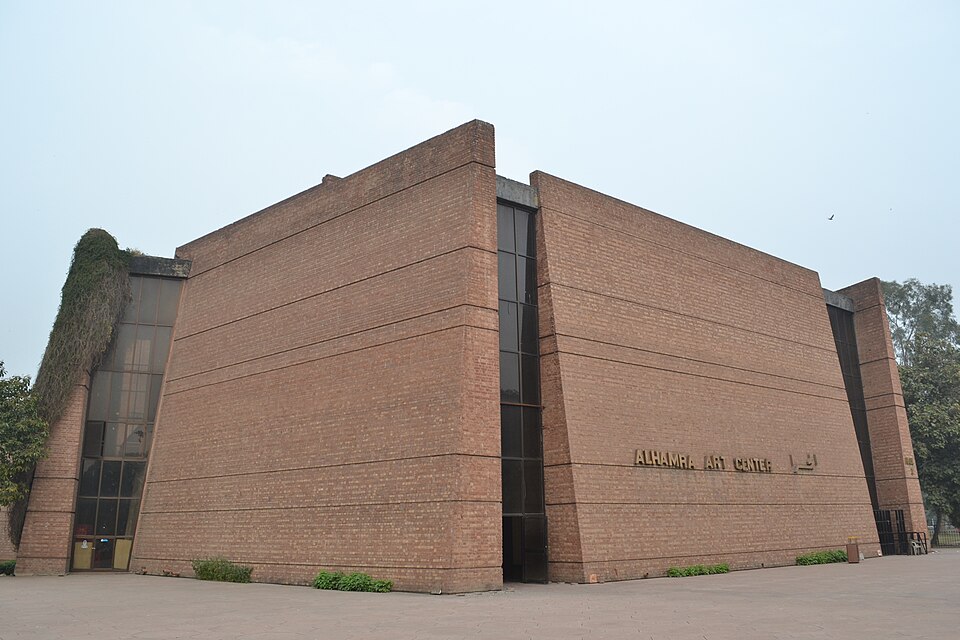
The building won the Aga Khan Award for Architecture in 1998. Its theatres and galleries host plays, music and the exhibitions of Pakistan's leading painters.
More modern art & architecture
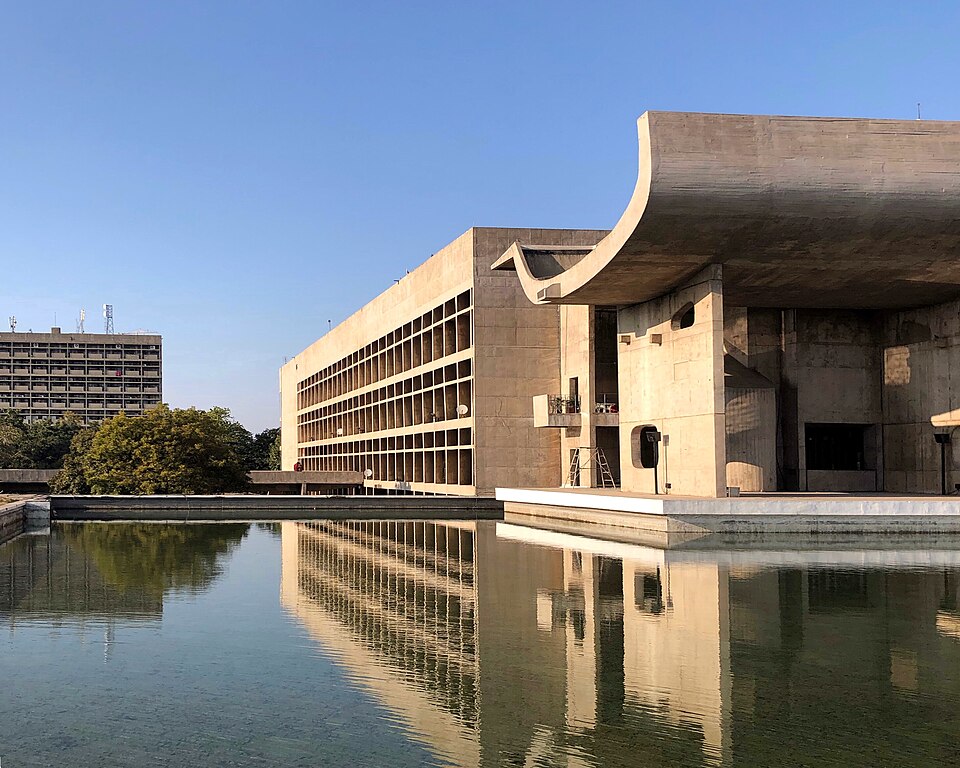
Le Corbusier's government buildings for the new capital of Indian Punjab, built after Lahore was lost in 1947.
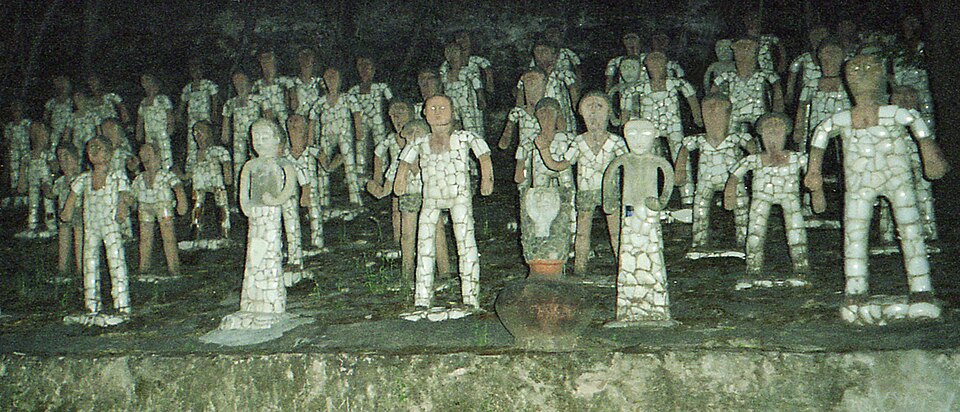
Thousands of figures made from rubble and broken china by a road inspector, built in secret on government land and opened to the public in 1976.
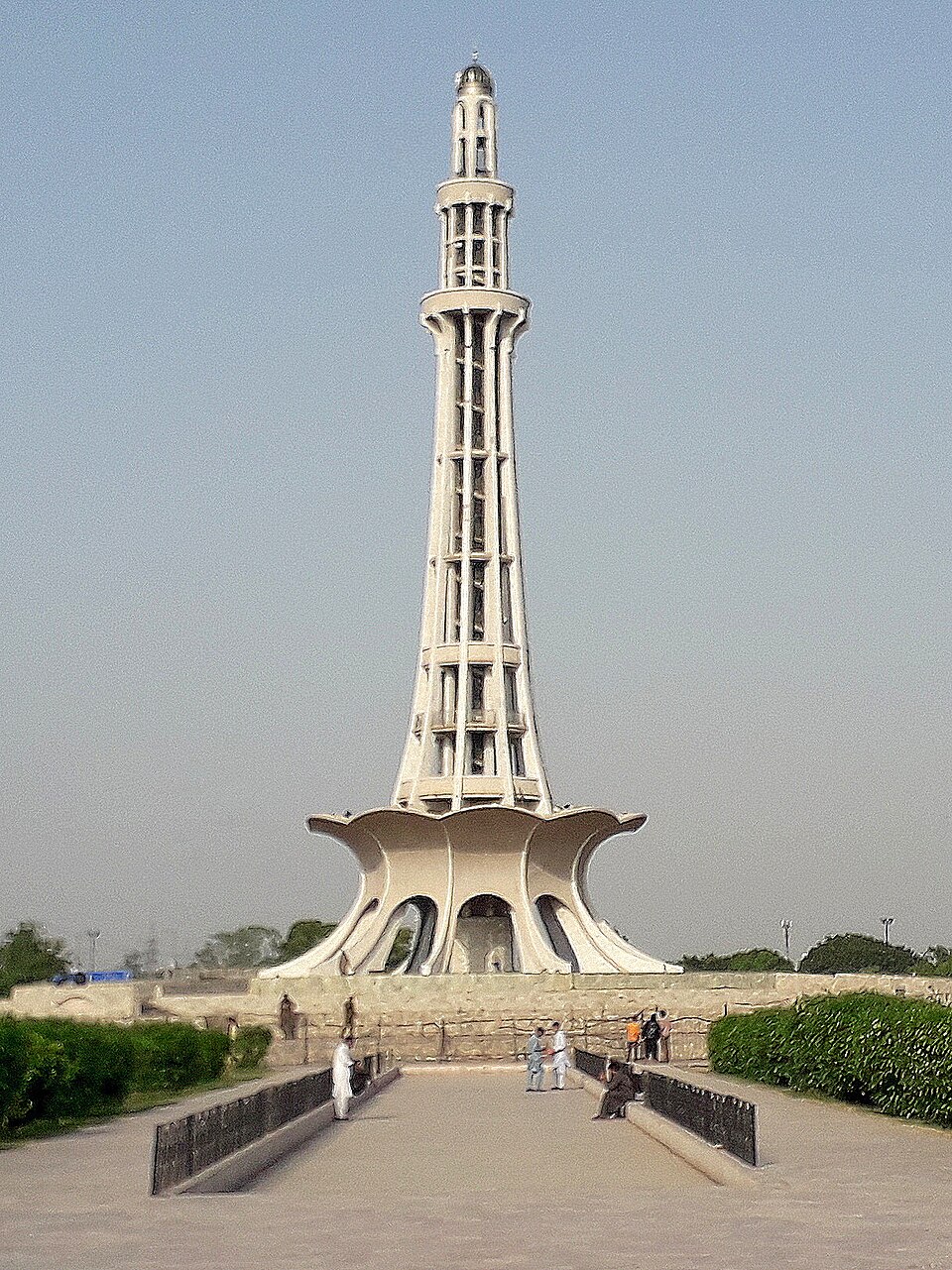
The tower in Lahore that marks where the Lahore Resolution was passed in 1940.
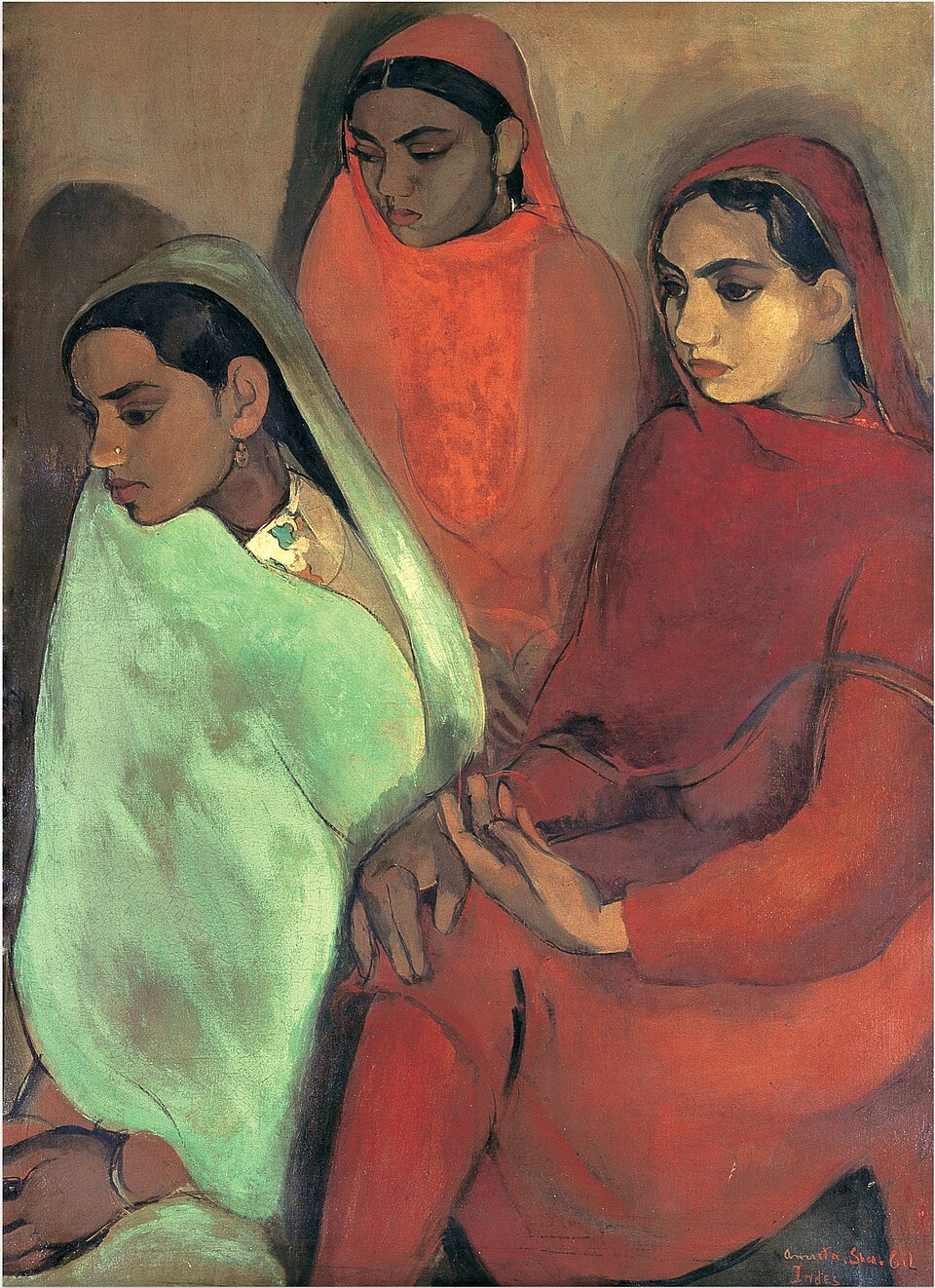
Three young women in red, green and ochre, sitting in silent expectation: the painting that won Sher-Gil the Bombay Art Society's gold medal.
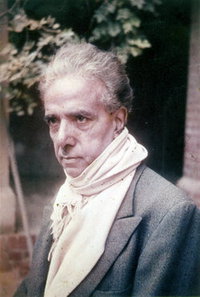
Lahore's great painter, who drew on Mughal and Persian miniature to make a style of his own.
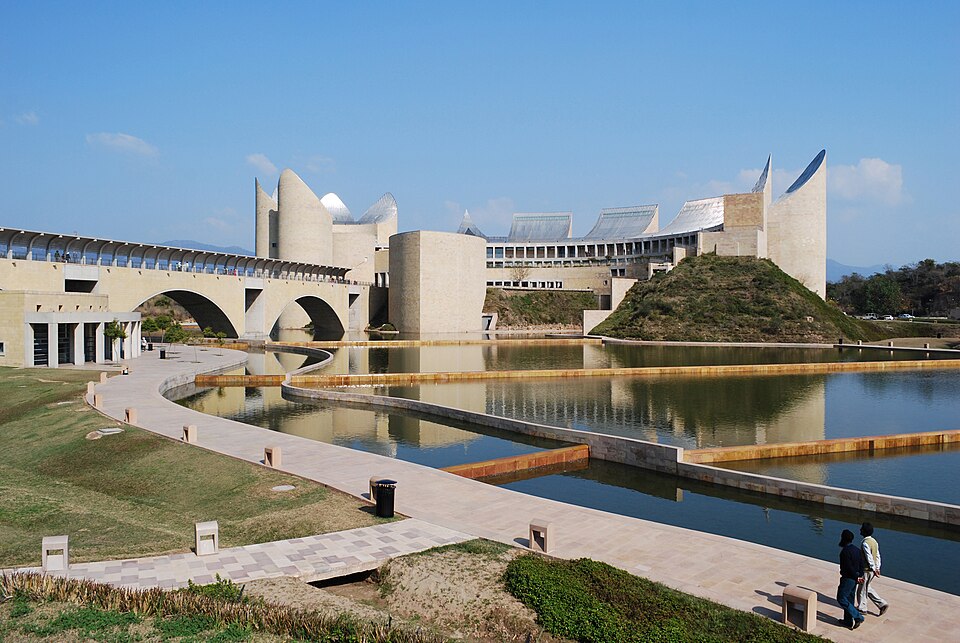
A museum of Sikh history and Punjabi culture designed by Moshe Safdie, its curving roofs set across a lake below the Keshgarh hill.
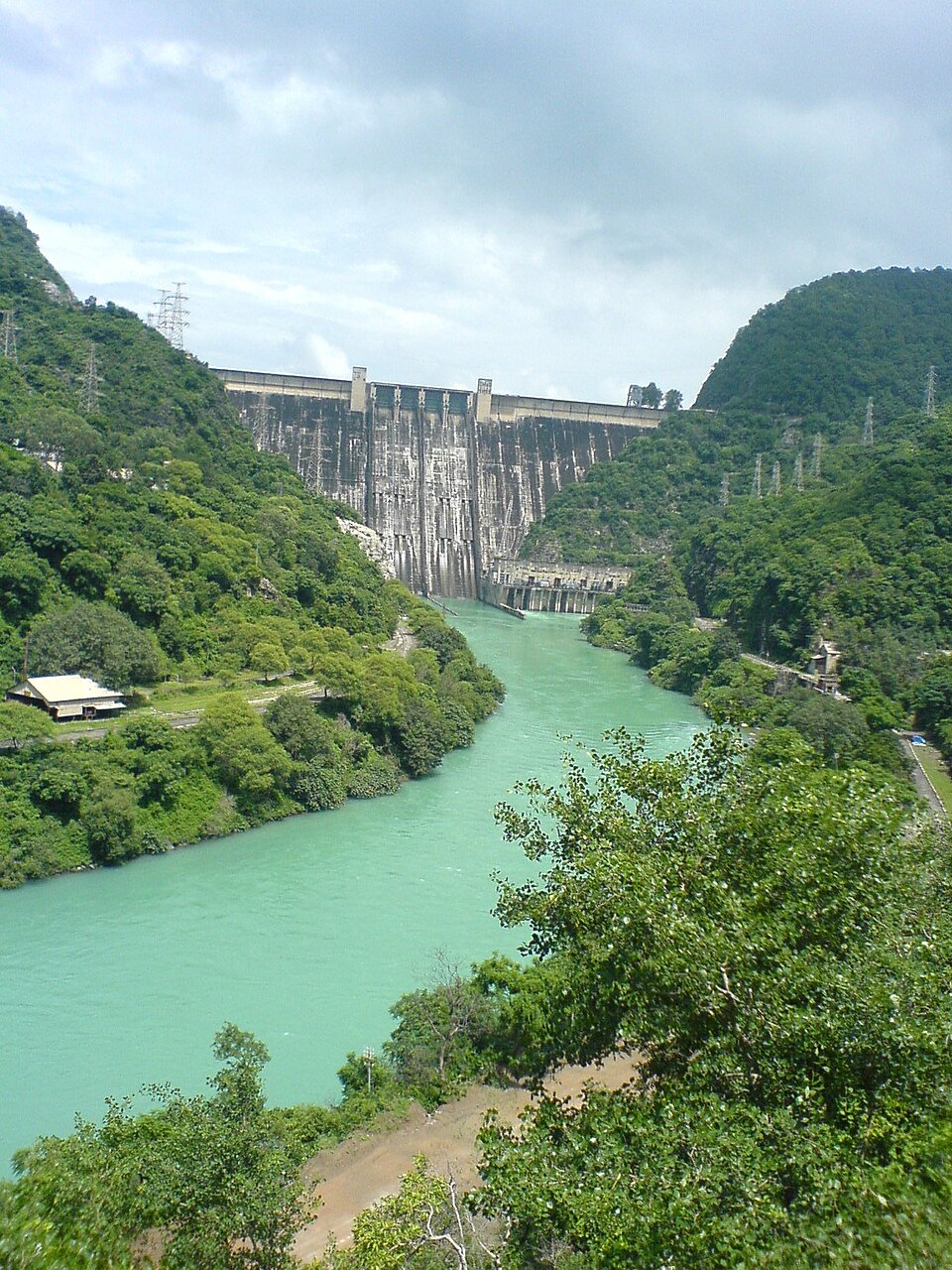
The concrete dam across the Sutlej in the Shivalik hills, 226 metres high, whose water and power made the Green Revolution possible. Nehru called such projects the new temples of India.
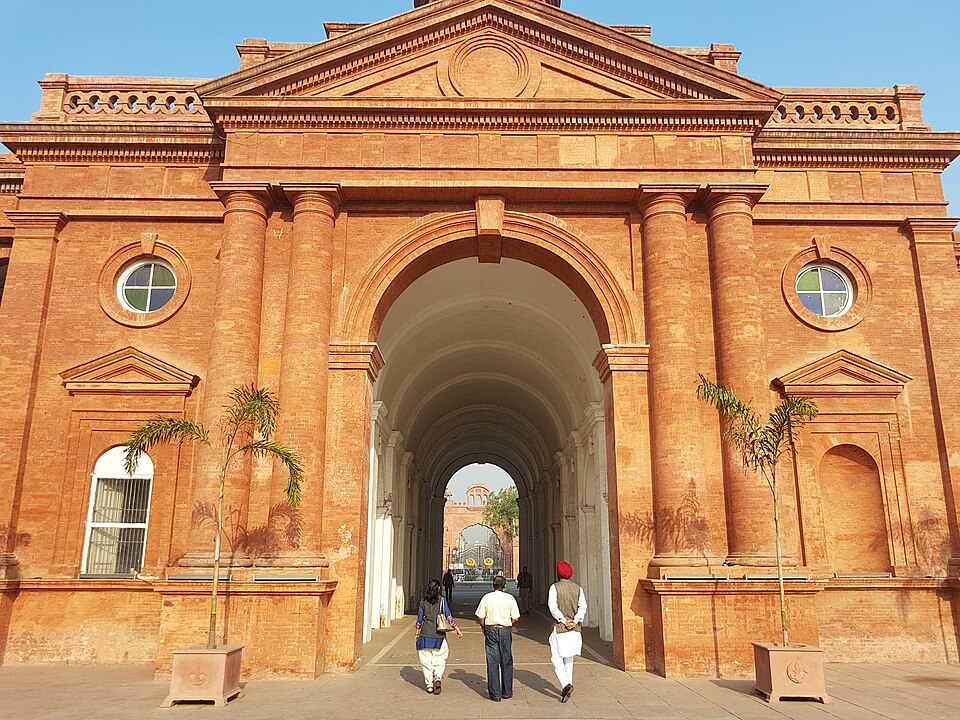
A museum in Amritsar's old Town Hall that tells the story of 1947 through the voices, letters and belongings of the people who lived through it.
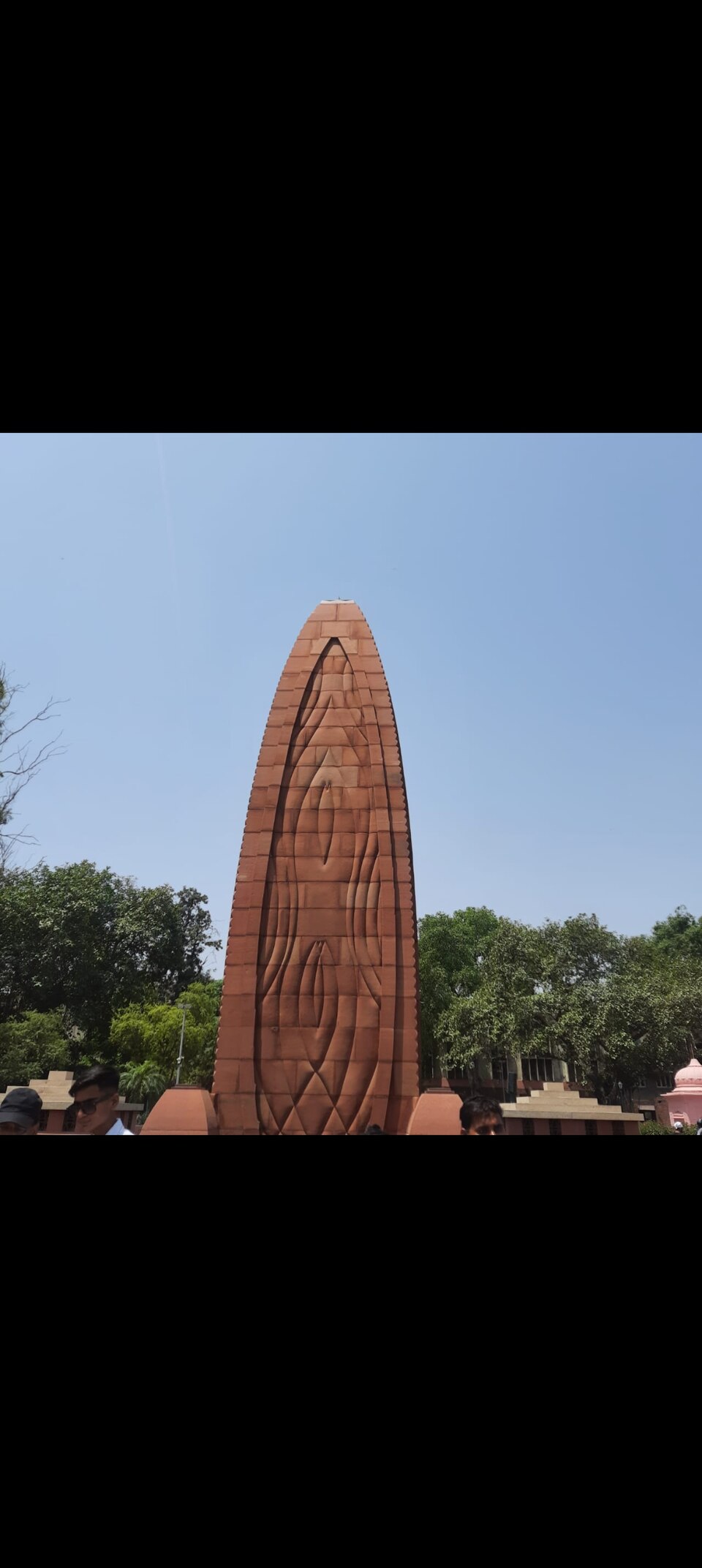
The flame-shaped red sandstone memorial designed by the American architect Benjamin Polk, opened in 1961 in the garden where Dyer's troops fired on the crowd in 1919.
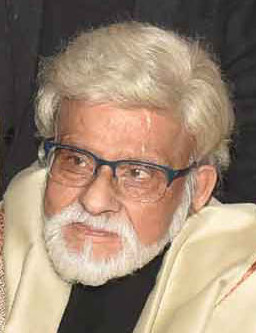
Born in Jhelum in 1925 and deaf from childhood, Gujral painted the grief of the refugees in a series on Partition, before turning to murals, sculpture and architecture.
Founded as the Mayo School of Art, with John Lockwood Kipling, Rudyard's father, as its first principal; he also ran the Lahore Museum next door. It trained generations of the craftsmen and artists of the Punjab.
One of the oldest colleges of the Punjab, its Gothic tower a Lahore landmark. Muhammad Iqbal studied and taught there, and so did the Nobel physicist Abdus Salam.
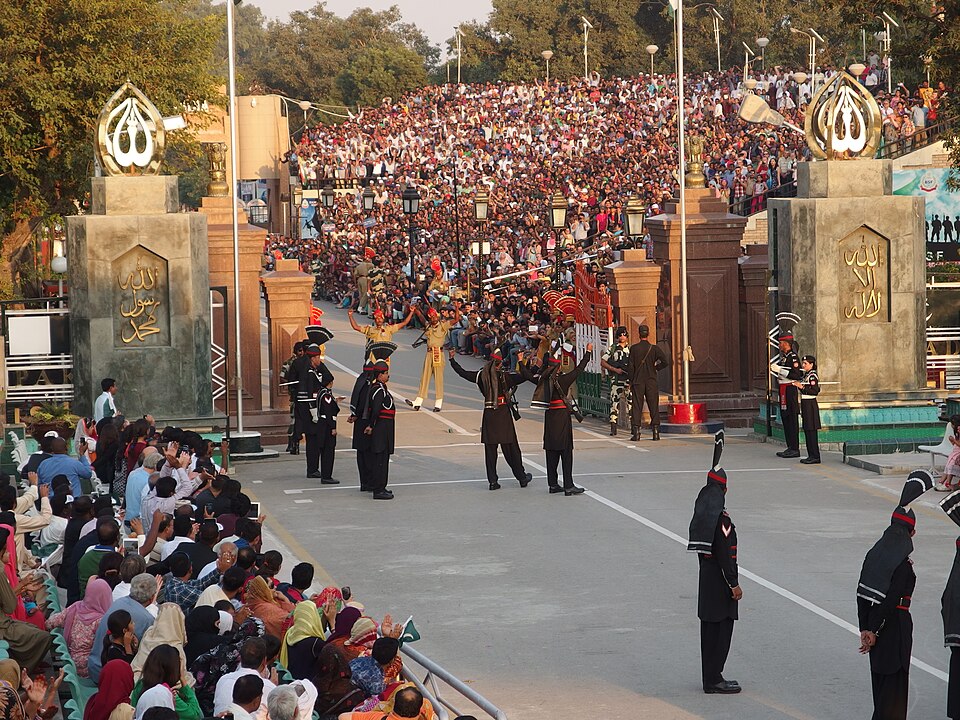
The road crossing between the two Punjabs, where soldiers of both countries have lowered their flags together every evening since 1959, in a ceremony of stamping and glaring watched by crowds on both sides.