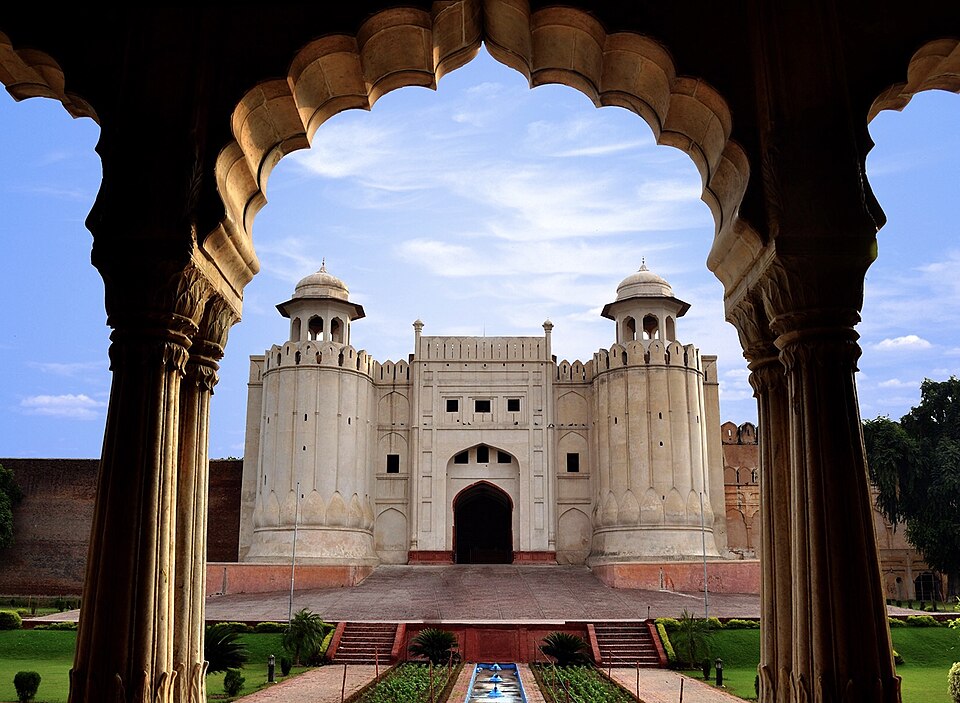
Lahore
Birthplace of Guru Ram Das and place of Guru Arjan's martyrdom (Gurdwara Dera Sahib). Capital of Maharaja Ranjit Singh, whose samadhi stands beside the Badshahi Mosque. Also home to the shrines of Data Ganj Bakhsh, Mian Mir and Shah Hussain.
Lahore, on the Ravi, is the great city of the Punjab: capital of the Ghaznavids, of Mughal emperors from Akbar to Shah Jahan, of the Sikh Empire and of British Punjab, and now of Pakistani Punjab.
For Sikhs it is the birthplace of Guru Ram Das, born in Chuna Mandi in 1534, and the place of Guru Arjan's martyrdom in 1606; Gurdwara Dera Sahib stands beside the fort where he disappeared into the Ravi. Bhai Mani Singh, Bhai Taru Singh and countless others were executed here in the eighteenth century, at the place now marked by Gurdwara Shaheed Ganj.
Ranjit Singh entered Lahore in 1799 and ruled from its fort for forty years. His samadhi, with its white domes and the urns of the queens who burned with him, stands between the fort and Aurangzeb's Badshahi Mosque. The Mughal fort, the Shalimar Gardens, the mosque of Wazir Khan, the shrine of Data Ganj Bakhsh and the tomb of Jahangir at Shahdara make it the richest city of monuments in the Punjab. Bhagat Singh was hanged in its jail in 1931. After 1947 it went to Pakistan, and almost its entire Sikh and Hindu population fled.
People
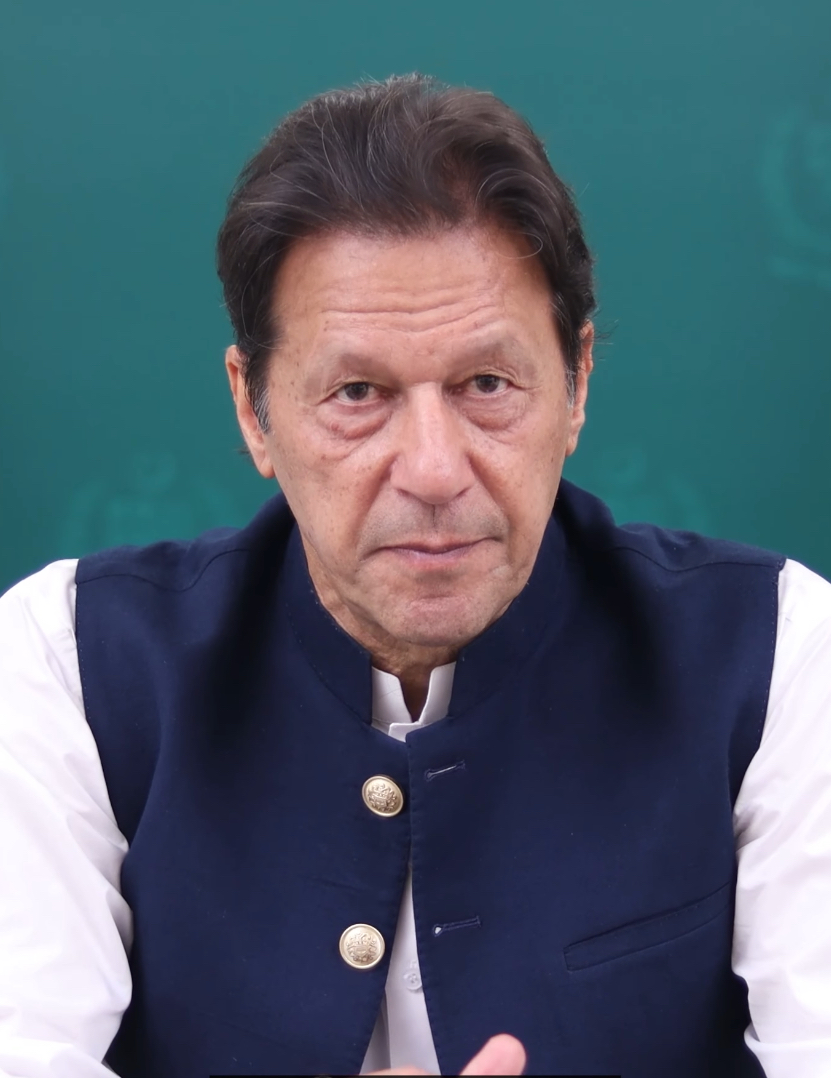
Lahore-born fast bowler and all-rounder who captained Pakistan to the 1992 World Cup, and later became Prime Minister.
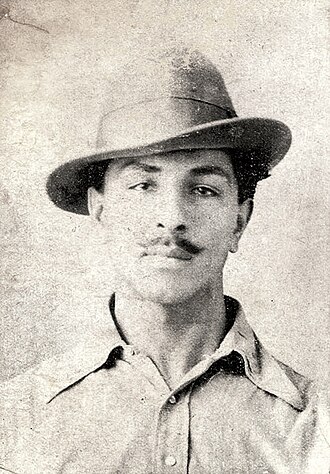
Socialist revolutionary hanged in Lahore at twenty-three with Rajguru and Sukhdev. Among the most celebrated figures of India's independence movement.
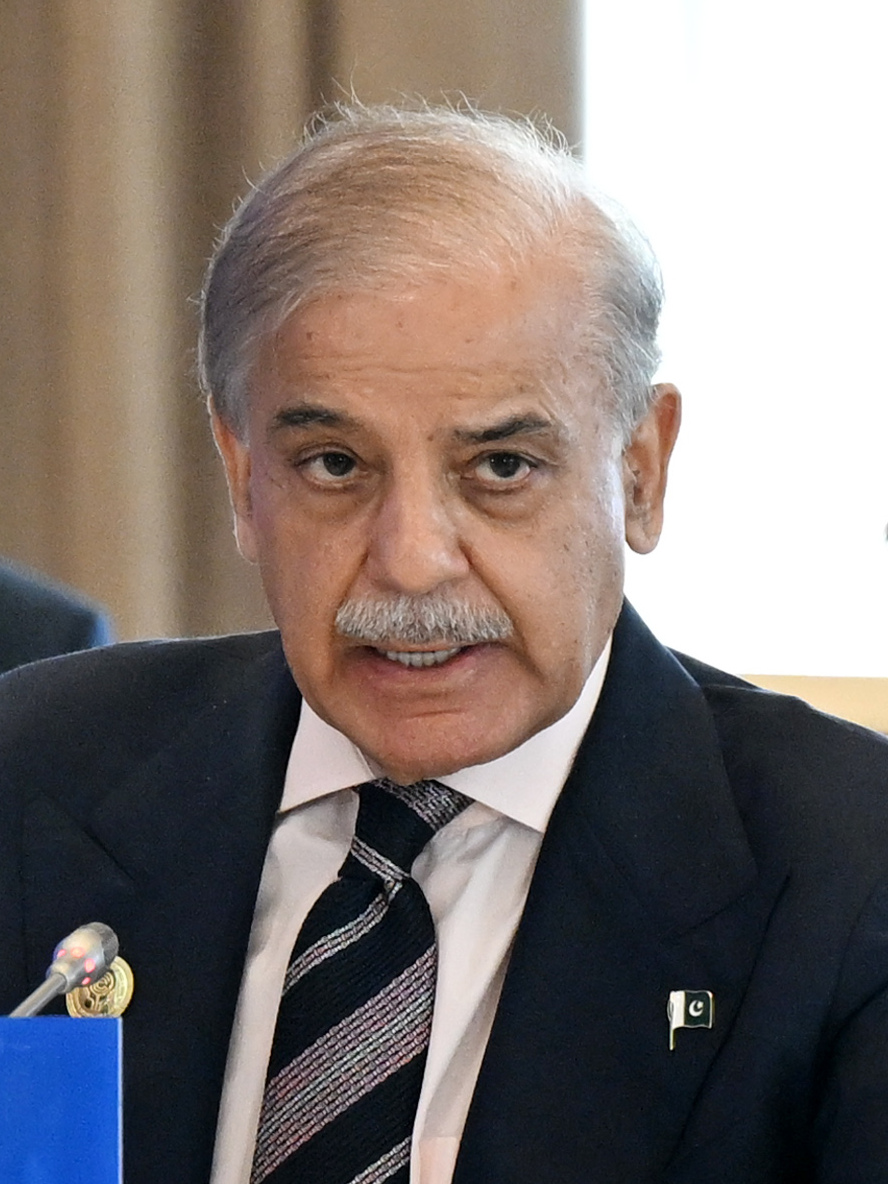
Three times Chief Minister of Pakistani Punjab, known for building Lahore's metro and roads, and Prime Minister of Pakistan from 2022.
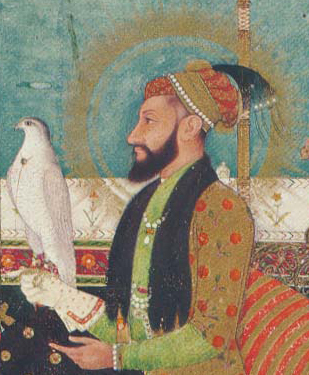
Mughal emperor under whom Guru Tegh Bahadur was executed. Guru Gobind Singh's Persian letter, the Zafarnama, was addressed to him. He built Lahore's Badshahi Mosque.
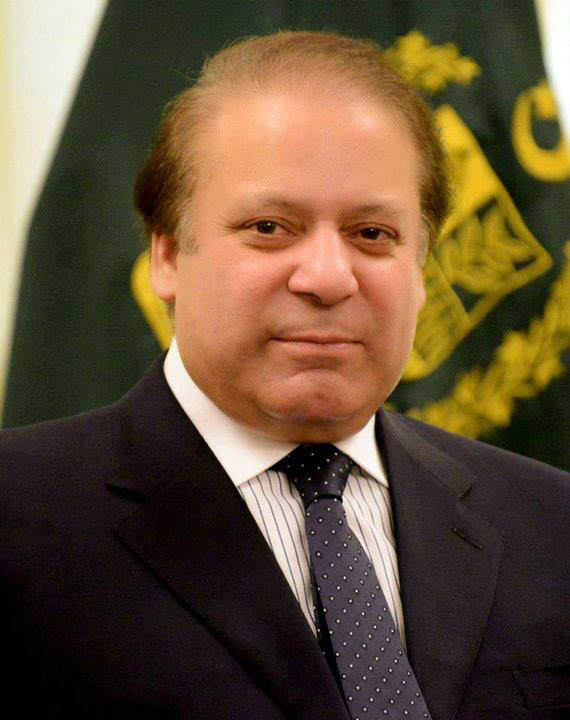
Lahore industrialist who became Chief Minister of Punjab and three times Prime Minister of Pakistan.
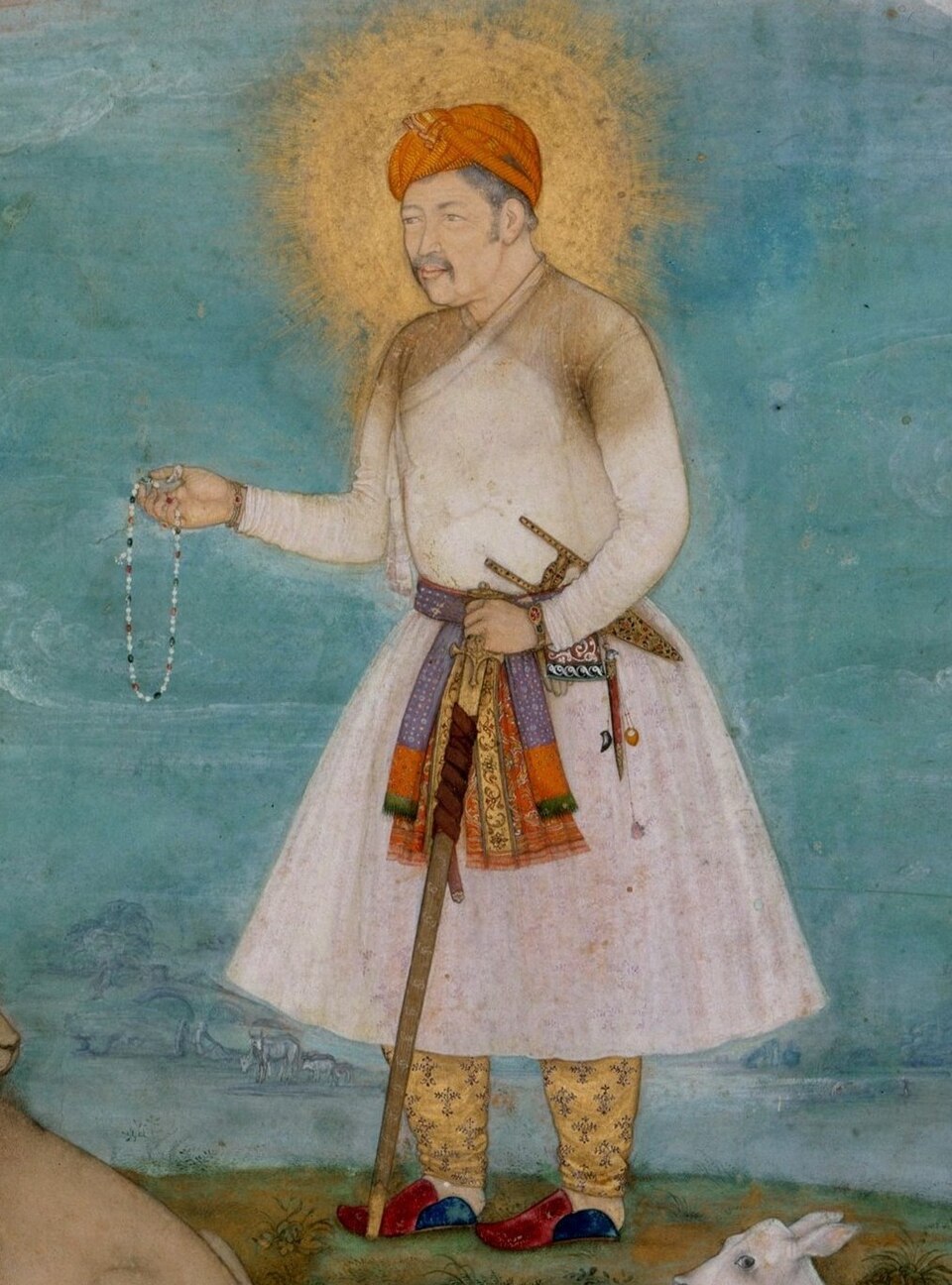
Mughal emperor, crowned at Kalanaur in Punjab, who ate in Guru Amar Das's langar at Goindwal and ruled from Lahore from 1586 to 1598.
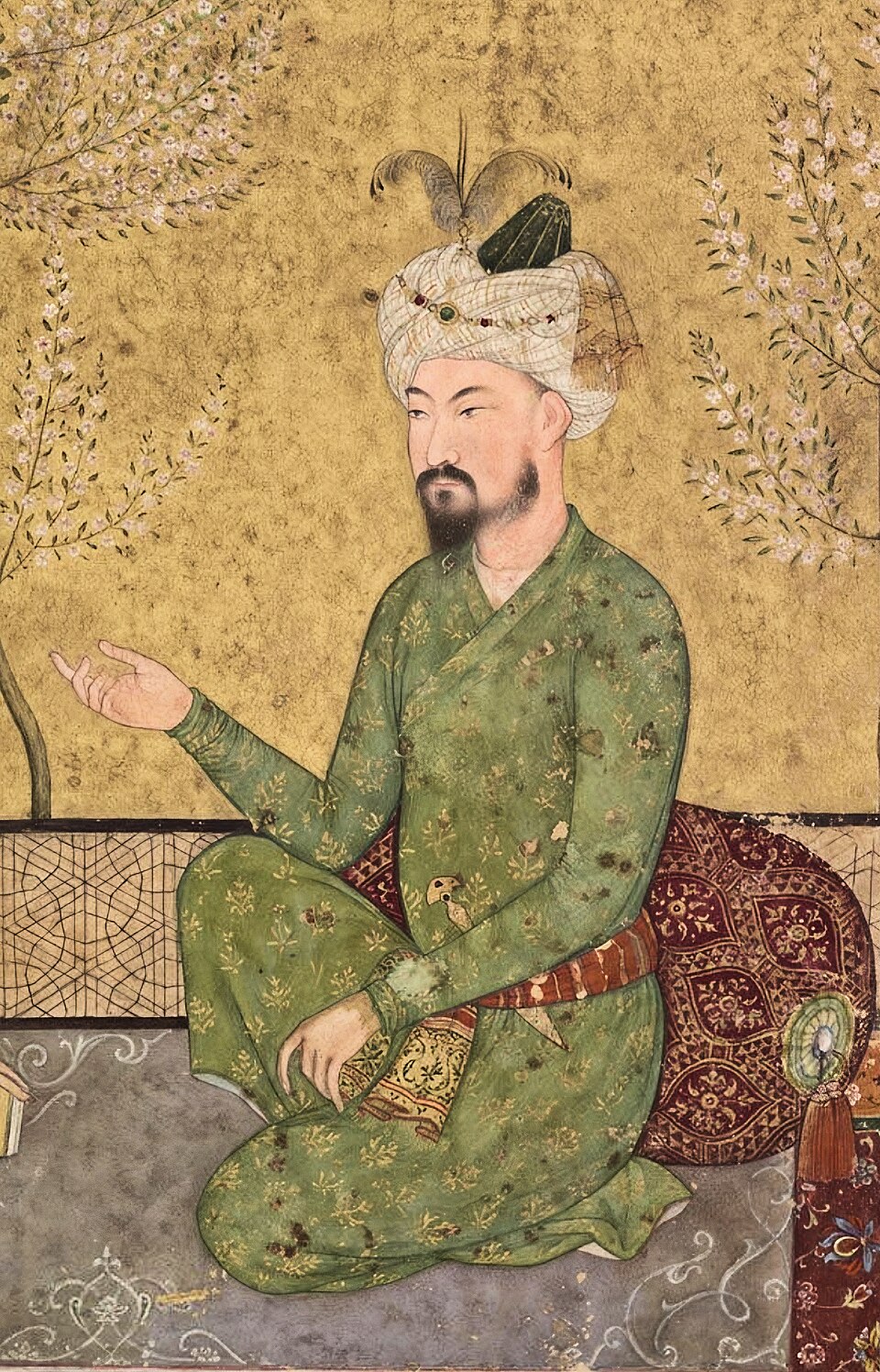
Timurid prince from Fergana who invaded Punjab several times before founding the Mughal empire at Panipat in 1526. Guru Nanak witnessed his sack of Saidpur.
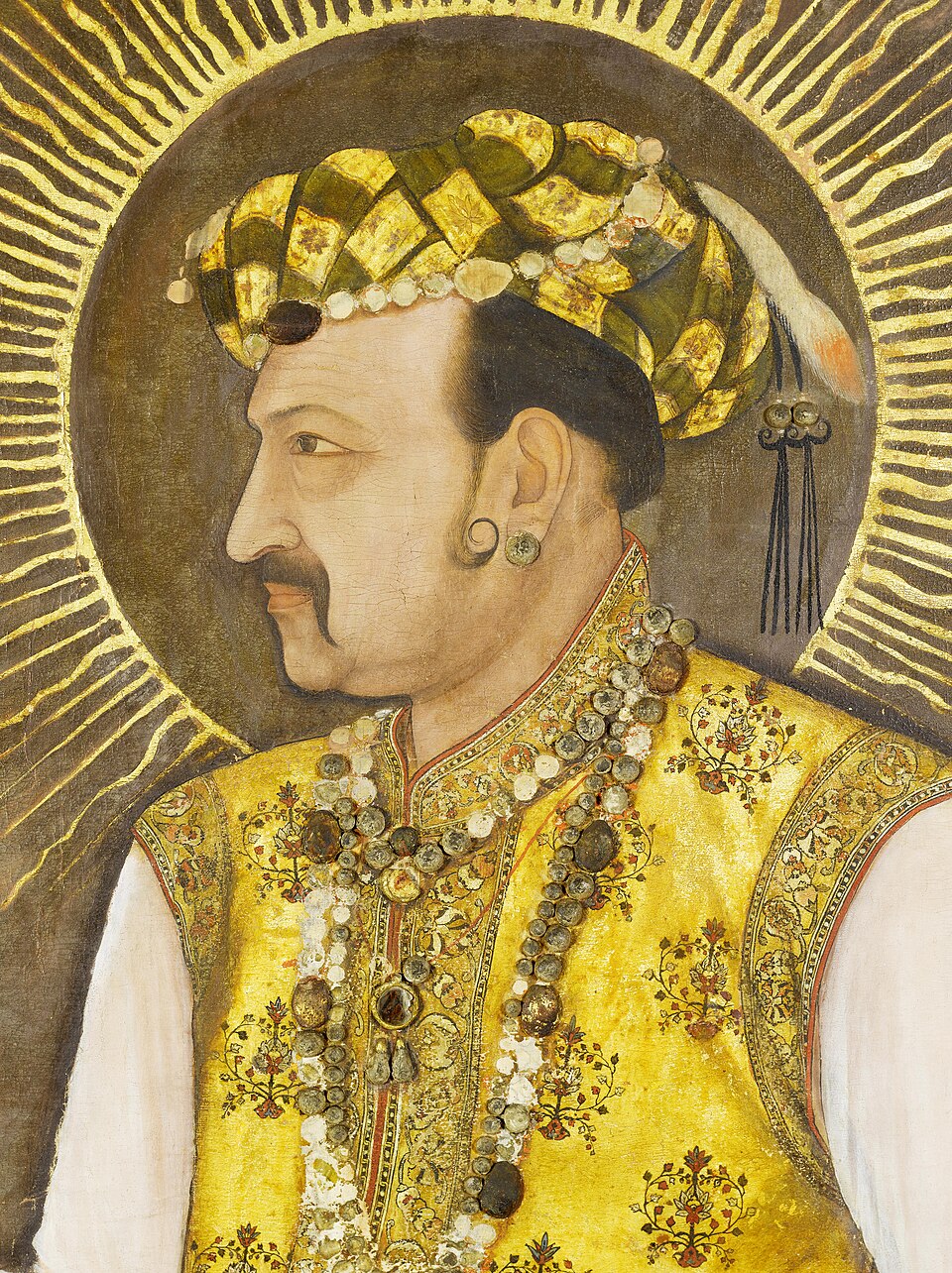
Mughal emperor under whom Guru Arjan was executed in 1606 and Guru Hargobind held in Gwalior fort. He is buried at Shahdara outside Lahore.
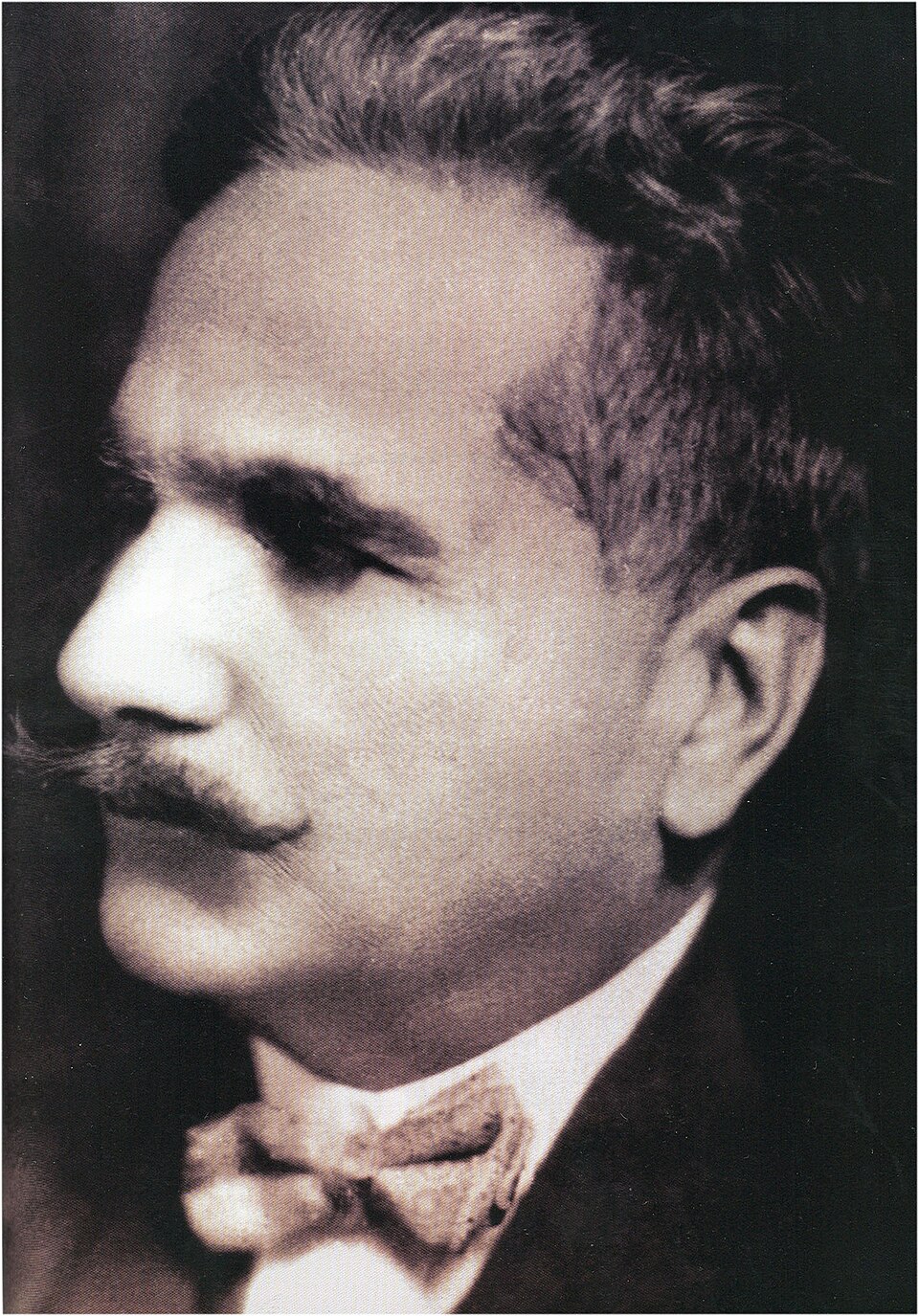
Poet-philosopher of Sialkot and Lahore, writing in Urdu and Persian, who wrote a celebrated poem on Guru Nanak and later argued for a Muslim homeland.
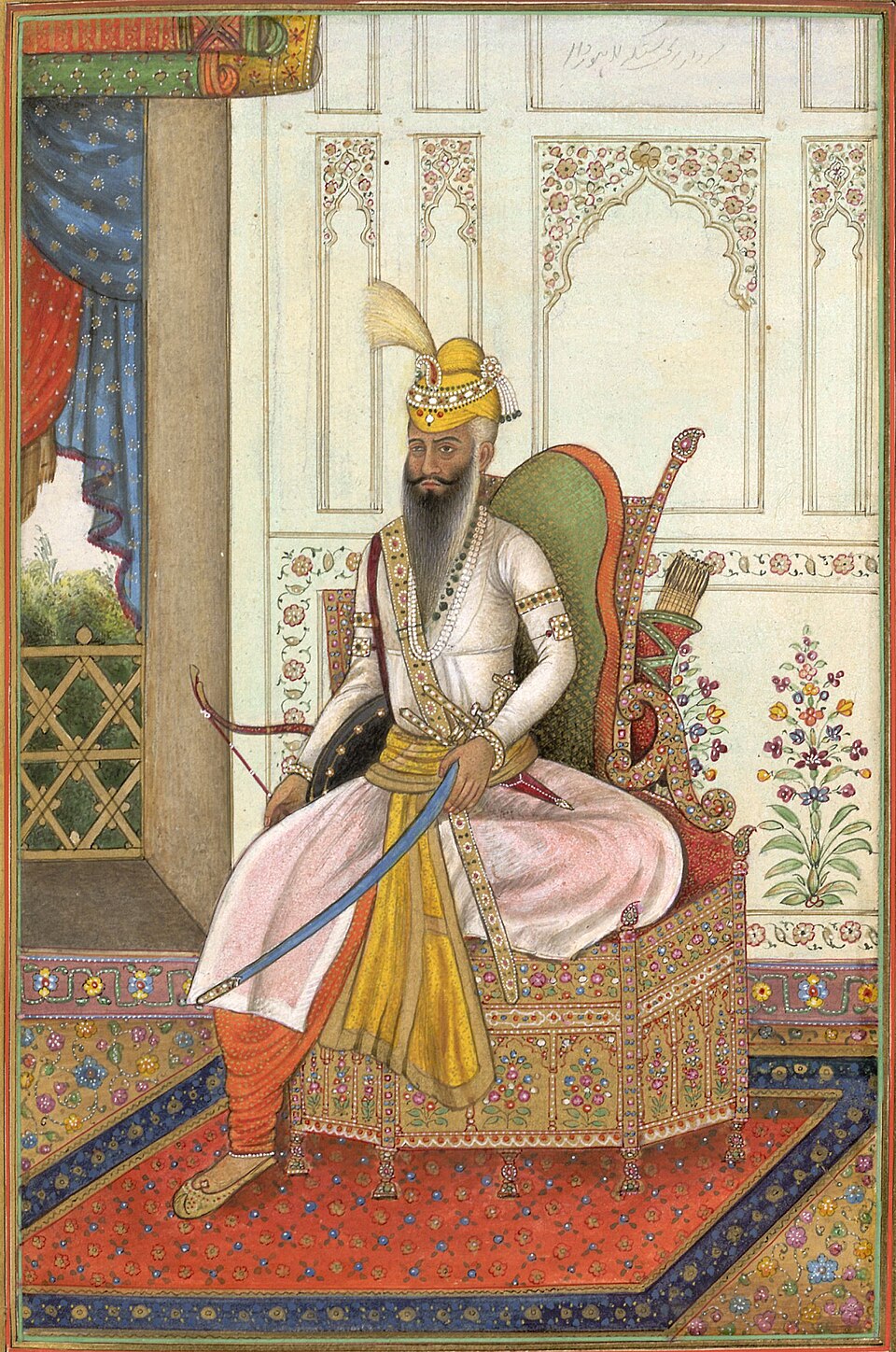
Sher-e-Punjab, the Lion of Punjab. United the misls into the Sikh Empire, ruled from Lahore for forty years and covered the Harmandir Sahib in gold.
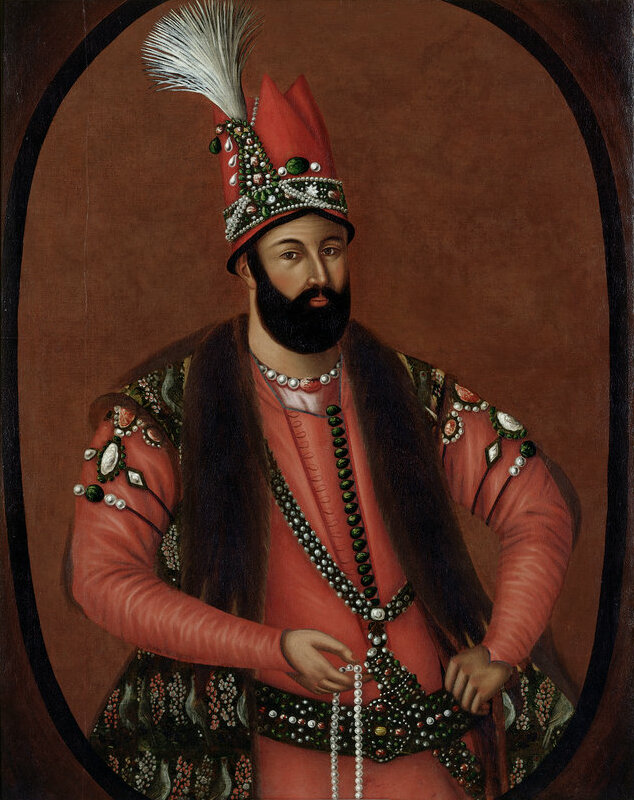
Ruler of Persia who invaded India in 1739, sacked Delhi and carried off the Peacock Throne and the Koh-i-Noor. Sikh bands raided his baggage train on the way home.
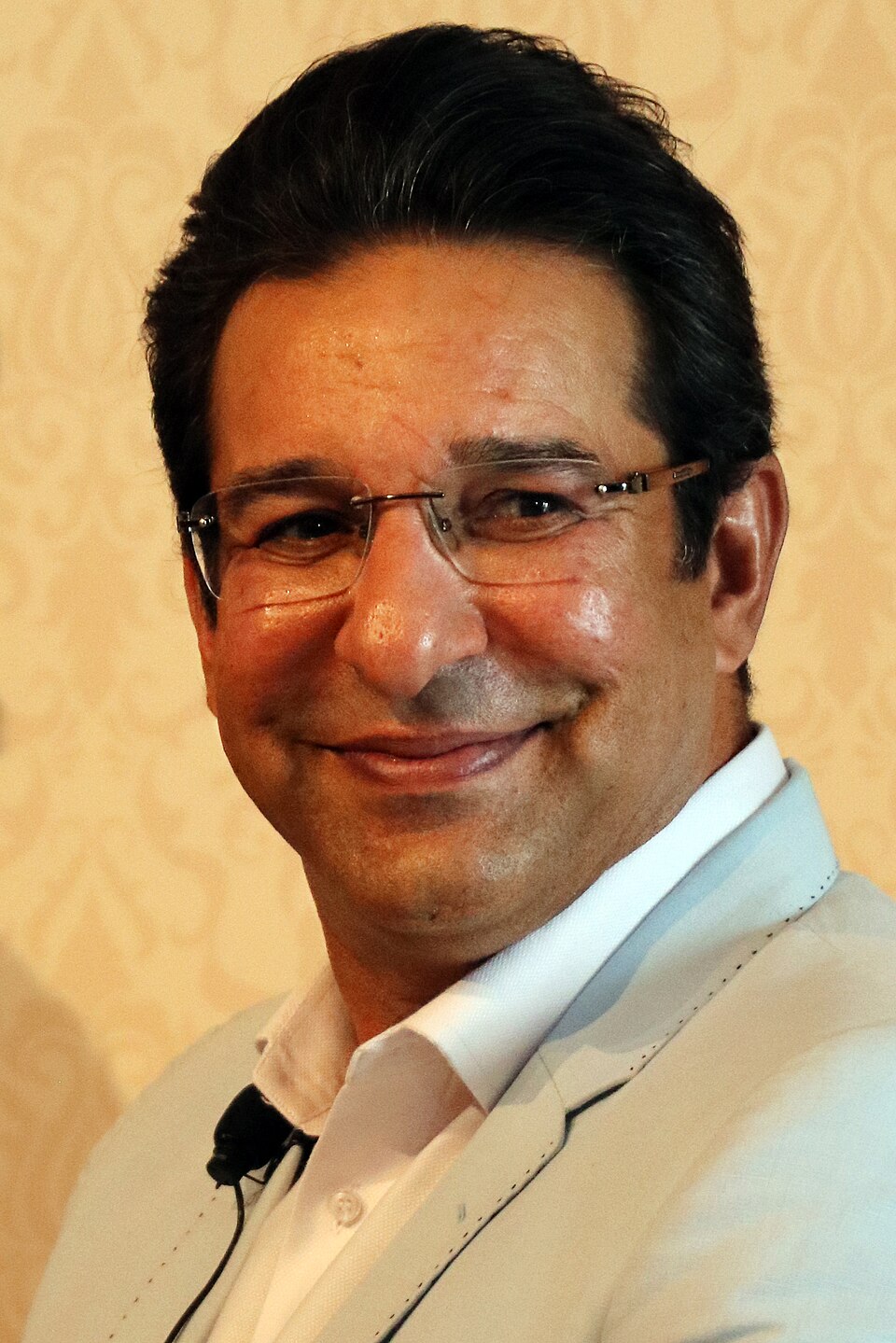
Left-arm fast bowler from Lahore, the 'Sultan of Swing', whose two balls in the 1992 World Cup final won Pakistan the trophy.
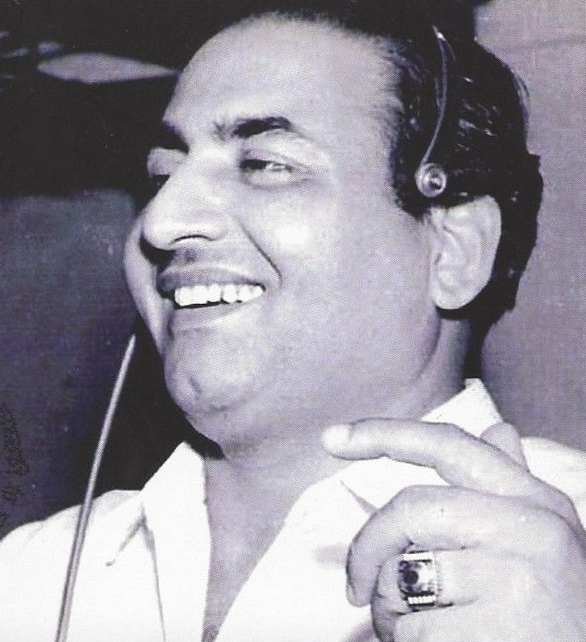
Singer from a village near Amritsar who grew up in Lahore and became the voice of Hindi cinema.
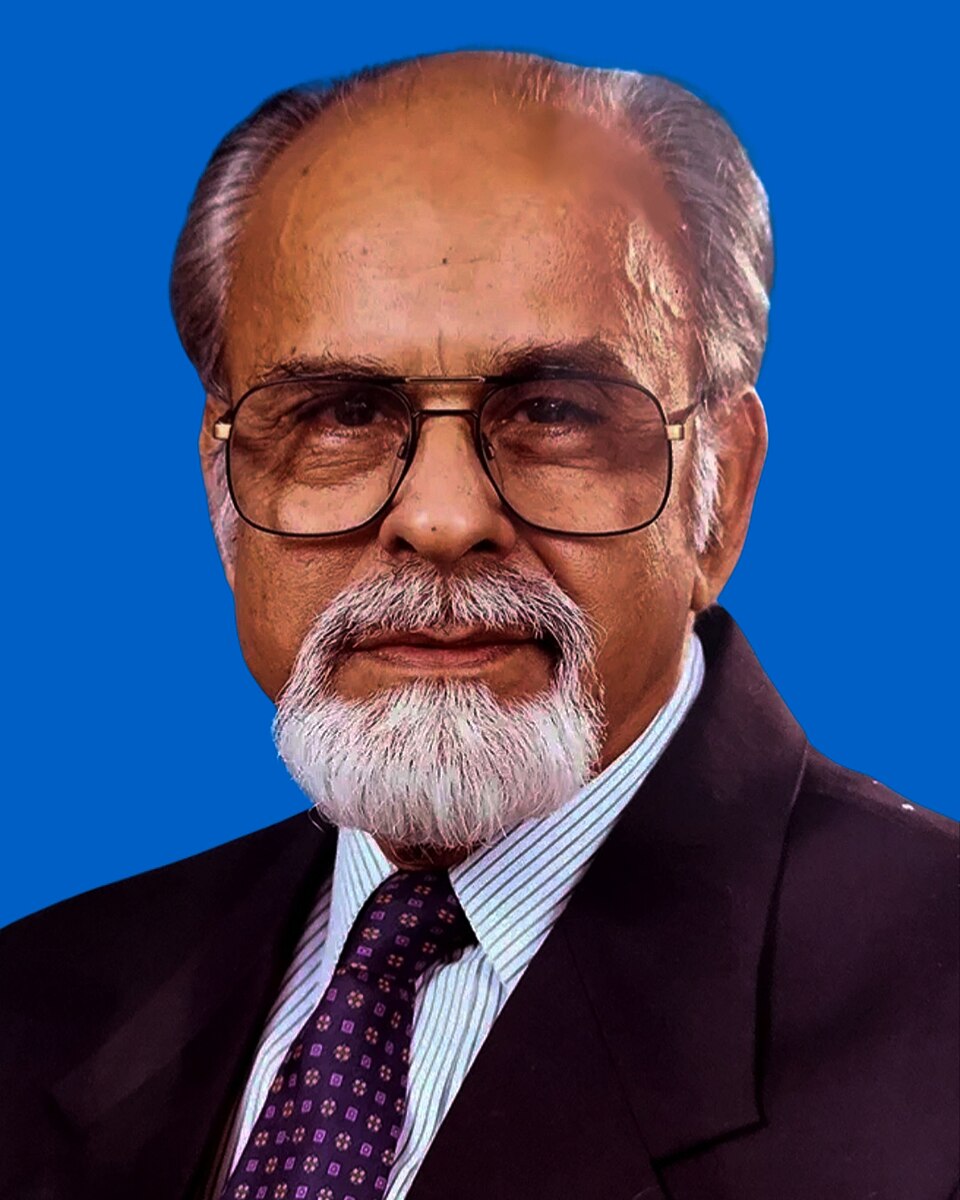
Politician born in Jhelum, a student activist in Lahore, who became Prime Minister of India and argued for generous relations with India's neighbours.
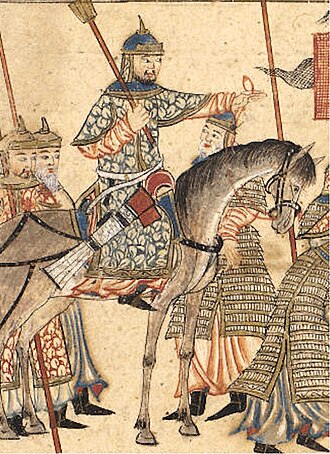
Turkic sultan who raided India some seventeen times. His conquests made Lahore a Ghaznavid city and brought Punjab into the Persian-speaking Islamic world.
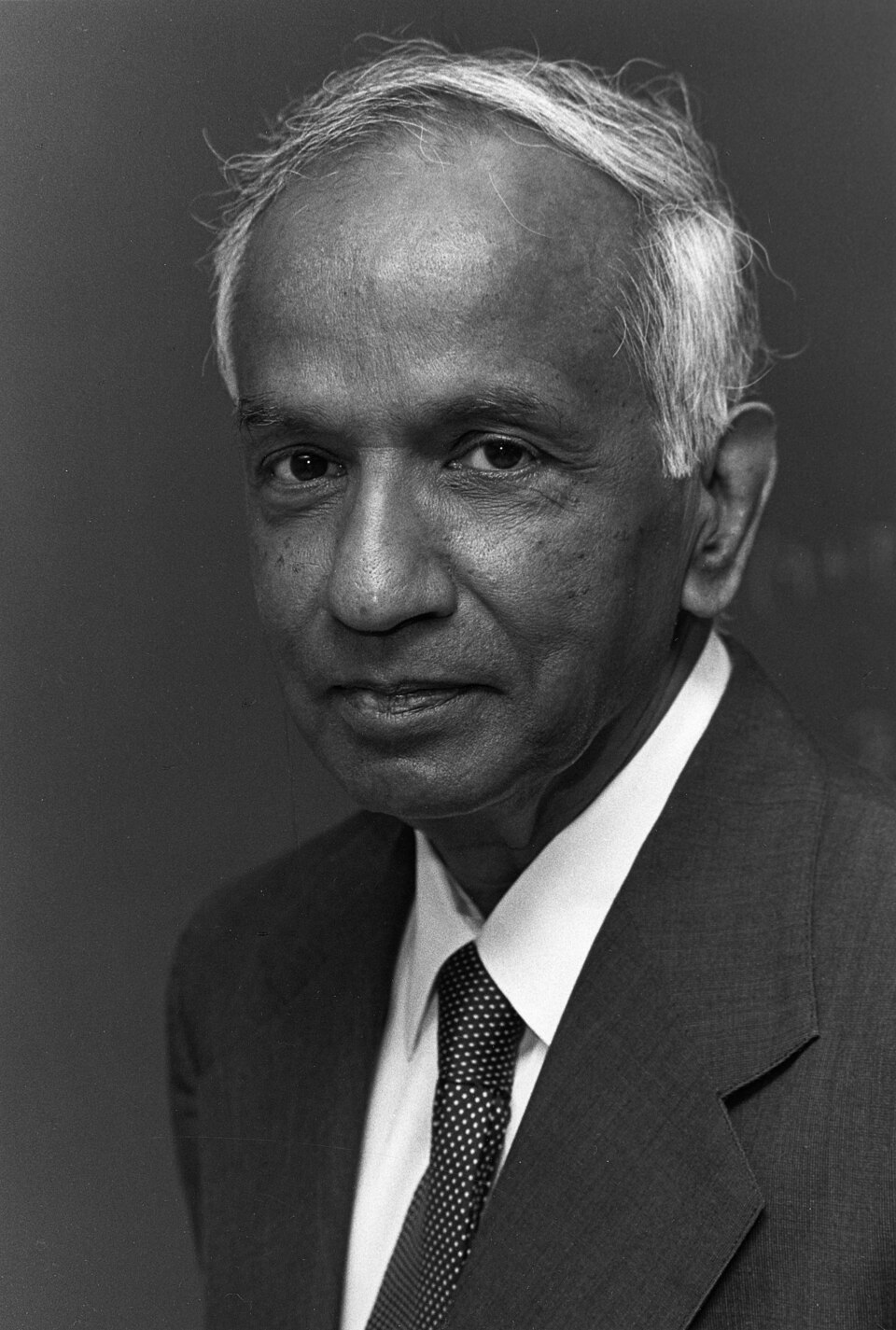
Astrophysicist born in Lahore, who worked out the limit beyond which a dying star must collapse, and won the Nobel Prize in 1983.
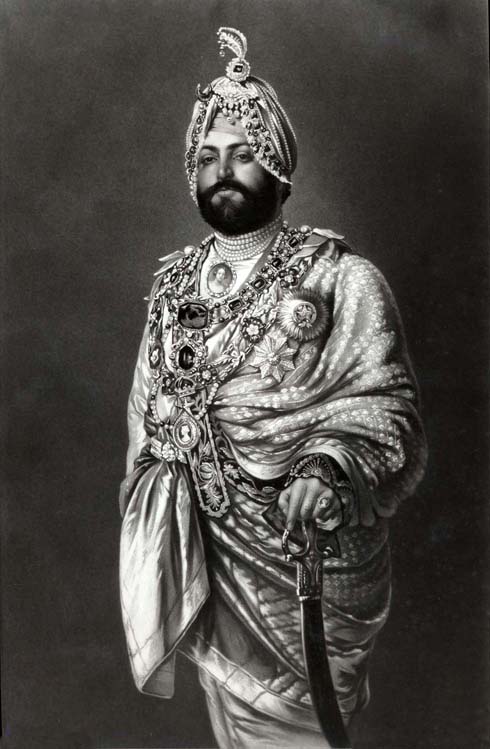
Last Maharaja of the Sikh Empire. Deposed at ten in 1849, separated from his mother, converted to Christianity and taken to England. The Koh-i-Noor passed to Queen Victoria.
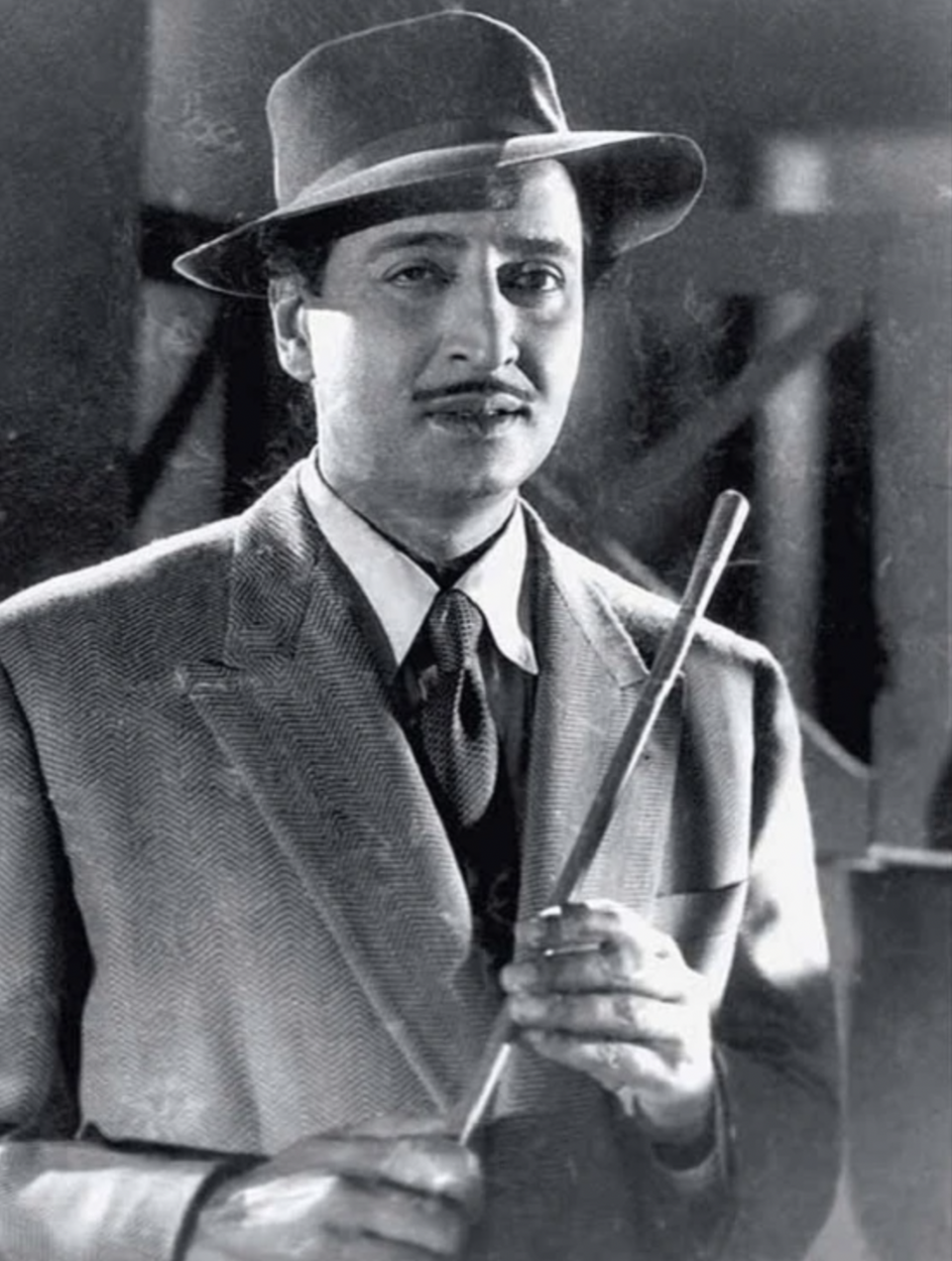
Actor who began in the Punjabi films of Lahore and became Hindi cinema's most famous villain.
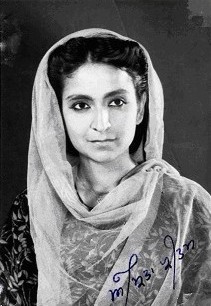
The leading woman poet of Punjabi, born in Gujranwala. Her elegy for Partition calls on Waris Shah to rise from his grave and write a new verse for the daughters of Punjab.
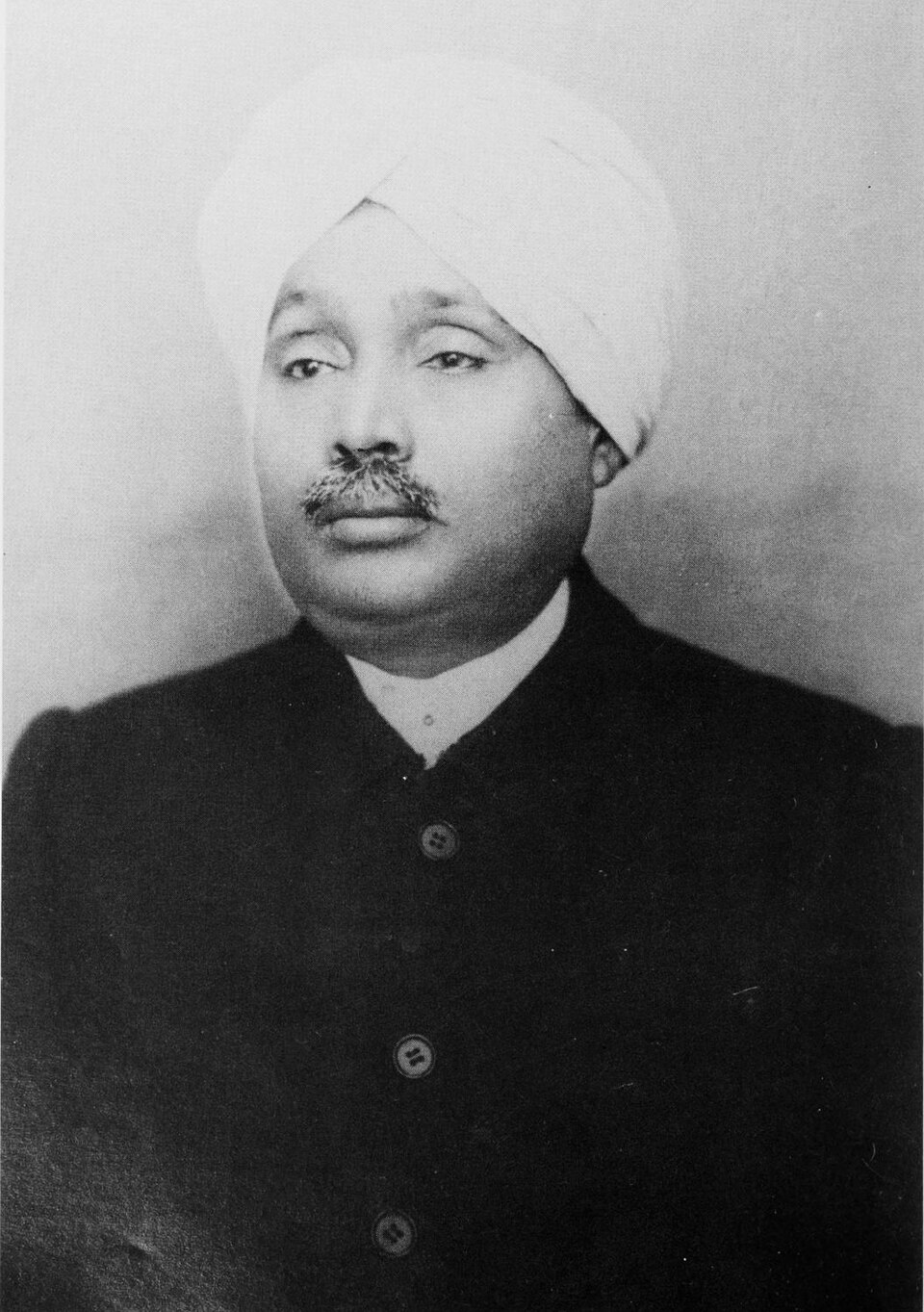
The 'Lion of Punjab' of the independence movement. Beaten by police at a protest against the Simon Commission in Lahore in 1928, he died weeks later.
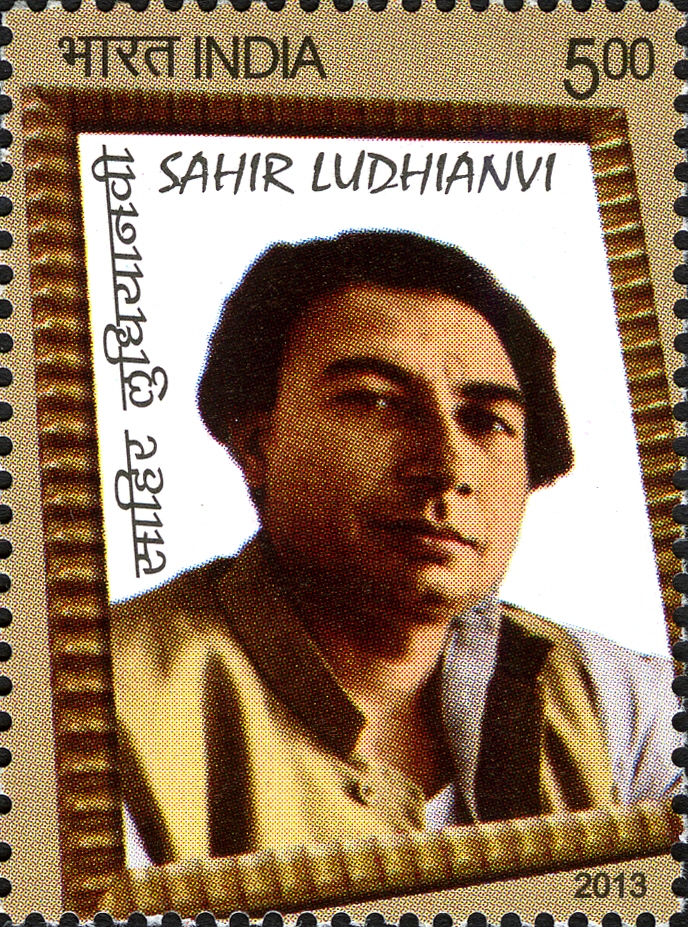
Urdu poet from Ludhiana whose sharp, socialist lyrics changed the Hindi film song.
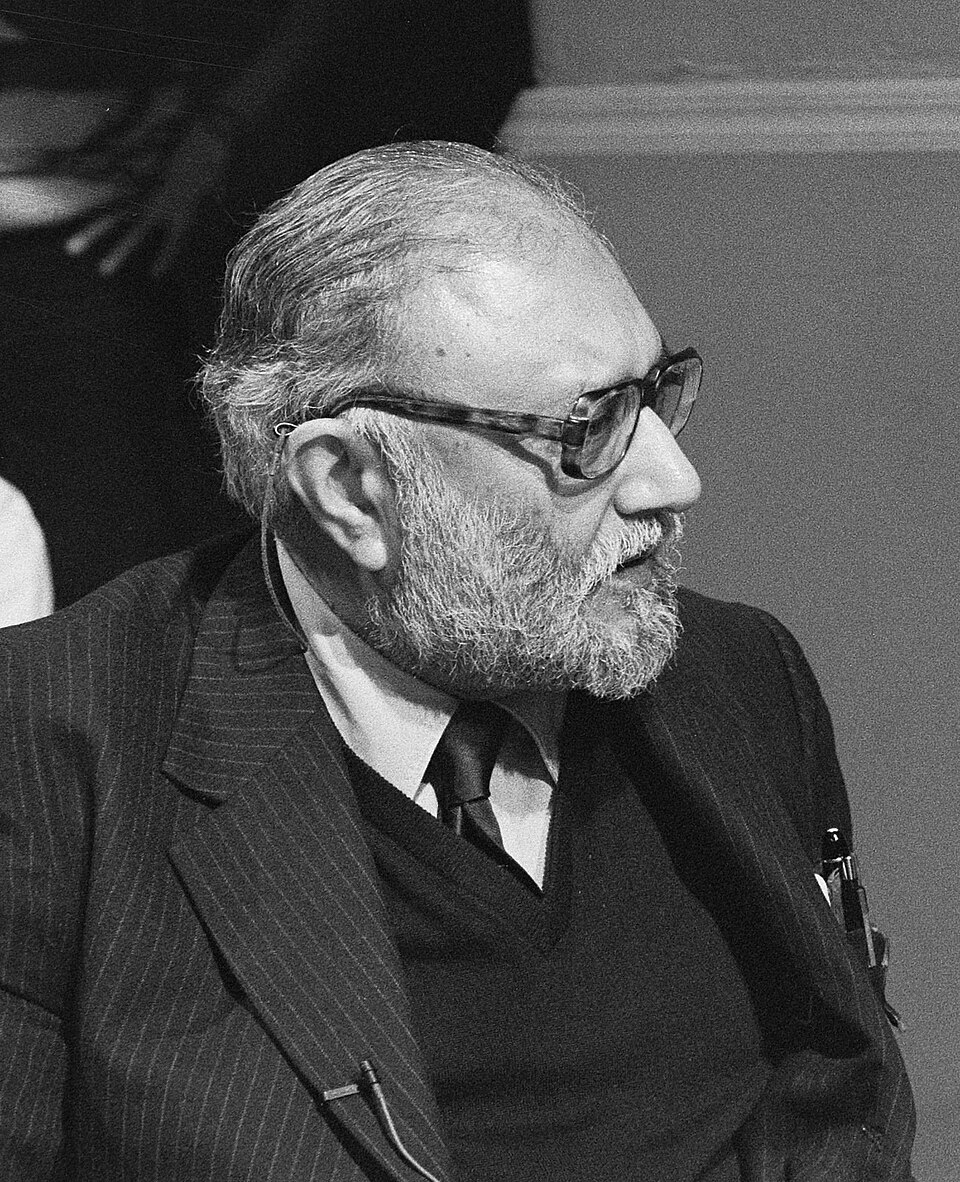
Physicist from Jhang who shared the Nobel Prize in 1979 for unifying two of the forces of nature.
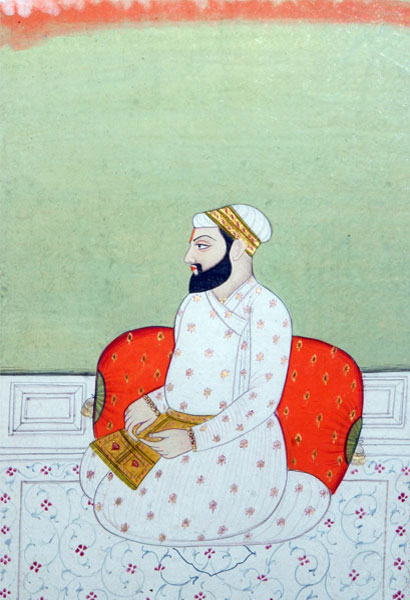
Fifth Guru. Built the Harmandir Sahib, compiled the Adi Granth in 1604 and became the first Sikh martyr, tortured to death in Lahore in 1606.
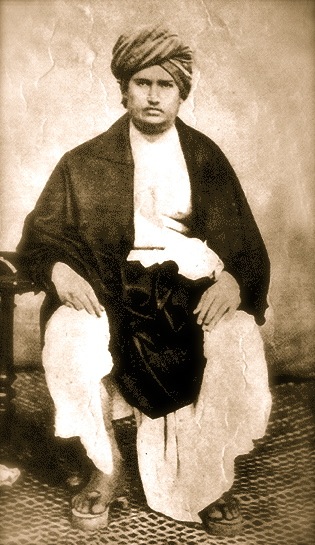
Founder of the Arya Samaj in 1875. His movement found its strongest support in Punjab, where it founded the DAV colleges.
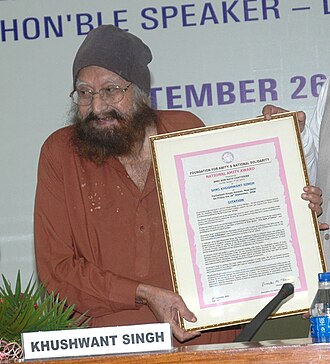
Novelist and historian from Hadali in the Salt Range. His Train to Pakistan and two-volume History of the Sikhs are classics.
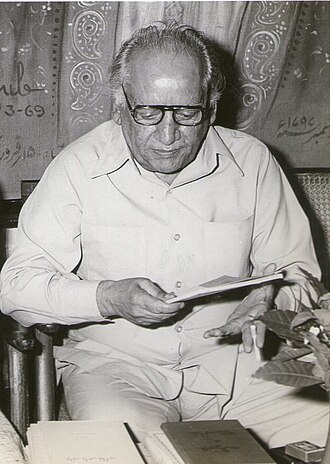
Urdu poet from Sialkot whose 'Subh-e-Azadi' mourned the dawn of 1947 as 'not the dawn we longed for'.
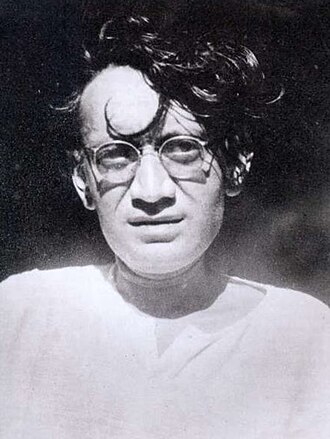
Short-story writer born near Ludhiana whose stories of Partition, such as Toba Tek Singh, are the sharpest record of its madness.
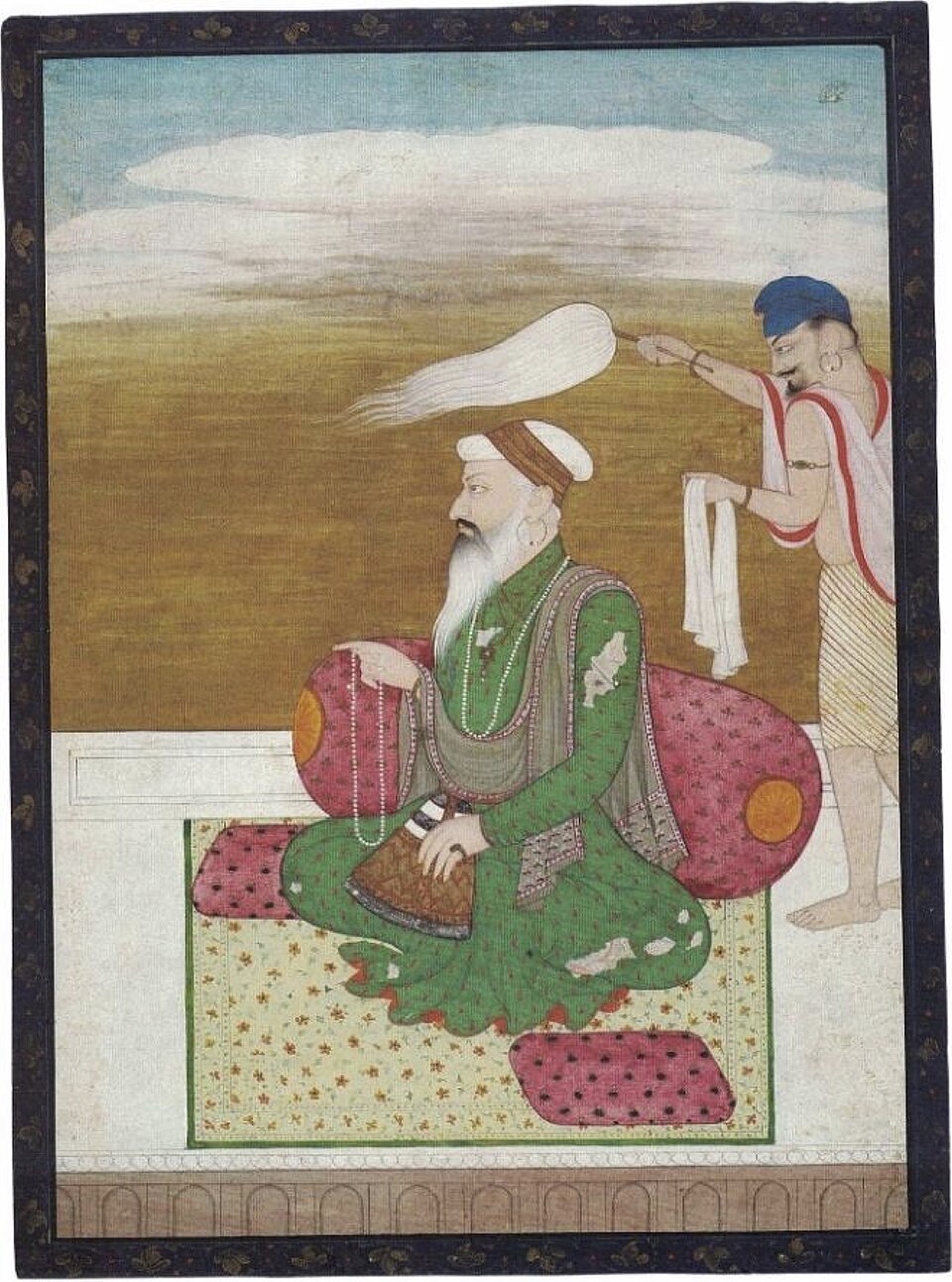
Fourth Guru and founder of Amritsar. Wrote the Lavan, the four marriage hymns of the Anand Karaj.
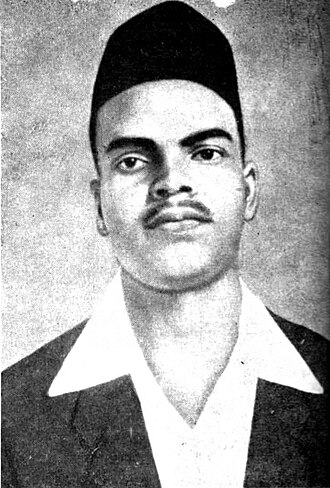
Comrades of Bhagat Singh in the Hindustan Socialist Republican Association, hanged with him in Lahore on 23 March 1931.
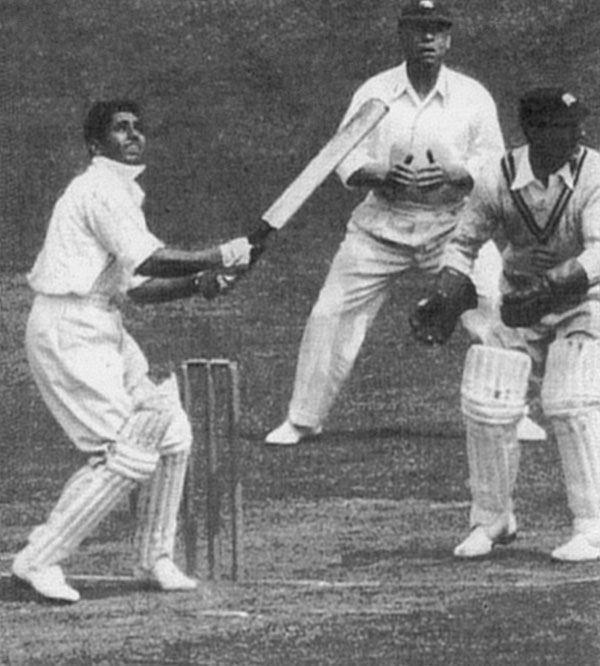
Cricketer from Kapurthala who made India's first Test century in 1933 and was independent India's first Test captain.
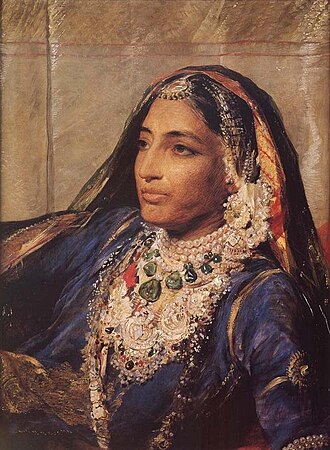
Youngest wife of Ranjit Singh and regent for her son Duleep Singh. The British saw her as the most dangerous person in Punjab, imprisoned her and exiled her; she escaped to Nepal.
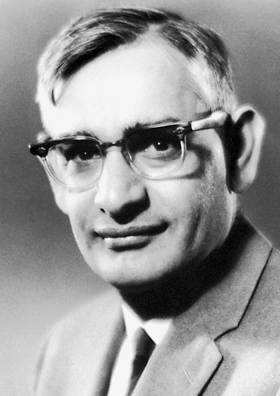
Biochemist from a village near Multan who shared the 1968 Nobel Prize for showing how the genetic code is read.
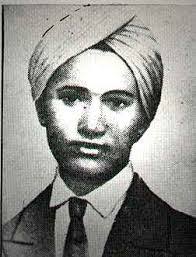
Ghadar Party revolutionary who returned from California to raise a rising against British rule. Hanged in Lahore at nineteen.
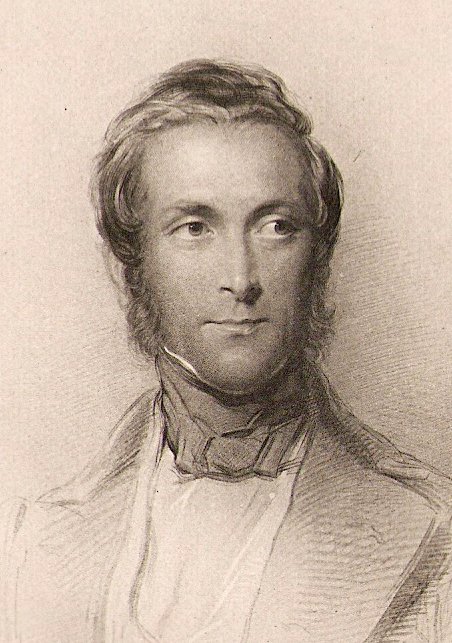
Governor-General who annexed Punjab in 1849, deposed Duleep Singh and sent the Koh-i-Noor to Queen Victoria.
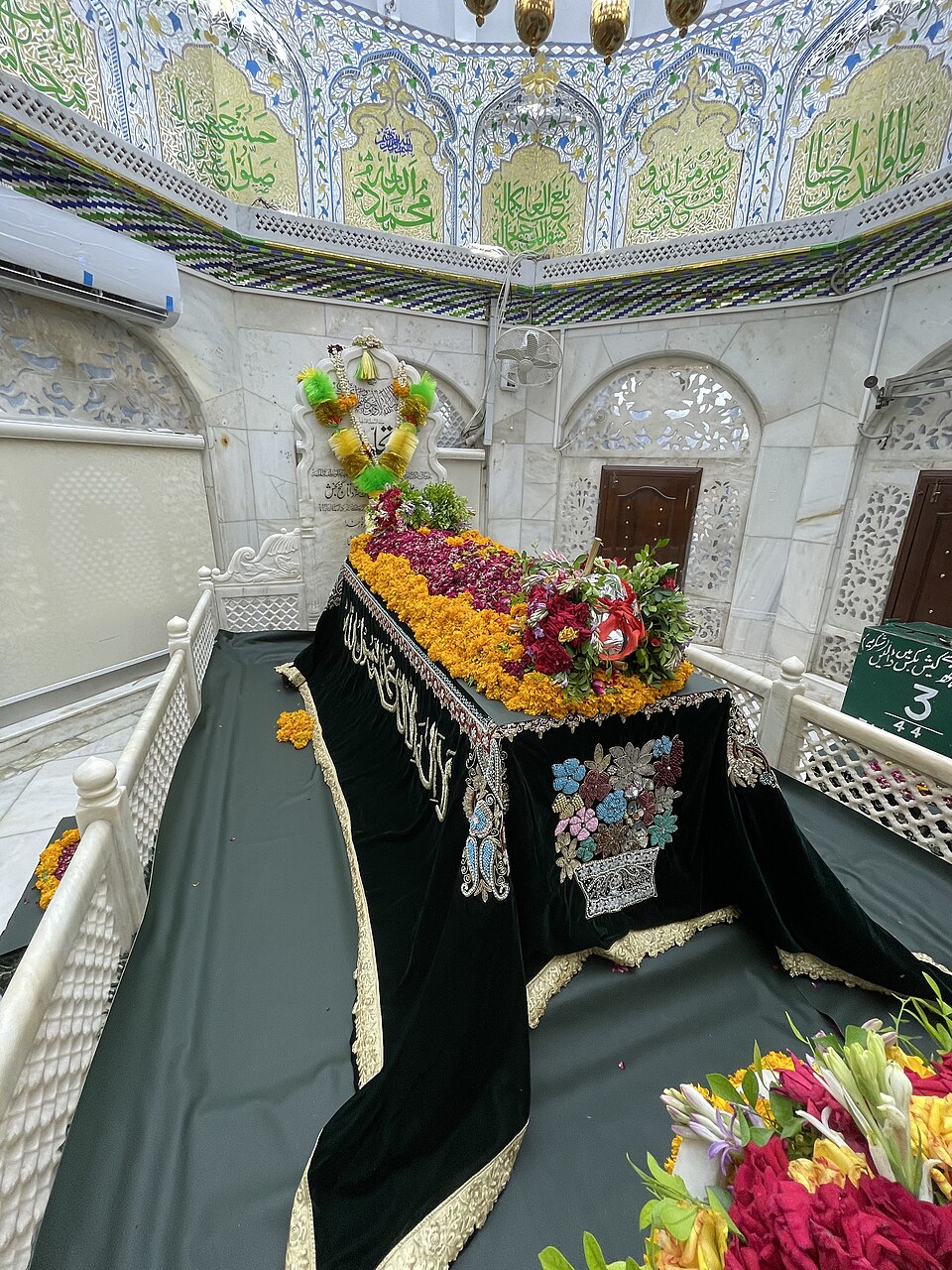
Persian Sufi who settled in Lahore and wrote the Kashf al-Mahjub, one of the oldest Sufi treatises in Persian. His shrine is Lahore's most visited.
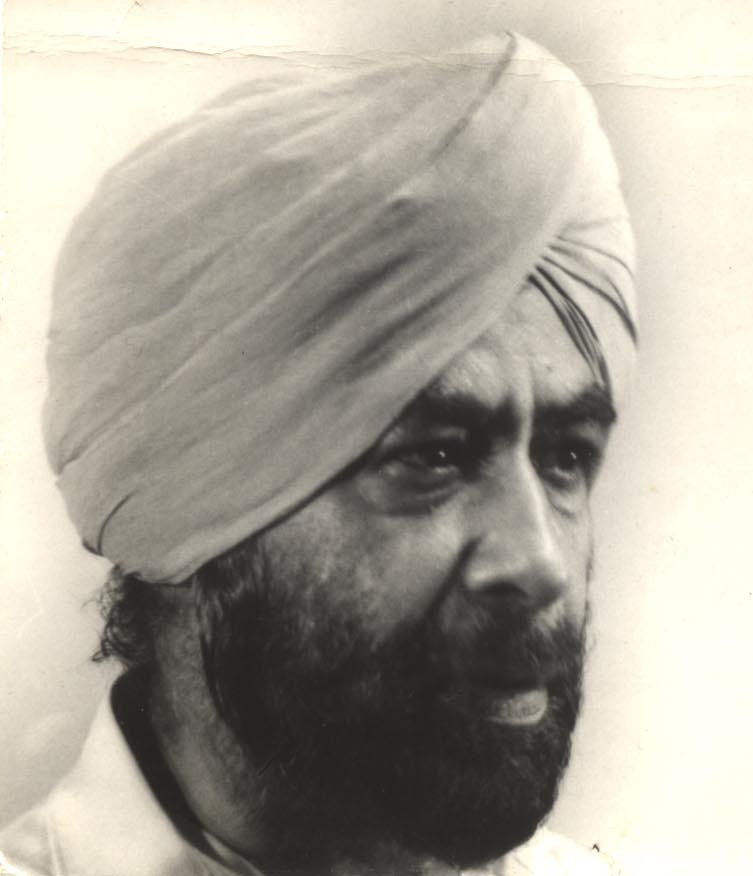
Urdu short-story master from Lahore whose novella Ek Chadar Maili Si tells of a Punjabi village widow.
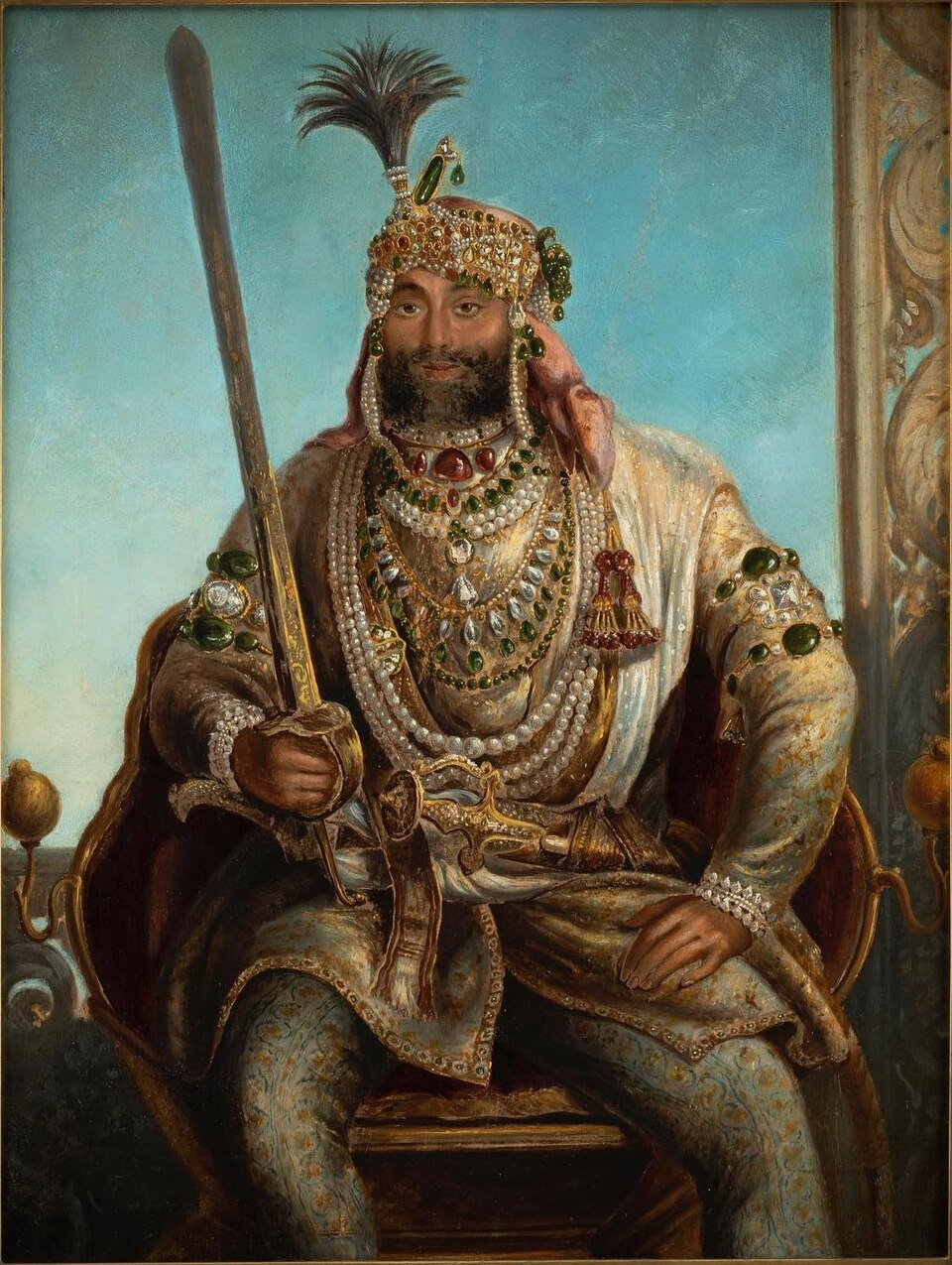
Son of Ranjit Singh who won the throne in 1841 with the army's support. He was shot by the Sandhawalia chiefs in September 1843, the same day his chief minister Dhian Singh was killed.
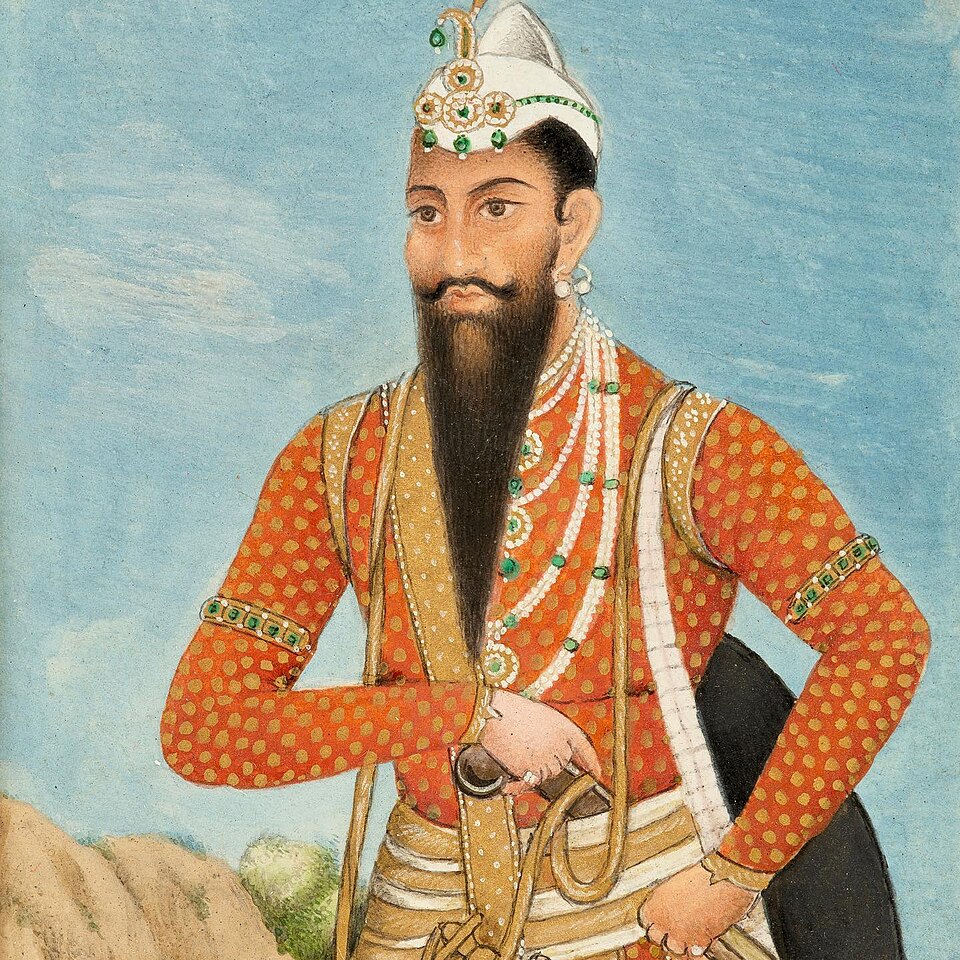
Ranjit Singh's eldest son and successor. Nominal commander at Multan in 1818, he was sidelined within months of his accession and died, possibly poisoned, in November 1840.
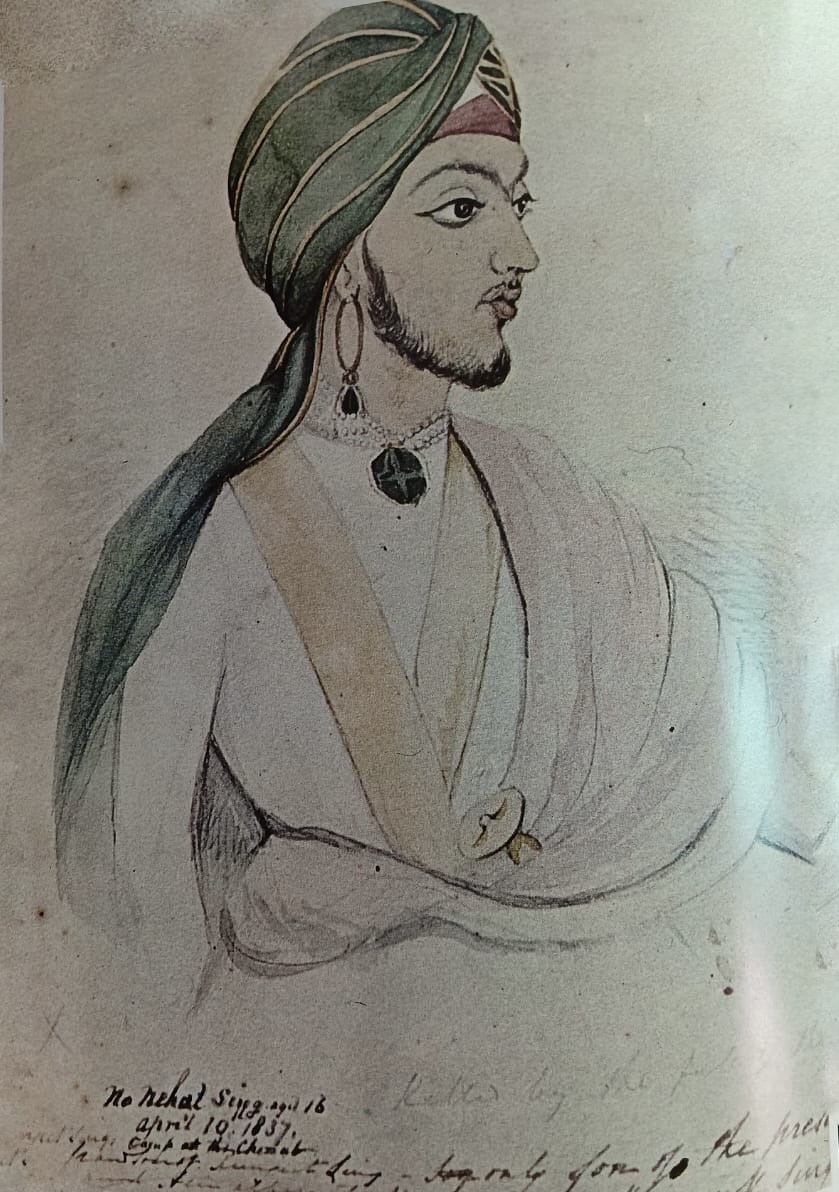
Able grandson of Ranjit Singh who effectively ruled in his father's place. Returning from his father's cremation, he was struck by falling masonry from a Lahore gateway and died the same day.
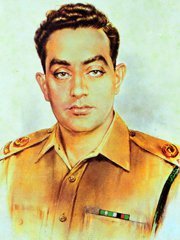
Pakistani officer killed defending the BRB canal on the Lahore front in 1965, awarded the Nishan-e-Haider.
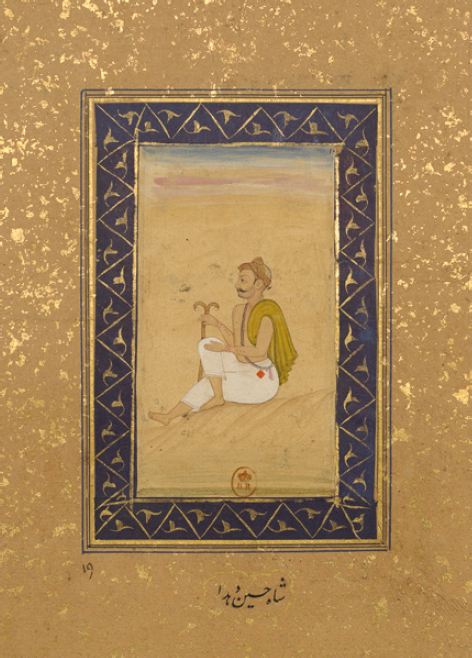
Lahore poet who shaped the Punjabi kafi. His shrine hosts the Mela Chiraghan, the festival of lamps.
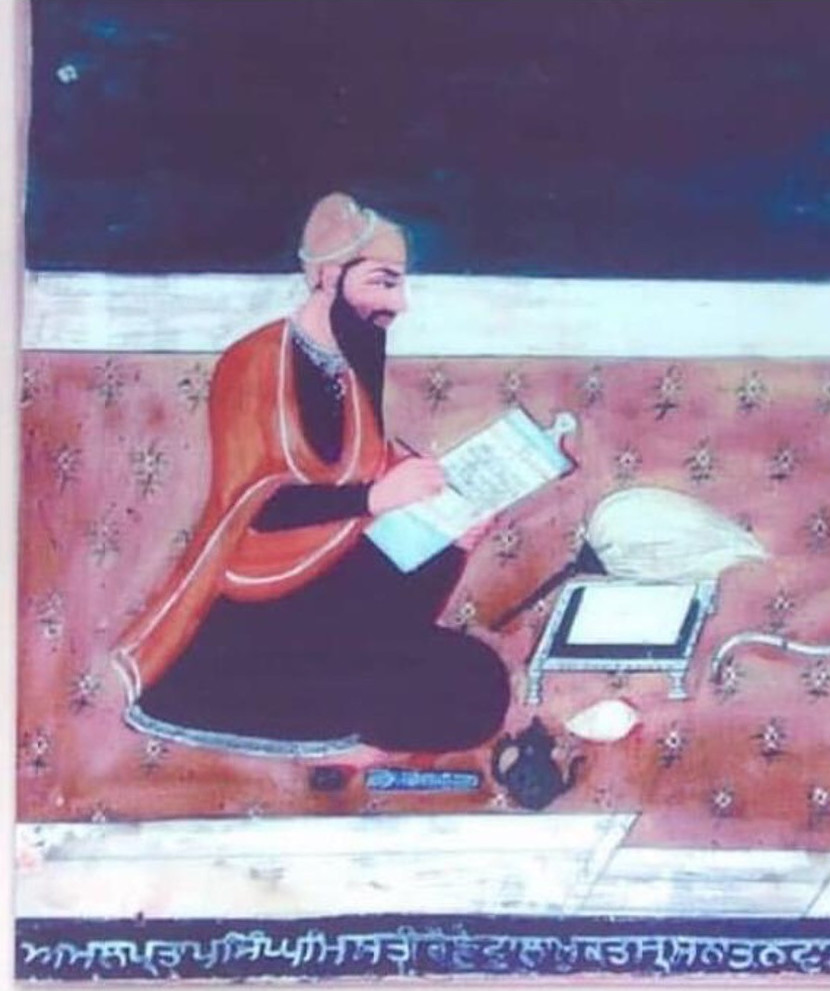
Scribe of the final Guru Granth Sahib at Damdama and later head granthi of the Harmandir Sahib, cut apart joint by joint in Lahore.
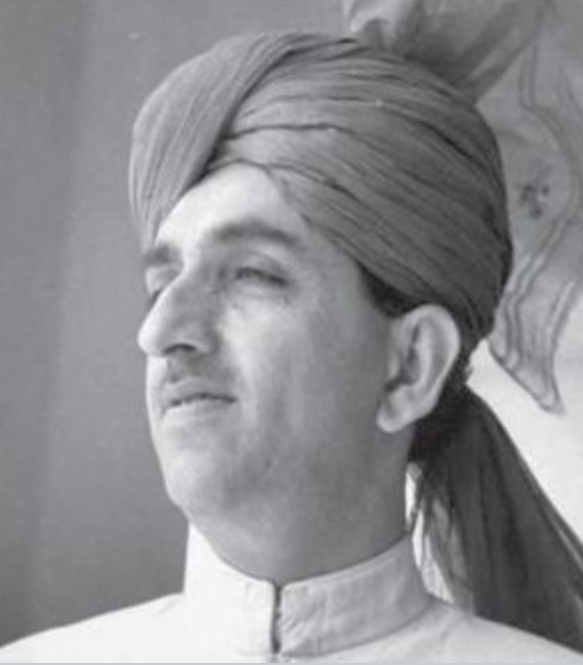
The last Premier of undivided Punjab, who held Muslims, Hindus and Sikhs together in one government until March 1947.
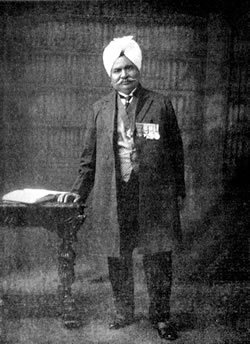
Engineer and philanthropist called the father of modern Lahore, who built its museum, post office and colleges and founded the Ganga Ram hospital.
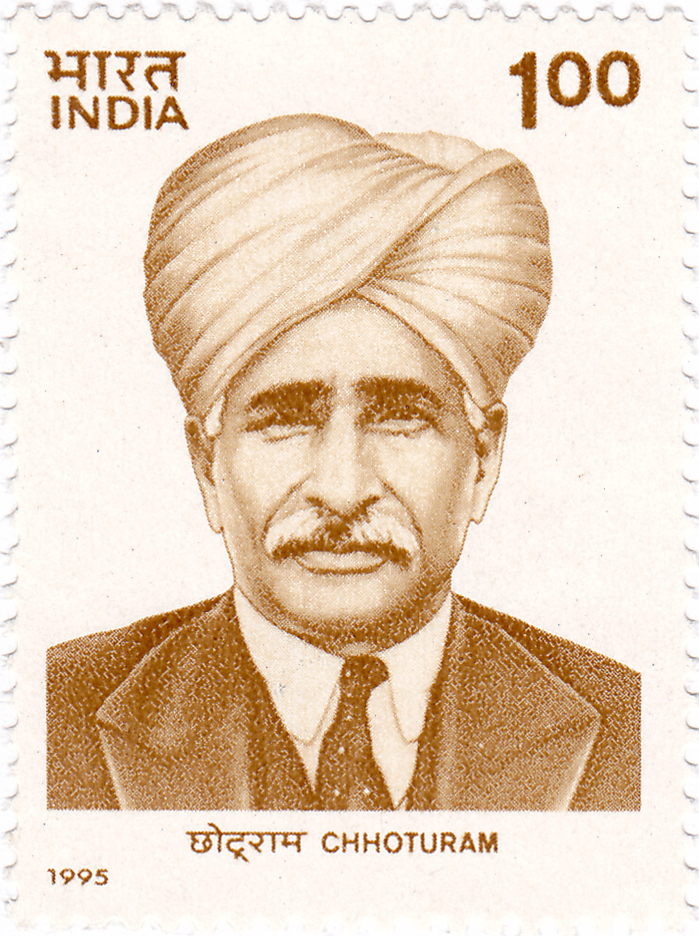
Jat leader from Rohtak and co-founder of the Unionist Party, whose debt and land laws freed the peasants of the Punjab from the moneylender.
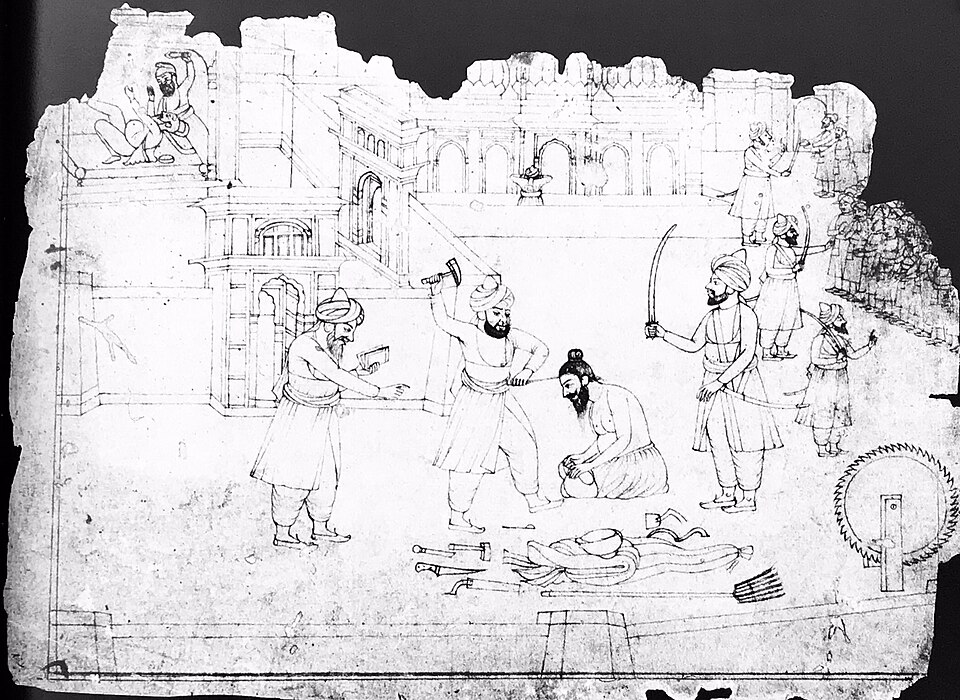
A young farmer who fed Sikhs hiding in the forests. Ordered to cut his hair and convert, he refused and his scalp was removed in Lahore in 1745.
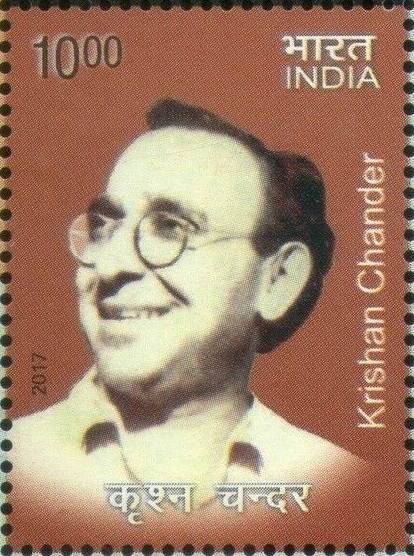
Urdu writer from Wazirabad whose story Peshawar Express follows a train through the killings of 1947.
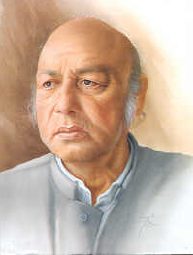
Revolutionary poet born near Hoshiarpur, jailed again and again in Pakistan for poems against military rule.
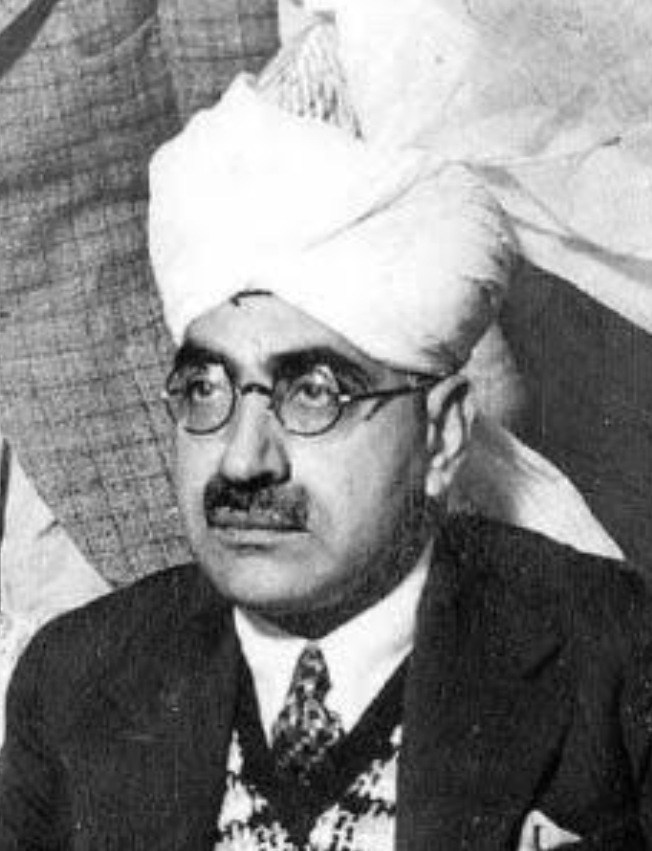
Premier of the Punjab from 1937 to 1942, who led a Unionist government of Muslims, Hindus and Sikhs.
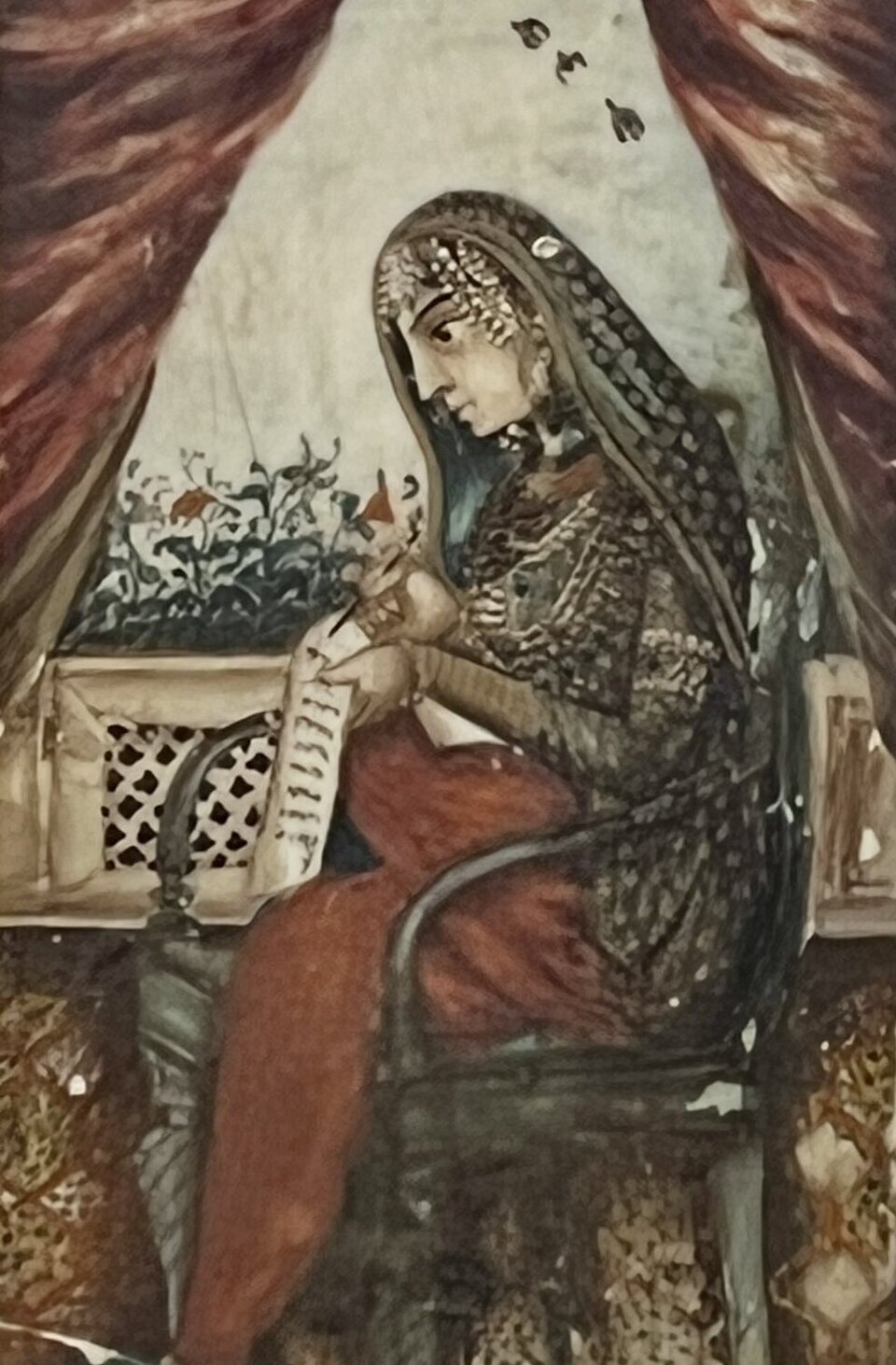
Widow of Kharak Singh and the only woman to rule the Sikh Empire, as regent for two months in 1840–41 before Sher Singh took Lahore.
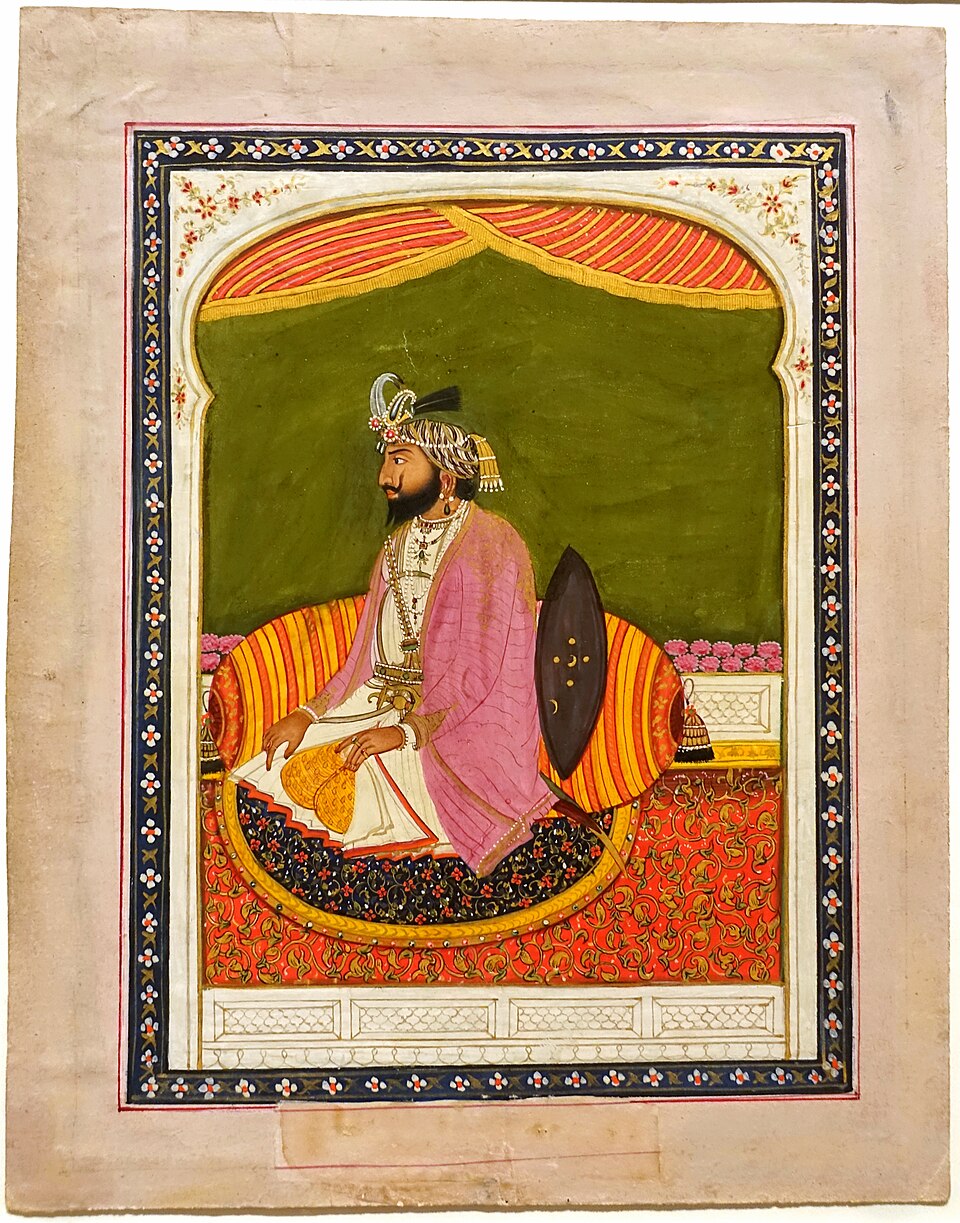
Chief minister of the Sikh Empire for 25 years and the most powerful man at court after Ranjit Singh. Assassinated in 1843.
Poet in Urdu and Punjabi, born near Hoshiarpur, a voice of loneliness and lost places after Partition.
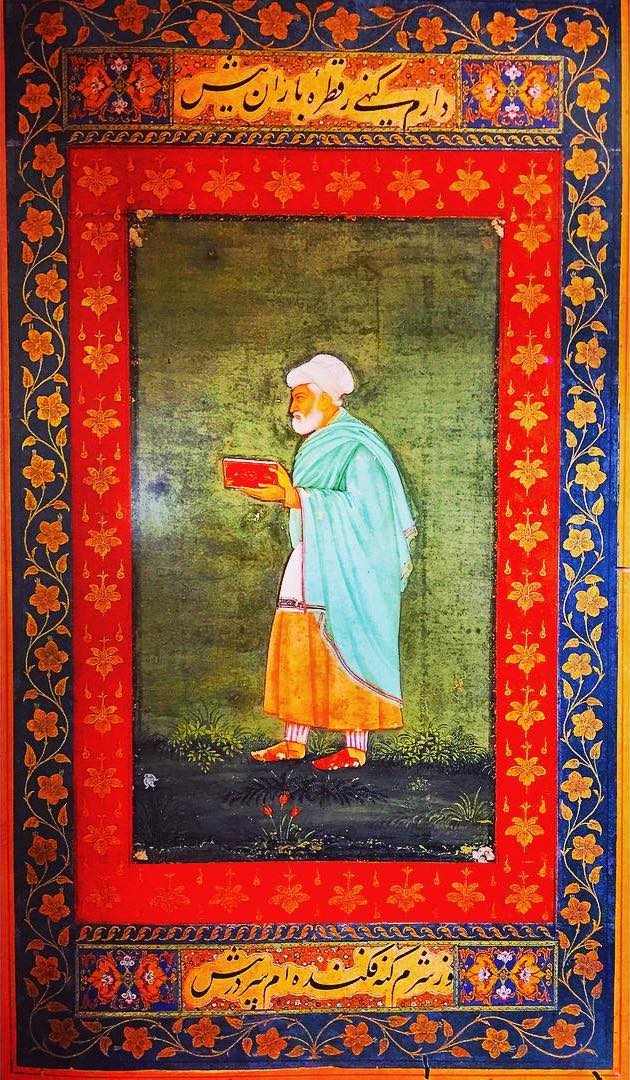
Qadiri Sufi of Lahore and friend of Guru Arjan. Tradition holds he laid the foundation stone of the Harmandir Sahib.
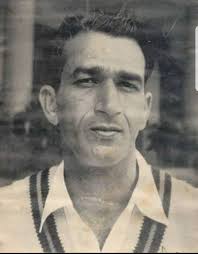
Lahore cricketer who played Test cricket for India in 1946 and then led Pakistan in its first Tests in 1952.
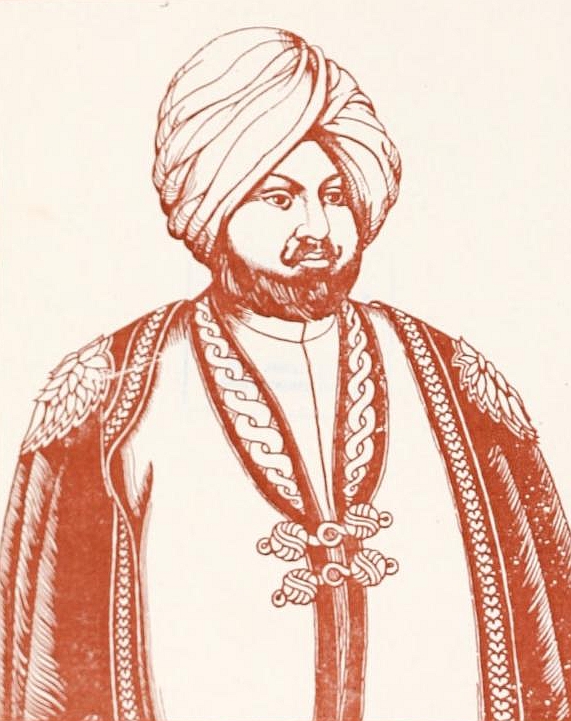
Lahore patron who founded The Tribune newspaper and was the first chairman of the Punjab National Bank, and left his fortune to a college and a library.
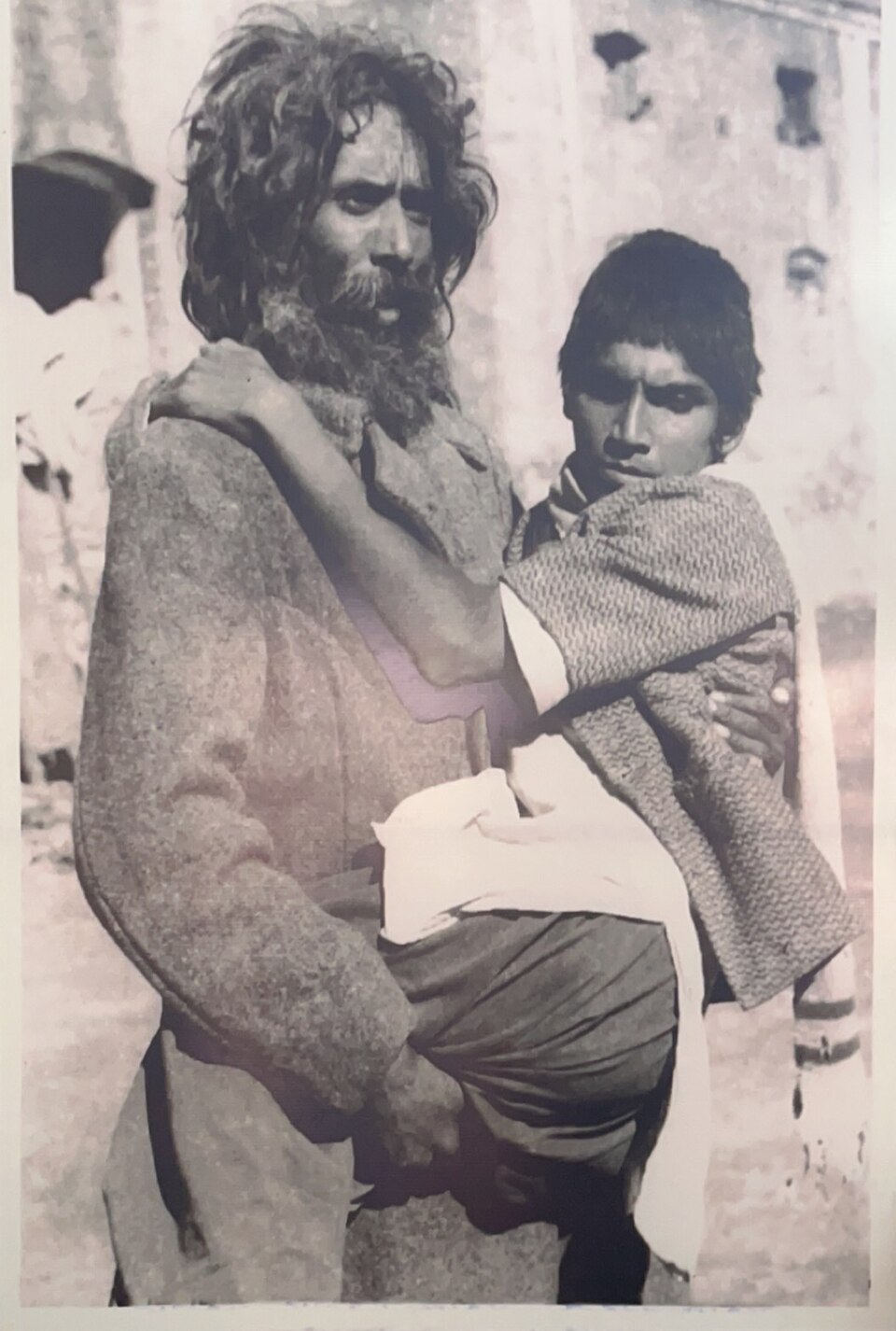
Founded Pingalwara in Amritsar, a home for the disabled and destitute, after carrying an abandoned disabled child on his back for years.
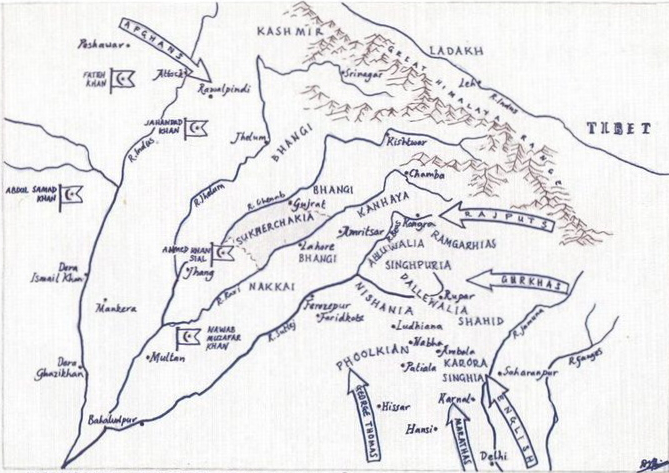
Built the Bhangi misl into the strongest of the confederacy, with lands from Lahore to Multan. The great Zamzama gun was captured by the Bhangis and long known as the Bhangian wali top.
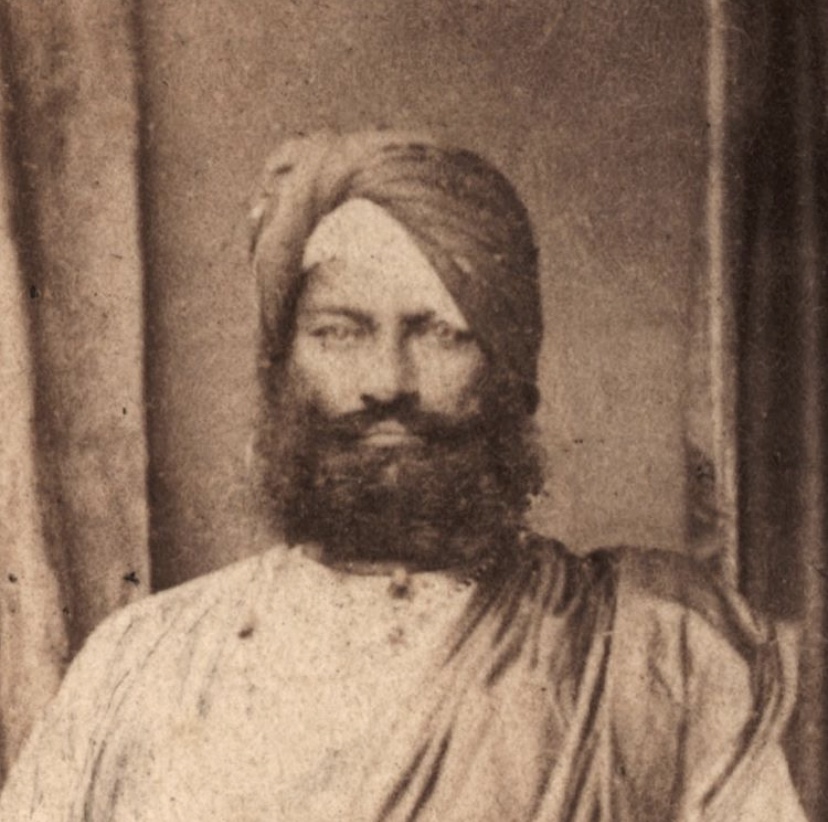
Chief minister and army commander in the First Anglo-Sikh War, widely accused of betraying the Khalsa army to the British.
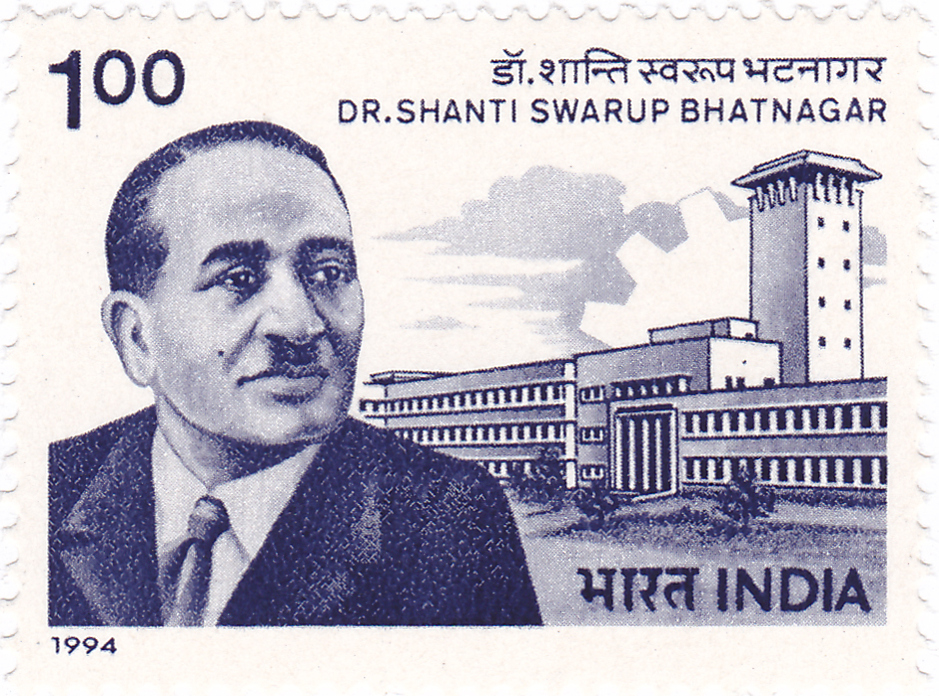
Chemist from Bhera who taught in Lahore and became the first director of India's Council of Scientific and Industrial Research.
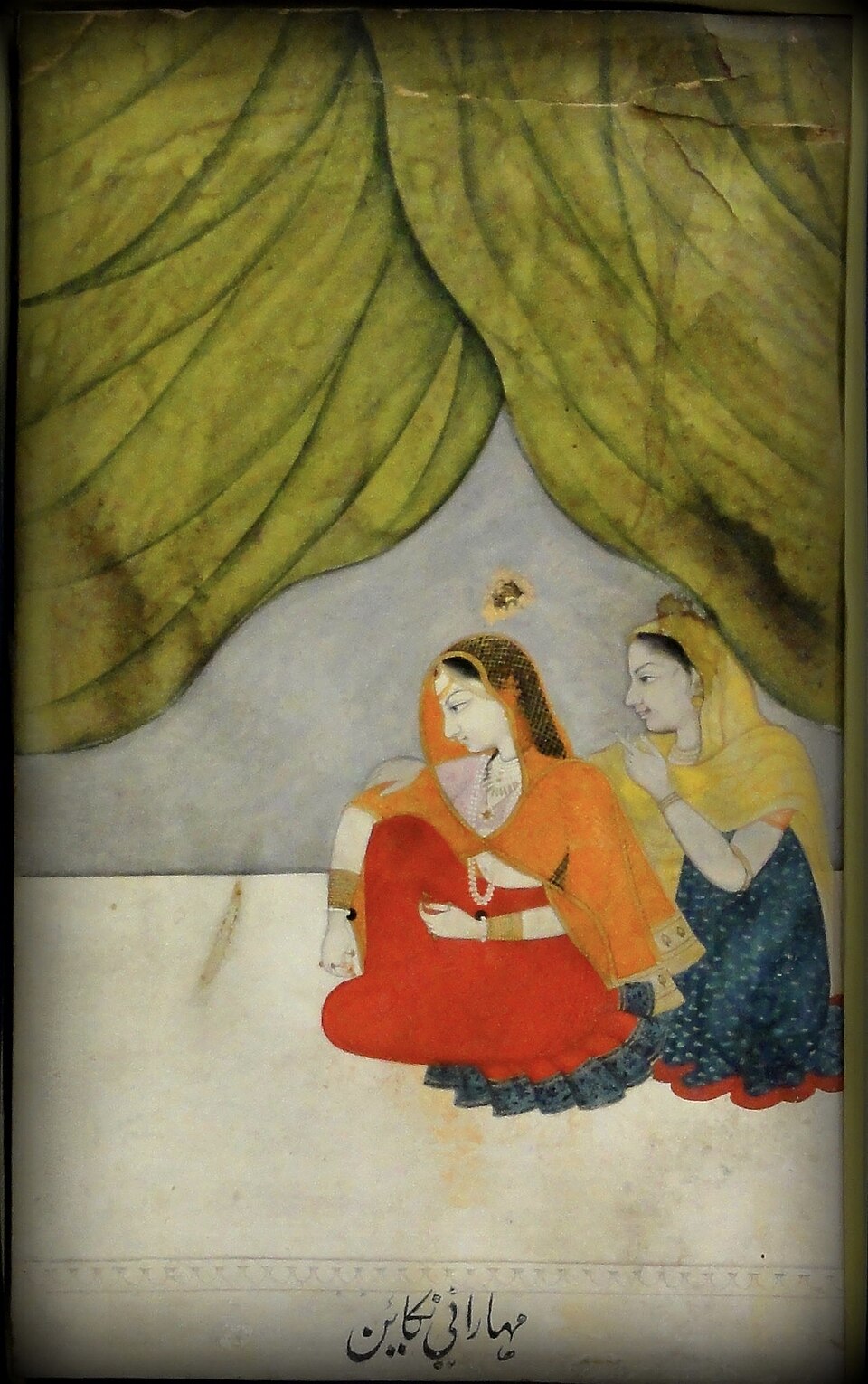
Ranjit Singh's wife from the Nakai misl and mother of Kharak Singh, who accompanied the Multan campaign and handled its supplies.
Mughal governor of Lahore who put a price on Sikh heads, executed Bhai Mani Singh and Bhai Taru Singh, and in 1733 tried to buy peace by offering the Sikhs a jagir and the title of Nawab.
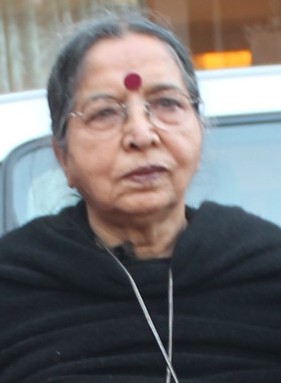
Punjabi writer born in Lahore, whose autobiography Khanabadosh tells of a woman's life after Partition.
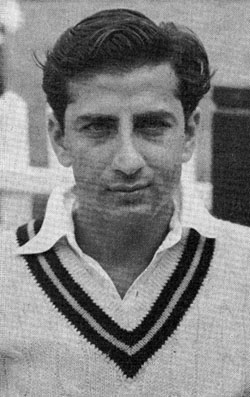
Fast-medium bowler from Lahore whose twelve wickets at the Oval in 1954 won Pakistan's first Test in England.
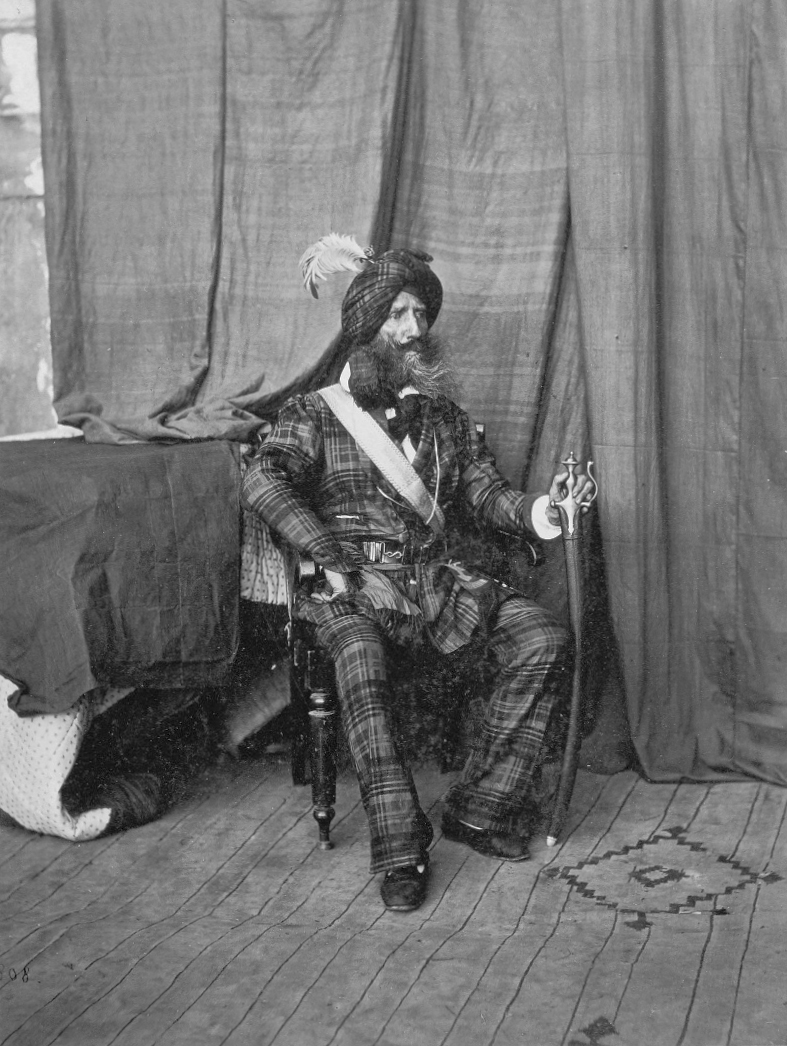
American-Scottish adventurer and colonel of artillery at Lahore, remembered for his tartan turban.
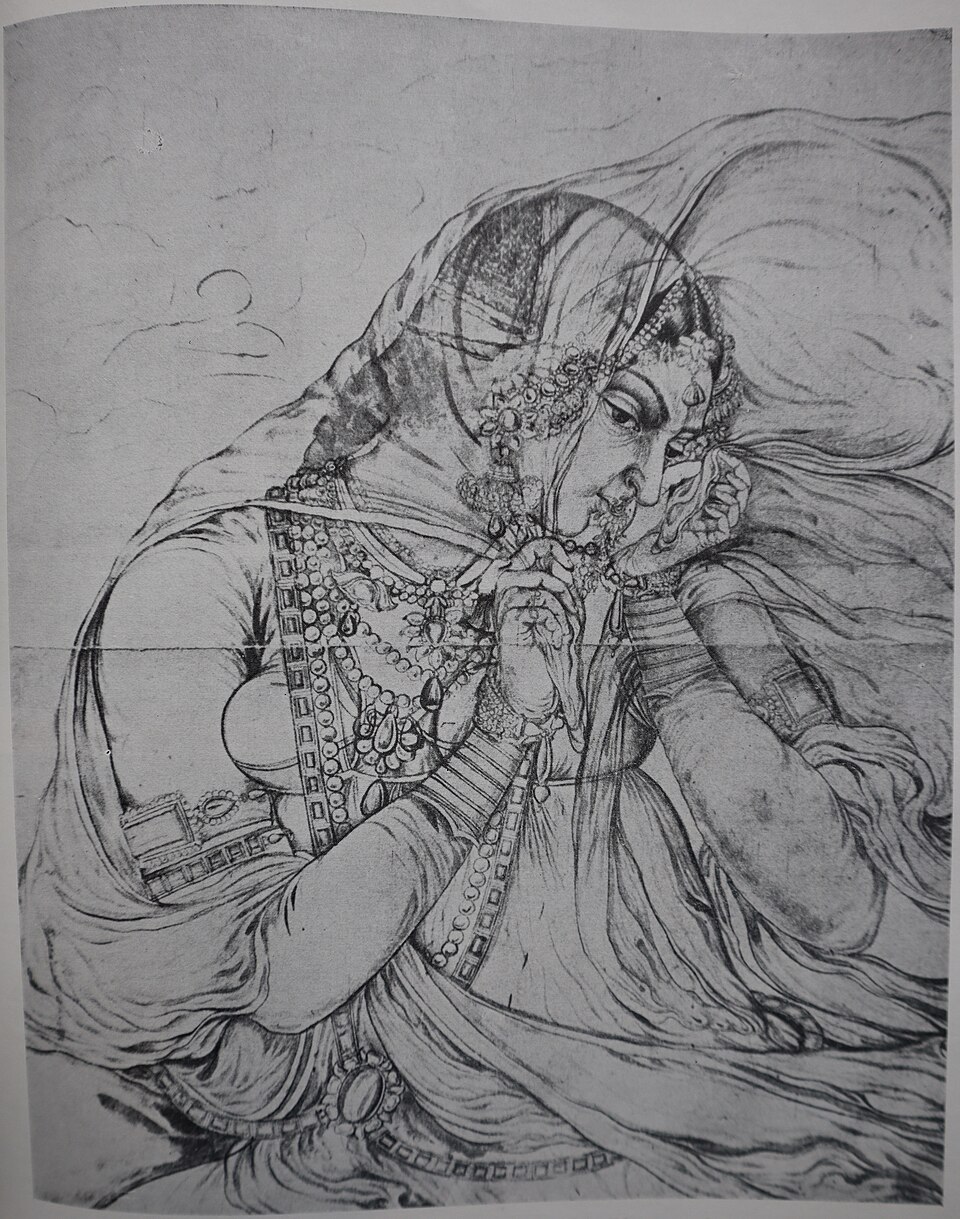
Head of the Kanhaiya misl after her husband's death and the mother-in-law of Ranjit Singh. Her support helped him take Lahore in 1799.
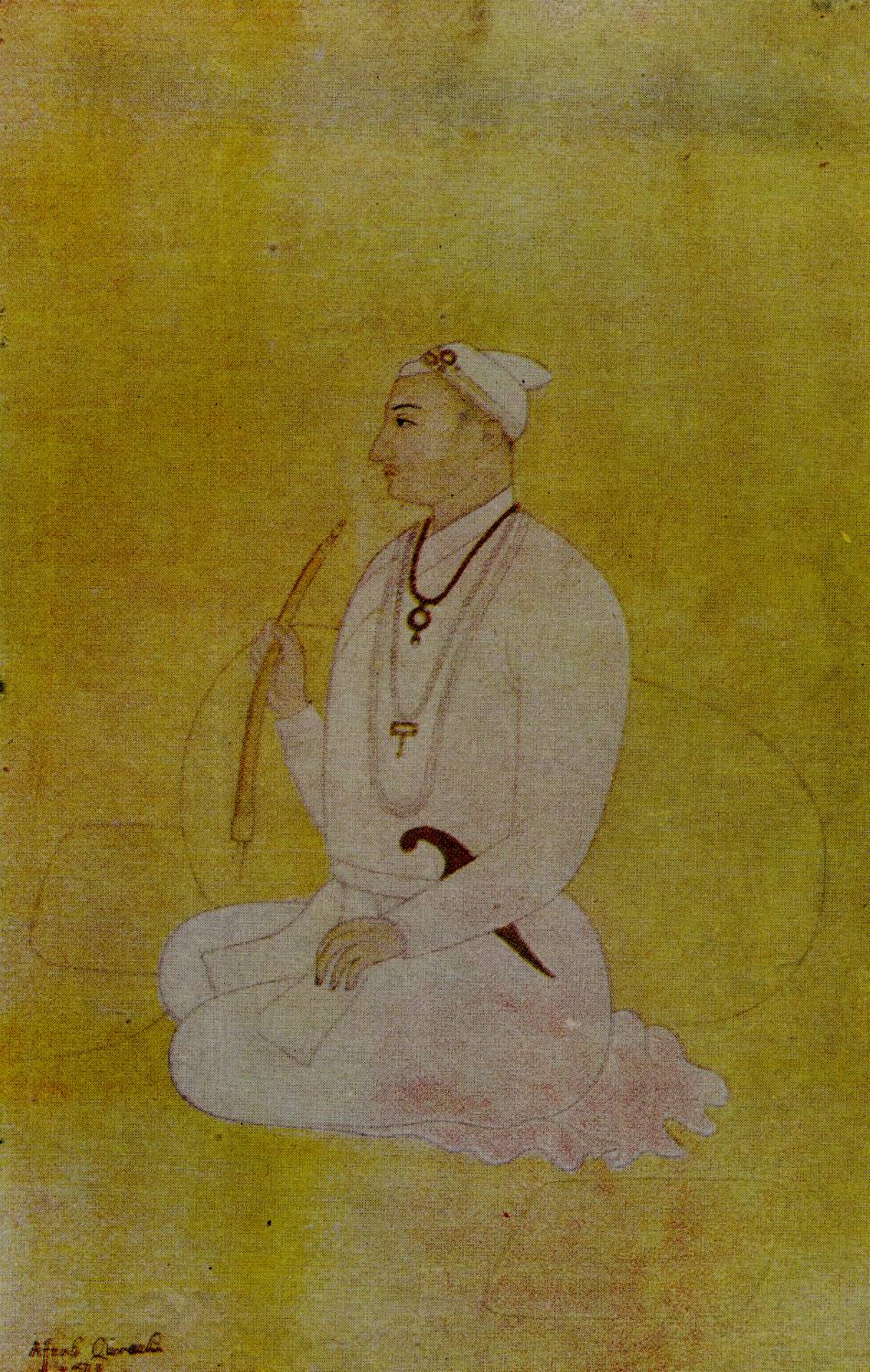
Governor of Lahore after the victory at Manupur, remembered by Sikhs for the harshest persecution of the century, including the imprisonment of Sikh women and children.
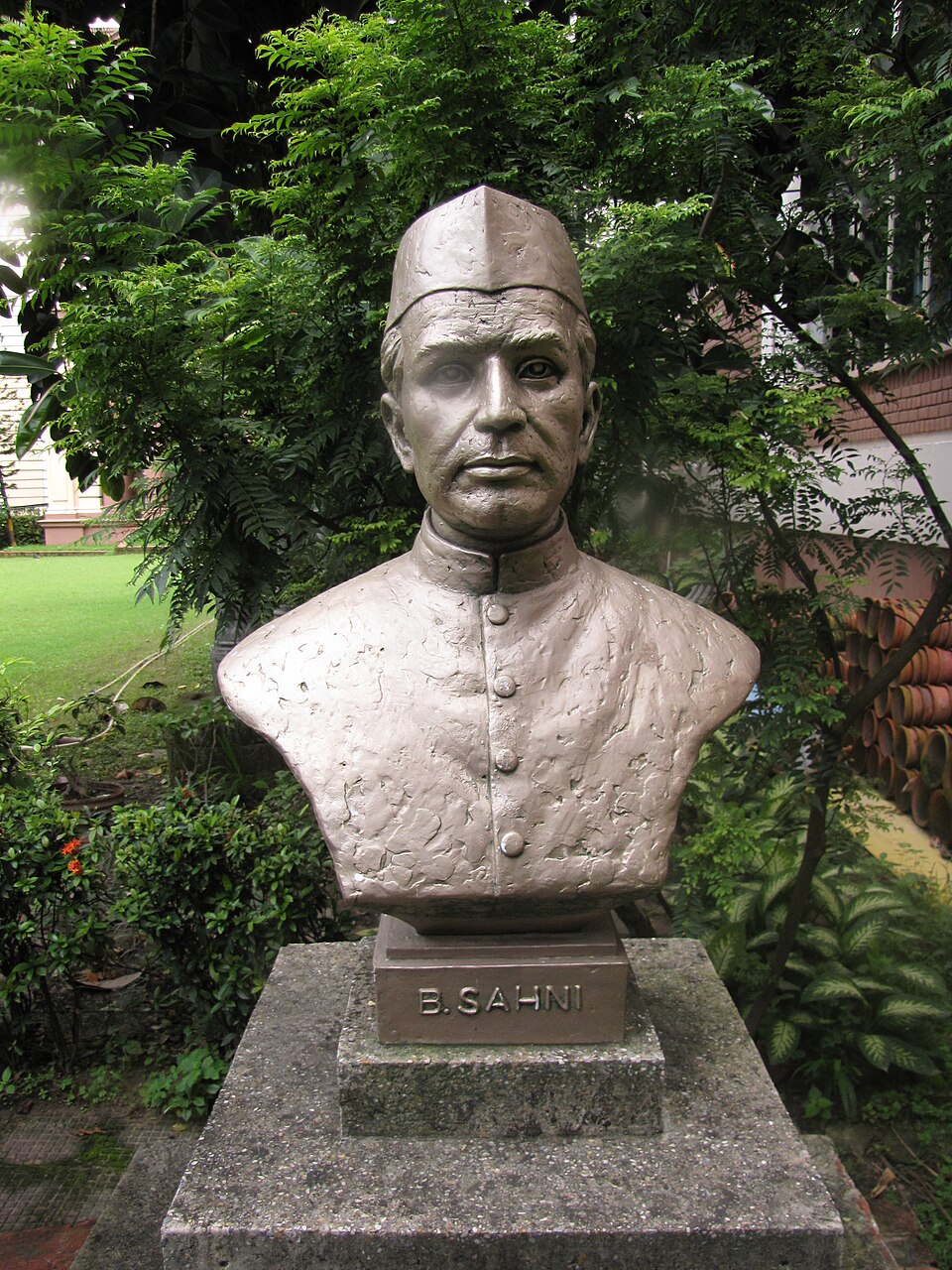
Palaeobotanist from Bhera who read the history of India's plants in its rocks and founded the institute in Lucknow that bears his name.
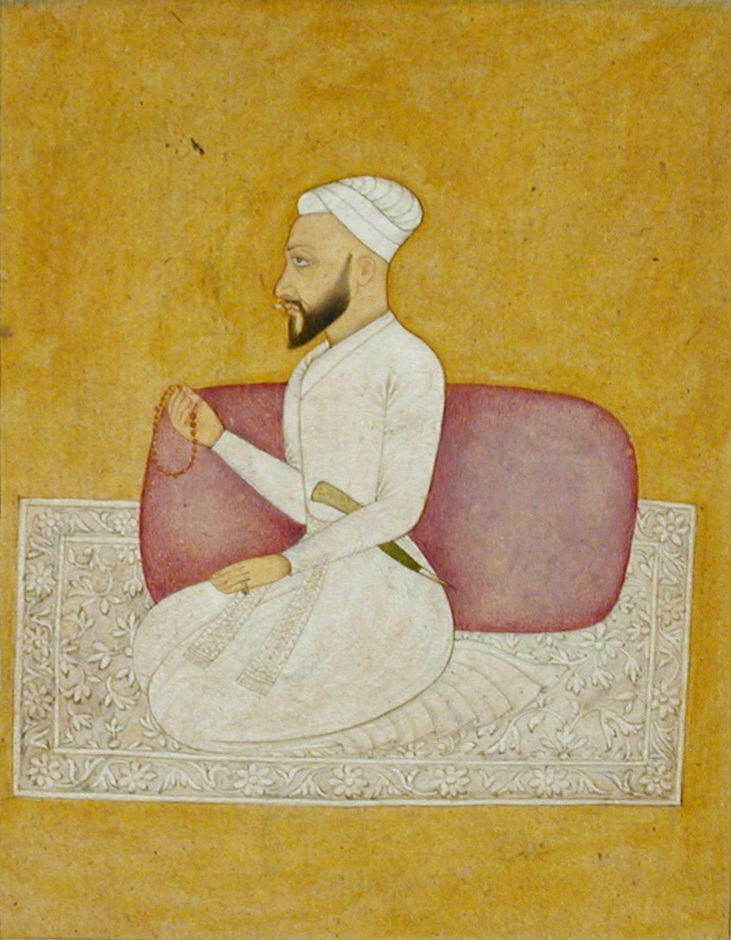
Wily faujdar of the Jalandhar Doab who played Mughals, Afghans, Marathas and Sikhs against one another and in 1758 briefly became governor of all Punjab.
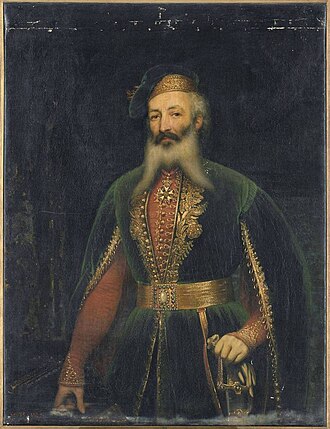
Veteran of Napoleon's cavalry who arrived in Lahore in 1822 and raised the Fauj-i-Khas, the elite French-drilled brigade of the Sikh army.
Tailor-poet of Lahore, the people's poet of the Punjabi language, who mocked every government from the stage.
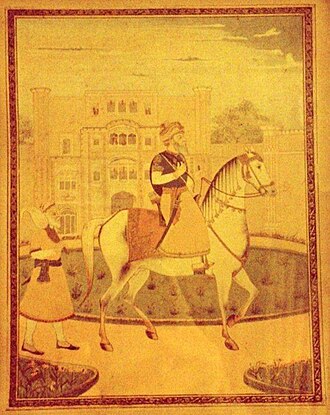
Supreme commander of the Dal Khalsa, wounded many times at the Vadda Ghallughara. Struck coins at Lahore and was called Sultan-ul-Qaum, king of the nation.
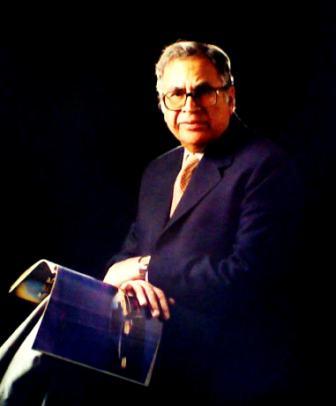
Physicist born in Ludhiana, a student and colleague of Abdus Salam and one of the founders of theoretical physics in Pakistan.
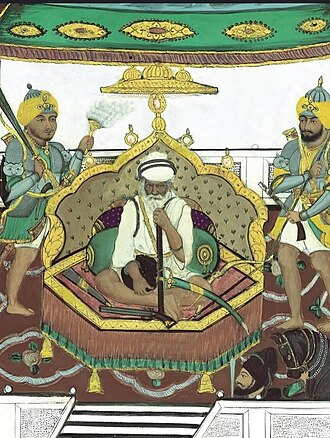
Saint-soldier who led resistance after the annexation of 1849. Arrested, he was exiled to Singapore and died in prison there in 1856.
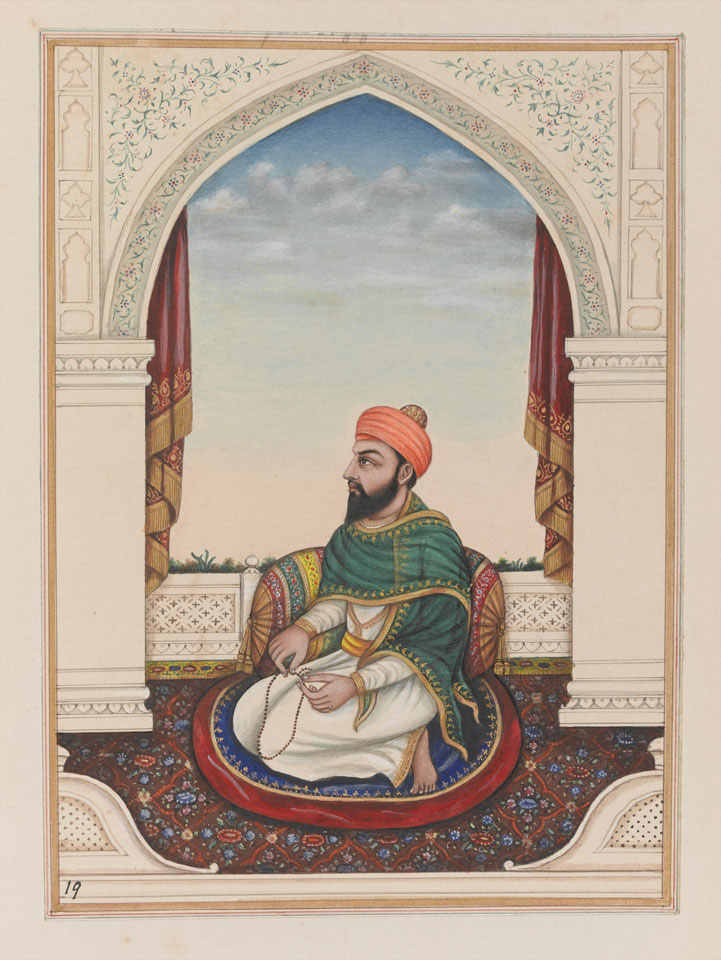
Physician, foreign minister and confidant of Ranjit Singh, a Muslim who handled relations with the British and the Afghans.
Minister of the Lahore governors who, after Sikhs killed his brother Jaspat Rai in battle, swore to wipe out the Sikhs and led the Chhota Ghallughara of 1746, banning even the word 'Guru'.
Lahore lawyer who founded the Unionist Party in 1923, uniting Muslim, Hindu and Sikh farmers of the Punjab against the moneylender and the communal parties.
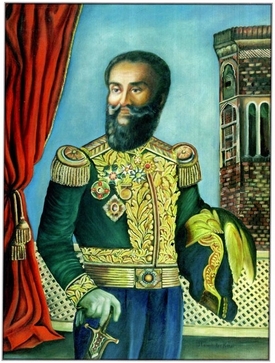
Saint-Cyr-trained French officer who cast and commanded Ranjit Singh's artillery and mapped and dug the antiquities of the Punjab.
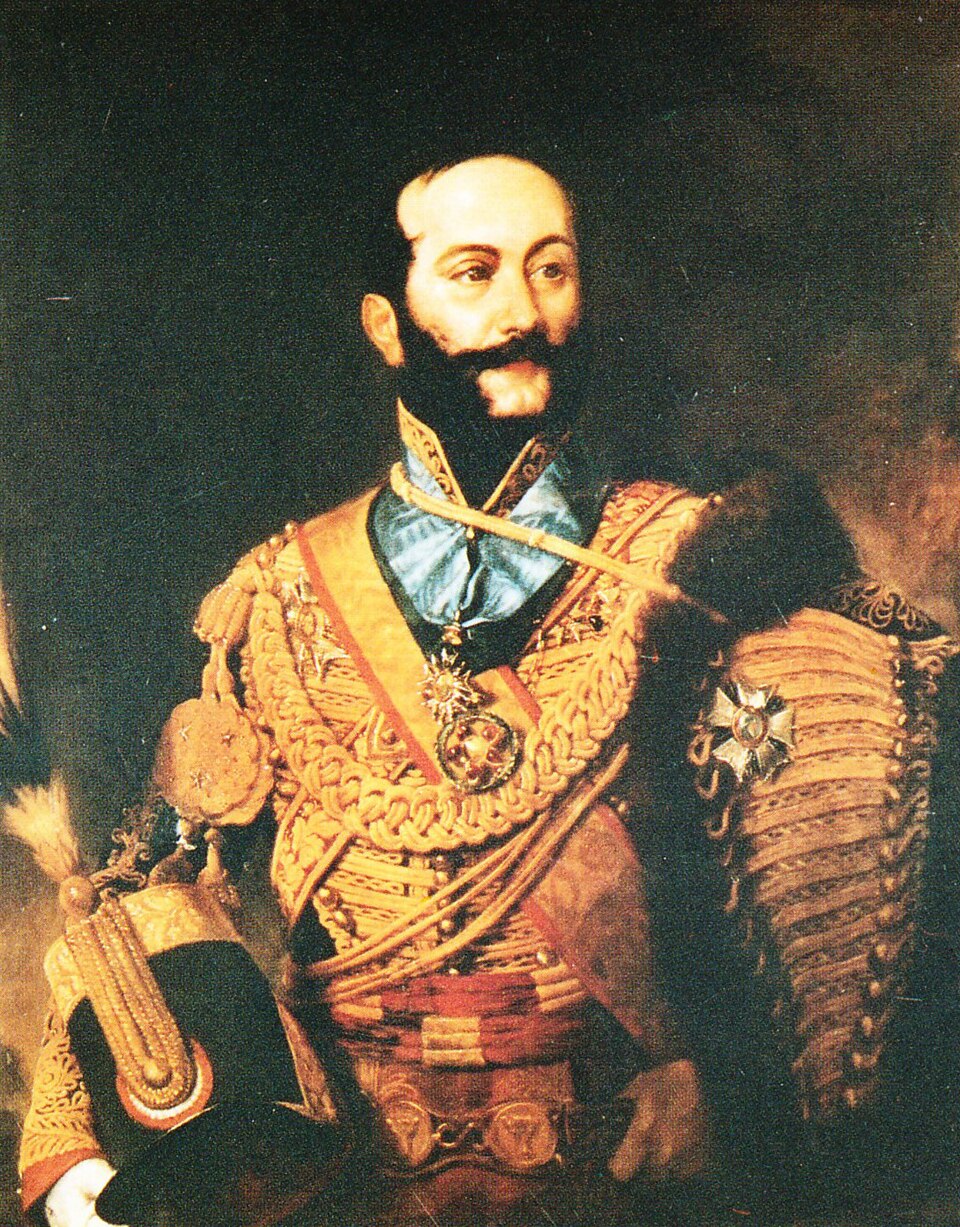
Italian officer who trained the Sikh infantry in European drill and later governed districts for Lahore. He also dug into a Buddhist stupa at Manikyala.
Father and son broken on the wheel in Lahore under Zakariya Khan's successors for refusing to convert.
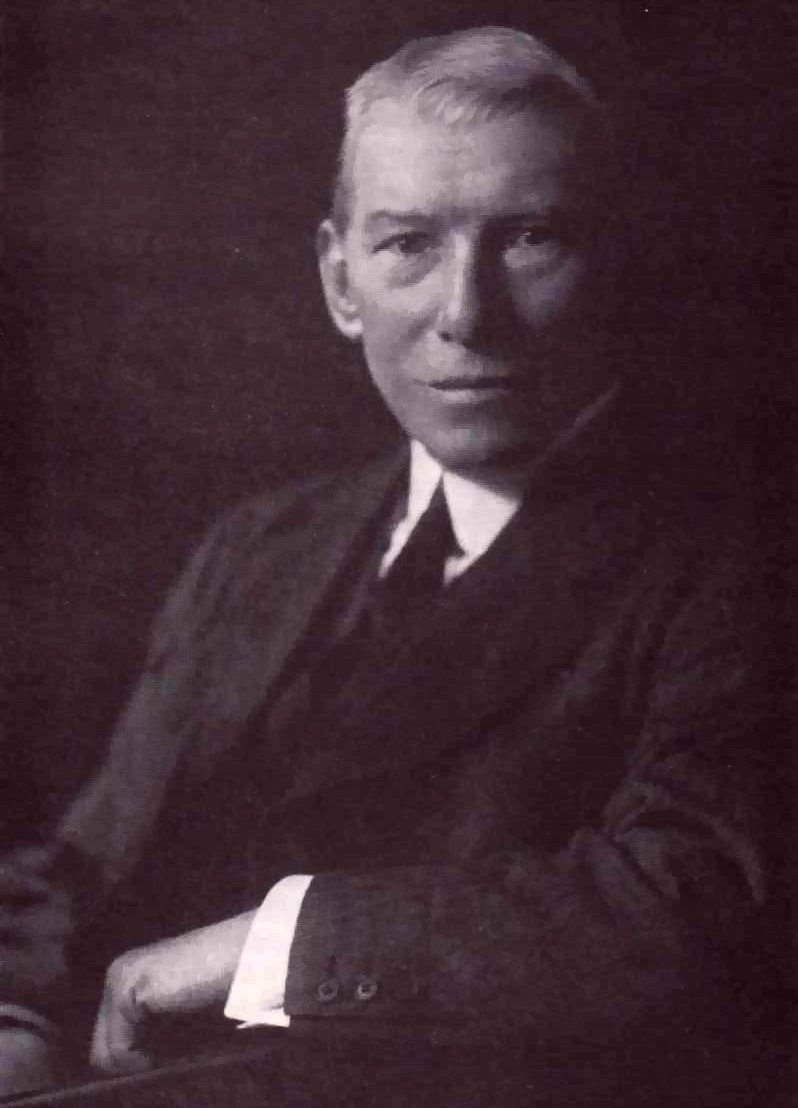
Lieutenant-Governor of Punjab who endorsed the Amritsar shooting and imposed martial law. Shot dead in London by Udham Singh in 1940.
Uncle of Bhagat Singh who led the farmers' agitation of 1907, Pagri Sambhal Jatta, and spent thirty-eight years in exile.
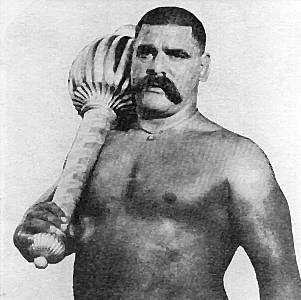
Wrestler of Amritsar and Lahore, undefeated in a career of more than fifty years and world champion in London in 1910.
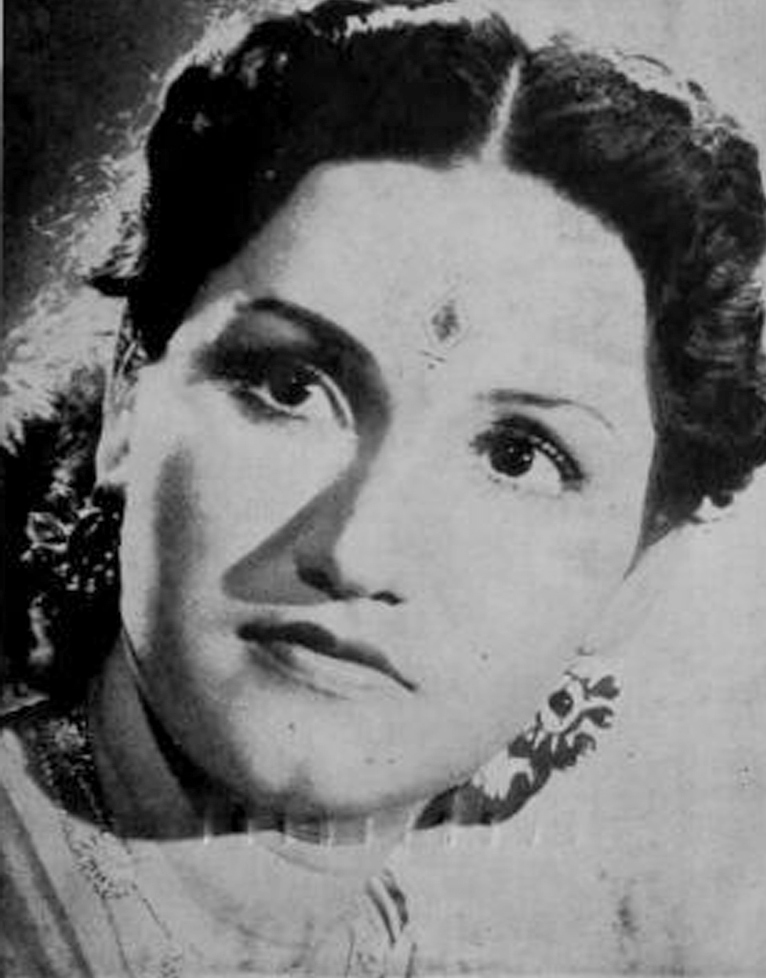
Singer and actress of Kasur, the Malika-e-Tarannum, queen of melody, whose voice filled the films and radios of both Punjabs.
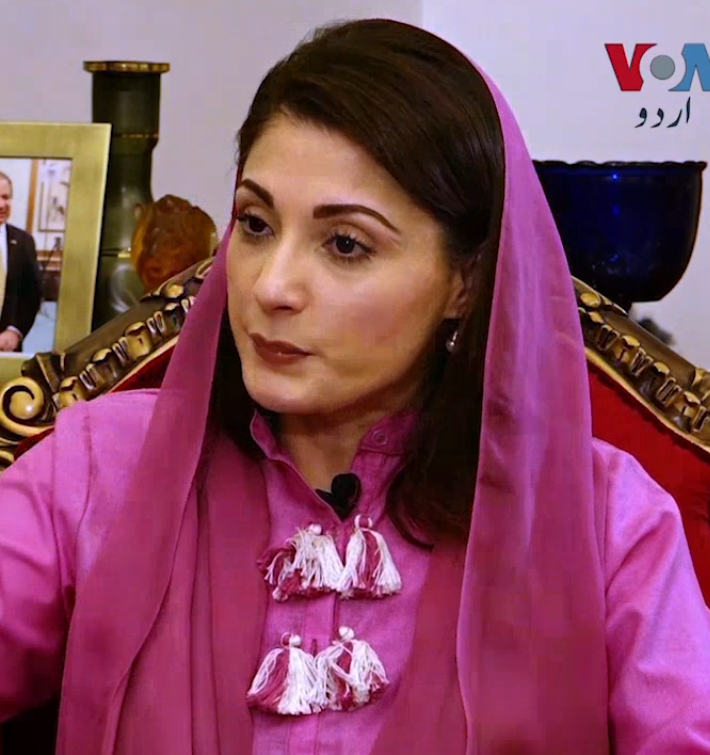
Daughter of Nawaz Sharif, who in 2024 became Chief Minister of Pakistani Punjab, the first woman to lead any province of Pakistan.
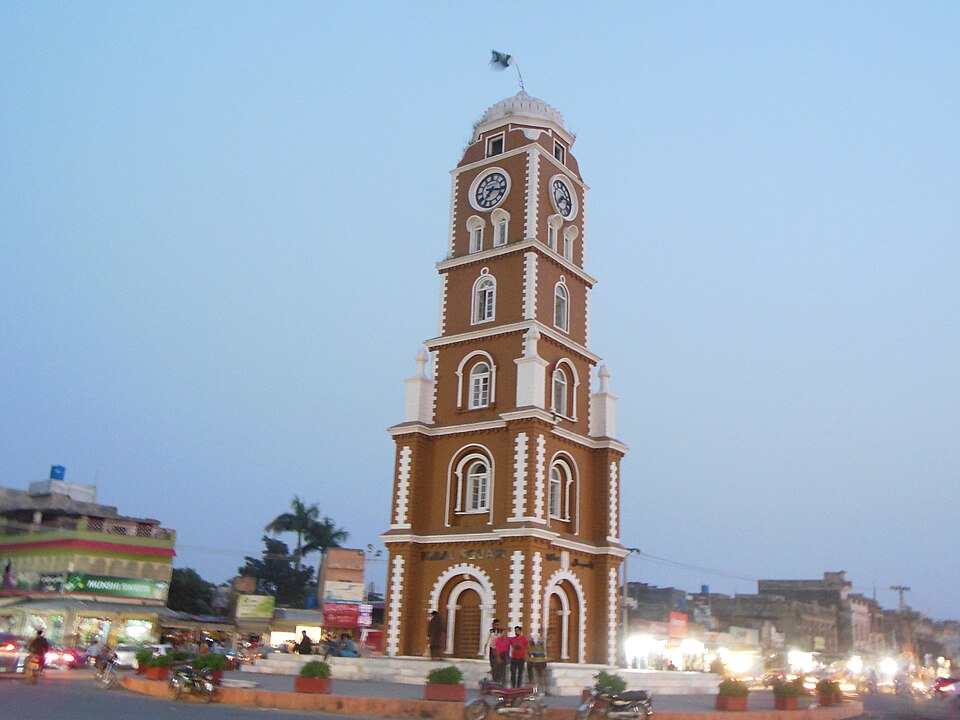
Khokhar chief of the Punjab who fought the Sultans of Delhi for twenty years, besieging Lahore and taking Sialkot and Jalandhar.
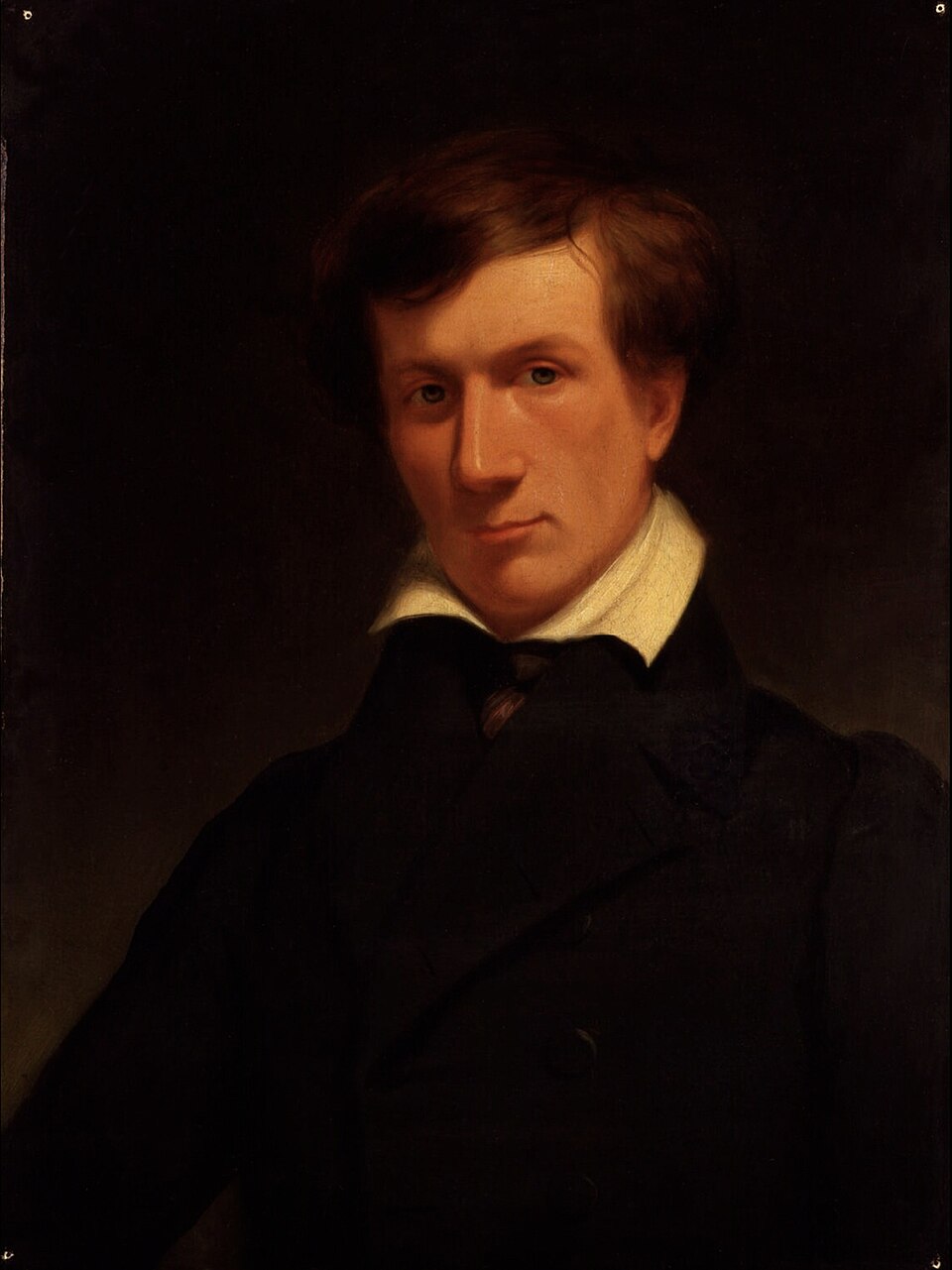
British Resident at Lahore after the First Anglo-Sikh War, and head of the board that governed the Punjab after annexation.
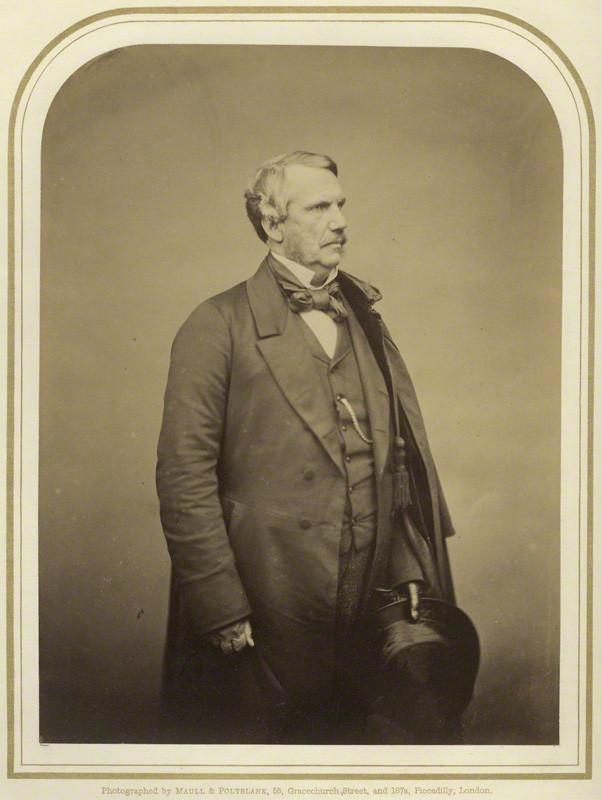
The administrator who ran the annexed Punjab, sent Punjabi troops to retake Delhi in 1857, and later became Viceroy of India.
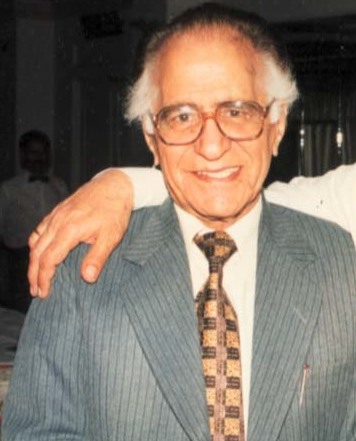
Urdu poet and short-story writer of the Punjab village, born in the Soon valley of the Salt Range.
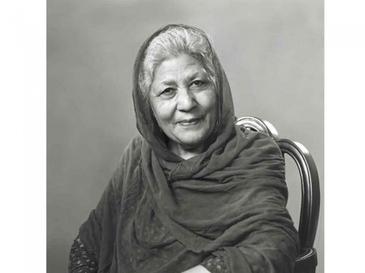
Novelist born in Ferozepur whose Raja Gidh is one of the most read Urdu novels in Pakistan.
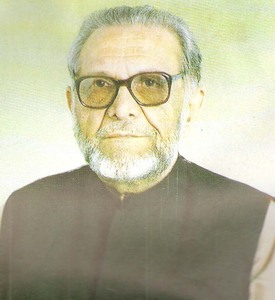
Writer and broadcaster from Muktsar, whose short story Gadariya and Sufi-tinged television talks made him a household voice in Pakistan.
Lahore novelist and travel writer, author of Bahao, a novel set in the dying world of the Indus cities.
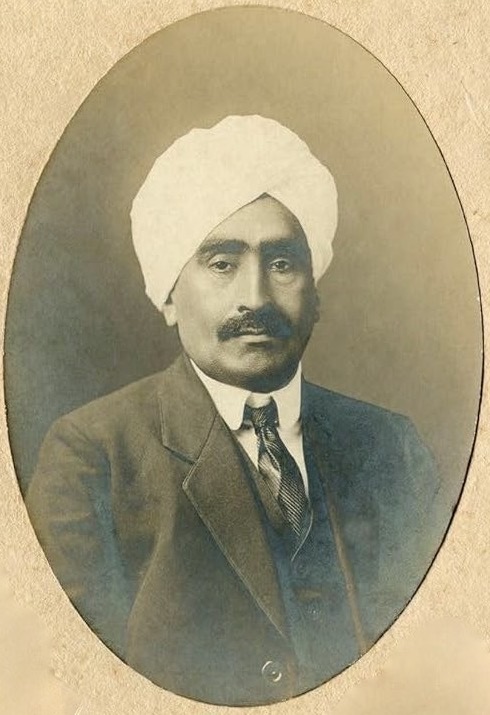
Chemist of Government College Lahore who brought modern science to the Punjab and lectured on it in Punjabi in the villages.
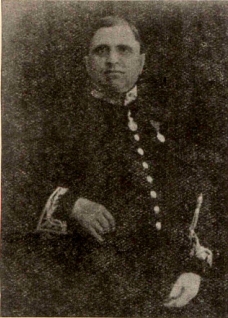
Archaeologist from Bhera who dug at Harappa in 1921 and so helped reveal the Indus civilisation to the world.
Nuclear physicist born in Gurdaspur who led Pakistan's Atomic Energy Commission for ten years.
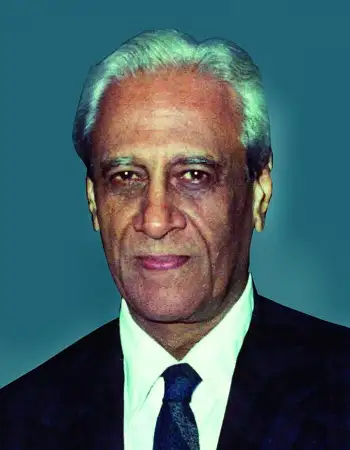
Aerospace engineer, educated in Lahore, who led India's space programme through its first satellite launches.
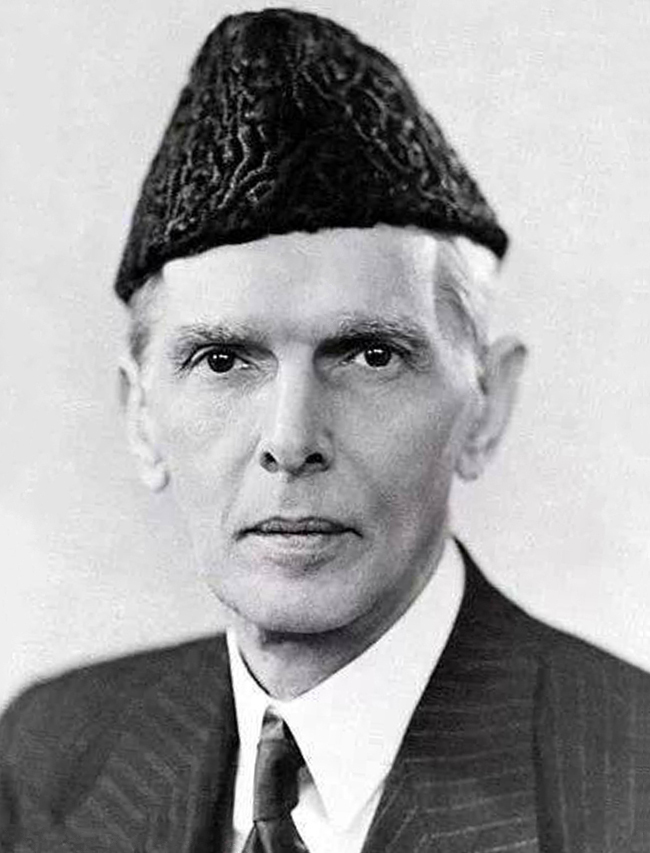
Leader of the Muslim League and founder of Pakistan, whose Lahore Resolution of 1940 asked for separate Muslim states.
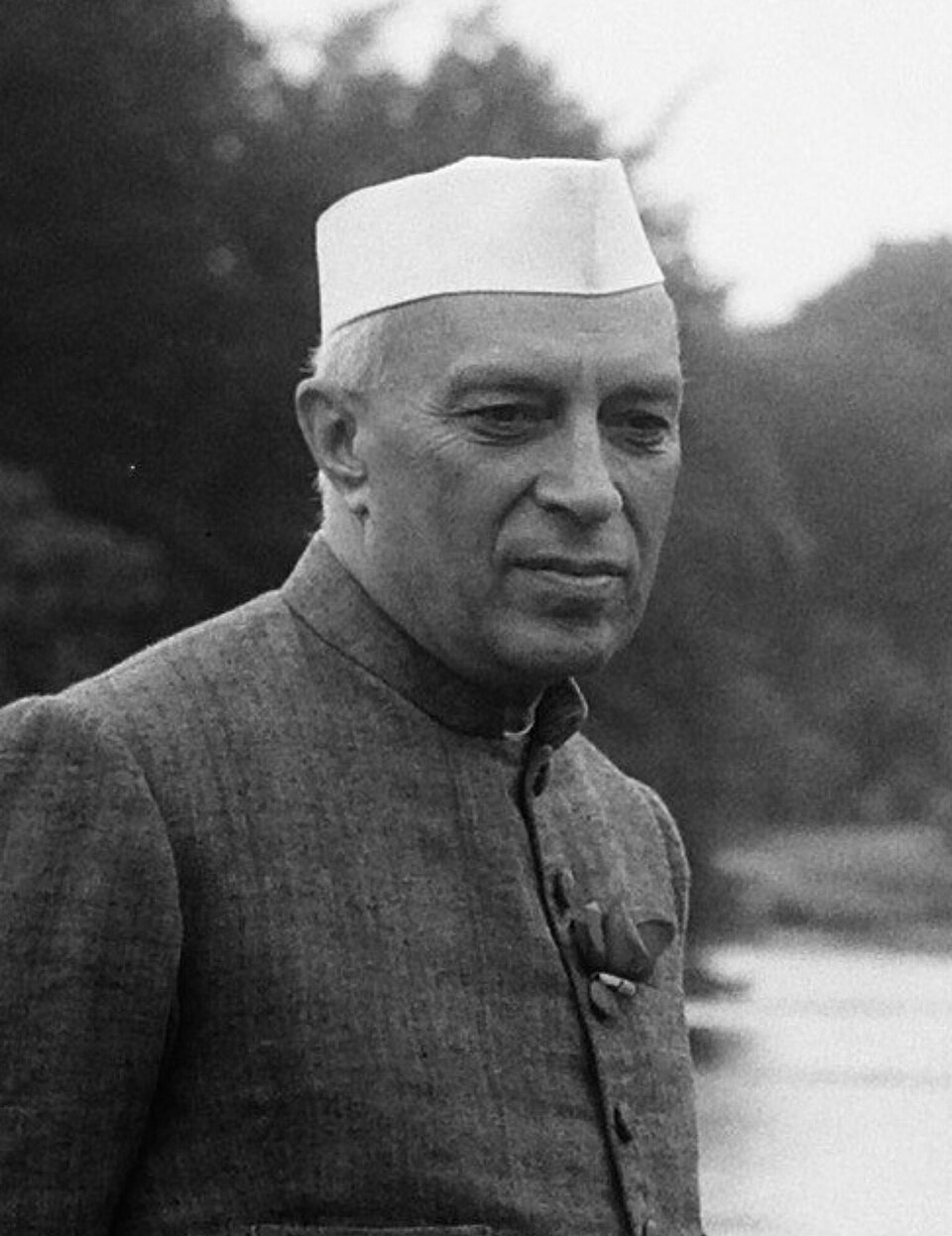
India's first Prime Minister, who declared the goal of full independence on the banks of the Ravi at Lahore in 1929.
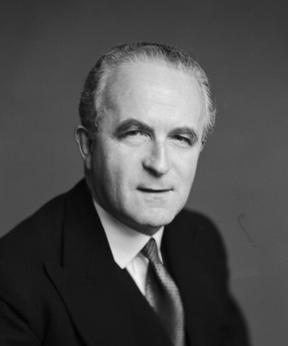
The British lawyer who drew the line through the Punjab in five weeks, having never been to India before.
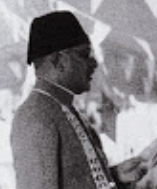
The Nawab of Mamdot, Muslim League leader in the Punjab and first Chief Minister of West Punjab.
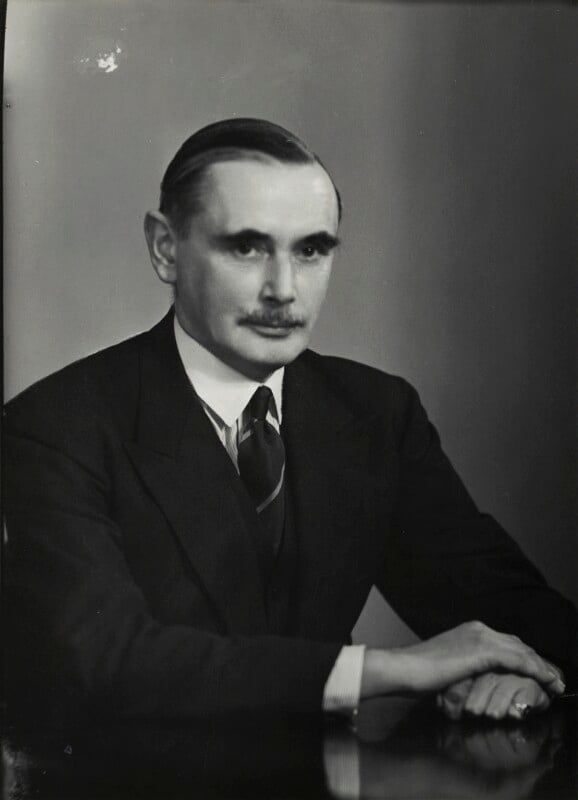
The last British Governor of the Punjab, who ruled it directly from March to August 1947.
Battles
Artifacts
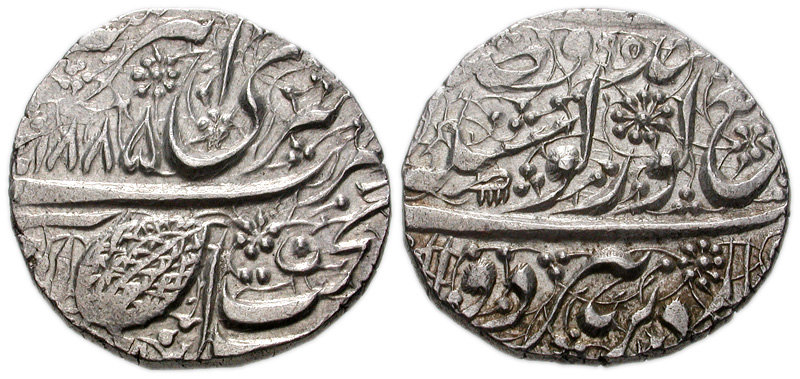
When the misls took Lahore in 1765 they struck silver rupees bearing the Khalsa couplet Deg Tegh Fateh, and Ranjit Singh's kingdom kept issuing them for eighty years.
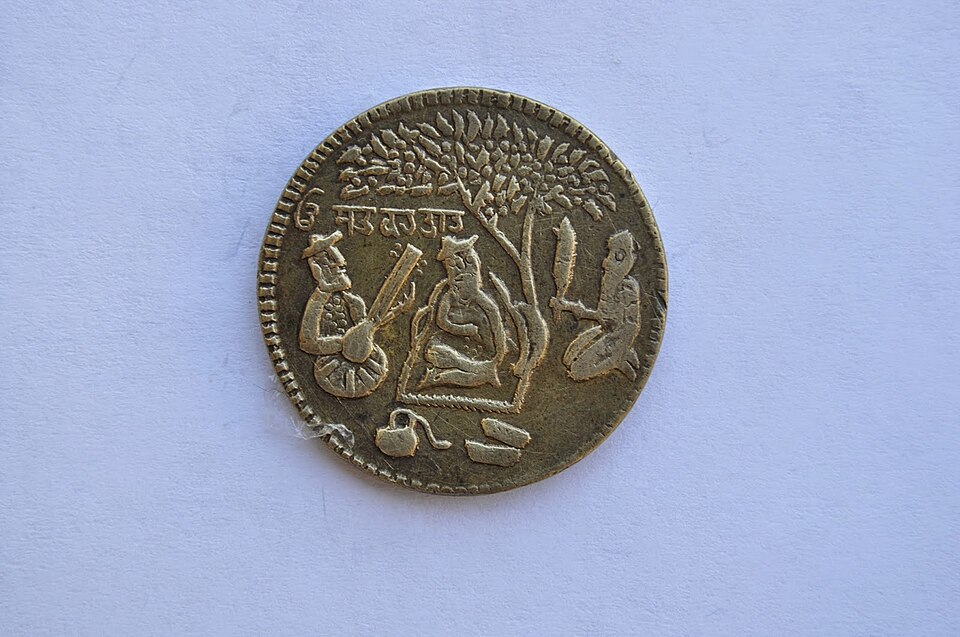
Rare coins and temple tokens of the Sikh period show Guru Nanak seated under a tree with Bhai Mardana holding his rabab, the only Sikh coins with a human image.
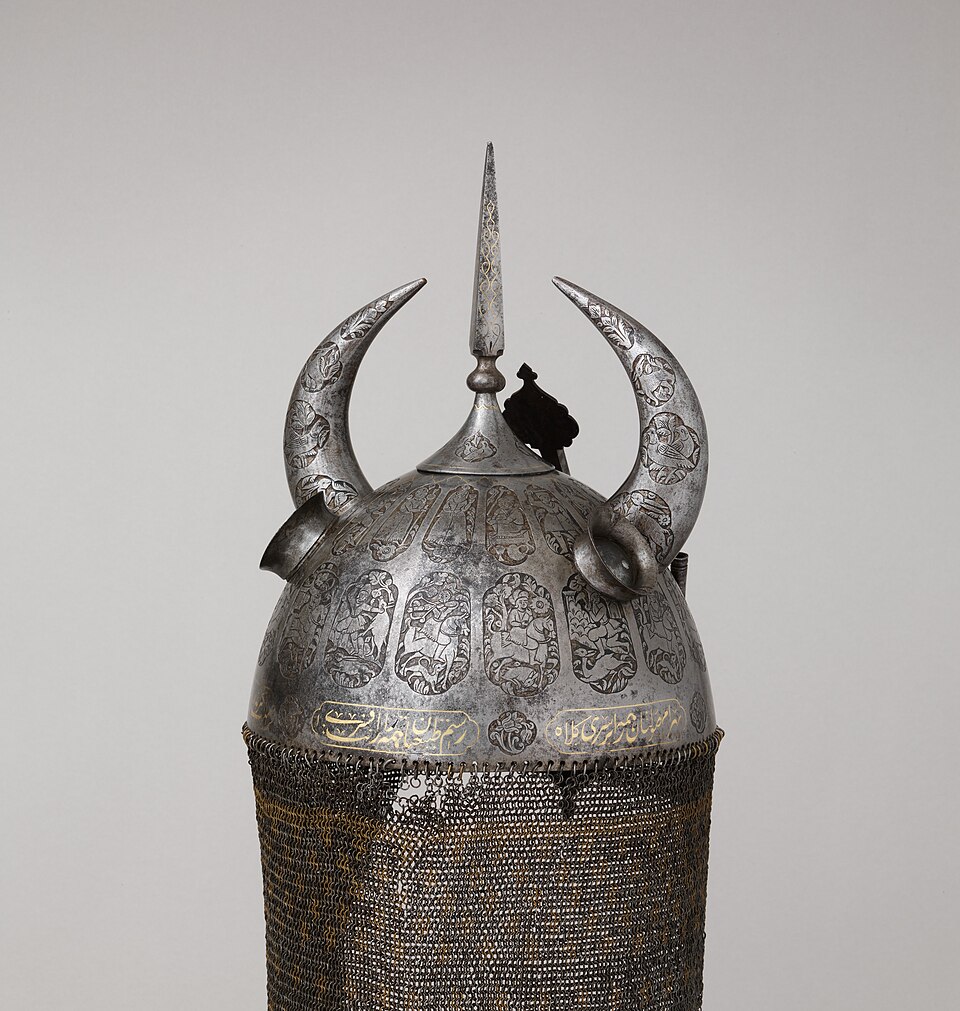
Helmets with mail aventails, round shields with bosses, and four-plate chest armour (char-aina) inlaid with gold, much of it taken after the Anglo-Sikh Wars.
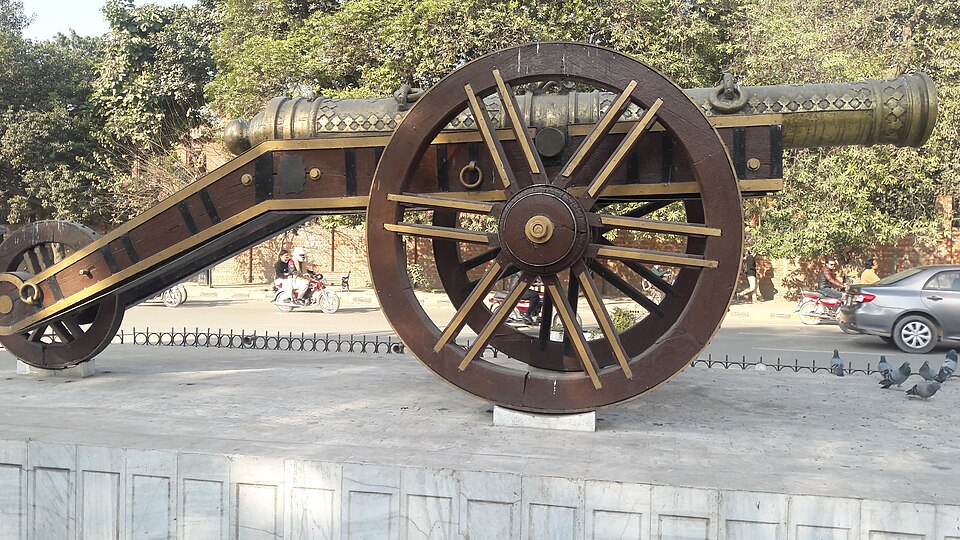
A giant bronze cannon cast for Ahmad Shah Abdali, captured by the Bhangi misl, used by Ranjit Singh at Multan in 1818, and made famous as 'Kim's gun' by Rudyard Kipling.
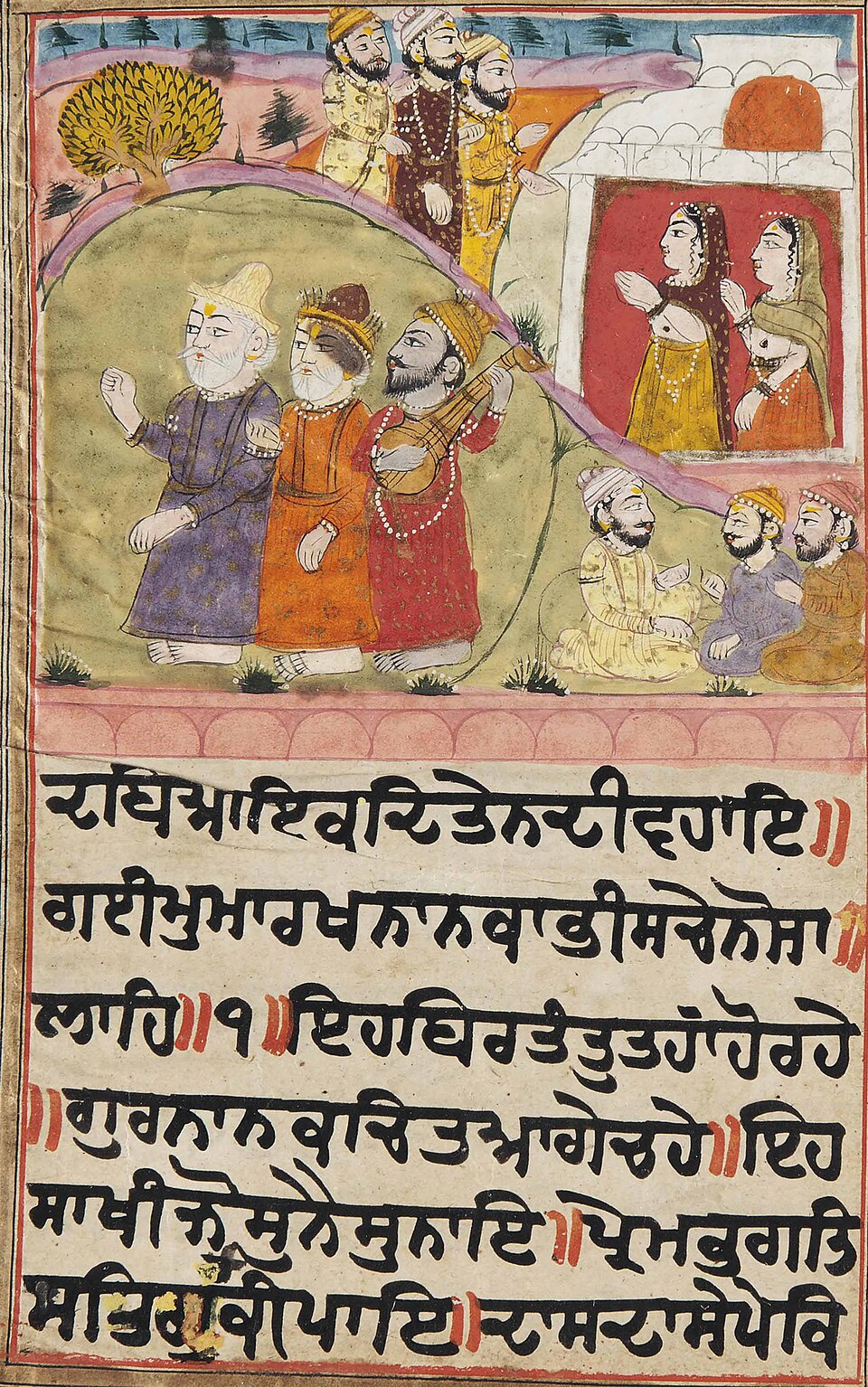
An illustrated life of Guru Nanak with 57 paintings by the artist Alam Chand Raj, made in 1733 and one of the finest early examples of Sikh painting.
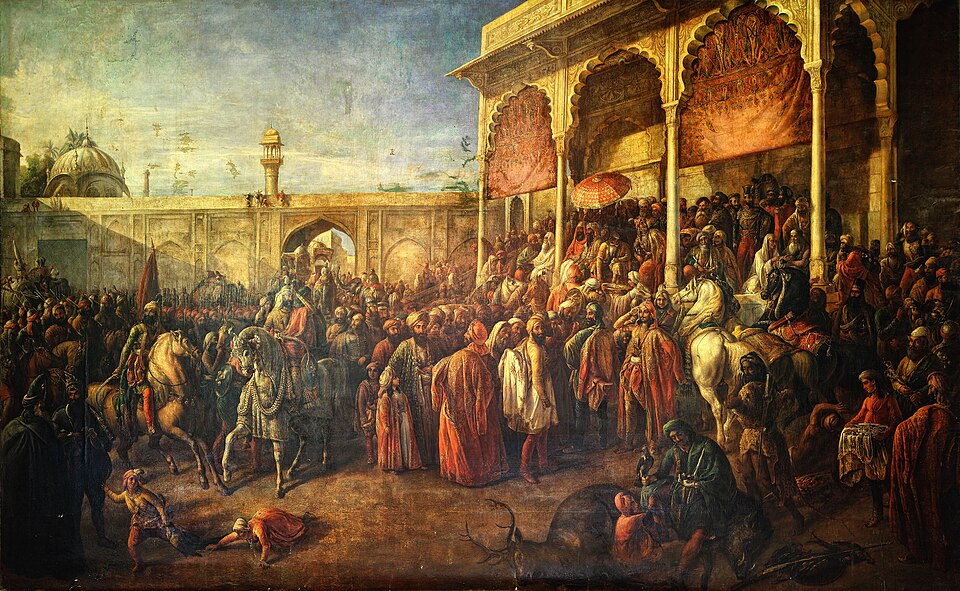
August Schoefft's huge painting of Maharaja Ranjit Singh's court, with dozens of identifiable nobles, generals and European officers, painted from sketches made in Lahore in 1841.
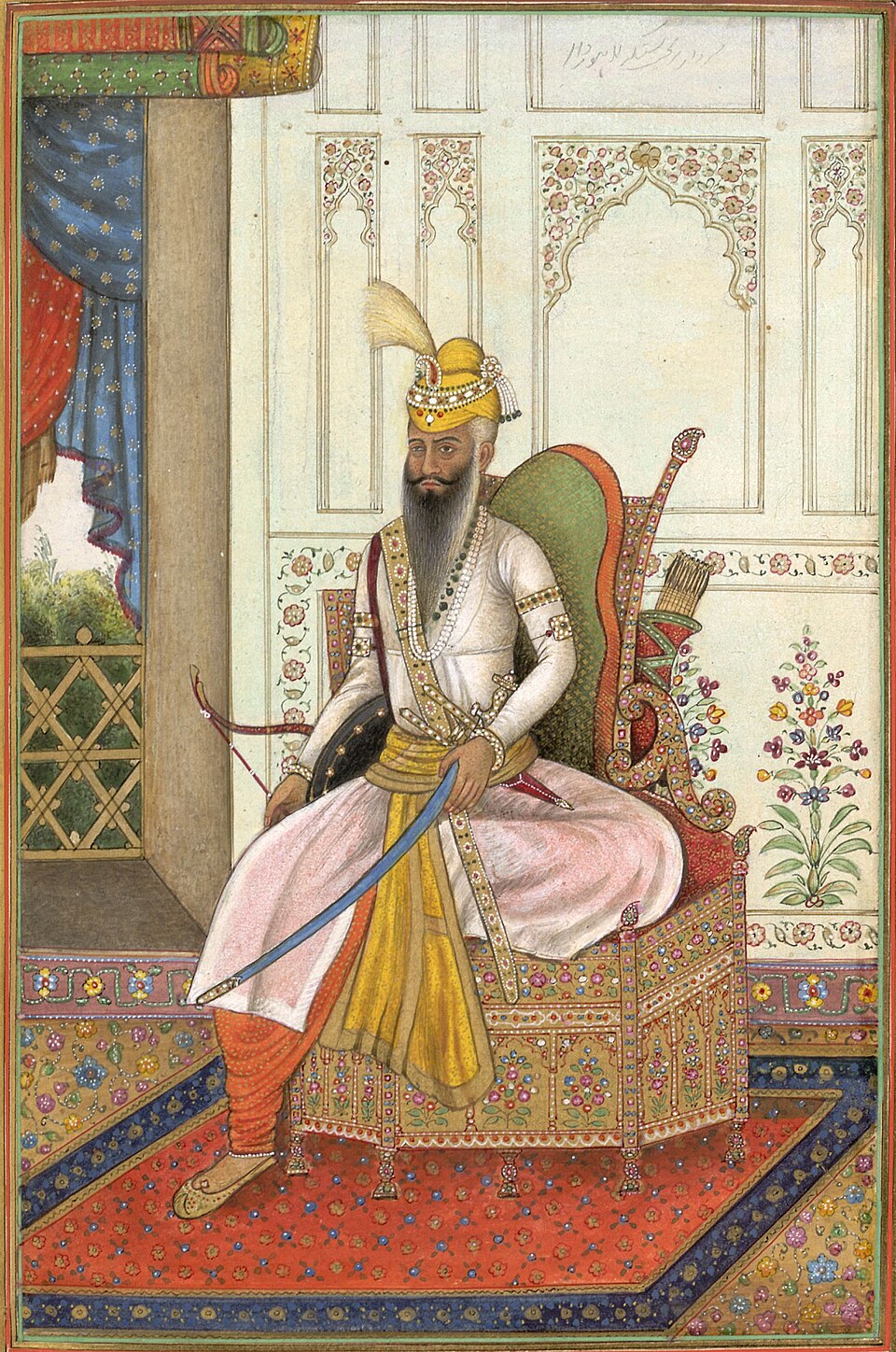
The Maharaja was painted on horseback, at the Golden Temple, and in miniatures sold to travellers; Emily Eden sketched him at his meeting with the Governor-General in 1838.
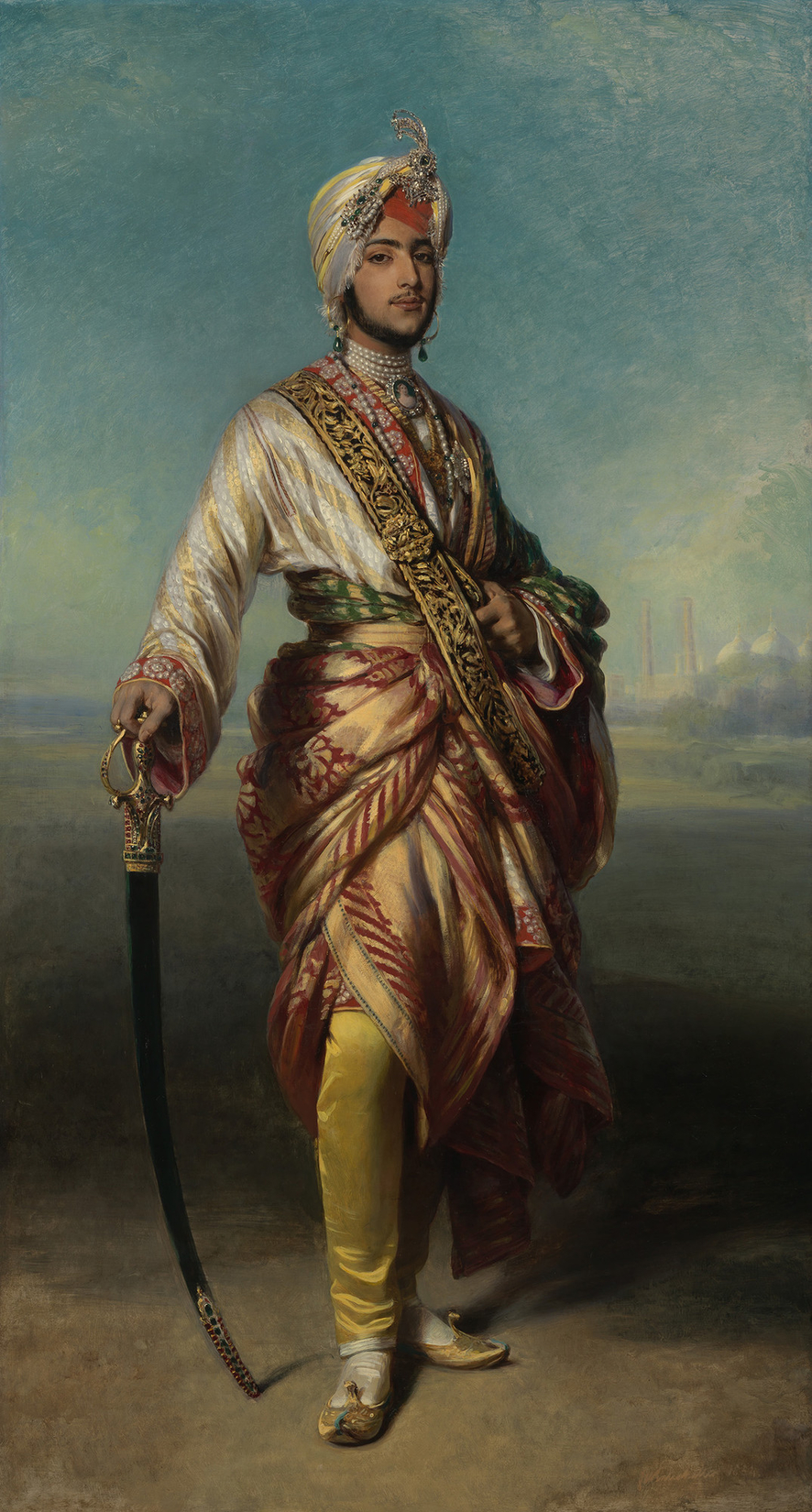
Queen Victoria commissioned Franz Xaver Winterhalter to paint the deposed fifteen-year-old Maharaja in jewelled Sikh dress, with a miniature of the Queen pinned to his chest.
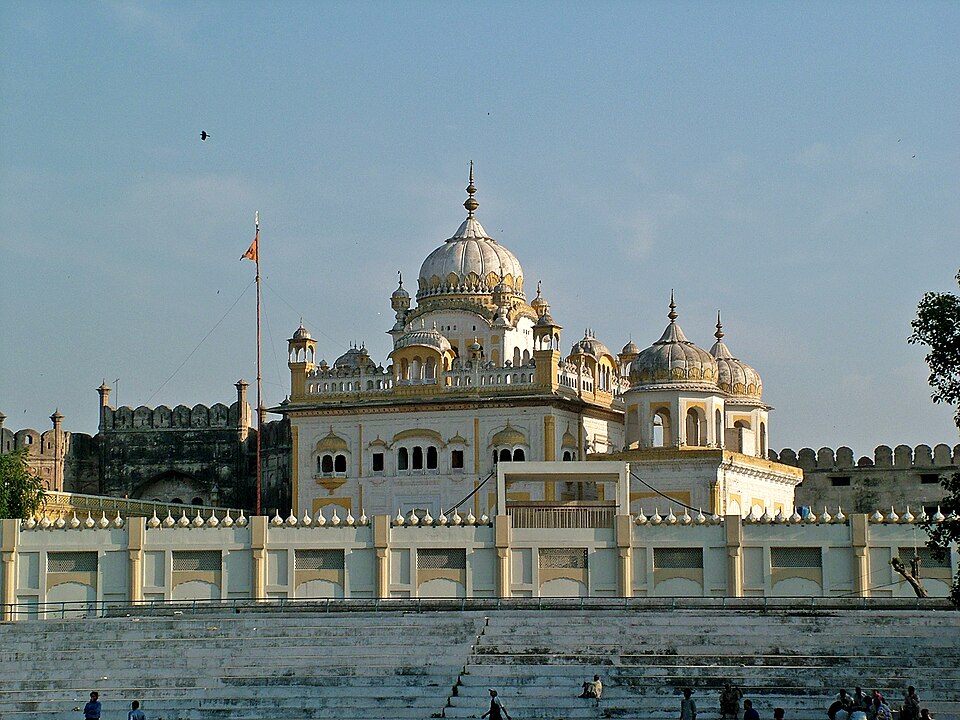
The Maharaja's memorial, holding urns with his ashes and those of four queens and seven maids who died on his pyre, built in a mix of Sikh, Hindu and Islamic forms.
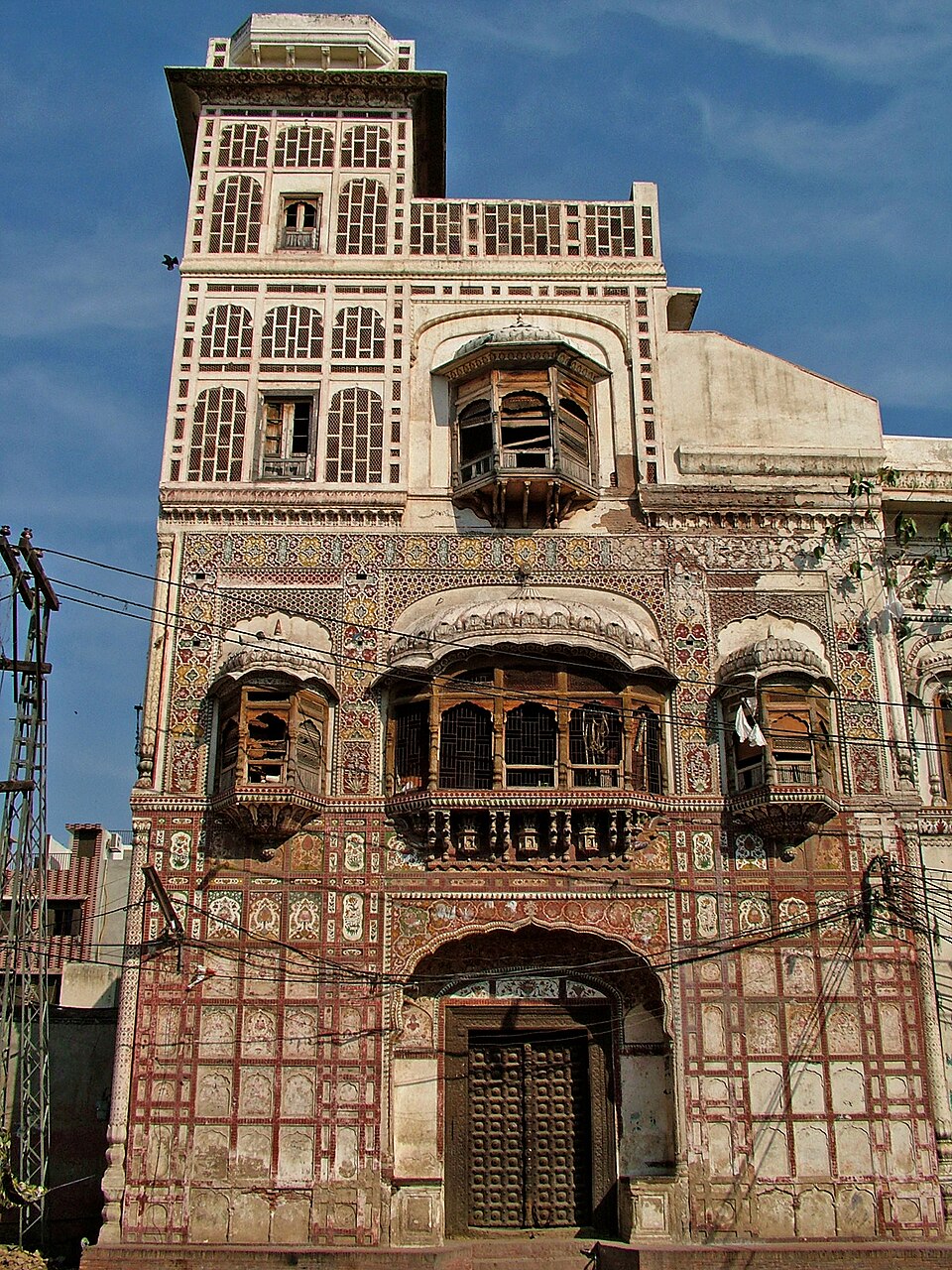
The only Sikh-period haveli in Lahore that survives almost whole, with painted ceilings, carved jharokas and frescoes of Krishna and Sikh courtiers.
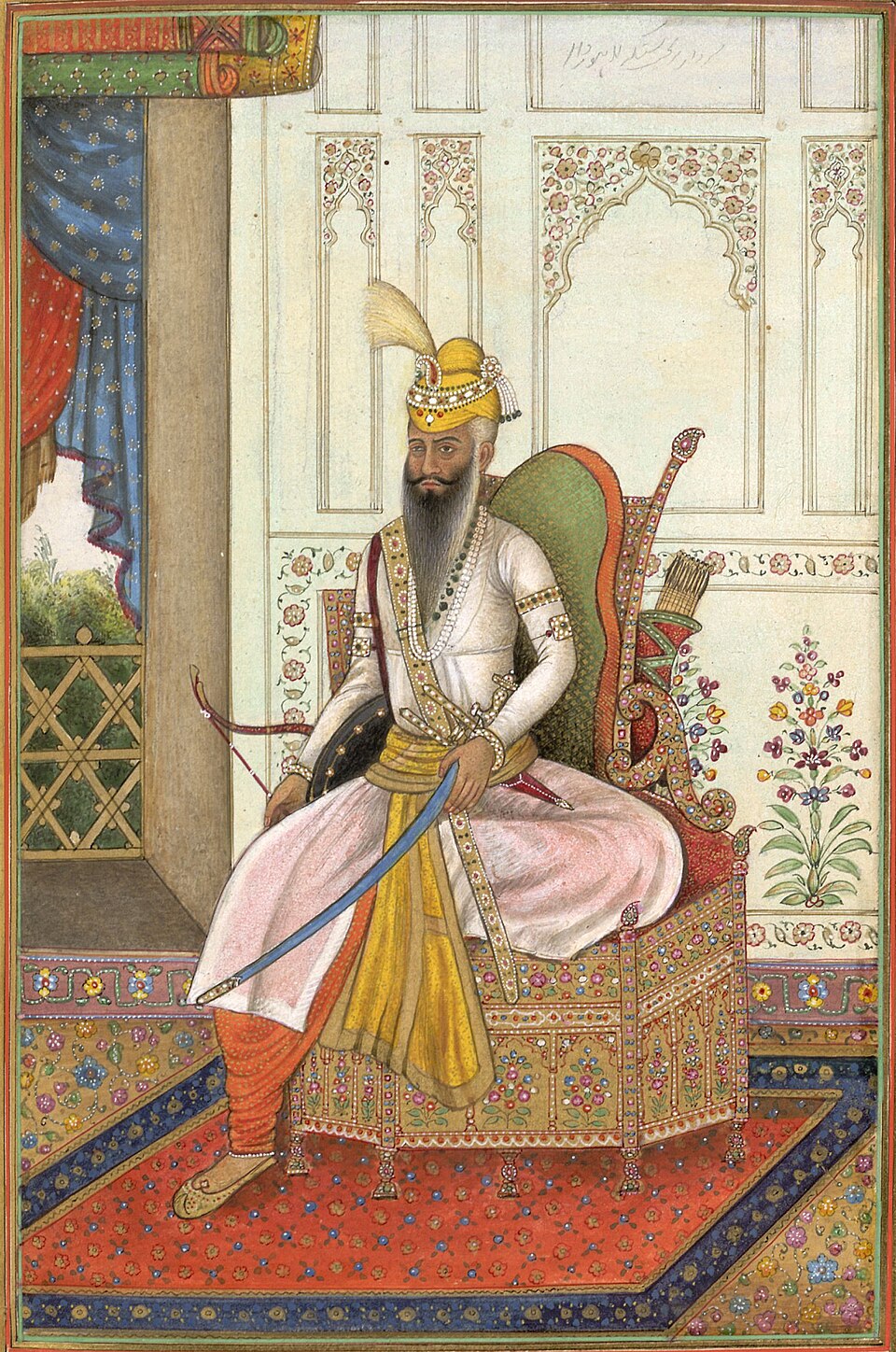
Made by the goldsmith Hafez Muhammad Multani, an eight-lobed throne on a lotus-petal base. It passed to the East India Company in 1849 and has been in London ever since.
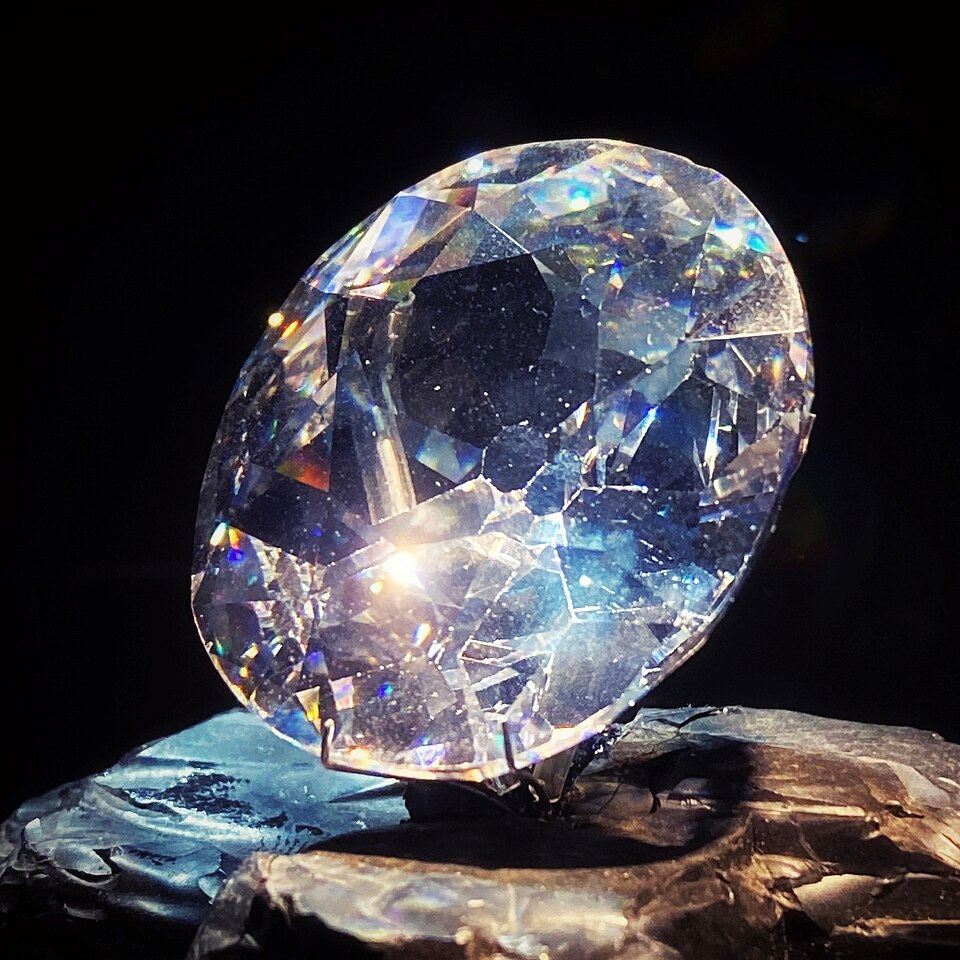
The 'mountain of light', taken from the deposed Afghan king Shah Shuja in 1813. Ranjit Singh wore it on his arm. Under the Treaty of Lahore of 1849 it was surrendered to Queen Victoria, cut down, and set in the British crown jewels.
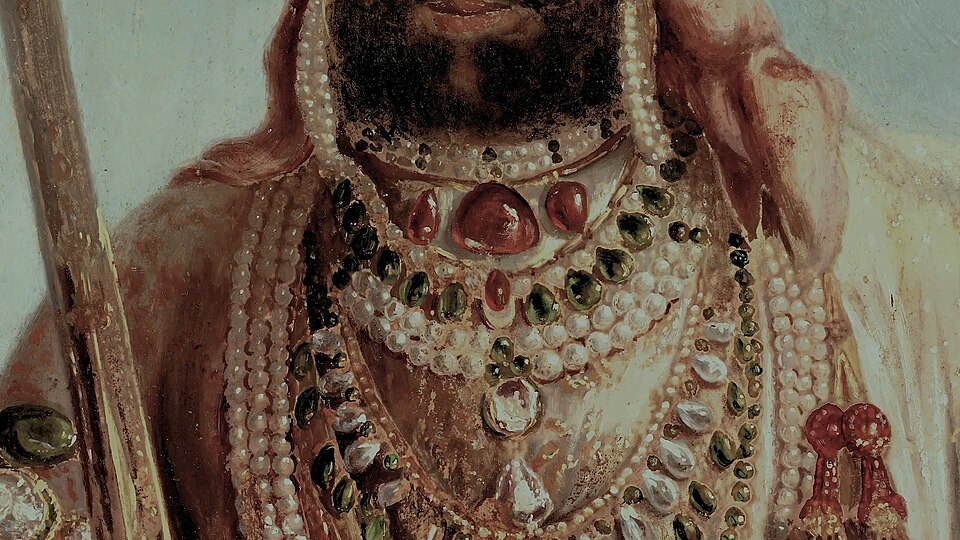
A huge spinel engraved with the names of Mughal emperors, held in the Lahore treasury and sent to Queen Victoria in 1851.
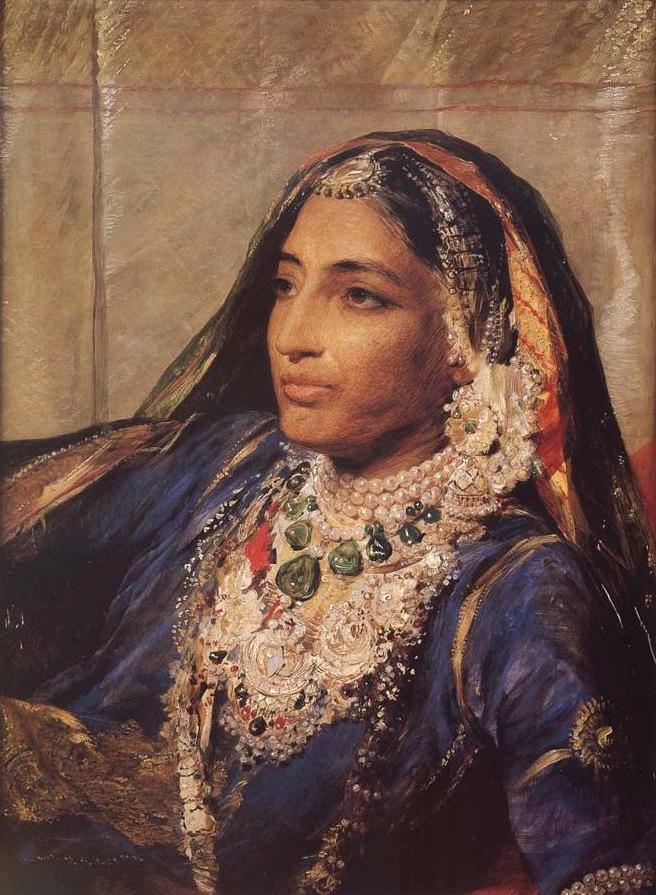
Jewellery of Ranjit Singh's youngest queen, confiscated by the British and partly returned to her in exile; pieces resurfaced at auction in the 21st century.
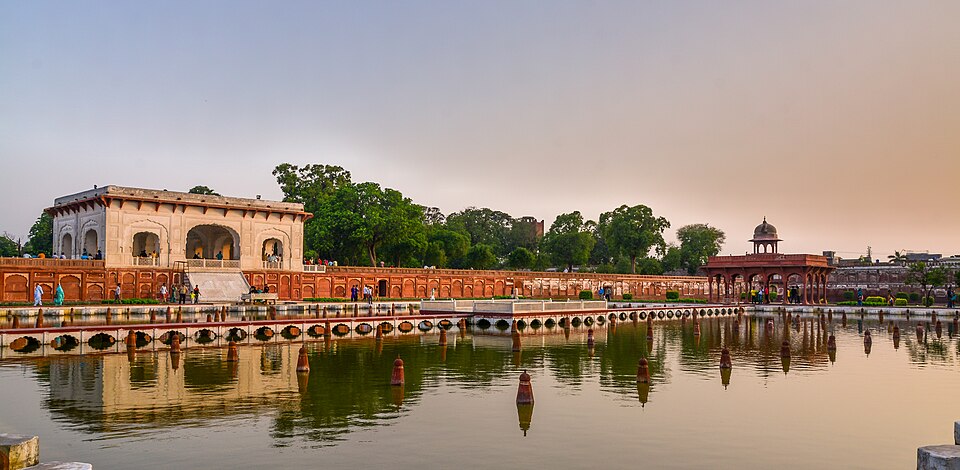
Shah Jahan's terraced garden of pools and fountains, fed by a canal from the Ravi, a World Heritage site with the Lahore Fort.
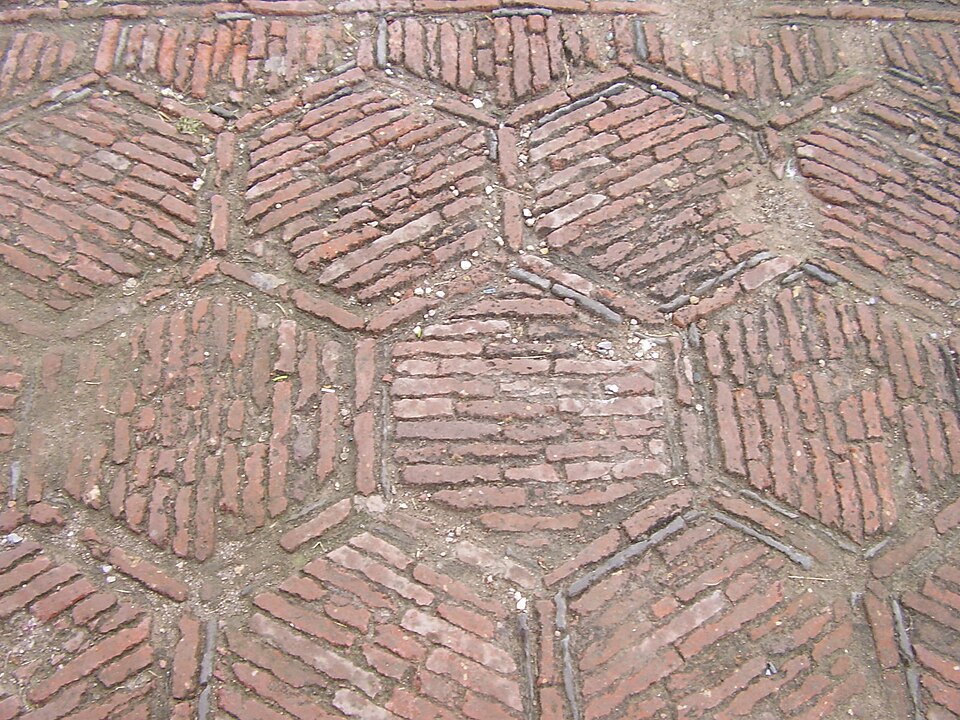
A wall some 1,450 feet long covered in tile pictures of elephant fights, polo, hunting, angels and dragons, made under Jahangir and Shah Jahan.
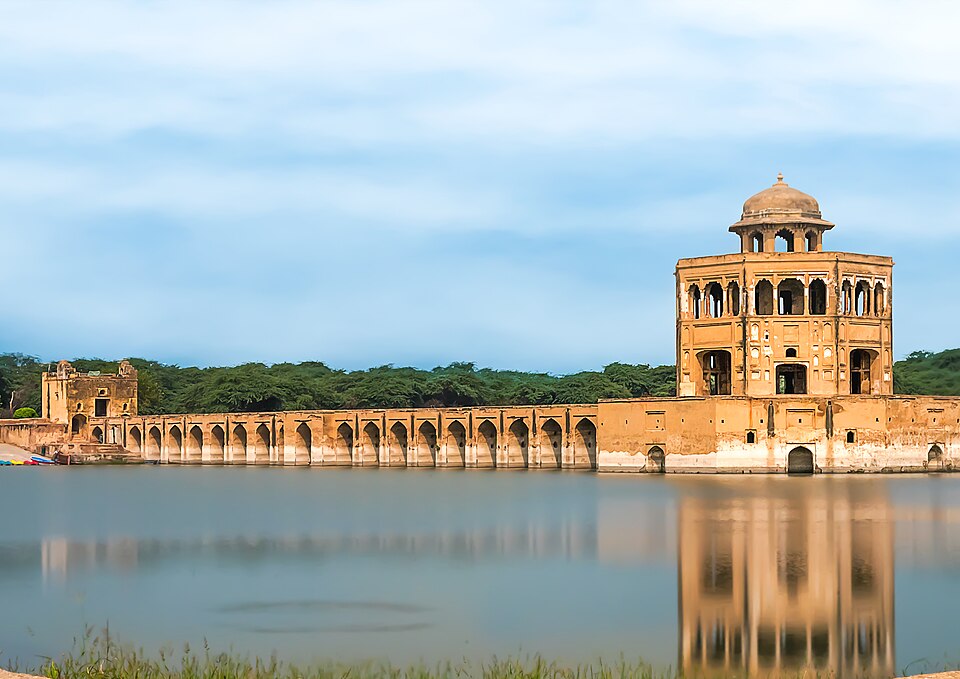
The tower and water tank that Jahangir built at his hunting ground for his favourite antelope, Mansraj.
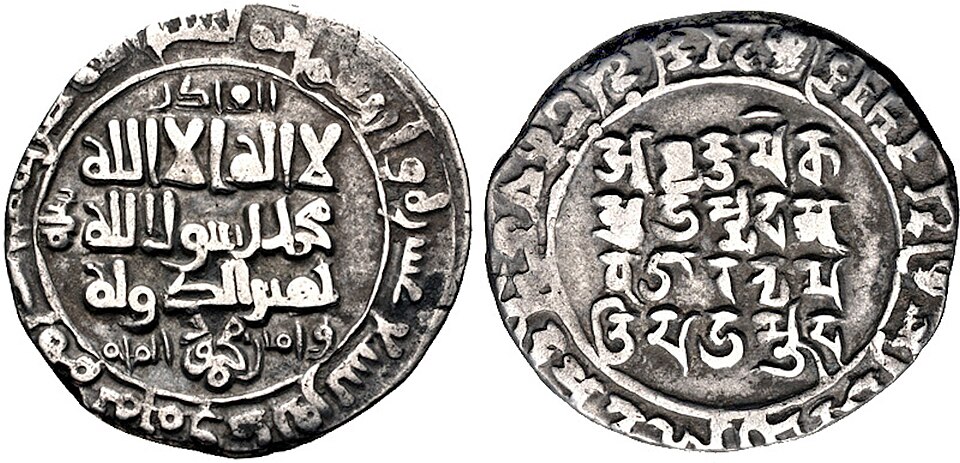
Silver coins struck at Lahore, renamed Mahmudpur, with the Muslim profession of faith translated into Sanskrit.
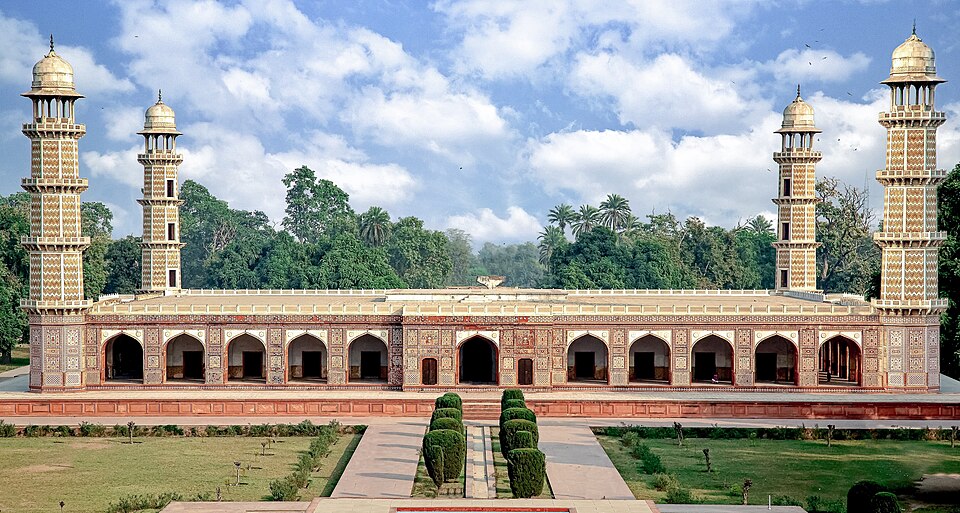
The emperor's tomb in a great walled garden across the Ravi, faced in red sandstone with marble inlay and four tall minarets.
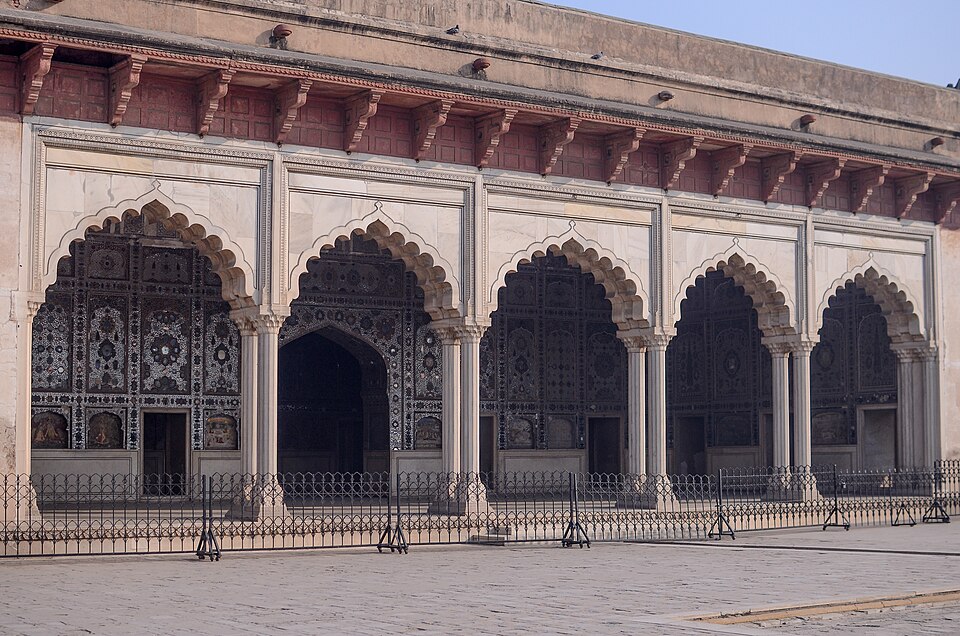
Shah Jahan's palace of mirrors in the Lahore Fort, its vaults covered in thousands of pieces of convex mirror.
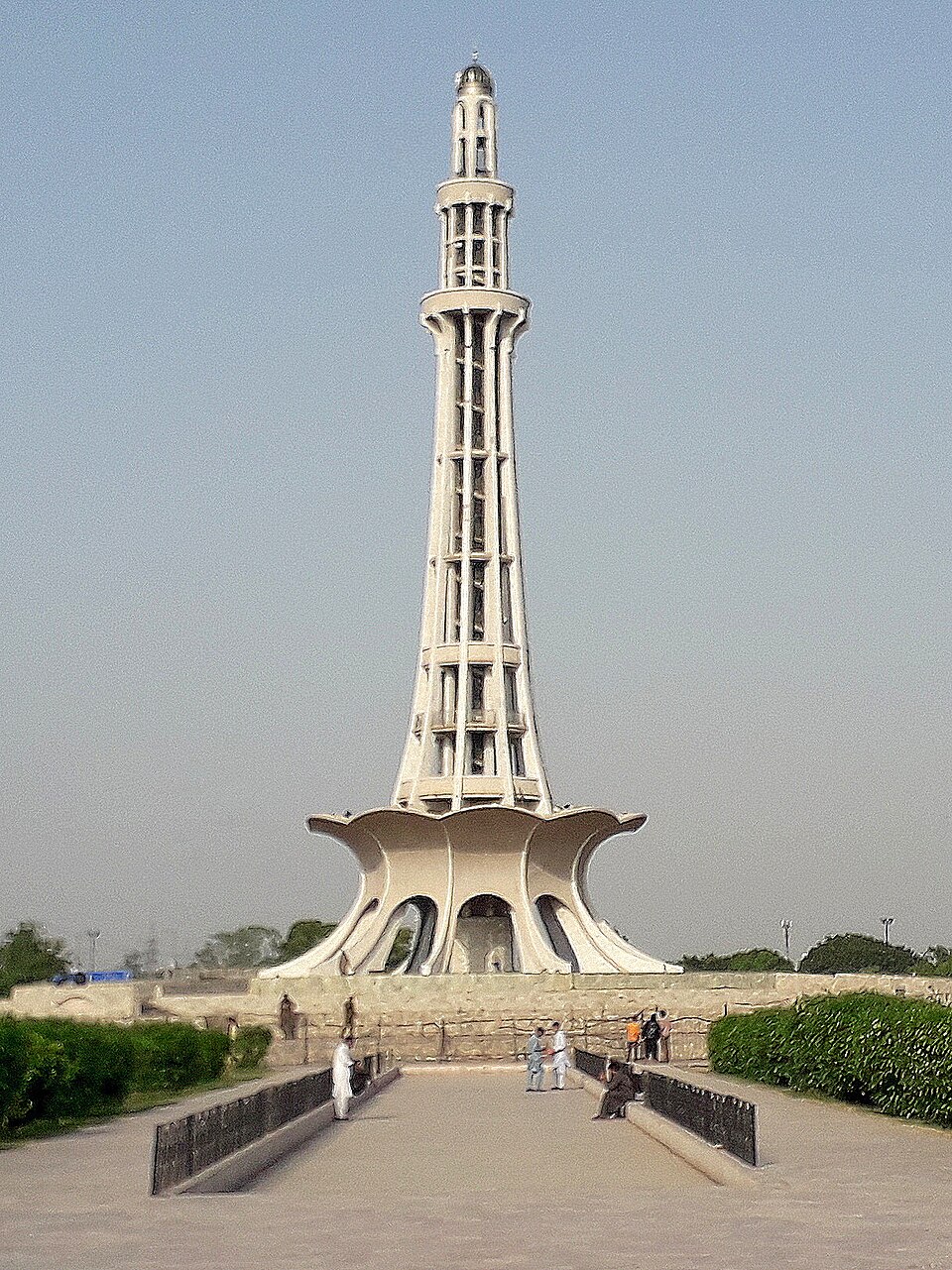
The tower in Lahore that marks where the Lahore Resolution was passed in 1940.
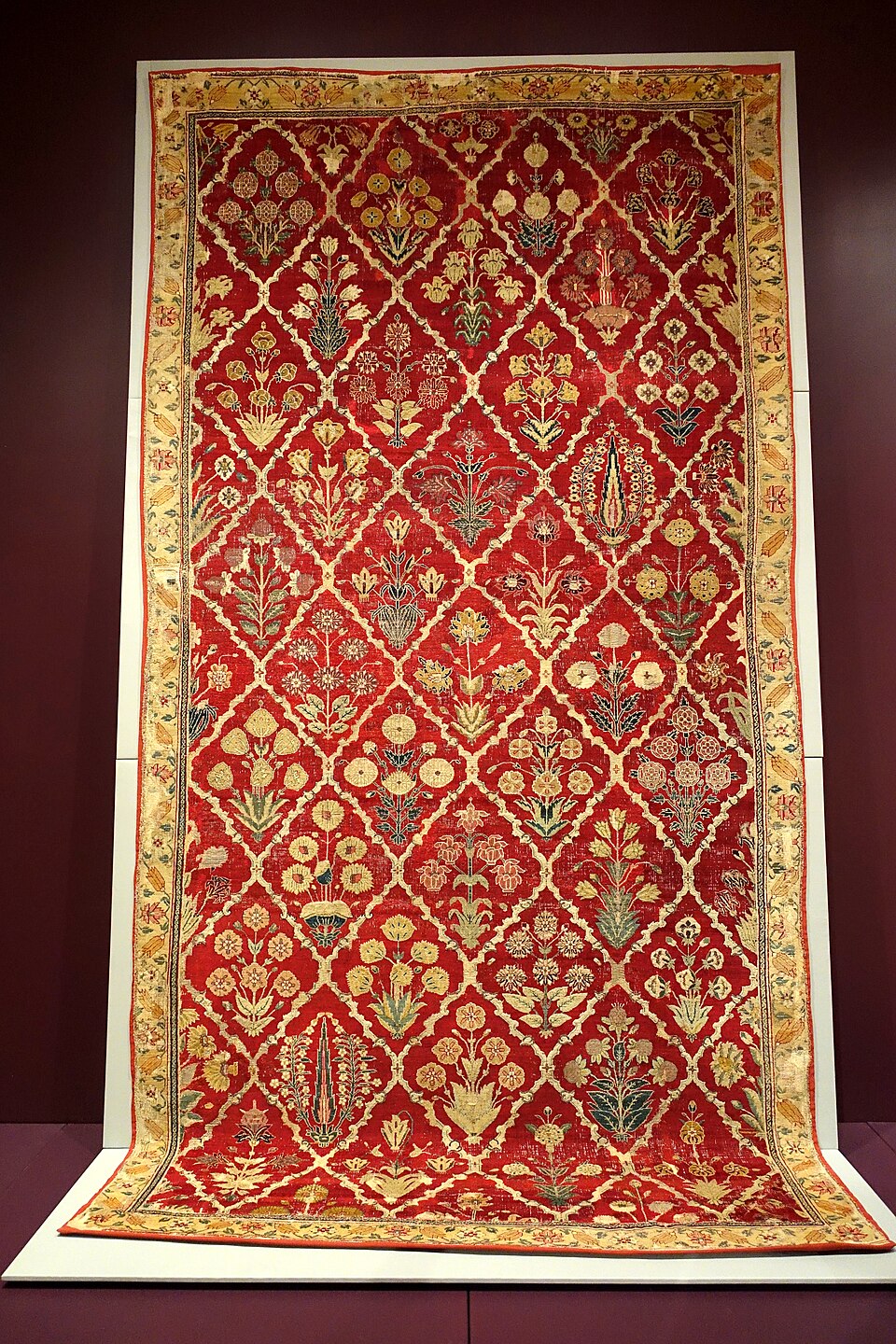
A carpet woven in the imperial workshops of Lahore for a London merchant, with his arms and those of his guild in the border.
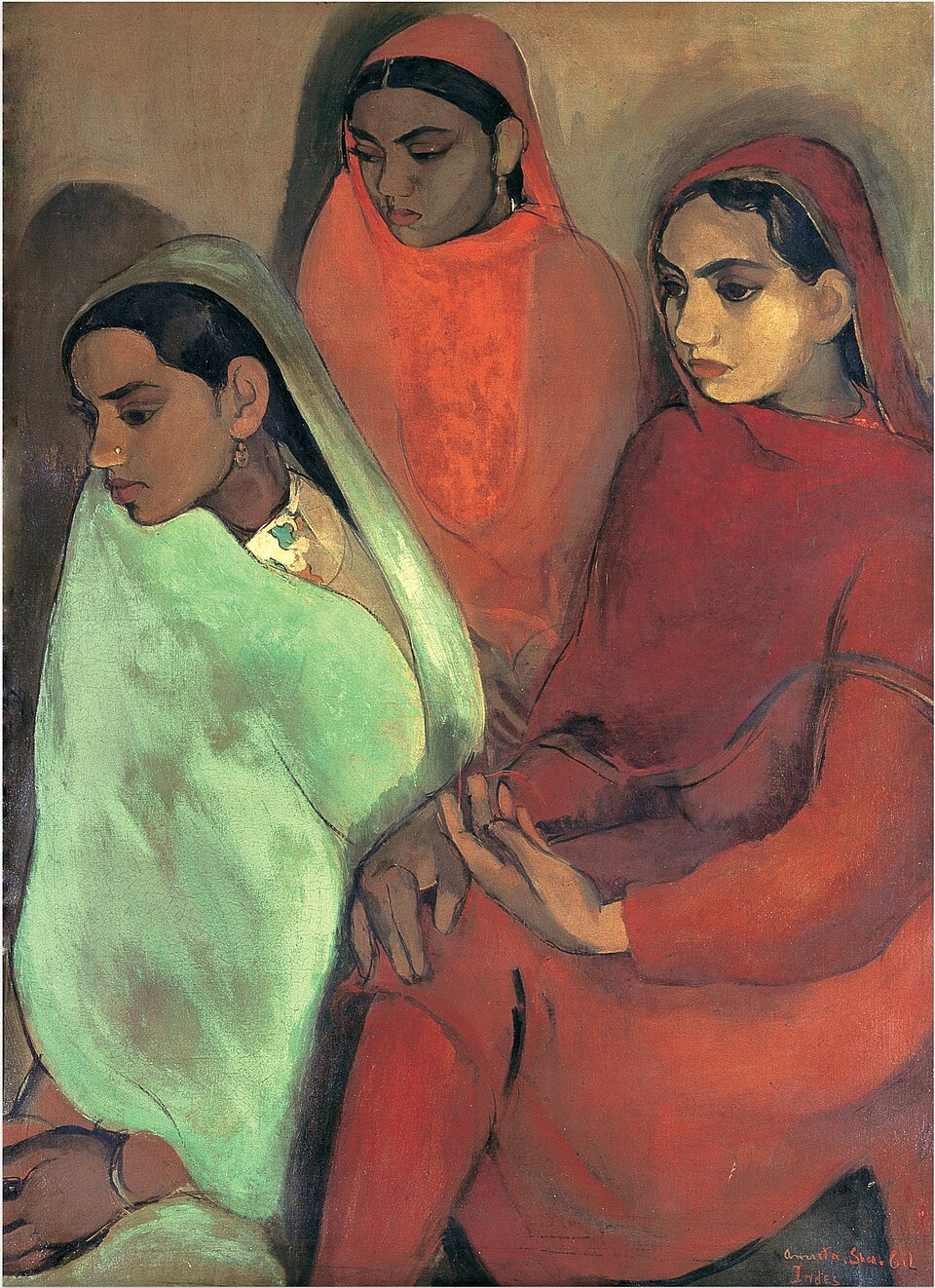
Three young women in red, green and ochre, sitting in silent expectation: the painting that won Sher-Gil the Bombay Art Society's gold medal.
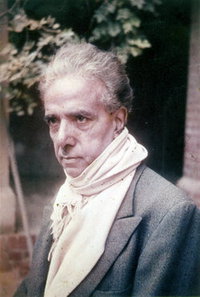
Lahore's great painter, who drew on Mughal and Persian miniature to make a style of his own.
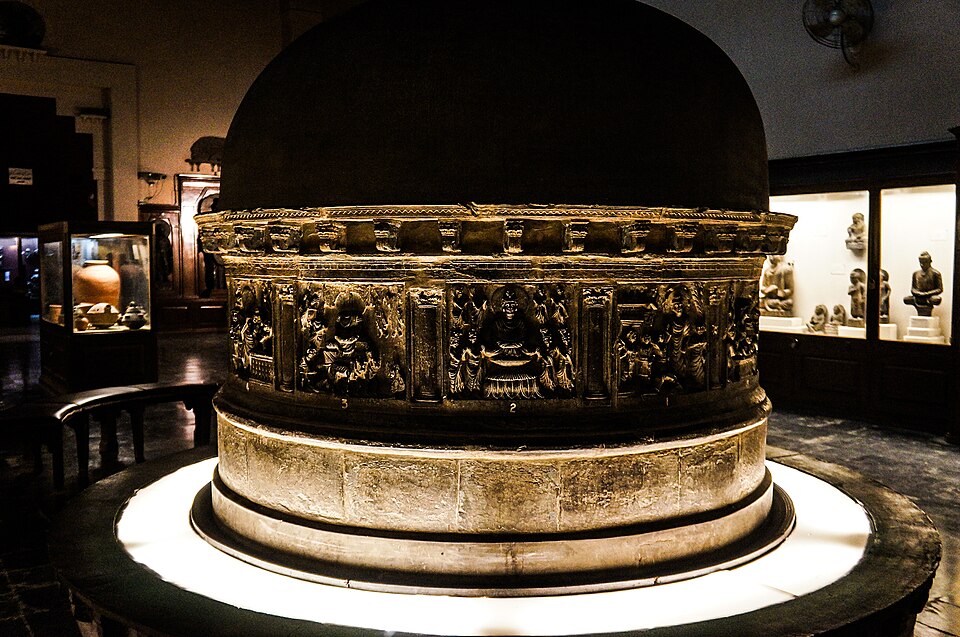
A small stupa from Sikri, near Mardan, set up again in the Lahore Museum, its drum carved with thirteen panels of the life of the Buddha.
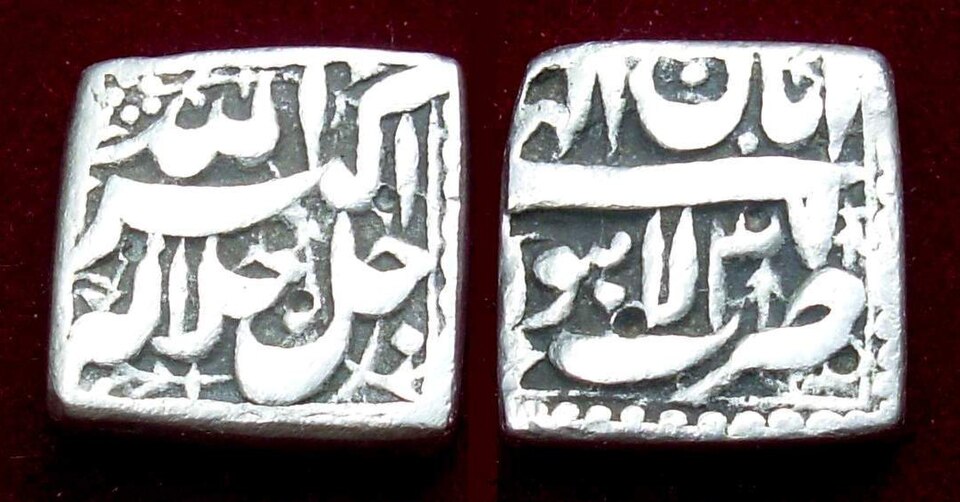
Lahore was one of the great mints of the Mughal empire. Akbar, who held court in the city from 1585 to 1598, struck gold and silver there, and the mint name, Dar-ul-Saltanat Lahore, 'seat of the sultanate', ran on the coins for two and a half centuries.
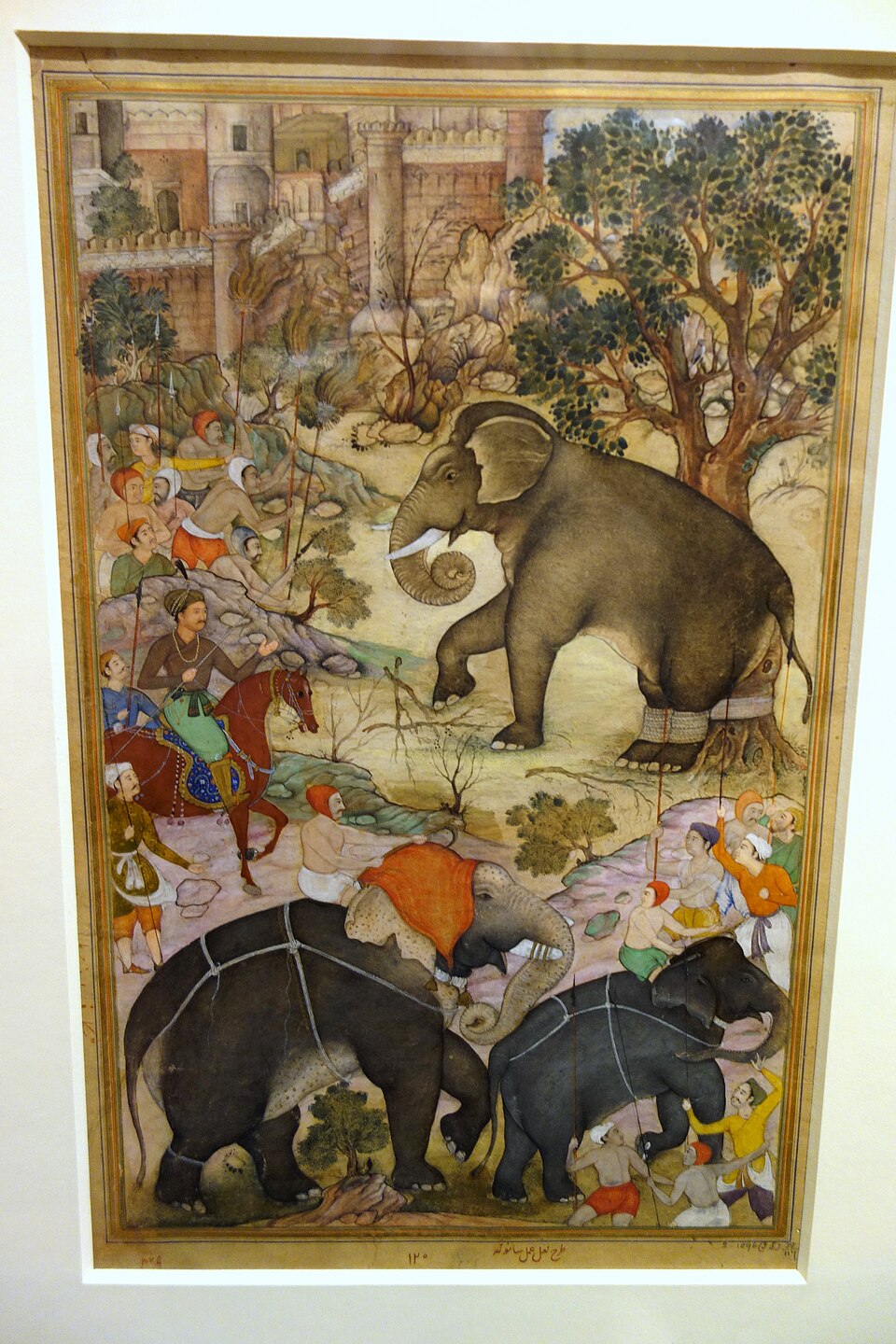
The illustrated history of Akbar's reign, painted in the imperial workshop while the court was at Lahore, the Mughal capital from 1585 to 1598.
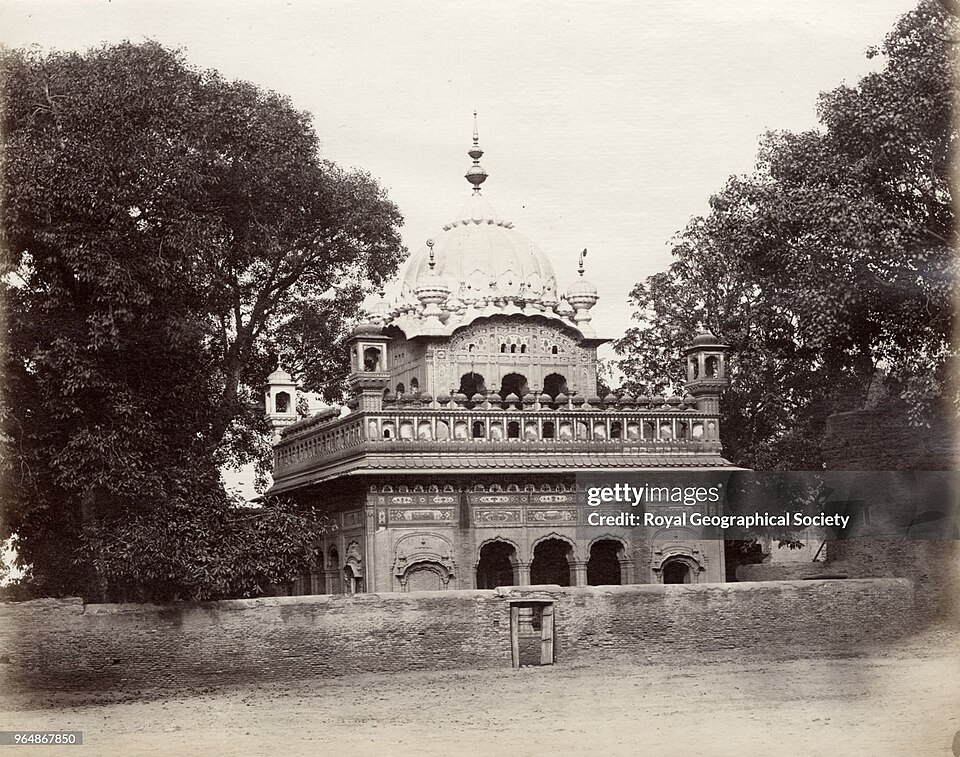
The gurdwara beside the Lahore Fort at the place where Guru Arjan was martyred in 1606; Ranjit Singh's samadhi stands next to it.
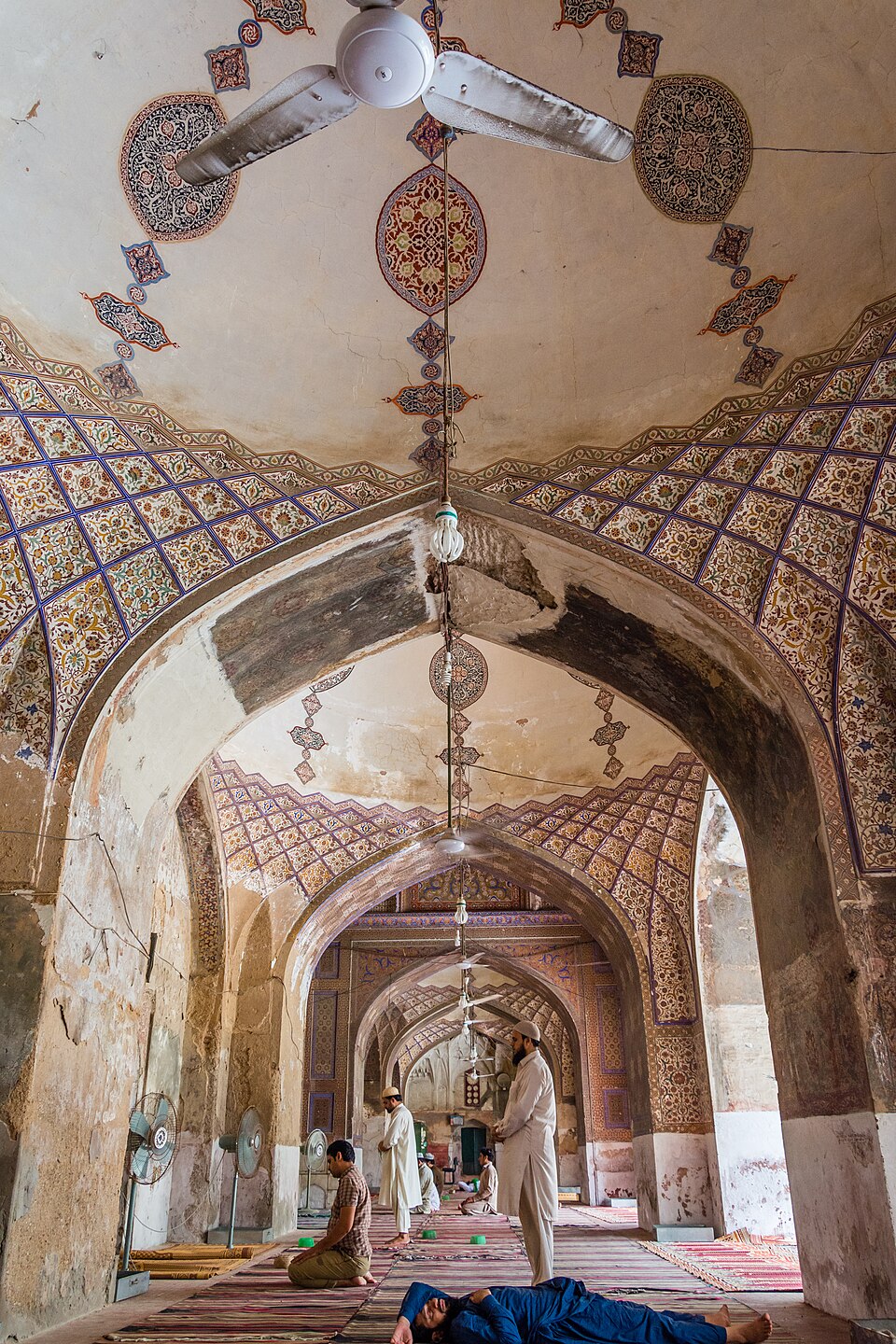
The oldest dated Mughal mosque in Lahore, built for Jahangir's mother, its walls and domes covered with painted flowers, vases and lattices.
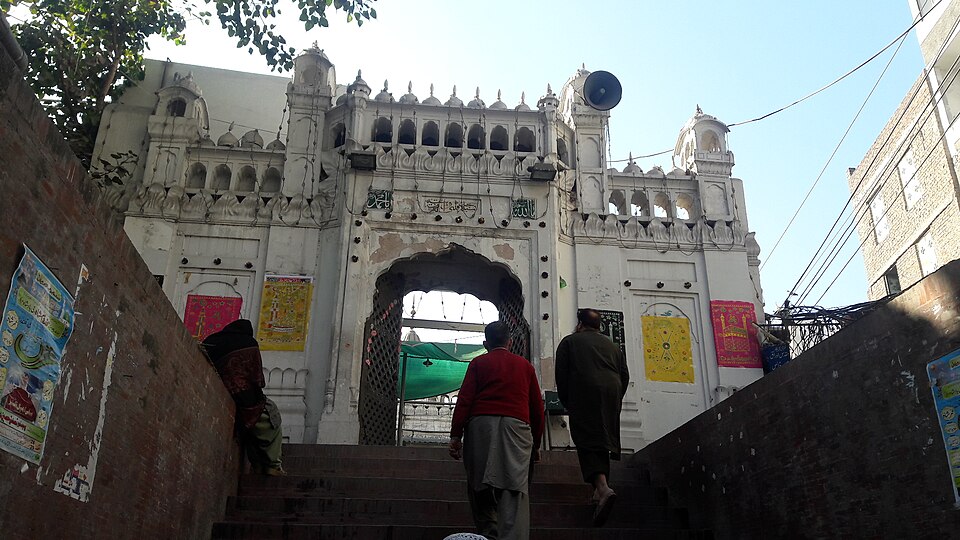
The 'golden mosque', raised above the Kashmiri Bazaar of the walled city on a platform of shops, with three gilded domes.
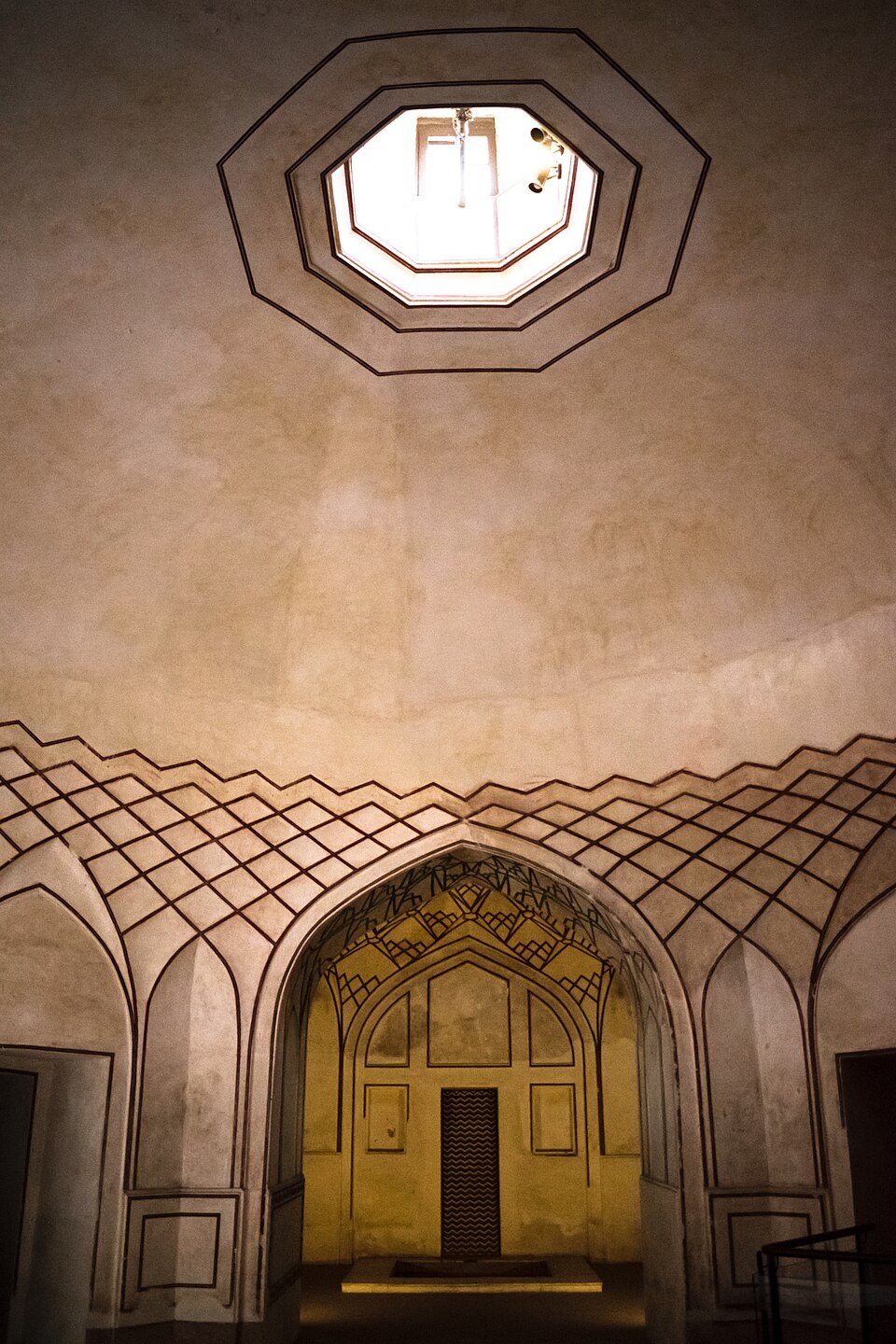
A Persian-style public bathhouse built by Wazir Khan inside the Delhi Gate of Lahore, with painted vaults over rooms for cold, warm and hot baths.
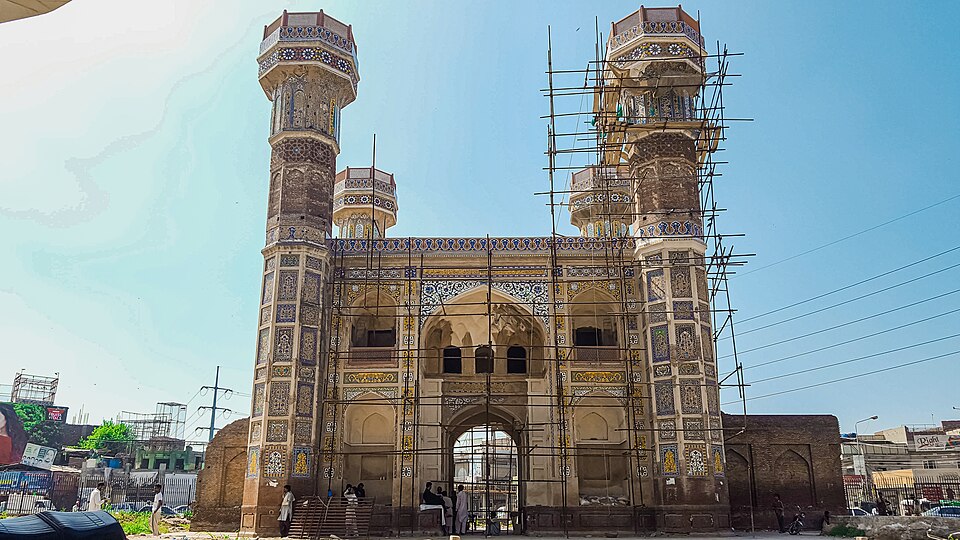
The 'four towers', the tiled gateway of a vanished Mughal garden on the old road to Multan.
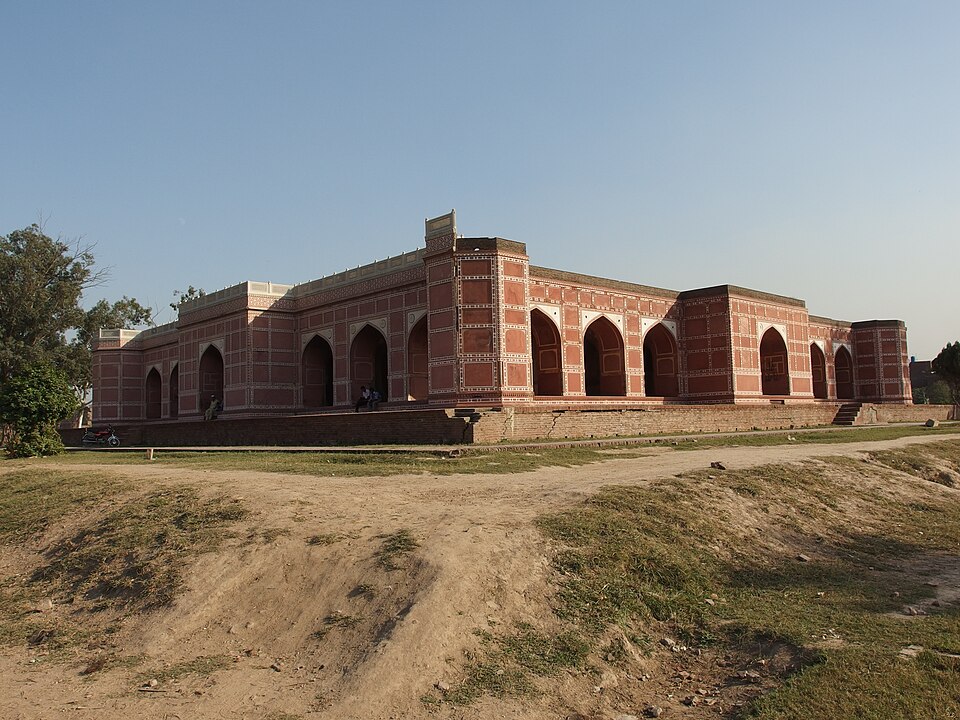
The tomb of the empress Nur Jahan, near her husband Jahangir's across the Ravi, once faced with marble and stone inlay that was stripped in later centuries.
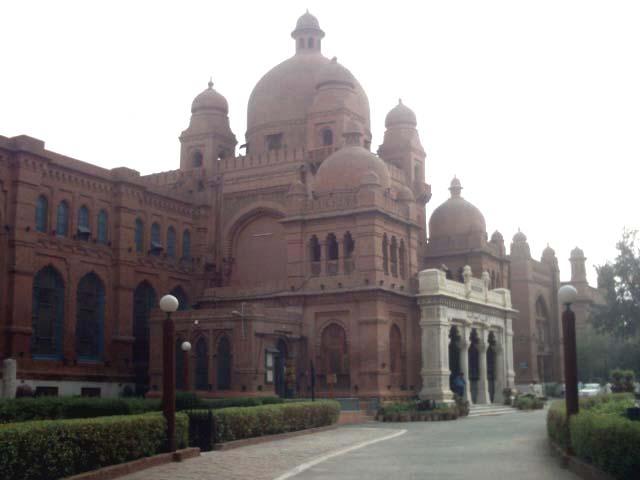
The great museum of the Punjab, in a red-brick building on the Mall designed by Bhai Ram Singh, holding the Fasting Buddha, Gandharan sculpture, Sikh-period arms, coins and miniatures.
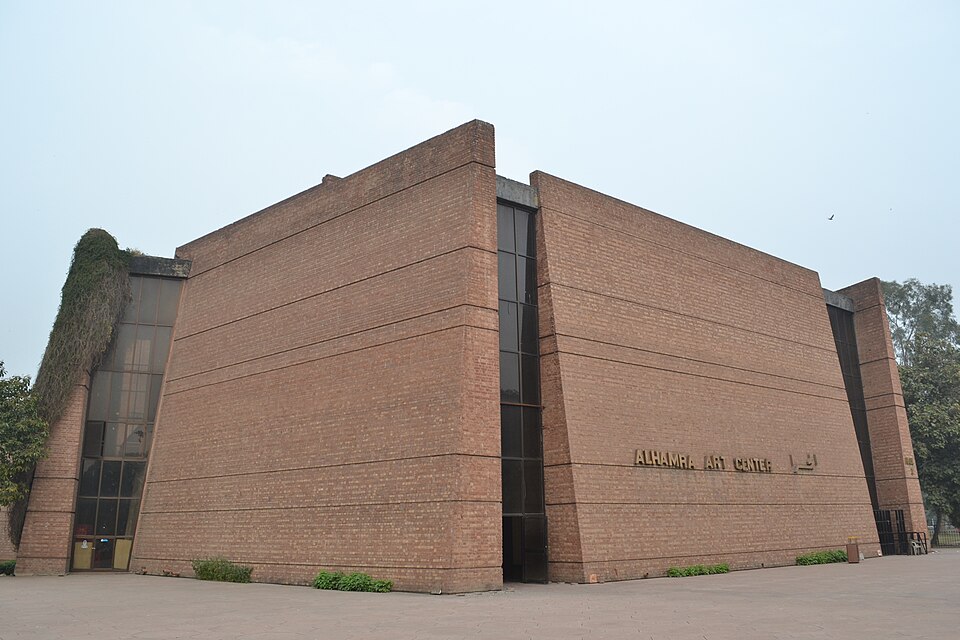
Lahore's arts centre on the Mall, designed by Nayyar Ali Dada in red brick, with rounded halls that echo the city's Mughal past.
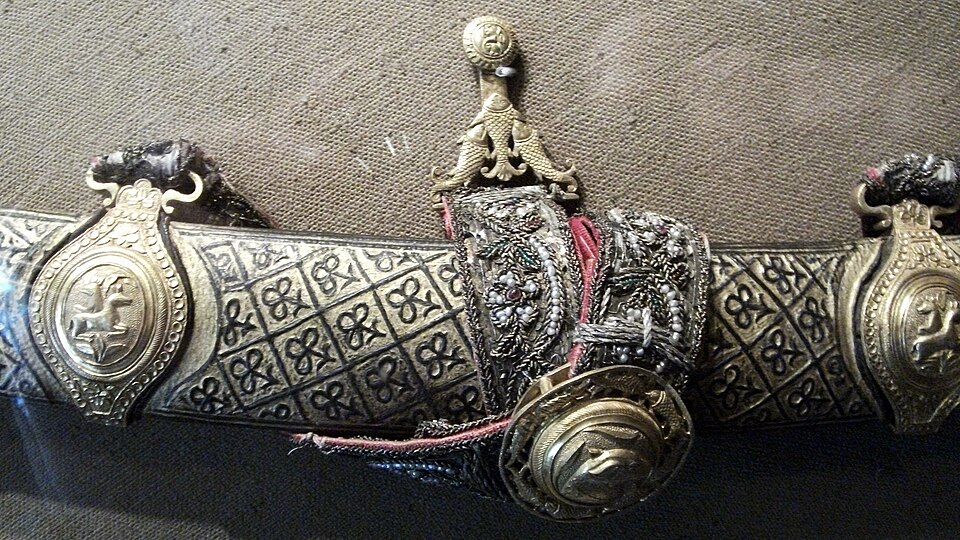
A sword said to have belonged to Ranjit Singh, bought in Paris by an English collector in the 1860s.
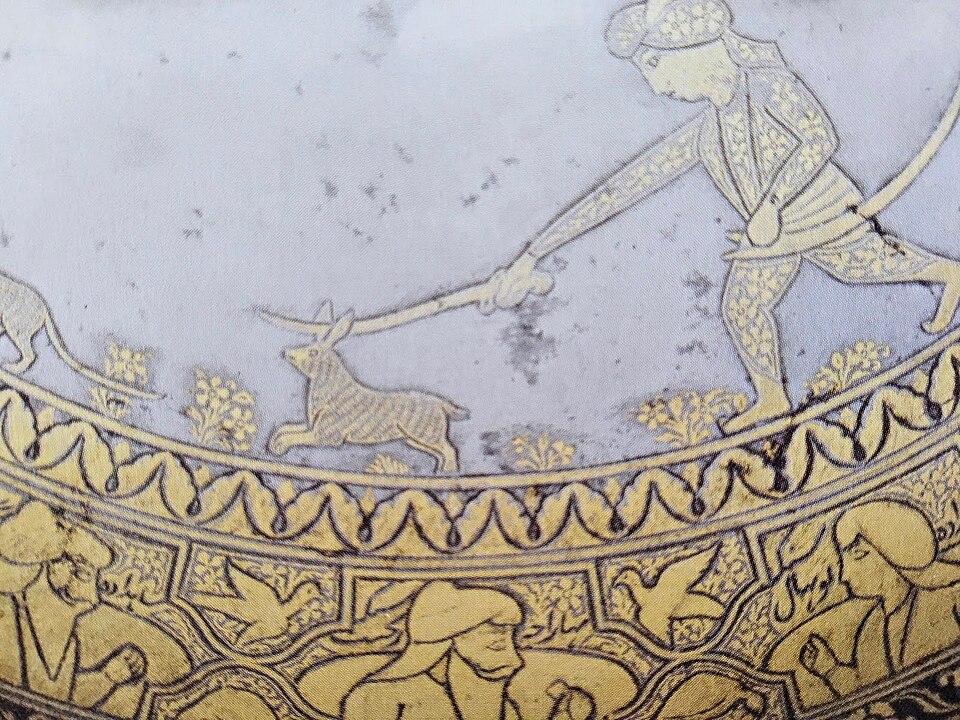
A round shield whose face shows the Maharaja and the great men of his court, now in London.
The silver tanka of the Delhi SultansFrom the 1220sThe heavy silver coin introduced by Iltutmish, the ancestor of the rupee.
The emerald girdleEarly 19th centuryA gold belt set with nineteen great emeralds from the Lahore treasury, remade for Queen Victoria.
The jewelled sword for England1830sA sword and scabbard set with 225 diamonds, 268 rubies, 381 emeralds and 517 pearls, made as Ranjit Singh's gift to England.
The kalgi of Guru Gobind SinghLate 17th century; lost 1850The jewelled turban plume of Guru Gobind Singh, kept as a relic by the Lahore court and lost after 1849.
Swords of the defeatedCollected 1800 – 1839Swords of Ranjit Singh's rivals, from the Afghan vizier Fateh Khan to the Maratha Holkar, and one said to be the hero Rustam's.
The throne of the exiled Afghan king who gave up the Koh-i-Noor to Ranjit Singh in 1813.
The relics of the ProphetKept 1799 – 1849Hair and sandals said to be the Prophet Muhammad's and a Quran in old Kufic script, kept with honour by a Sikh court.
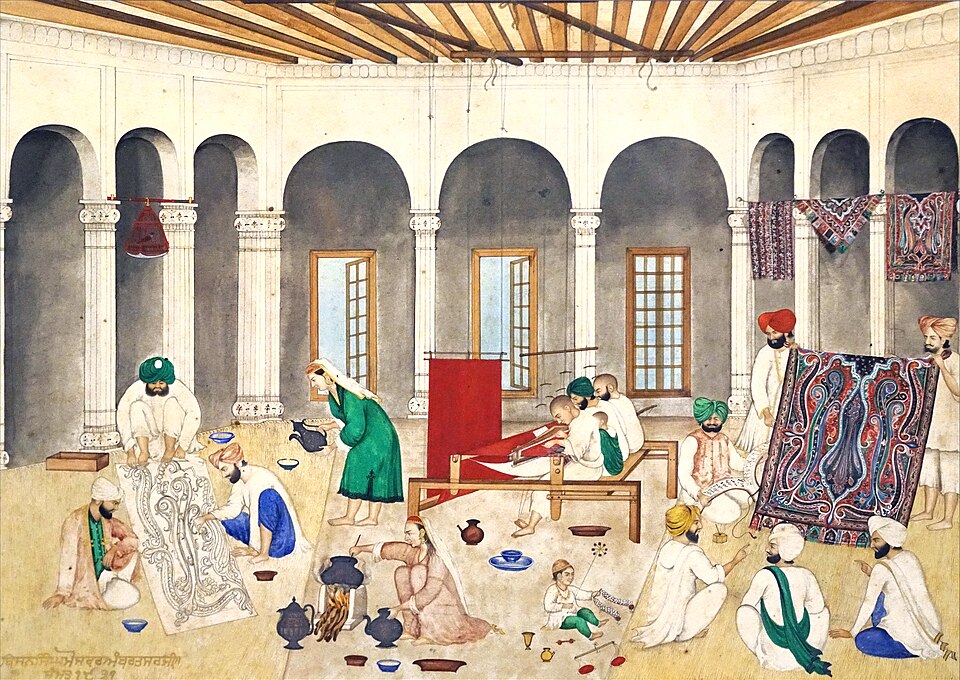
Kashmir shawls, velvet tunics and pavilions woven with gold thread, the soft wealth of the Lahore court.
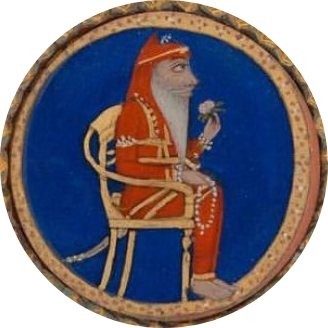
The Kingdom of Lahore's own order of honour, given to its generals and to foreign guests.
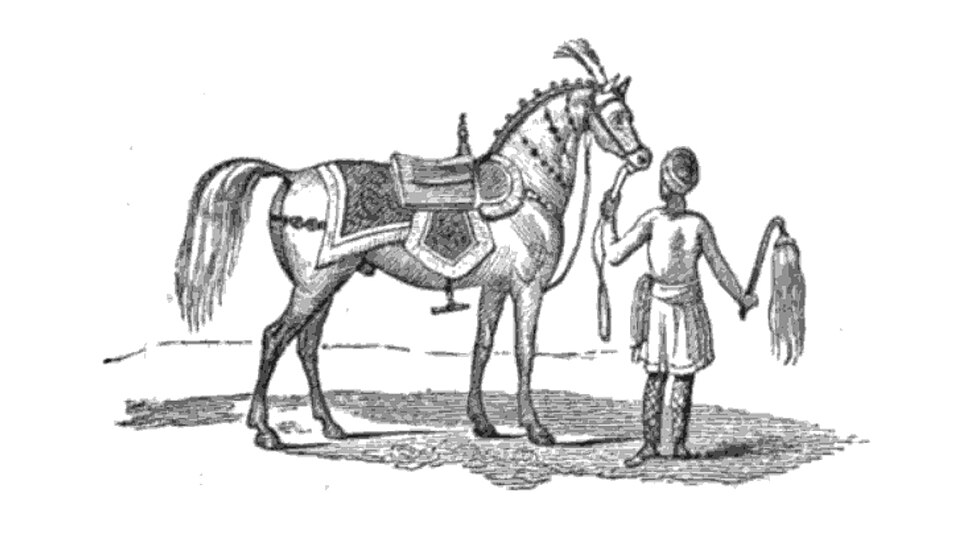
The horse Ranjit Singh wanted so much that he made war for it, and kept in jewels and gold.
The Lahore auctions of 18501849 – 1850How the British sold off the treasury of the Kingdom of Lahore after annexing the Punjab.
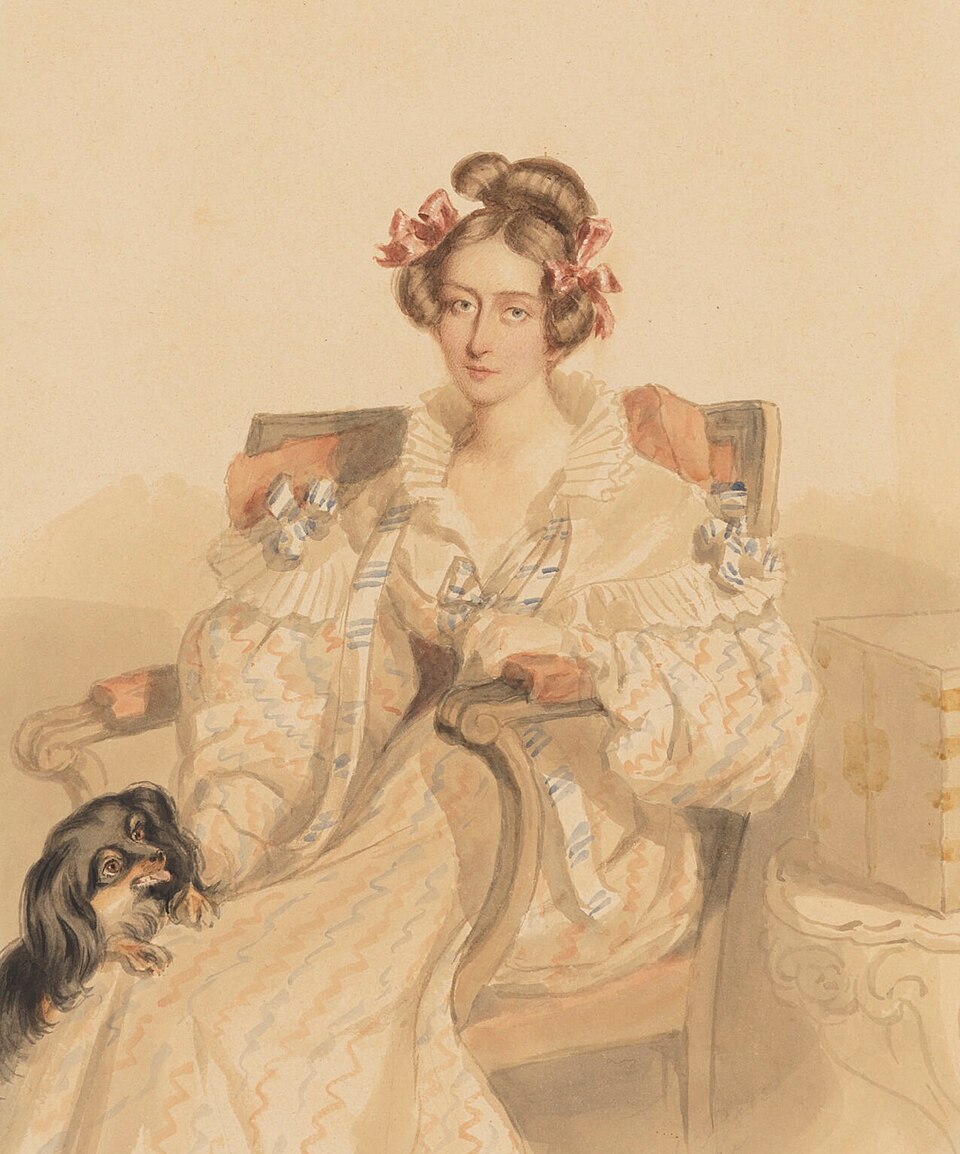
Drawings made by the Governor-General's sister when she visited Ranjit Singh's court in 1838, published as lithographs: the Maharaja, his courtiers, his horses and his Akali guards.
The paintings of Ustad Allah Bux20th centuryA Lahore painter of village life, Punjabi legends and Hindu myth, who began painting signs and theatre scenery and became one of the best-loved artists of Pakistan.
Founded as the Mayo School of Art, with John Lockwood Kipling, Rudyard's father, as its first principal; he also ran the Lahore Museum next door. It trained generations of the craftsmen and artists of the Punjab.
One of the oldest colleges of the Punjab, its Gothic tower a Lahore landmark. Muhammad Iqbal studied and taught there, and so did the Nobel physicist Abdus Salam.
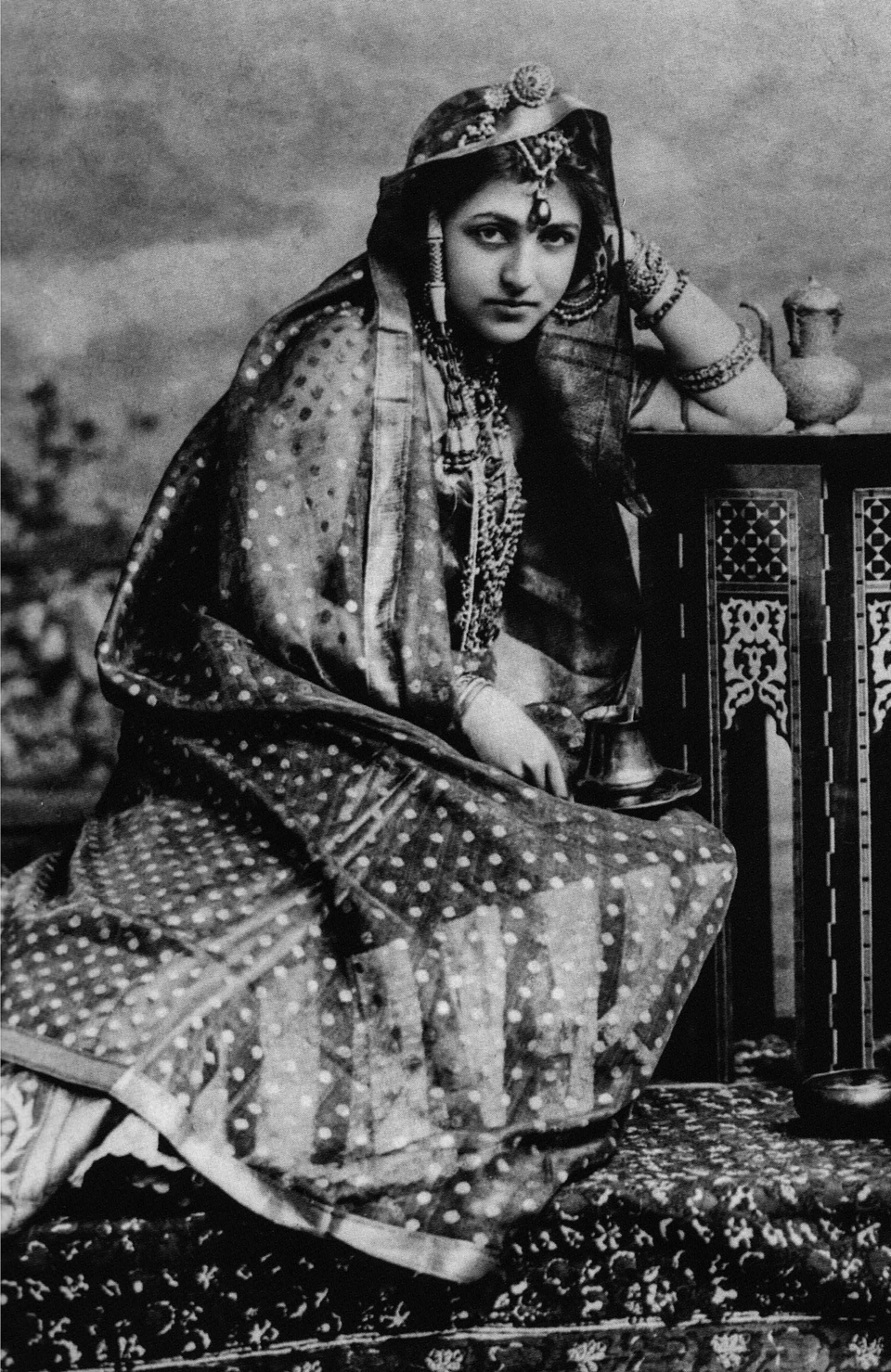
Paintings, ivories and objects of the Sikh court gathered by Princess Bamba Sutherland, Maharaja Duleep Singh's eldest daughter, who settled in Lahore; after her death in 1957 the collection passed to the government of Pakistan.
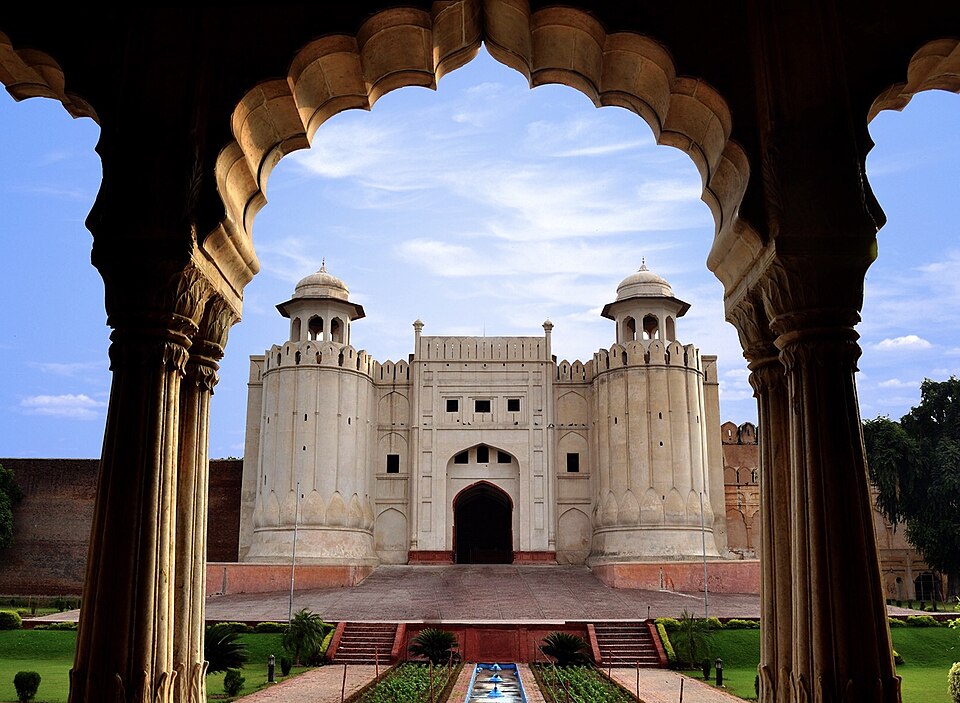
The citadel of Lahore, rebuilt in brick by Akbar and enlarged by every ruler after him, Mughal and Sikh. With the Shalimar Gardens it became a World Heritage Site in 1981.
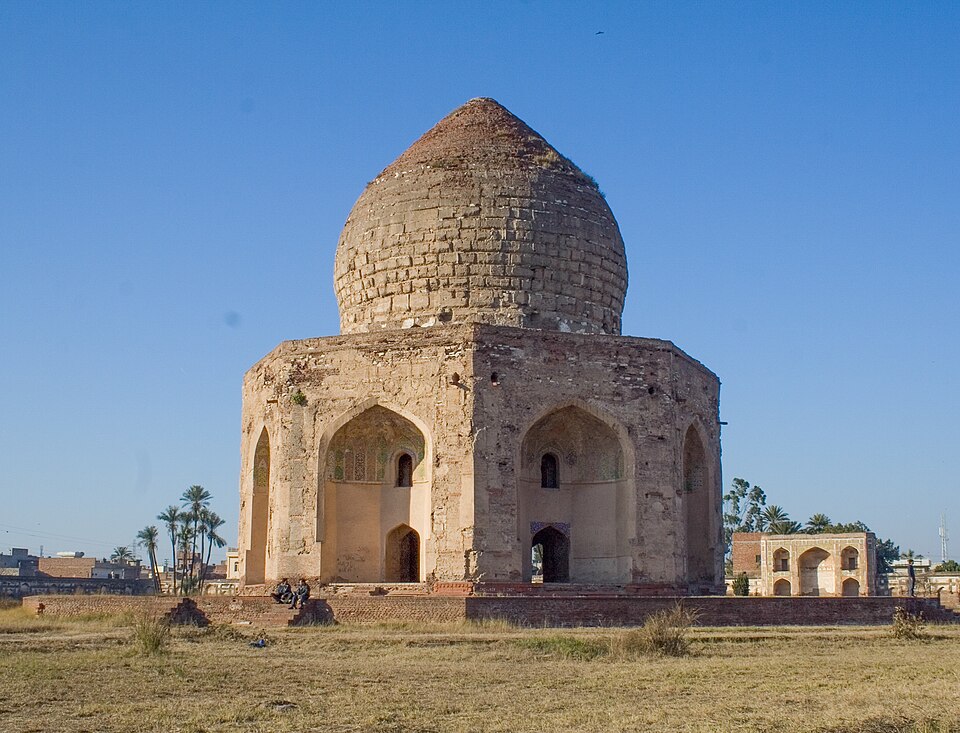
The tomb of Nur Jahan's brother and Shah Jahan's father-in-law, next to Jahangir's. Its marble and tile were stripped in the Sikh period for buildings in Lahore and Amritsar.
On the timeline
The walled city and its gates
Thirteen gatesScroll sideways to see the whole figure →
In the world's museums
483 objects →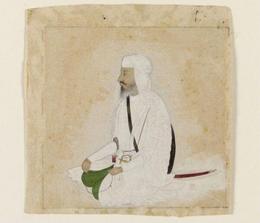 Painting, Lahoreca. 1835 - ca. 1845 · Lahore© Victoria and Albert Museum, London ↗
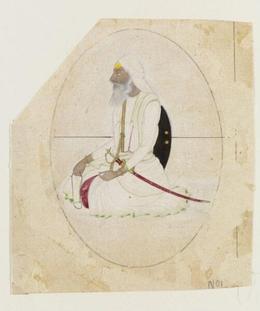 Painting, Lahoreca. 1835 - ca. 1845 · Lahore© Victoria and Albert Museum, London ↗
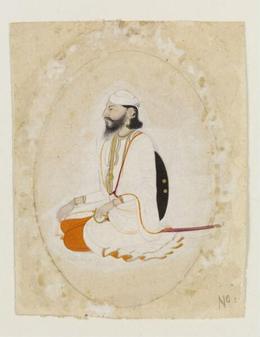 Painting, Lahoreca. 1835 - ca. 1845 · Lahore© Victoria and Albert Museum, London ↗
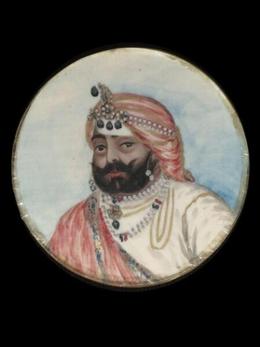 Painting, Lahoreca. 1850 - ca. 1870 · Lahore© Victoria and Albert Museum, London ↗
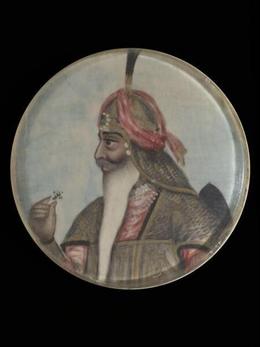 Painting, Lahoreca. 1850 - ca. 1870 · Lahore© Victoria and Albert Museum, London ↗
 Painting of Maharaja Nau Nihal Singh of Lahore, Central Sikh MuseumCentral Sikh Museum, Amritsar · photo Wikimedia Commons (Wikimedia Commons) ↗
 Painting of Maharaja Ranjit Singh of Lahore with Dhian Singh Dogra, Central Sikh MuseumCentral Sikh Museum, Amritsar · photo Wikimedia Commons (Wikimedia Commons) ↗
 Painting of Maharani Chand Kaur of Lahore, Central Sikh Museum (Kendri Sikh Ajaibghar)Central Sikh Museum, Amritsar · photo Wikimedia Commons (Wikimedia Commons) ↗
 Painting of a Sikh sardar, ca.1835–45; watercolour and ink on paper, LahoreV&A, London · photo Wikimedia Commons (Wikimedia Commons) ↗
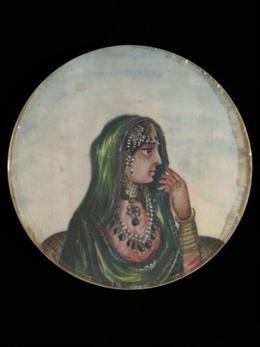 Painting, Lahoreca. 1850 - ca. 1870 · Lahore© Victoria and Albert Museum, London ↗
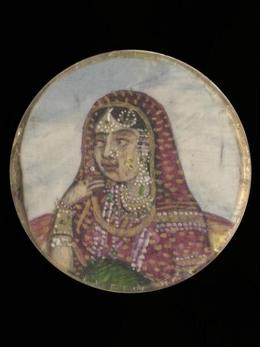 Painting, Lahoreca. 1850 - ca. 1870 · Lahore© Victoria and Albert Museum, London ↗
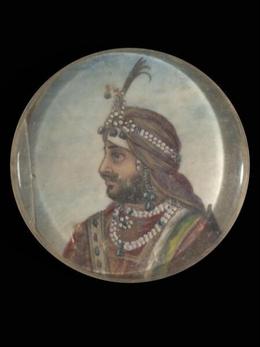 Painting, Lahoreca. 1850 - ca. 1870 · Lahore© Victoria and Albert Museum, London ↗
 Equestrian painting of Maharaja Ranjit Singh of Lahore with an attendant, ca.1850–1900Wikimedia Commons ↗
 Kharak Singh, 2nd Maharaja of LahoreV&A, London · photo Wikimedia Commons (Wikimedia Commons) ↗
 Hazuri Bagh Lahore 1847British Library, London · photo James Duffield Harding / After Charles Hardinge, 2nd Viscoun (Wikimedia Commons) ↗
 Panjab: The child Maharajah of Lahore, Duleep Singh enters his palace in LahoreBritish Library, London · photo James Duffield Harding / After Charles Hardinge, 2nd Viscoun (Wikimedia Commons) ↗
 Mausoleum (Samadhi) of Ranjit Singh in Lahore, a watercolourBritish Library, London · photo Lumsden & Co. (Wikimedia Commons) ↗
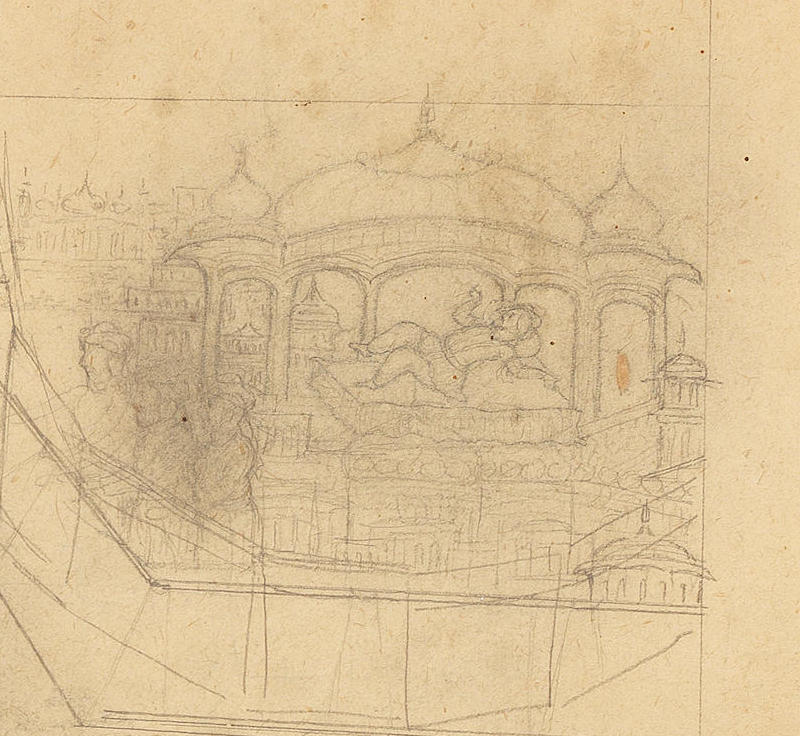
 Pencil drawing of the tomb (Samadhi) of Maharaja Ranjit Singh in LahoreBritish Library, London · photo Henry Ambrose Oldfield (Wikimedia Commons) ↗