People of the land
Most Punjabis have belonged to a zat or biradari, a community of birth, as well as to a faith, and the two cut across each other. There are Muslim, Sikh and Hindu Jats, Muslim and Hindu Rajputs and Gujjars, Sikh and Hindu Khatris, and Dalit communities in every faith. The Gurus and the Sufis taught that birth counts for nothing before God, and the langar was built on that teaching; yet zat shaped who married whom, who owned land, and who worked it, in every faith.
British officials made the categories harder than they had been. Denzil Ibbetson's Punjab Castes (1883) and H. A. Rose's Glossary of the Tribes and Castes (1911–19) catalogued every community, often with crude judgements of character, and the Punjab Alienation of Land Act of 1900 allowed land to be sold only to communities listed as agricultural tribes. This page describes the main communities as historians now see them, without ranking them.
Areas are approximate: where each community was most concentrated before 1947. Every community also lived far beyond them.
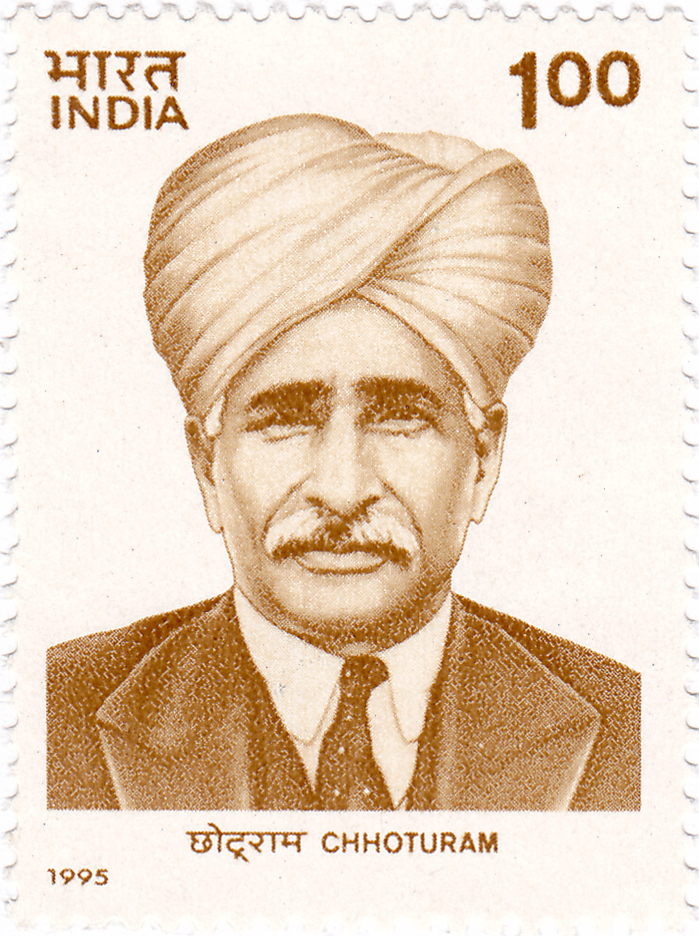
The largest farming community of the Punjab, the Jats are divided into hundreds of clans or gots: Sandhu, Sidhu, Gill, Dhillon, Virk…
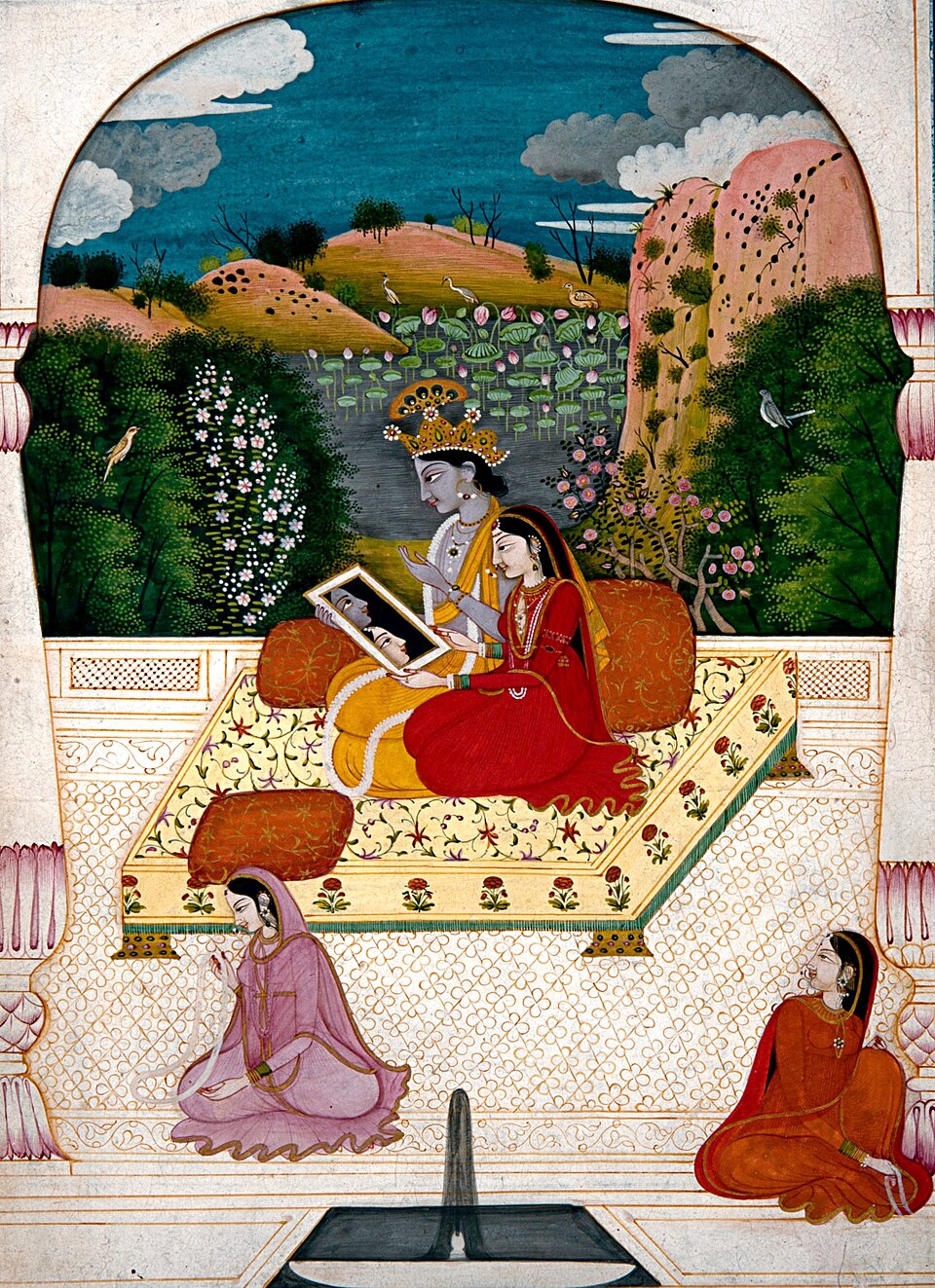
The hill rajas of Kangra, Guler, Chamba, Nurpur and Jammu were Hindu Rajputs, patrons of the Pahari painters; the Dogra Rajputs of Jammu…
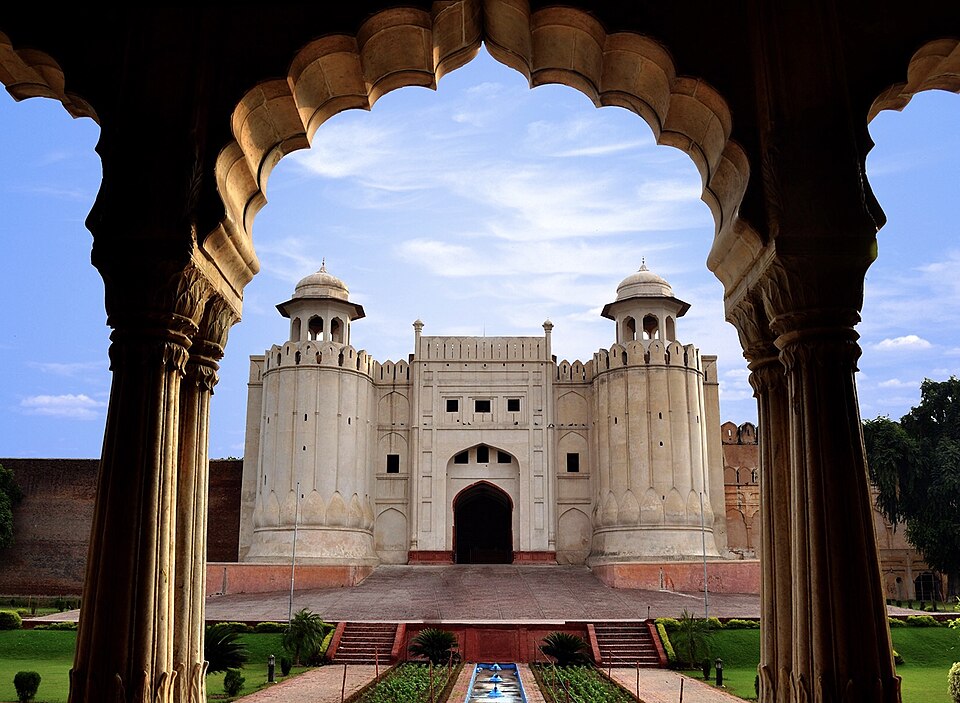
The Arains were the great vegetable and fruit growers of the Punjab, farming the irrigated land around the cities, and were almost all…
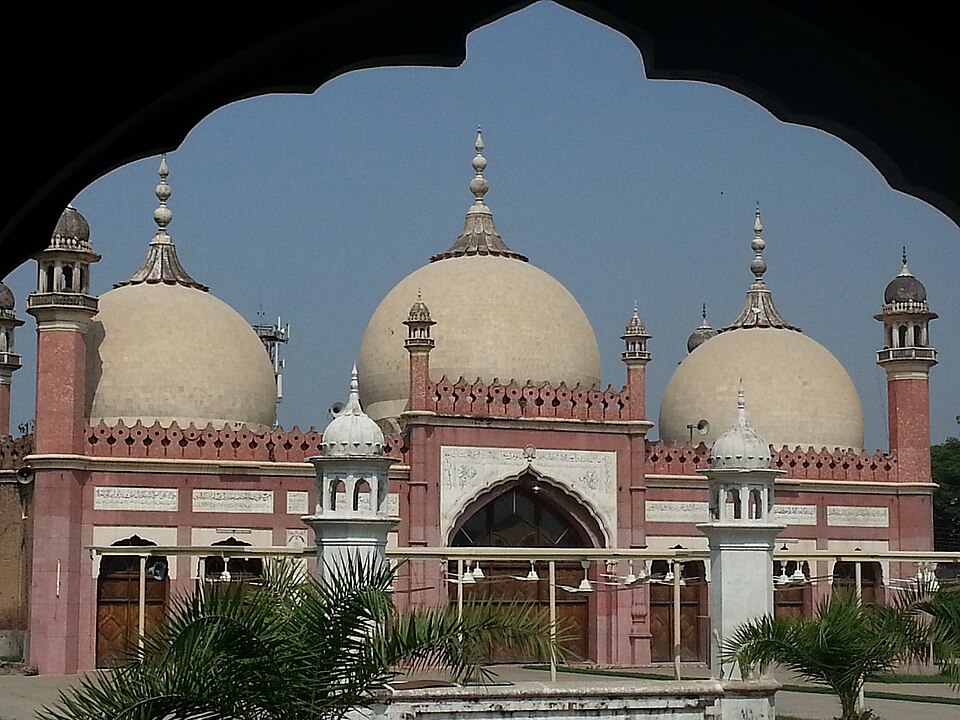
Gujjars were the herders of the river plains and the hills, keeping the buffalo that gave the Punjab its milk and ghee. Tradition links the…
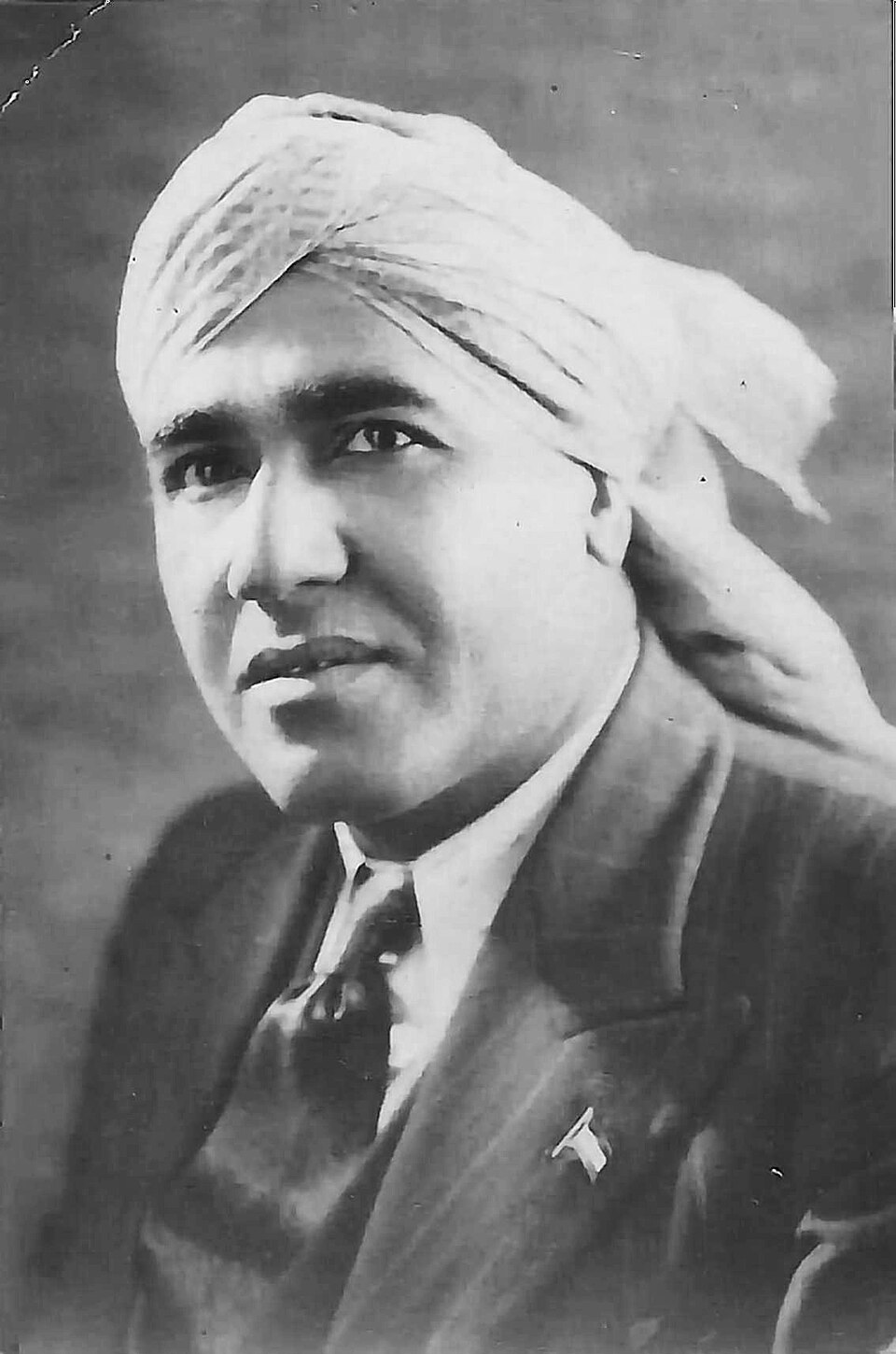
A farming community of all three faiths, whose name recalls the ancient Kamboja people of the north-west mentioned in Sanskrit and Pali…
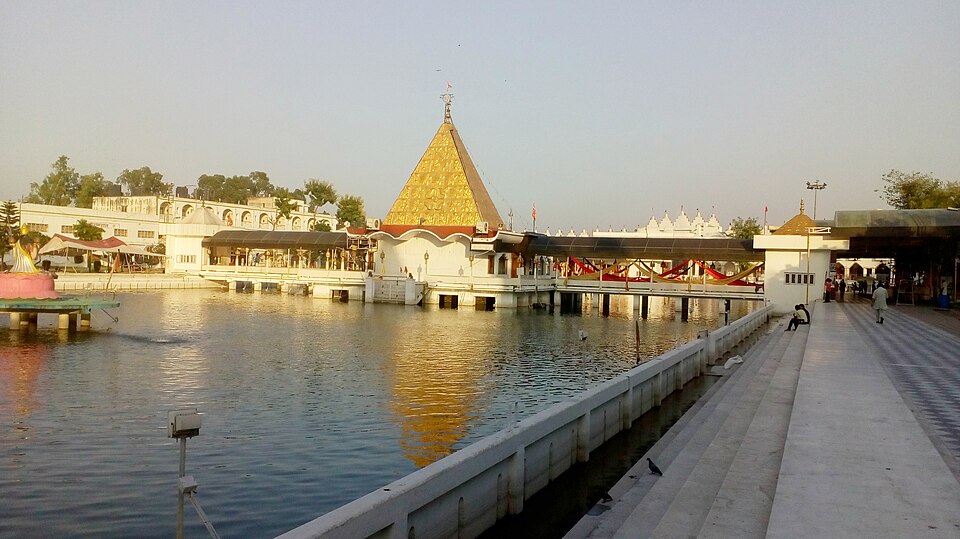
Sainis farm the fertile land of the Doaba and the Shivalik foothills, and are Hindu or Sikh. Like the Arains they were known for intensive…
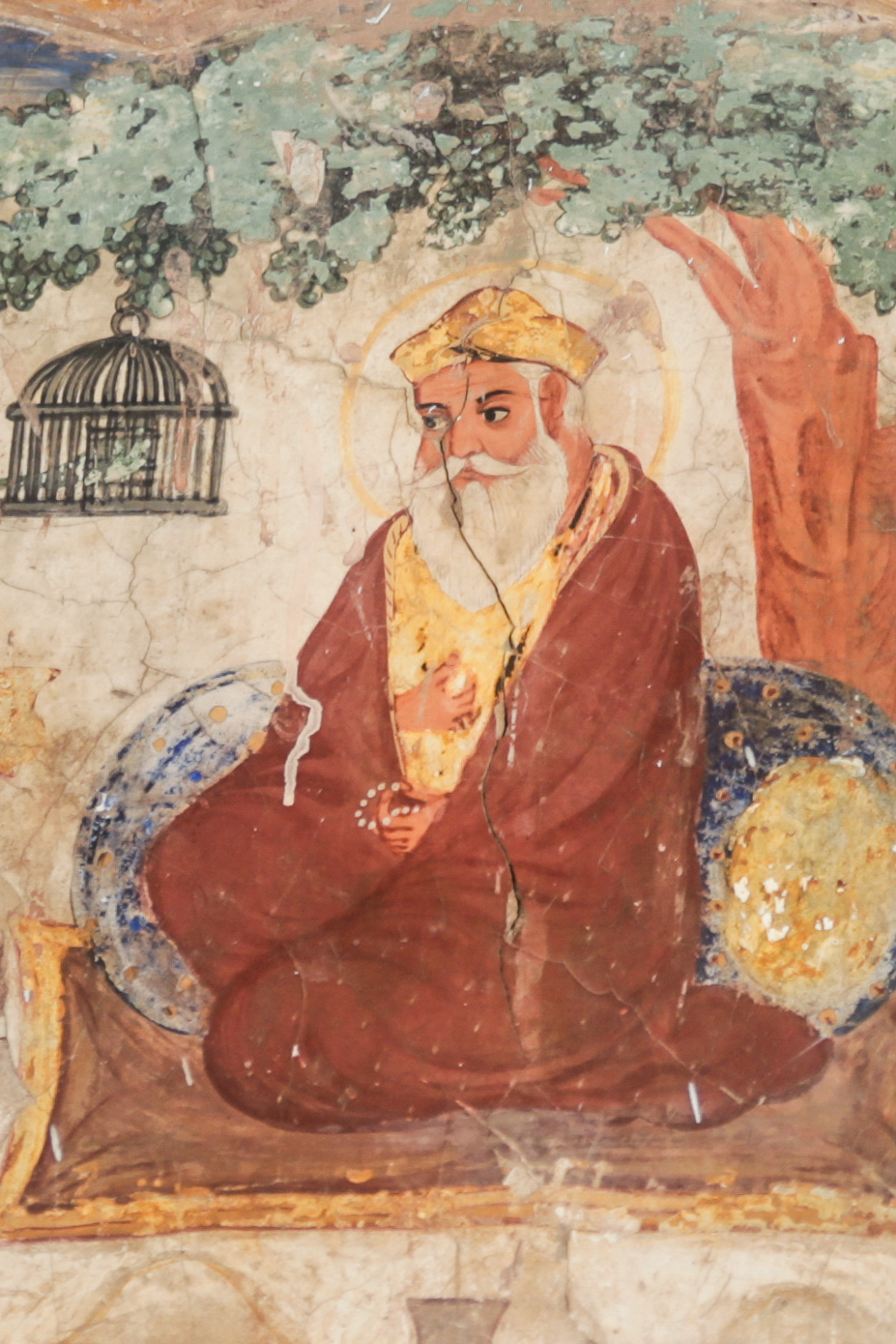
The trading and writing communities of the towns. All ten Gurus were born into Khatri families, and Khatris and Aroras made up much of the…
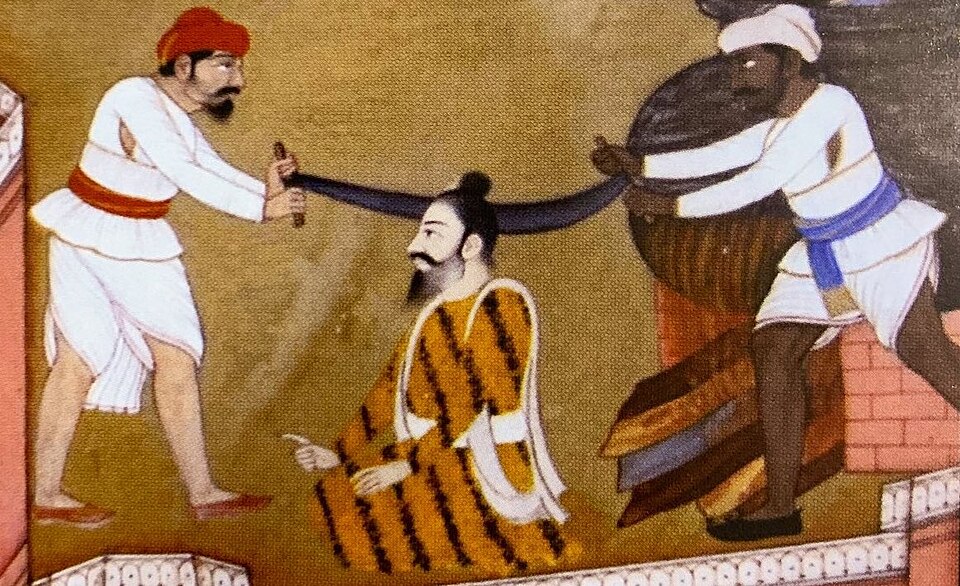
Punjab's Brahmins served as family priests and teachers. The Mohyals, a Brahmin community of the north-west of soldiers and administrators…
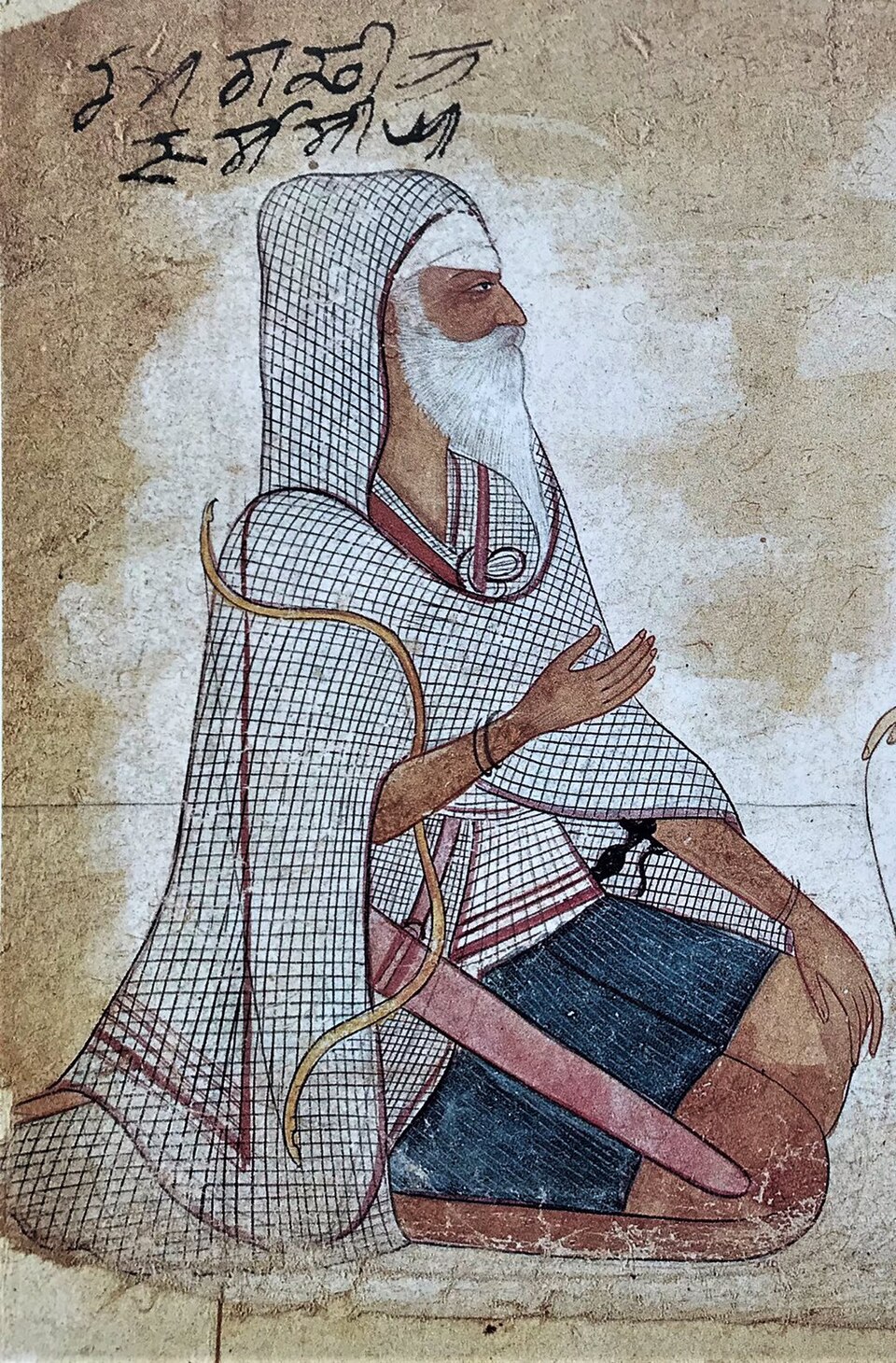
The village carpenters and blacksmiths built and mended the ploughs, carts, wells and houses of the Punjab, and are found in every faith.…
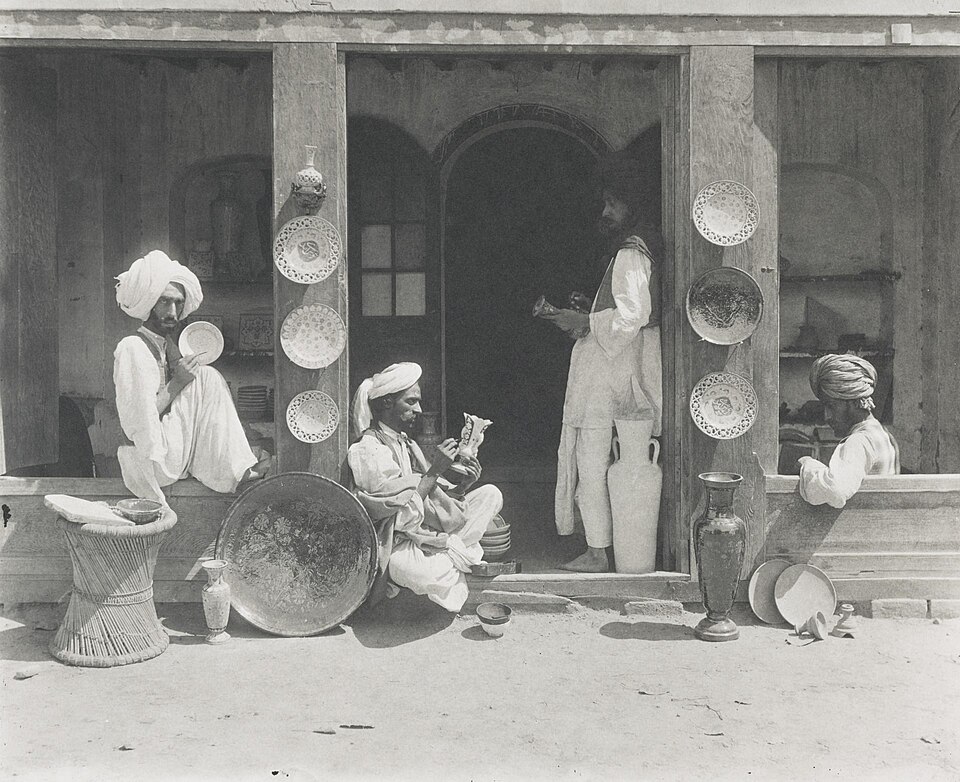
The potter, the kumhar or ghumiar, made the water pots, the tandoor ovens and the lamps of every village, and carried goods on his donkeys.…
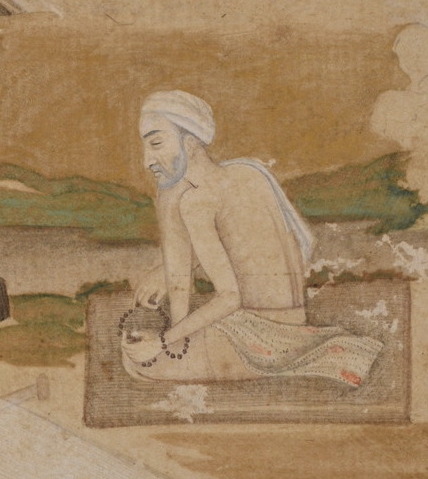
The communities once held 'untouchable' have shaped every faith of the Punjab. Bhagat Ravidas, a leather worker of Banaras, has his verses…
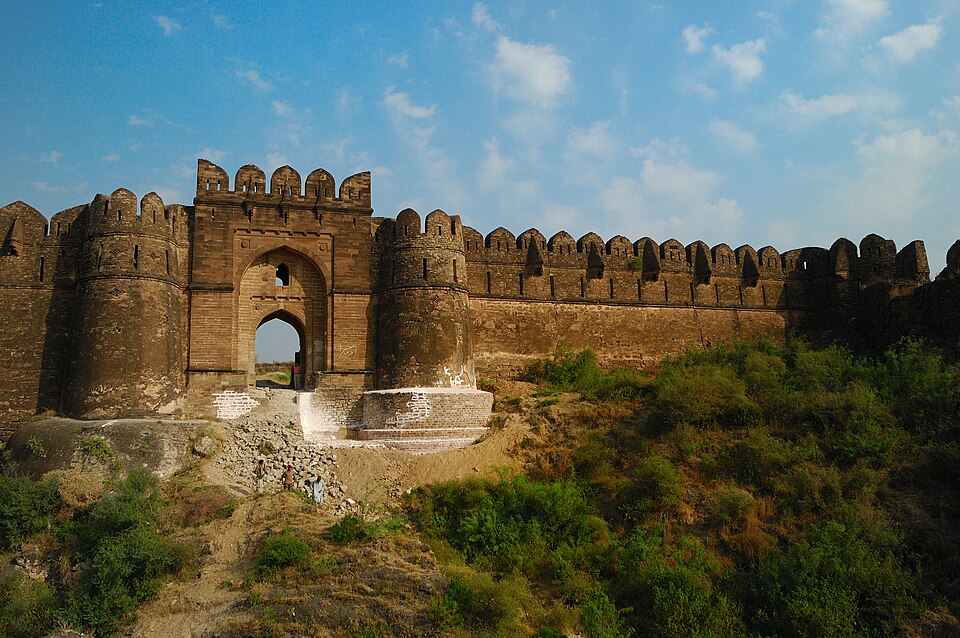
The clans of the north-western uplands. The Gakhars held the Pothohar for centuries and fought the Ghurids and Sher Shah; Sher Shah built…
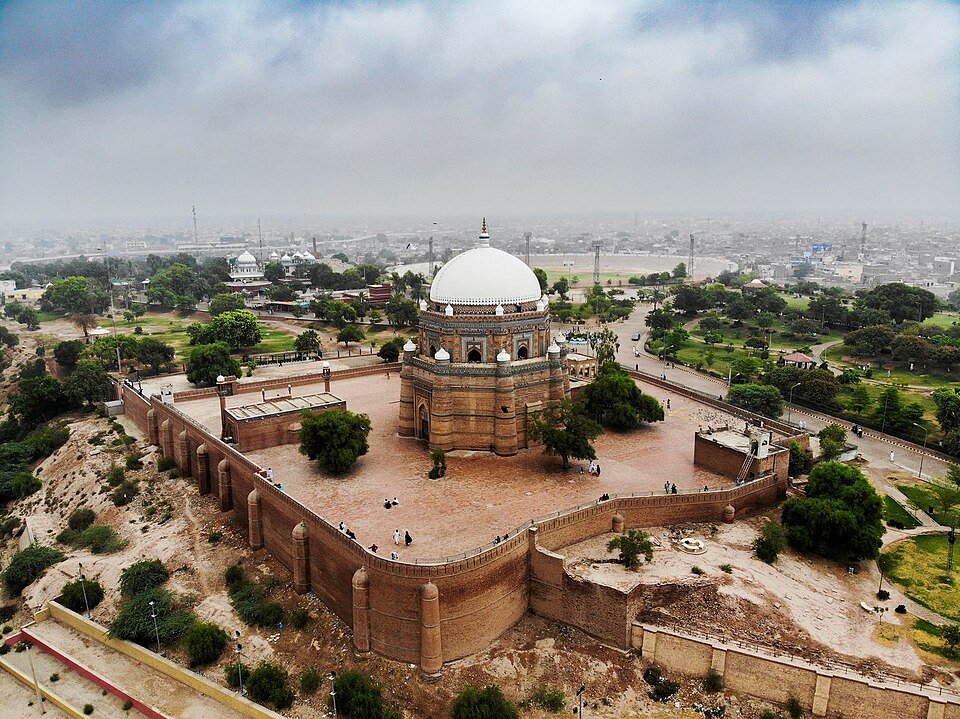
Baloch tribes settled the land between the Indus and the Suleiman hills from the fifteenth century and gave Dera Ghazi Khan and Dera Ismail…
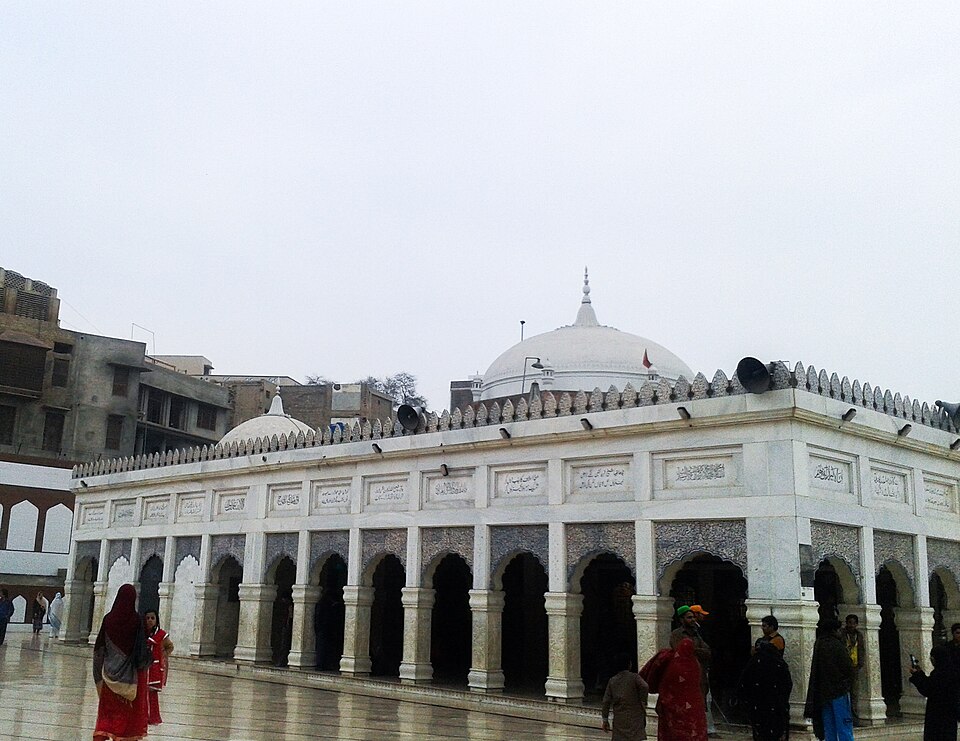
Families descended, or claiming descent, from the Prophet or from great Sufi saints became the hereditary custodians of the shrines, the…
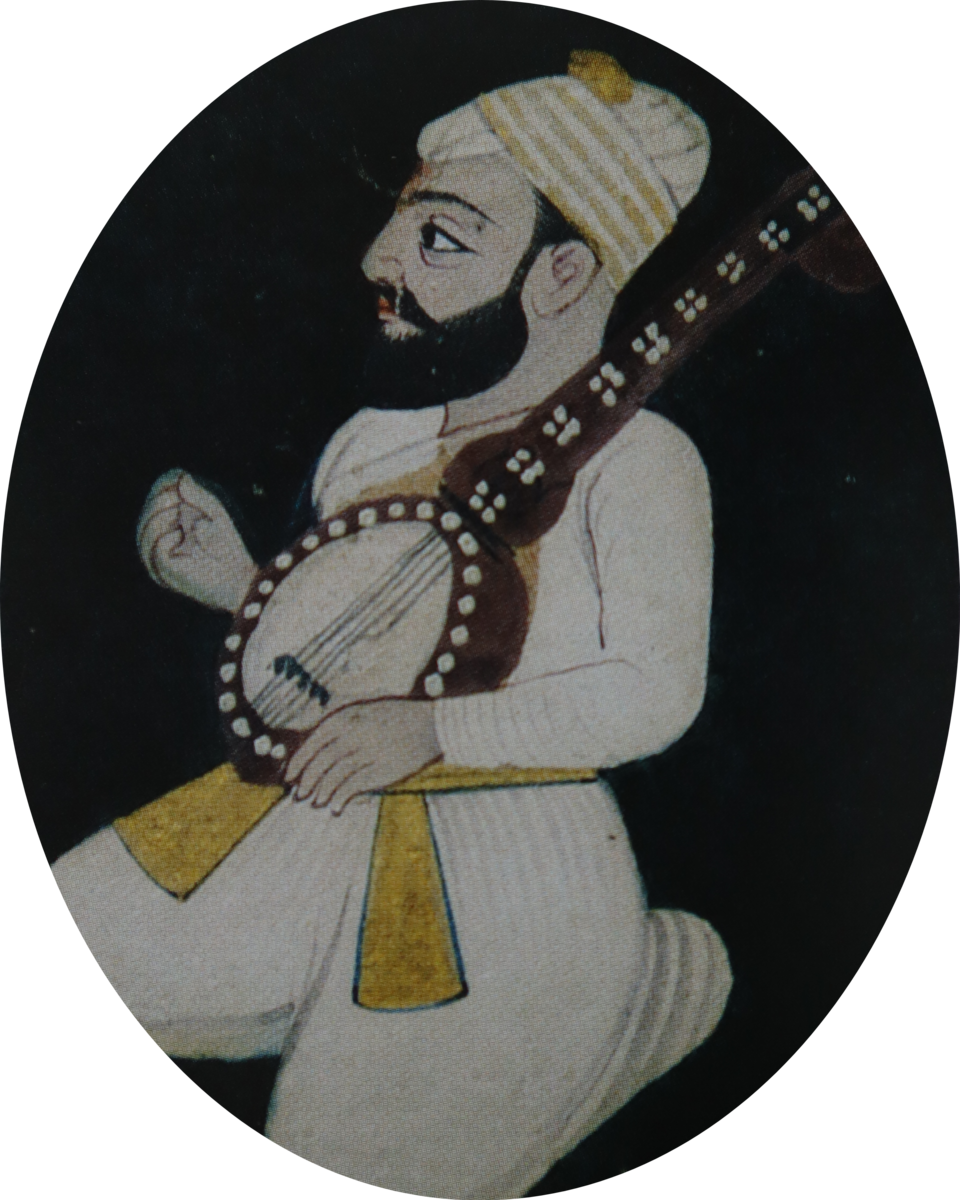
The Mirasis kept the genealogies of their patron families, sang at births and weddings, and carried the qisse and the folk songs from…
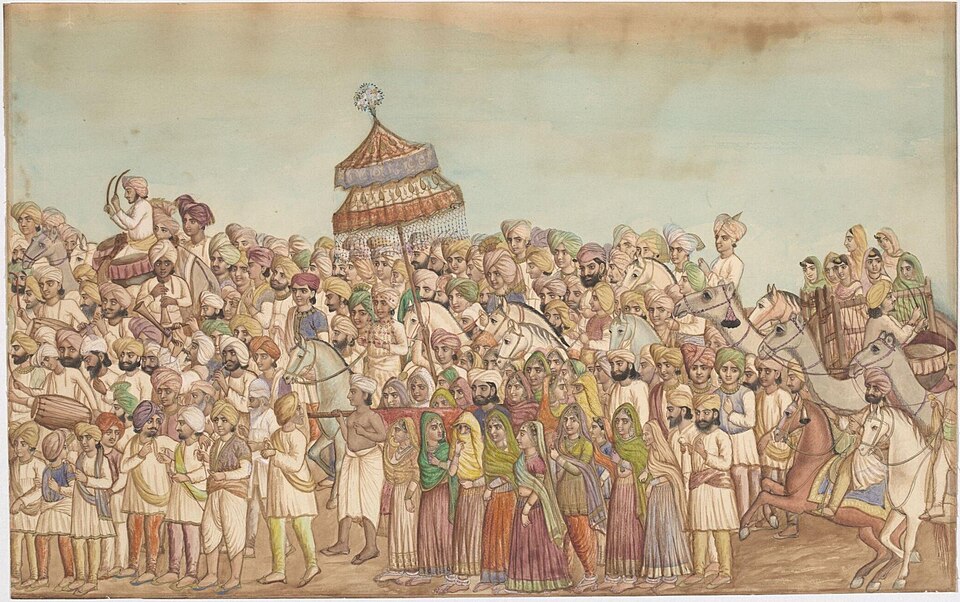

Sources: Denzil Ibbetson, Panjab Castes (1883); H. A. Rose, A Glossary of the Tribes and Castes of the Punjab and North-West Frontier Province (1911–19); Punjab District Gazetteers; Census of India 1931 and 2011; Wikipedia; Jatland Wiki used as a pointer only.