Kingdoms & Wars
The Punjab lies across the road from Central Asia to the Ganges, and every power that wanted India had to take it first. Persians, Greeks, Kushans, Huns, Ghaznavids, Sultans, Mughals, Afghans and the British came down the Khyber or up from Delhi; for fifty years the Punjab ruled itself from Lahore.
Hindu Shahis, Sultans, Mughals, Afghans, Marathas, the Kingdom of Lahore and the British, side by side.
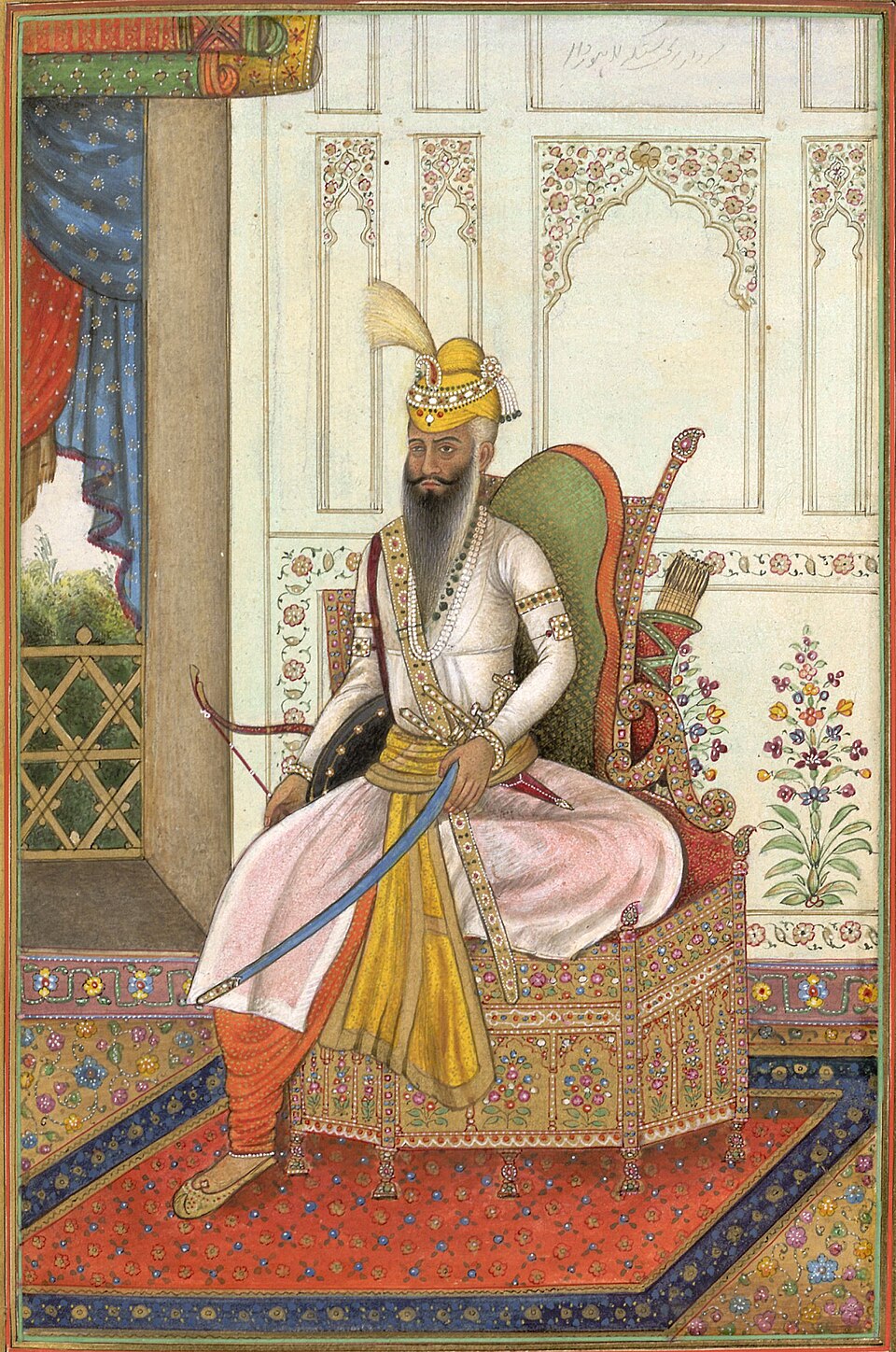
Ranjit Singh's Punjab, 1799–1849: the one time in a thousand years it was ruled from within.
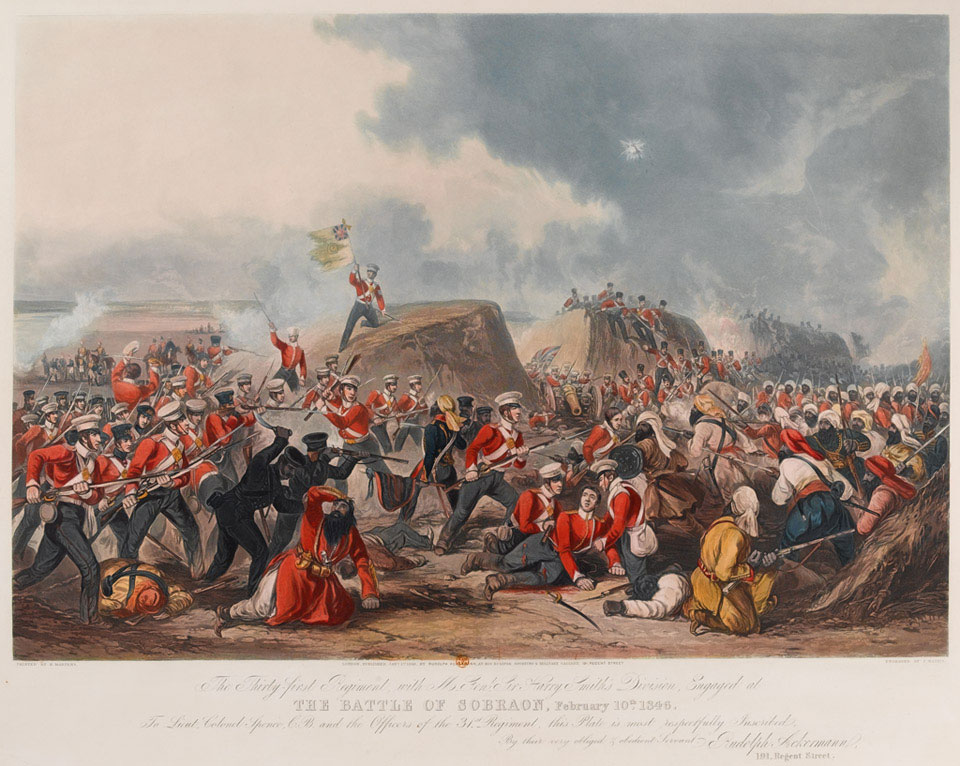
70 battles from the Hydaspes in 326 BCE to Basantar in 1971, each with its own page.
1748–1799: the twelve Sikh confederacies that took the Punjab back from the Afghans, before Ranjit Singh.
Persians, Greeks, Huns, Turks, Mongols, Afghans: who each people that came to the Punjab was, and where they came from.
Who ruled, in order
From the Mahajanapadas to 1947- 600 BCE – 518 BCE82 yearsMahajanapadas: Gandhara, Madra, KekayaRuled from within the Punjab
Kingdoms and clan republics of the Punjab named among the sixteen great realms of early Buddhist texts.
- 518 BCE – 330 BCE188 yearsAchaemenid PersiaRuled from outside
Darius I made the Indus lands the richest province of his empire.
- 326 BCE – 317 BCE9 yearsAlexander and his generalsRuled from outside
Alexander crossed the Indus in 326 BCE, fought Porus on the Jhelum and turned back at the Beas.
- 317 BCE – 185 BCE132 yearsMauryasRuled from outside
Chandragupta took the Punjab from Alexander's successors; Ashoka governed Taxila as a prince and carved his edicts in Gandhara.
- 185 BCE – 10 BCE175 yearsIndo-GreeksRuled from within the Punjab
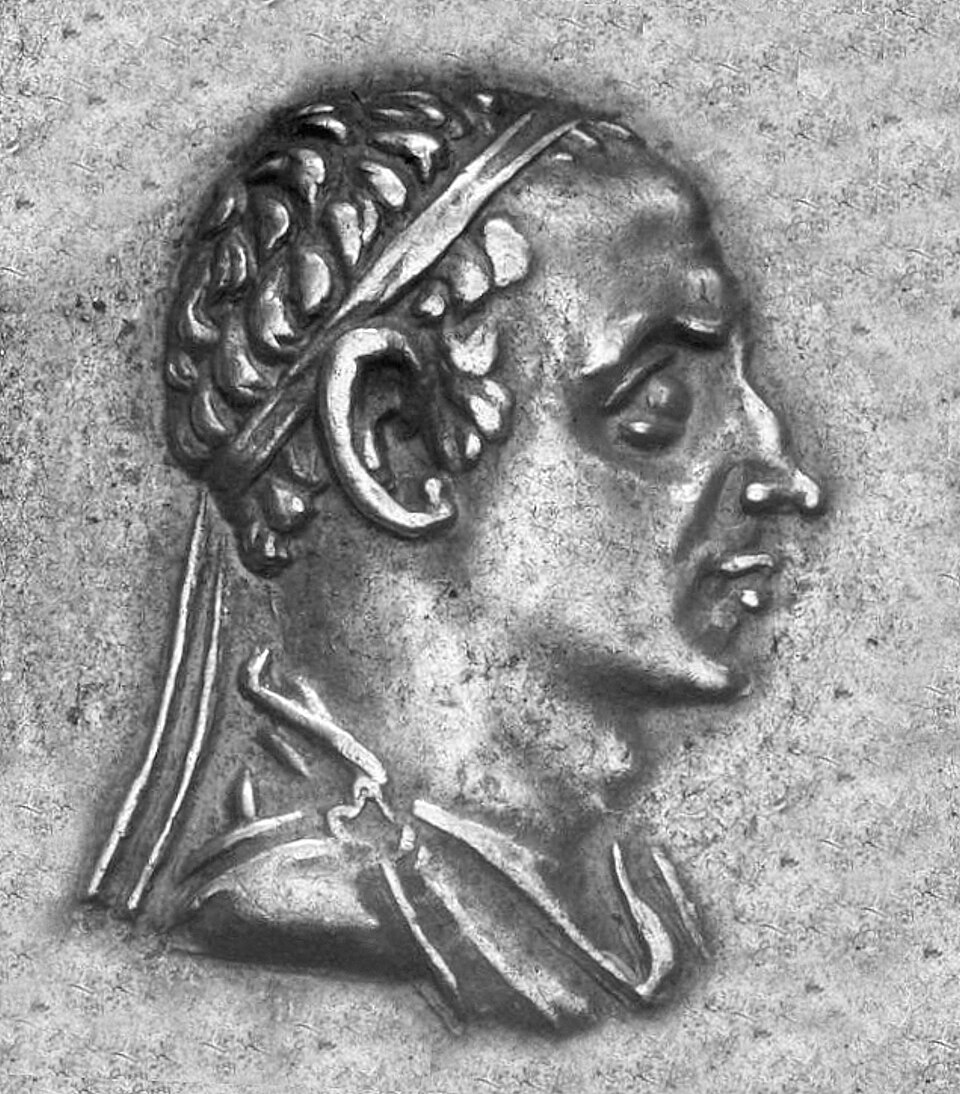
Greek kings ruled from Sialkot and Taxila; the greatest, Menander, is remembered as a patron of Buddhism.
- 90 BCE – 75165 yearsScythians and ParthiansRuled from within the Punjab
Saka and Parthian kings from Central Asia and Iran took over the Indo-Greek lands.
- 50 – 250200 years
- 150 – 400250 yearsYaudheya and Madraka republicsRuled from within the Punjab
Clan republics of the Punjab that struck their own coins and paid tribute to Samudragupta.
- 250 – 460210 yearsSasanians and KidaritesRuled from outside
Persian and Central Asian kings held the north-west while the Guptas ruled the Ganges plain.
- 460 – 55090 yearsAlchon HunsRuled from within the Punjab
Toramana and Mihirakula ruled from Sialkot and wrecked the Buddhist monasteries of Gandhara.
- 650 – 1026376 yearsTurk Shahis and Hindu ShahisPartly from within
The Shahi kings held the passes and the north-west until Mahmud of Ghazni broke them.
- 712 – 1010298 yearsArab emirs of MultanRuled from within the Punjab
After Muhammad bin Qasim's conquest of Sindh, Multan was ruled by Arab and later Ismaili emirs.
- 1021 – 1186165 yearsGhaznavidsPartly from within
Mahmud of Ghazni annexed the Punjab; when Ghazni fell, his descendants ruled from Lahore.
- 1186 – 120620 years
- 1206 – 1526320 yearsDelhi SultanateRuled from outside
Five dynasties, Mamluk, Khalji, Tughlaq, Sayyid and Lodi, held the Punjab against the Mongols.
- 1445 – 152681 yearsLangahs of MultanRuled from within the Punjab
A local dynasty ruled an independent sultanate of Multan.
- 1526 – 154014 years
- 1540 – 155515 years
- 1555 – 1752197 years
- 1700 – 1948248 yearsRajput hill statesRuled from within the Punjab
The Rajput hill rajas kept their own states in the Himalayan foothills, under Lahore and then the British.
- 1752 – 176513 yearsDurrani AfghansRuled from outside
Ahmad Shah Abdali annexed the Punjab, fighting the Mughals, the Marathas and the Sikhs.
- 1763 – 1948185 yearsPhulkian statesRuled from within the Punjab
The Sikh rajas of the Malwa, descendants of Baba Phul, ruled under British protection from 1809 until 1948.
- 1765 – 179934 yearsSikh mislsRuled from within the Punjab
Twelve confederacies of Sikh chiefs divided the Punjab after the Afghans withdrew.
- 1799 – 184950 yearsKingdom of LahoreRuled from within the Punjab
Ranjit Singh united the Punjab from the Khyber to the Sutlej, with ministers and generals of every faith.
- 1849 – 194798 yearsBritish IndiaRuled from outside
The East India Company annexed the Punjab in 1849; the Crown ruled it from 1858 until Partition.
- 1947 – today79 yearsPakistan and IndiaPartly from within
Divided in 1947: West Punjab to Pakistan, East Punjab to India, itself divided again in 1966.
Ranjit Singh's court
Every faith at LahoreAt court
- Fakir AzizuddinForeign minister and physicianMuslim
- Raja Dhian Singh DograChief minister (wazir)Hindu
- Diwan Dina NathFinance and revenue; a Kashmiri PanditHindu
- Fakir NuruddinPhysician and keeper of the householdMuslim
Generals
- Hari Singh NalwaTook Kashmir and Peshawar; held the KhyberSikh
- Diwan Mokham ChandCommander in the early wars; won at AttockHindu
- Misr Diwan ChandTook Multan and KashmirHindu
- Sham Singh AttariwalaFell at Sobraon, 1846Sikh
- Mian Ghaus KhanCommander of the artilleryMuslim
- Jean-Baptiste VenturaTrained the infantry on French lines; ItalianEuropean, Christian
- Jean-François AllardRaised the dragoons; FrenchEuropean, Christian
- Claude Auguste CourtArtillery and gun foundry; FrenchEuropean, Christian
Governors
- Diwan Sawan MalGovernor of Multan for 23 yearsHindu
- Paolo AvitabileGovernor of Peshawar; ItalianEuropean, Christian
- Gulab Singh DograRaja of JammuHindu
- Lehna Singh MajithiaMaster of ordnance; governor of the hillsSikh
A selection of his leading ministers, generals and governors. Dozens of Europeans and Americans served him, among them veterans of Napoleon's armies.
The Kingdom of Lahore
1799 – 1849For fifty years, 1799 to 1849, the Punjab was ruled from within: Ranjit Singh united it from the Khyber to the Sutlej, with ministers and generals who were Muslim, Hindu, Sikh and European.