Faiths of Punjab
The Punjab has been a meeting ground of religions for three thousand years. The Rigveda was composed here; Buddhism flourished in Gandhara and Taxila; Sufi orders made the Punjab one of the heartlands of Islam in South Asia; Sikhi was born here out of a conversation with both; and Jains, Christians, Ahmadis, Ravidassias and the deras each found a home. Until 1947 most villages held people of several faiths, who shared shrines, saints, festivals and a language. This page explains the main ideas of each tradition as they bear on the Punjab, and where they meet and differ.
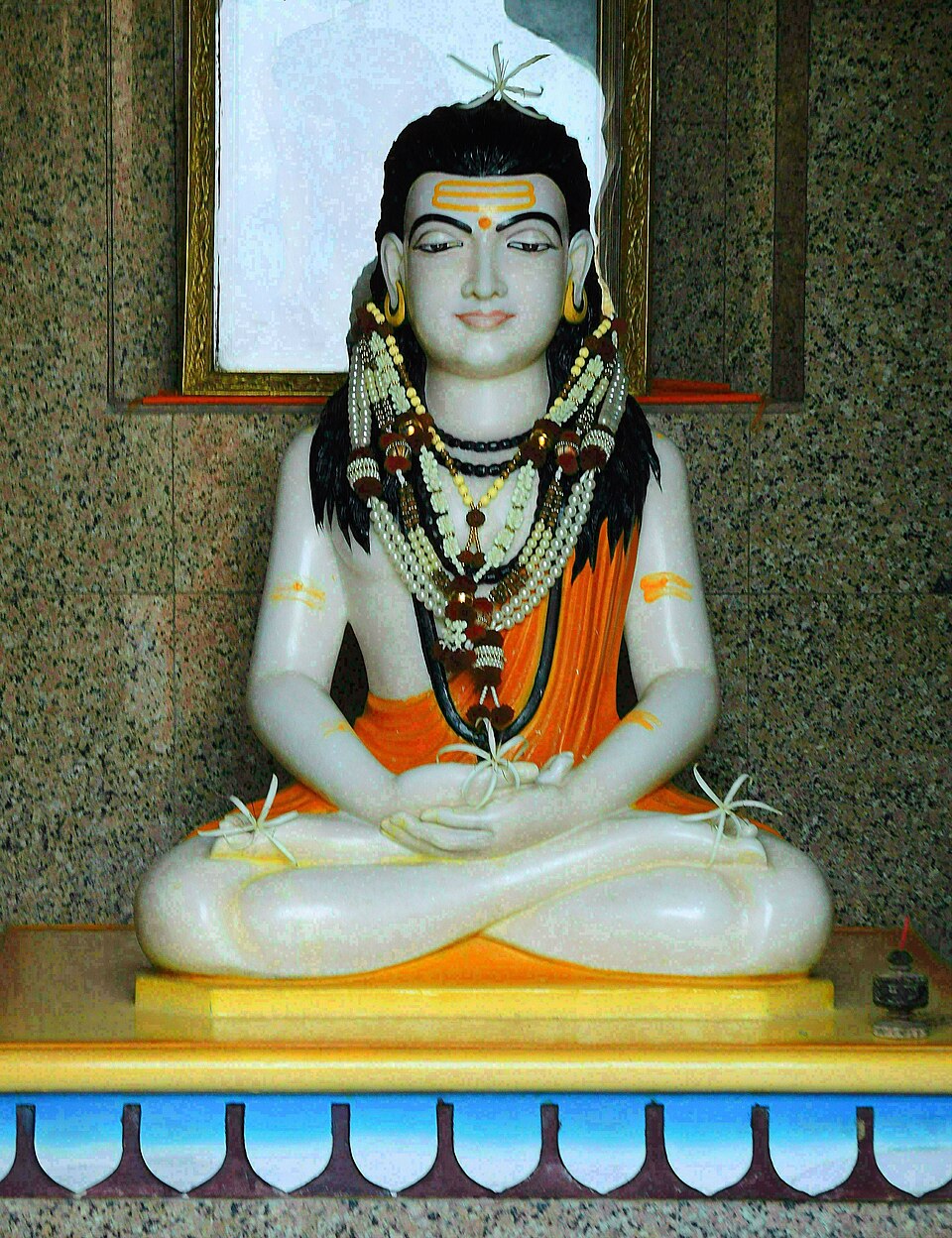
The Vedic hymns were composed in the land of seven rivers, and Punjab kept its own strands of Hindu practice: worship of the goddess in the hills, Nath yogis, bhakti devotion, and from the 19th century the Arya Samaj. Hindus were about 30% of undivided Punjab in 1941 and 38% of Indian Punjab today.
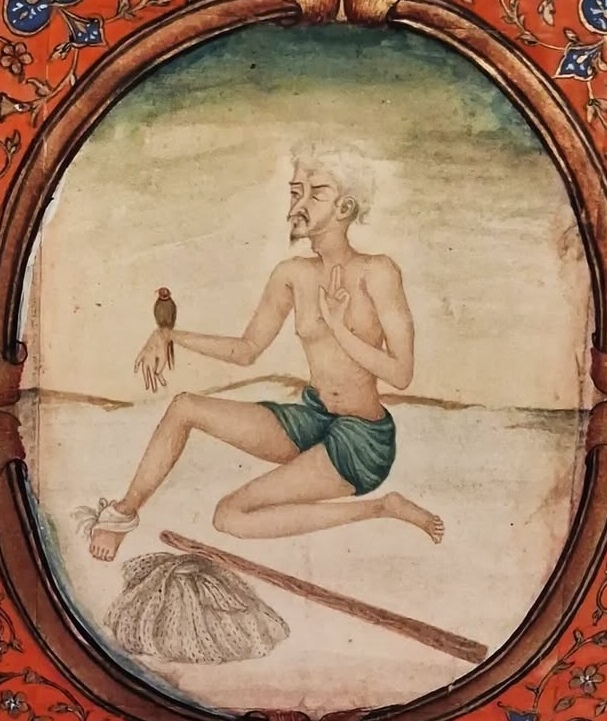
Arrived with the Arab conquest of Multan in 712 and the Ghaznavid conquest of Lahore in the 11th century, and spread mostly through Sufi teachers. Muslims were 53% of undivided Punjab in 1941 and are about 98% of Pakistani Punjab today.
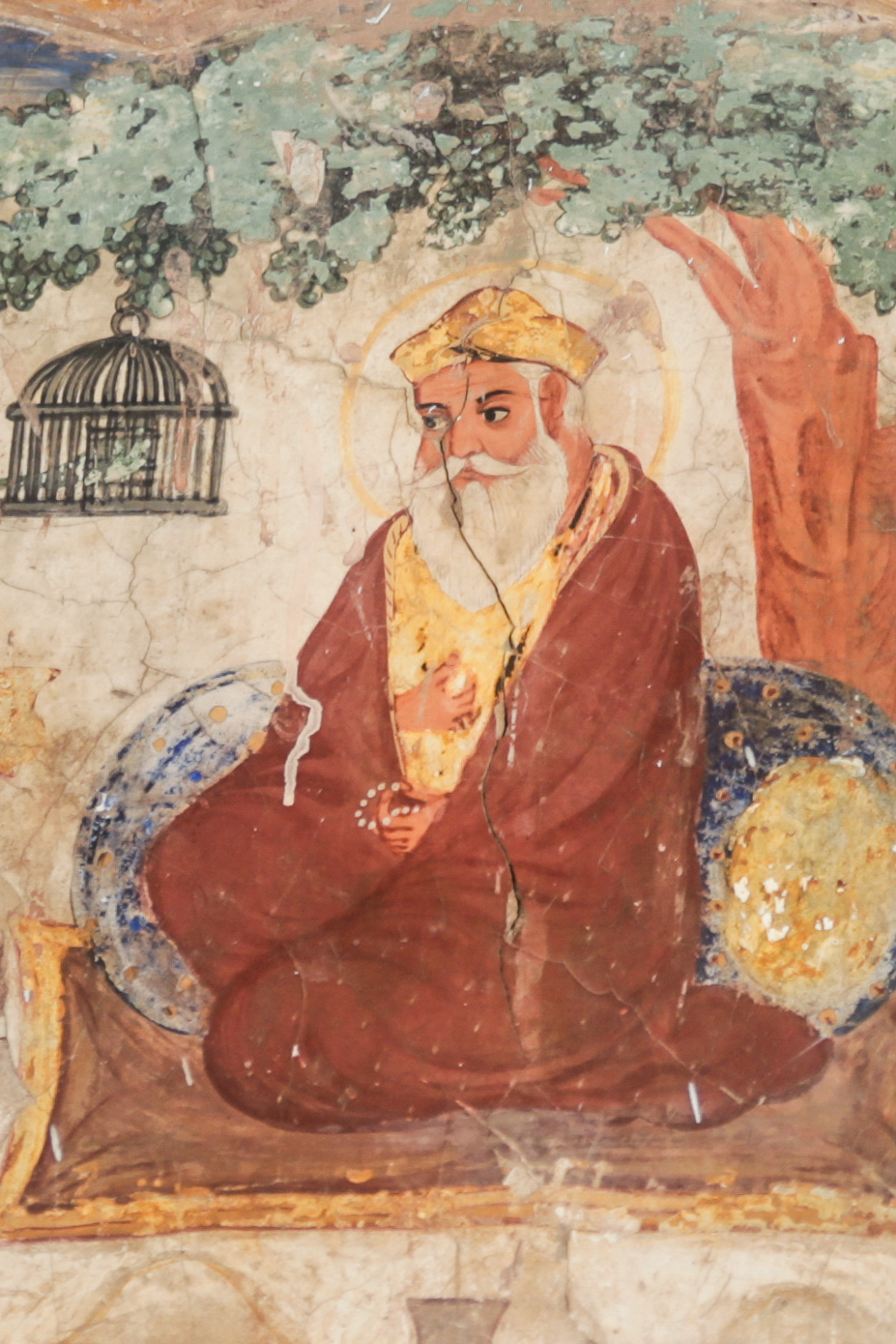
Founded by Guru Nanak in the early 16th century and shaped by ten Gurus over two centuries. Sikhs are about 58% of Indian Punjab today and some 25–30 million worldwide.
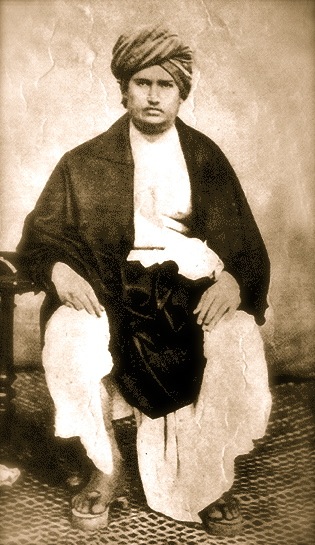
Jains, Buddhists, Christians and the reform movements born in the Punjab: Arya Samaj, Singh Sabha, Ahmadiyya, Ad-Dharm and more.
Who believed what, 1881–1941
Shared ground
Before 1947- Shrines for everyone
- Sufi dargahs such as Baba Farid's at Pakpattan, and the shrine of Sakhi Sarwar (Lakhdata Pir), drew Hindu and Sikh as well as Muslim pilgrims until 1947.
- Saints in one book
- The Guru Granth Sahib places the words of Baba Farid, a Muslim Sufi, and of Hindu bhagats beside those of the Sikh Gurus.
- Mian Mir and the Harmandir
- Sikh tradition holds that the Sufi Mian Mir laid the foundation stone of the Harmandir Sahib.
- Sahajdhari and Nanakpanthi
- Many Hindu families followed Guru Nanak without becoming Khalsa, and some raised one son as a Sikh. These overlapping identities became sharper under census categories and reform movements from the late 19th century.
- Festivals
- Vaisakhi, Lohri, Diwali and the fairs at saints' shrines were shared across faiths in village Punjab.
- Poetry
- Heer, Mirza Sahiban and Sassi Punnu were written mostly by Muslim poets and loved equally by Hindus and Sikhs.
People
Founder of Sikhi. A poet and teacher who rejected caste and empty ritual and taught devotion to one formless God through the Name, honest work and sharing.
Chishti Sufi of Pakpattan and the first great poet of the Punjabi language. His hymns and saloks are part of the Guru Granth Sahib.
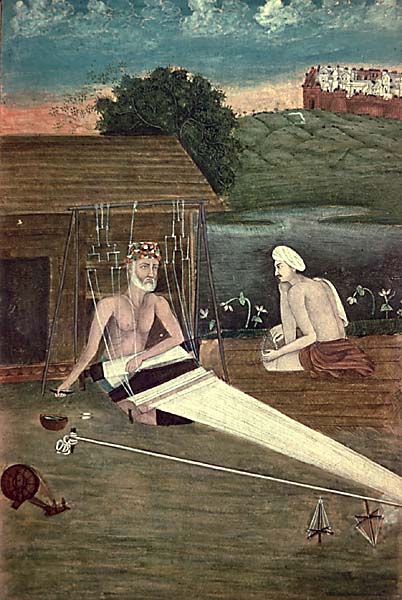
Weaver-poet of Varanasi and the largest contributor among the bhagats. Mocked hypocrisy in both Hindu and Muslim religion.
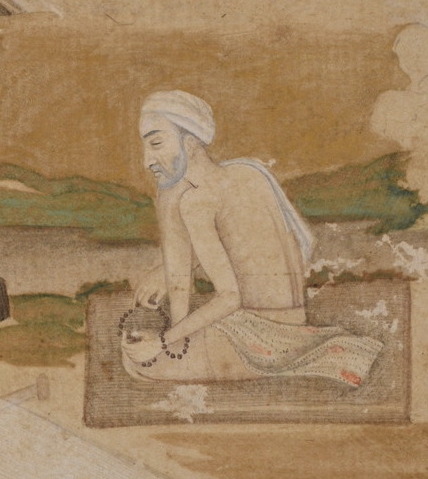
Leather worker of Varanasi who wrote of Begampura, a city without sorrow or caste. Revered across Punjab today.
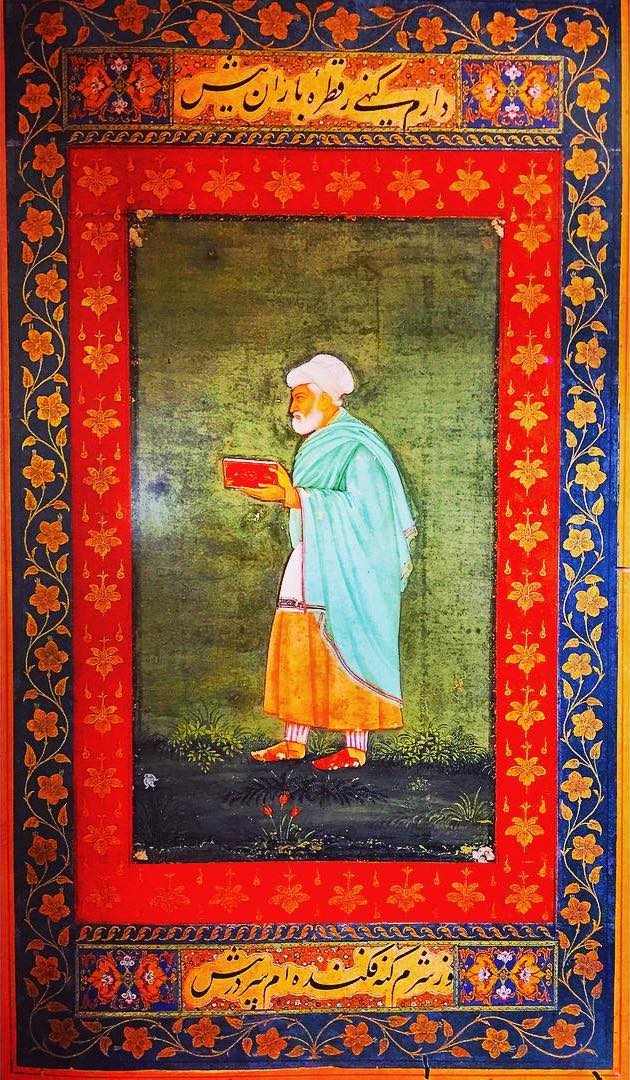
Qadiri Sufi of Lahore and friend of Guru Arjan. Tradition holds he laid the foundation stone of the Harmandir Sahib.
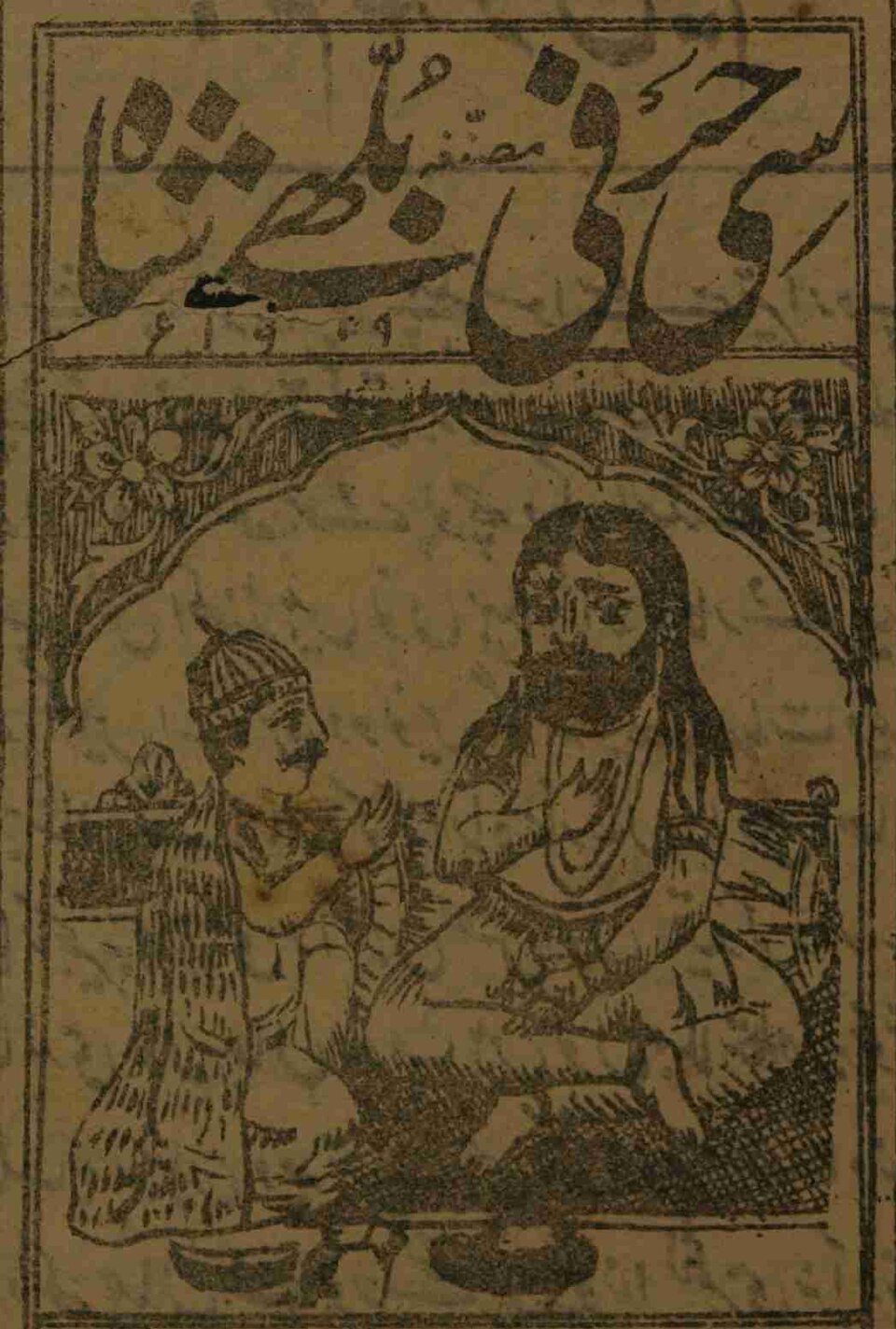
The most loved Sufi poet of Punjab. Mocked clerics of every faith and praised the Sikh Gurus in an age of persecution.
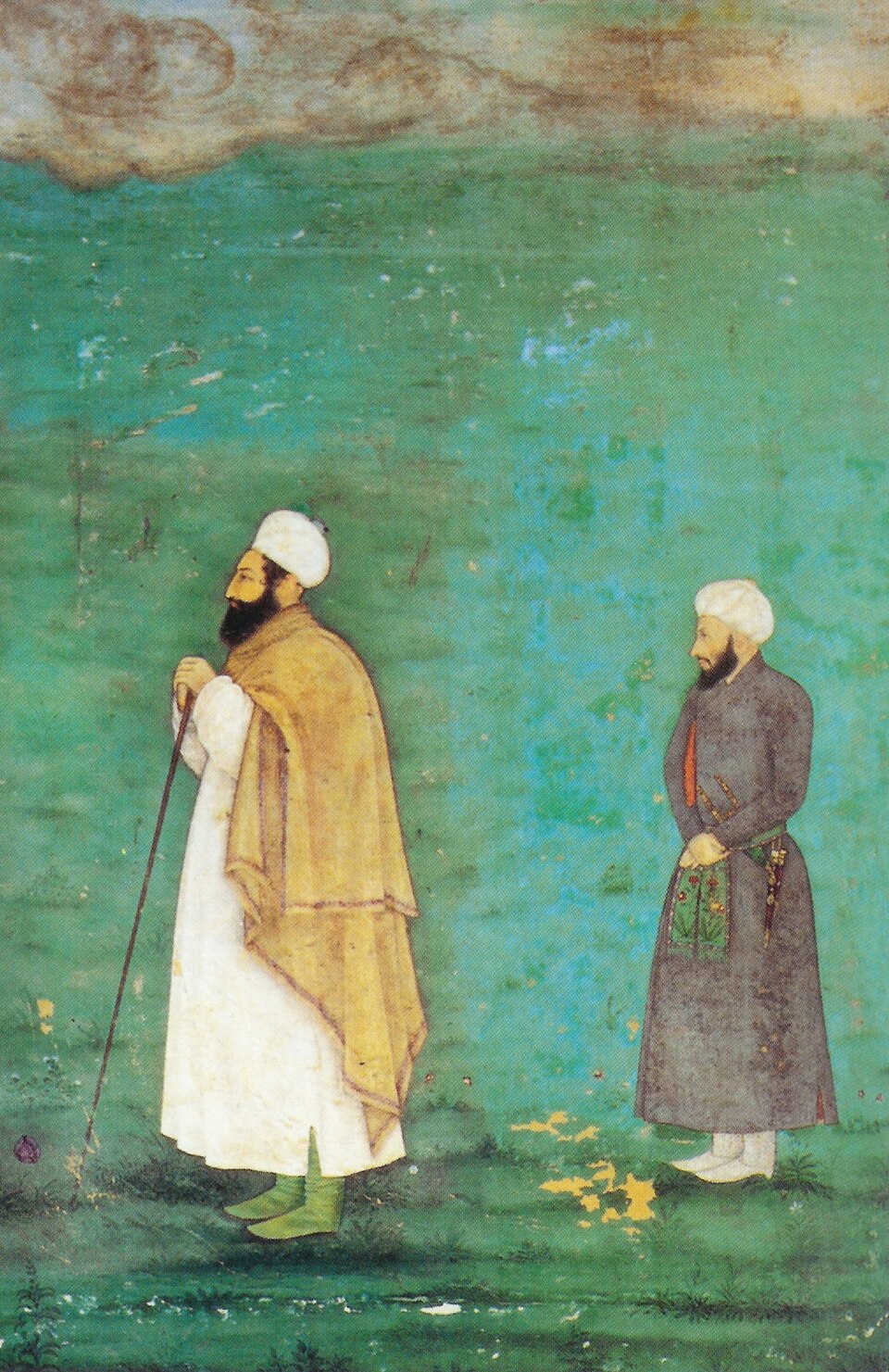
Naqshbandi reformer of Sirhind, called the 'renewer of the second millennium', who opposed Akbar's religious syncretism. Some historians see his circle behind hostility to Guru Arjan; others doubt the link.
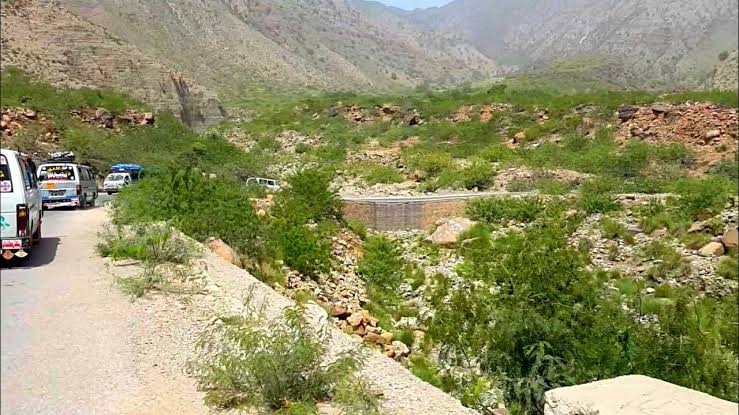
Saint whose shrine in the Sulaiman foothills near Dera Ghazi Khan drew vast numbers of Hindu, Sikh and Muslim pilgrims. His followers, the Sultanis, were found across Punjab before 1947.
Founder of the Nath order of yogis, whose followers Guru Nanak debated at Achal and elsewhere. The Nath tradition was strong across medieval Punjab.
Founder of the Arya Samaj in 1875. His movement found its strongest support in Punjab, where it founded the DAV colleges.
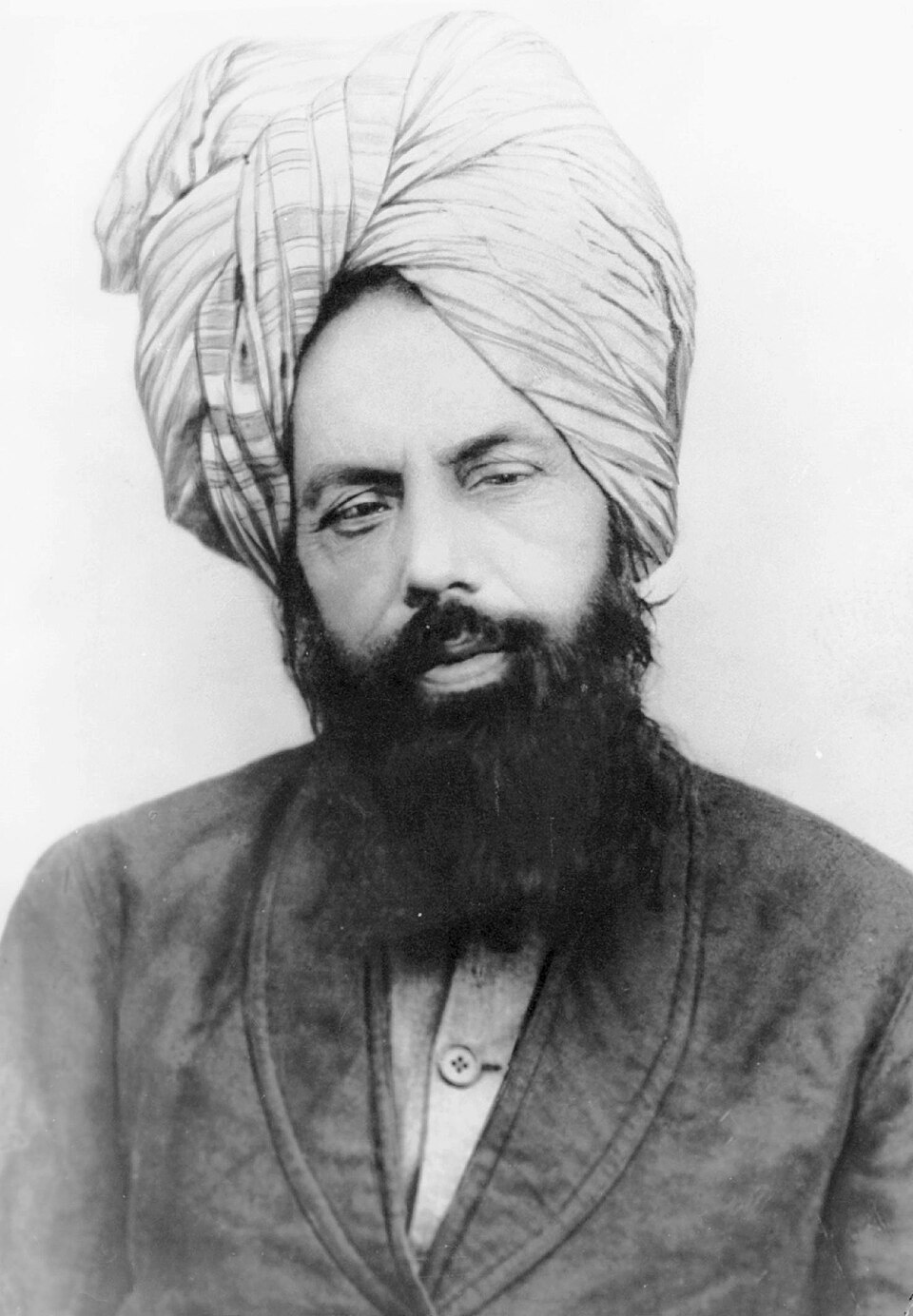
Founder of the Ahmadiyya movement at Qadian in Gurdaspur district in 1889. Ahmadis consider themselves Muslims; Pakistan declared them non-Muslims in 1974.
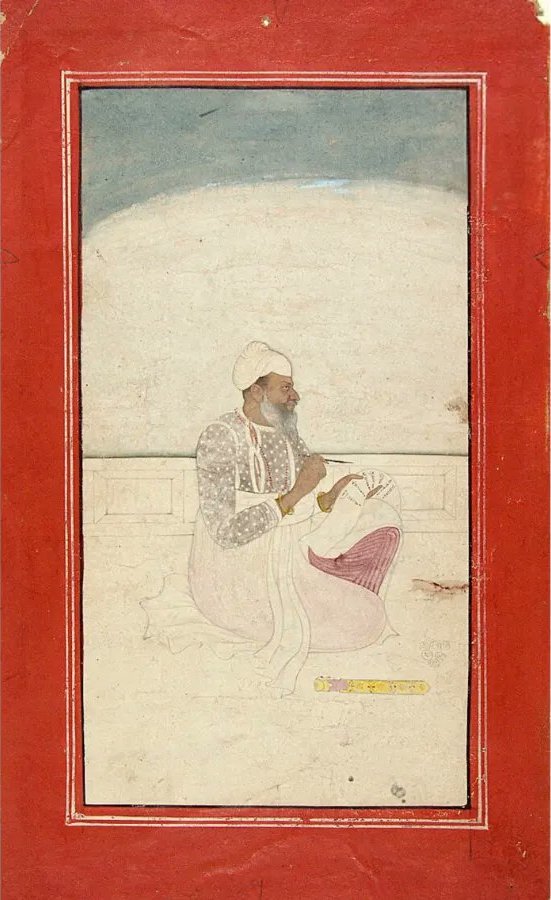
Founder of the Nirankari reform movement at Rawalpindi, which called Sikhs back to worship of the formless God and simple rites.