Museum
Five thousand years of the Punjab in things people made: seals and sculpture, coins, scriptures written by hand, paintings, swords and thrones, embroidery, and the buildings that still stand. Many are still where they belong, in gurdwaras, temples and shrines; many more ended up in Lahore, Chandigarh, London and Leeds.
Galleries
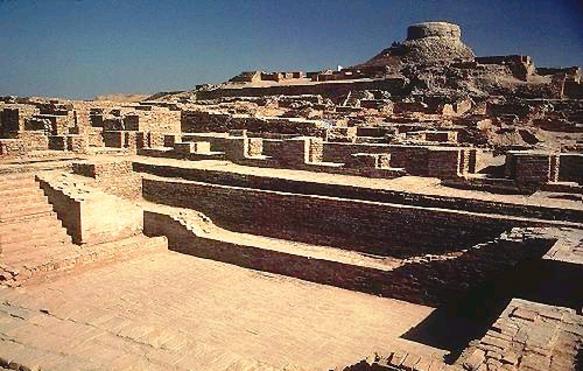
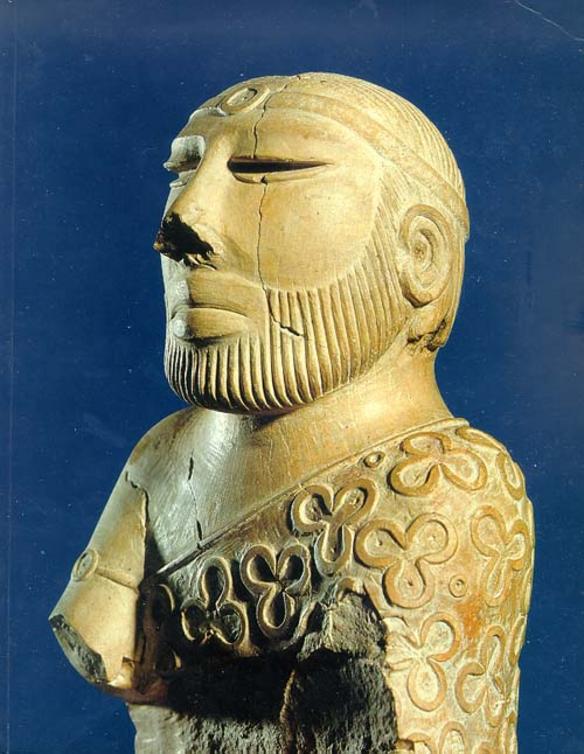
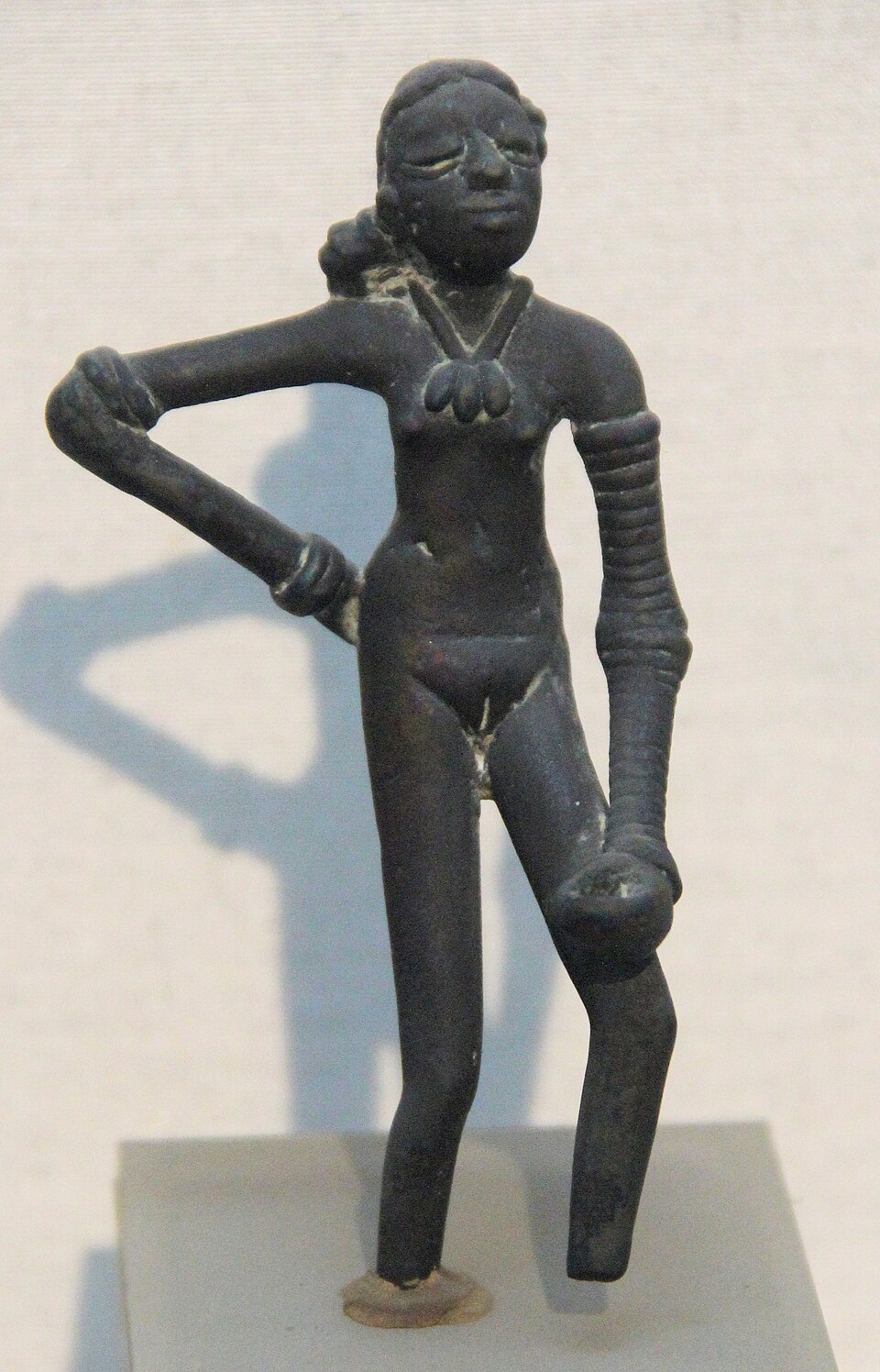
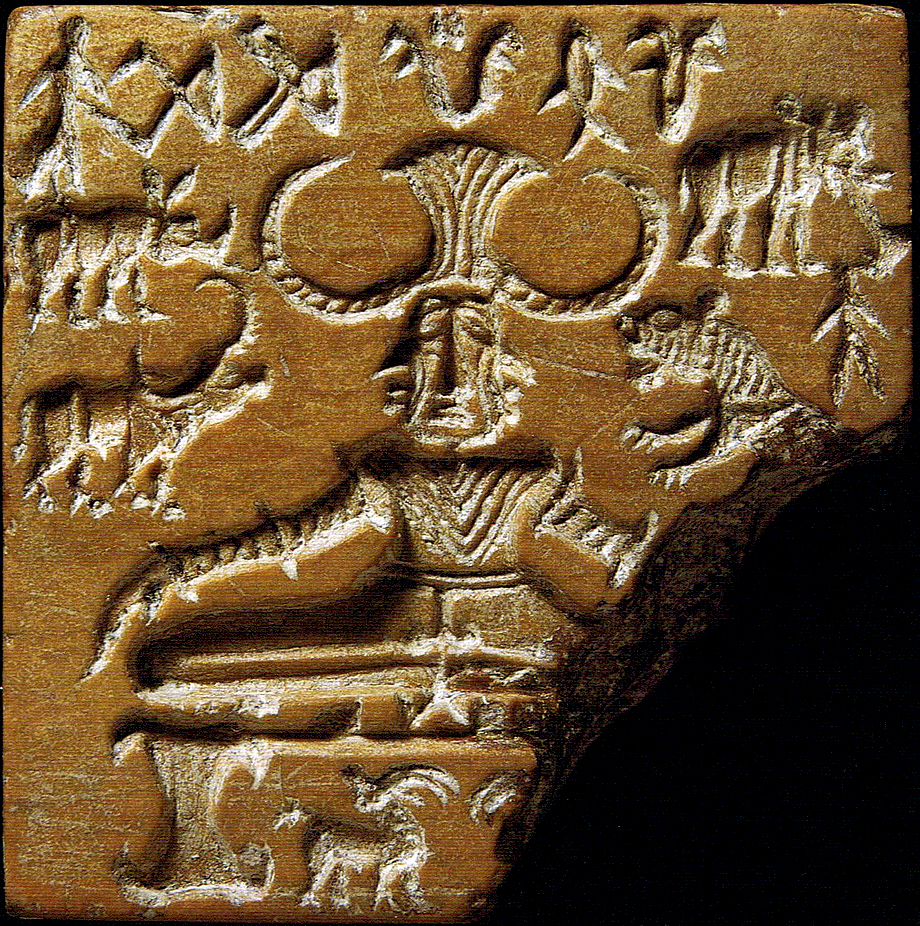
Seals, the Priest-King, the Dancing Girl, beads, weights and toys from Harappa and Mohenjo-daro
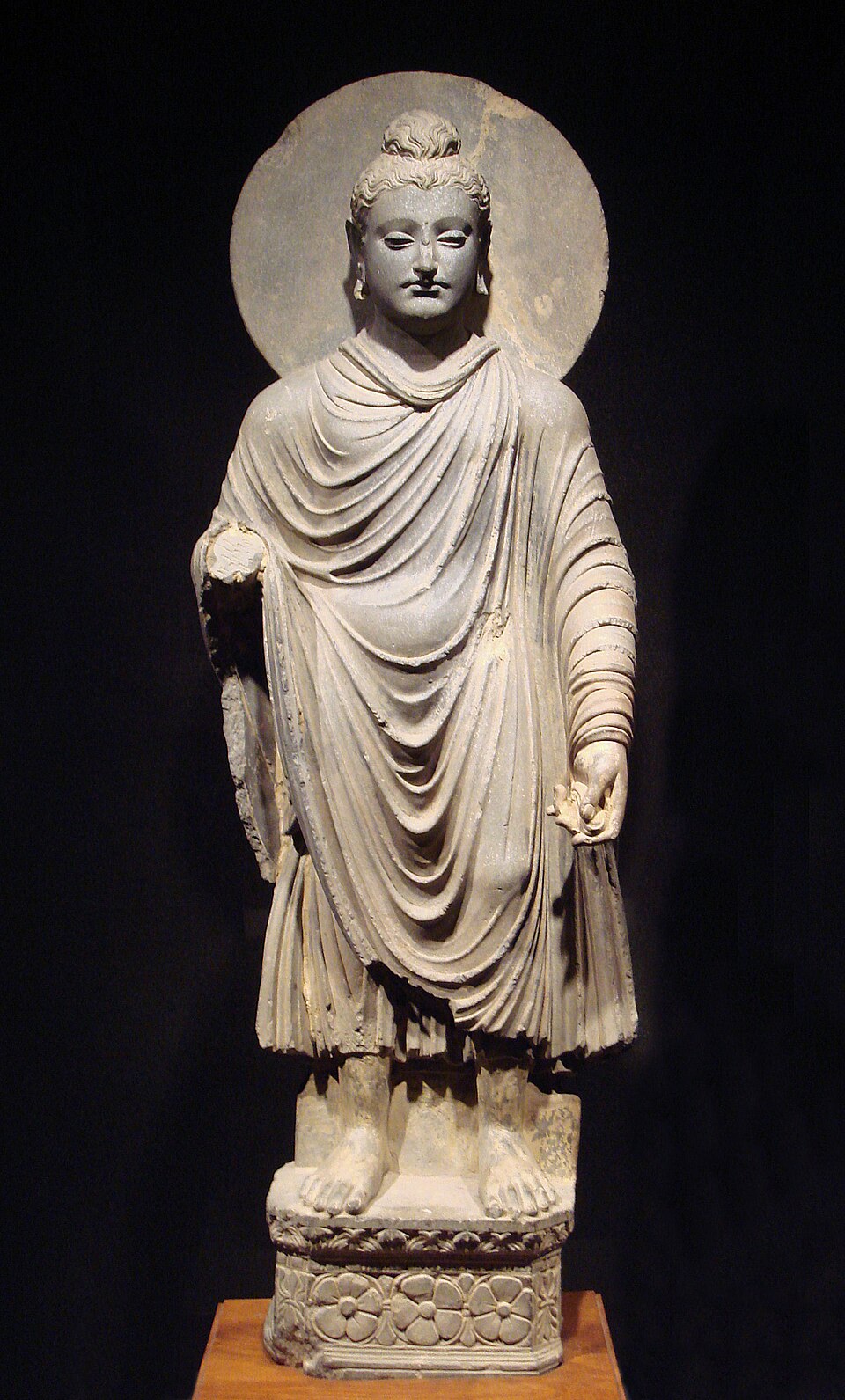
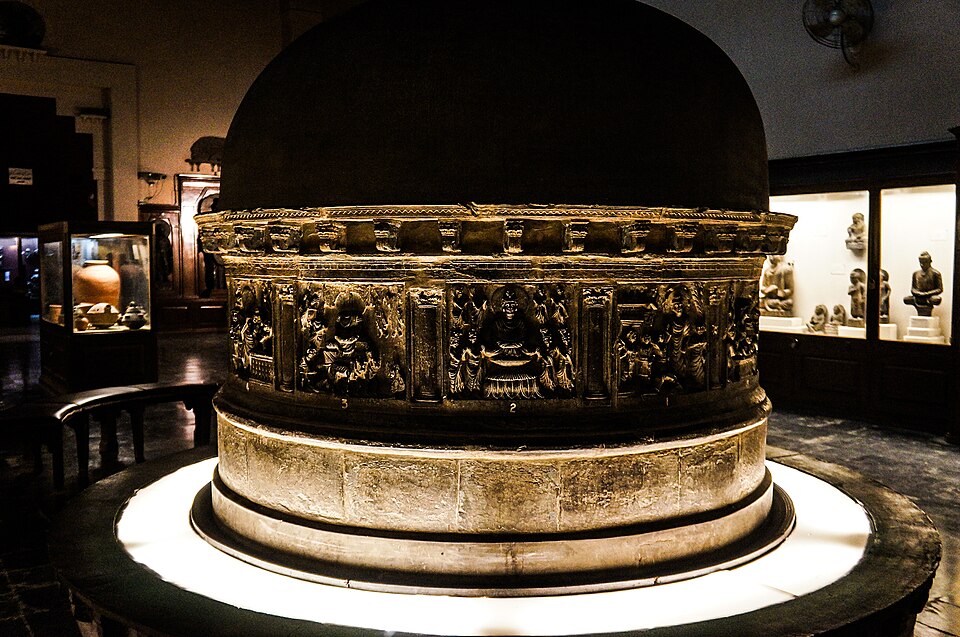
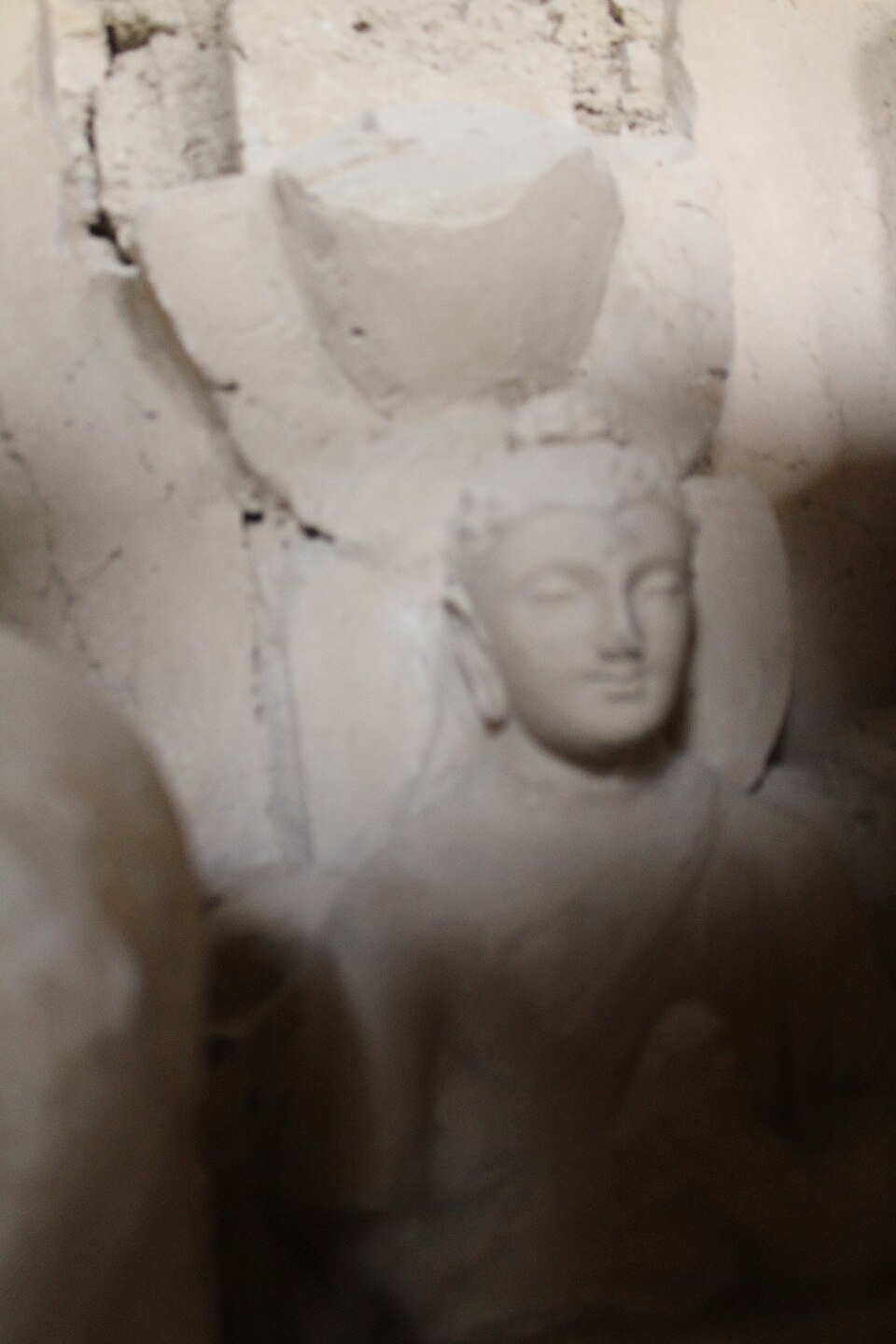
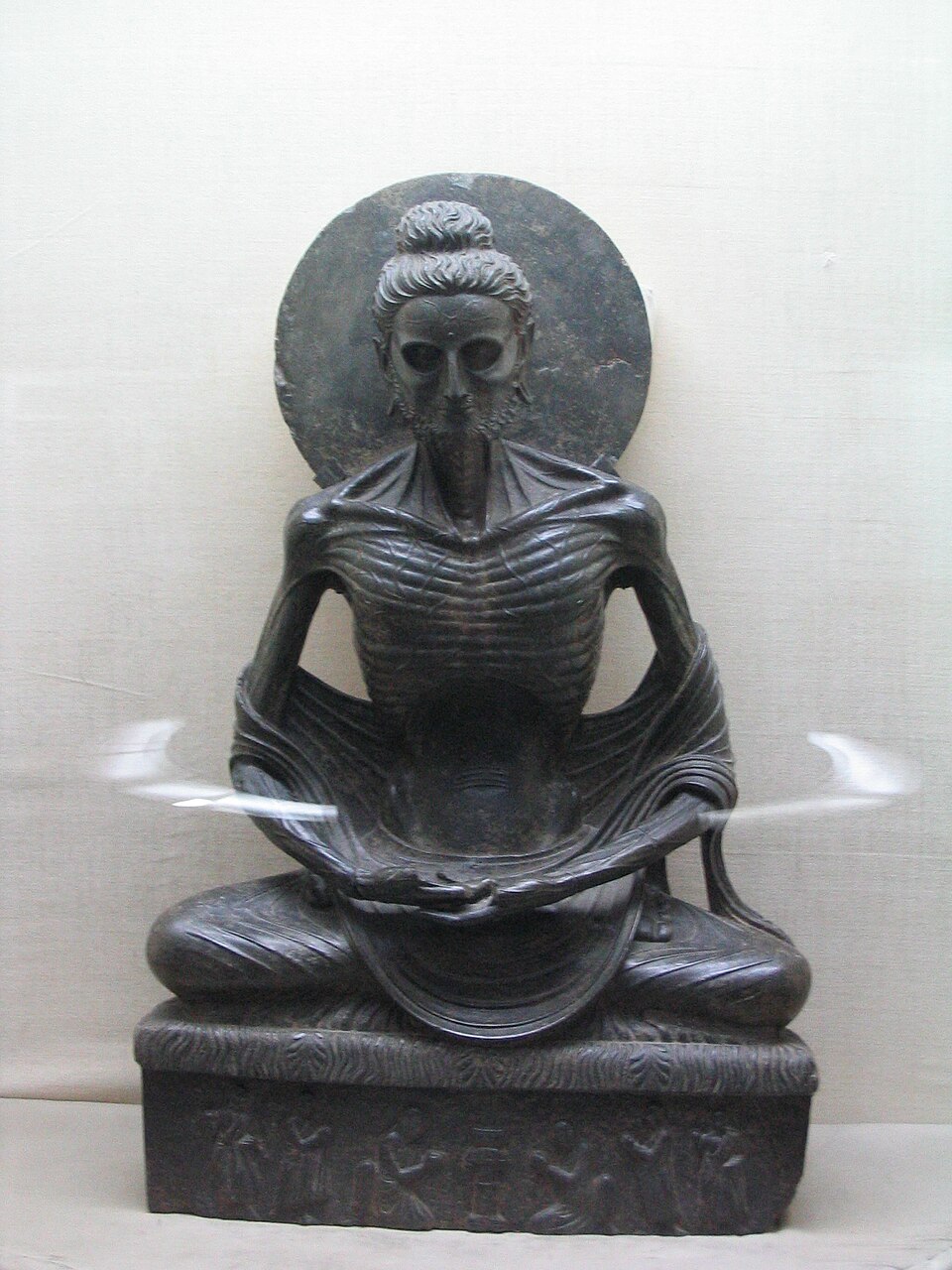
For five centuries the sculptors of Gandhara carved the Buddha and his stories in the grey schist of the north-west, mixing Indian, Greek and Persian forms.
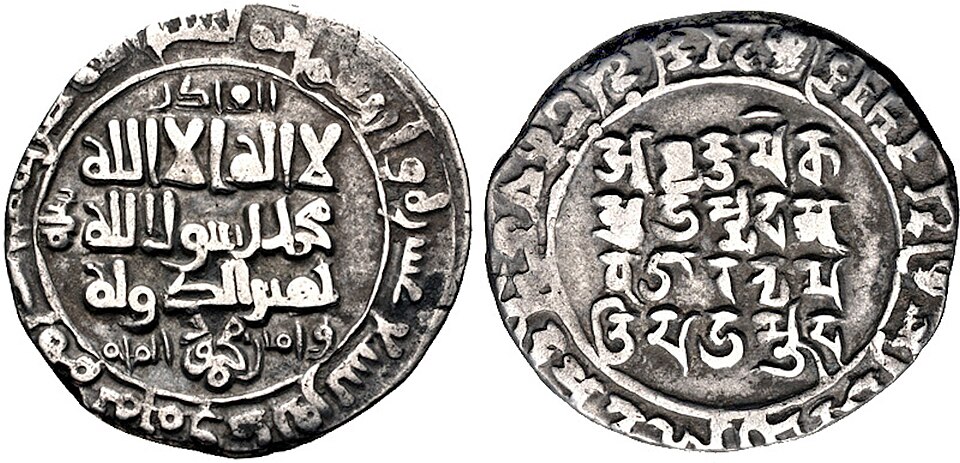
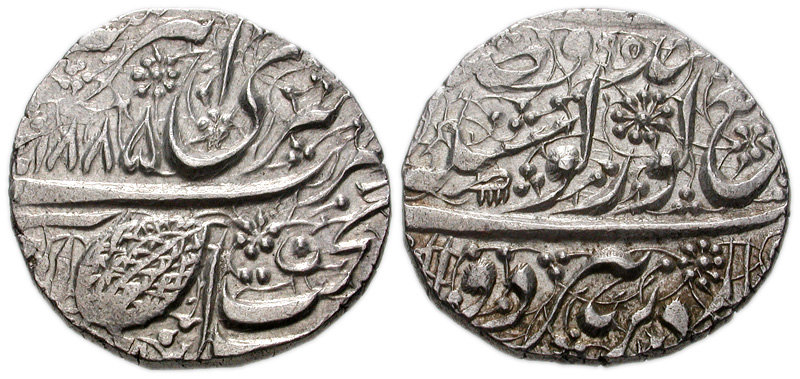
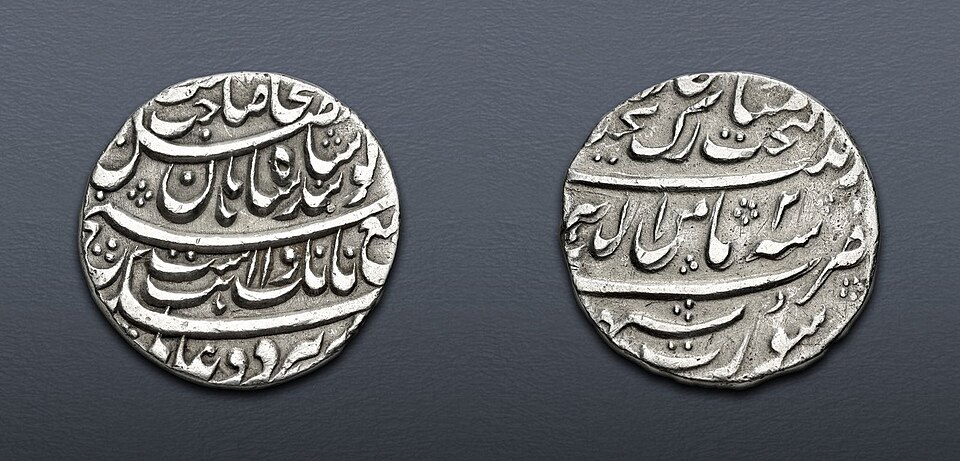
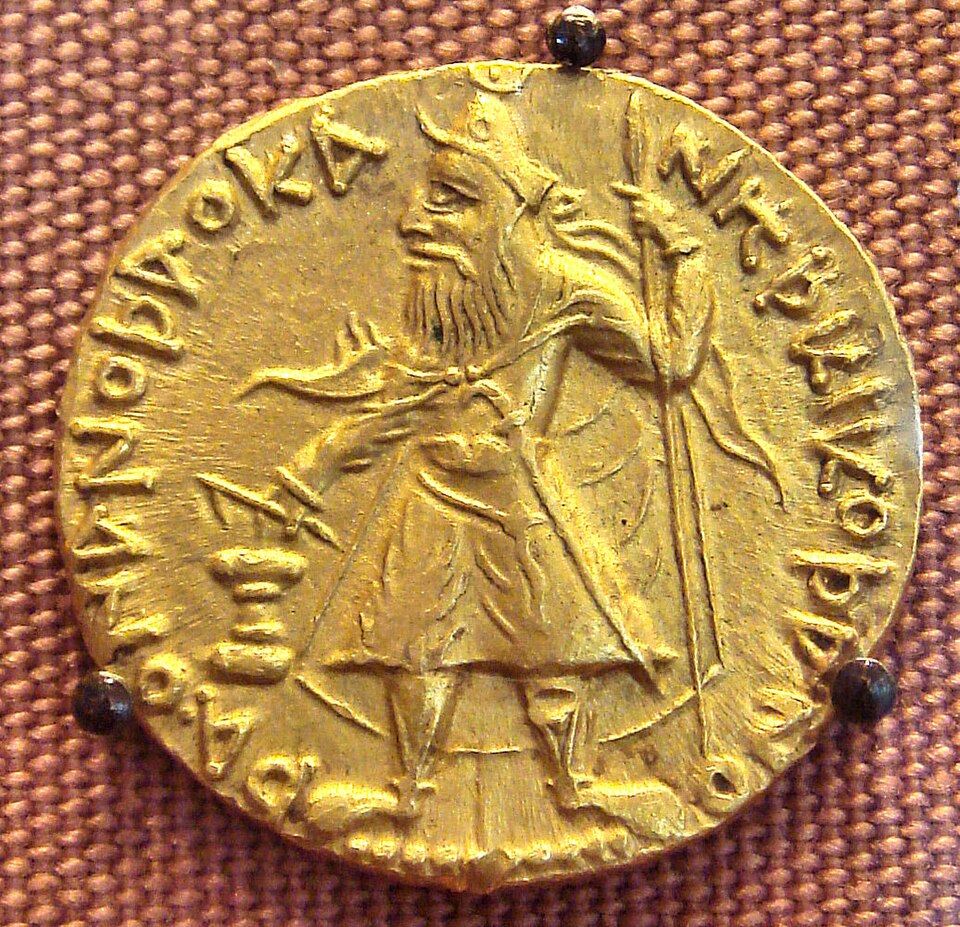
From the silver of the Indo-Greek kings to the mints of Lahore and Amritsar, where Sikh rulers struck money in the name of the Gurus rather than their own.
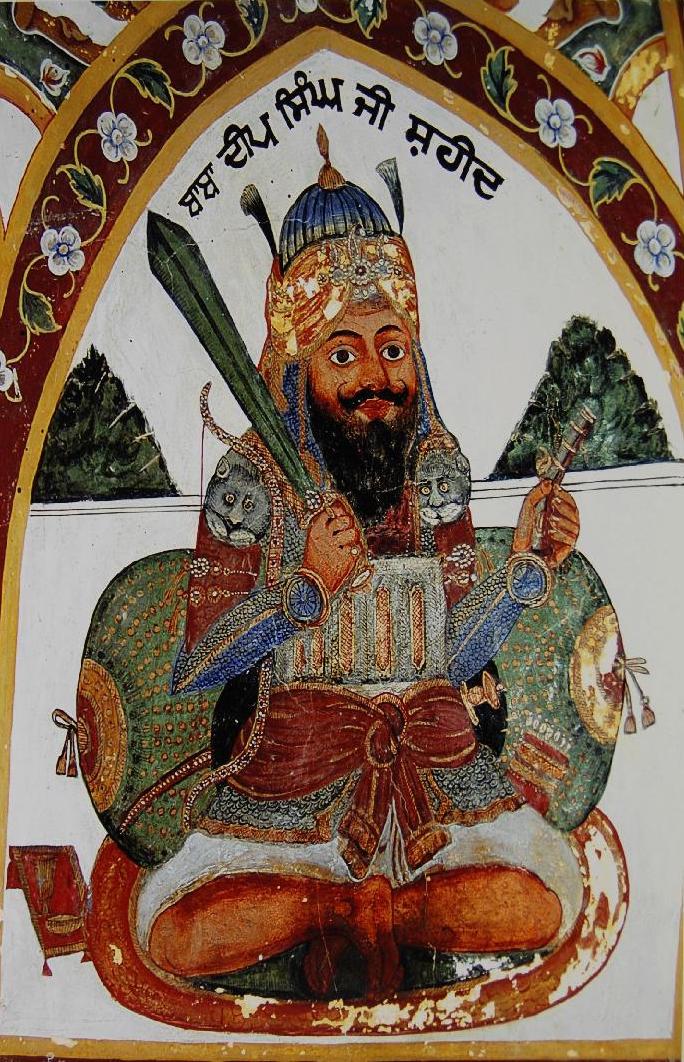
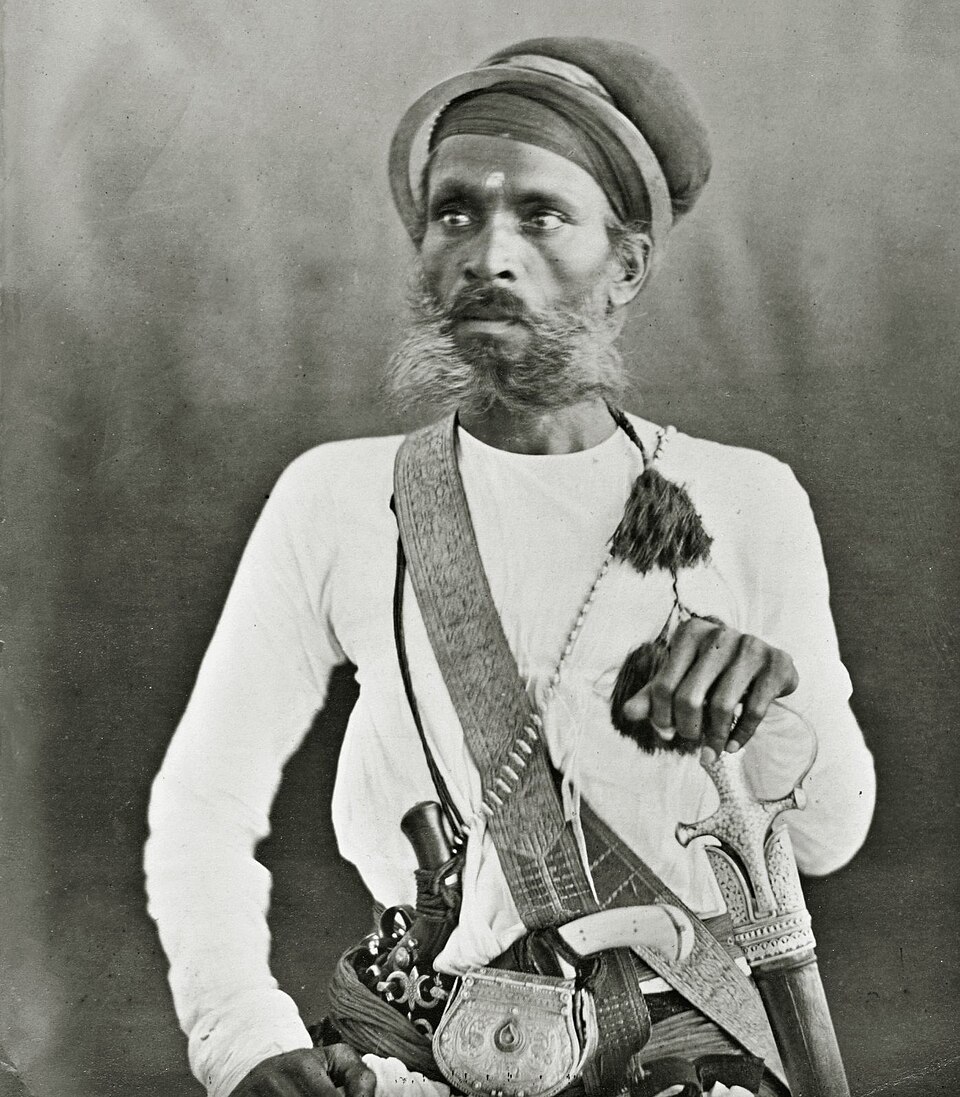
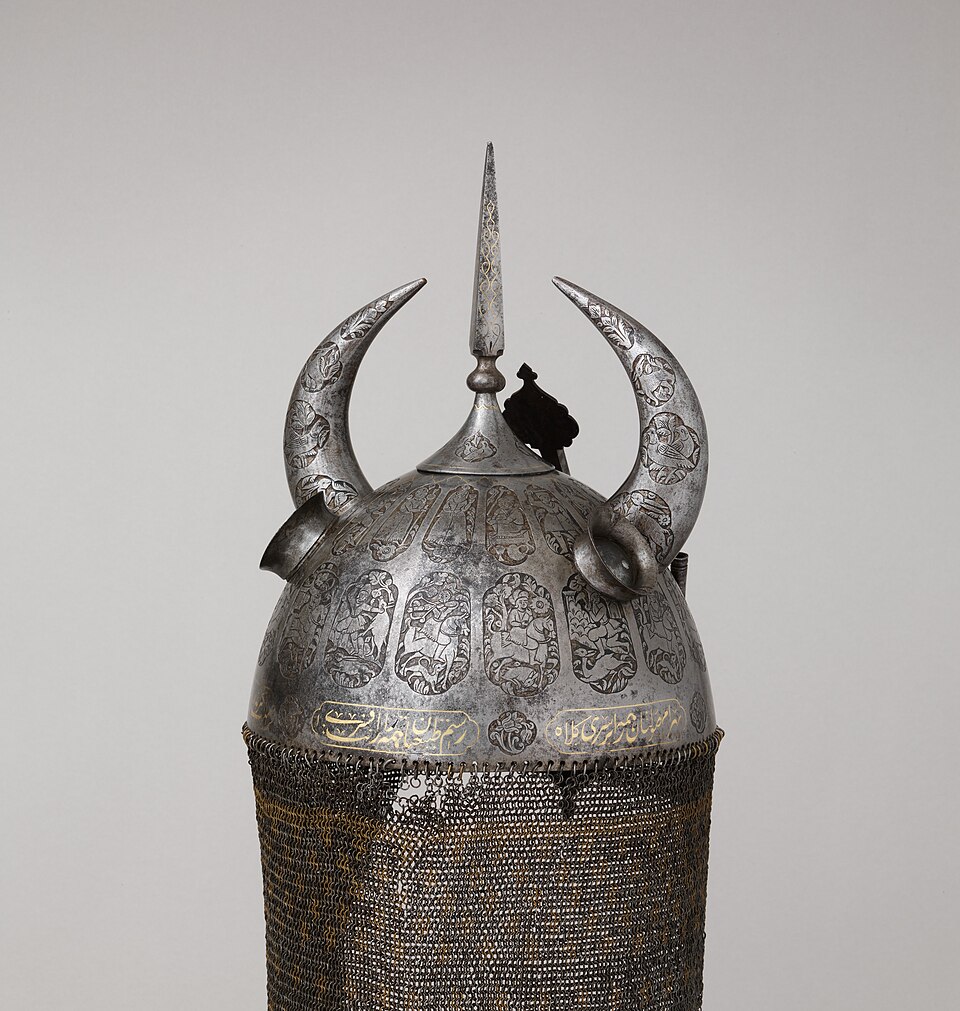
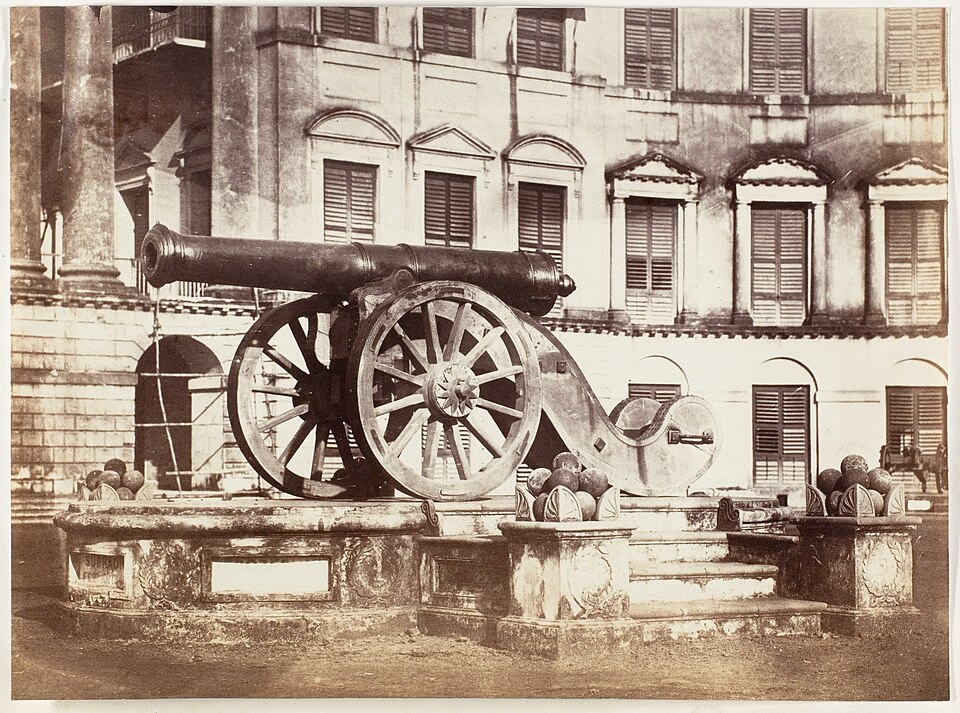
The shastars kept as relics at the gurdwaras, the great Zamzama gun of Lahore, and the steel of the Lahore army that now fills museum cases in Britain.
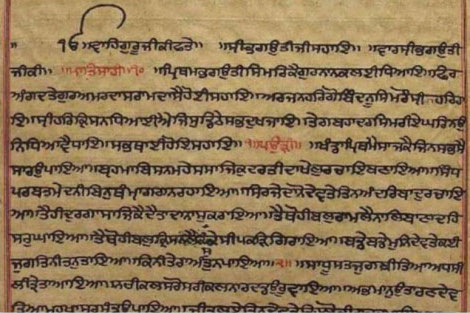
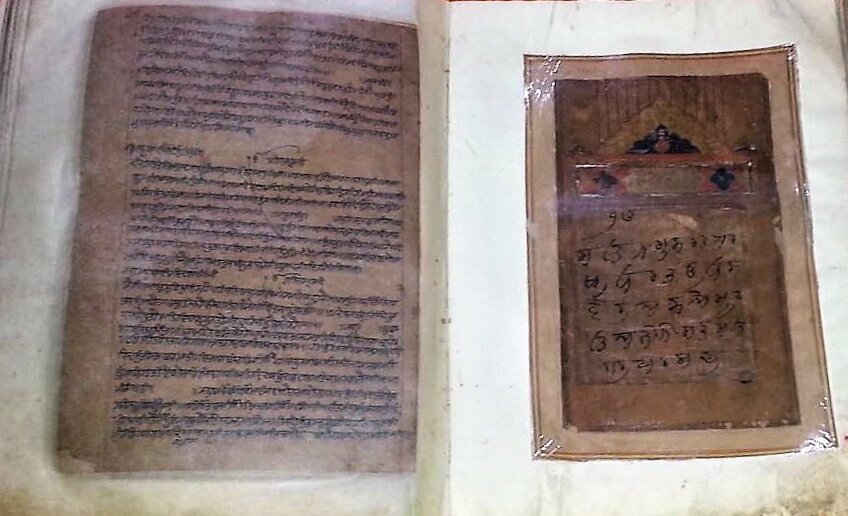
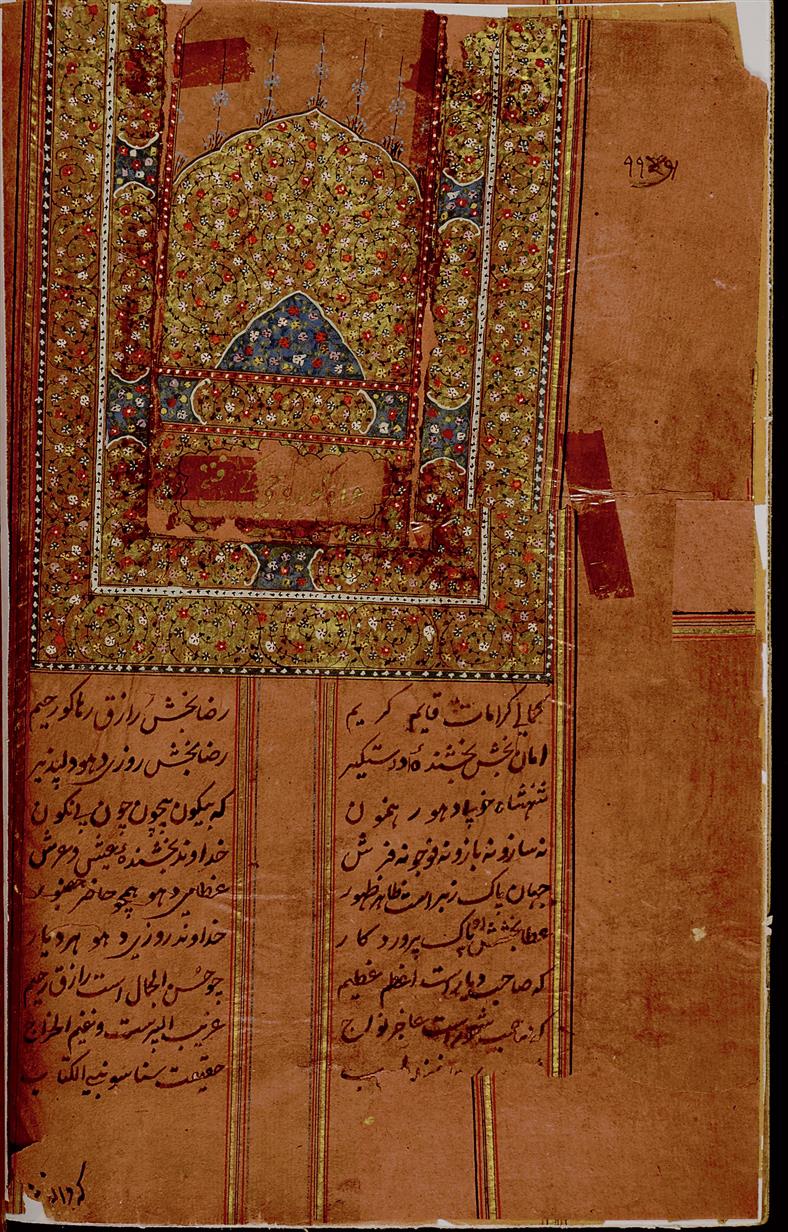
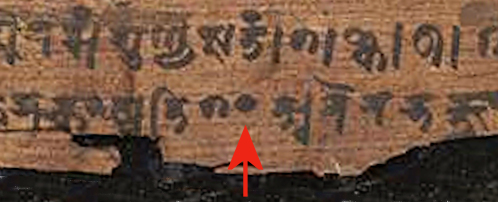
Ashoka's edicts cut in the rock of Gandhara, and, before print, every book written by hand: the earliest pothis of the Sikh scripture are among the most precious manuscripts of the Punjab.
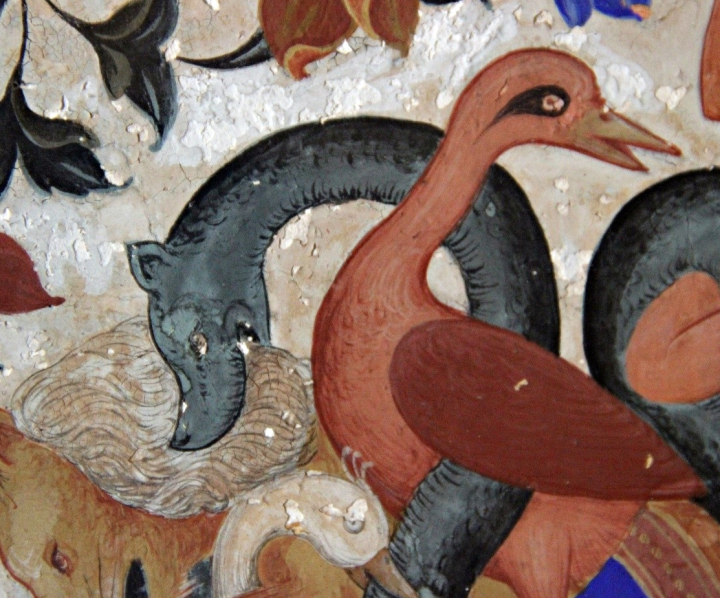
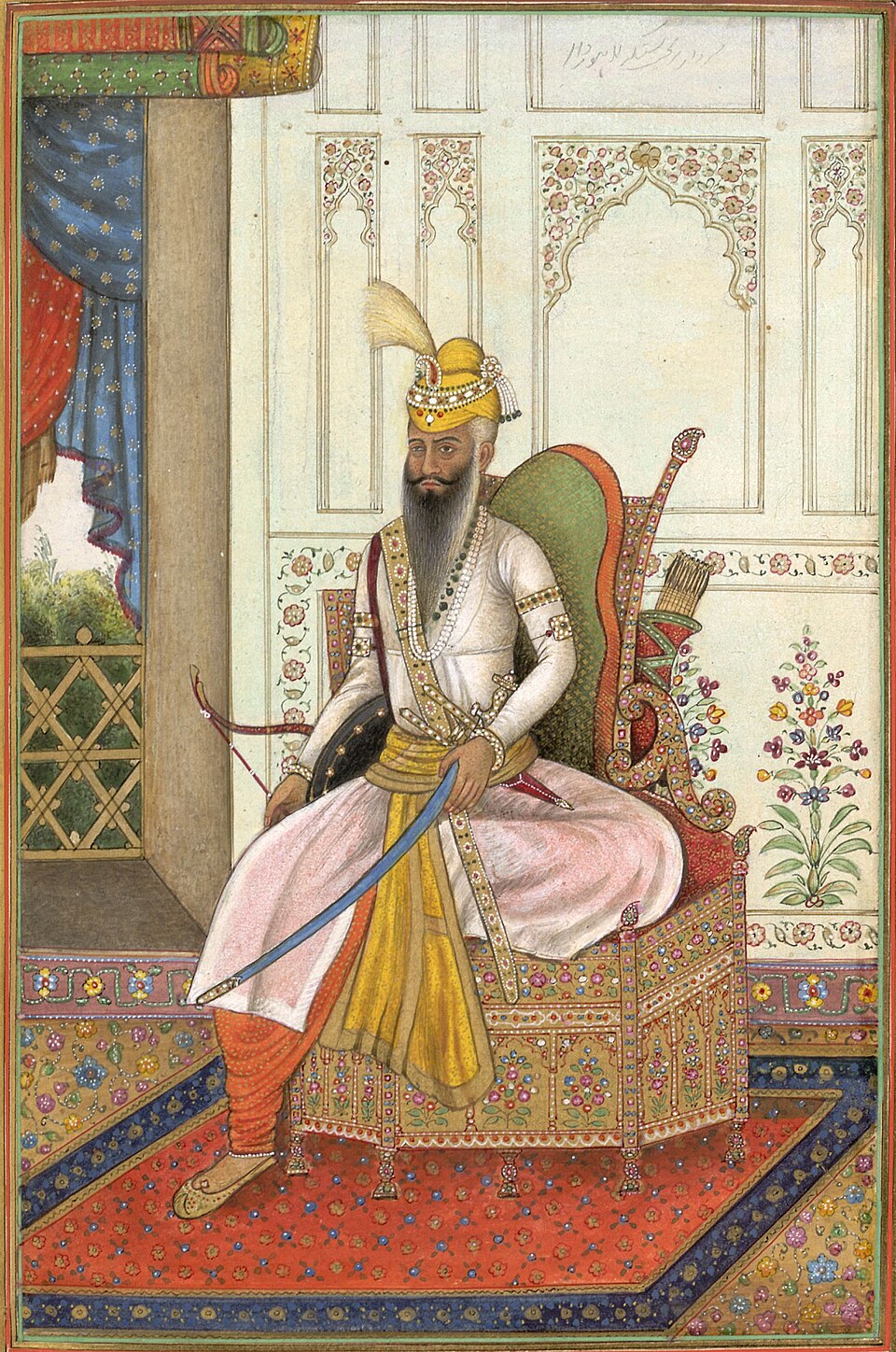
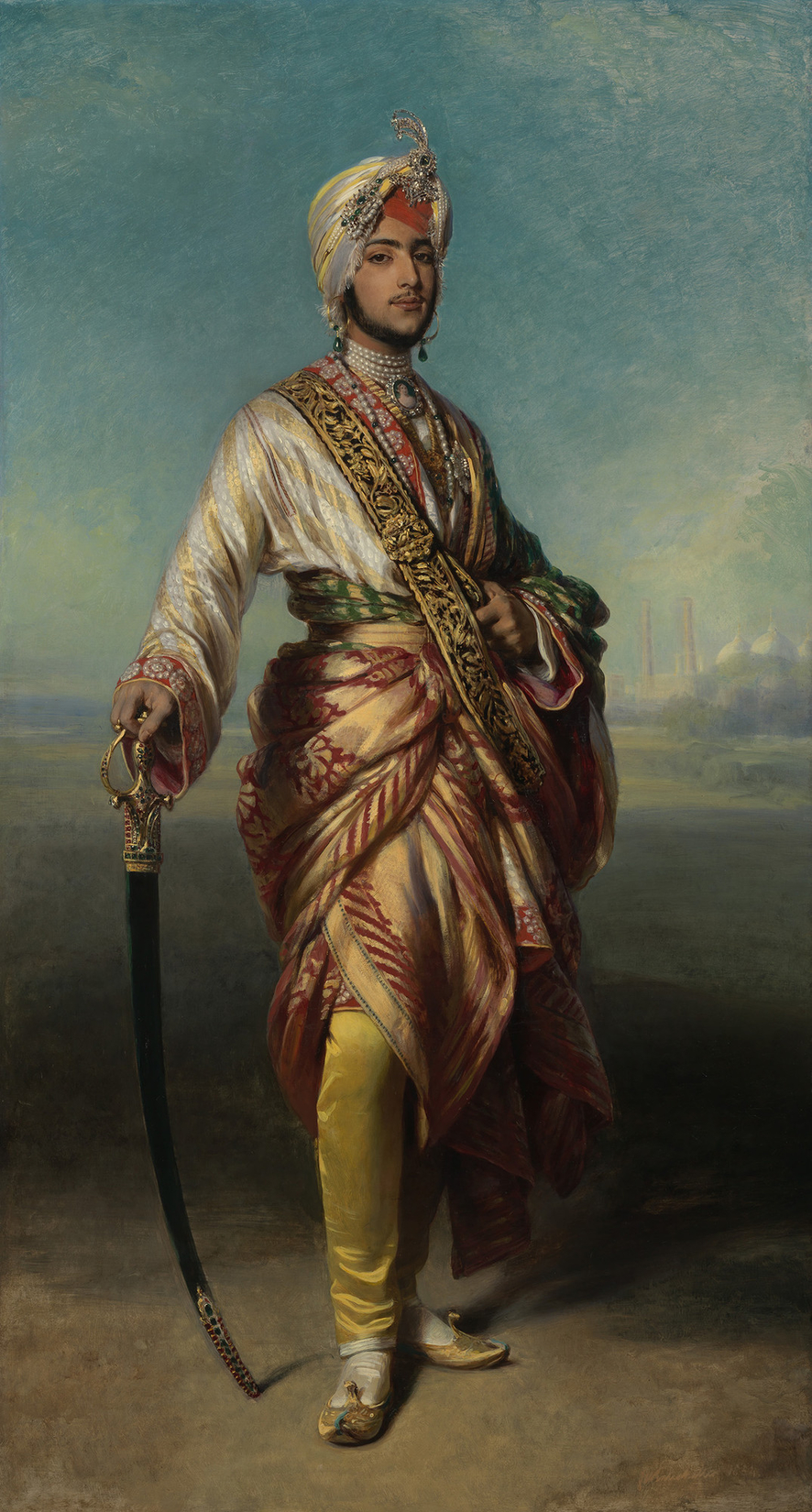
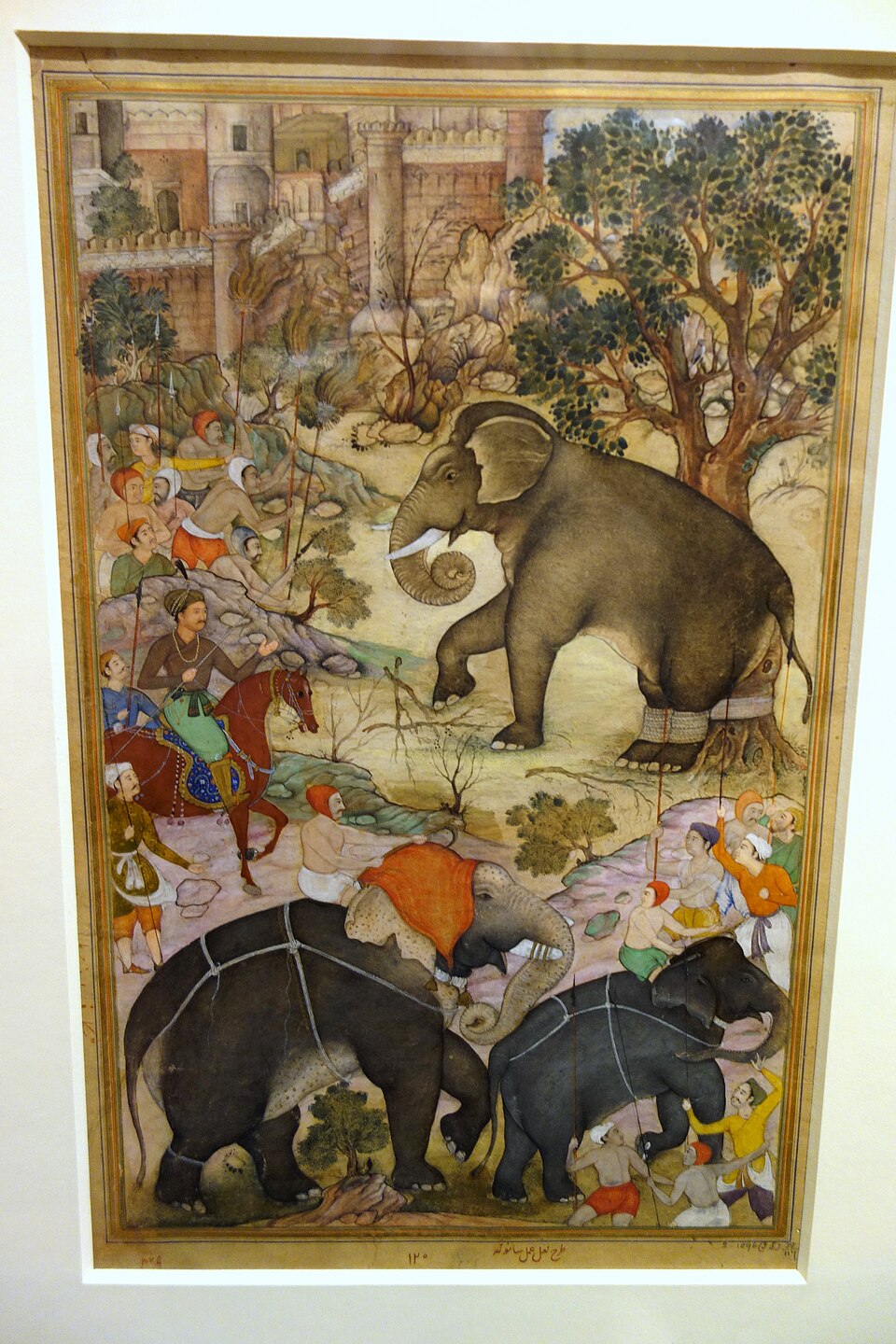
Pahari painters from the hills, Lahore court artists and European visitors painted the Punjab and its people; illustrated janamsakhis told Guru Nanak's life in pictures.
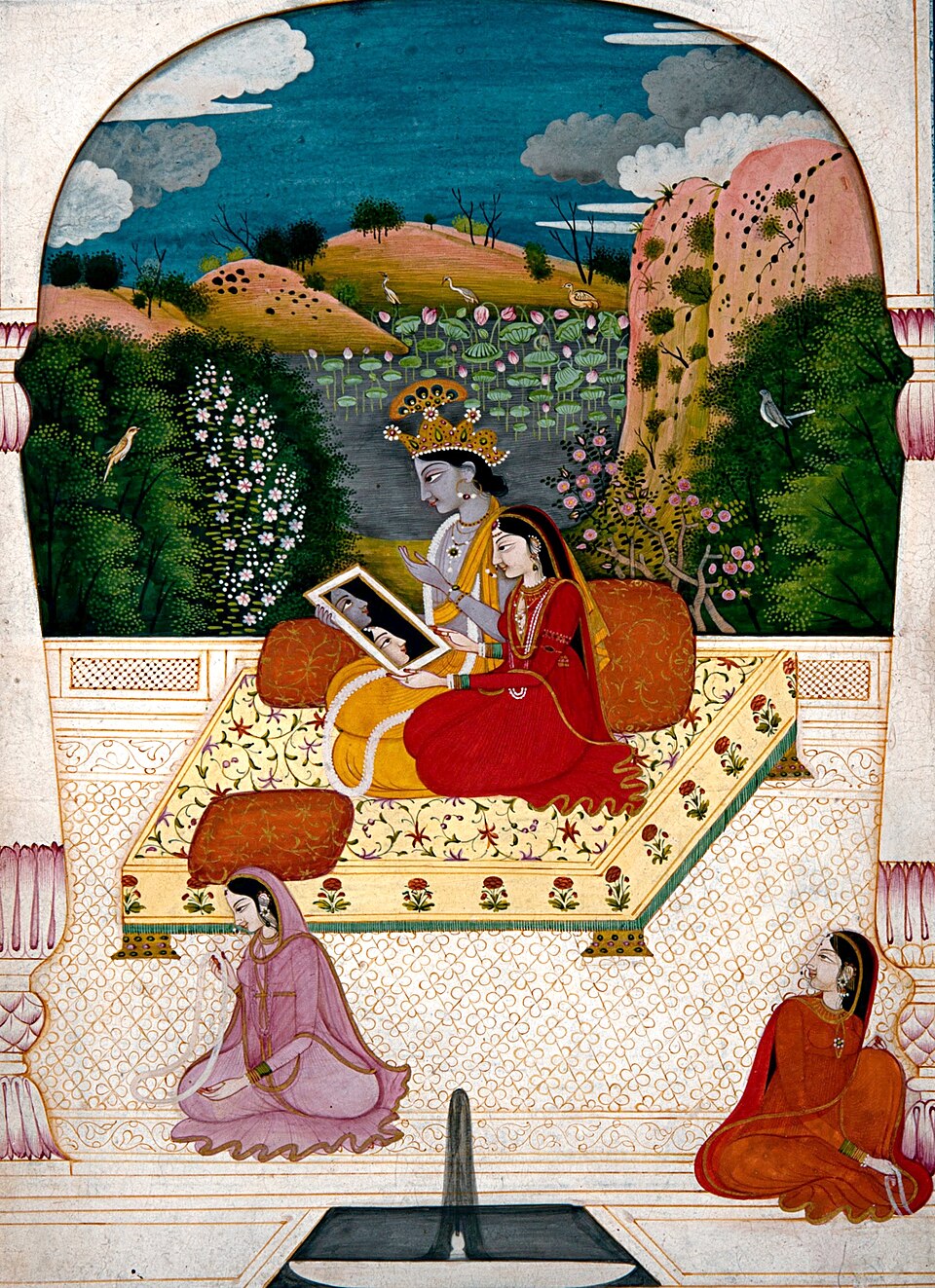
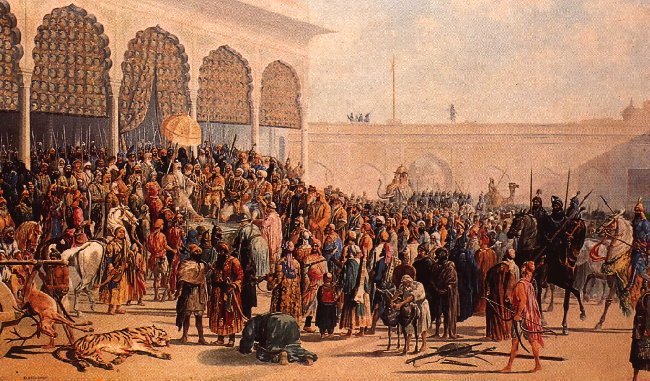
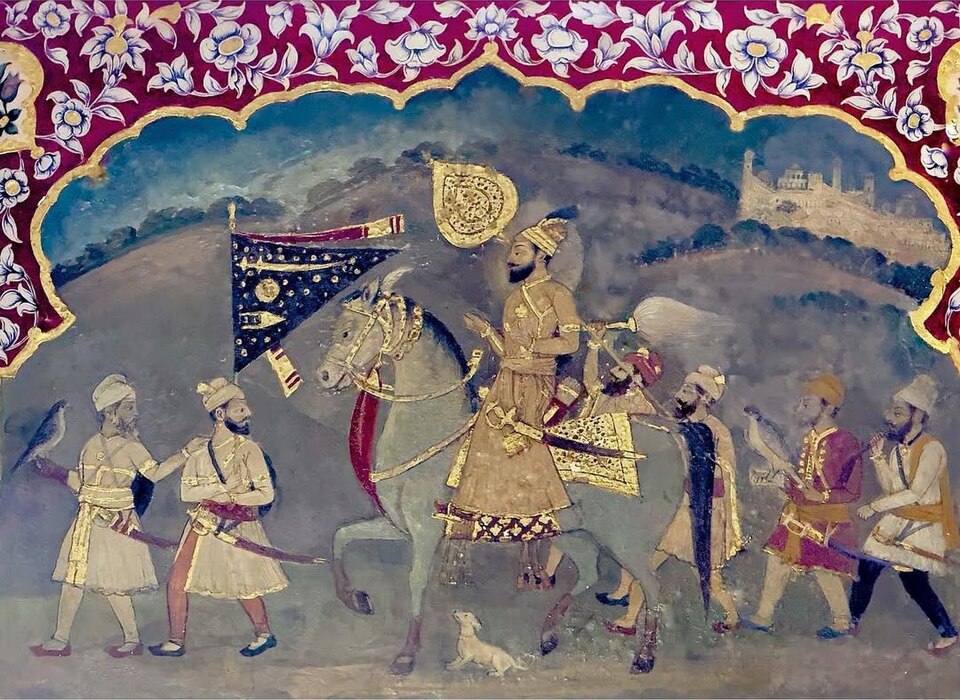
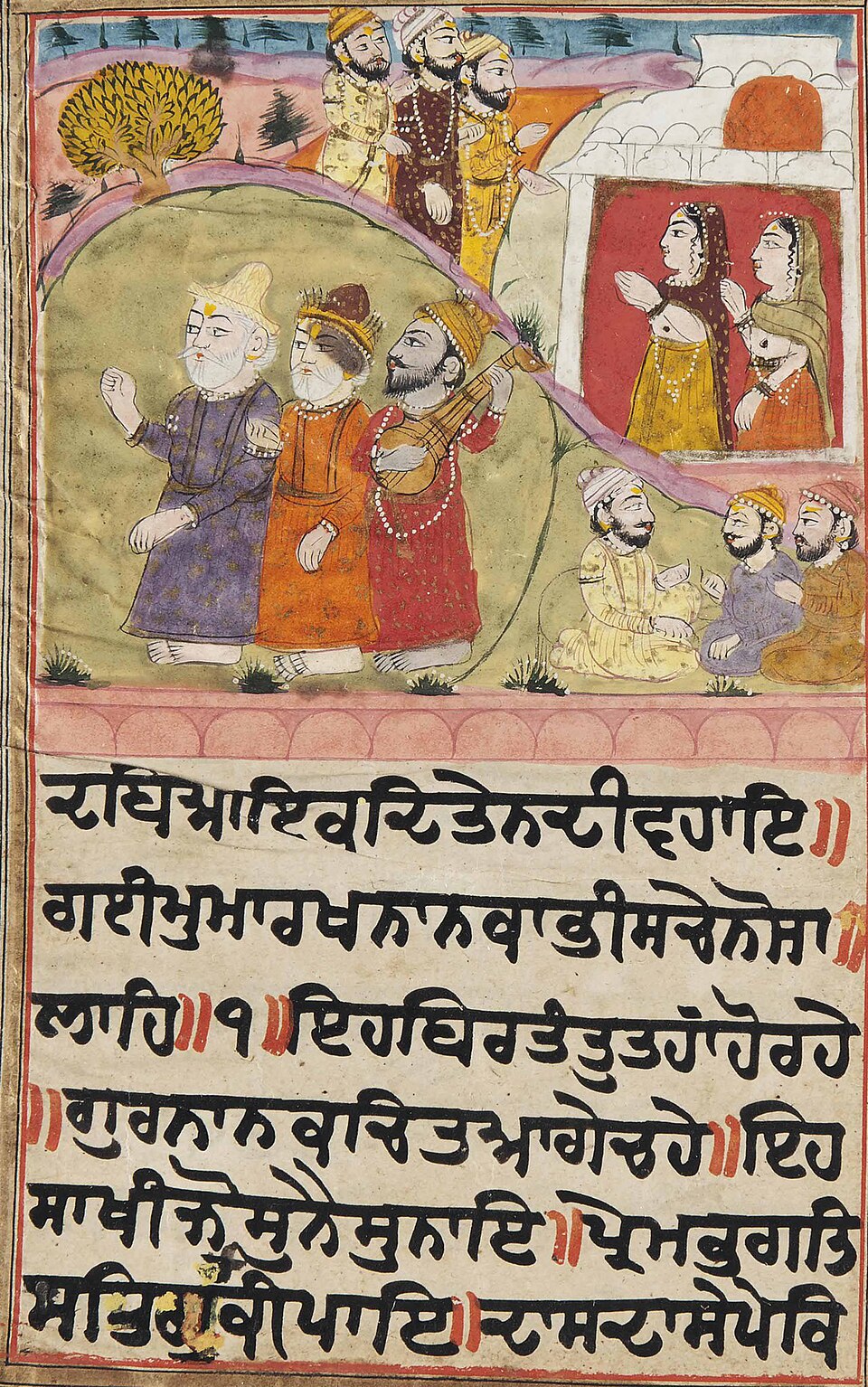
Pahari and Lahore court painting, naqqashi, the janamsakhi illustrators, Sher-Gil, Sobha Singh
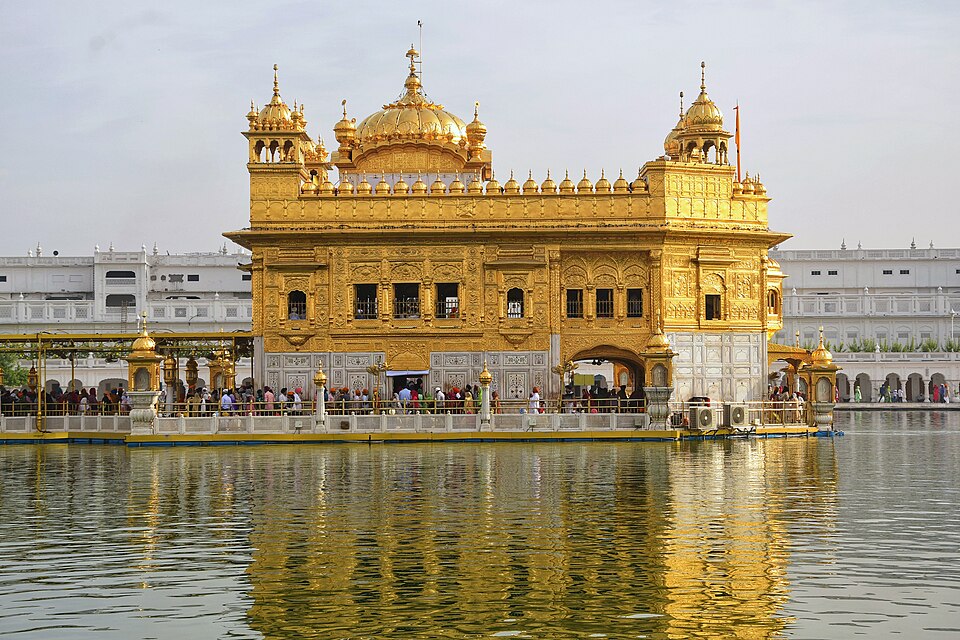
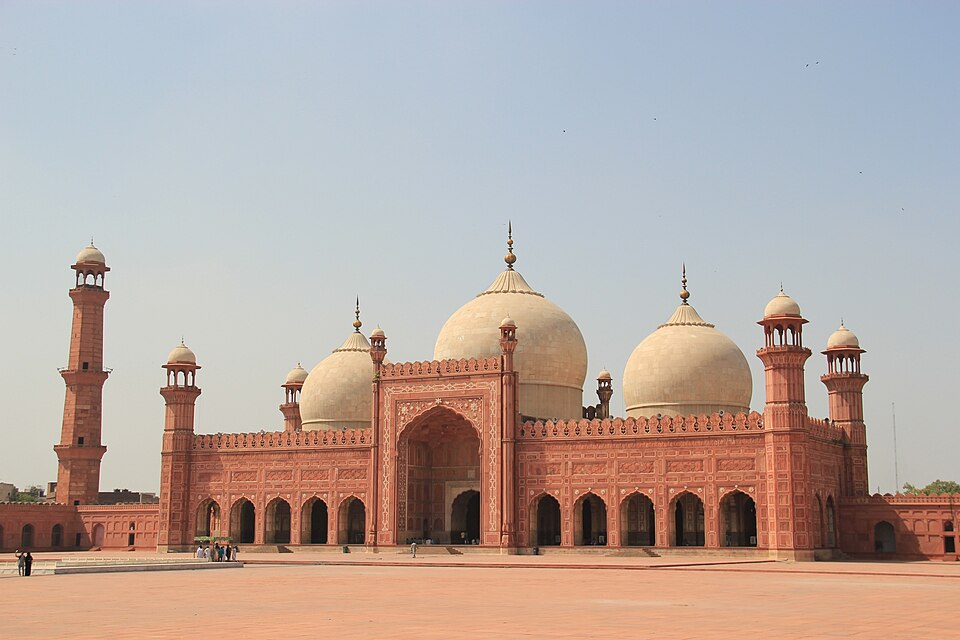
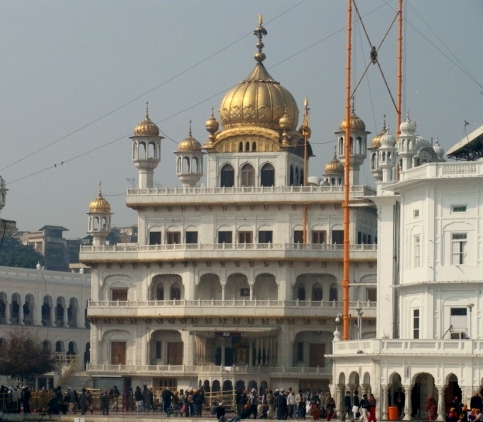
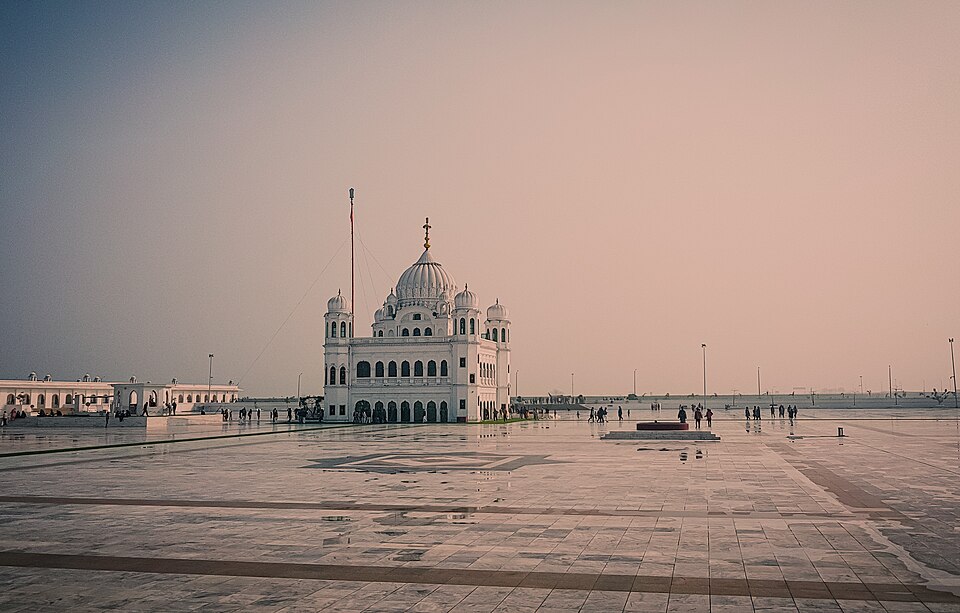
Mosques, temples, gurdwaras, tombs, forts and havelis: Mughal, Rajput and Punjabi forms in brick, marble and glazed tile.
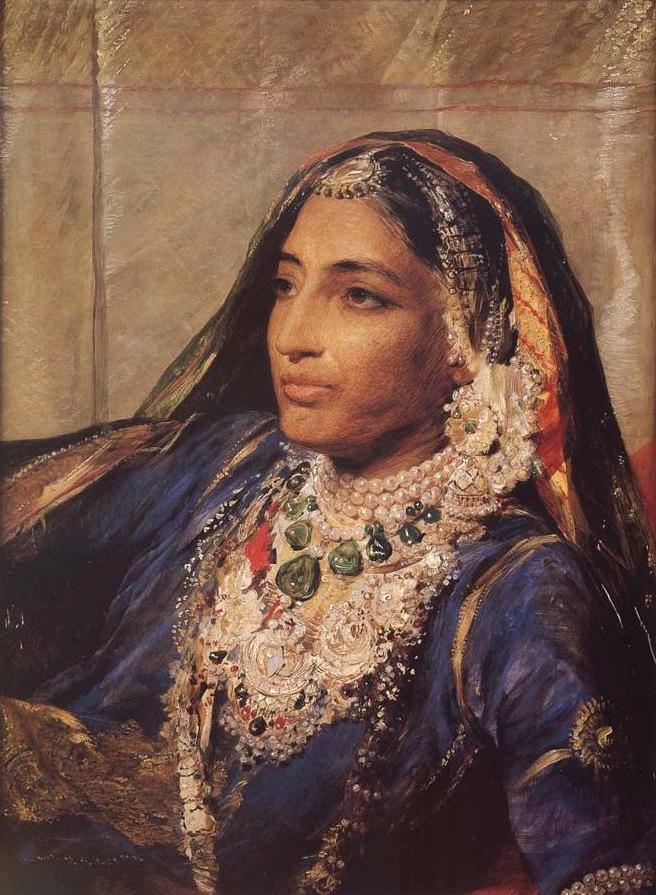
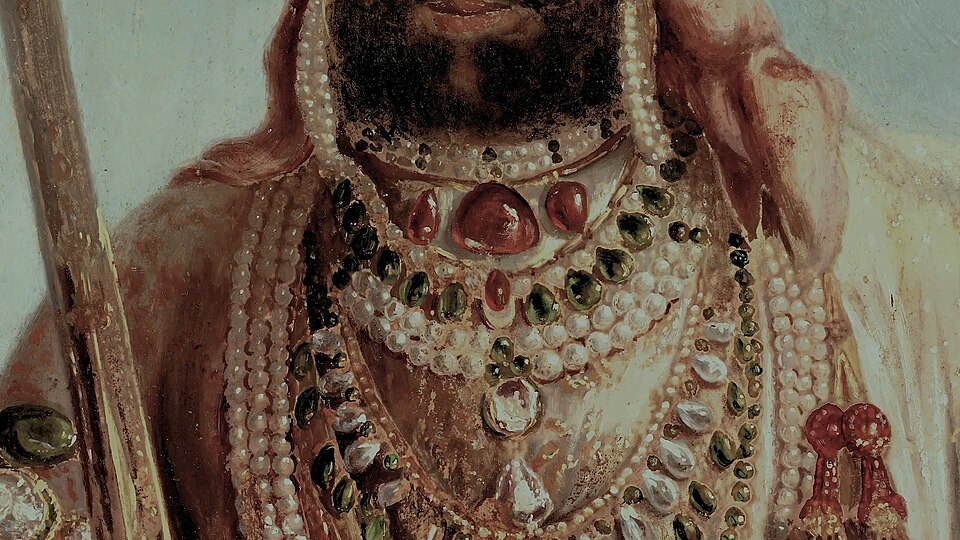
When Punjab was annexed in 1849 the toshakhana, the treasury of the Sikh kings, was auctioned or sent to Queen Victoria.
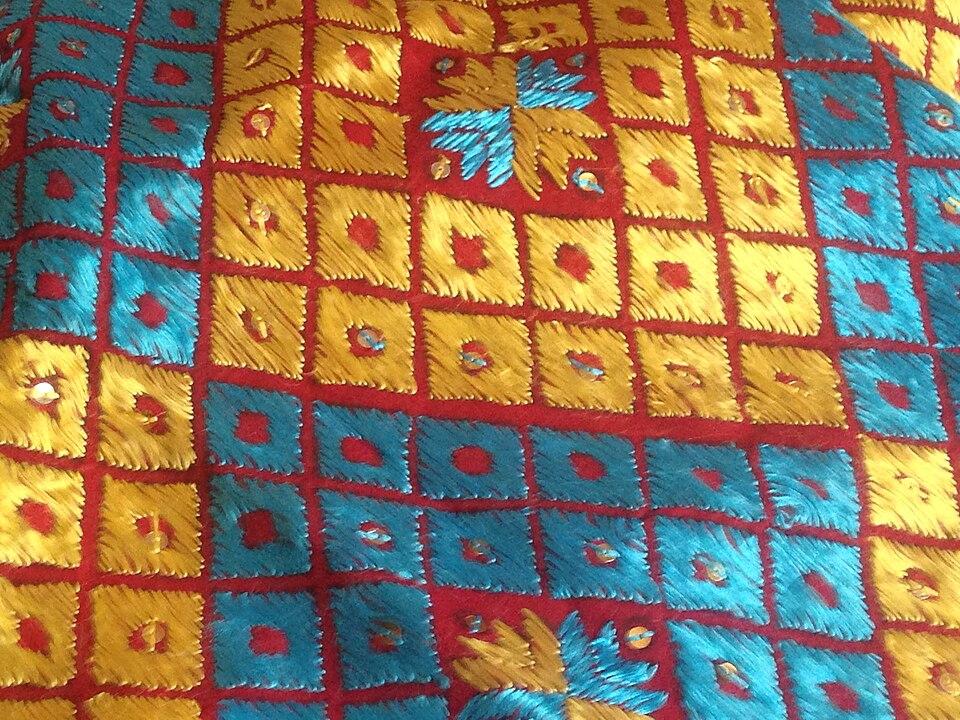
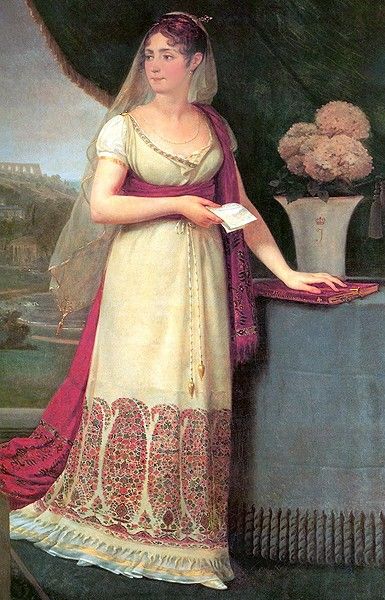
Phulkari and Chamba embroidery, Kashmir shawls, Lahore carpets, Multan's blue pottery, Chiniot's carving and the painted trucks of the Grand Trunk Road.
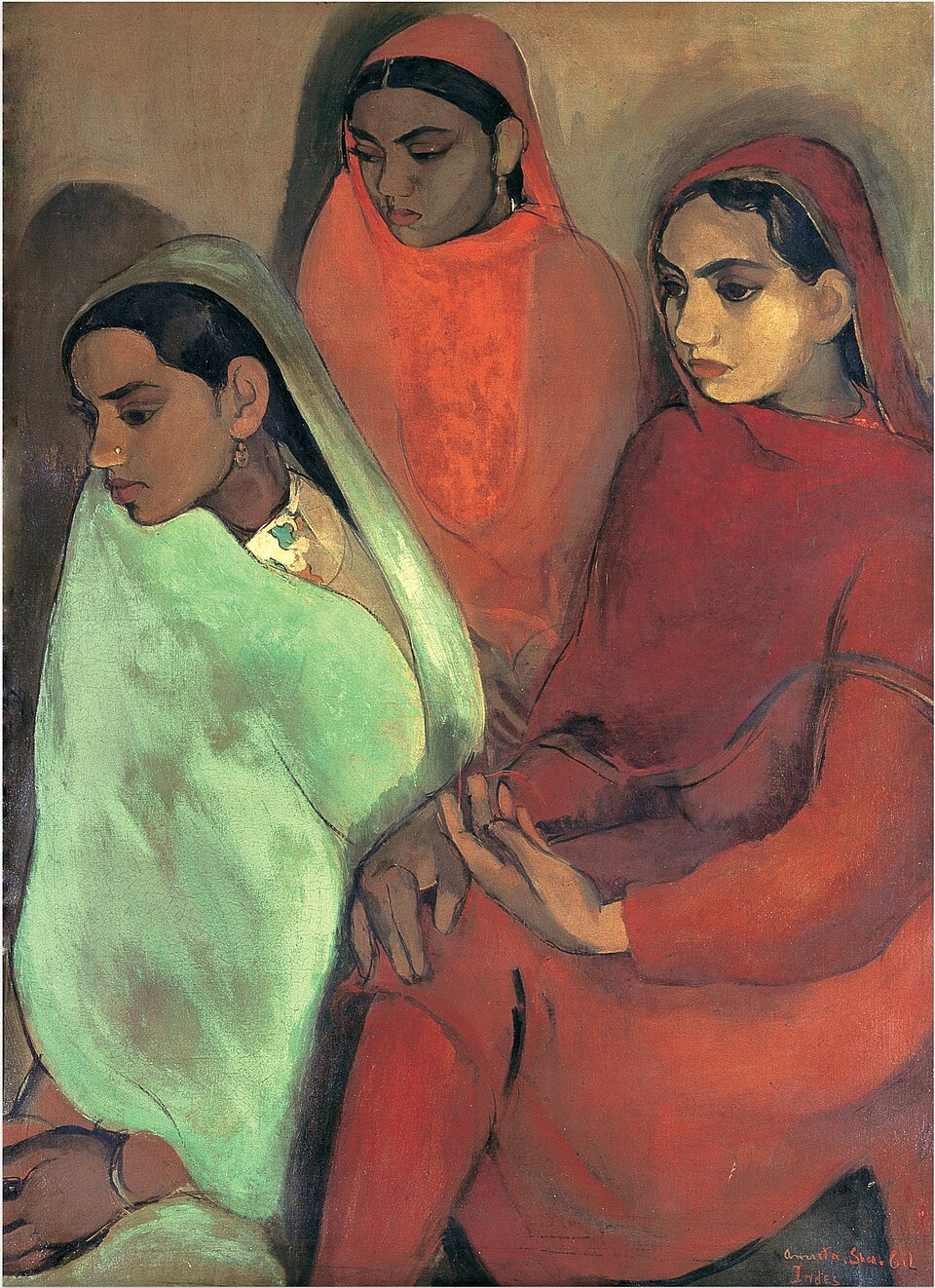
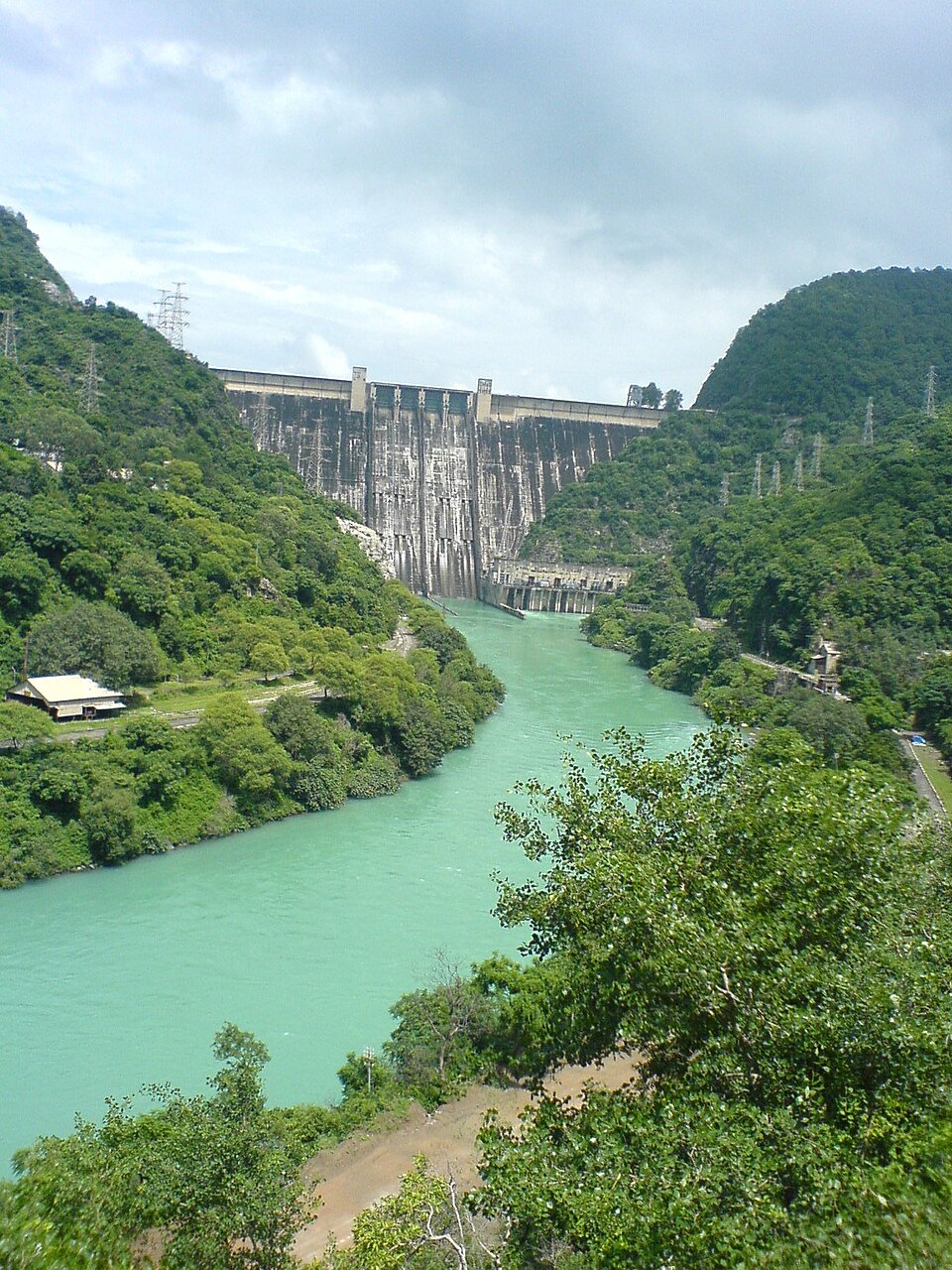
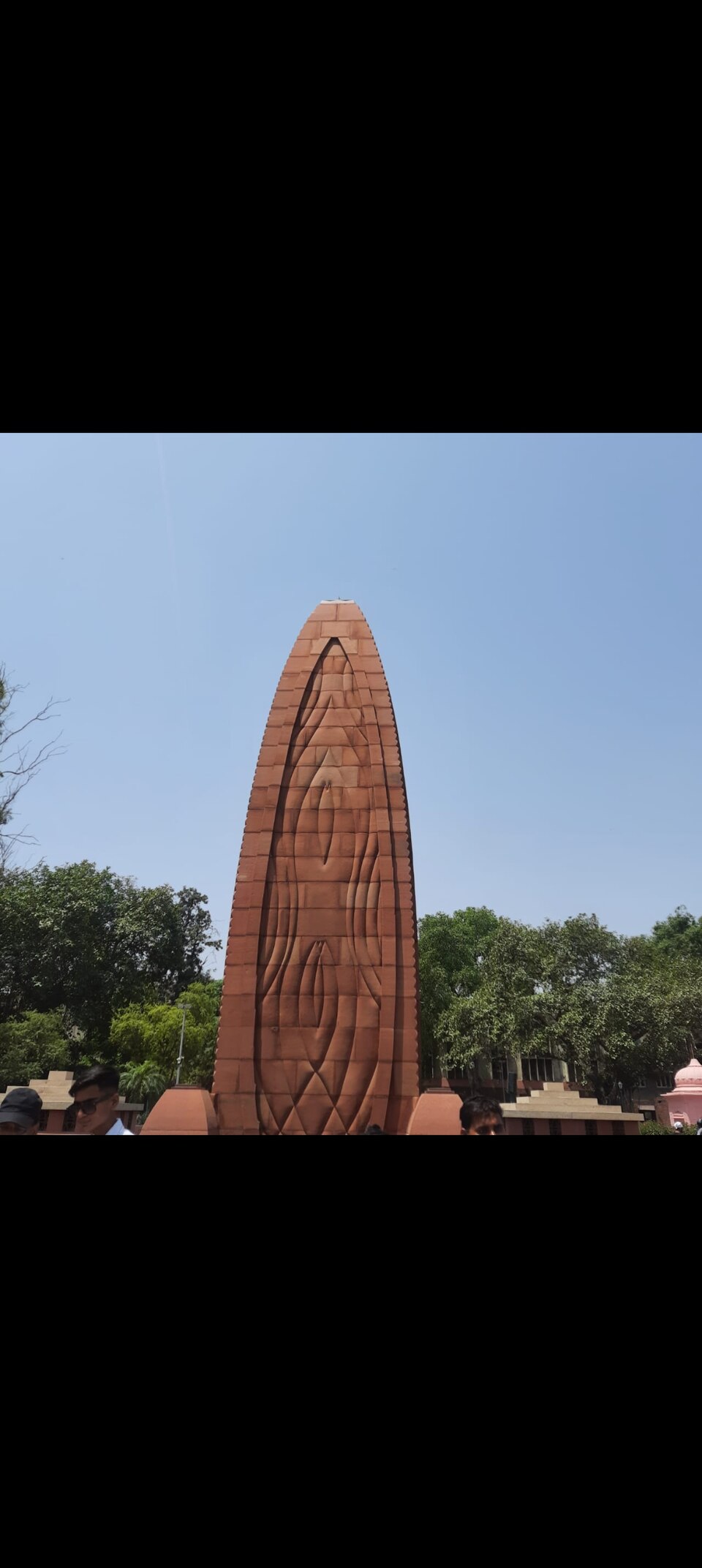
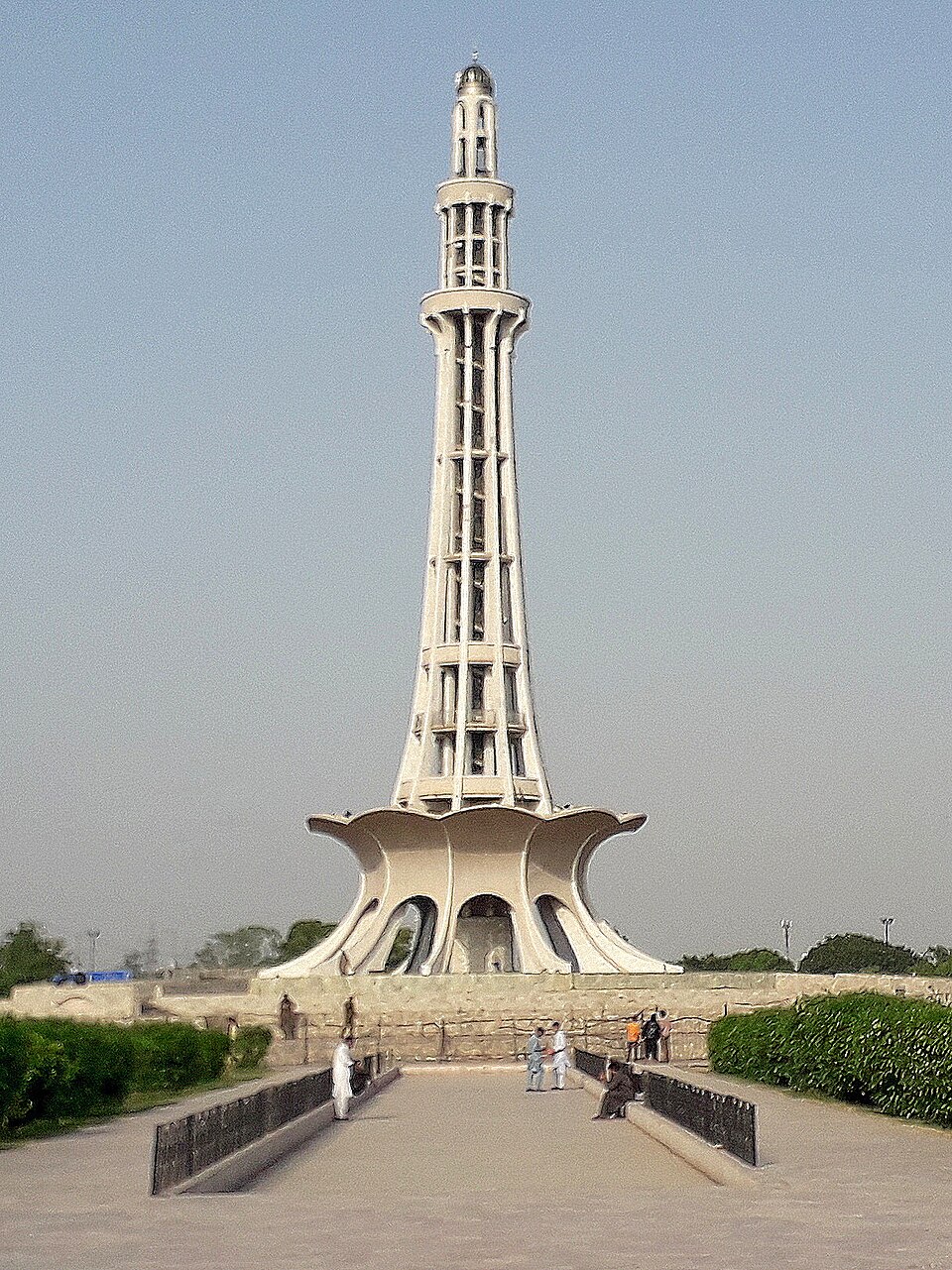
From Amrita Sher-Gil and Chughtai to Le Corbusier's Chandigarh, Nek Chand's Rock Garden and the Minar-e-Pakistan.
Treasures
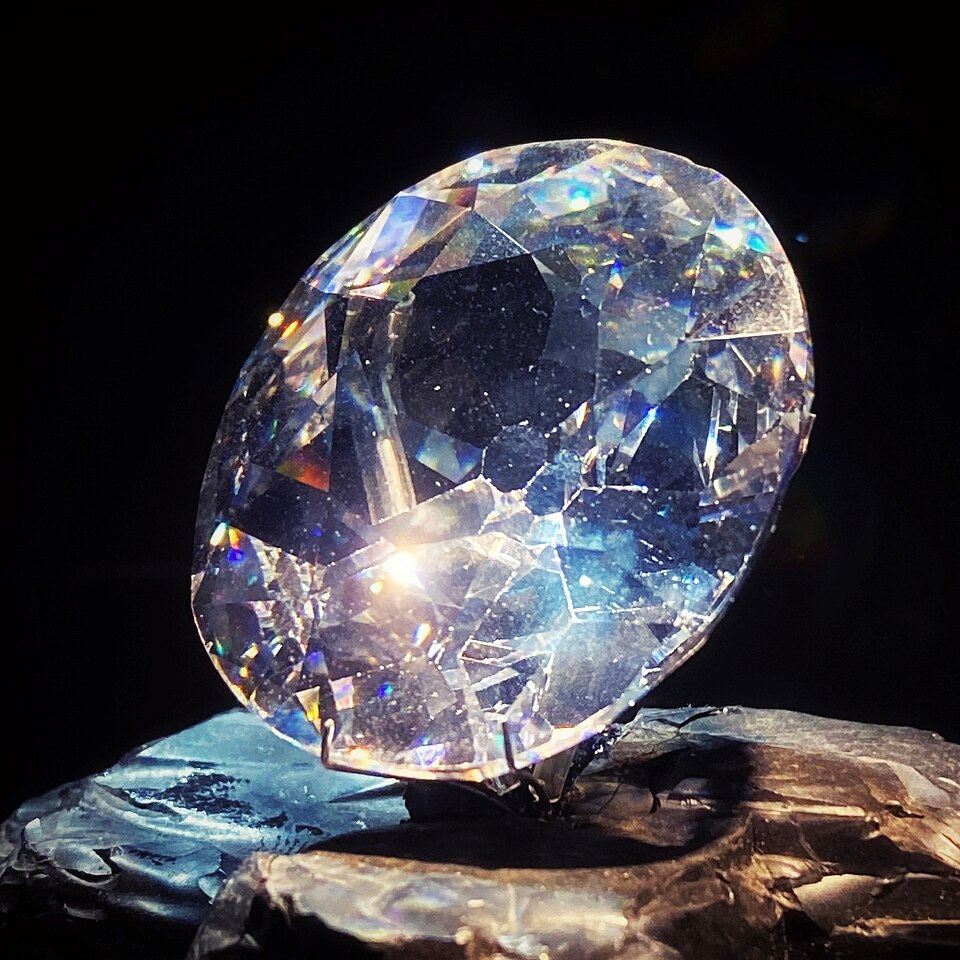
The whole collection →The 'mountain of light', taken from the deposed Afghan king Shah Shuja in 1813. Ranjit Singh wore it on his arm. Under the Treaty of Lahore of 1849 it was surrendered to Queen Victoria, cut down, and set in the British crown jewels.
The inner walls of the Harmandir Sahib are covered in painted flowers, vines and animals, with gilded gesso and mirror work, the work of Sikh artist families such as Bhai Kehar Singh and Bhai Gian Singh Naqqash.
The Sikhs' holiest shrine, set in the middle of the pool of nectar and reached by a causeway, with four doors open to every direction and every caste. Destroyed by Abdali and rebuilt, then gilded and inlaid with marble under Ranjit Singh.
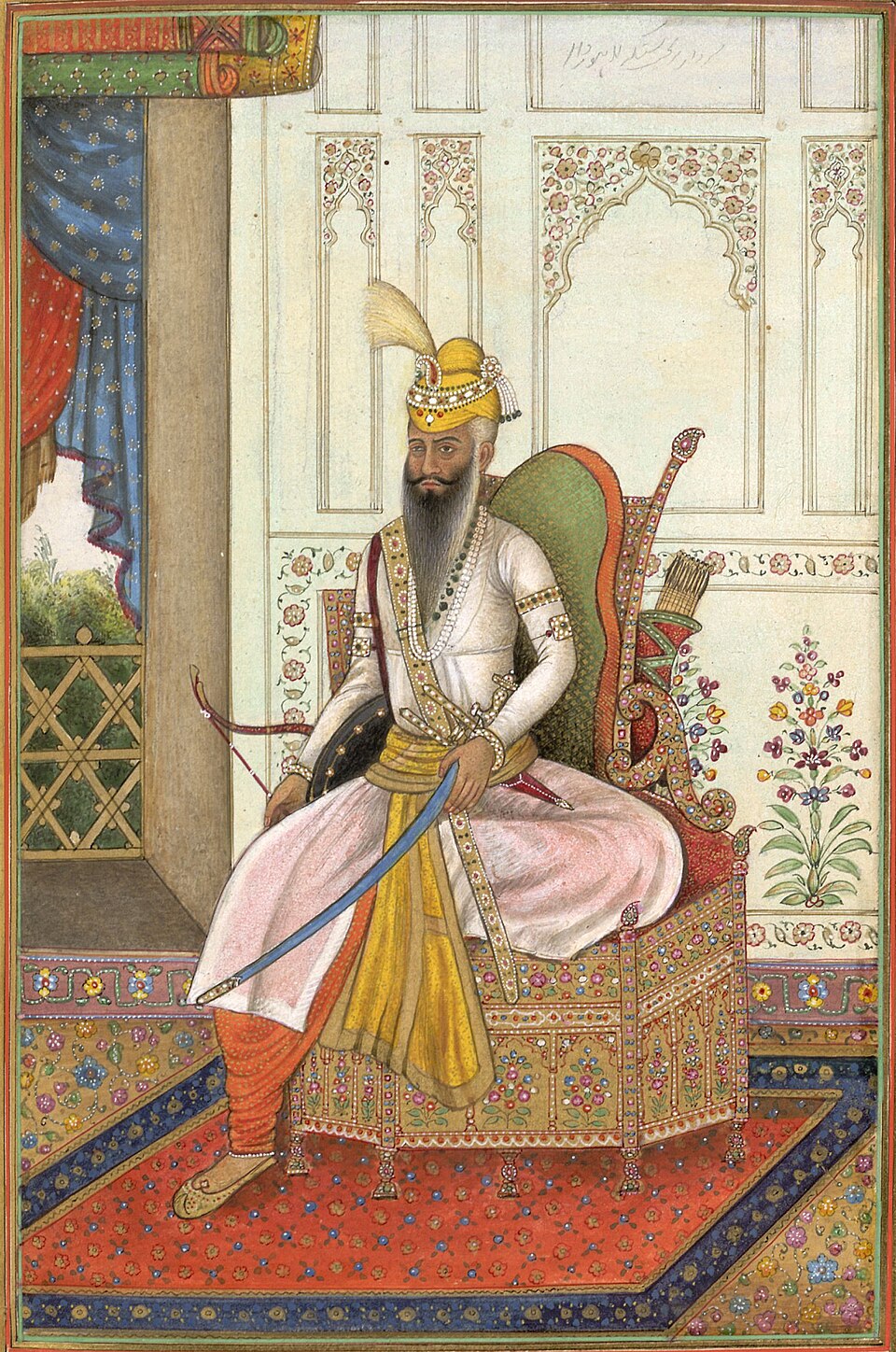
The Maharaja was painted on horseback, at the Golden Temple, and in miniatures sold to travellers; Emily Eden sketched him at his meeting with the Governor-General in 1838.
The final edition of the scripture, with Guru Tegh Bahadur's hymns added, completed at Talwandi Sabo with Bhai Mani Singh as scribe. The original is believed lost in the 18th century; every later copy descends from it.
A copy of the Adi Granth made by Bhai Banno, a Sikh of Mangat, who was sent to Lahore to have the Guru's scripture bound and copied it on the way.
Silver coins struck at Lahore, renamed Mahmudpur, with the Muslim profession of faith translated into Sanskrit.
When the misls took Lahore in 1765 they struck silver rupees bearing the Khalsa couplet Deg Tegh Fateh, and Ranjit Singh's kingdom kept issuing them for eighty years.
From the world's museums
All 5395 →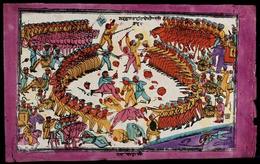 Battle between Sikhs and EnglishWellcome Collection ↗
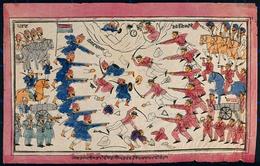 Battle in KabulWellcome Collection ↗
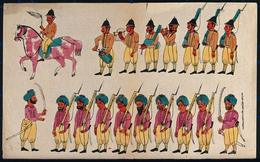 Two rows of soldiers, English and SikhAmritsarWellcome Collection ↗
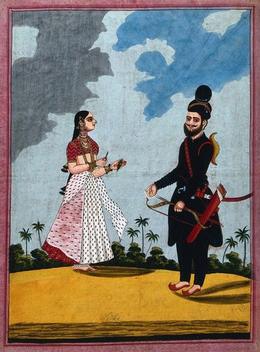 A Sikh soldier with his wife offering him betel leavesWellcome Collection ↗
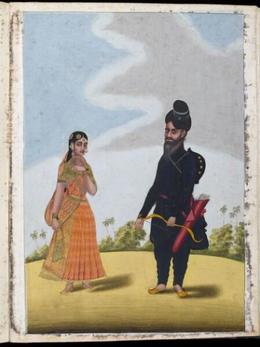 A Sikh coupleca. 1805 · Tanjore© Victoria and Albert Museum, London ↗
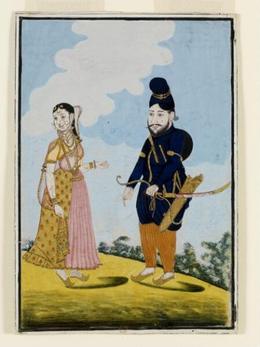 A Sikh Warrior and his wifeca. 1822 · Tanjore© Victoria and Albert Museum, London ↗
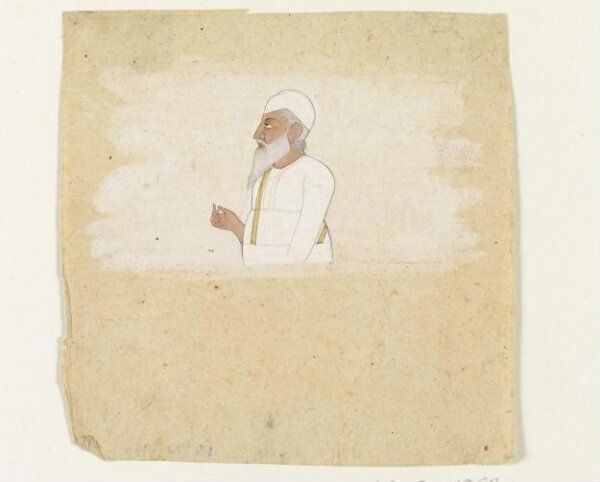 Painting, Punjab Plainca. 1835 - ca. 1845 · Punjab Plain© Victoria and Albert Museum, London ↗
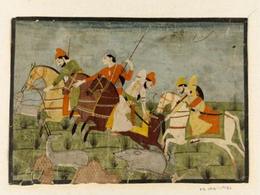 Painting, Punjab Hillsca. 1790 · Punjab Hills© Victoria and Albert Museum, London ↗
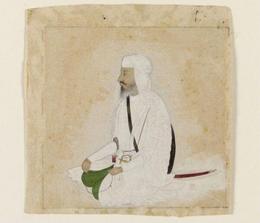 Painting, Lahoreca. 1835 - ca. 1845 · Lahore© Victoria and Albert Museum, London ↗
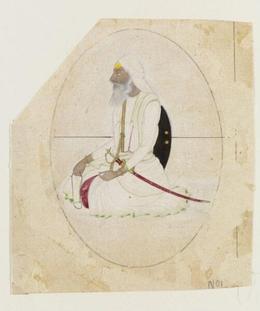 Painting, Lahoreca. 1835 - ca. 1845 · Lahore© Victoria and Albert Museum, London ↗
Where the originals are
After 1849 the treasury of the Lahore court was auctioned or shipped to Britain, and archaeologists sent finds to London. These are the institutions that hold the most objects on this site.
Lahore Museum Lahore
Lahore Fort and its Sikh Gallery Lahore
Taxila Museum Taxila
Peshawar Museum Peshawar
Harappa Museum Harappa
Government Museum, Chandigarh Chandigarh
National Museum, New Delhi New Delhi
The Takhts and gurdwaras Amritsar, Anandpur, Patna, Nanded
British Museum London
British Library London
Victoria and Albert Museum London
Royal Collection Windsor and London
Wallace Collection London
Royal Armouries Leeds
Museums to visit
In the Punjab, and onlineThe great collection of the whole Punjab: Gandhara sculpture, coins, manuscripts, Pahari and Sikh painting, from prehistory to the present.
LahorePunjab Cultural Museum, PILAC ↗The Punjab Institute of Language, Art and Culture's museum of Punjabi language, arts and everyday life.
LahoreThe Sikh Gallery, Lahore Fort ↗The Princess Bamba Collection of Sikh court painting and objects.
TaxilaTaxila Museum ↗Finds from the three cities of Taxila and the Buddhist monasteries around them.
PeshawarPeshawar Museum ↗One of the finest collections of Gandhara sculpture, and the Kanishka casket.
Anandpur SahibVirasat-e-Khalsa ↗The story of the Punjab told through the Gurus and the birth of the Khalsa.
AmritsarPartition Museum ↗Family objects, letters, oral histories and art from 1947, in the old Town Hall.
AmritsarCentral Sikh Museum ↗Paintings, coins, manuscripts and weapons in the Harmandir Sahib complex.
ChandigarhGovernment Museum and Art Gallery ↗Gandhara sculpture and one of the best collections of Pahari painting.
OnlineAnglo Sikh Virtual Museum ↗Objects of the Sikh Empire and the Anglo-Sikh wars from collections around the world, in 3D.
OnlinePanjab Digital Library ↗Millions of pages of manuscripts, books and newspapers of the Punjab, in every script and from every faith.
OnlineLahore Museum on Google Arts & Culture ↗A selection of the Lahore Museum's objects, photographed in detail.
No museum yet covers the whole Punjab, across the border and every faith, the way this site tries to; the Lahore Museum comes closest. Know of an object that should be here? Tell us.