The kalgi of Guru Gobind Singh
The jewelled turban plume of Guru Gobind Singh, kept as a relic by the Lahore court and lost after 1849.
Guru Gobind Singh wore a kalgi, a jewelled plume, in his turban, and Sikhs call him Kalgidhar, the wearer of the plume. A kalgi said to be his was kept in the Lahore treasury as a holy relic.
After annexation it was listed among the treasures sent to Calcutta, and it has not been seen since. Jewelled Mughal plumes in the Victoria and Albert Museum are sometimes said to be connected with it.
More treasures of the lahore court
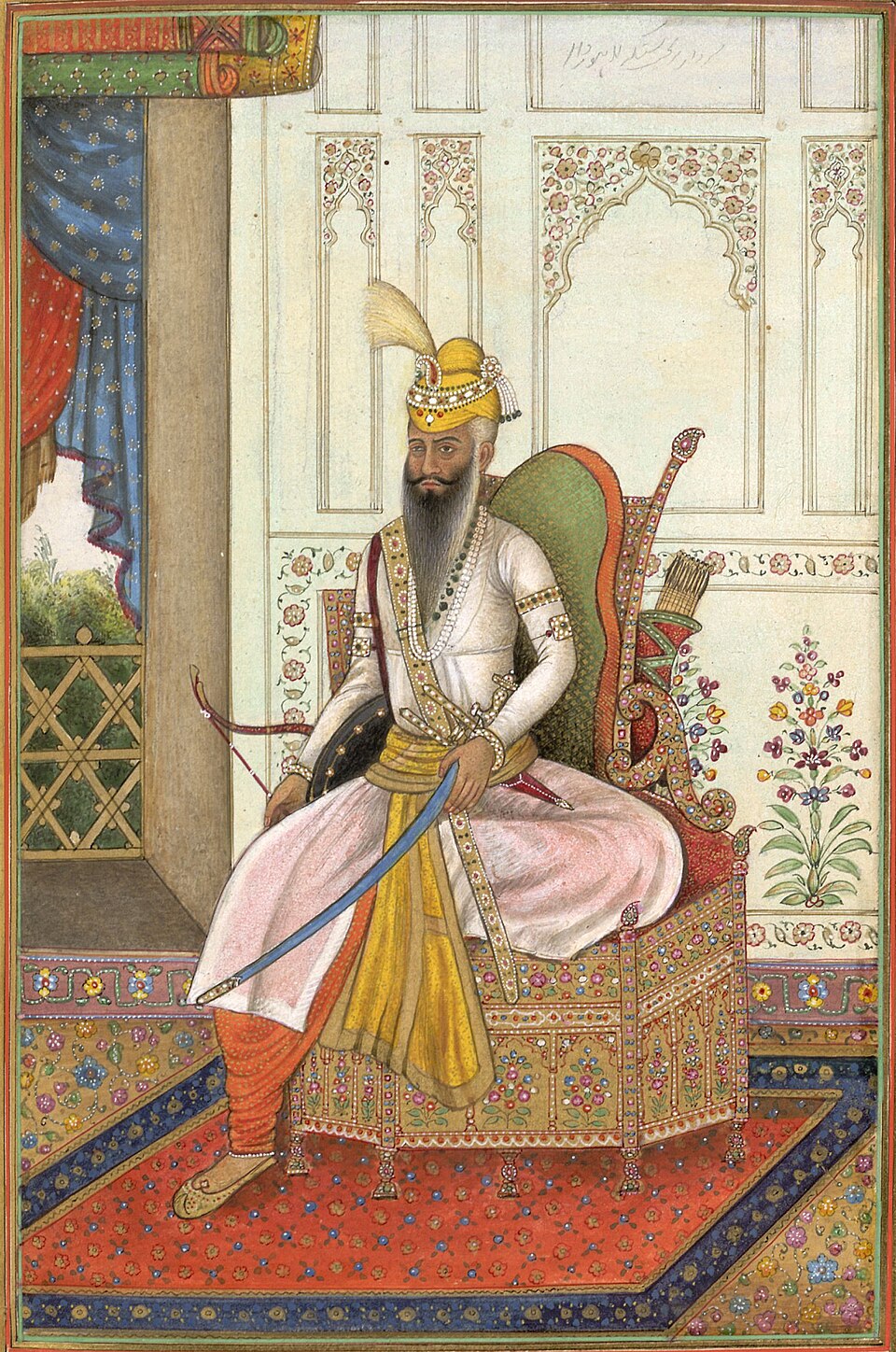
Made by the goldsmith Hafez Muhammad Multani, an eight-lobed throne on a lotus-petal base. It passed to the East India Company in 1849 and has been in London ever since.
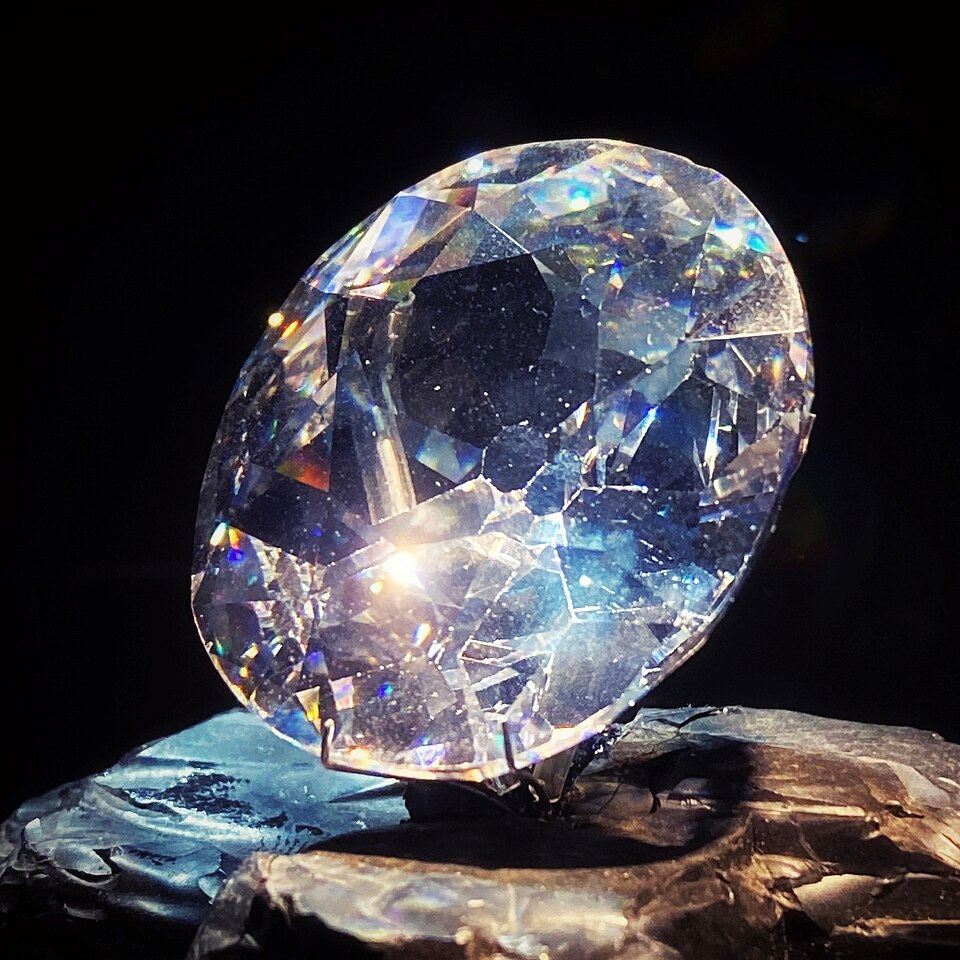
The 'mountain of light', taken from the deposed Afghan king Shah Shuja in 1813. Ranjit Singh wore it on his arm. Under the Treaty of Lahore of 1849 it was surrendered to Queen Victoria, cut down, and set in the British crown jewels.
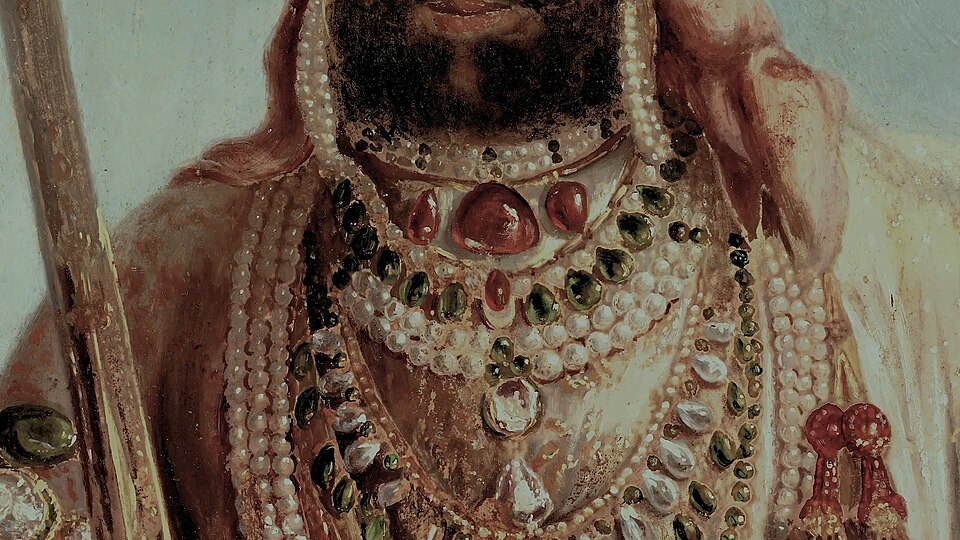
A huge spinel engraved with the names of Mughal emperors, held in the Lahore treasury and sent to Queen Victoria in 1851.
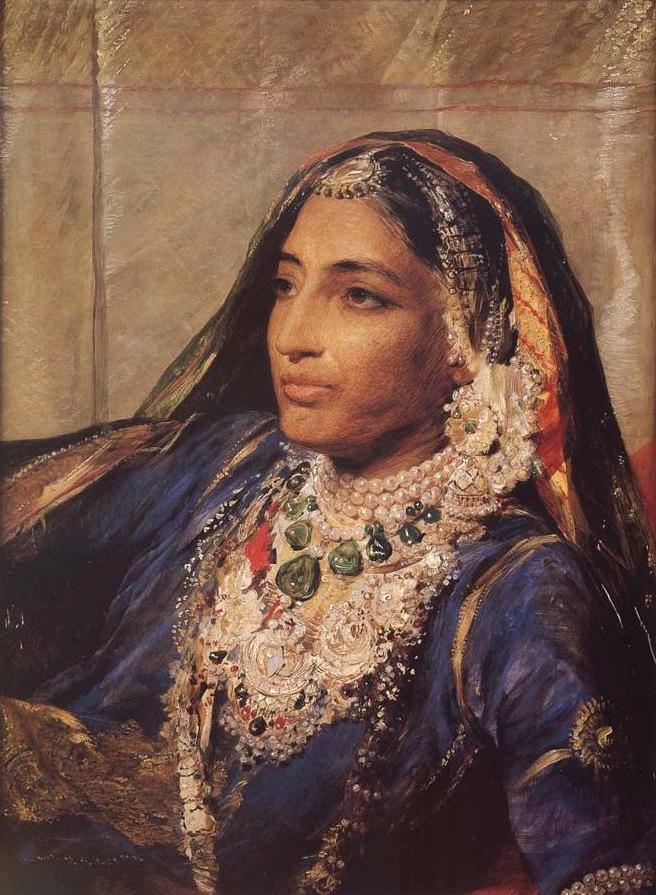
Jewellery of Ranjit Singh's youngest queen, confiscated by the British and partly returned to her in exile; pieces resurfaced at auction in the 21st century.
The emerald girdleEarly 19th centuryA gold belt set with nineteen great emeralds from the Lahore treasury, remade for Queen Victoria.
The jewelled sword for England1830sA sword and scabbard set with 225 diamonds, 268 rubies, 381 emeralds and 517 pearls, made as Ranjit Singh's gift to England.
Swords of the defeatedCollected 1800 – 1839Swords of Ranjit Singh's rivals, from the Afghan vizier Fateh Khan to the Maratha Holkar, and one said to be the hero Rustam's.
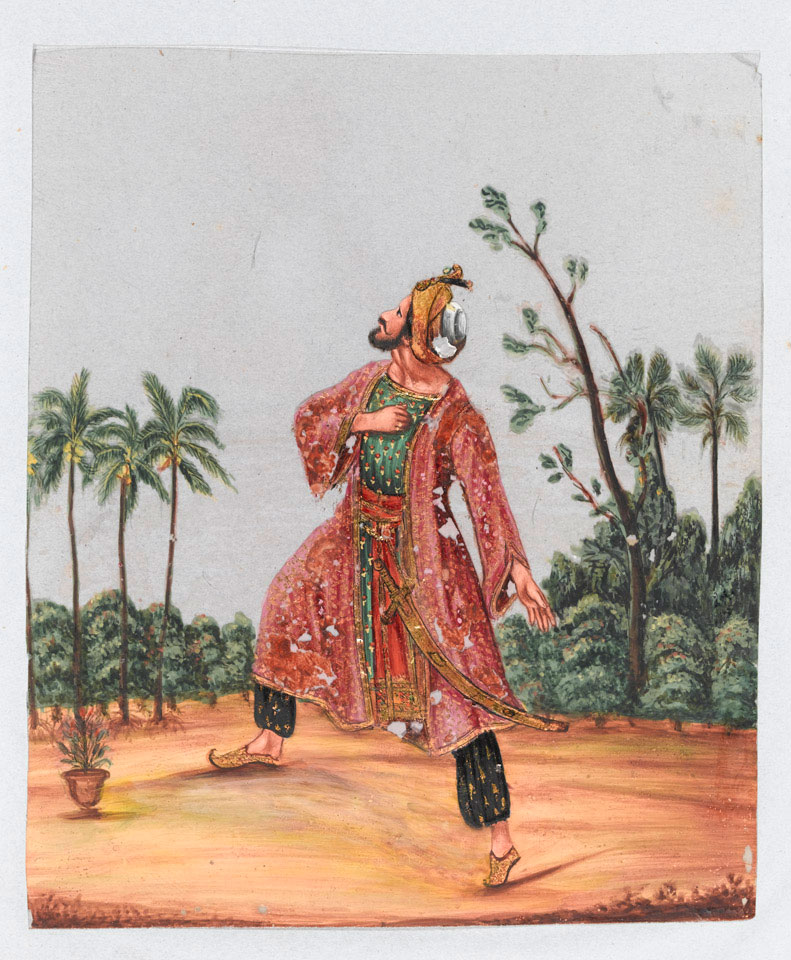
The throne of the exiled Afghan king who gave up the Koh-i-Noor to Ranjit Singh in 1813.
The relics of the ProphetKept 1799 – 1849Hair and sandals said to be the Prophet Muhammad's and a Quran in old Kufic script, kept with honour by a Sikh court.
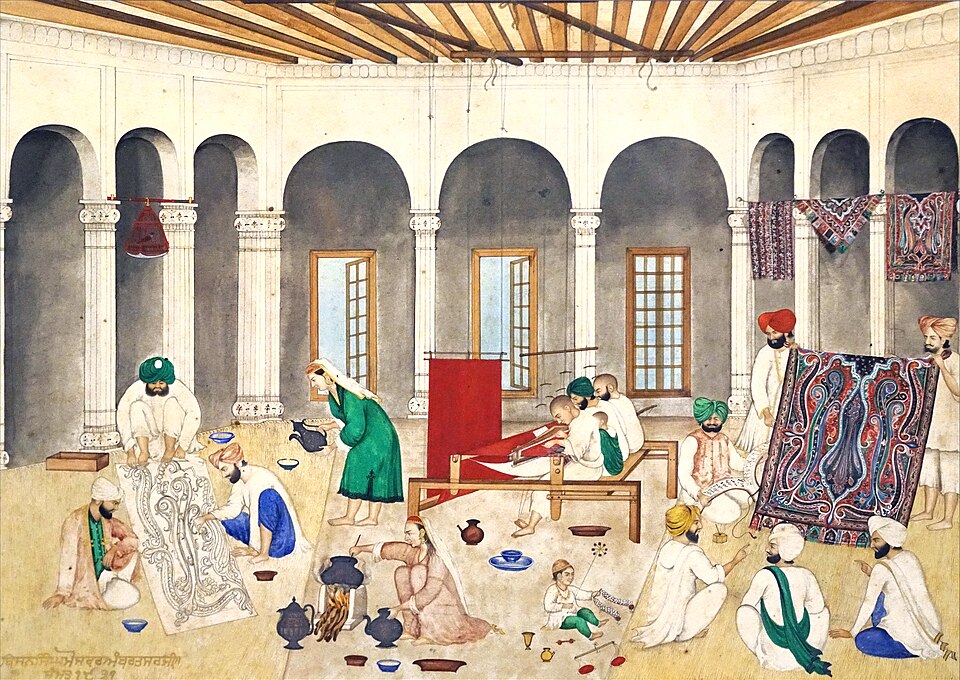
Kashmir shawls, velvet tunics and pavilions woven with gold thread, the soft wealth of the Lahore court.
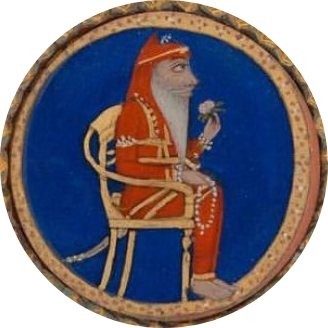
The Kingdom of Lahore's own order of honour, given to its generals and to foreign guests.
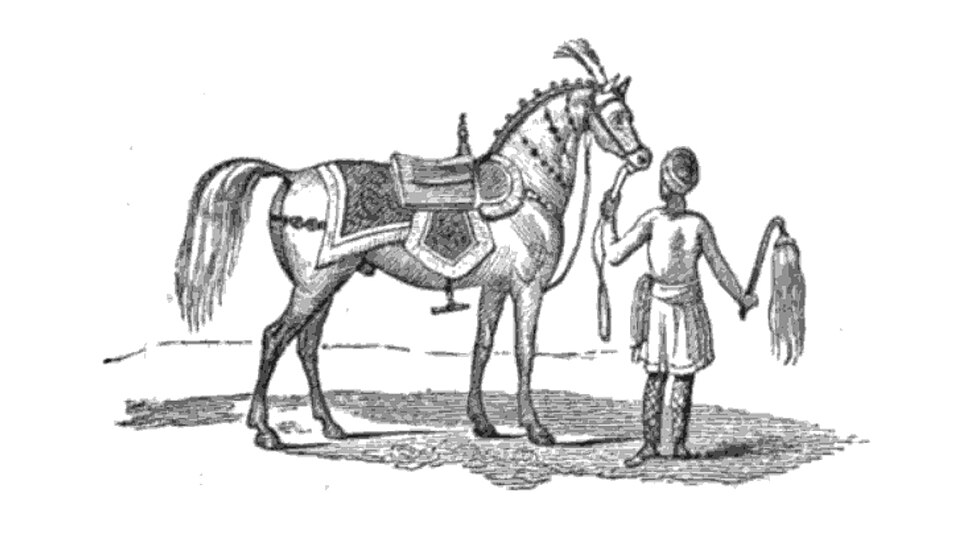
The horse Ranjit Singh wanted so much that he made war for it, and kept in jewels and gold.
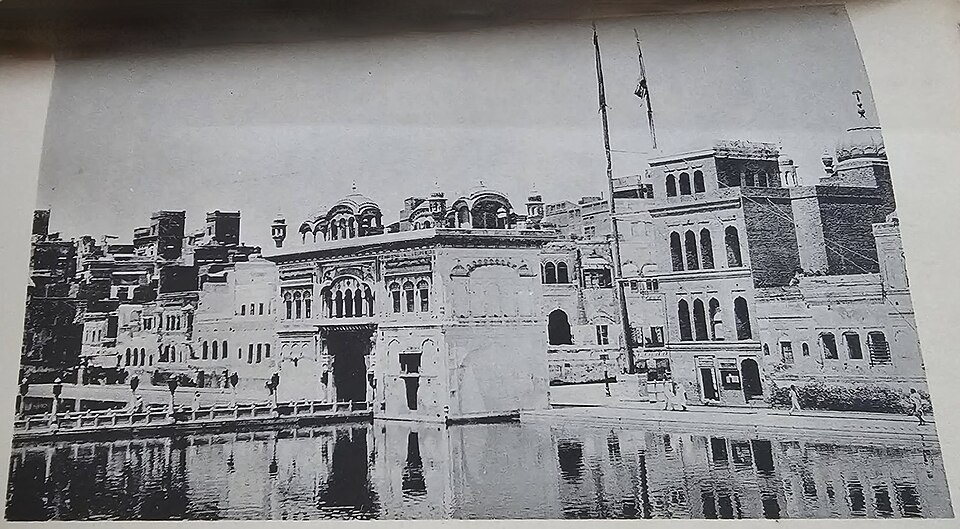
A canopy of gold and jewels that Ranjit Singh gave to be held over the Guru Granth Sahib, kept in the treasury of the Golden Temple.
The Lahore auctions of 18501849 – 1850How the British sold off the treasury of the Kingdom of Lahore after annexing the Punjab.
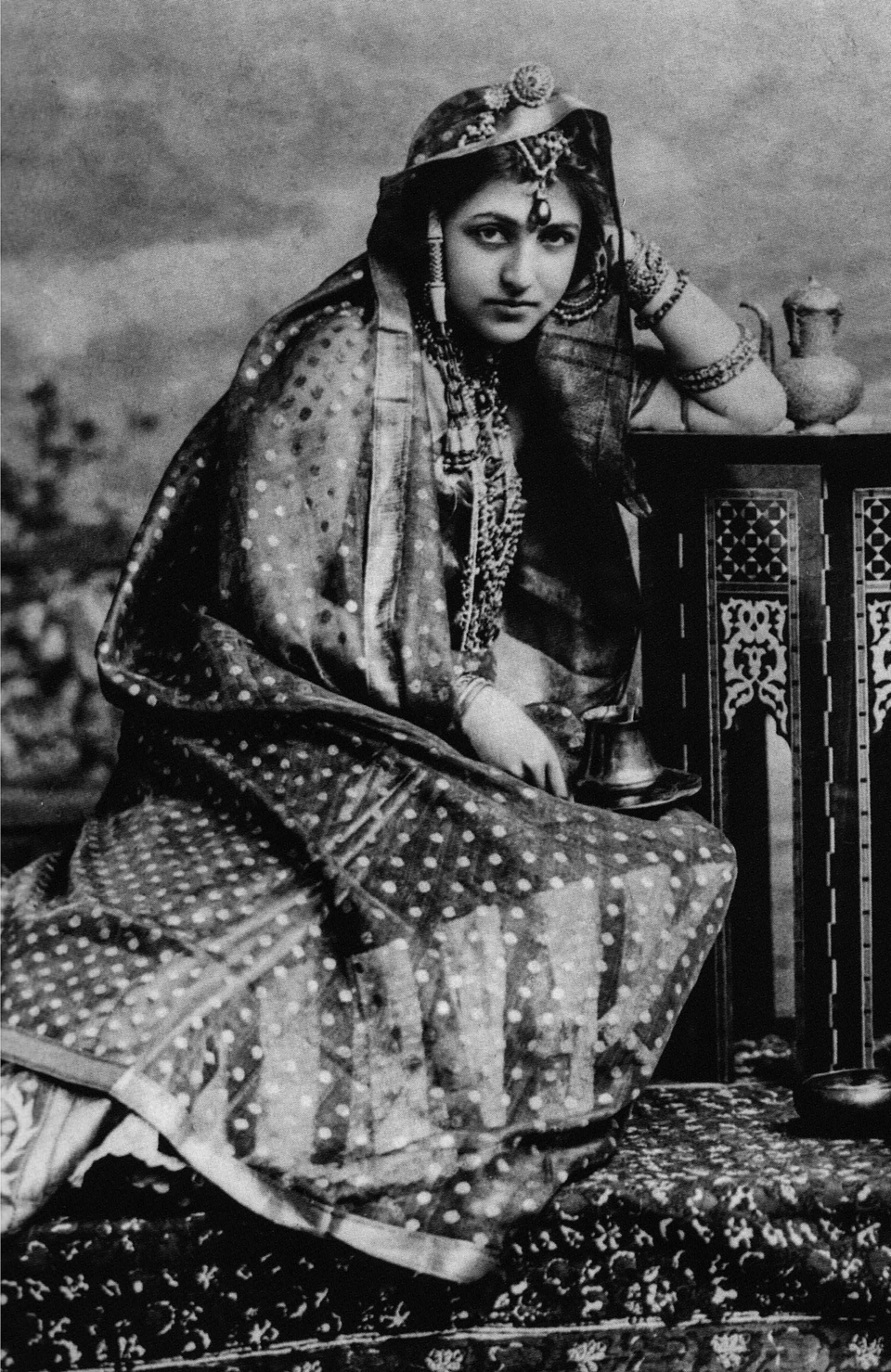
Paintings, ivories and objects of the Sikh court gathered by Princess Bamba Sutherland, Maharaja Duleep Singh's eldest daughter, who settled in Lahore; after her death in 1957 the collection passed to the government of Pakistan.
Elveden Hall1863 onwardsThe English country house Maharaja Duleep Singh bought in exile and rebuilt with Indian interiors of carved marble. The last Maharaja of the Punjab is buried in the churchyard at Elveden.