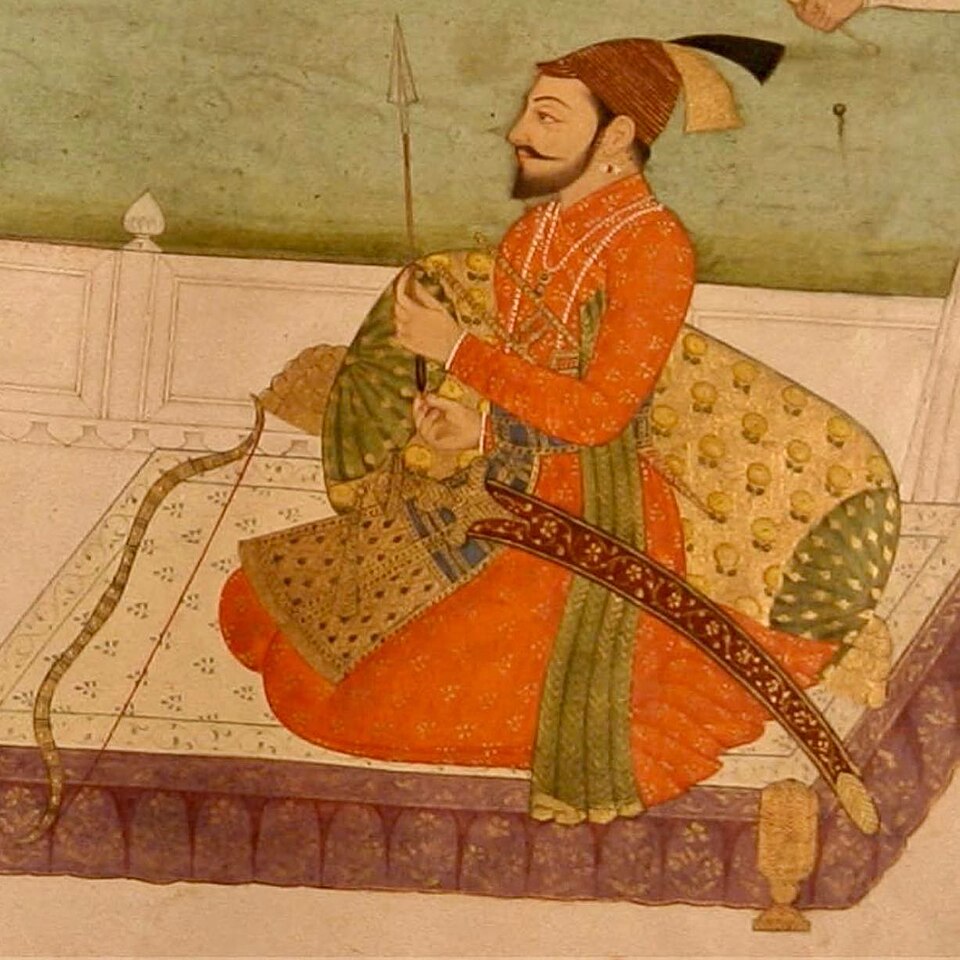
Guru Gobind Singh
Tenth Guru, warrior and poet. Created the Khalsa in 1699, fought a long war with the Mughals and hill rajas, lost his four sons and mother, and named the Guru Granth Sahib as the final Guru.
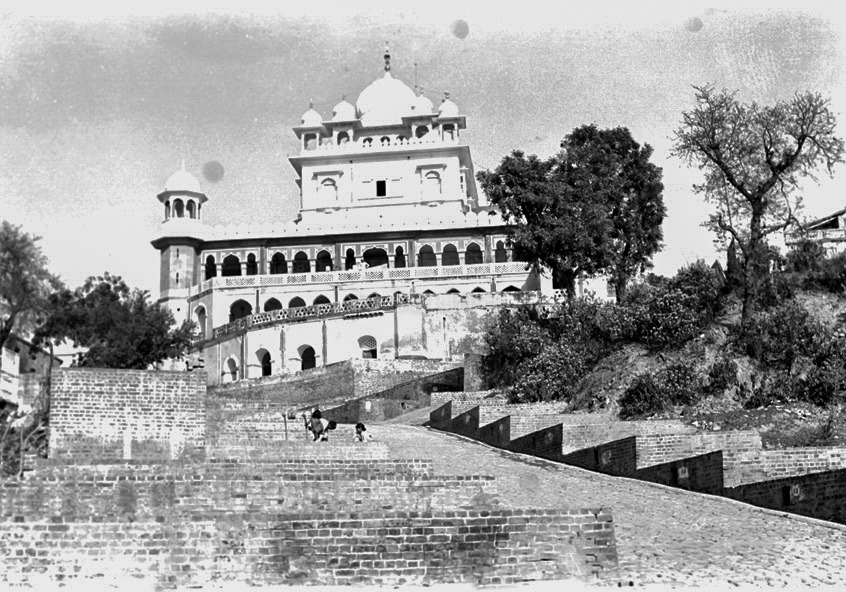
Gobind Das was born at Patna on the Ganges in December 1666, the only son of Guru Tegh Bahadur and Mata Gujri, and came to Anandpur as a small boy. He was nine when Kashmiri Pandits came to ask his father's help, and by tradition it was he who said that no one was more worthy to make the sacrifice than his father. After the execution in Delhi in 1675 he became the tenth Guru.
He grew up a poet, a scholar of Persian, Sanskrit and Braj, a hunter and a soldier. He kept fifty-two poets at his court and wrote the Jaap Sahib, the Akal Ustat, the Bachittar Natak and the heroic Chandi di Var, which are collected in the Dasam Granth. The hill rajas, Hindu rulers of the Shivalik states, resented the armed Guru on their borders, and in 1688 he defeated them at Bhangani, helped by the Sufi Pir Budhu Shah, who lost two sons in the battle.
On Vaisakhi day 1699, before a great gathering at Anandpur, he drew his sword and asked for a head. One by one five men came forward, a Khatri, a Jat, a washerman, a water-carrier and a barber, from every corner of India and every caste. He initiated them with amrit, water stirred with a double-edged sword while the hymns were recited, then knelt and asked them to initiate him. They were the Panj Pyare, the Five Beloved, and the first of the Khalsa, the community of the pure. Every Sikh man would be Singh, lion; every woman Kaur, princess; all would keep their hair uncut, carry the sword, and recognise no caste.
The next years were war. The hill rajas and the Mughal governors of Sirhind and Lahore besieged Anandpur from 1700. In December 1704, promised safe passage on oaths sworn on the Quran and the cow, the Guru left. The promises were broken. His mother and his two youngest sons were captured and taken to Sirhind, where the boys, nine and six, were bricked up alive and executed for refusing to convert, and Mata Gujri died in the cold tower. At Chamkaur the Guru, with some forty Sikhs, held a mud fortress against a huge army; his elder sons Ajit Singh and Jujhar Singh went out and died fighting. The Guru escaped through the jungle of Machhiwara.
From the Malwa desert he wrote to Aurangzeb the Zafarnama, the Letter of Victory, in Persian verse: an indictment of an emperor who broke his oaths, and the declaration that when every other means has failed it is right to take up the sword. At Khidrana, renamed Muktsar, the Forty Liberated died for him in 1705. At Talwandi Sabo, Damdama Sahib, he dictated the final version of the Granth to Bhai Mani Singh.
After Aurangzeb's death he travelled south with the new emperor Bahadur Shah and settled at Nanded on the Godavari, where he met the ascetic Madho Das and made him Banda Singh Bahadur, sending him north to punish Sirhind. There, in October 1708, he was stabbed by an assassin sent by Wazir Khan of Sirhind. Before he died he declared that there would be no more human Gurus: the Guru would be the Granth, and the Khalsa the Guru's body. He had given everything, his father, his mother and his four sons, and he was forty-one.
Battles
On the timeline
Connected
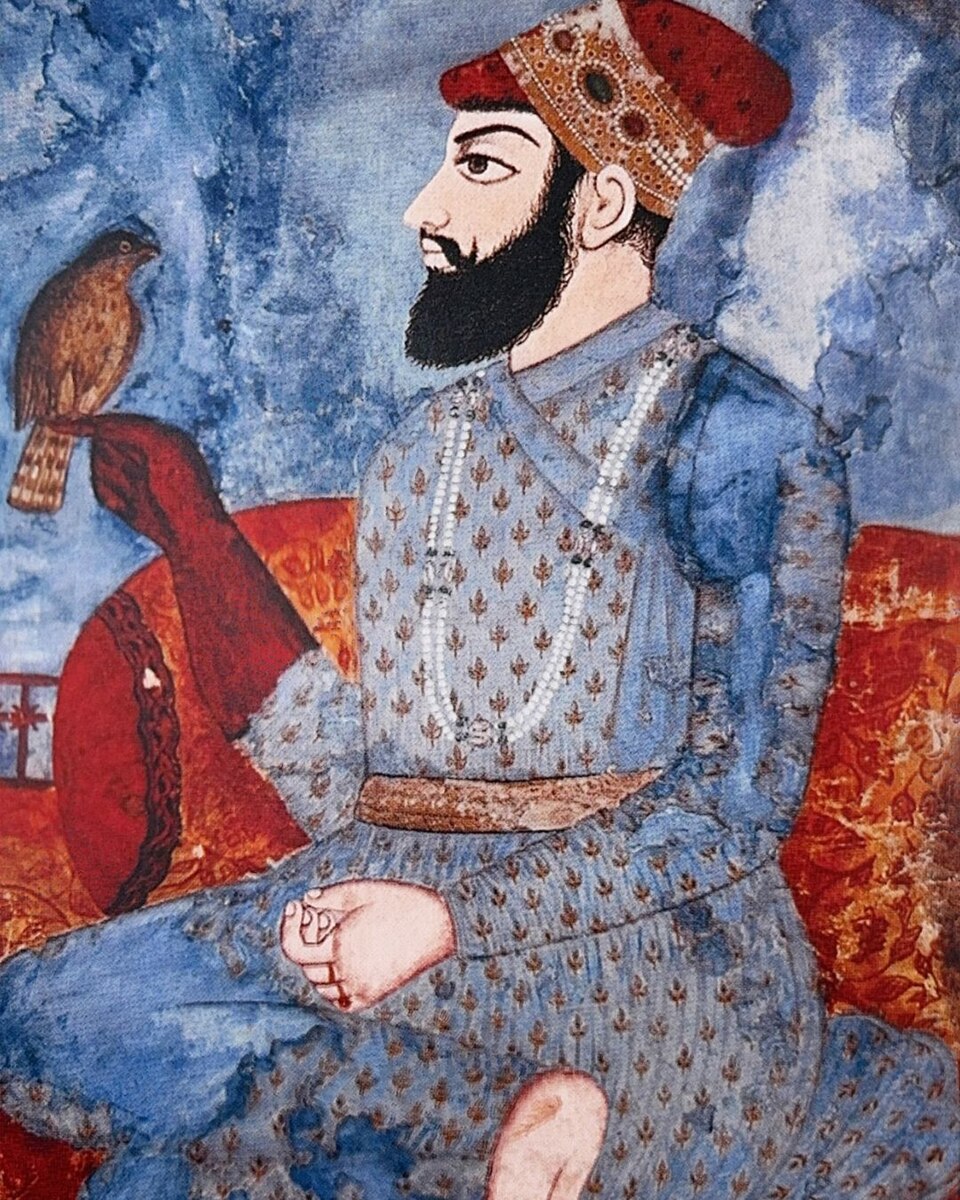
Ninth Guru, 'Hind di Chadar', the shield of India. Founded Anandpur and was beheaded in Delhi in 1675 for defending the right of Kashmiri Pandits to keep their faith.
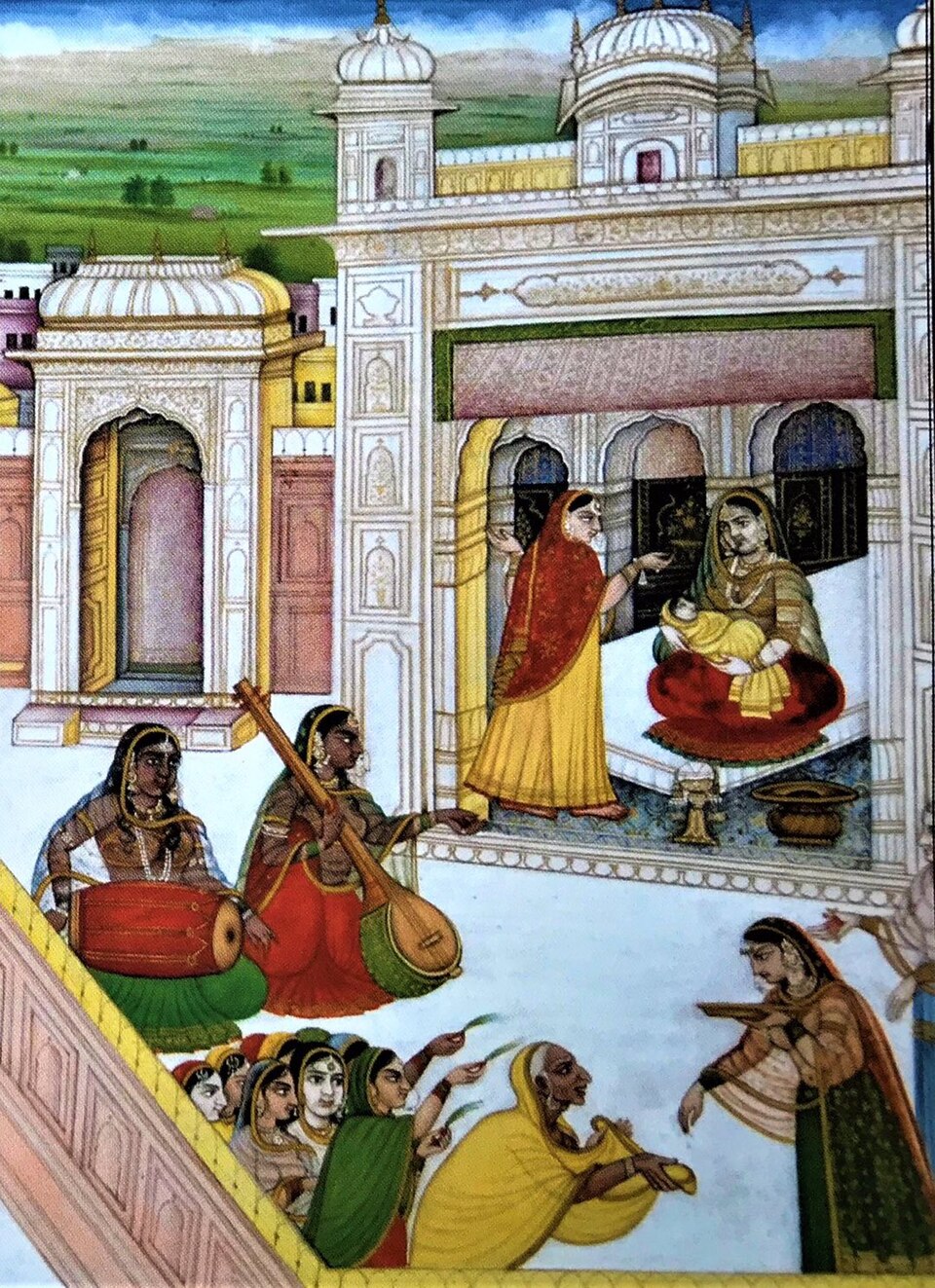
Wife of Guru Tegh Bahadur and mother of Guru Gobind Singh. Held with her younger grandsons in the cold tower of Sirhind, she died there on hearing of their execution.
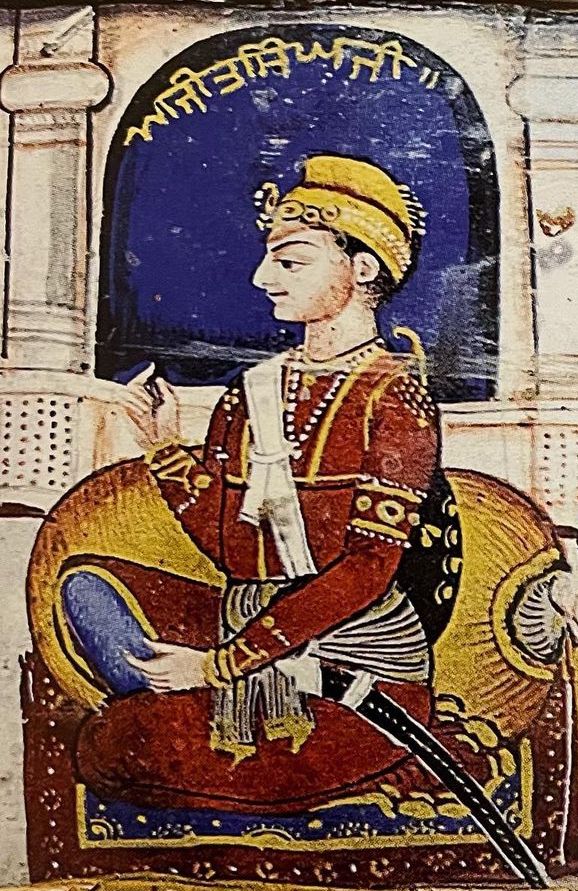
The Guru's elder sons, aged about seventeen and thirteen, who led sorties out of the Chamkaur fort and died fighting.
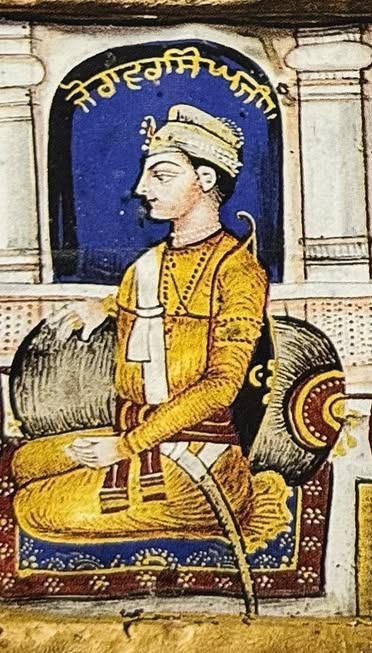
The Guru's younger sons, aged about nine and six, executed at Sirhind for refusing to convert. Their week of martyrdom is the Shaheedi Jor Mela.
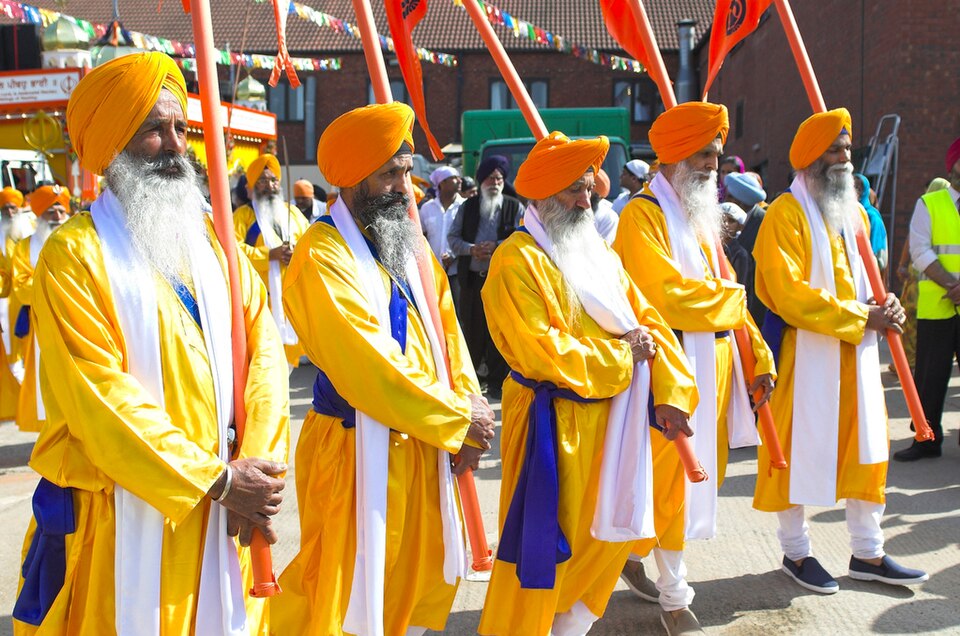
The Five Beloved: Daya Singh, Dharam Singh, Himmat Singh, Mohkam Singh and Sahib Singh, who answered the Guru's call for a head at Vaisakhi 1699.
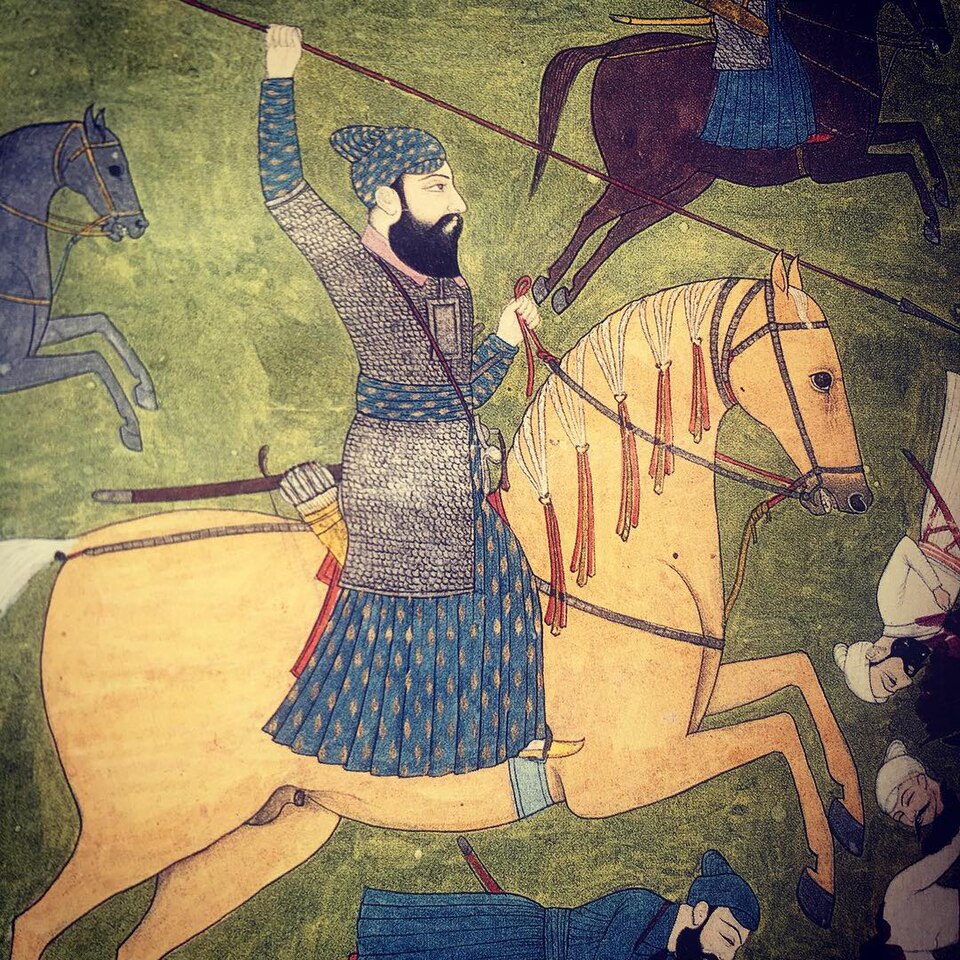
Ascetic turned general. Sent north by Guru Gobind Singh in 1708, he took Sirhind, set up the first Sikh state, gave land to those who tilled it and was executed in Delhi in 1716.
Shamed forty deserters into returning to the Guru, led them into battle at Muktsar and survived to serve as one of his bodyguards.
Wife of Guru Gobind Singh, honoured as the Mother of the Khalsa. She added sugar puffs (patase) to the first amrit.
Persian poet at the court of Guru Gobind Singh. His ghazals may be sung in gurdwaras.
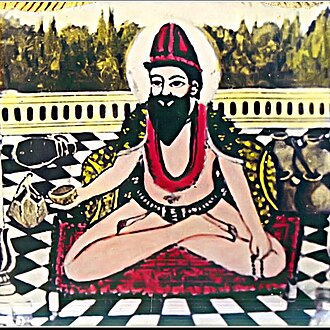
Gave water to wounded soldiers of both sides at Anandpur. The Guru gave him ointment to treat the enemy too. Seen as a forerunner of the Red Cross.
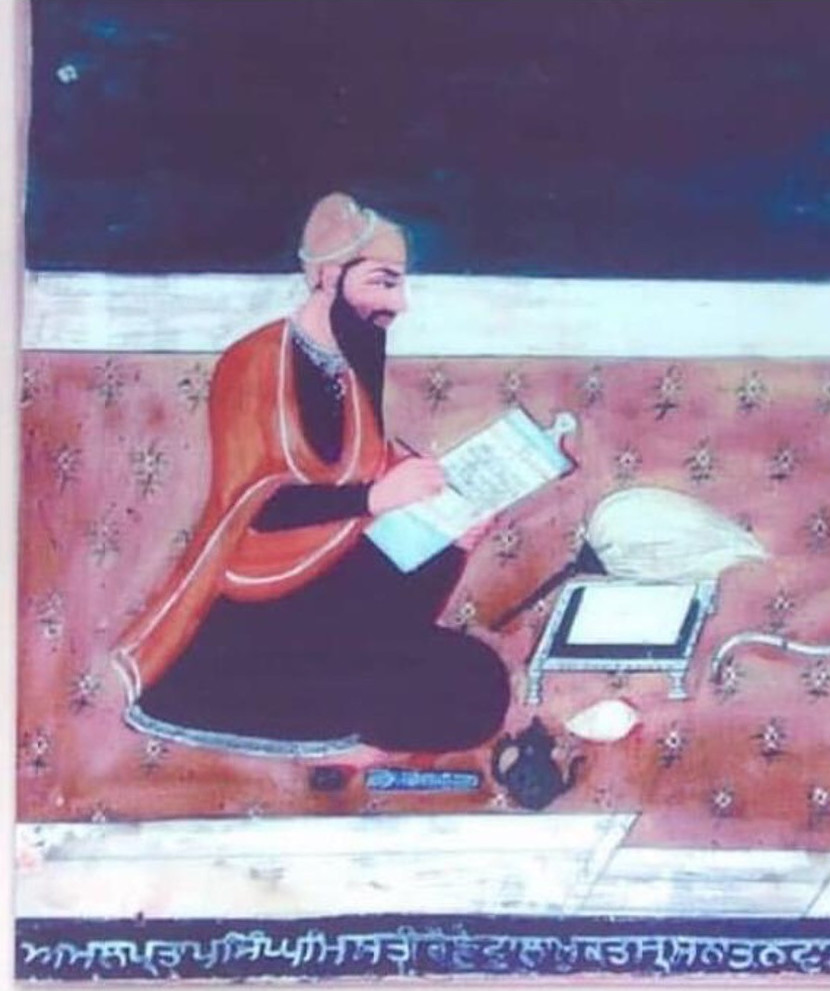
Scribe of the final Guru Granth Sahib at Damdama and later head granthi of the Harmandir Sahib, cut apart joint by joint in Lahore.
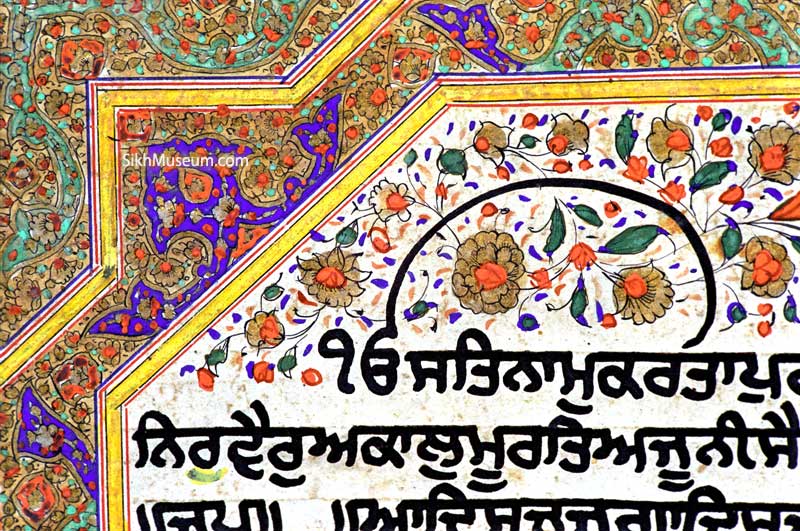
The scripture of the Sikhs and their eternal, living Guru: 1,430 pages of hymns by six Gurus and some thirty other saints, set in 31 ragas.
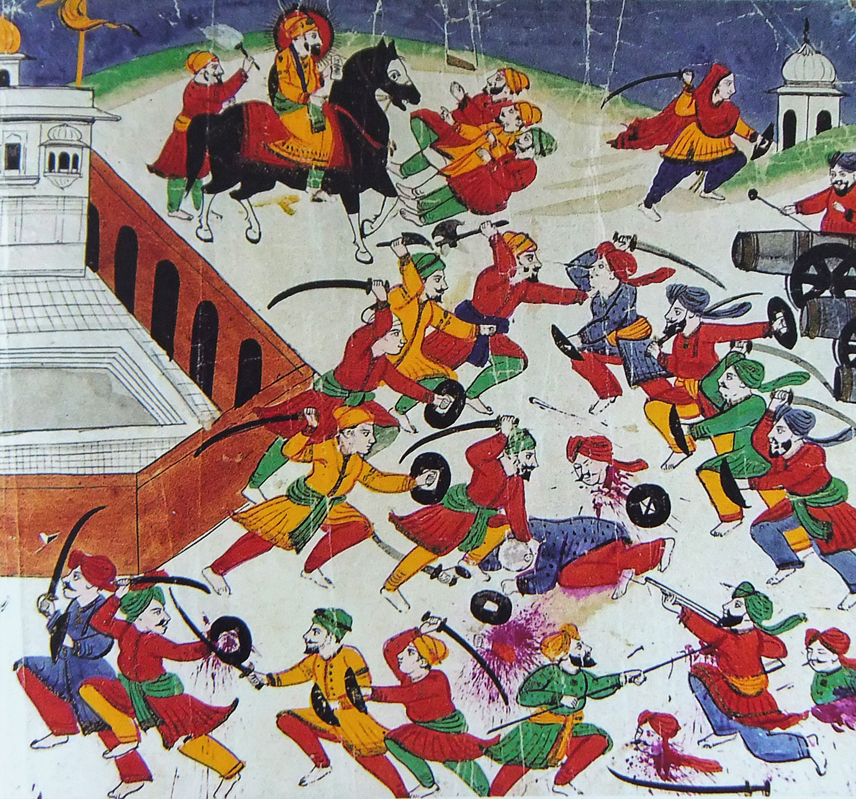
Forty Sikhs from Majha who renounced the Guru during the Anandpur siege, then came back and died defending him at Khidrana. He tore up their letter of desertion.
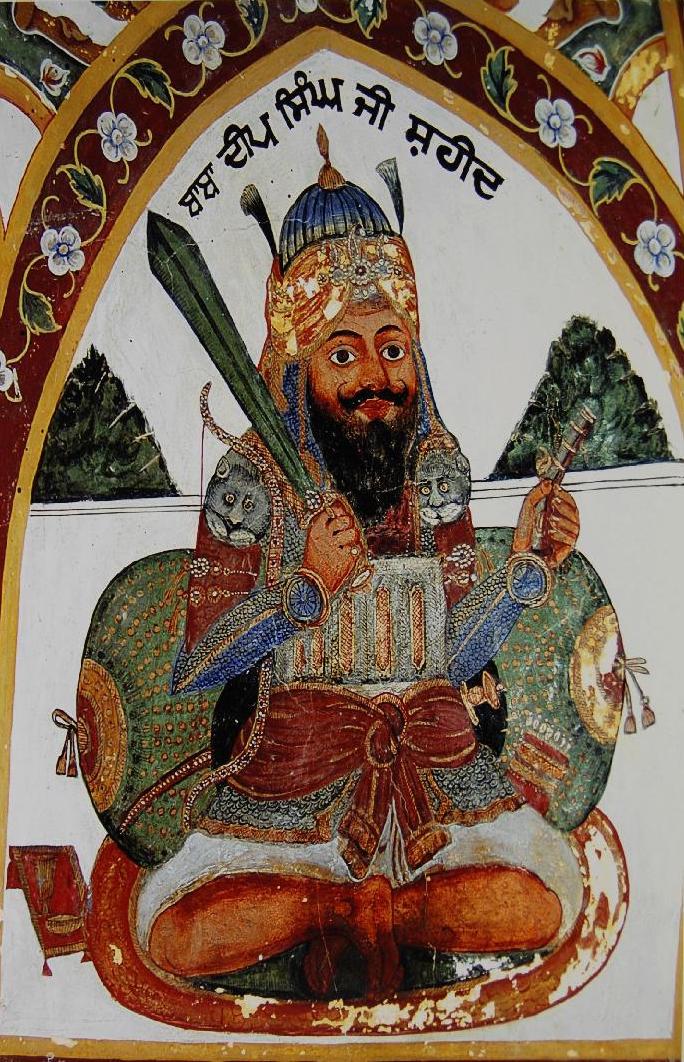
Scholar and warrior who led the Shaheed misl. In his seventies he marched to free the Harmandir Sahib after Afghan desecration and died near its precinct.
The Gurus' family tree
How the Guruship passedScroll sideways to see the whole tree →
Guru Gobind Singh's four sons, the Sahibzade, were all killed in 1704; in 1708 he passed the Guruship to the scripture and to the Khalsa. Guru Nanak passed over his own sons for his disciple Lehna, renamed Angad; Angad did the same. From Guru Ram Das on, the Guruship stayed in the Sodhi family, but not always with the eldest: Prithi Chand, Dhir Mal and Ram Rai each set up rival claims.
Where the Panj Pyare came from
Vaisakhi, 1699Guru Gobind Singh's last journeys
Anandpur to Nanded, 1704 – 1708In the world's museums
25 objects →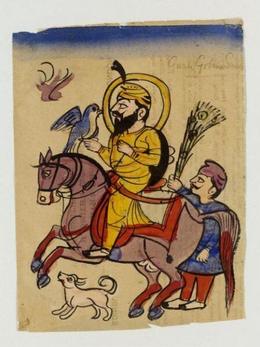 Guru Gobind Singh19th century · Punjab (India)© Victoria and Albert Museum, London ↗
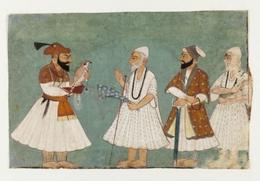 Guru Gobind Singh and Guru Nanakca. 1700 - ca. 1720 · Mandi© Victoria and Albert Museum, London ↗
 Painting of Guru Nanak with Guru Gobind Singh, Mandi, ca.1750Museum Rietberg, Zurich · photo Wikimedia Commons (Wikimedia Commons) ↗
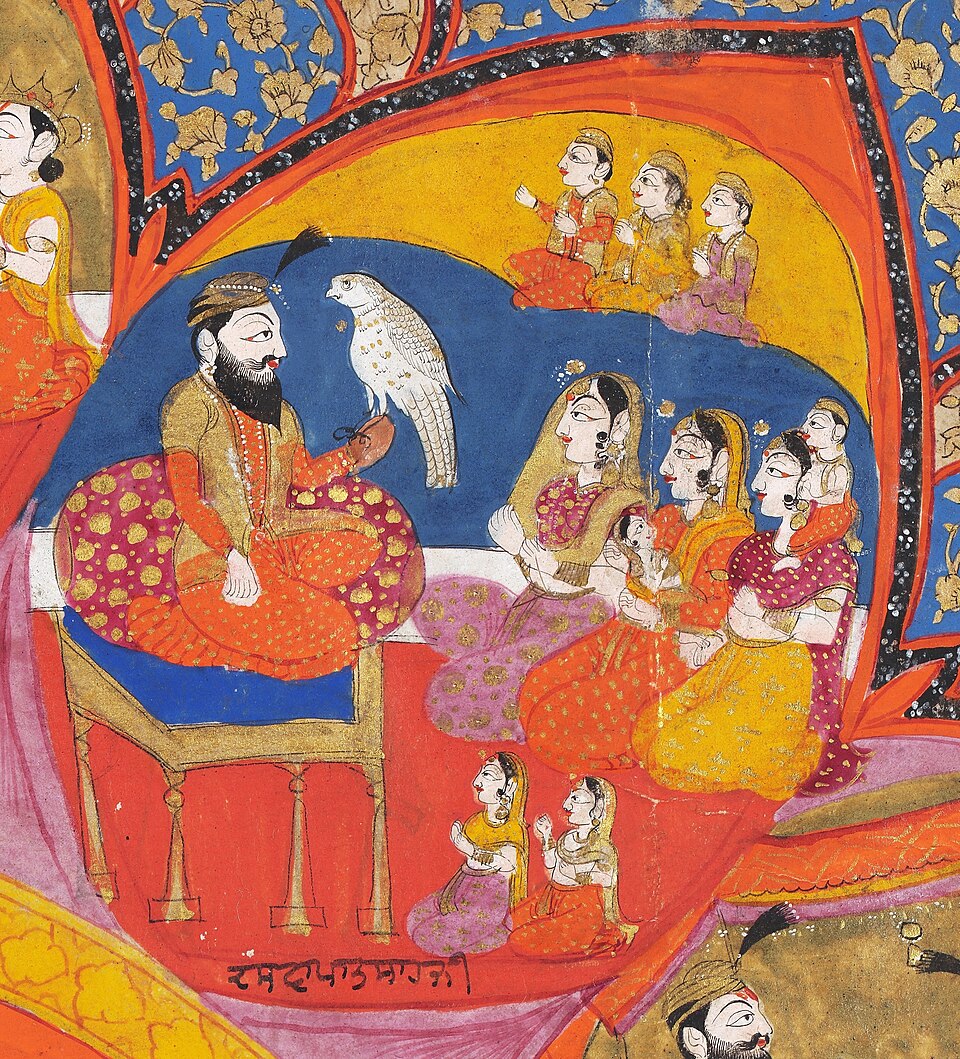
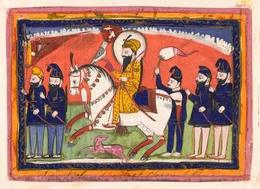 Sri Gobind Singh on horseback with his falcon and attendants.Wellcome Collection (via Europeana) · CC BY ↗
 Equestrian miniature painting of Guru Gobind Singh with a parasol attendantMuseum of Fine Arts, Boston · photo Familial atelier of Nainsukh of Guler (Wikimedia Commons) ↗
 Guru Gobind Singh, the Tenth Guru, Opaque watercolor on paperGovernment Museum, Chandigarh · photo from the family workshop of Nainsukh of Guier (Wikimedia Commons) ↗
 Guru Gobind Singh, opaque watercolour on paper, Punjab, circa 18th or 19th centuryWikimedia Commons ↗
 Guru Gobind SinghAsian Art Museum, San Francisco · photo Wikimedia Commons (Wikimedia Commons) ↗
 Guru Gobind Singh on horse with attendantsWikimedia Commons ↗
 Guru Gobind Singh with His Four Sons, the SahibzadasGovernment Museum, Chandigarh · photo Wikimedia Commons (Wikimedia Commons) ↗
 Guru Gobind Singh with attendants and a pink dogWikimedia Commons ↗
 Guru Gobind Singh with the Sahibzadas (his sons)Asian Art Museum, San Francisco · photo Wikimedia Commons (Wikimedia Commons) ↗
 The Four Sons (Sahibzadas) of Guru Gobind SinghGovernment Museum, Chandigarh · photo Wikimedia Commons (Wikimedia Commons) ↗
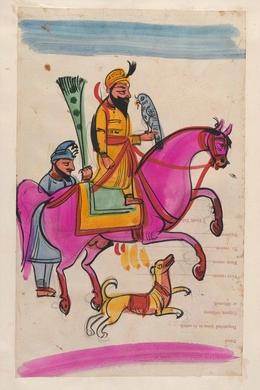 Page 108: Sikh man with a falcon on horseback, identified as Guru Gobind SinghWellcome Collection ↗
 Painting of Guru Gobind Singh Circa 1800 AD Painted metal with meena work 12 x 10.8 cmWikimedia Commons · Satdeep Gill · CC BY ↗
 Guru Gobind Singh and Attendants from an Asa Di Var Gutka Manuscript, caBritish Library, London · photo Wikimedia Commons (Wikimedia Commons) ↗
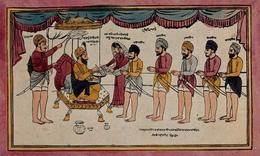 Guru Gobind Singh mixing nectar for his disciples at the birth of KhalsaWellcome Collection ↗
 Painting of Guru Gobind Singh seated leaning against a bolster on a terrace with a…Central Sikh Museum, Amritsar · photo Wikimedia Commons (Wikimedia Commons) ↗