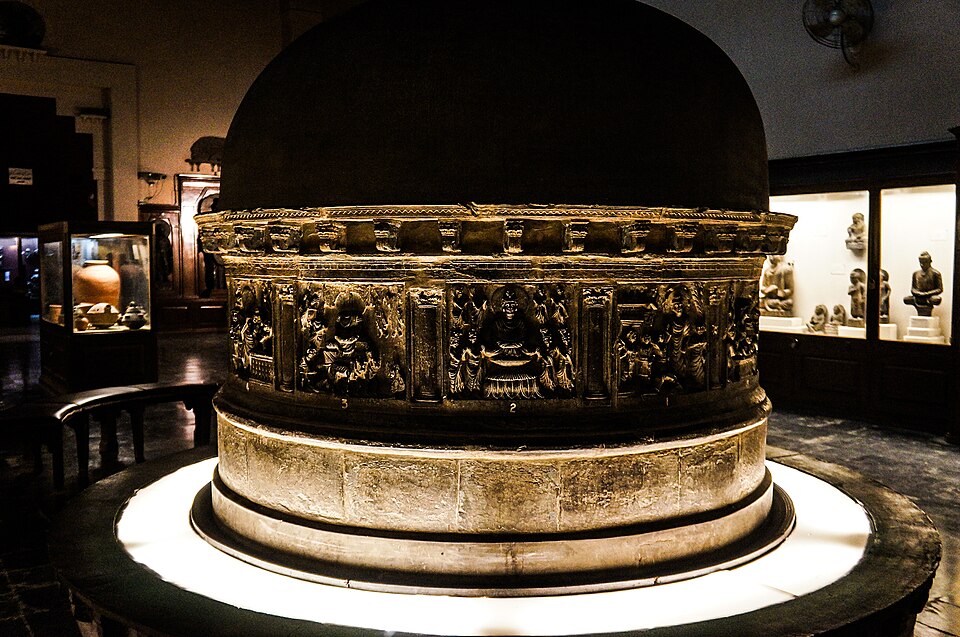
The Sikri stupa
A small stupa from Sikri, near Mardan, set up again in the Lahore Museum, its drum carved with thirteen panels of the life of the Buddha.
The panels show the Buddha's visits and miracles, among them the offering of a handful of dust by a child and the visit of the god Indra to the Buddha meditating in a cave. It is one of the few Gandharan stupas whose reliefs can still be seen together, in their order.
More sculpture
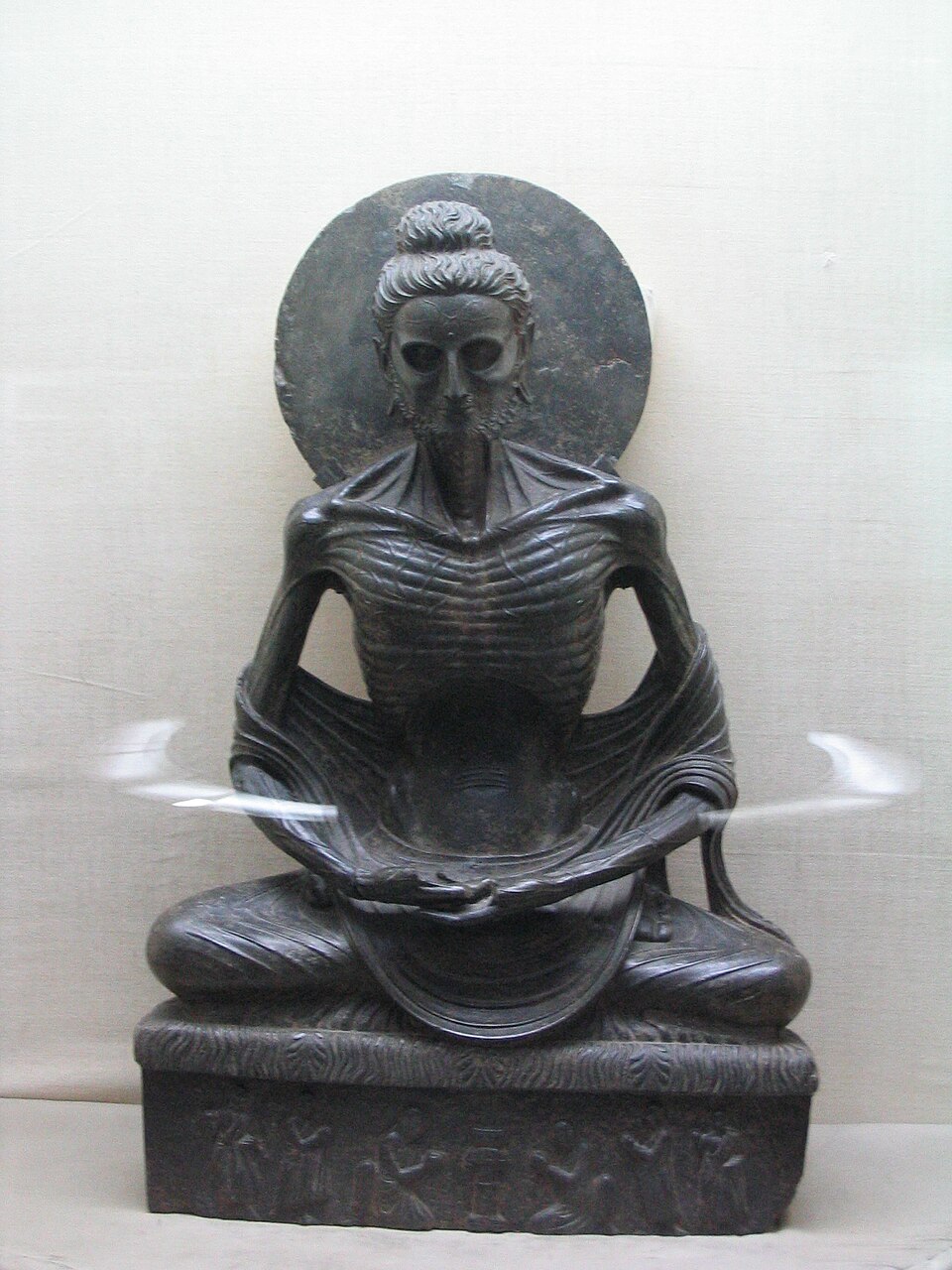
The Buddha in the years of starvation before his enlightenment, every rib and vein showing: the most famous sculpture of Gandhara, found at Sikri near Mardan.
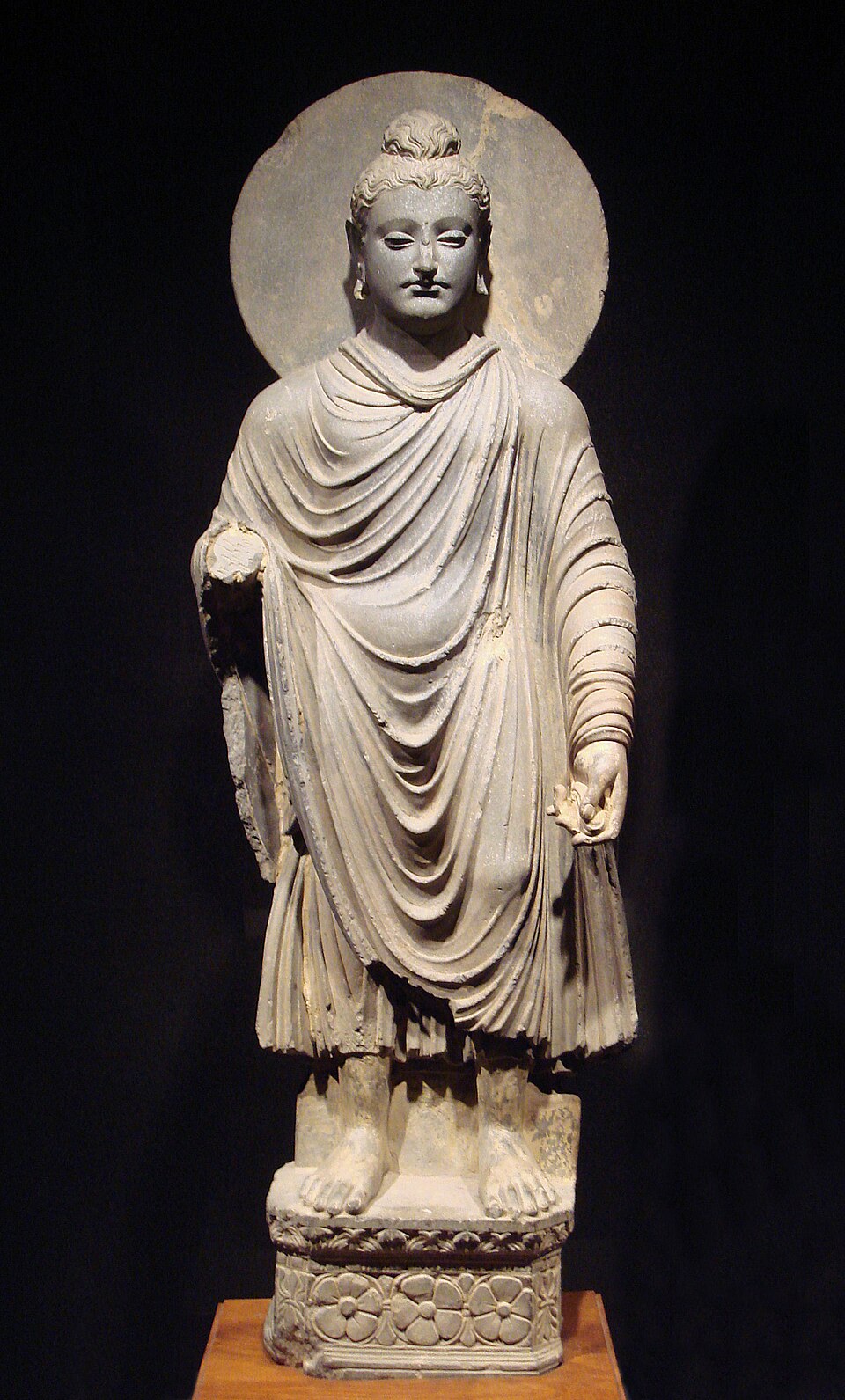
Princely figures of the Buddha-to-be, with moustaches, turbans, jewels and sandals, modelled on the Kushan nobles of Gandhara.
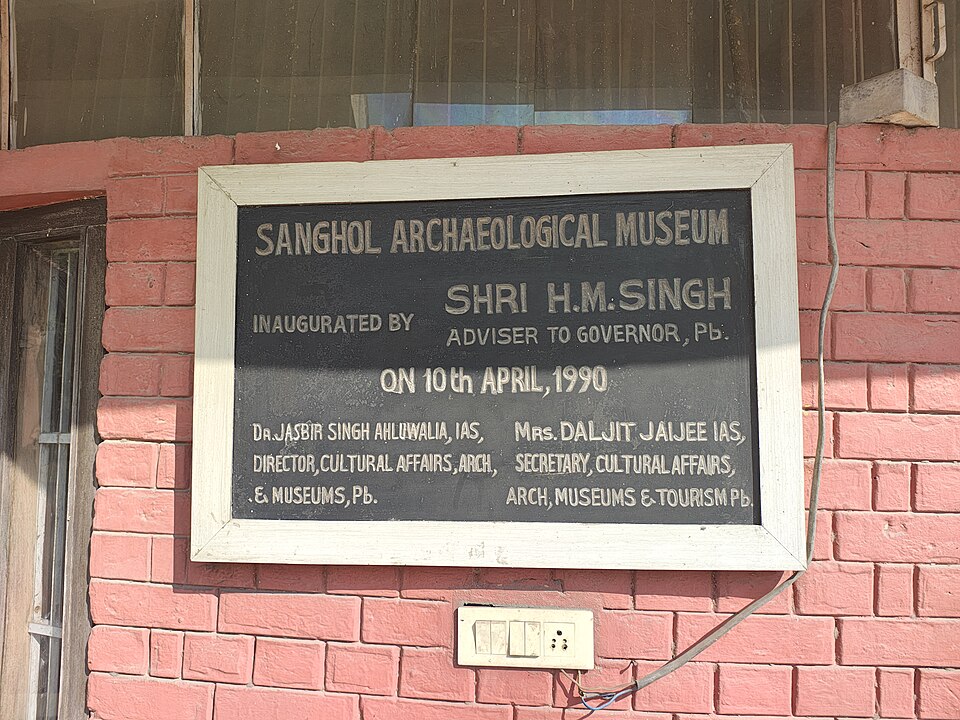
In 1985 excavators at Sanghol, between Ludhiana and Chandigarh, found 117 carved pillars and railing pieces of a Kushan-era Buddhist stupa, buried as if hidden: women beneath flowering trees, lovers, drinkers and dancers.
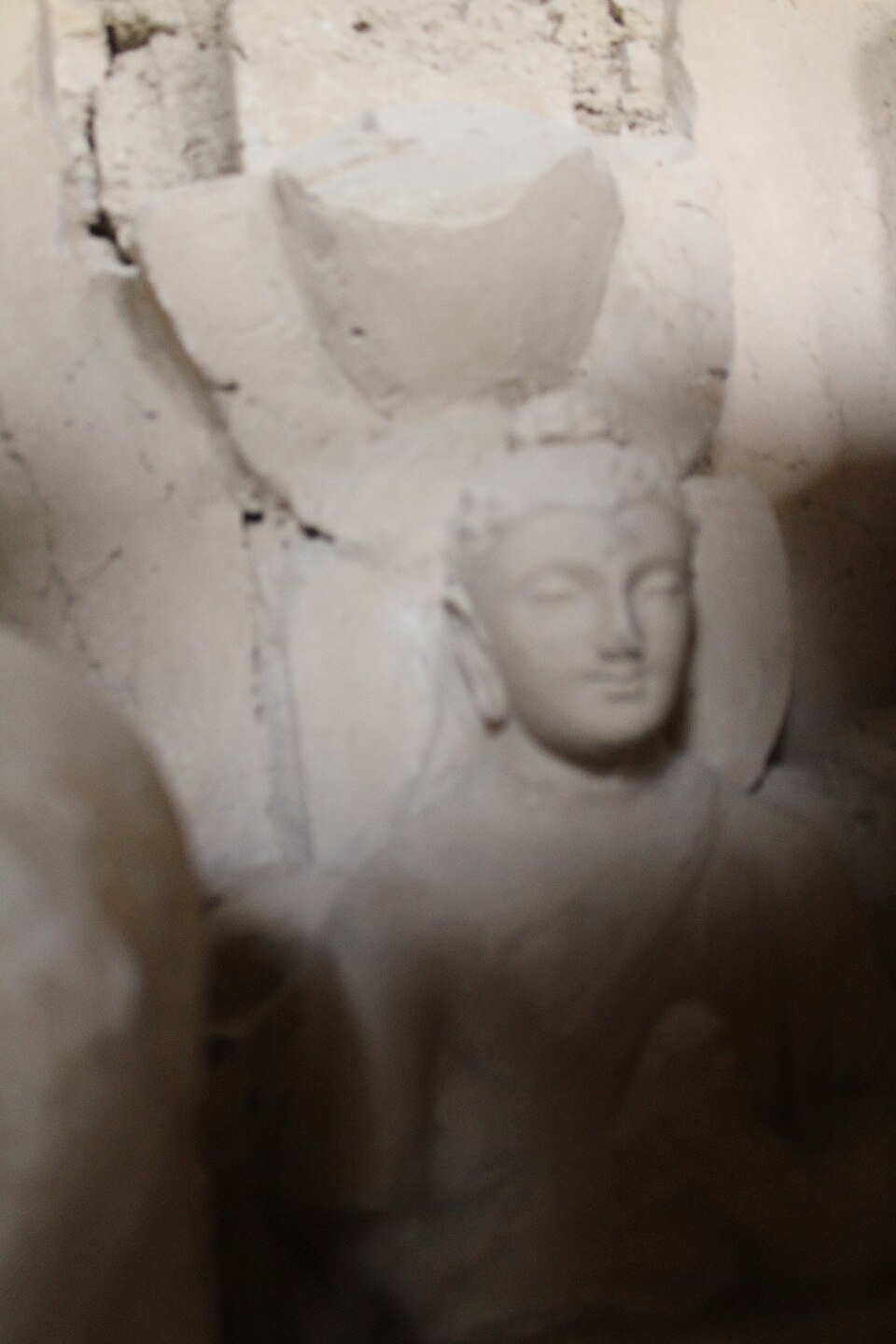
A hilltop monastery near Taxila whose stupas are ringed with rows of seated Buddhas modelled in stucco, many still in place.
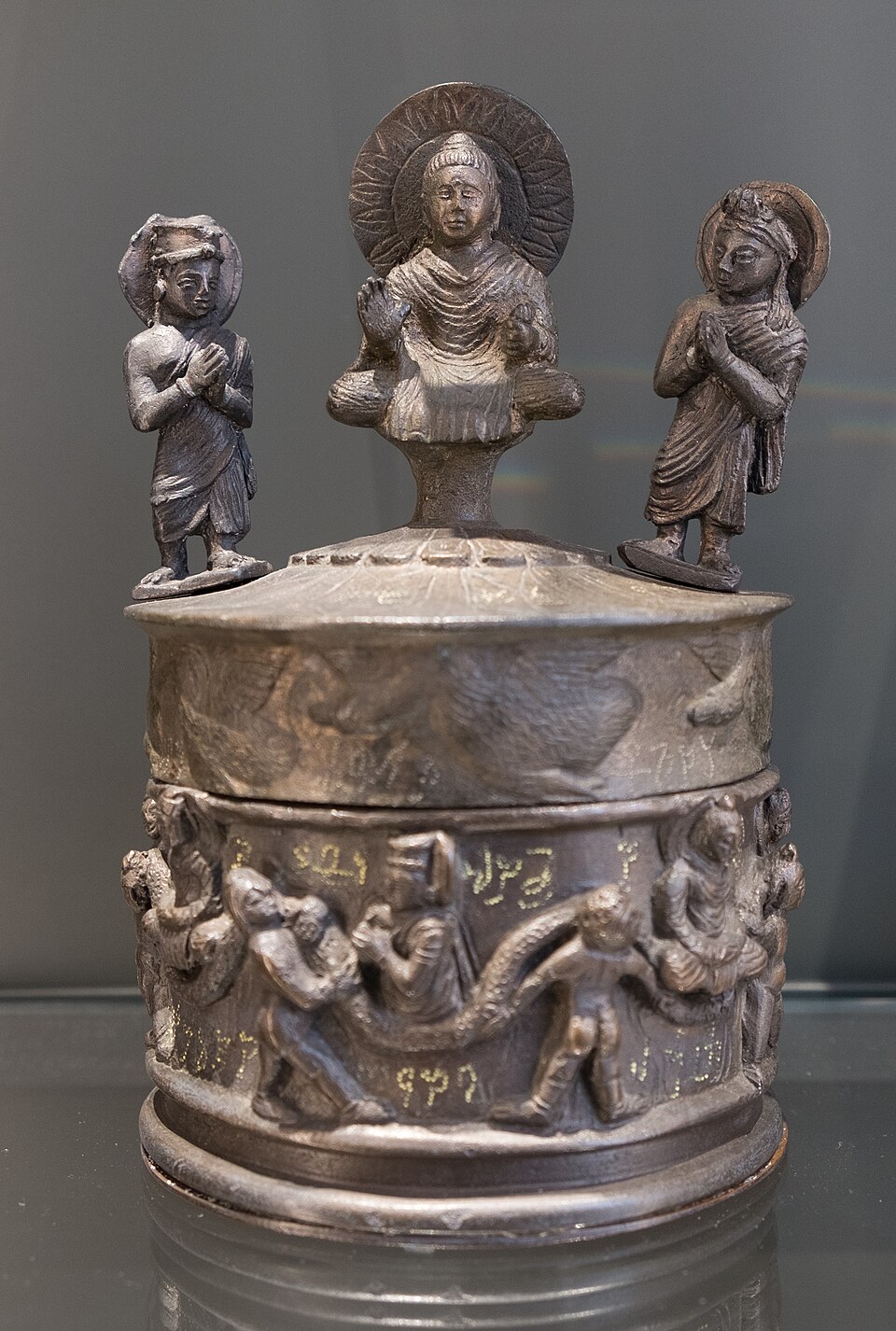
A gilded reliquary found in 1908–09 in the ruins of Kanishka's great stupa at Shah-ji-ki-Dheri outside Peshawar. On its lid the Buddha sits between the gods Brahma and Indra; on its side stands a Kushan king, probably Kanishka himself.
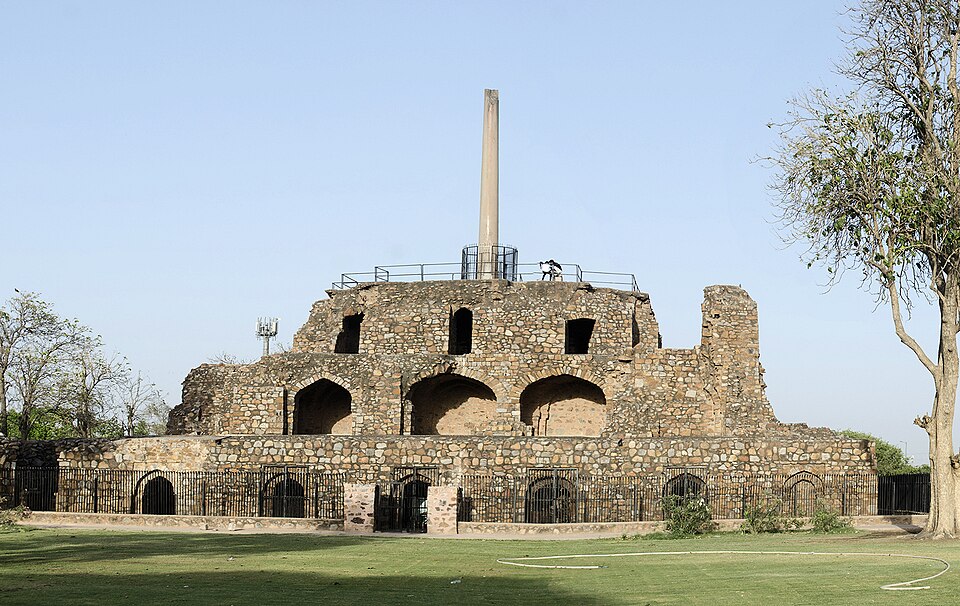
One of Ashoka's inscribed pillars, carved with his edicts in Brahmi. Firuz Shah Tughlaq had it carried from Topra to Delhi in 1356 on a cart said to have had forty-two wheels; its script was finally read by James Prinsep in 1837.