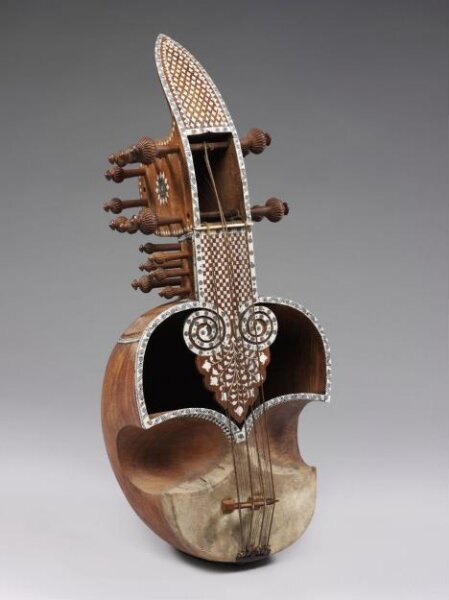
Sarinda
The folk fiddle of the villages, with an open belly half covered in skin, played to accompany ballads and qisse.
The sarinda is carved from a single piece of wood, with a waisted body whose lower half is covered with skin and whose upper half is left open. It is played upright on the knee with a bow, and its nasal, singing tone accompanies the singing of qisse and folk ballads in the villages of both Punjabs, Sindh and Balochistan.
It was once common at fairs and weddings and in the hands of wandering minstrels; today it is rarer, kept alive by a few folk musicians.
More instruments
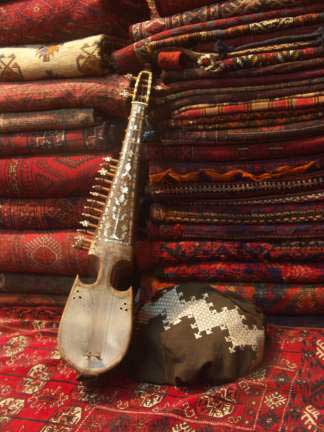
The fretless lute of Bhai Mardana, the first instrument of Sikh kirtan.
▶ Watch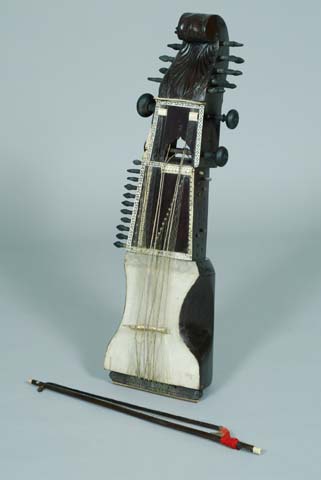
The bowed fiddle that sounds most like the human voice, partner of the dhadi singer.
▶ Watch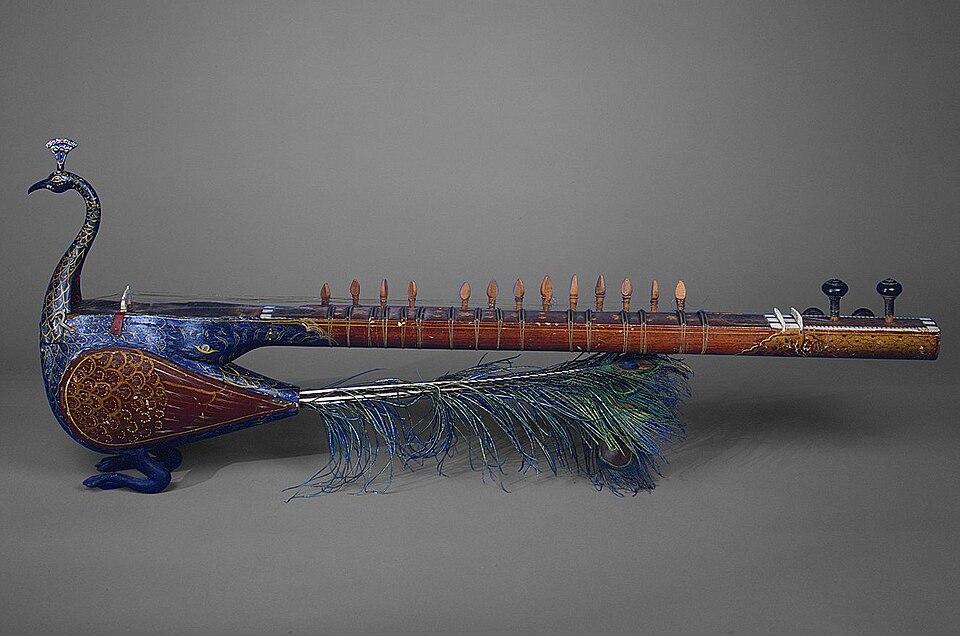
The peacock-headed bowed instrument associated with Guru Hargobind.
▶ Watch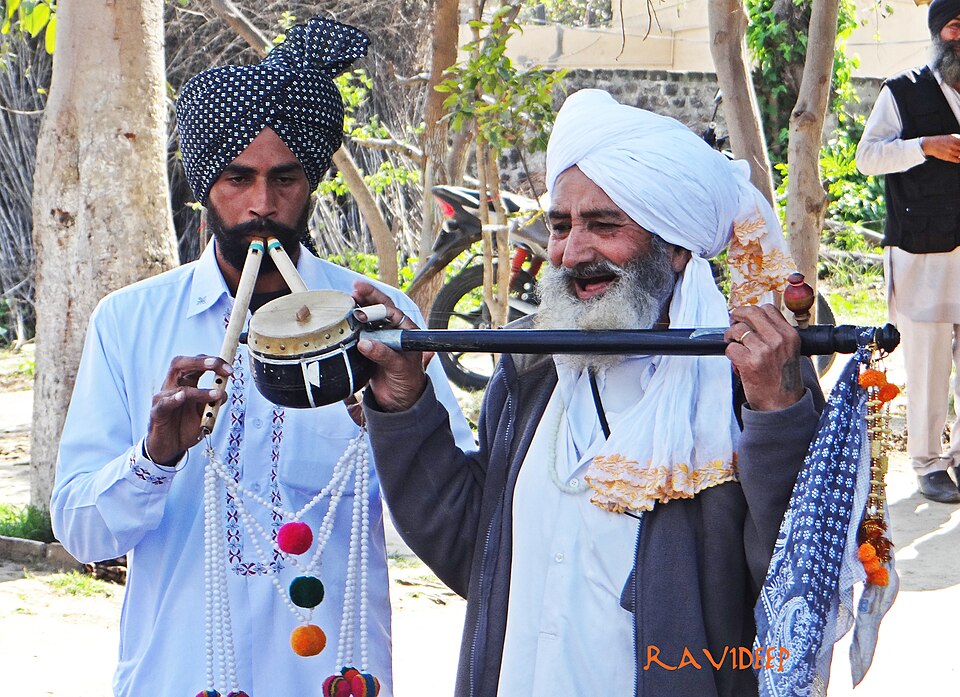
The one-stringed plucked instrument of Punjabi folk music, made famous by Yamla Jatt.
▶ Watch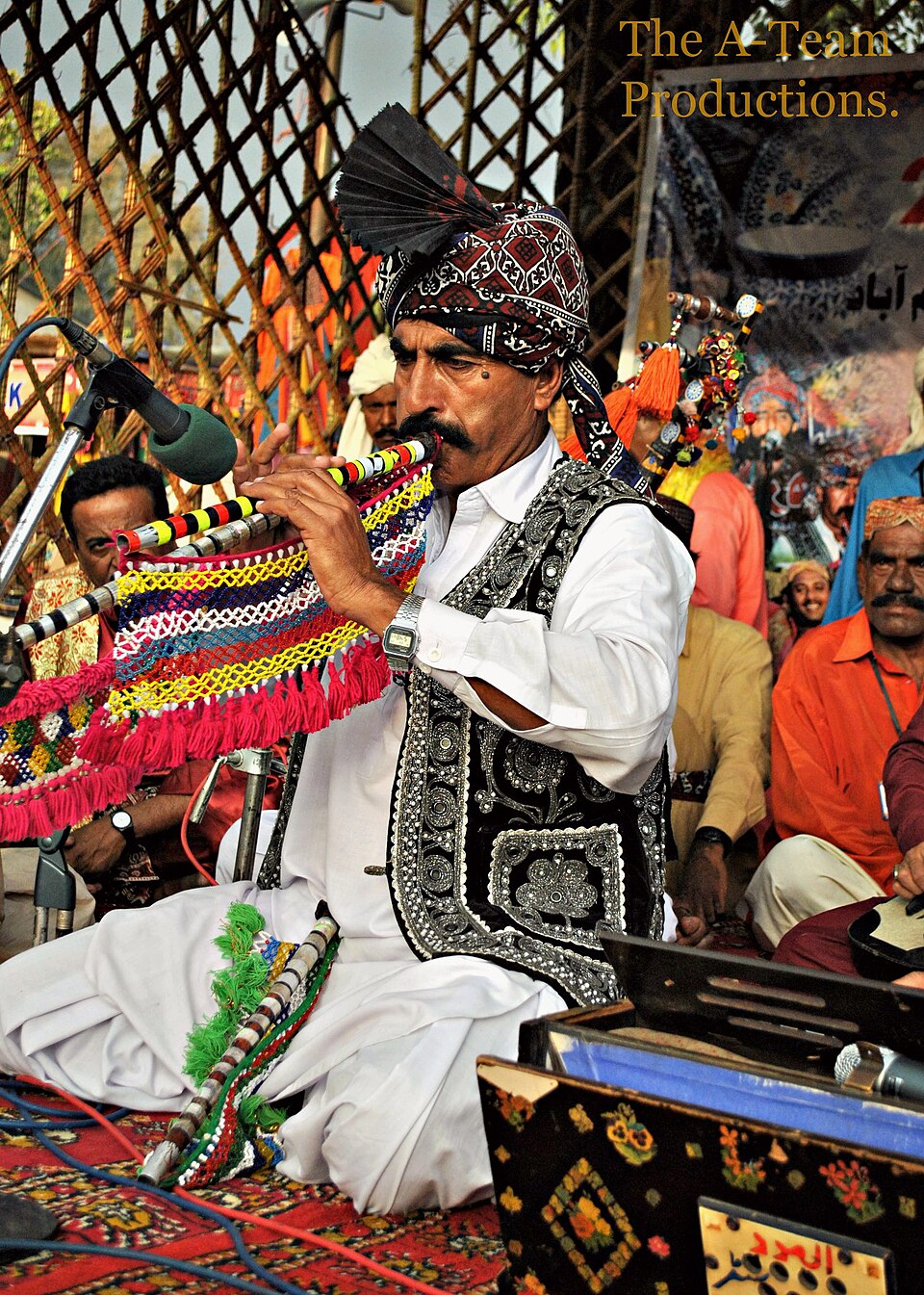
The paired flutes played at once, one droning and one singing, by the herdsmen of the bar.
▶ Watch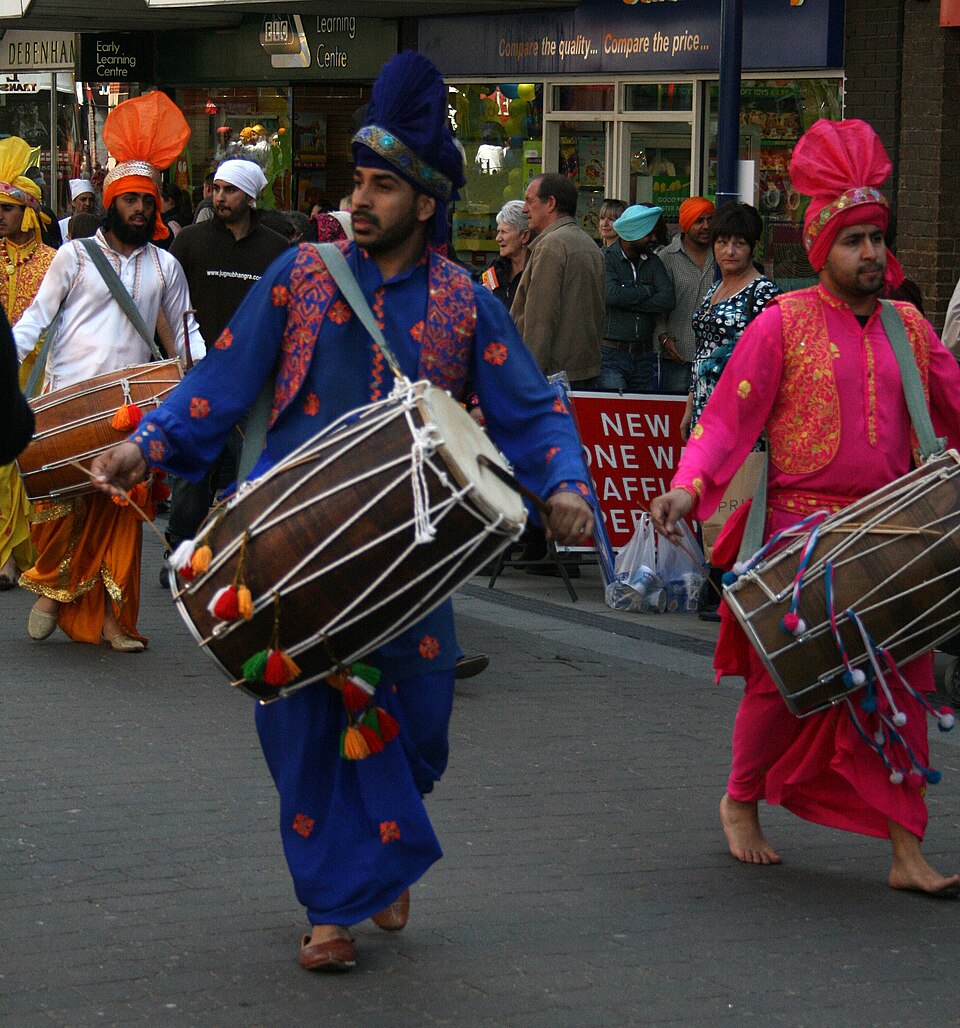
The big double-headed drum, the heartbeat of bhangra and the harvest.
▶ Watch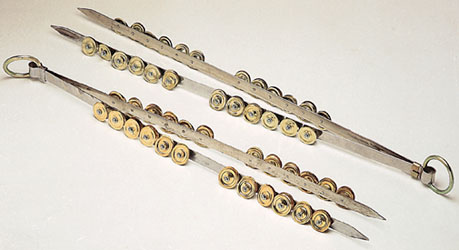
The fire tongs with jingles that keep time for folk singers and kirtan in the villages.
▶ Watch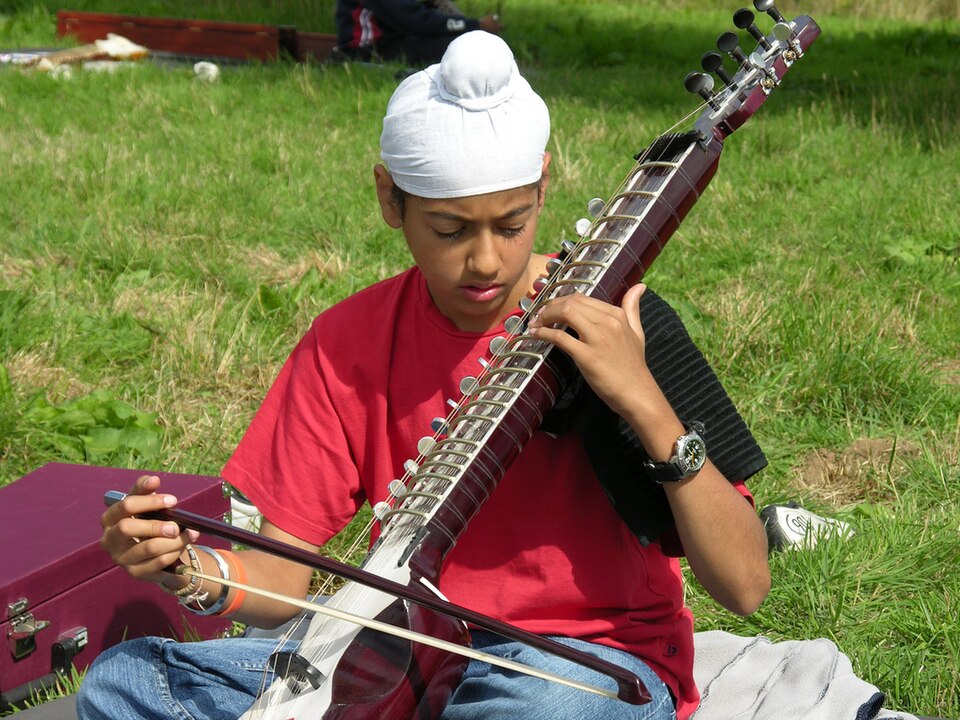
A bowed instrument with a sitar's long fretted neck and a sarangi's skin-covered belly, sweet enough to be called 'heart-stealer'.
▶ Watch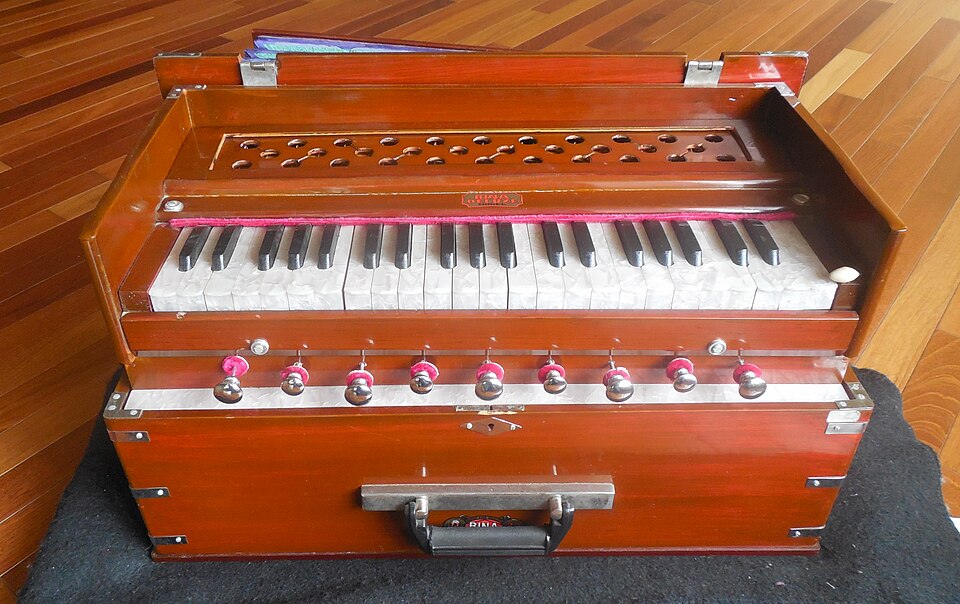
The hand-pumped reed organ that came with missionaries in the 19th century and became the voice of kirtan, qawwali and the Punjabi song.
▶ Watch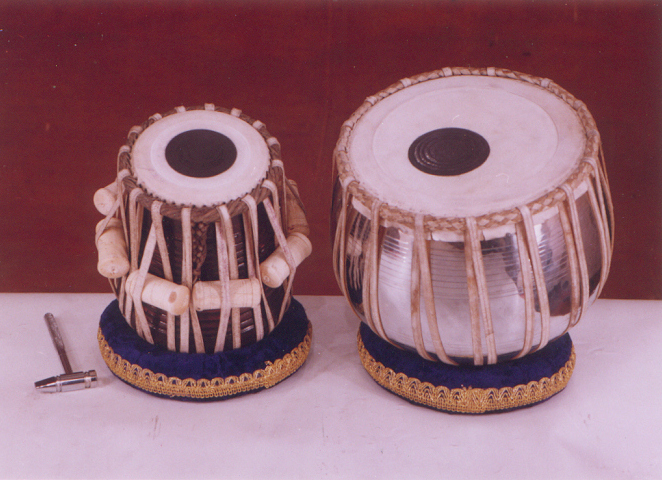
The pair of hand drums that keeps time for kirtan, qawwali and classical song, and the Punjab gharana of Lahore that made a style of its own.
▶ Watch
The small hourglass drum of the dhadis, held in one hand and tightened with the fingers to make it sing.
▶ WatchGharaThe village water pot turned into a drum, played with the fingers and a ring at weddings and in folk ensembles.
▶ WatchKatoA wooden squirrel on a stick that jumps and clatters when a string is pulled: the joker of the bhangra and Malwai giddha.
▶ Watch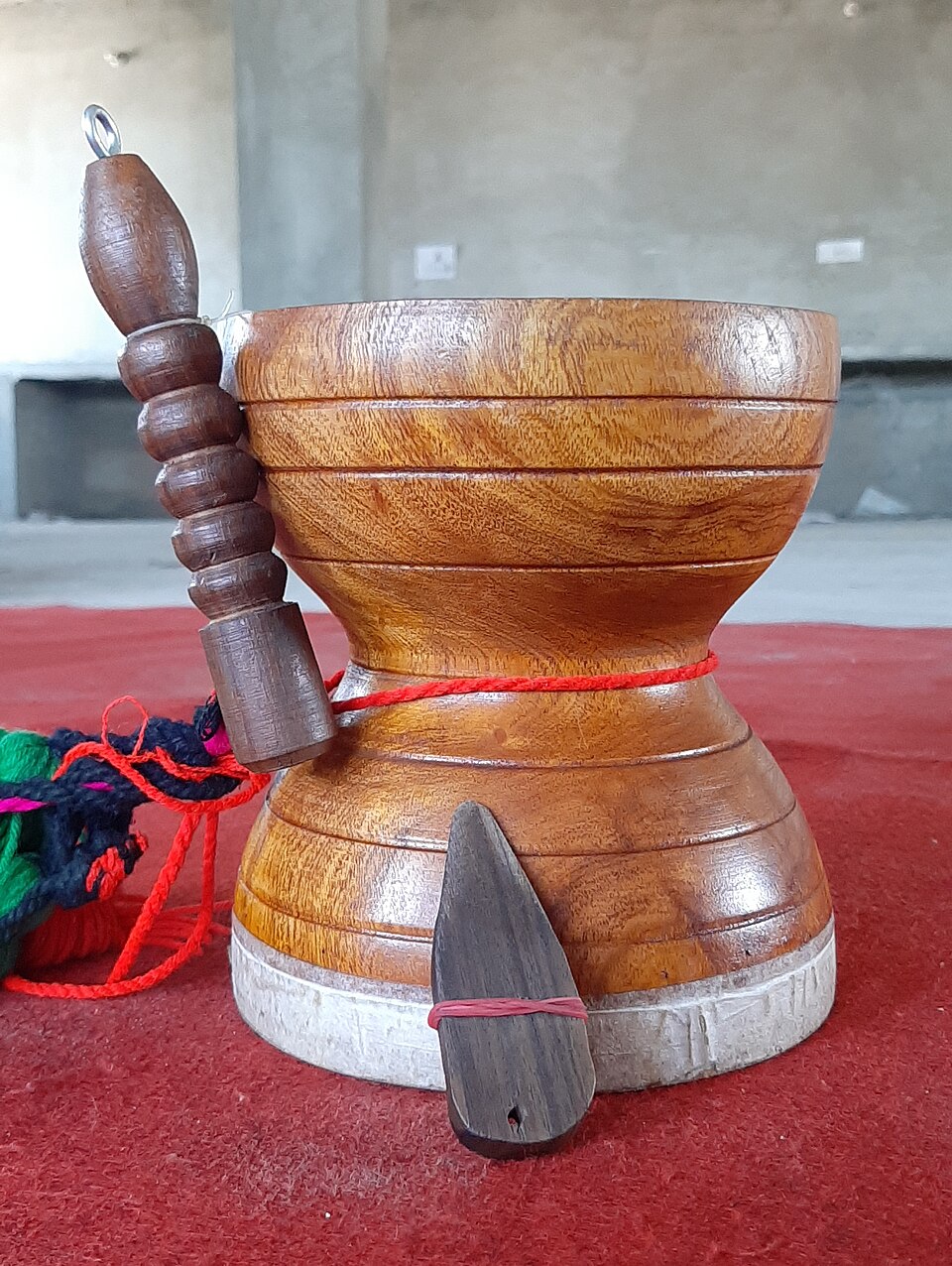
A small drum with a string fixed to its skin, plucked and pulled to make a rubbery, twanging beat.
▶ Watch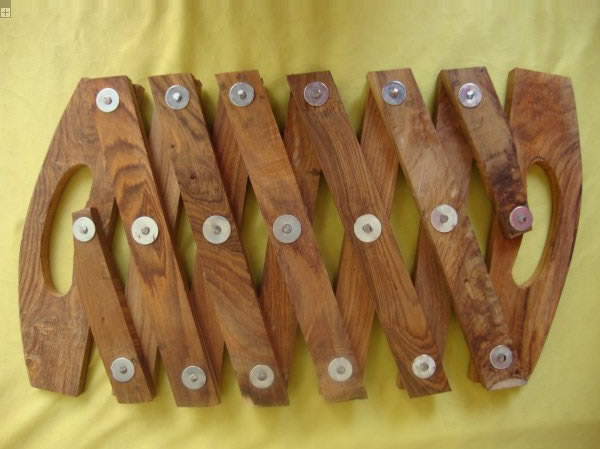
The 'snake': a lattice of wooden slats that stretches out and snaps shut with a clap.
▶ Watch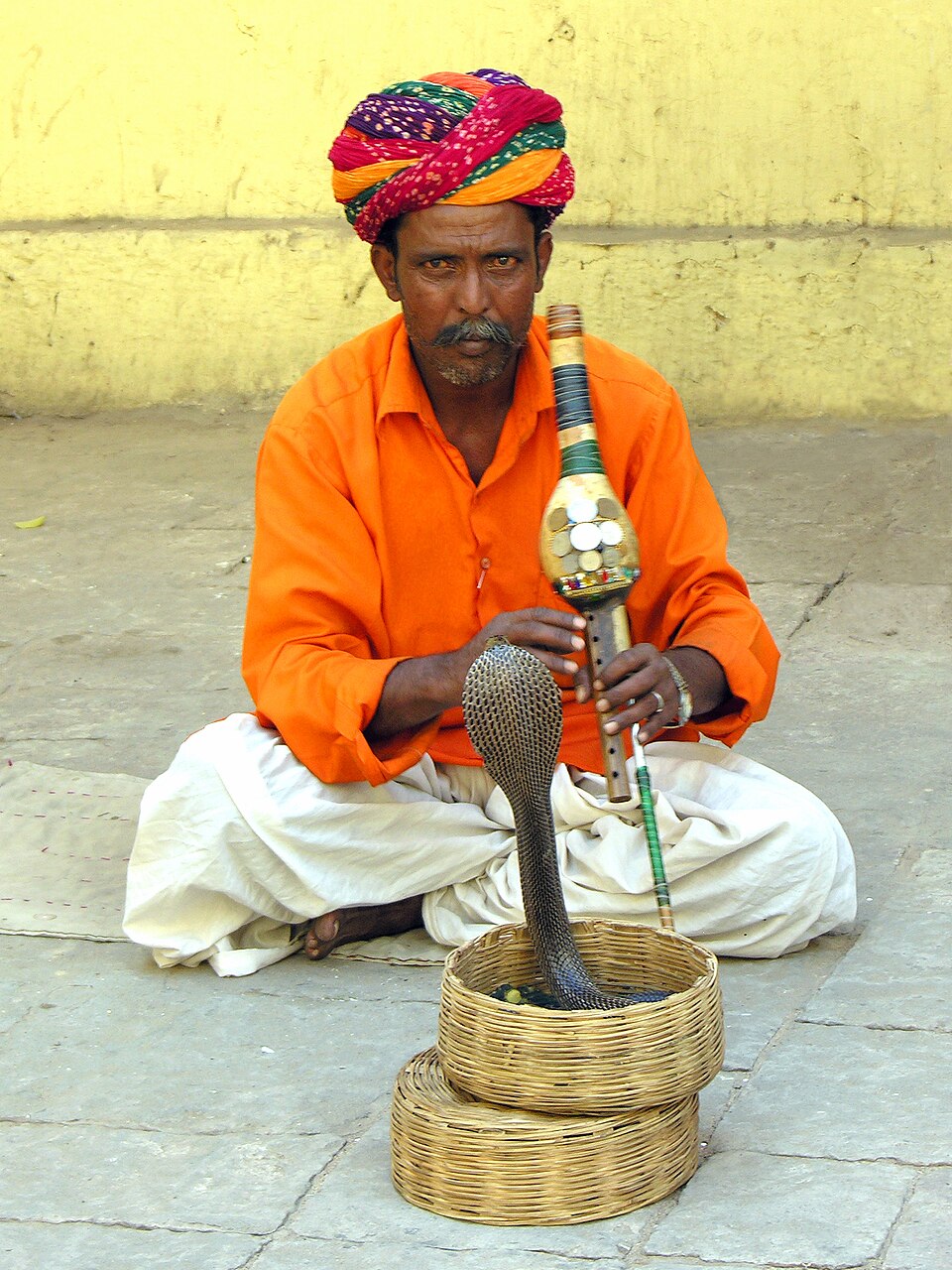
The snake charmer's pipe: two reed pipes set in a dried gourd that holds the player's breath, so the sound never stops.
▶ Watch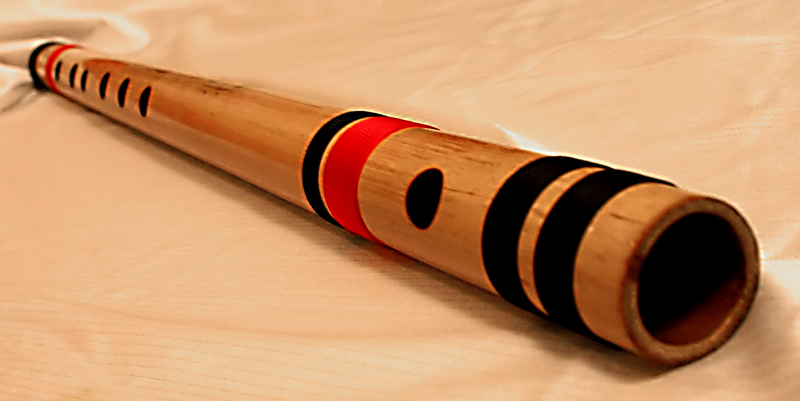
The bamboo flute of the herdsmen of the bar, the flute Ranjha played to Heer's buffaloes by the Chenab.
▶ Watch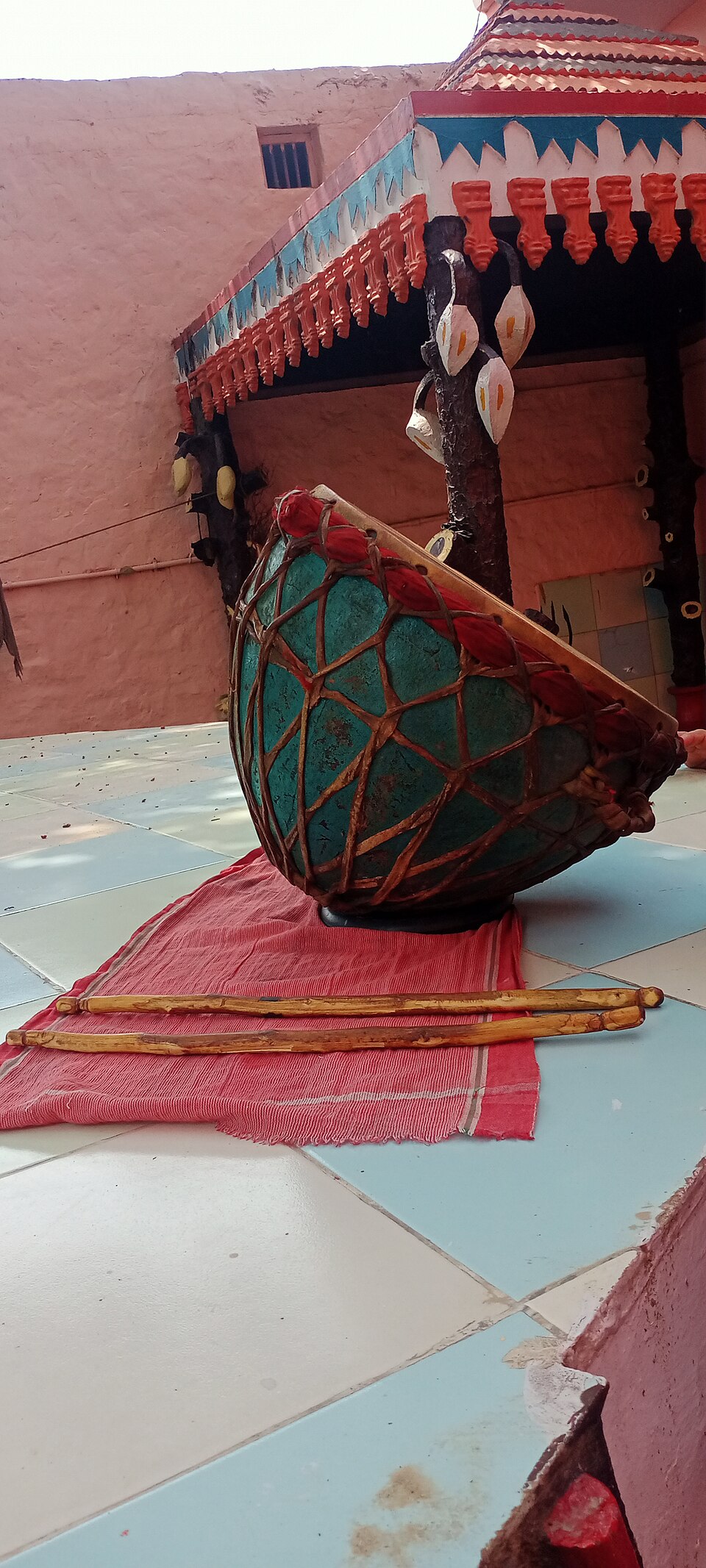
The great kettledrum of kings and of the Khalsa, beaten at the Akal Takht and before Sikh processions.
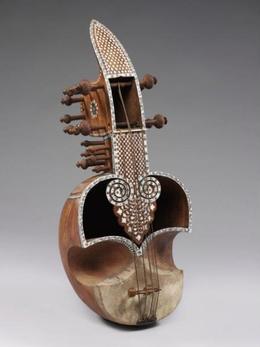 Stringed instrument (sarinda)