 Fragments of Painted Grey Ware (PGW), about 1000 BC: black painted geometric decoration…British Museum, London · photo Zunkir (Wikimedia Commons) · CC BY-SA ↗
 Aramaic inscription of the 4th century BC, found in Sirkap, PaksitanTaxila Museum · photo John Marshall, 1918 (Wikimedia Commons) ↗
 Porus at the Battle of the Hydaspes (Jhelum)Wikimedia Commons · Tapestry after a work by Charles Le Brun, court painter to t · CC BY ↗
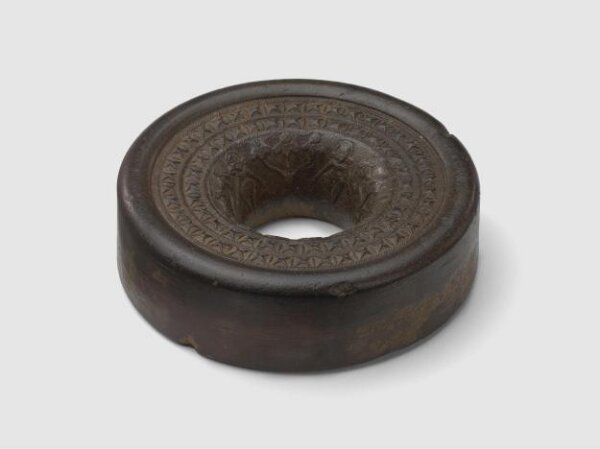 Ring stone3rd century BC-2nd century BC · Taxila© Victoria and Albert Museum, London ↗
 Amorous couple, circa 2nd century BCE, Amin, Haryana, Sunga Period, National MuseumNational Museum, New Delhi · photo SpeakingArch (Wikimedia Commons) · CC BY-SA ↗
 Terracotta disc with elephant motif from Sugh, Haryana, circa 2nd century BCEGovernment Museum, Chandigarh · photo SpeakingArch (Wikimedia Commons) · CC BY-SA ↗
 Yaksha, Shunga Period, 2nd century BCE, Amin, Haryana, National Museum, New DelhiNational Museum, New Delhi · photo SpeakingArch (Wikimedia Commons) · CC BY-SA ↗
 Child learning Brahmi Alphabets,Shunga Period, circa 2nd century BCE, Sugh, HaryanaNational Museum, New Delhi · photo SpeakingArch (Wikimedia Commons) · CC BY-SA ↗
 Male figure leading a goat, Sugh, Punjab, about 100 BCE, Terracotta, Ashmolean MuseumAshmolean Museum, Oxford · photo SpeakingArch (Wikimedia Commons) · CC BY-SA ↗
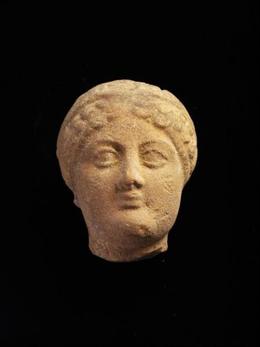 Head, Rawalpindica.100 BC · Rawalpindi© Victoria and Albert Museum, London ↗
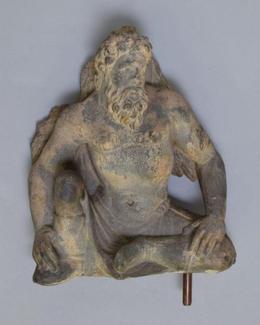 AtlantesAbout 50 BC to 150 AD · Gandhara© Victoria and Albert Museum, London ↗
 Fragment of a Capital1st century-3rd century · Gandhara© Victoria and Albert Museum, London ↗
 Birth of Siddhartha Sakyamuni with Queen Maya as a Shalabhanjika circa 2nd century CELahore Museum · photo SpeakingArch (Wikimedia Commons) · CC BY-SA ↗
 Fasting Siddharta Found at Sikri, Jamalgarhi, District Mardan circa 2nd century CELahore Museum · photo SpeakingArch (Wikimedia Commons) · CC BY-SA ↗
 Lion Capital, Kushan Period, circa 2nd century CE, Khokrakot, Haryana, National MuseumNational Museum, New Delhi · photo SpeakingArch (Wikimedia Commons) · CC BY-SA ↗
 Gandharan sculpture depicting “Amitabh preaching in Sukhavati heaven,” 2nd century ADGovernment Museum, Chandigarh · photo UnpetitproleX (Wikimedia Commons) · CC BY-SA ↗
 Parnirvana of Ananda, circa 2nd century CE, Sikrai, Government Museum and Art GalleryGovernment Museum, Chandigarh · photo SpeakingArch (Wikimedia Commons) · CC BY-SA ↗
 Miracle of Sravasti (the fire scene) Kabul, circa 2nd century CE, Gandhara School of ArtIndian Museum, Kolkata · photo SpeakingArch (Wikimedia Commons) · CC BY-SA ↗
 Siddhartha in Writing Competition, circa 2nd century CE, North West Frontier ProvinceGovernment Museum, Chandigarh · photo SpeakingArch (Wikimedia Commons) · CC BY-SA ↗
 The First Sermon, circa 2nd century CE, NWFP, Government Museum and Art GalleryGovernment Museum, Chandigarh · photo SpeakingArch (Wikimedia Commons) · CC BY-SA ↗
 Yakshi, 2nd century CE, North West Frontier ProvinceGovernment Museum, Chandigarh · photo SpeakingArch (Wikimedia Commons) · CC BY-SA ↗
 Gautam playing a harp, circa 2nd century CE, Loriyan Tangai, Indian Museum, KolkataIndian Museum, Kolkata · photo SpeakingArch (Wikimedia Commons) · CC BY-SA ↗
 Submission of Naga King Apalala, 2nd century CE, Loriyan Tangai, Indian Museum KolkataIndian Museum, Kolkata · photo SpeakingArch (Wikimedia Commons) · CC BY-SA ↗
 Sculpture of Atlante, Loriyan Tangai, circa 2nd century CE, Located Indian Museum, KolkataIndian Museum, Kolkata · photo SpeakingArch (Wikimedia Commons) · CC BY-SA ↗
 Turning of the Wheel of Law, late 2nd century CE, North West Frontier ProvinceGovernment Museum, Chandigarh · photo SpeakingArch (Wikimedia Commons) · CC BY-SA ↗
 Terracotta Human Figurines from Thanesar, circa 1st to 3rd century CE, Kushan PeriodWikimedia Commons · SpeakingArch · CC BY-SA ↗
 The Miracle of Sravasti, North West Frontier Province, 3rd century CEGovernment Museum, Chandigarh · photo SpeakingArch (Wikimedia Commons) · CC BY-SA ↗
 Victory over the Black Serpent, NWFP, 3rd century CEGovernment Museum, Chandigarh · photo SpeakingArch (Wikimedia Commons) · CC BY-SA ↗
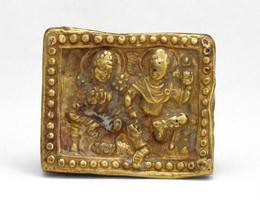 Buckle with the Gods Hariti and Pancika4th century · Taxila© Victoria and Albert Museum, London ↗
 Head of a Prince, circa 4th-5th century CE, Akhnoor, site of UshkarGovernment Museum, Chandigarh · photo SpeakingArch (Wikimedia Commons) · CC BY-SA ↗
 Lady's head, circa 4th-5th century CE, Ushkar (ancient Huvishkapur)Government Museum, Chandigarh · photo SpeakingArch (Wikimedia Commons) · CC BY-SA ↗
 Lady with an angry frown, circa 4th-5th century CE, Akhnoor, site of UshkarGovernment Museum, Chandigarh · photo SpeakingArch (Wikimedia Commons) · CC BY-SA ↗
 Stucco head of a deity or Bodhisattva, 300-500 CE, Attock, Pakistan, British MuseumBritish Museum, London · photo SpeakingArch (Wikimedia Commons) · CC BY-SA ↗
 Head of a laughing youth, 300-500 CE, Punjab, Pakistan, British MuseumBritish Museum, London · photo SpeakingArch (Wikimedia Commons) · CC BY-SA ↗
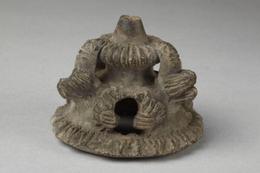 Lid5th century - 7th century · Punjab (India)© Victoria and Albert Museum, London ↗
 Sculpture of Rewanta, circa 5th century CE, ChandimandirWikimedia Commons · SpeakingArch · CC BY-SA ↗
 Head of a girl, circa 5th-6th century CE, Akhnoor, site of Ushkar (ancient Huvishkapur)Government Museum, Chandigarh · photo SpeakingArch (Wikimedia Commons) · CC BY-SA ↗
 Terracotta Ladles, circa 6th to 7th century CE, Vardhana PeriodWikimedia Commons · SpeakingArch · CC BY-SA ↗
 Terracotta Toy Cart, Vardhana Period circa 6th to 7th century CEWikimedia Commons · SpeakingArch · CC BY-SA ↗
 Head of Parvati from Agroha, Haryana, circa 7th century CEGovernment Museum, Chandigarh · photo SpeakingArch (Wikimedia Commons) · CC BY-SA ↗
 Seated Maitreya, 7th-8th century, Kabul, AfghanistanThe Met, New York · photo Metropolitan Museum of Art (Wikimedia Commons) ↗
 Darpanadharini, circa 8th-11th century CE, Bhima Devi Temple, Pinjore, HaryanaWikimedia Commons · SpeakingArch · CC BY-SA ↗
 Miniature Temple fragment, circa 8th-11th century CE, Bhima Devi Temple, Pinjore, HaryanaWikimedia Commons · SpeakingArch · CC BY-SA ↗
 Sculpture of Alasya Kanya, circa 8th-11th century CE, Bhima Devi Temple, Pinjore, HaryanaWikimedia Commons · SpeakingArch · CC BY-SA ↗
 Sculpture of Bharvahak (Keechak), circa 8th-11th century CE, Bhima Devi Temple, PinjoreWikimedia Commons · SpeakingArch · CC BY-SA ↗
 Sculpture of Brahmani, 8th-11th century, Pinjore, HaryanaWikimedia Commons · SpeakingArch · CC BY-SA ↗
 Sculpture of Chanwardharini or Lady with a fly whisk, circa 8th-11th century CEWikimedia Commons · SpeakingArch · CC BY-SA ↗
 Sculpture of Ishana, circa 8th-11th century CE, Bhima Devi Temple, Pinjore, HaryanaWikimedia Commons · SpeakingArch · CC BY-SA ↗
 Sculpture of Lakulish Shiva, circa 8th-11th century CE, Bhima Devi Temple, PinjoreWikimedia Commons · SpeakingArch · CC BY-SA ↗
 Sculpture of Mahakala, circa 8th-11th century CE, Bhima Devi Temple Complex, PinjoreWikimedia Commons · SpeakingArch · CC BY-SA ↗
 Sculpture of Sharabha, Bhima Devi Temple,Pinjore, Haryana circa 8th-11th century CEWikimedia Commons · SpeakingArch · CC BY-SA ↗
 Standing figures, circa 8th-11th century CE, Bhima Devi Temple, Pinjore, HaryanaWikimedia Commons · SpeakingArch · CC BY-SA ↗
 Terracotta Lamp, circa 8th-12th century CE, Sheikh Chilli's Tomb Museum, Thanesar, HaryanaWikimedia Commons · SpeakingArch · CC BY-SA ↗
 Terracotta Lamp fragment, 8th-12th century CE, Shiekh Chili's Tomb Museum, ThanesarWikimedia Commons · SpeakingArch · CC BY-SA ↗
 Terracotta water pot, 8th-12th century CE, Sheikh Chilli's Tombz Museum Thanesar, HaryanaWikimedia Commons · SpeakingArch · CC BY-SA ↗
 Bhadramukh Shiva Sukansa, circa 8th-11th century CE, Bhima Devi Temple, Pinjore, HaryanaWikimedia Commons · SpeakingArch · CC BY-SA ↗
 Fragment of Harihara sculpture, circa 8th-11th century CE, Bhima Devi Temple, PinjoreWikimedia Commons · SpeakingArch · CC BY-SA ↗
 Fragment of a Door Jamb, circa 8th-11th century CE, Bhima Devi Temple, Pinjore, HaryanaWikimedia Commons · SpeakingArch · CC BY-SA ↗
 Fragment showing Vyala, circa 8th-11th century CE, Bhima Devi Temple, PinjoreWikimedia Commons · SpeakingArch · CC BY-SA ↗
 Ganesha Panel, circa 8th-11th century CE, Bhima Devi Temple, PinjoreWikimedia Commons · SpeakingArch · CC BY-SA ↗
 Ishana with female attendants, 8th -11th century CE, Bhima Devi Temple Complex, PinjoreWikimedia Commons · SpeakingArch · CC BY-SA ↗
 Panel showing Vinayaki, Bhima Devi Temple, Pinjore, circa 8th-11th century CEWikimedia Commons · SpeakingArch · CC BY-SA ↗
 Sculpture of Agni, circa 8th-11th century CE, Bhima Devi Temple,Pinjore, HaryanaWikimedia Commons · SpeakingArch · CC BY-SA ↗
 Sculpture of Bhairava, 8th-11th century CE, Bhima Devi Temple, PinjoreWikimedia Commons · SpeakingArch · CC BY-SA ↗
 Sculpture of Vishnu, circa 8th-11th century CE, Bhima Devi Temple, PinjoreWikimedia Commons · SpeakingArch · CC BY-SA ↗
 Sukansa with Vishnu, circa 8th-11th century CE, Bhima Devi Temple, PinjoreWikimedia Commons · SpeakingArch · CC BY-SA ↗
 Sculpture of Seated Vishnu, circa 9th century CE, South IndiaGovernment Museum, Chandigarh · photo SpeakingArch (Wikimedia Commons) · CC BY-SA ↗
 Vishnu sculpture found in Punjab, India, circa 10th–11th centuryThe Met, New York · photo The Metropolitan Museum of Art (Wikimedia Commons) ↗
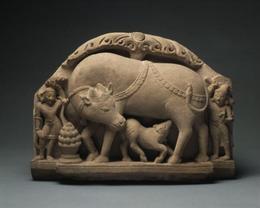 Sculpture10th century · Hisar© Victoria and Albert Museum, London ↗
 Ganga, Haryana, circa 10th century CE, Government Museum and Art Gallery, ChandigarhGovernment Museum, Chandigarh · photo SpeakingArch (Wikimedia Commons) · CC BY-SA ↗
 Yamuna, Haryana, circa 10th century CE, Government Museum and Art Gallery, ChandigarhGovernment Museum, Chandigarh · photo SpeakingArch (Wikimedia Commons) · CC BY-SA ↗
 Broken sculpture of Veerbhadra, circa 10th-11th century CE, HaryanaGovernment Museum, Chandigarh · photo SpeakingArch (Wikimedia Commons) · CC BY-SA ↗
 Vishnu holding Shanka figure in the Chandigarh art museum, Agroha Haryana, 10th centuryGovernment Museum, Chandigarh · photo Kritzolina (Wikimedia Commons) · CC BY-SA ↗
 Uma-Maheshwar, Pratihara, 10th century AD, Gujjarkheri, RohtakNational Museum, New Delhi · photo Daderot (Wikimedia Commons) ↗
 Ganga & Yamuna, 10th Century AD Haryana Acc No 4364, 4365 Govt Museum ChandigarhGovernment Museum, Chandigarh · photo Deepank Ranka (Wikimedia Commons) · CC BY ↗
 Vishnu Holding Shankha (Conch) Agroha Haryana 10th Century AD Acc NoGovernment Museum, Chandigarh · photo Deepank Ranka (Wikimedia Commons) · CC BY ↗
Search the museums' full collections
V&A ↗ · British Museum ↗ · The Met ↗ · Cleveland ↗ · Wellcome Collection ↗ · Wikimedia Commons ↗ · Ashmolean ↗ · Royal Collection ↗ · Pitt Rivers ↗
Shown here are the objects whose pictures museums have released openly. Far more are in their collections, and in museums with no open search, such as the Lahore Museum. Searching for "Punjab".
Pictures from the collections of Art Institute of Chicago, Ashmolean Museum, Oxford, Asian Art Museum, San Francisco, Berlin-Dahlem Botanical Garden and Botanical Museum (via Europeana), Bhuri Singh Museum, Chamba, 65 more, found automatically: public domain or openly licensed, except the V&A's, shown for non-commercial use with the museum's credit. Titles and dates are the museums' own; each card names its museum and any licence. Updated 2026-10-26.