Lahore, Multan and the Punjab
Mughal Lahore, Multan, the Sufis, the Anglo-Sikh wars and the life of both Punjabs.
Vedas, Alexander and Gandhara
1900 BCE – 1000 · 76 Fragments of Painted Grey Ware (PGW), about 1000 BC: black painted geometric decoration…British Museum, London · photo Zunkir (Wikimedia Commons) · CC BY-SA ↗
 Aramaic inscription of the 4th century BC, found in Sirkap, PaksitanTaxila Museum · photo John Marshall, 1918 (Wikimedia Commons) ↗
 Porus at the Battle of the Hydaspes (Jhelum)Wikimedia Commons · Tapestry after a work by Charles Le Brun, court painter to t · CC BY ↗
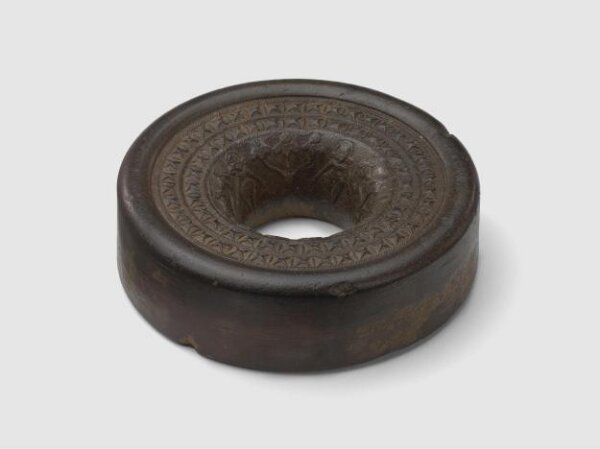 Ring stone3rd century BC-2nd century BC · Taxila© Victoria and Albert Museum, London ↗
 Amorous couple, circa 2nd century BCE, Amin, Haryana, Sunga Period, National MuseumNational Museum, New Delhi · photo SpeakingArch (Wikimedia Commons) · CC BY-SA ↗
 Terracotta disc with elephant motif from Sugh, Haryana, circa 2nd century BCEGovernment Museum, Chandigarh · photo SpeakingArch (Wikimedia Commons) · CC BY-SA ↗
 Yaksha, Shunga Period, 2nd century BCE, Amin, Haryana, National Museum, New DelhiNational Museum, New Delhi · photo SpeakingArch (Wikimedia Commons) · CC BY-SA ↗
 Child learning Brahmi Alphabets,Shunga Period, circa 2nd century BCE, Sugh, HaryanaNational Museum, New Delhi · photo SpeakingArch (Wikimedia Commons) · CC BY-SA ↗
 Male figure leading a goat, Sugh, Punjab, about 100 BCE, Terracotta, Ashmolean MuseumAshmolean Museum, Oxford · photo SpeakingArch (Wikimedia Commons) · CC BY-SA ↗
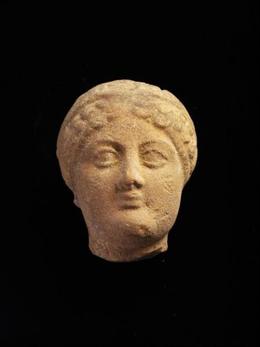 Head, Rawalpindica.100 BC · Rawalpindi© Victoria and Albert Museum, London ↗
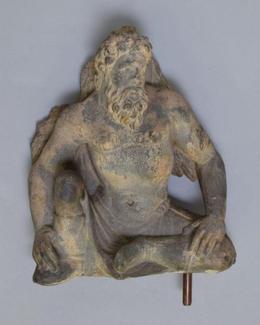 AtlantesAbout 50 BC to 150 AD · Gandhara© Victoria and Albert Museum, London ↗
 Fragment of a Capital1st century-3rd century · Gandhara© Victoria and Albert Museum, London ↗
 Birth of Siddhartha Sakyamuni with Queen Maya as a Shalabhanjika circa 2nd century CELahore Museum · photo SpeakingArch (Wikimedia Commons) · CC BY-SA ↗
 Fasting Siddharta Found at Sikri, Jamalgarhi, District Mardan circa 2nd century CELahore Museum · photo SpeakingArch (Wikimedia Commons) · CC BY-SA ↗
 Lion Capital, Kushan Period, circa 2nd century CE, Khokrakot, Haryana, National MuseumNational Museum, New Delhi · photo SpeakingArch (Wikimedia Commons) · CC BY-SA ↗
 Gandharan sculpture depicting “Amitabh preaching in Sukhavati heaven,” 2nd century ADGovernment Museum, Chandigarh · photo UnpetitproleX (Wikimedia Commons) · CC BY-SA ↗
 Parnirvana of Ananda, circa 2nd century CE, Sikrai, Government Museum and Art GalleryGovernment Museum, Chandigarh · photo SpeakingArch (Wikimedia Commons) · CC BY-SA ↗
 Miracle of Sravasti (the fire scene) Kabul, circa 2nd century CE, Gandhara School of ArtIndian Museum, Kolkata · photo SpeakingArch (Wikimedia Commons) · CC BY-SA ↗
 Siddhartha in Writing Competition, circa 2nd century CE, North West Frontier ProvinceGovernment Museum, Chandigarh · photo SpeakingArch (Wikimedia Commons) · CC BY-SA ↗
 The First Sermon, circa 2nd century CE, NWFP, Government Museum and Art GalleryGovernment Museum, Chandigarh · photo SpeakingArch (Wikimedia Commons) · CC BY-SA ↗
 Yakshi, 2nd century CE, North West Frontier ProvinceGovernment Museum, Chandigarh · photo SpeakingArch (Wikimedia Commons) · CC BY-SA ↗
 Gautam playing a harp, circa 2nd century CE, Loriyan Tangai, Indian Museum, KolkataIndian Museum, Kolkata · photo SpeakingArch (Wikimedia Commons) · CC BY-SA ↗
 Submission of Naga King Apalala, 2nd century CE, Loriyan Tangai, Indian Museum KolkataIndian Museum, Kolkata · photo SpeakingArch (Wikimedia Commons) · CC BY-SA ↗
 Sculpture of Atlante, Loriyan Tangai, circa 2nd century CE, Located Indian Museum, KolkataIndian Museum, Kolkata · photo SpeakingArch (Wikimedia Commons) · CC BY-SA ↗
 Turning of the Wheel of Law, late 2nd century CE, North West Frontier ProvinceGovernment Museum, Chandigarh · photo SpeakingArch (Wikimedia Commons) · CC BY-SA ↗
 Terracotta Human Figurines from Thanesar, circa 1st to 3rd century CE, Kushan PeriodWikimedia Commons · SpeakingArch · CC BY-SA ↗
 The Miracle of Sravasti, North West Frontier Province, 3rd century CEGovernment Museum, Chandigarh · photo SpeakingArch (Wikimedia Commons) · CC BY-SA ↗
 Victory over the Black Serpent, NWFP, 3rd century CEGovernment Museum, Chandigarh · photo SpeakingArch (Wikimedia Commons) · CC BY-SA ↗
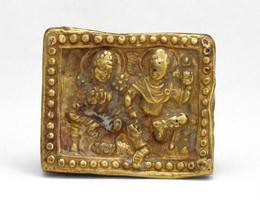 Buckle with the Gods Hariti and Pancika4th century · Taxila© Victoria and Albert Museum, London ↗
 Head of a Prince, circa 4th-5th century CE, Akhnoor, site of UshkarGovernment Museum, Chandigarh · photo SpeakingArch (Wikimedia Commons) · CC BY-SA ↗
 Lady's head, circa 4th-5th century CE, Ushkar (ancient Huvishkapur)Government Museum, Chandigarh · photo SpeakingArch (Wikimedia Commons) · CC BY-SA ↗
 Lady with an angry frown, circa 4th-5th century CE, Akhnoor, site of UshkarGovernment Museum, Chandigarh · photo SpeakingArch (Wikimedia Commons) · CC BY-SA ↗
 Stucco head of a deity or Bodhisattva, 300-500 CE, Attock, Pakistan, British MuseumBritish Museum, London · photo SpeakingArch (Wikimedia Commons) · CC BY-SA ↗
 Head of a laughing youth, 300-500 CE, Punjab, Pakistan, British MuseumBritish Museum, London · photo SpeakingArch (Wikimedia Commons) · CC BY-SA ↗
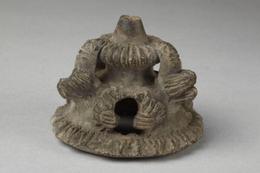 Lid5th century - 7th century · Punjab (India)© Victoria and Albert Museum, London ↗
 Sculpture of Rewanta, circa 5th century CE, ChandimandirWikimedia Commons · SpeakingArch · CC BY-SA ↗
Sultans and Sufis
1000 – 1469 · 36 Likely idealized depiction of Sultan Mahmud of Ghazni in the pose of a Sasanian hero-kingWikimedia Commons · 11th century artist ↗
 Mahmud of Ghazni receiving Indian elephants as tribute (Majmu al-Tawarikh, Hafiz i-AbruWikimedia Commons · Print from 1425 CE, Afghanistan Photographer: Worchester Mus ↗
 Silver dirham of Sultan Mahmud Ghaznavi, 999-1030 CE, Ashmolean Museum, OxfordAshmolean Museum, Oxford · photo SpeakingArch (Wikimedia Commons) · CC BY-SA ↗
 Https://www.metmuseum.org/art/collection/search/38146 Vishnu, 10-11th century, PunjabThe Met, New York · photo Metropolitan Museum of Art (Wikimedia Commons) ↗
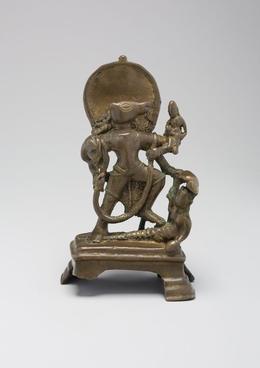 Boar Incarnation the of God Vishnu Lifting the Earth Goddess (Bhuvaraha)11th century · Himachal PradeshArt Institute of Chicago ↗
 Panel with Shiva flanked by female attendants, circa 8th to 11th century CEWikimedia Commons · SpeakingArch · CC BY-SA ↗
 Pillar with Ghatpallava (Pitcher) motif, circa 8th to 11th century CE, Bhima Devi TempleWikimedia Commons · SpeakingArch · CC BY-SA ↗
 Sculpture of Chamunda, circa 11th century CE, Haryana, Government Museum and Art GalleryGovernment Museum, Chandigarh · photo SpeakingArch (Wikimedia Commons) · CC BY-SA ↗
 Sculpture of Ishana, circa 8th to 11th century CE, Bhima Devi Temple, Pinjore, HaryanaWikimedia Commons · SpeakingArch · CC BY-SA ↗
 Sculpture of Lakulish Shiva, circa 8th to 11th century CE, Bhima Devi Temple, PinjoreWikimedia Commons · SpeakingArch · CC BY-SA ↗
 Sculpture of Uma Maheshwar, circa 8th to 11th century CE Bhima Devi Temple, PinjoreWikimedia Commons · SpeakingArch · CC BY-SA ↗
 Sculpture of Varuna, Bhima Devi Temple, Pinjore, Haryana, circa 8th to 11th century CEWikimedia Commons · SpeakingArch · CC BY-SA ↗
 Fragment of a Door jamb, circa 8th to 11th century CE, Bhima Devi Temple, Pinjore, HaryanaWikimedia Commons · SpeakingArch · CC BY-SA ↗
 Kumar Kartikeya, Natayangarh, Haryana 11th Century AD Acc No 131 The male figure is…Government Museum, Chandigarh · photo Deepank Ranka (Wikimedia Commons) · CC BY ↗
 Panel showing Agni flanked by female attendants, circa 8th to 11th century CEWikimedia Commons · SpeakingArch · CC BY-SA ↗
 Seated Ganesha from Pinjore, Haryana circa,11th century CE Ganesha is seated on an…Government Museum, Chandigarh · photo SpeakingArch (Wikimedia Commons) · CC BY-SA ↗
 Temple fragment showing Linga Upasakas, circa 8th to 11th century CE, Bhima Devi TempleWikimedia Commons · SpeakingArch · CC BY-SA ↗
 Vishnu figure in the Chandigarh art museum, 11th centruy, Acc.no 59.153/160Government Museum, Chandigarh · photo Kritzolina (Wikimedia Commons) · CC BY-SA ↗
 Detail of a Vishnu figure in the Chandigarh art museum, 11th centruy, Acc.no 59.153/160Government Museum, Chandigarh · photo Kritzolina (Wikimedia Commons) · CC BY-SA ↗
 Seated Ganesha, Pinjore 11th Century AD Acc No NN129 Ganesha is seated on an animal…Government Museum, Chandigarh · photo Deepank Ranka (Wikimedia Commons) · CC BY ↗
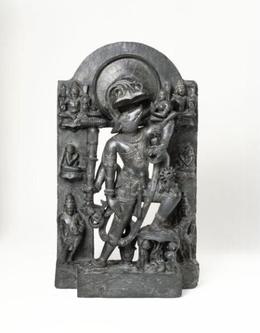 Varaha ascending from the Cosmic Ocean12th century · Fatehabad (Haryana)© Victoria and Albert Museum, London ↗
 Decorated pot relief Sculpture, circa 8th to 12th century CEWikimedia Commons · SpeakingArch · CC BY-SA ↗
 Fragmented Stone Sculpture, circa 8th to 12th century CE, Shiekh Chili's Tomb MuseumWikimedia Commons · SpeakingArch · CC BY-SA ↗
 Sculpture of Surya, circa 12th Century, Agroha HaryanaGovernment Museum, Chandigarh · photo SpeakingArch (Wikimedia Commons) · CC BY-SA ↗
 Shiva Parvati and Nandi sculpture in the Chandigarh art museum, 12th centuryGovernment Museum, Chandigarh · photo Kritzolina (Wikimedia Commons) · CC BY-SA ↗
 Sculpture of Vishnu-Lakshmi, 12th century CE, Agroha, HaryanaGovernment Museum, Chandigarh · photo SpeakingArch (Wikimedia Commons) · CC BY-SA ↗
 Padmavati, Jain Goddess, c.12th century, at Government Museum and Art Gallery in…Government Museum, Chandigarh · photo Wikimedia Commons (Wikimedia Commons) · CC BY-SA ↗
 Shiva Parvati, Agroha, 12th century, housed at Government Museum and Art GalleryGovernment Museum, Chandigarh · photo SpeakingArch (Wikimedia Commons) · CC BY-SA ↗
 Sculpture of Ganga, 12th century, KangraGovernment Museum, Chandigarh · photo SpeakingArch (Wikimedia Commons) · CC BY-SA ↗
 Suryaa 12th Century AD Agroha Haryana Acc No 41 Govt Museum ChandigarhGovernment Museum, Chandigarh · photo Deepank Ranka (Wikimedia Commons) · CC BY ↗
 Vishnu Lakshmi, 12th Century AD Agroha Haryana Acc NoGovernment Museum, Chandigarh · photo Deepank Ranka (Wikimedia Commons) · CC BY ↗
 Shiva Parvati and Nandi, 12th Century AD Agroha Haryana Acc No 3417 Govt Museum ChandigarhGovernment Museum, Chandigarh · photo Deepank Ranka (Wikimedia Commons) · CC BY ↗
 Rembrandt - Benesch 1204British Museum, London · photo Rembrandt (Wikimedia Commons) ↗
 Ganesha sculpture in the Chandigarh art museum, Pinjore, 14th century, Acc.no: 116Government Museum, Chandigarh · photo Kritzolina (Wikimedia Commons) · CC BY-SA ↗
 Detail of Bhagat Sena (unknown if referring to the Punjabi saint, Bhagat SainThe Met, New York · photo Mir Kalan Khan (Wikimedia Commons) ↗
 Holy (Epiphany) water vessel, 15th-16th centuries stone, Leskovac, Hisar site.Wikimedia Commons · Geograf208 · CC BY-SA ↗
Gurus and Mughals
1469 – 1708 · 76 Punjabi Miniature showing Guru Nanak with followersWikimedia Commons · SpeakingArch · CC BY-SA ↗
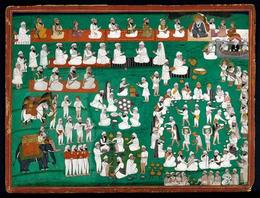 Sikhs paying homage to Guru NanakWellcome Collection (via Europeana) · CC BY ↗
 Babur fights Hazara tribesmen in February 1507 on the road from Herat to KabulV&A, London · photo c.1590 artist (Wikimedia Commons) ↗
 Hazara horseman fighting Babur's troops on the Herat-Kabul road in February 1507.V&A, London · photo 1589-90 artist (Wikimedia Commons) ↗
 Battle of Panipat (20 April 1526)National Museum, New Delhi · photo Painters of Babur (Wikimedia Commons) ↗
 Model of Battle of Panipat (1526) displayed at Indian War Memorial museum, NaubatkhanaWikimedia Commons · Vssun · CC BY-SA ↗
 Humayun's army had a significant role in the battle of Panipat in CE 1526National Museum, New Delhi · photo SpeakingArch (Wikimedia Commons) · CC BY-SA ↗
 Guru Angad, Lahore Museum, accLahore Museum · photo possibly the family workshop (or atelier) of Nainsukh of Gul (Wikimedia Commons) ↗
 Brass, India, 16th centuryWikimedia Commons · Annonymouse9 · CC BY ↗
 Angel on a Composite Animal, Mughal Painting circa 16th century, Chandigarh MuseumGovernment Museum, Chandigarh · photo SpeakingArch (Wikimedia Commons) · CC BY-SA ↗
 The text on the back of the picture describes the Battle of Machhiwara in May 1555Wikimedia Commons · unbekannter Maler im Atelier Akbars in Lahore ↗
 Pakistan, Lahore, Mughal empire, 1555-1556 Furnishings Opaque watercolor, goldLACMA, Los Angeles · photo Mir Sayyid Ali (Wikimedia Commons) ↗
 BAIRAM KHAN PETITIONS THE YOUNG AKBAR FOLLOWING THE SIEGE OF MANKOT IN 1557V&A, London · photo unbekannter Maler im Atelier Akbars in Lahore (Wikimedia Commons) ↗
 This illustration to the Akbarnama (Book of Akbar) depicts the victory of the imperial…V&A, London · photo Composition by Tulsi; painted by Bhawani, portraits by Sanwa (Wikimedia Commons) ↗
 Part of Akbar's success in creating a stable empire in India was his curiosity about…The Met, New York · photo Patron: 'Abd al-Rahim ibn Muhammad Bairam Khan Khan-i Khanan (Wikimedia Commons) ↗
 This file represent the Farman of Akbar issued for Hemu community of dhusar bhargav…Wikimedia Commons · Akbar the great · CC BY-SA ↗
 Brooklyn Museum - The Emperors Akbar Jahangir and Shah Jahan with Their Ministers and…Brooklyn Museum · photo Chitaraman, Indian (Wikimedia Commons) ↗
 The Delhi Darbar of Akbar IIWikimedia Commons · Ghulam Murtaza Khan(?) ↗
 This illustration to the Akbarnama (Book of Akbar) depicts the fight that took place in…V&A, London · photo The overall composition of the painting was designed by the (Wikimedia Commons) ↗
 Akbar Khan Muhammad of the Barakzai dynasty (Nawab Mohammad Akhbar Khan)National Army Museum, London · photo Wikimedia Commons (Wikimedia Commons) ↗
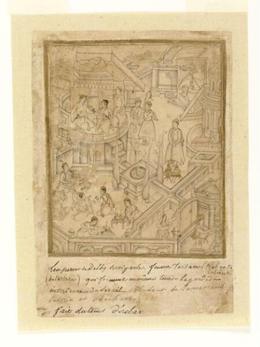 Drawing, Lahore1556-1605 · Lahore© Victoria and Albert Museum, London ↗
 Portrait of Mian Mir and Mulla Shah MET sf09-227-4rThe Met, New York · photo Creator:Muhammad Musa (Wikimedia Commons) ↗
 Pakistan, Lahore, Mughal empire, circa 1585-1590 Drawings; watercolors Opaque watercolorLACMA, Los Angeles · photo Wikimedia Commons (Wikimedia Commons) ↗
 Pakistan, Lahore, Mughal empire, circa 1585-1590 Drawings; watercolors Opaque watercolorLACMA, Los Angeles · photo Wikimedia Commons (Wikimedia Commons) ↗
 Babur's army defeating Hazara tribesmen, c.1589, Baburnama, housed at the V&A MuseumV&A, London · photo SpeakingArch (Wikimedia Commons) · CC BY-SA ↗
 Pakistan, Lahore, Mughal empire, circa 1590 Drawings; watercolors Ink, opaque watercolorLACMA, Los Angeles · photo Attributed to Basawan (India, Akbar reign, Mughal Empire, ac (Wikimedia Commons) ↗
 Pakistan, Lahore, Mughal, circa 1590 Drawings; watercolors Opaque watercolor, goldLACMA, Los Angeles · photo Wikimedia Commons (Wikimedia Commons) ↗
 Pakistan, Lahore, Mughal, circa 1590 Drawings; watercolors Opaque watercolor, goldLACMA, Los Angeles · photo Wikimedia Commons (Wikimedia Commons) ↗
 Akbarnamaca. 1590-95 · Lahore© Victoria and Albert Museum, London ↗
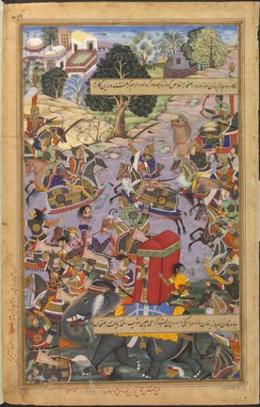 Wazir Khan and Bahadur Khanca. 1590-95 · Mughal Empire© Victoria and Albert Museum, London ↗
 Pakistan, Lahore, Mughal, circa 1594 Drawings; watercolors Opaque watercolor, goldLACMA, Los Angeles · photo Wikimedia Commons (Wikimedia Commons) ↗
 Pakistan, Lahore, Mughal, circa 1594 Drawings; watercolors Opaque watercolor, goldLACMA, Los Angeles · photo Wikimedia Commons (Wikimedia Commons) ↗
 Pakistan, Lahore, Mughal empire, colophon dated 1596 Drawings; watercolors Opaque…LACMA, Los Angeles · photo Basawan (India, active circa 1556-1600) (Wikimedia Commons) ↗
 Pakistan, Lahore, Mughal, 1596 Drawings; watercolors Opaque watercolorLACMA, Los Angeles · photo Wikimedia Commons (Wikimedia Commons) ↗
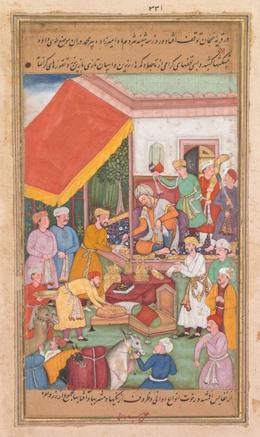 Timur distributes gifts from his grandson, the Prince of Multan, from a Zafar-nama1598–1600 · Mughal India, court of Akbar (reigned 1556–1605)Cleveland Museum of Art ↗
 Berlín Lahore ca. 1610- 01Wikimedia Commons · Miguel Hermoso Cuesta · CC BY-SA ↗
Misls and Afghans
1708 – 1799 · 43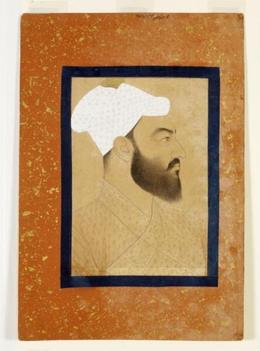 Bahadur Shah Ica. 1710 · Mughal Empire© Victoria and Albert Museum, London ↗
 Nadir Shah, Victoria & AlbertV&A, London · photo Muhammad Pana (Wikimedia Commons) ↗
 Nadir Shah at the sack of Delhi - Battle scene with Nader Shah on horsebackMuseum of Fine Arts, Boston · photo possibly by Muhammad Ali ibn Abd al-Bayg ibn Ali Quli Jabbad (Wikimedia Commons) ↗
 Nadir Shah on the Peacock Throne after his defeat of Muhammad ShahWikimedia Commons ↗
 Painting, portrait of Nadir Shah seated on a carpet, oil on canvas, probably TehranV&A, London · photo Wikimedia Commons (Wikimedia Commons) ↗
 Portrait of Nadir Shah, bust to left, with tall jewelled hat and double pearl necklacesBritish Museum, London · photo Charles Heath (Wikimedia Commons) · CC BY ↗
 Portrait of Nadir ShahWikimedia Commons · Bahram ↗
 This painting depicts a bearded ruler, probably Nadir Shah of Persia (rWikimedia Commons ↗
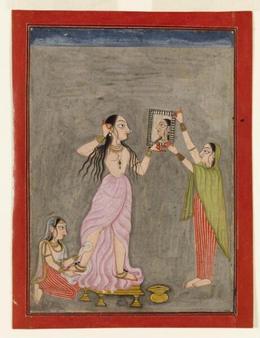 Painting, Mankotca. 1730 · Mankot© Victoria and Albert Museum, London ↗
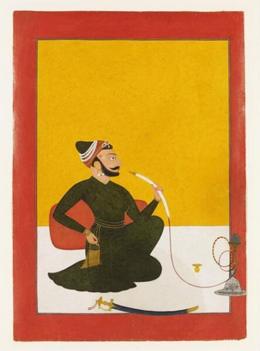 Raja Ajmat Devca. 1730 · Mankot© Victoria and Albert Museum, London ↗
 Nadir Shah Receiving an Ottoman Envoy, Possibly Muhammad Rashid Khan, Iran, 1730s-1740sWikimedia Commons · Possibly Muhammad Rashid Khan ↗
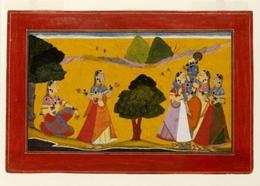 Radha and Krishnaca. 1730-1735 · Basohli© Victoria and Albert Museum, London ↗
 The mosque was probably constructed in 1735 by the Mughal Governor Abdul Samad KhanBritish Library, London · photo William Baker (Wikimedia Commons) ↗
 Painting of Nader Shah, he was Shah of Iran from 1736 to 1747Wikimedia Commons · Abolhassan Mostofi Ghaffari ↗
 Tahmas Kuli Chan (Nadir Shah), Christopherus Volf, 1736, GermanyBritish Museum, London · photo Christopherus Volf (Wikimedia Commons) ↗
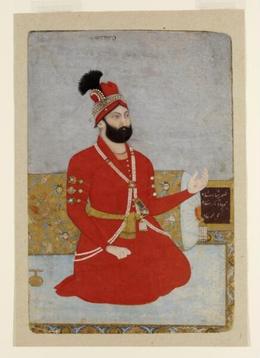 Nadir Shahc. 1740 · Mughal Empire© Victoria and Albert Museum, London ↗
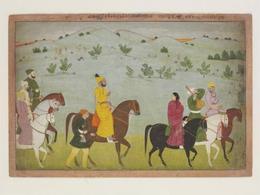 Mian Mukund Devca. 1740 - ca. 1745 · Jasrota© Victoria and Albert Museum, London ↗
 Painting of Ahmad Shah Abdali (also known as Ahmad Shah Durrani) kept in the Lahore…Lahore Museum · photo Wikimedia Commons (Wikimedia Commons) ↗
 Painting of Jai Singh Kanhaiya receiving Raja Raj Singh and other hill princesWikimedia Commons ↗
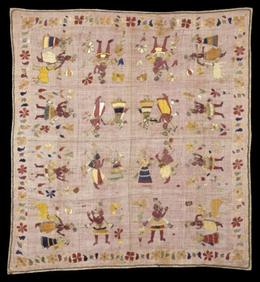 Rumal18th century · Punjab Hills© Victoria and Albert Museum, London ↗
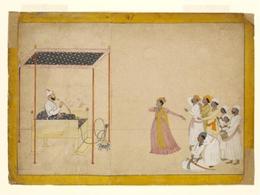 Raja Balwant Singhca. 1750 · Jasrota© Victoria and Albert Museum, London ↗
 Painting of Guru Gobind Singh on-horseback, Patiala, Punjab, circa late-18th centuryWikimedia Commons ↗
 Gilded equestrian painting of Jassa Singh Ahluwalia, Punjab PlainsMuseum of Fine Arts, Boston · photo Wikimedia Commons (Wikimedia Commons) ↗
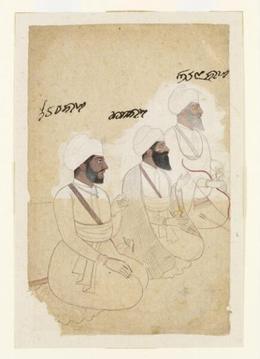 Painting, Punjab Plainsfirst quarter 18th century · Punjab Plains© Victoria and Albert Museum, London ↗
 Rumal18th century · Himachal Pradesh© Victoria and Albert Museum, London ↗
 Lady with a red Ball, Guler School of Art, 1750-1760, Lahore Museum (1)Lahore Museum · photo SpeakingArch (Wikimedia Commons) · CC BY-SA ↗
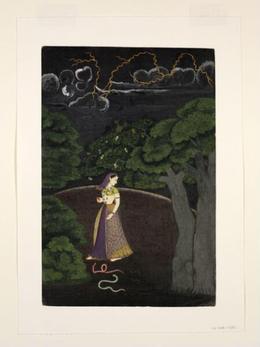 Abhisarika Nayikaca. 1760 · Guler© Victoria and Albert Museum, London ↗
 Indischer Maler um 1760 001Indian Museum, Kolkata · photo Indischer Maler um 1760 (Wikimedia Commons) ↗
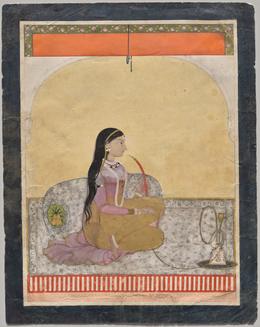 Princess smoking a hookahc. 1760 · Northern India, Pahari kingdomsCleveland Museum of Art ↗
 Penance of Kardama, 1765 CE, Basholi School, Lahore Museum (1)Lahore Museum · photo SpeakingArch (Wikimedia Commons) · CC BY-SA ↗
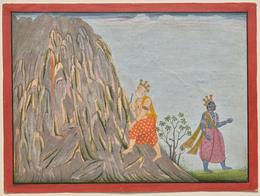 King Muchukunda Enters the Realm of Mount Gandhamadana to Attain Salvationc. 1760–70 · Northern India, Pahari kingdomsCleveland Museum of Art ↗
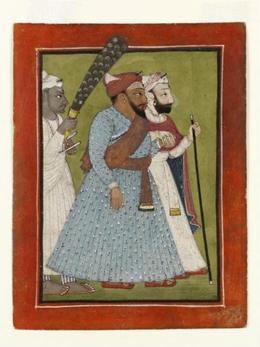 Raja Shamsher Sen and Dhurchatia Senca. 1765 - ca. 1780 · Mandi© Victoria and Albert Museum, London ↗
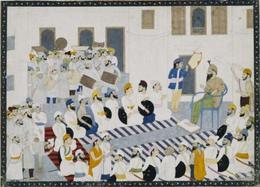 Painting, Gulerca. 1775 · Guler© Victoria and Albert Museum, London ↗
 Lady Tempting Peacock, 1780 CE, Guler School of Art Lahore Museum (1)Lahore Museum · photo SpeakingArch (Wikimedia Commons) · CC BY-SA ↗
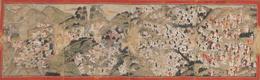 Raja Sansar Chand attacking Kangra Fortafter 1782 · Northern India, Pahari kingdom of KangraCleveland Museum of Art ↗
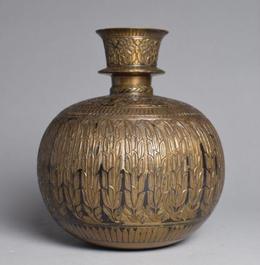 Huqqa baselate 18th century · Punjab (India)© Victoria and Albert Museum, London ↗
The Kingdom of Lahore
1799 – 1849 · 109 Pakistan, Panjab, Bhera, circa 1800 Furnishings; Accessories Light green lizardite…LACMA, Los Angeles · photo Wikimedia Commons (Wikimedia Commons) ↗
 Shiva, Parvati and their children on Mount Kailash, drawing Kangra style, Pahari, c1800British Museum, London · photo Anonynous (Wikimedia Commons) ↗
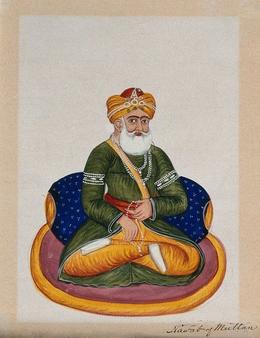 The Nawab of Multan[between 1800 and 1899?] · [India],Wellcome Collection ↗
 Painting of Raja Bhag Singh, Sikh School, Punjab Plains, ca.1800Government Museum, Chandigarh · photo Wikimedia Commons (Wikimedia Commons) ↗
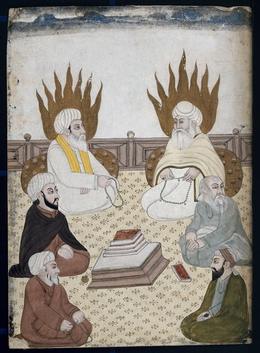 Sufi saints seated around holy scriptures[between 1800 and 1899?] · [India],Wellcome Collection ↗
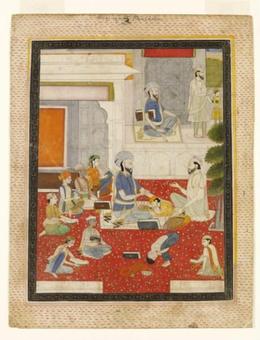 Painting, Punjab Hillsca. 1800 - ca. 1810 · Punjab Hills© Victoria and Albert Museum, London ↗
 This Company painting is a three-quarter length portrait of Ishwari Sen (1784-1826)V&A, London · photo Wikimedia Commons (Wikimedia Commons) ↗
 Krishna's Karma sermon to Arjun, circa 1800-1810 CE, Kangra School of ArtNational Museum, New Delhi · photo SpeakingArch (Wikimedia Commons) · CC BY-SA ↗
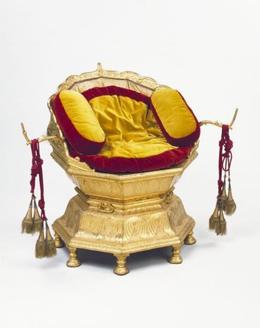 Maharaja Ranjit Singh's throne1805-10 · Lahore© Victoria and Albert Museum, London ↗
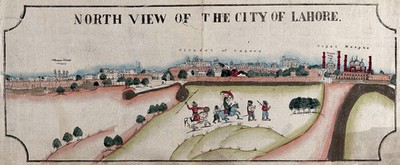 Cityscape of Lahore with Ranjit Singh in foreground, Punjab, PakistanWellcome Collection (via Europeana) · CC BY ↗
 City of Lahore with Ranjit Singh in foreground, Punjab, PakistanWellcome Collection ↗
 Miniature painting of Maharaja Ranjit Singh from one of his issued medalsWikimedia Commons ↗
 Oval-shaped tondo portrait painting of Maharaja Ranjit Singh, Lucknow [Lakhnau], AwadhWikimedia Commons ↗
 Family-tree of Maharaja Ranjit Singh, from the 'Iqbalnama-i-Maharaja Ranjit Singh'Wikimedia Commons ↗
 Letter issued by Maharaja Ranjit Singh to Raja Fateh Singh of Kapurthala StateWikimedia Commons ↗
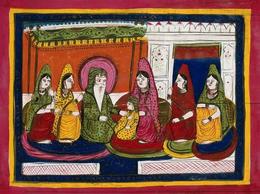 Ranjit Singh, Maharaja of the Punjab, with his wife and child accompanied by his…Wellcome Collection ↗
 Scuola di pahadi, ahalya sapa vimochana, 1810 caSalar Jung Museum, Hyderabad · photo Sailko (Wikimedia Commons) · CC BY ↗
 Scuola di pahadi, parvadi sul trono di loto, 1810 caSalar Jung Museum, Hyderabad · photo Sailko (Wikimedia Commons) · CC BY ↗
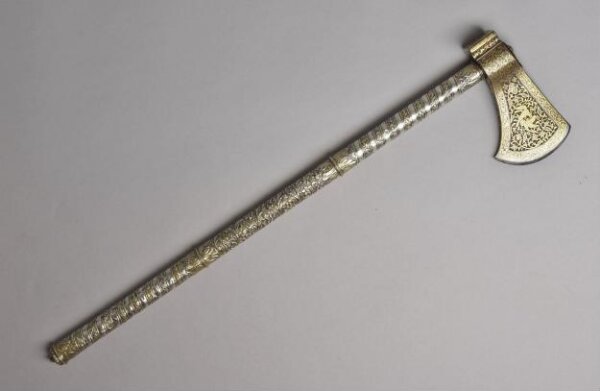 Axeearly 19th century · Lahore© Victoria and Albert Museum, London ↗
 Oval-shaped tondo portrait painting of Maharaja Ranjit Singh, Lucknow, Awadh, ca.1810–20Wikimedia Commons ↗
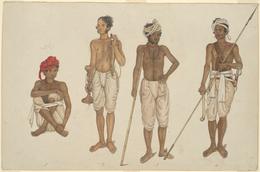 Four Recruits in White Dhotis, page from the Fraser AlbumCompany School, c. 1815-1816 · IndiaArt Institute of Chicago ↗
 Sham Singh Attariwala (Sirdar Sham Singh (Atariwala))National Army Museum, London · photo Wikimedia Commons (Wikimedia Commons) ↗
 Diwan Sawan Mal (Dewan Sawan Mal (Multanwala))National Army Museum, London · photo Wikimedia Commons (Wikimedia Commons) ↗
 Painting of a party of Sikhs, Company School, ca.1817British Museum, London · photo Wikimedia Commons (Wikimedia Commons) ↗
 Krishna as Murlidhar, 1820-1825, Kangra School of Art, Lahore MuseumLahore Museum · photo SpeakingArch (Wikimedia Commons) · CC BY-SA ↗
 Illustration from Hamir Hath, Guler School,1820-1825, Lahore MuseumLahore Museum · photo SpeakingArch (Wikimedia Commons) · CC BY-SA ↗
 Portrait of Gulab Singh Dogra.V&A, London · photo Wikimedia Commons (Wikimedia Commons) ↗
 Gulab Singh (1792-1857) was a member of the Hindu Dogra family who served under…V&A, London · photo Wikimedia Commons (Wikimedia Commons) ↗
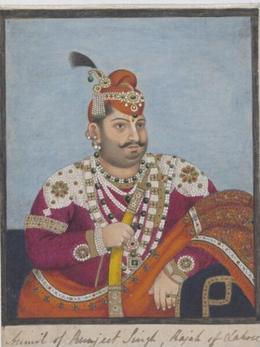 Portrait of Ishwari Sen of Mandica. 1825 · Delhi© Victoria and Albert Museum, London ↗
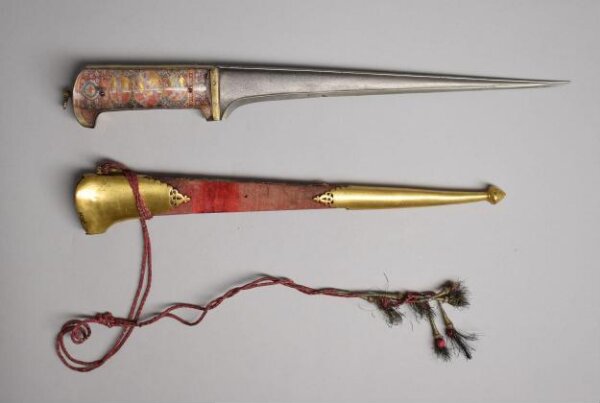 Knife and sheathc. 1800-1850 · Lahore© Victoria and Albert Museum, London ↗
 Maharaja Sher Singh seated, attended by his Council in the Lahore FortLahore Museum · photo Ágoston Schoefft (Wikimedia Commons) ↗
 Painting of the view of Fort Gobindgarh in Amritsar, Punjab, circa 1825British Library, London · photo Wikimedia Commons (Wikimedia Commons) ↗
 Painting of the view of the city of Amritsar, Punjab, circa 1825British Library, London · photo Wikimedia Commons (Wikimedia Commons) ↗
 Illustrated folio from the prayer book of Rani Jindan, 1828-30.British Library, London · photo Wikimedia Commons (Wikimedia Commons) ↗
 Portrait of Maharaja Karam Singh of Patiala (r.1813-1848)British Library, London · photo Wikimedia Commons (Wikimedia Commons) ↗
 Painting of Sardar Tej Singh [born as 'Tej Ram' into a Brahmin familyLahore Museum · photo Wikimedia Commons (Wikimedia Commons) ↗
Colonial Punjab
1849 – 1947 · 567 The Siege of Mooltan', 1849National Army Museum, London · photo J. Rogers after H. Warren (Wikimedia Commons) ↗
 1849 Jhelum 1870Wikimedia Commons · Photograph by Mike Peel (www.mikepeel.net). · CC BY-SA ↗
 The Battle of Goojerat on 21 February 1849National Army Museum, London · photo J. Harris after H. Martens (Wikimedia Commons) ↗
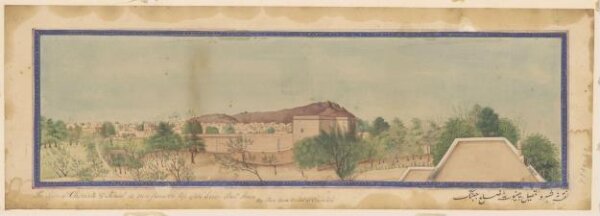 One of three drawings of Chiniot (Jhang district), formerly Punjab and its environsca. 1850 · Punjab (India)© Victoria and Albert Museum, London ↗
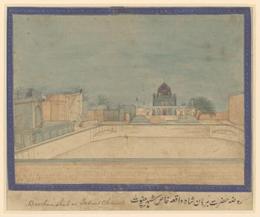 One of three drawings of Chiniot (Jhang district), formerly Punjab and its environs.ca.1850 · Punjab (India)© Victoria and Albert Museum, London ↗
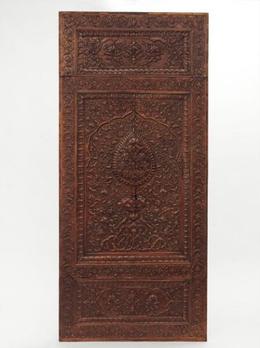 Door19th century · Amritsar© Victoria and Albert Museum, London ↗
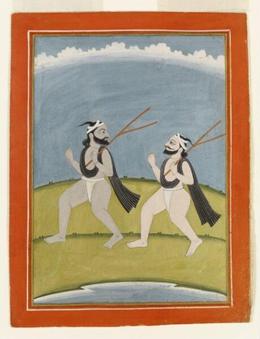 Painting, Punjab Plain19th century · Punjab Plain© Victoria and Albert Museum, London ↗
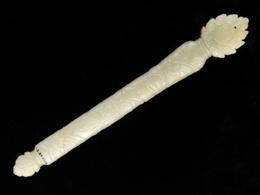 Fan handle19th century · Punjab (India)© Victoria and Albert Museum, London ↗
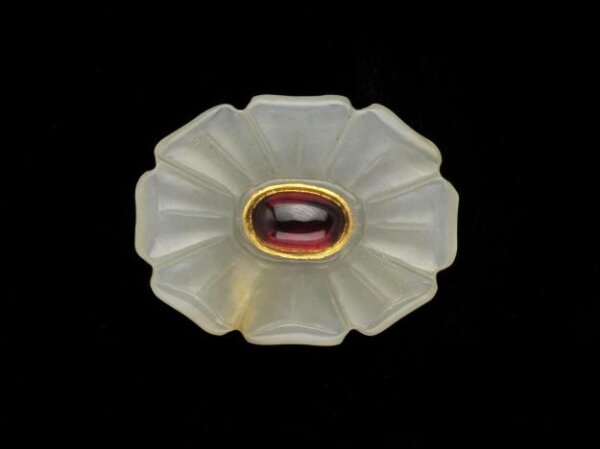 Plaque19th century · Punjab (India)© Victoria and Albert Museum, London ↗
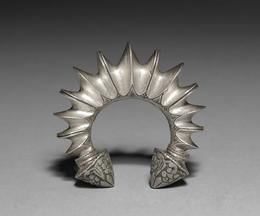 Bracelet1800s · India, Punjab (?) or SindCleveland Museum of Art ↗
 A Punjabi woman cooking, Punjab, circa 19th centuryPhiladelphia Museum of Art · photo Wikimedia Commons (Wikimedia Commons) ↗
 Satguru Ram Singh Museum, Bhaini Sahib, District Ludhyana, Punjab, IndiaWikimedia Commons · Harvinder Chandigarh · CC BY-SA ↗
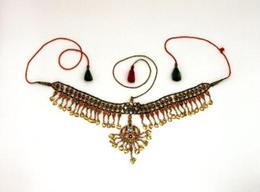 Forehead ornamentca. 1850 · Gujranwala© Victoria and Albert Museum, London ↗
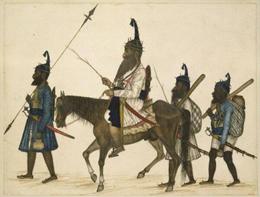 Painting, Lahoreca. 1850 · Lahore© Victoria and Albert Museum, London ↗
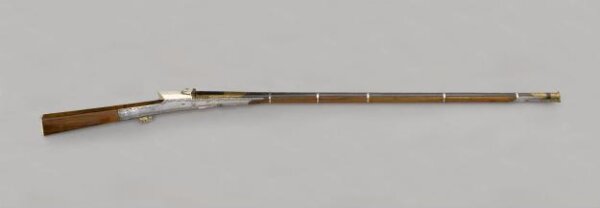 Firearm19th century · Lahore© Victoria and Albert Museum, London ↗
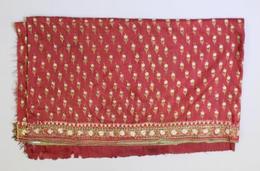 Skirt piece19th century · Punjab (India)© Victoria and Albert Museum, London ↗
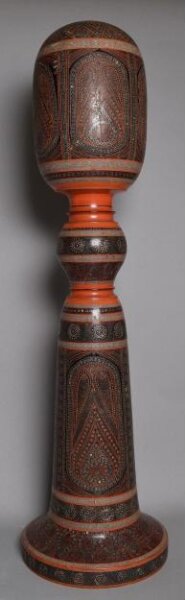 Charpai19th century · Punjab (India)© Victoria and Albert Museum, London ↗
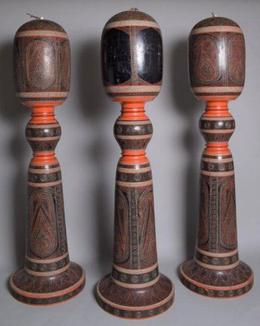 Charpai19th century · Punjab (India)© Victoria and Albert Museum, London ↗
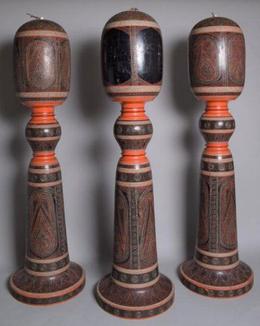 Charpai19th century · Punjab (India)© Victoria and Albert Museum, London ↗
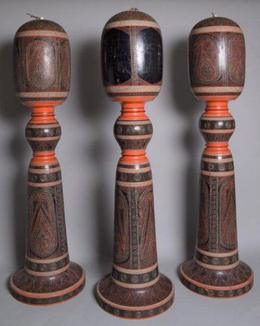 Charpai19th century · Punjab (India)© Victoria and Albert Museum, London ↗
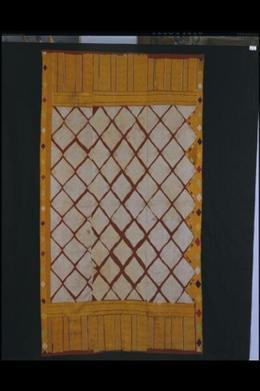 Chand Bagh19th century · Punjab (India)© Victoria and Albert Museum, London ↗
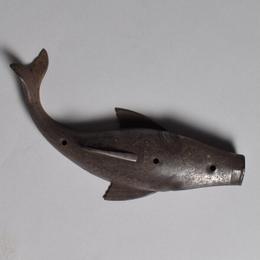 Firearm accessoryprobably 19th century · Punjab (India)© Victoria and Albert Museum, London ↗
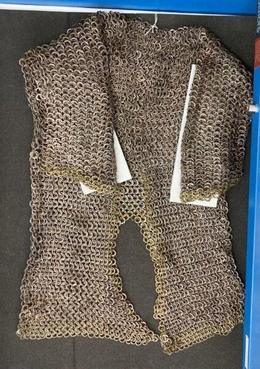 Mail coat19th century · Punjab (India)© Victoria and Albert Museum, London ↗
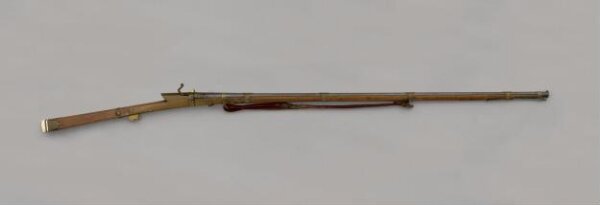 Firearm19th century · Punjab (India)© Victoria and Albert Museum, London ↗
 India, Panjab, 19th century Jewelry and Adornments; crowns Repoussé silver with gilding…LACMA, Los Angeles · photo Wikimedia Commons (Wikimedia Commons) ↗
 Painting of an elephant fight, Sikh Empire, circa 19th centuryMuseum für Asiatische Kunst, Berlin · photo Wikimedia Commons (Wikimedia Commons) ↗
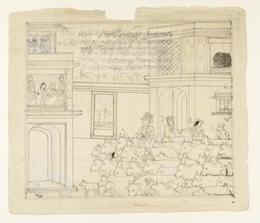 Radha and Krishna19th century · Kangra© Victoria and Albert Museum, London ↗
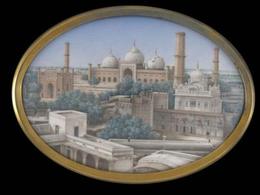 The Jami Masjid, Lahoreca. 1850 · Delhi© Victoria and Albert Museum, London ↗
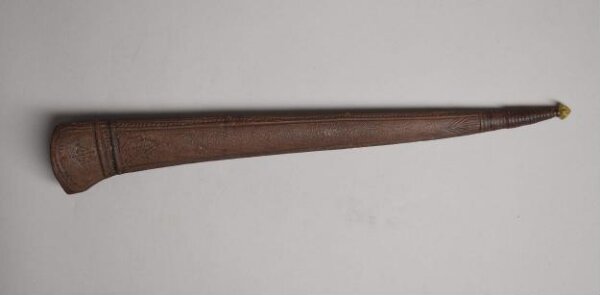 Knife19th century · Lahore© Victoria and Albert Museum, London ↗
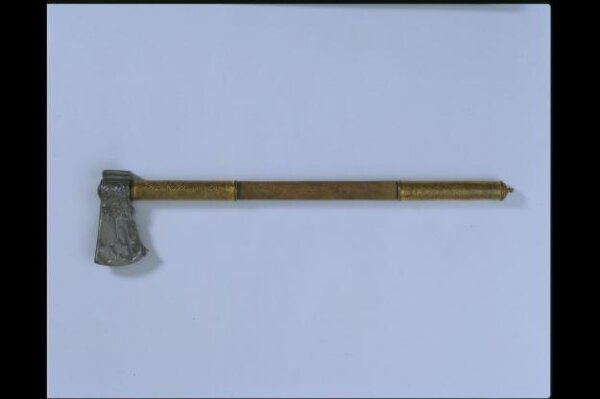 Saddle-axe of Safdar Jang19th century · Lahore© Victoria and Albert Museum, London ↗
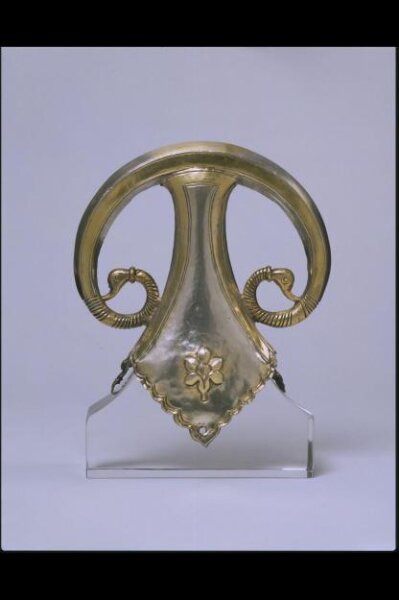 Saddle pommelca. 1850 · Lahore© Victoria and Albert Museum, London ↗
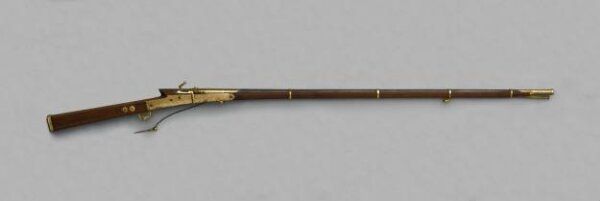 Firearm19th century · Lahore© Victoria and Albert Museum, London ↗
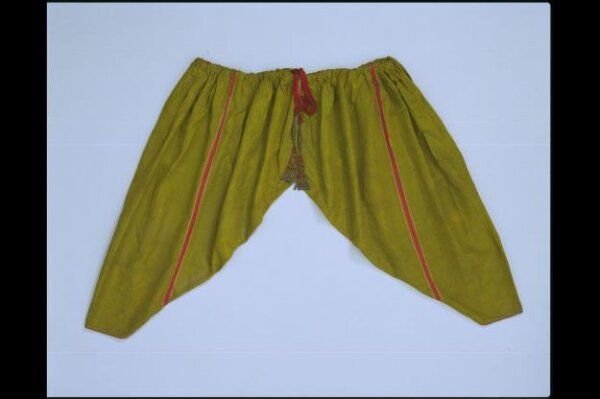 Trousersmid 19th century · Lahore© Victoria and Albert Museum, London ↗
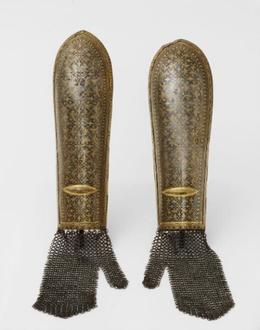 Pair of armguards19th century · Lahore© Victoria and Albert Museum, London ↗
 Bracelet1800s · India, LahoreCleveland Museum of Art ↗
 Painting bearing the words "Shah Jahan ki Khilwat" in Persian, circa 19th century CELahore Museum · photo SpeakingArch (Wikimedia Commons) · CC BY-SA ↗
Two Punjabs
1947 – today · 7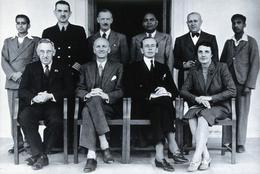 The Medical Mission for Experts on their visit to India: group portrait includes Sir…1950Wellcome Collection (via Europeana) · CC BY ↗
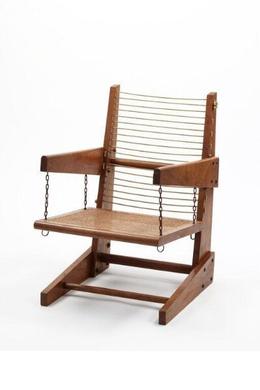 Armchair1950-1960 · Chandigarh© Victoria and Albert Museum, London ↗
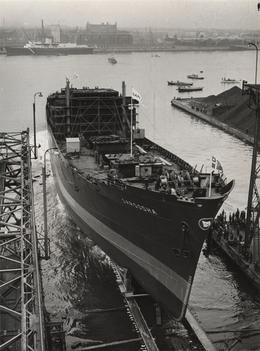 Kylmotorfartyget SARGODHA löper av stapeln i jan. 1956.National Maritime Museum (via Europeana) ↗
 Gp Capt FS Hussain in Sargodha during the 1965 warWikimedia Commons · Pakistan Air Force Archives ↗
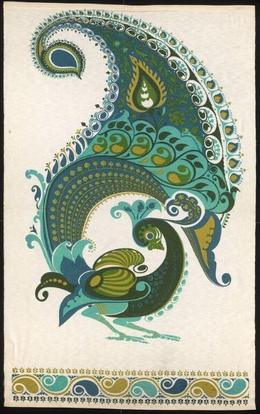
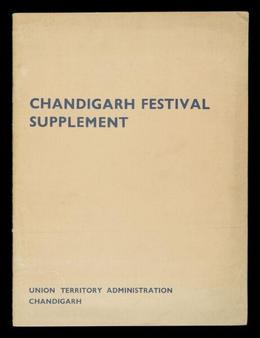 Chandigarh Festival Supplement1967-1968 · India© Victoria and Albert Museum, London ↗
 Lahore1968 · Carlisle© Victoria and Albert Museum, London ↗
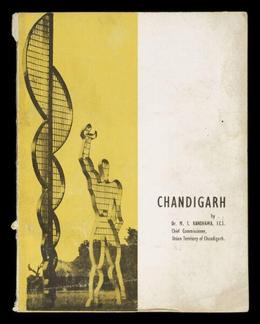 Chandigarh booklet by Dr M.S. Randhawa, 19681968 · Chandigarh© Victoria and Albert Museum, London ↗
Through the ages
577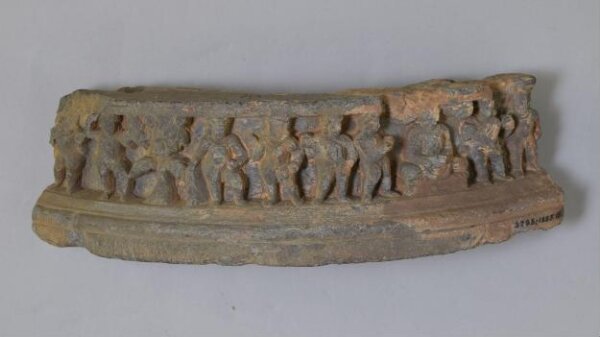 Fragment, GandharaProbably about 275 · Gandhara© Victoria and Albert Museum, London ↗
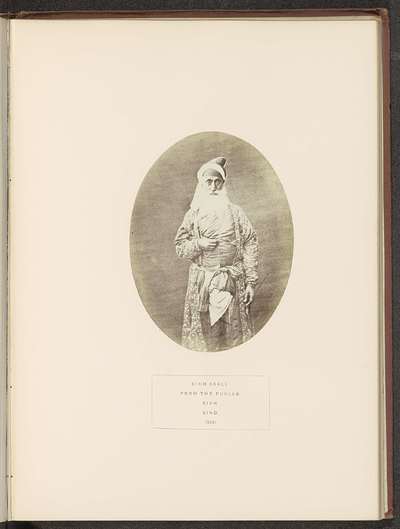 Portret van een onbekende Sikh uit PunjabRijksmuseum (via Europeana) ↗
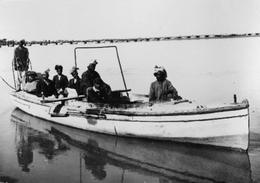 Motorbåt för postföring över Indus, Punjab & N.W.F.-distriktet.Postmuseum (via Europeana) ↗
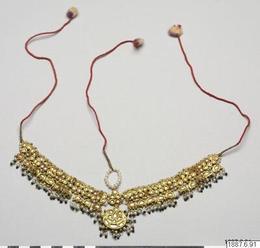 PannbandIndien India Индия Intia Índia Индия Indija Indija Indija Inde India India IndijMuseum of Ethnography (via Europeana) ↗
 Animal figurine, Bara Culture, Punjab, housed in the ASI Museum, RoparWikimedia Commons · SpeakingArch · CC BY-SA ↗
 Faience Sling Ball, Bara Culture, Ropar, Punjab, the ASI Museum, RoparWikimedia Commons · SpeakingArch · CC BY-SA ↗
 The gems symbolize the nine planets believed to control human destiny.Wikimedia Commons ↗
 Khalsa Heritage Complex, Anandpur Sahib, Punjab ,IndiaWikimedia Commons · Harvinder Chandigarh · CC BY-SA ↗
 Men of the Fifteenth Punjab InfantryWikimedia Commons · The J. Paul Getty Museum ↗
 Silver Roundel depicting king and his attendants mounted on the elephantBritish Museum, London · photo SpeakingArch (Wikimedia Commons) · CC BY-SA ↗
 The Timid Bride - India (Punjab Hills, Kangra) - The Metropolitan Museum of ArtThe Met, New York · photo SpeakingArch (Wikimedia Commons) · CC BY-SA ↗
 Drinking scene, Buddhigharra, Punjab, Pakistan, cBritish Museum, London · photo Daderot (Wikimedia Commons) ↗
 This painting depicts men of Turkic descent migrating into India from western AsiaWikimedia Commons ↗
 Punjabi woman in a yellow kurta with a dogMuseum of Fine Arts, Boston · photo Wikimedia Commons (Wikimedia Commons) ↗
 BritishThe Met, New York · photo William Wyon (Wikimedia Commons) ↗
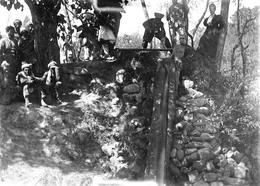 The Indian Punjabi Mir Munshi Sultan Mohammad standing, legs astraddledWellcome Collection · CC BY ↗
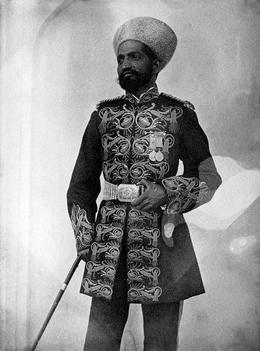 The Indian Punjabi Mir Munshi Sultan MohammadWellcome Collection · CC BY ↗
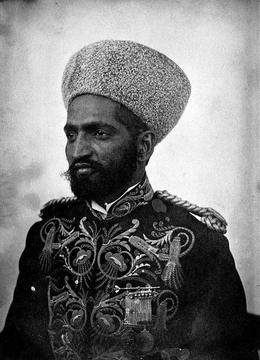 The Indian Punjabi Mir Munshi Sultan MohammadWellcome Collection · CC BY ↗
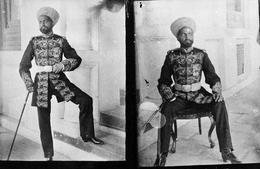 The Indian Punjabi Mir Munshi Sultan MohammadWellcome Collection · CC BY ↗
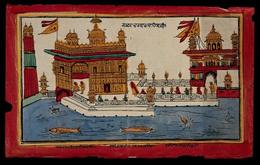 Golden Temple, AmritsarAmritsarWellcome Collection ↗
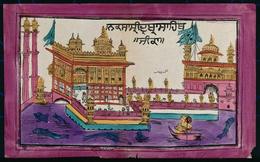 Golden Temple, AmritsarWellcome Collection ↗
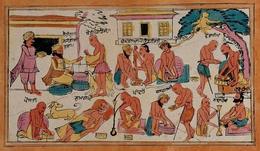 Sikh ascetics misbehaving: preparing drugs, slothfulness, beggingWellcome Collection ↗
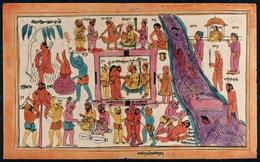 Court of Yama, God of DeathWellcome Collection ↗
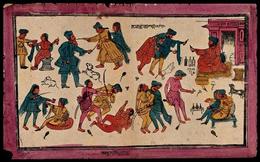 Forms of misbehaviour, drunkeness, debauchery, and violence among SikhsWellcome Collection ↗
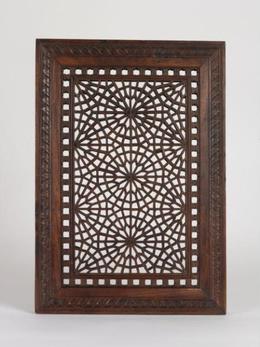 Window panelChiniot© Victoria and Albert Museum, London ↗
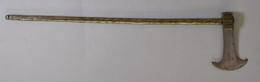 Battle axePunjab (India)© Victoria and Albert Museum, London ↗
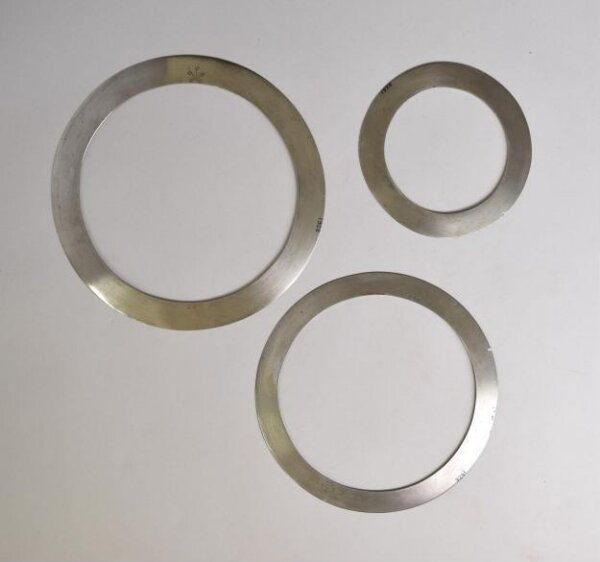 QuoitsPunjab (India)© Victoria and Albert Museum, London ↗
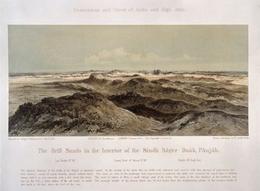 Drift sands in Sindh Sager Duab, PanjabWellcome Collection (via Europeana) · CC BY ↗
 This Company painting depicts Ahmad Baksh Khan, Nawab of Firozpur in the PanjabV&A, London · photo Wikimedia Commons (Wikimedia Commons) ↗
 Pakistan, Panjab, Sialkot or Gujrat, Kotli LoharanLACMA, Los Angeles · photo Wikimedia Commons (Wikimedia Commons) ↗
 Gandhi Bhawan at the Panjab University in ChandigarhWikimedia Commons · UnpetitproleX · CC BY-SA ↗
 Pakistan, Panjab, Sialkot or Gujrat, Kotli Loharan, Indo-PersianLACMA, Los Angeles · photo Wikimedia Commons (Wikimedia Commons) ↗
 Painting of Nader Shah, Shah of Iran, published in 'Catalogue of Coins in the Panjab…Wikimedia Commons · R. B. Whitehead (author of book) ↗
 The Akalis' Tower [Gurdwara Baba Atal Rai], Amritsar, Panjab' by William CarpenterV&A, London · photo William Carpenter (Wikimedia Commons) ↗
 Series Title: Rama's Journey Suite Name: Ramayana Media & Support: Opaque watercolor…Wikimedia Commons · thesandiegomuseumofartcollection ↗
 The Cosmic Ocean Reveals Brahma, Vishnu and ShivaWikimedia Commons · Style of Sajnu ↗
Search the museums' full collections
V&A ↗ · British Museum ↗ · The Met ↗ · Cleveland ↗ · Wellcome Collection ↗ · Wikimedia Commons ↗ · Ashmolean ↗ · Royal Collection ↗ · Pitt Rivers ↗
Shown here are the objects whose pictures museums have released openly. Far more are in their collections, and in museums with no open search, such as the Lahore Museum. Searching for "Punjab".
Pictures from the collections of Art Institute of Chicago, Ashmolean Museum, Oxford, Asian Art Museum, San Francisco, Berlin-Dahlem Botanical Garden and Botanical Museum (via Europeana), Bhuri Singh Museum, Chamba, 65 more, found automatically: public domain or openly licensed, except the V&A's, shown for non-commercial use with the museum's credit. Titles and dates are the museums' own; each card names its museum and any licence. Updated 2026-10-26.