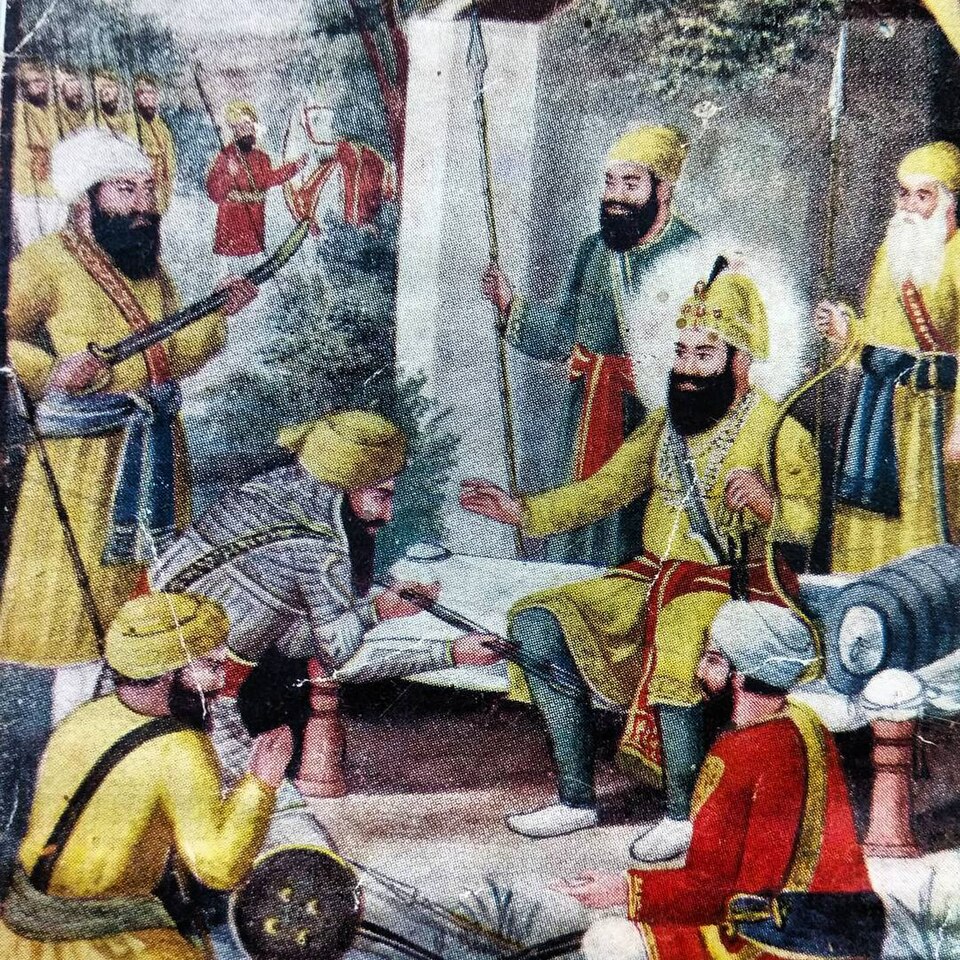
Guru Gobind Singh's gold-tipped arrows
Arrows, tradition says, tipped with gold so that any man they wounded could pay for his care, or his family for his funeral.
Sikh tradition remembers Guru Gobind Singh as a great archer who fixed gold to the tips of his arrows. The gold, it is said, was so that a wounded enemy could pay a healer, or the family of a dead one could pay for his last rites.
The story is told to show that the Guru fought without hatred. Arrows and bows said to be his are kept at gurdwaras including Takht Sri Keshgarh Sahib at Anandpur.
More arms & armour
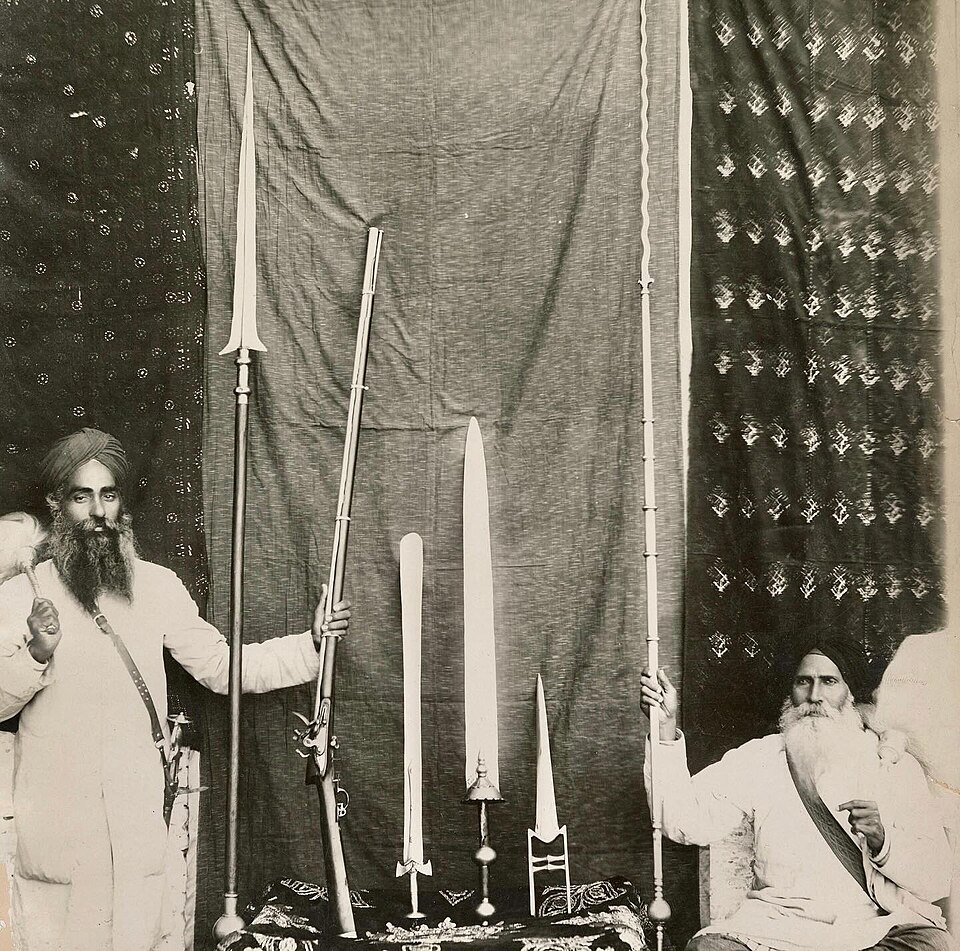
Swords, a khanda, a saif, a katar, a jamdhar and arrows said to have belonged to the tenth Guru are shown to the sangat every day at the Takhts. Some came back to India from Britain in 1966.
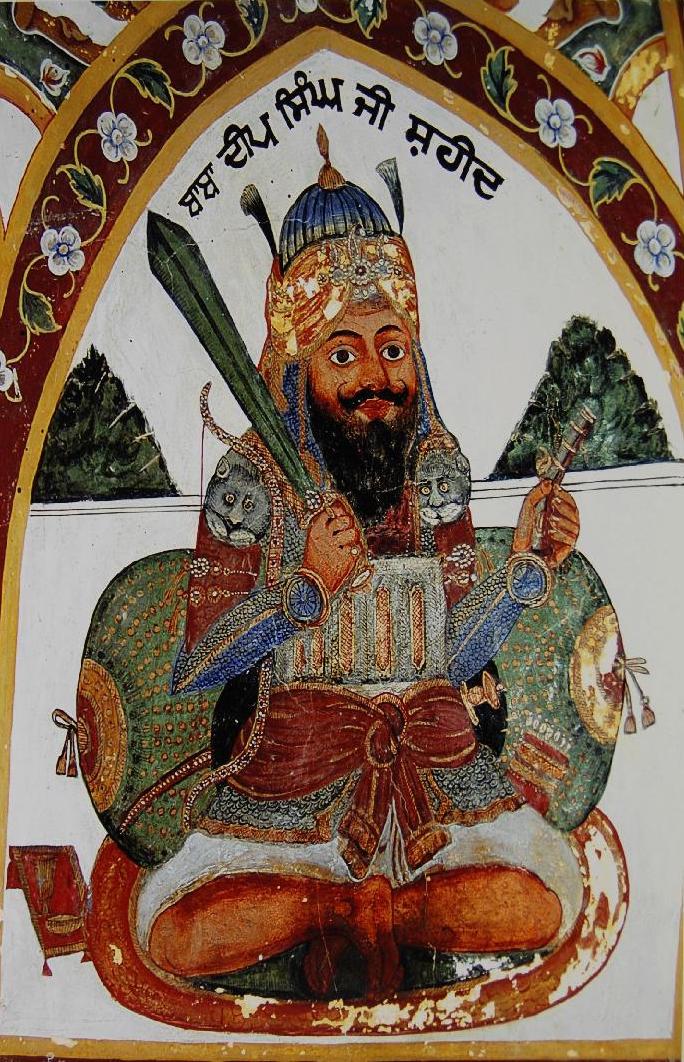
The heavy double-edged sword said to have been wielded by Baba Deep Singh in 1757, kept at the Akal Takht and shown to the sangat.
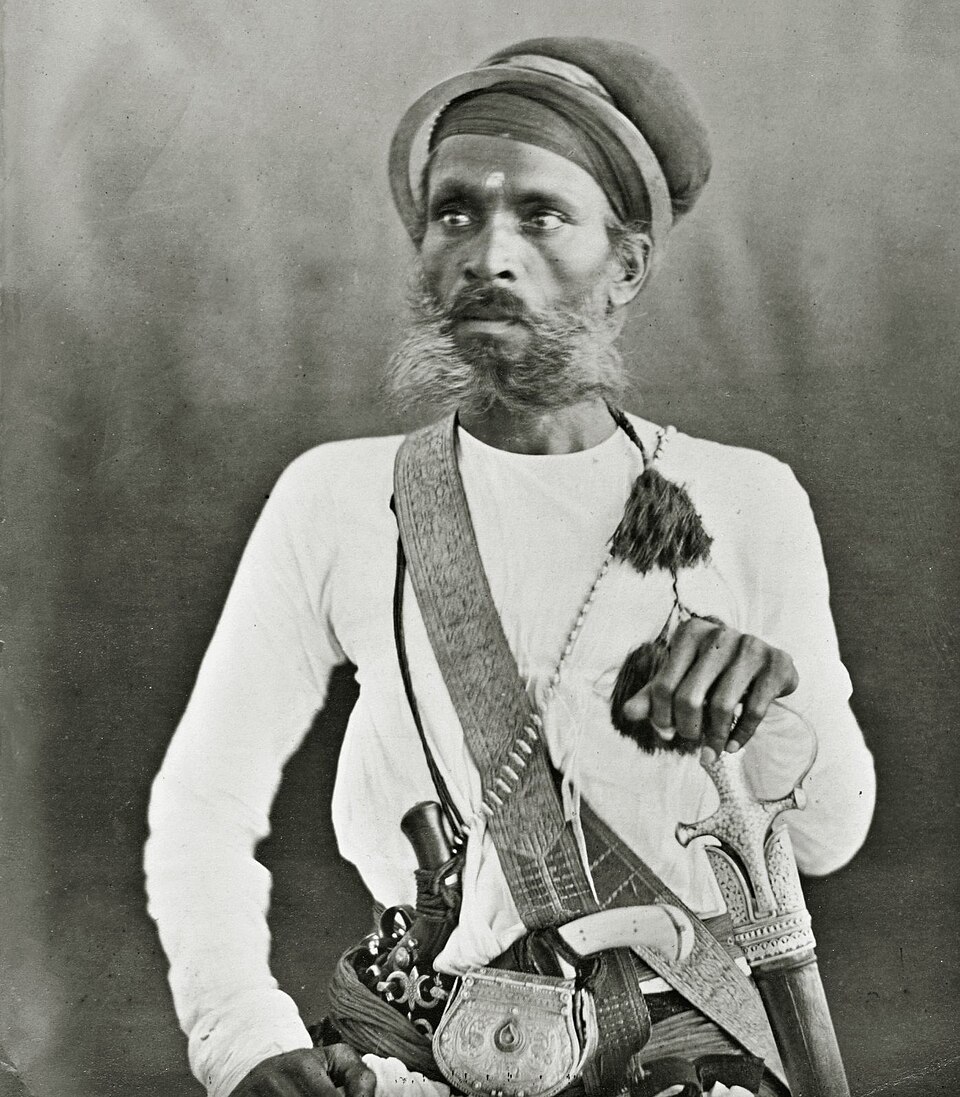
The steel quoit thrown by the Akali Nihangs, worn in stacks on their towering turbans, the dastar bunga, along with small daggers and steel emblems.
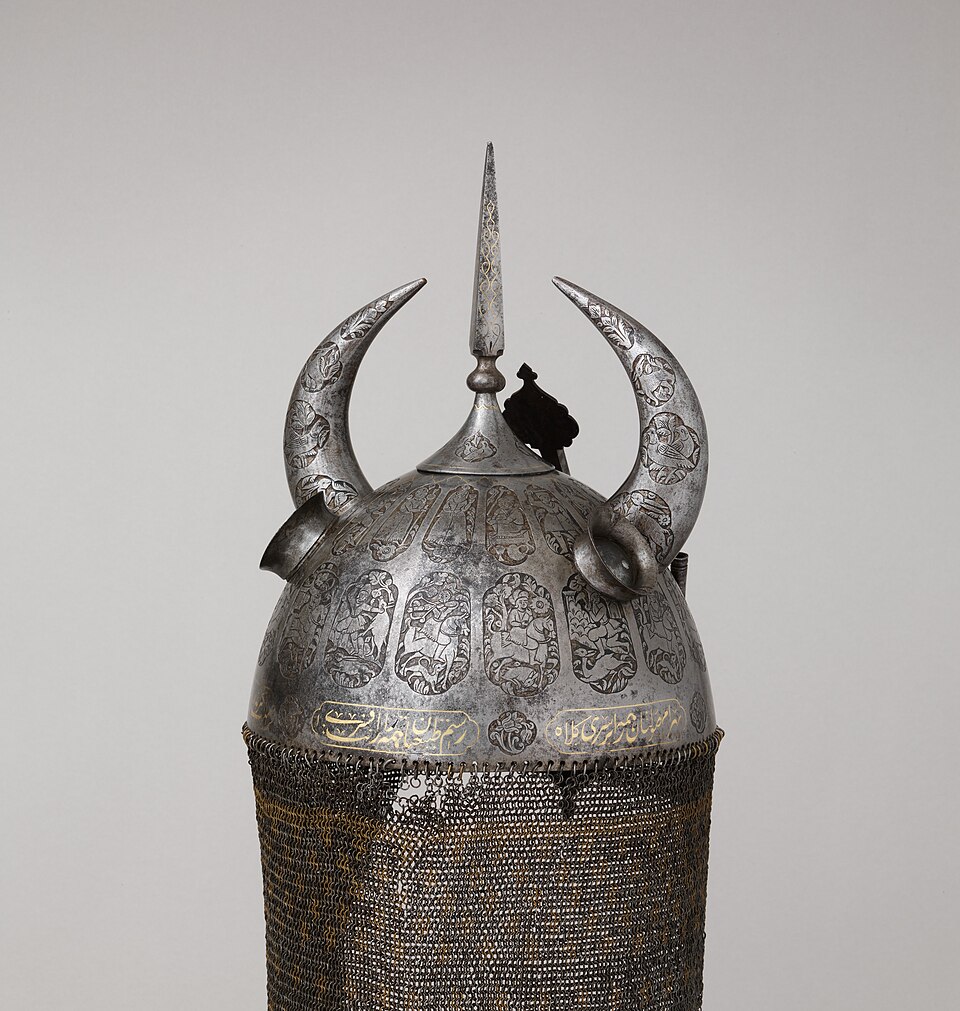
Helmets with mail aventails, round shields with bosses, and four-plate chest armour (char-aina) inlaid with gold, much of it taken after the Anglo-Sikh Wars.
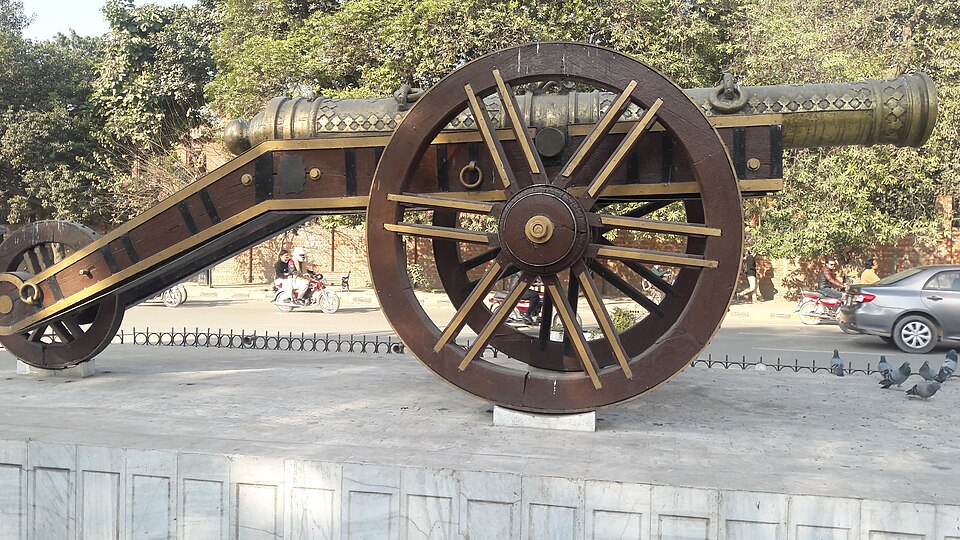
A giant bronze cannon cast for Ahmad Shah Abdali, captured by the Bhangi misl, used by Ranjit Singh at Multan in 1818, and made famous as 'Kim's gun' by Rudyard Kipling.
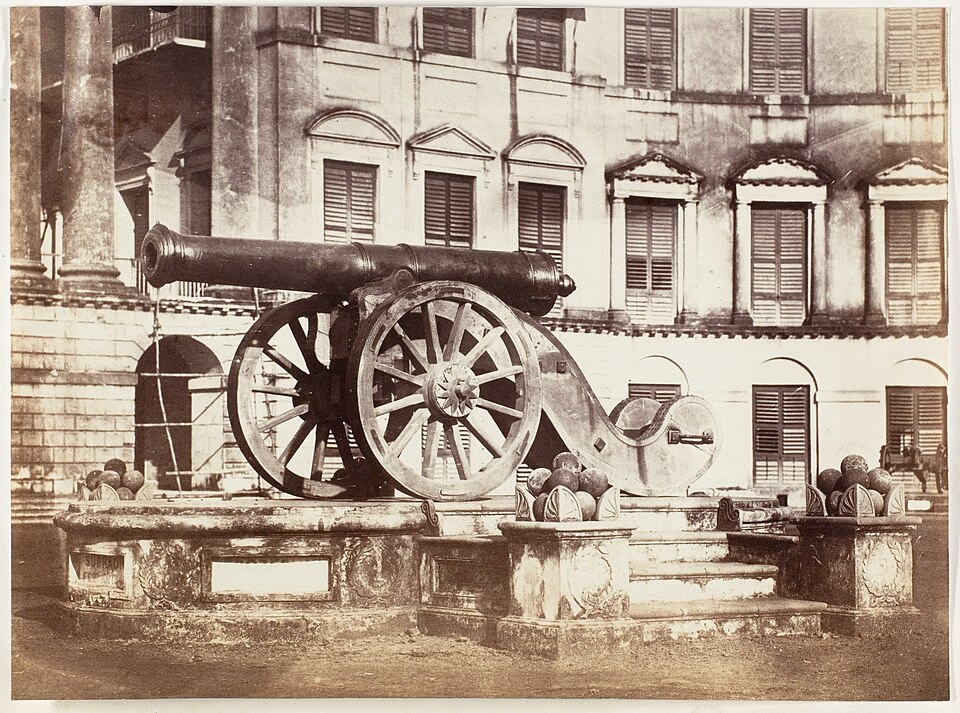
Bronze cannon of the Khalsa army, captured in the Anglo-Sikh wars, that stand on the lawns of the Royal Hospital Chelsea and outside other British buildings.
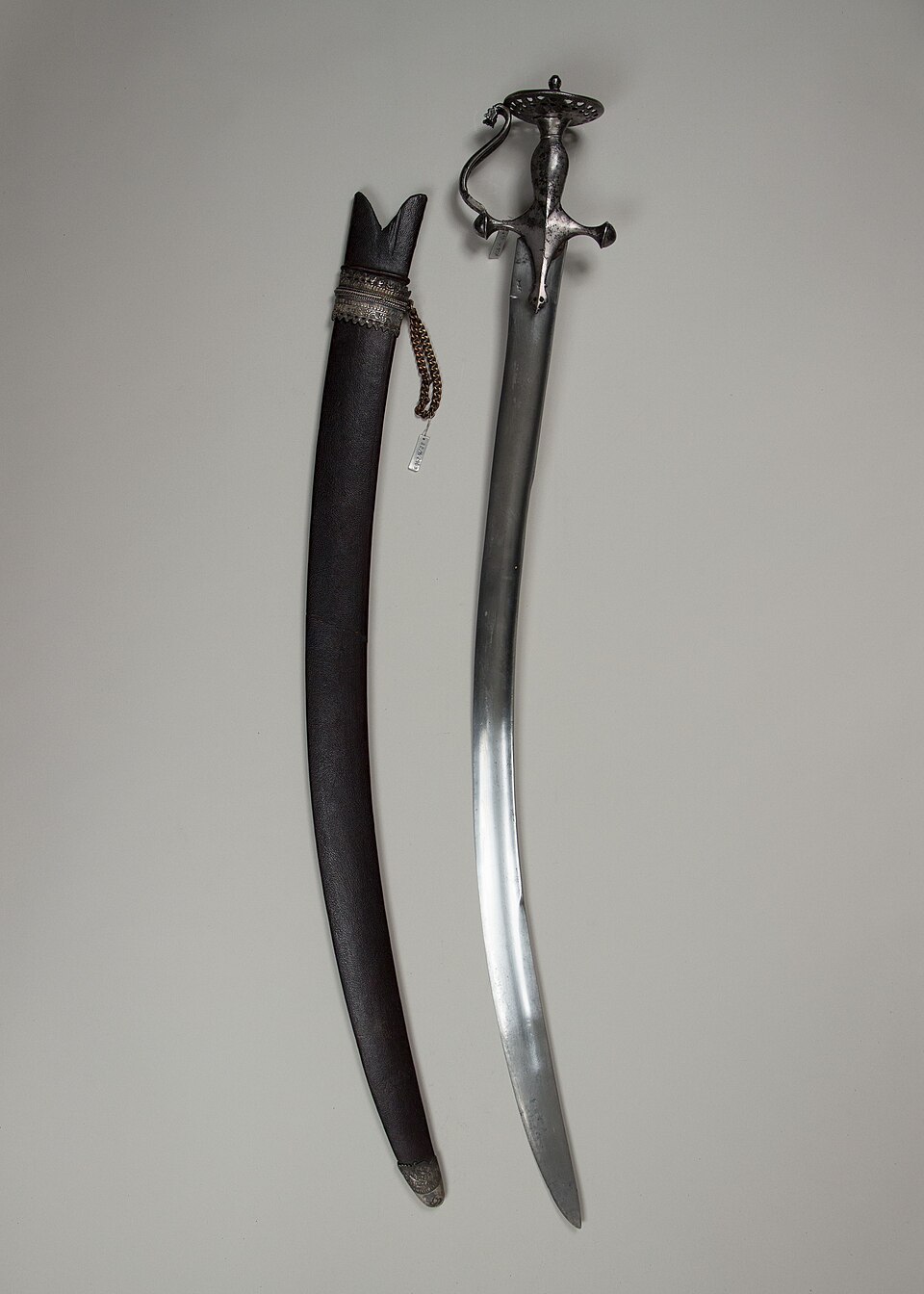
The curved sword of the north Indian horseman, carried by Mughal, Afghan, Rajput and Sikh soldiers alike.
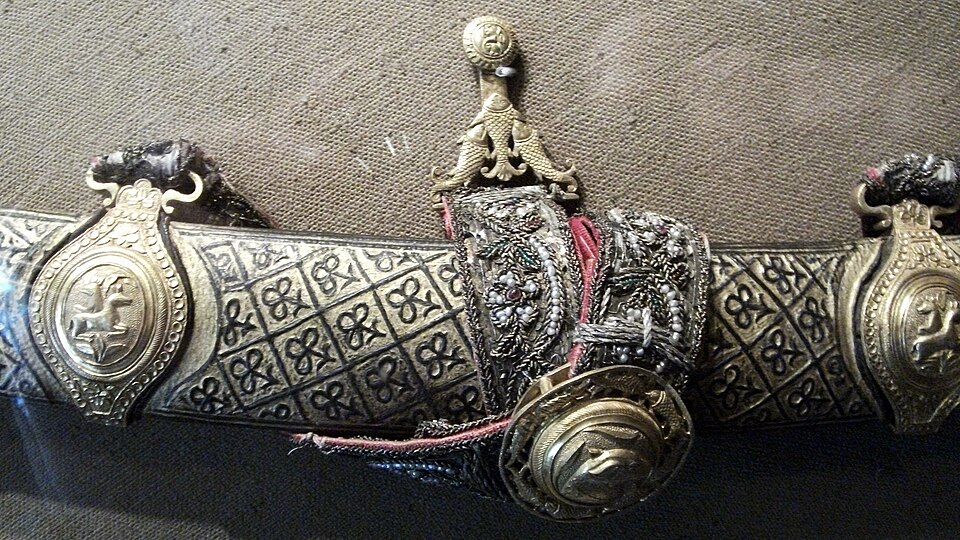
A sword said to have belonged to Ranjit Singh, bought in Paris by an English collector in the 1860s.
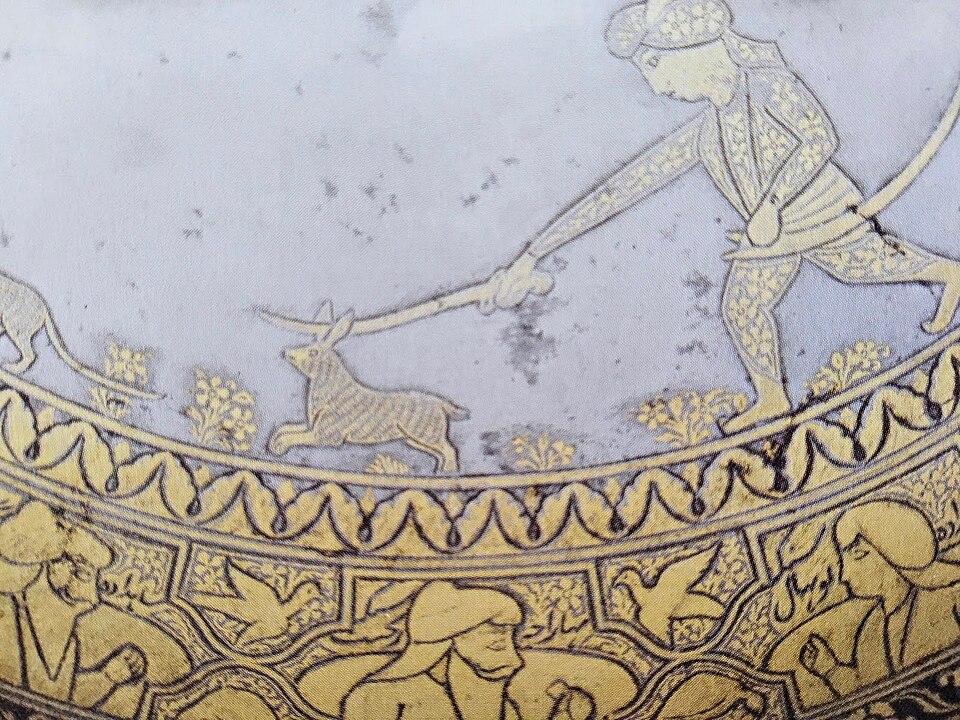
A round shield whose face shows the Maharaja and the great men of his court, now in London.
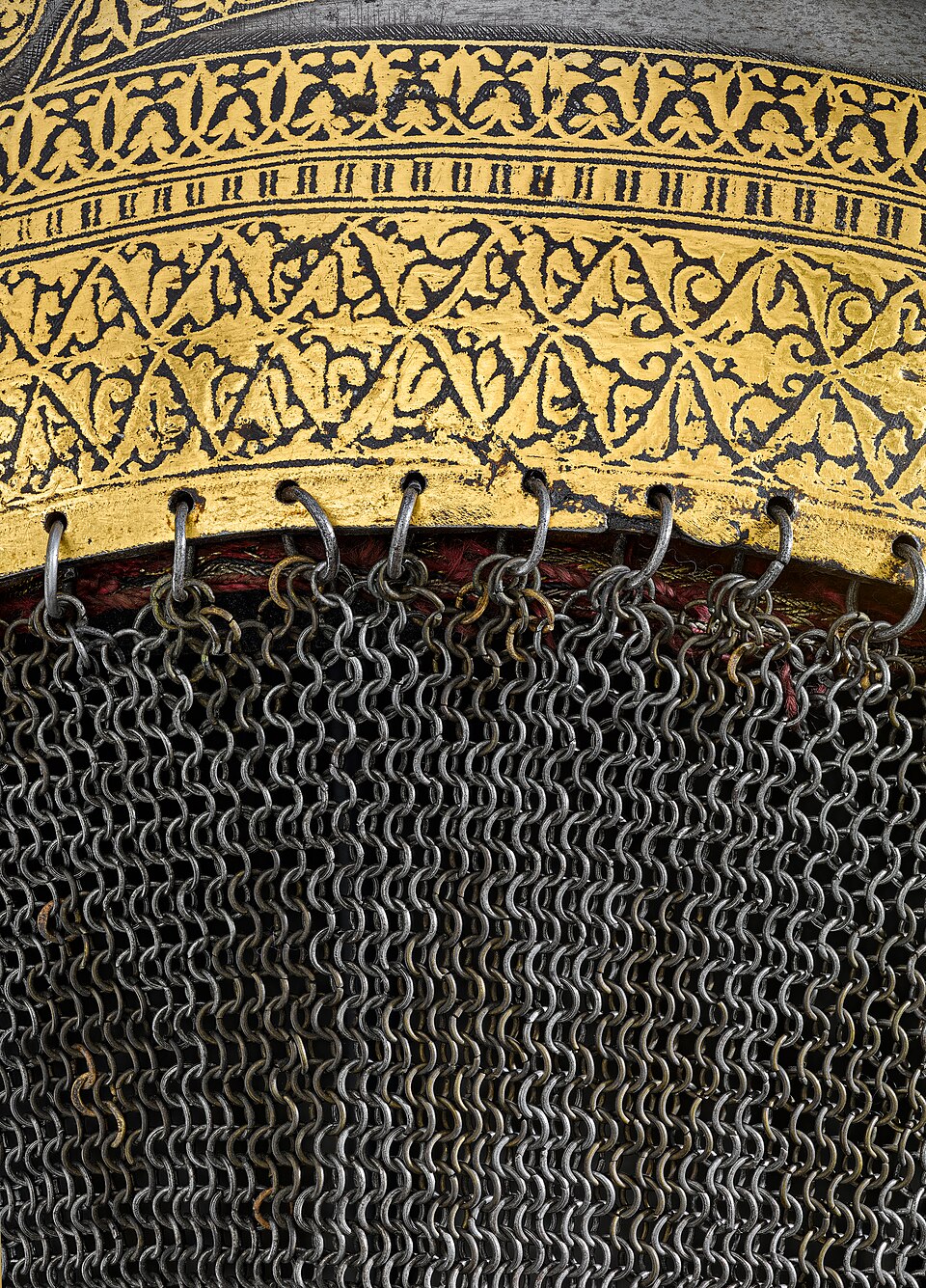
A steel helmet shaped to fit over a high turban, with a curtain of mail to guard the neck.
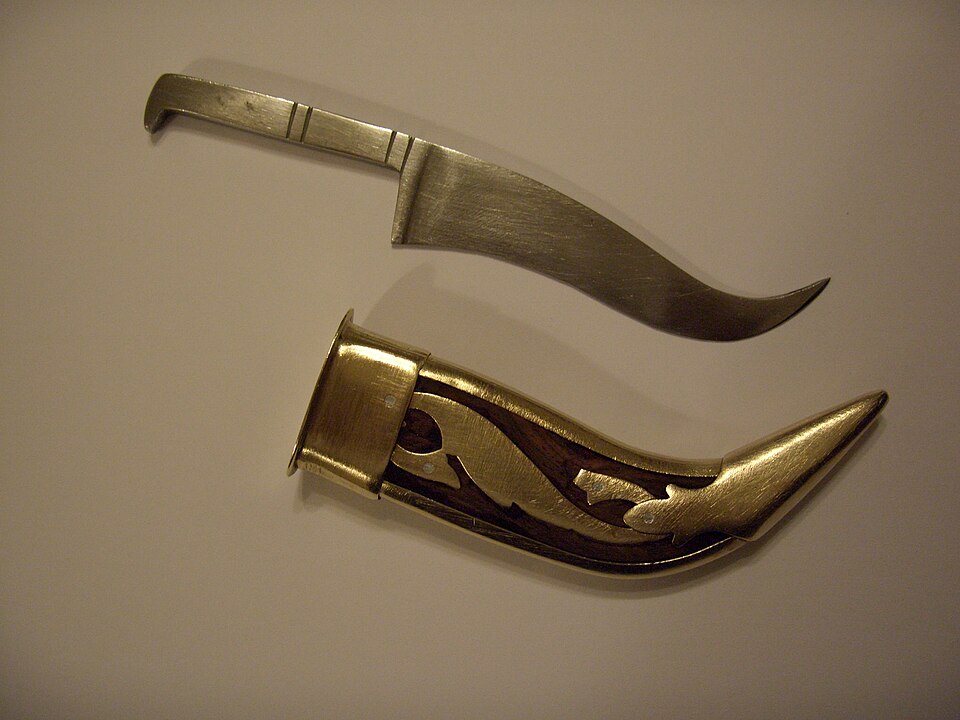
The sword every initiated Sikh carries, one of the five articles of faith given at the founding of the Khalsa.
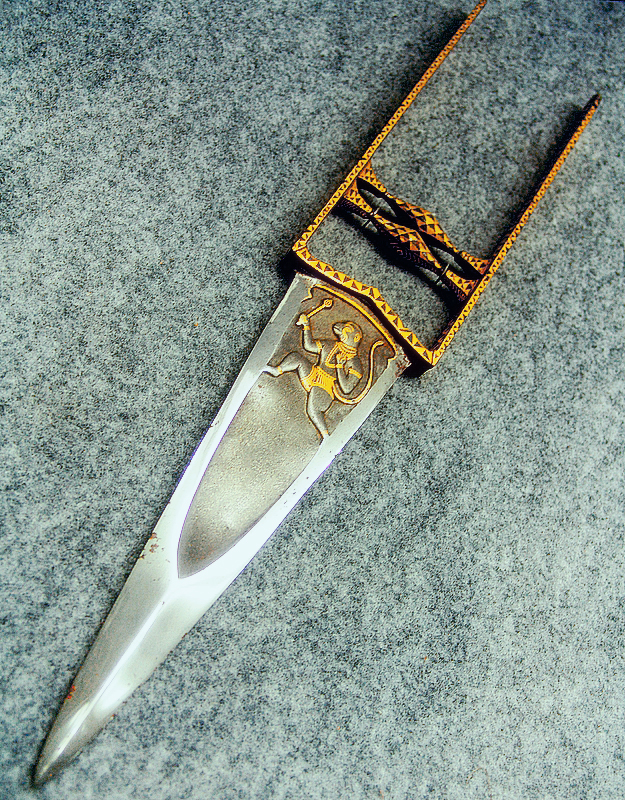
The punch dagger of north India, gripped by a cross-bar so that the blade sits in line with the fist.
Matchlocks and the jezail17th – 19th centuryThe long hand-made musket of the frontier hills, deadly at long range.
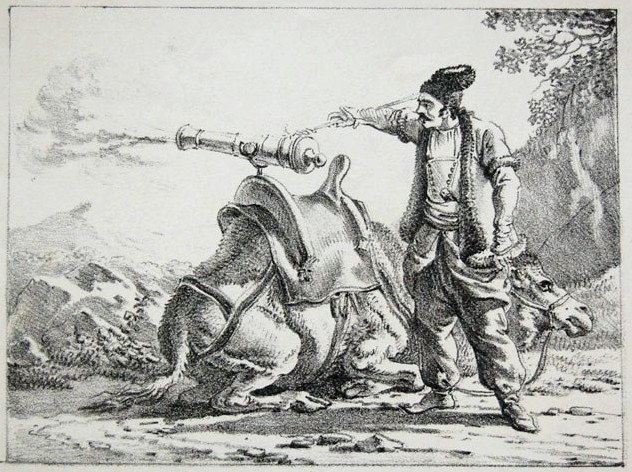
Small swivel guns mounted on the backs of camels, fired by a gunner sitting behind the hump.
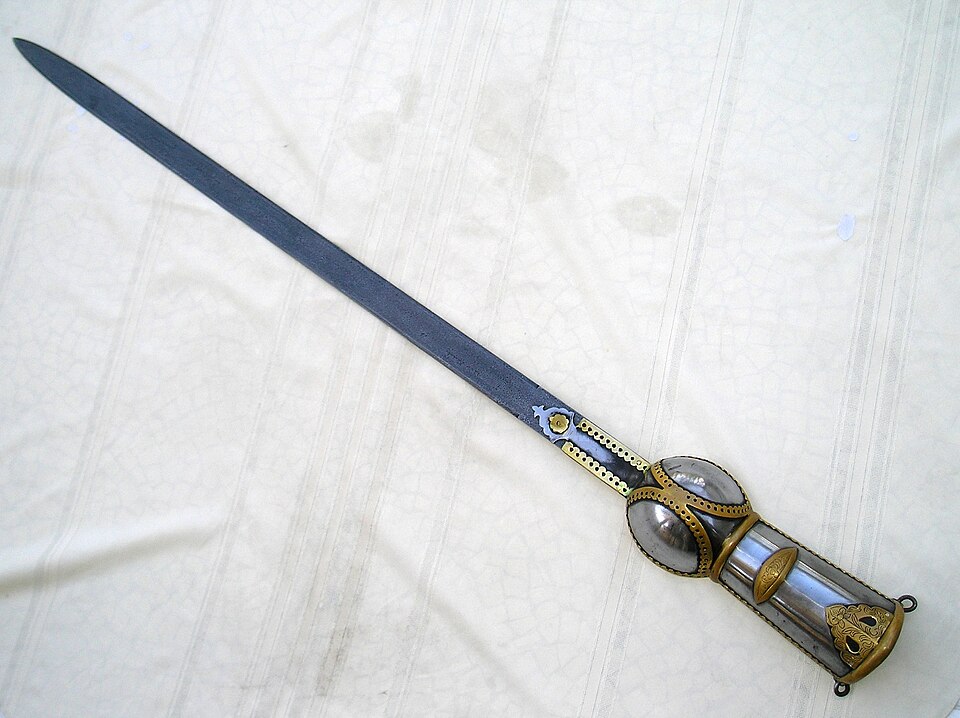
A long blade fixed to a steel gauntlet, used by Maratha and Sikh horsemen and still swung in gatka displays.