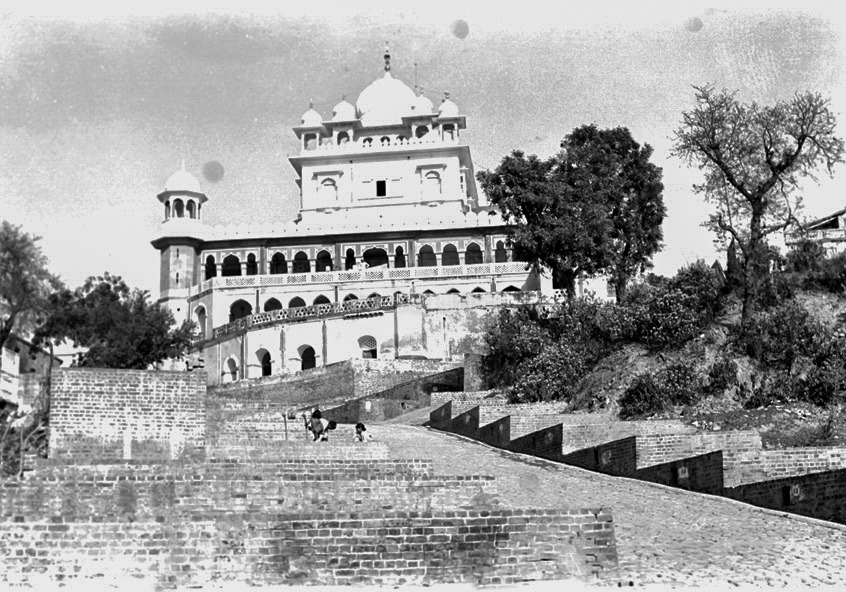
Anandpur Sahib · Takht Keshgarh
Founded by Guru Tegh Bahadur in 1665. Guru Gobind Singh created the Khalsa here at Vaisakhi 1699. Takht Sri Keshgarh Sahib stands on the spot, and Hola Mohalla is held here every spring.
Anandpur Sahib, 'the city of bliss', in the Shivalik foothills above the Sutlej, was founded by Guru Tegh Bahadur in 1665 as Chakk Nanaki and became the seat of Guru Gobind Singh. It is the birthplace of the Khalsa.
On Vaisakhi 1699, at the place where Takht Sri Kesgarh Sahib now stands, the Guru called for five heads and created the Khalsa. Five forts were built around the town, Anandgarh, Lohgarh, Fatehgarh, Holgarh and Kesgarh, and for years the Guru held it against the hill rajas and the Mughals until the great siege of 1704 forced him to leave.
Kesgarh Sahib is one of the five Takhts, the seats of Sikh authority. Every spring Hola Mohalla brings hundreds of thousands to the town; the Nihangs show their horsemanship and swordsmanship on the dry bed of the Charan Ganga. The Virasat-e-Khalsa museum, designed by Moshe Safdie, tells the Sikh story beside the town. In 1973 the Akali Dal adopted the Anandpur Sahib Resolution here.
People
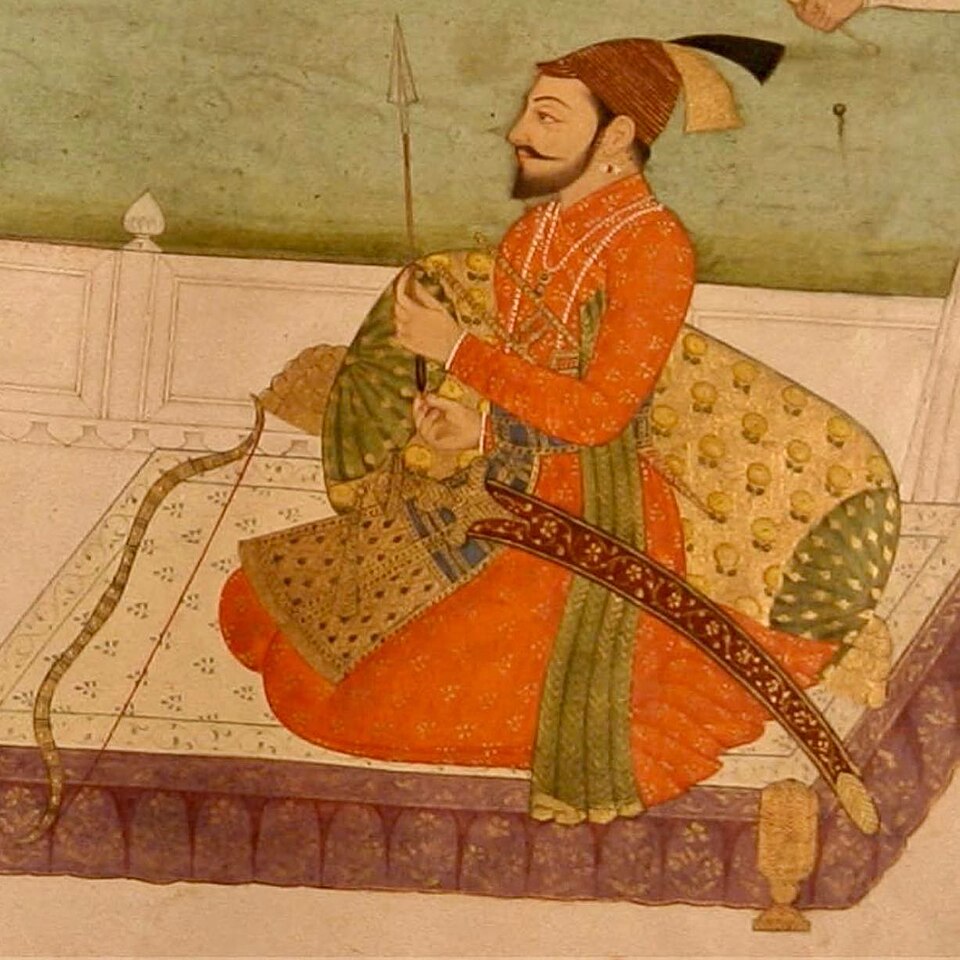
Tenth Guru, warrior and poet. Created the Khalsa in 1699, fought a long war with the Mughals and hill rajas, lost his four sons and mother, and named the Guru Granth Sahib as the final Guru.
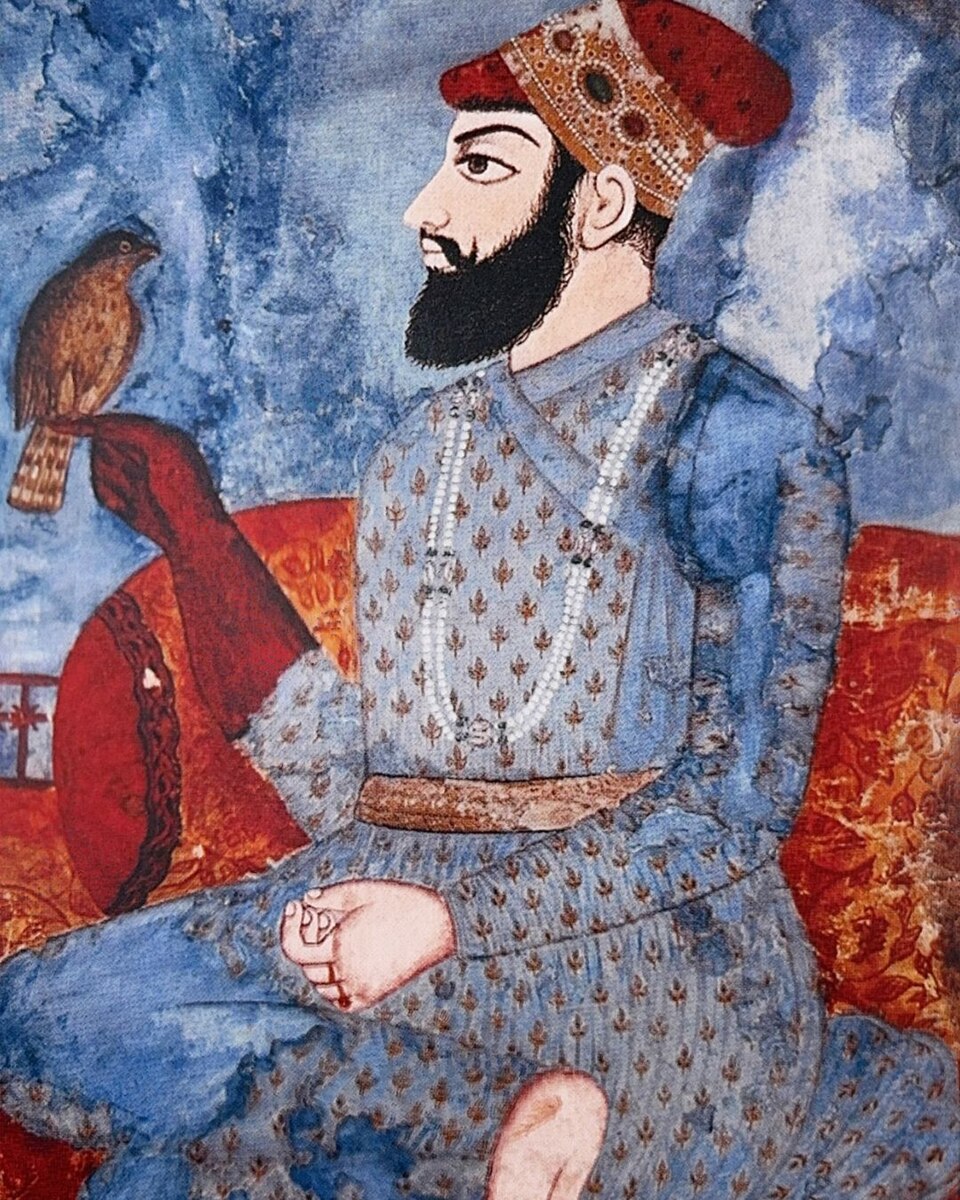
Ninth Guru, 'Hind di Chadar', the shield of India. Founded Anandpur and was beheaded in Delhi in 1675 for defending the right of Kashmiri Pandits to keep their faith.
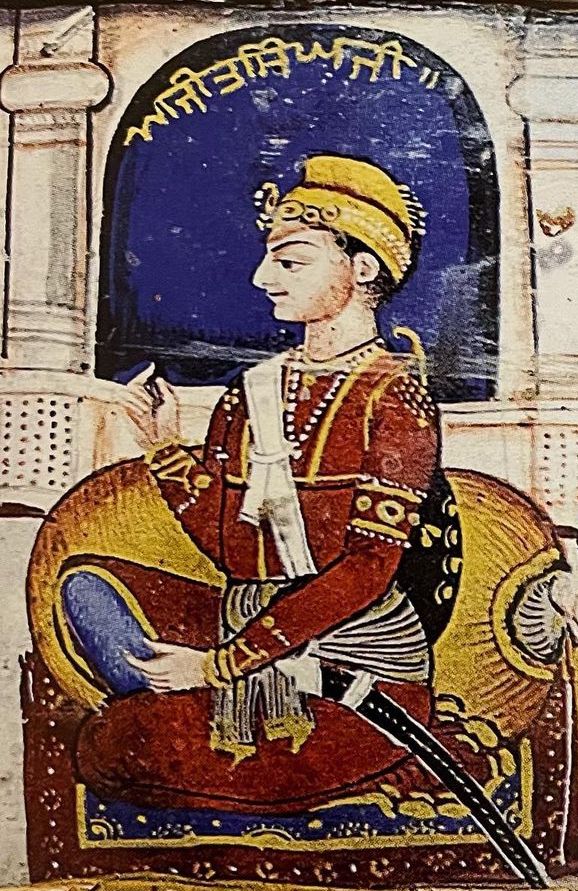
The Guru's elder sons, aged about seventeen and thirteen, who led sorties out of the Chamkaur fort and died fighting.
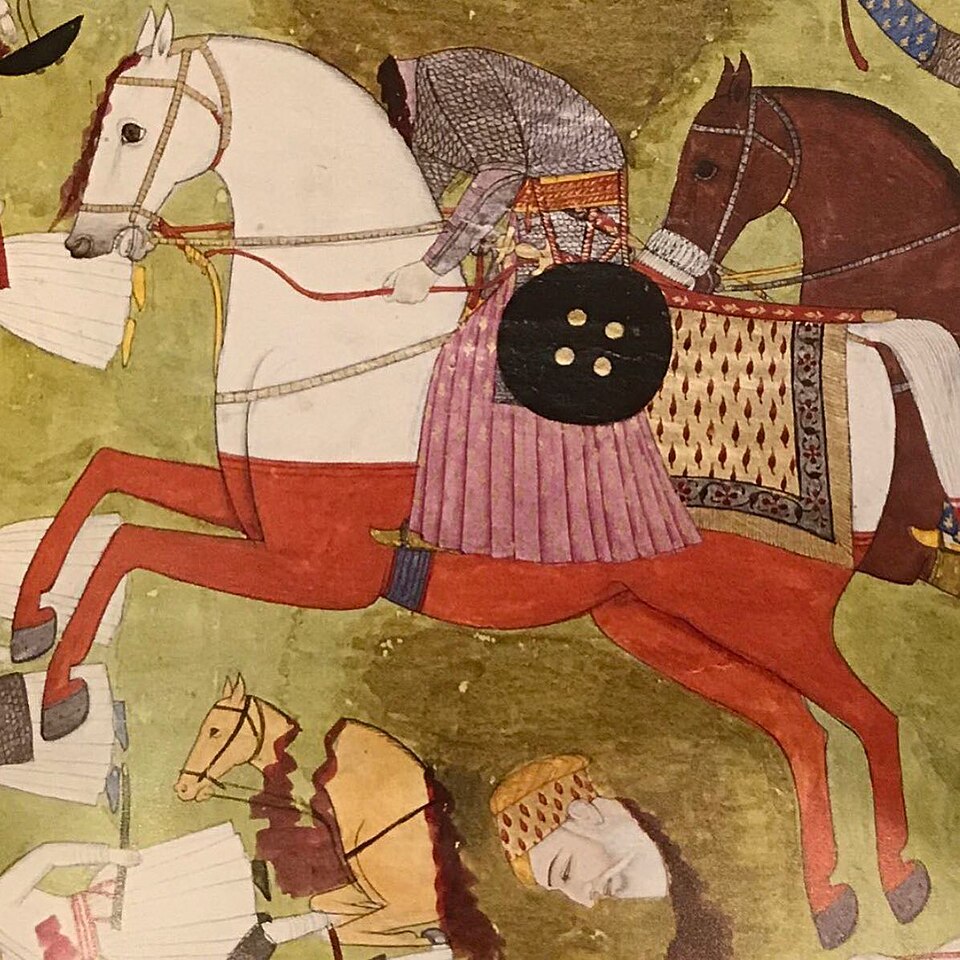
Mughal governor of Sirhind who besieged Anandpur, pursued Guru Gobind Singh and ordered the execution of his younger sons. Killed by Banda Singh's army at Chappar Chiri.
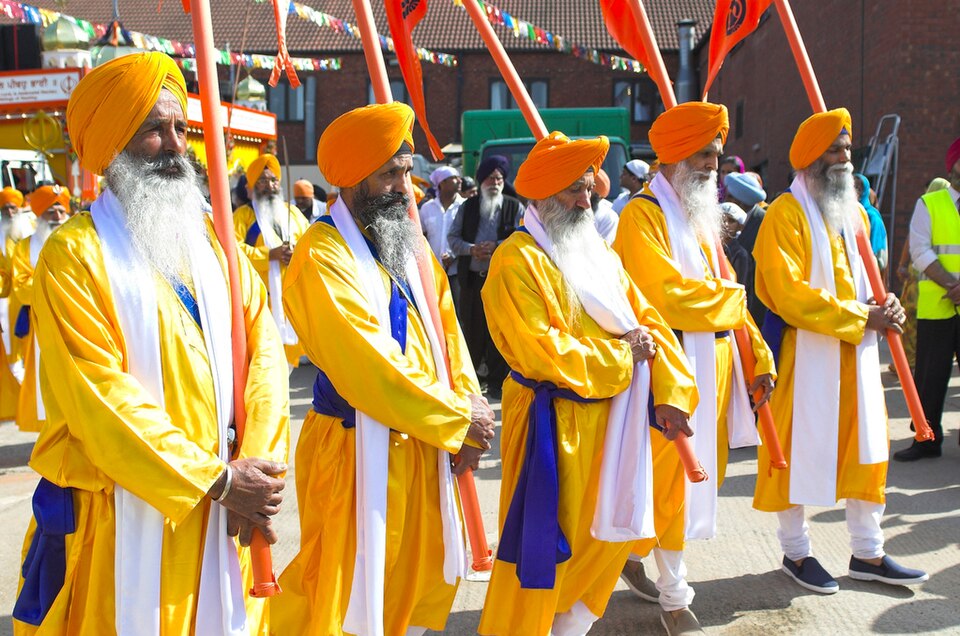
The Five Beloved: Daya Singh, Dharam Singh, Himmat Singh, Mohkam Singh and Sahib Singh, who answered the Guru's call for a head at Vaisakhi 1699.
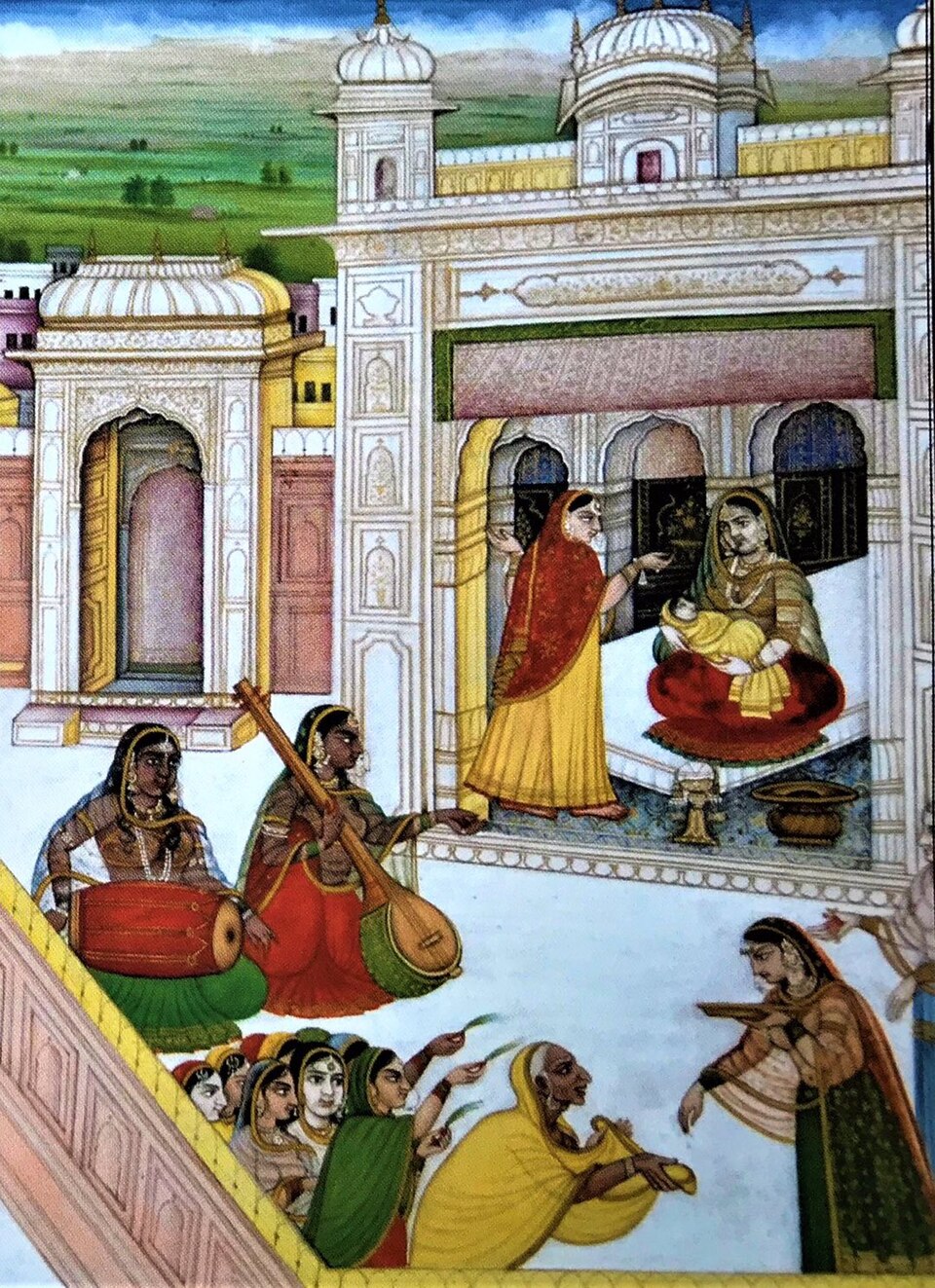
Wife of Guru Tegh Bahadur and mother of Guru Gobind Singh. Held with her younger grandsons in the cold tower of Sirhind, she died there on hearing of their execution.
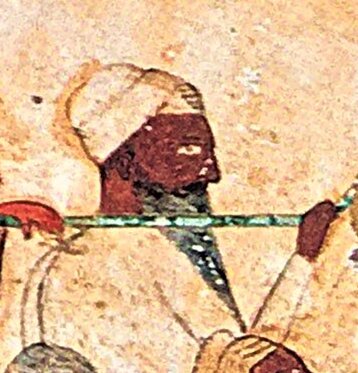
A Ranghreta Sikh who carried Guru Tegh Bahadur's severed head from Delhi to Anandpur. The young Guru Gobind Singh embraced him as 'the Guru's own son'.
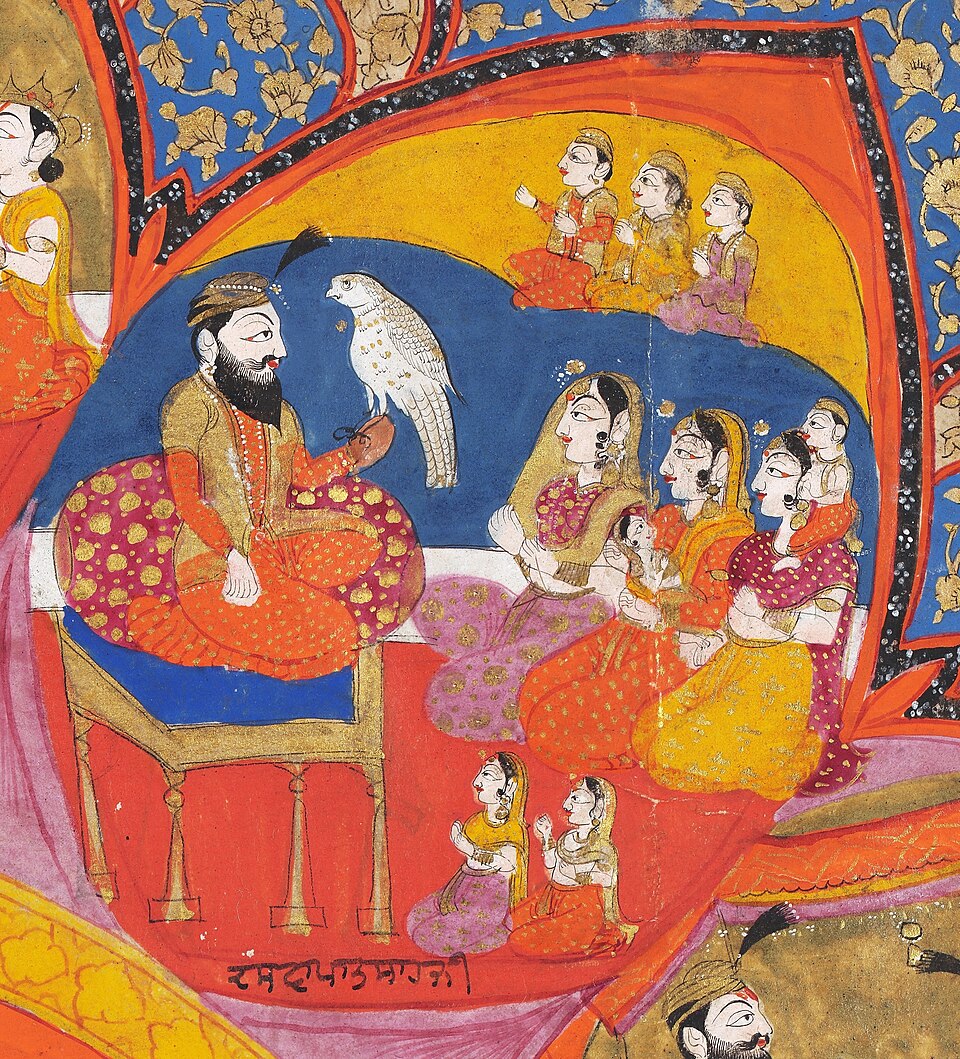
Wife of Guru Gobind Singh, honoured as the Mother of the Khalsa. She added sugar puffs (patase) to the first amrit.
Persian poet at the court of Guru Gobind Singh. His ghazals may be sung in gurdwaras.
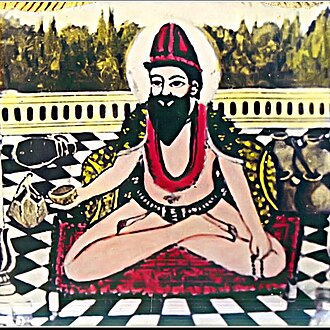
Gave water to wounded soldiers of both sides at Anandpur. The Guru gave him ointment to treat the enemy too. Seen as a forerunner of the Red Cross.
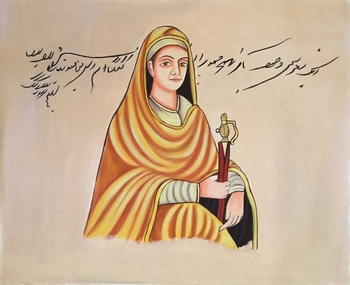
Wife of Guru Gobind Singh and mother of Ajit Singh, who led the Sikhs from Delhi for four decades after 1708 through letters of instruction.
Battles
Artifacts
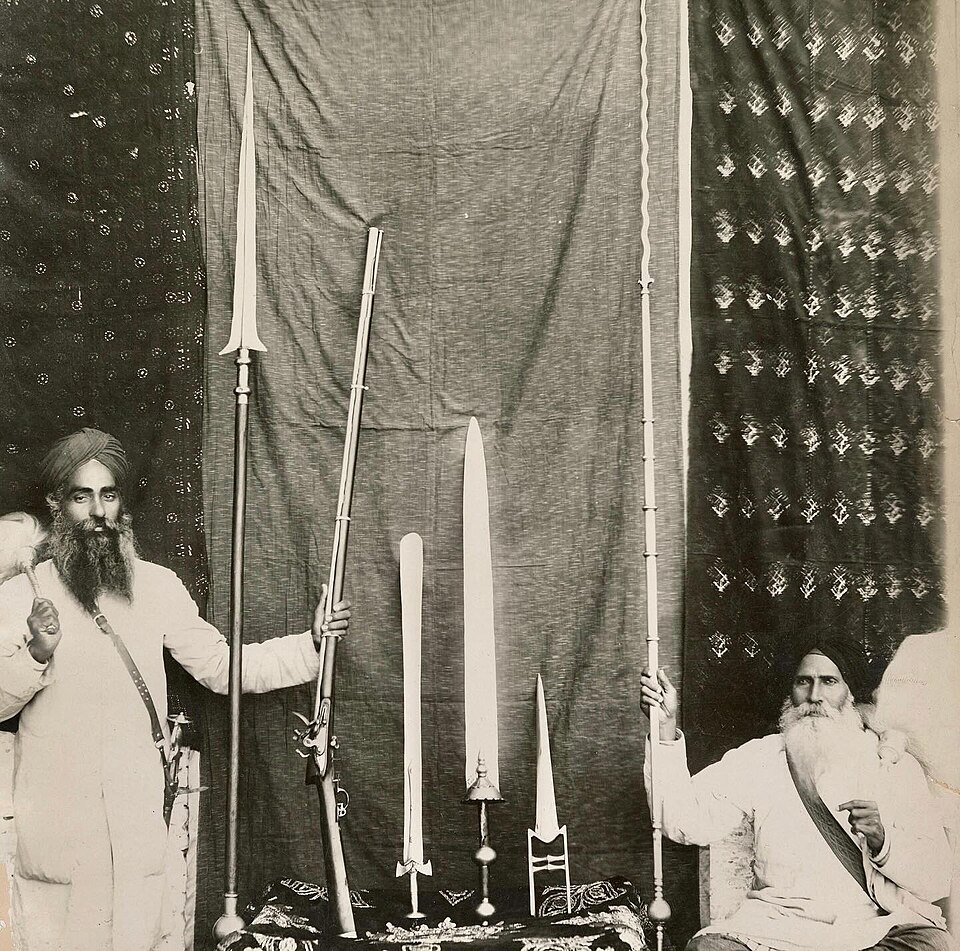
Swords, a khanda, a saif, a katar, a jamdhar and arrows said to have belonged to the tenth Guru are shown to the sangat every day at the Takhts. Some came back to India from Britain in 1966.
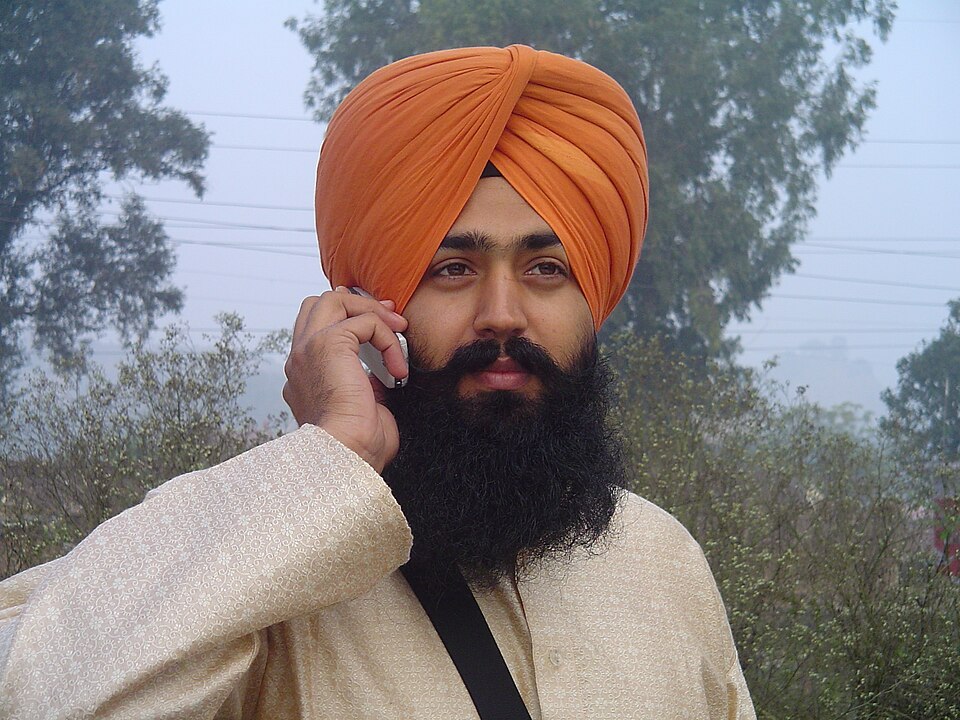
The turban, required of every Khalsa Sikh to cover the uncut hair, in styles from the Akali bunga to the pagh of the Doaba and the patka of children.
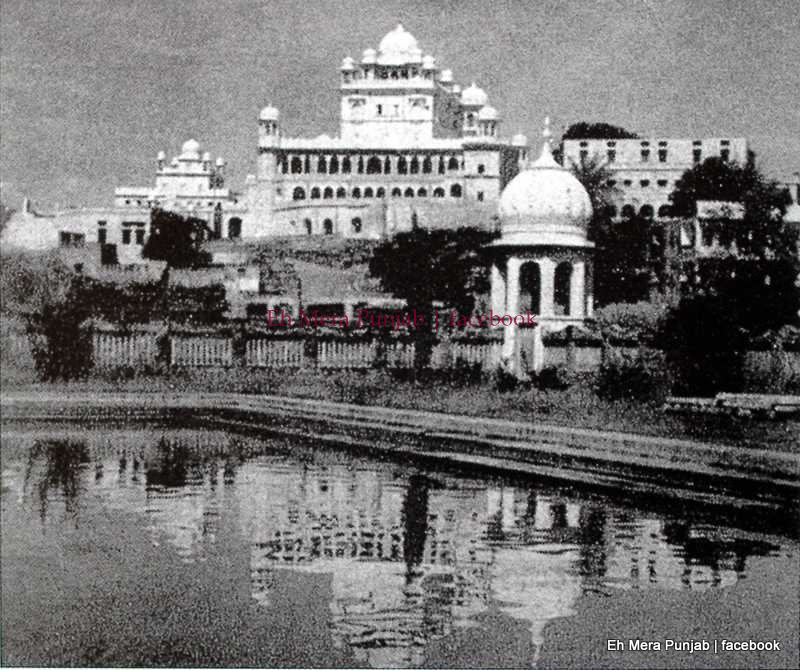
The takht on the hill at Anandpur where Guru Gobind Singh created the Khalsa at Vaisakhi in 1699.
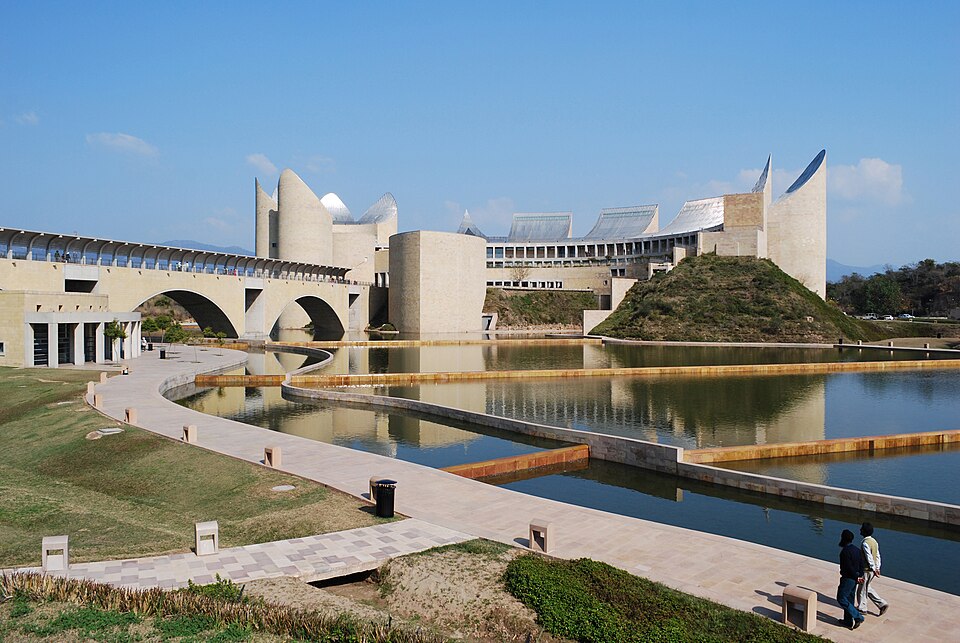
A museum of Sikh history and Punjabi culture designed by Moshe Safdie, its curving roofs set across a lake below the Keshgarh hill.
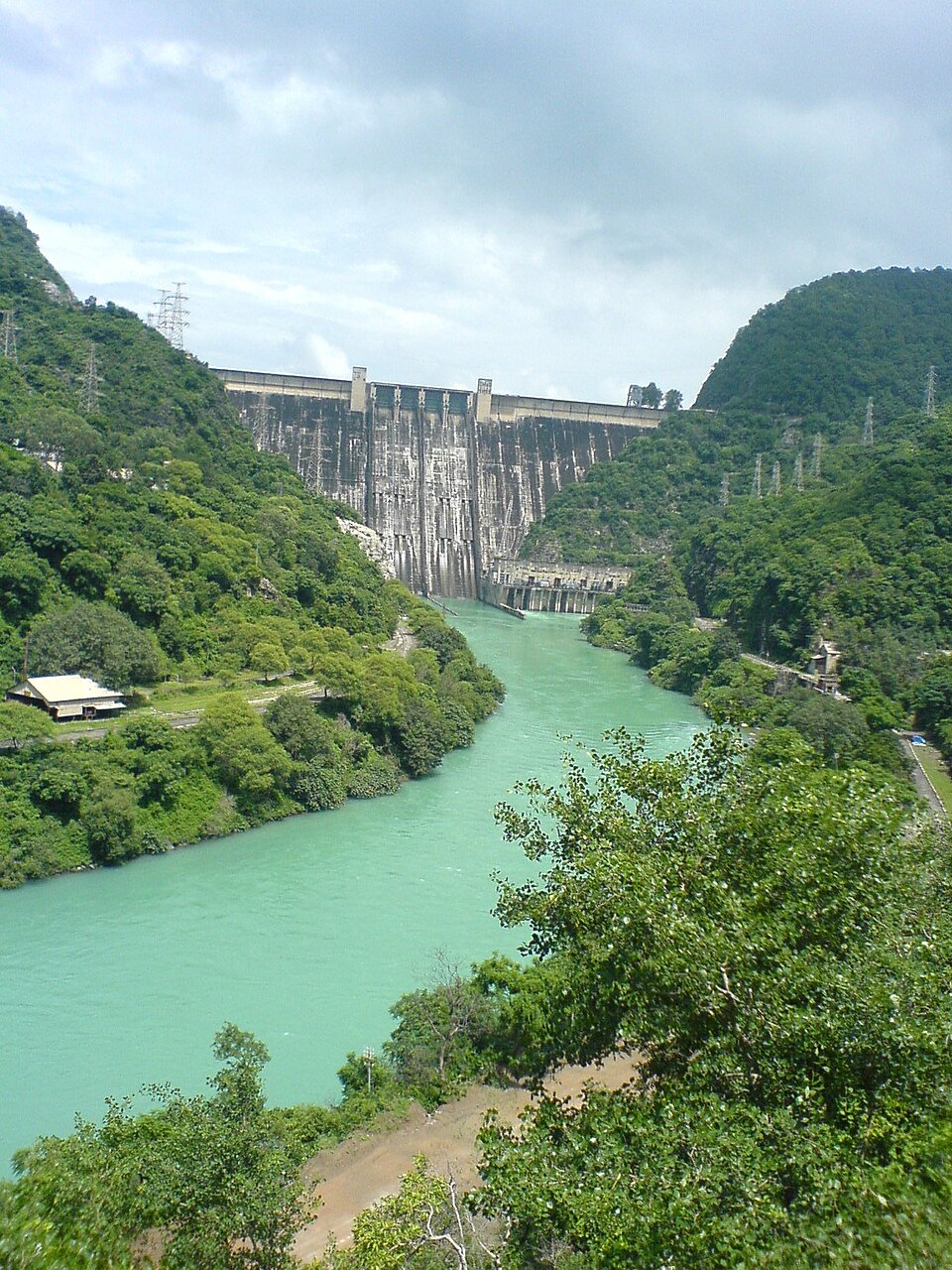
The concrete dam across the Sutlej in the Shivalik hills, 226 metres high, whose water and power made the Green Revolution possible. Nehru called such projects the new temples of India.
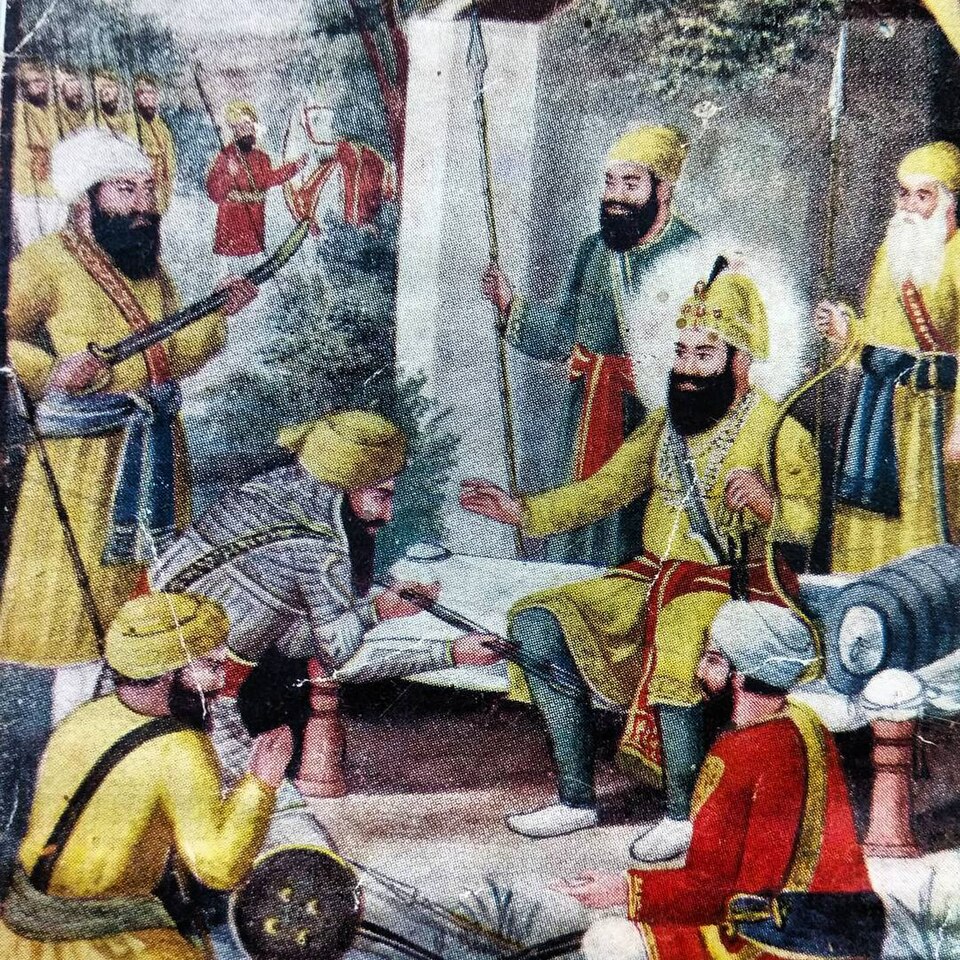
Arrows, tradition says, tipped with gold so that any man they wounded could pay for his care, or his family for his funeral.
On the timeline
Where the Panj Pyare came from
Vaisakhi, 1699The five Takhts
The seats of Sikh authority- 1Akal Takht Amritsar
Built by Guru Hargobind, 1606: the throne of the Timeless, seat of temporal authority
- 2Takht Sri Kesgarh Sahib Anandpur
Where Guru Gobind Singh created the Khalsa, 1699
- 3Takht Sri Damdama Sahib Talwandi Sabo
Where he completed the Guru Granth Sahib, 1706; a Takht since 1966
- 4Takht Sri Patna Sahib Patna
Birthplace of Guru Gobind Singh, 1666
- 5Takht Sri Hazur Sahib Nanded
Where he passed the Guruship to the Guru Granth Sahib and died, 1708
In the world's museums
6 objects Khalsa Heritage Complex, Anandpur Sahib, Punjab ,IndiaWikimedia Commons · Harvinder Chandigarh · CC BY-SA ↗
 The Sodhis of Anandpur, photographed by Francis Frith sometime between ca.1850's–1870's.V&A, London · photo Francis Frith (Wikimedia Commons) ↗
 Khalsa Heritage Memorial Complex, Anandpur Sahib, Punjab 140118, IndiaWikimedia Commons · Arastu Gupta · CC BY-SA ↗
 Cannon of Guru Gobind Singh, Anandpur Saheb, Punjab 1700 AD Govt Museum ChandigarhGovernment Museum, Chandigarh · photo Deepank Ranka (Wikimedia Commons) · CC BY ↗
 Photograph of the Sodhis of Anandpur Sahib, by Francis Frith, ca.1850's–1870'sV&A, London · photo Francis Frith (Wikimedia Commons) ↗
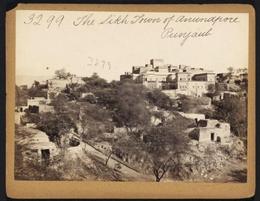 The Sikh Town of Anundpore1850s to 1870s · Anandpur Sahib© Victoria and Albert Museum, London ↗