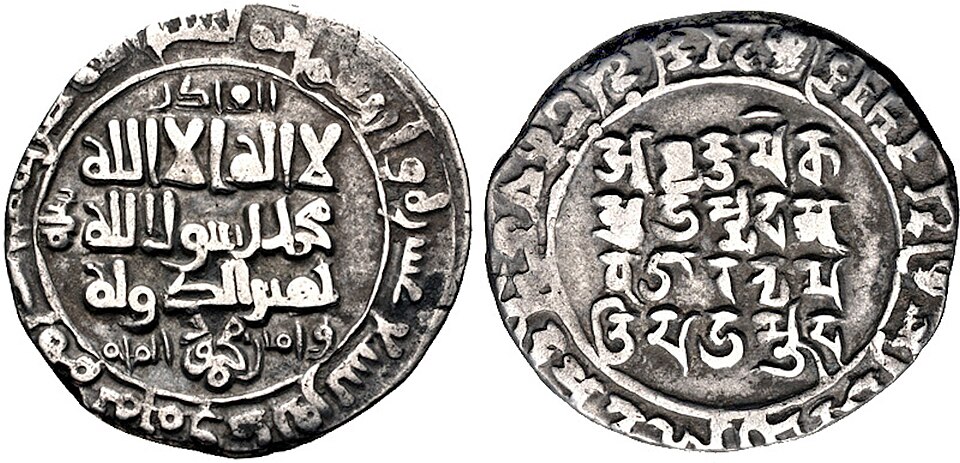
Mahmud of Ghazni's Lahore dirhams
Silver coins struck at Lahore, renamed Mahmudpur, with the Muslim profession of faith translated into Sanskrit.
After he annexed the Punjab, Mahmud of Ghazni had silver dirhams struck at Lahore under the name Mahmudpur. One side carries an Arabic legend; the other renders the kalima into Sanskrit, in the Sharada script used in the north-west.
They are a striking record of a conqueror whose new subjects read Sanskrit rather than Arabic.
More coins & seals
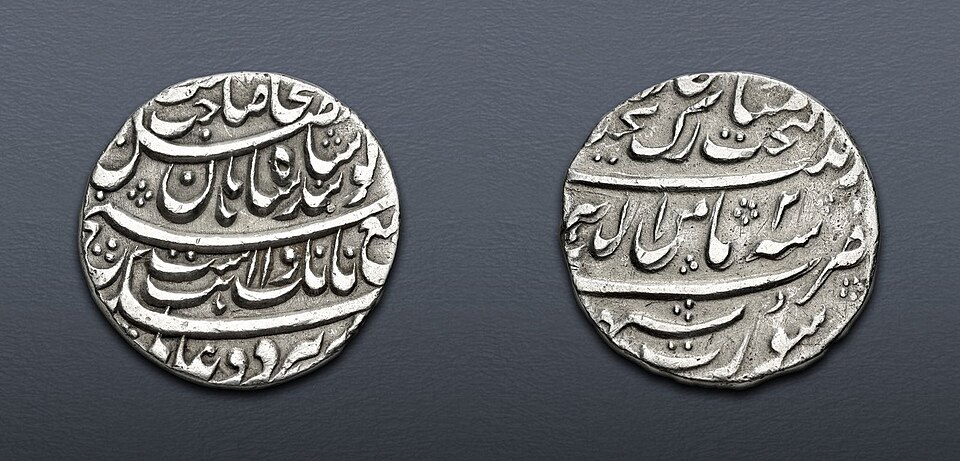
The first coin struck by a Sikh ruler. After taking Sirhind, Banda Singh issued silver coins in the names of Guru Nanak and Guru Gobind Singh, and a seal for his orders.
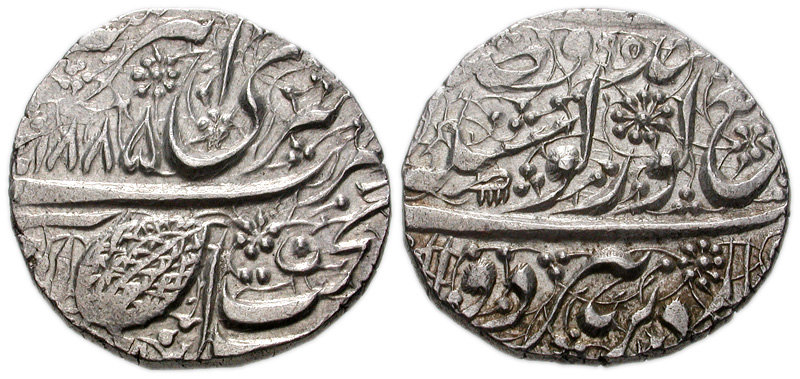
When the misls took Lahore in 1765 they struck silver rupees bearing the Khalsa couplet Deg Tegh Fateh, and Ranjit Singh's kingdom kept issuing them for eighty years.
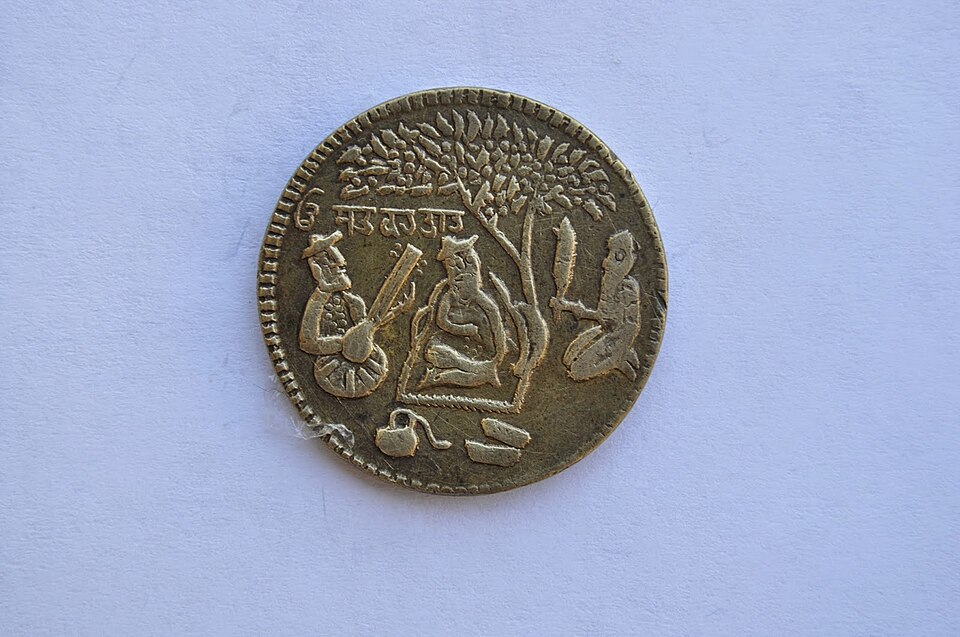
Rare coins and temple tokens of the Sikh period show Guru Nanak seated under a tree with Bhai Mardana holding his rabab, the only Sikh coins with a human image.
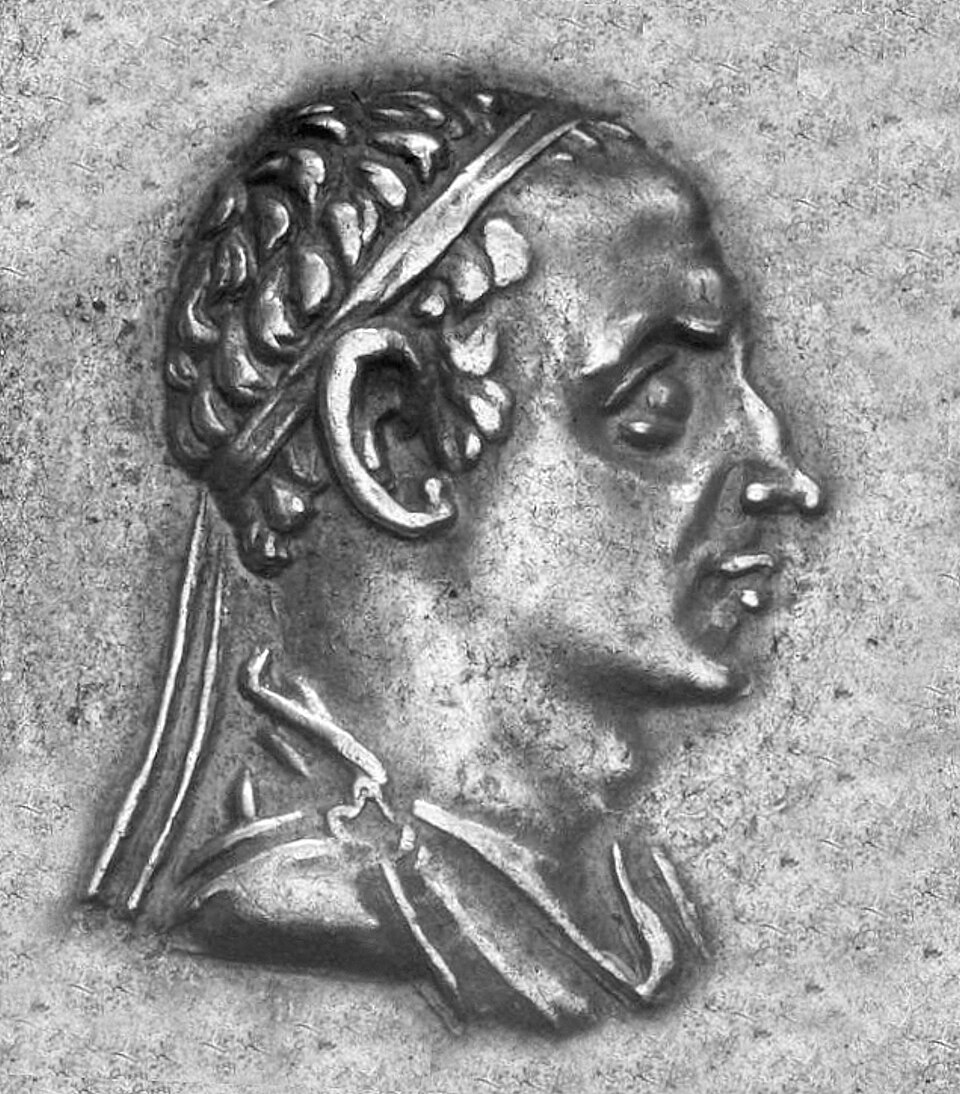
The silver of the Indo-Greek king who ruled from Sagala, now Sialkot, with his portrait on one side and Athena on the other.
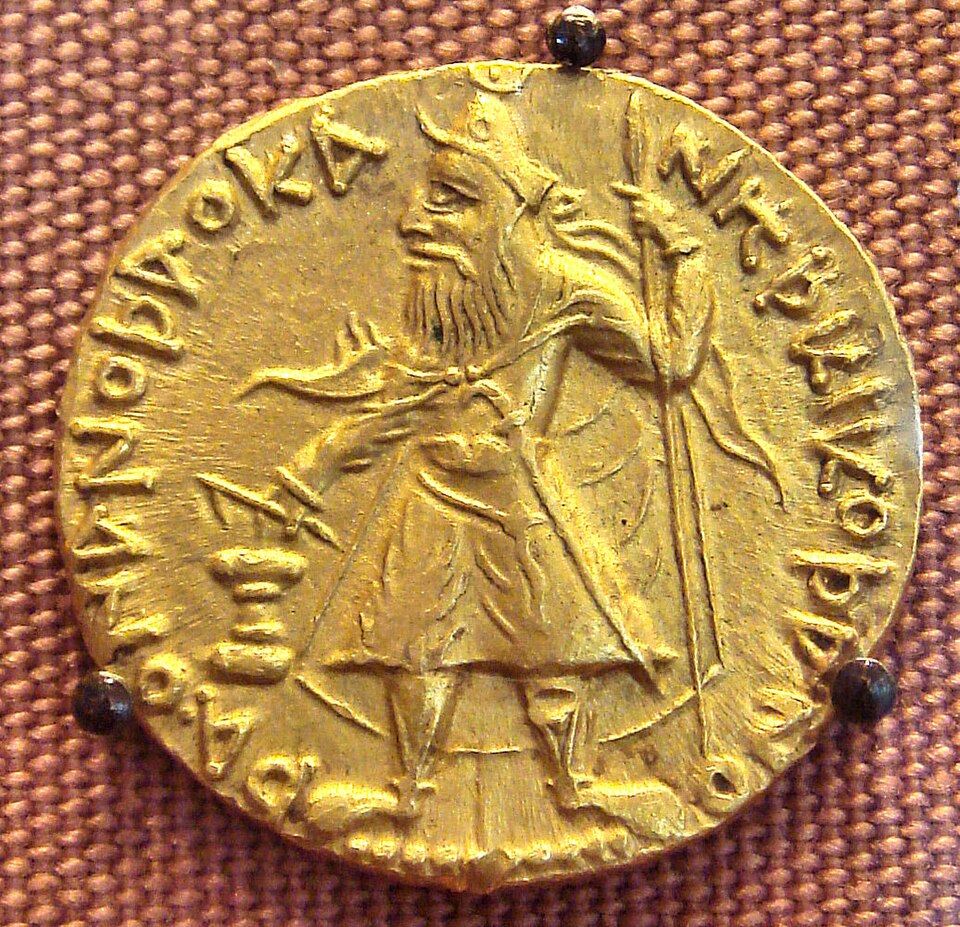
Gold coins of the Kushan emperor that carry one of the earliest images of the Buddha, named BODDO in Greek letters.
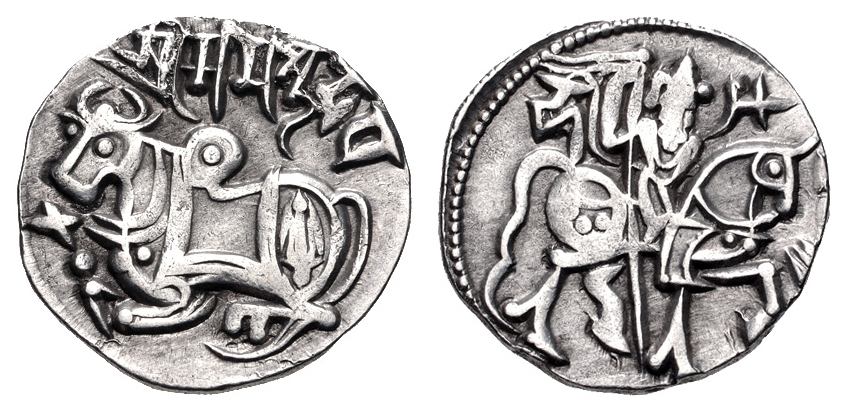
Small silver coins with a seated bull on one side and a horseman with a lance on the other, and the king's name, such as Samanta deva, in Sharada letters.
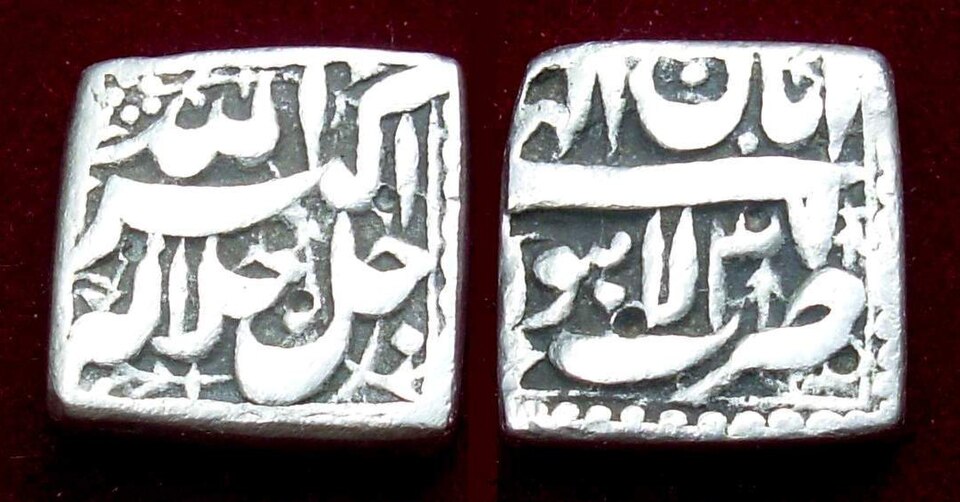
Lahore was one of the great mints of the Mughal empire. Akbar, who held court in the city from 1585 to 1598, struck gold and silver there, and the mint name, Dar-ul-Saltanat Lahore, 'seat of the sultanate', ran on the coins for two and a half centuries.
The Hari Singhi rupeeFrom 1820The rupee struck in Kashmir by Hari Singh Nalwa as governor of the valley, which stayed in use in Jammu and Kashmir long after the Sikh kingdom had gone.
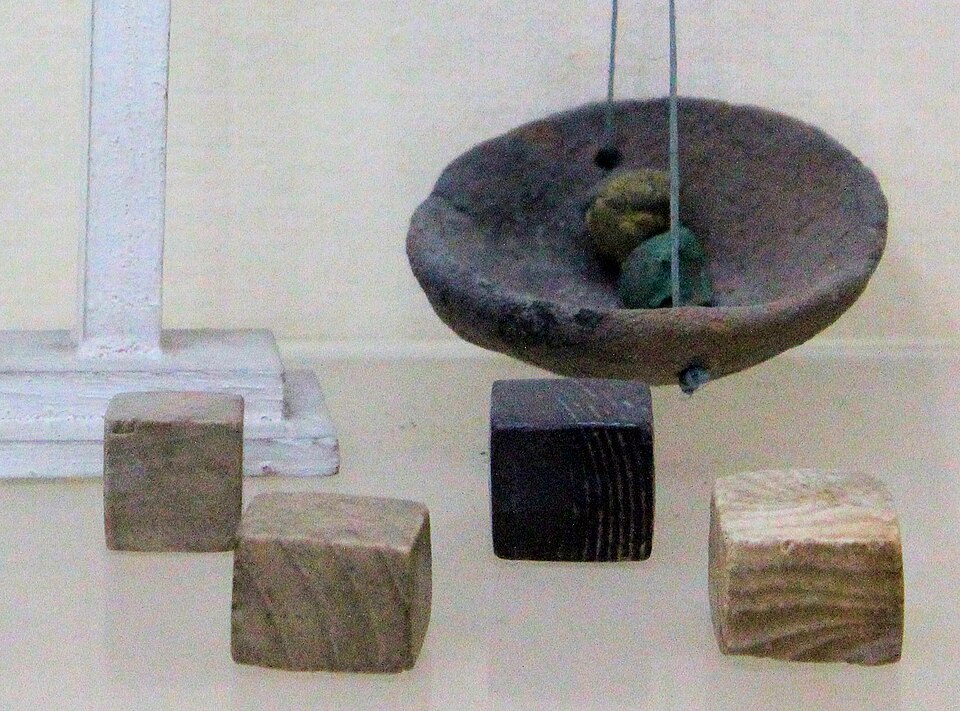
Polished stone cubes, made to a single standard across the Indus cities, the oldest money-like measures of the Punjab.
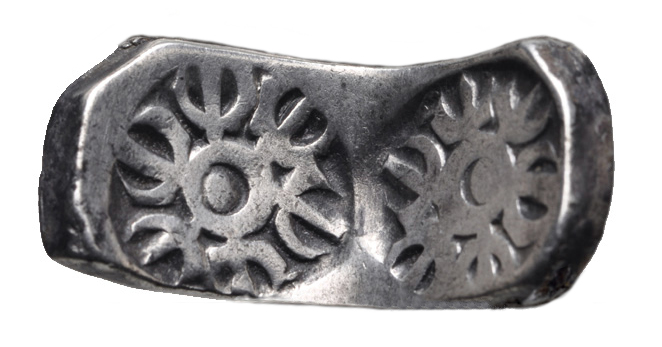
Bent bars of silver stamped with symbols, the first coins of the Punjab, dug up in hoards at Taxila.
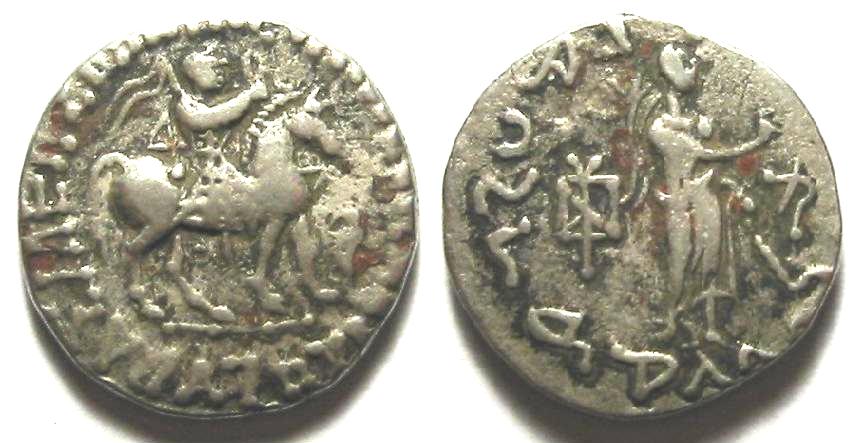
Coins of Azes and other Scythian (Saka) kings, who ruled Taxila after the Greeks.
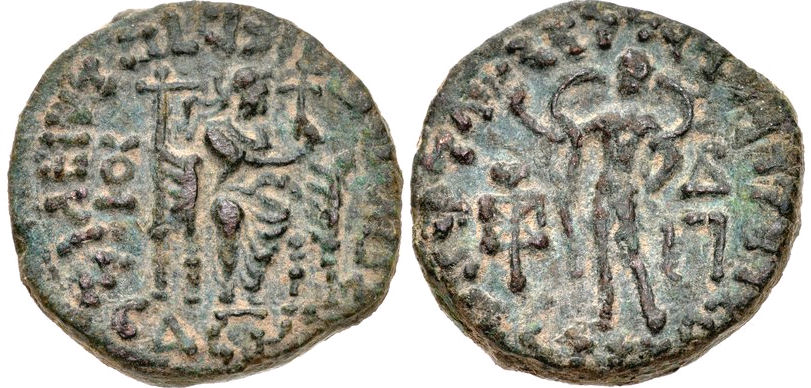
Coins of the Parthian king of Taxila who, Christian legend says, met the apostle Thomas.
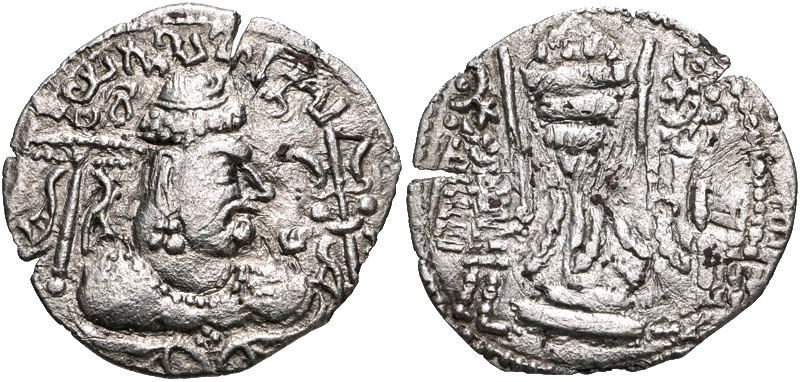
Coins of Toramana and Mihirakula, the Alchon Hun kings who ruled the Punjab from Sialkot.
The silver tanka of the Delhi SultansFrom the 1220sThe heavy silver coin introduced by Iltutmish, the ancestor of the rupee.
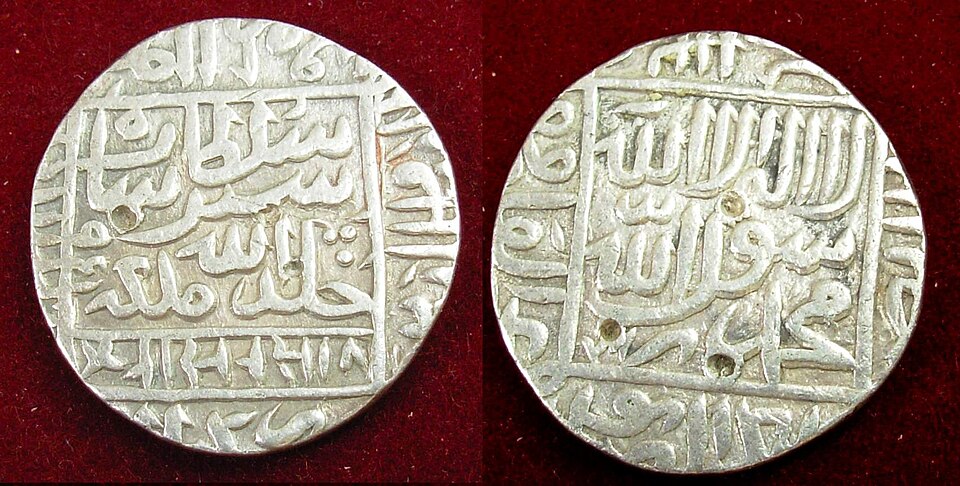
The coin of Sher Shah Suri, who drove the Mughals out of the Punjab, and gave the world the word rupee.
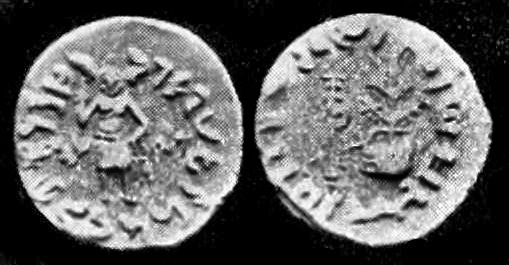
The Audumbaras of the hills around Pathankot struck coins showing a temple and the sage Vishvamitra. With the Kunindas and Yaudheyas they were among the small states and republics of the Punjab before the Kushans.
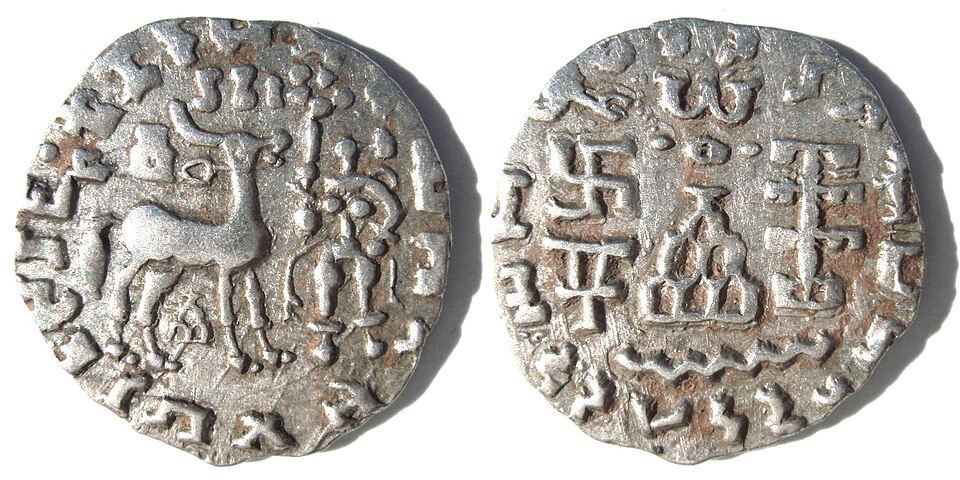
Silver coins of a people of the upper Beas and Sutlej, showing a deer and a goddess, and inscribed in two scripts at once, Brahmi and Kharosthi.
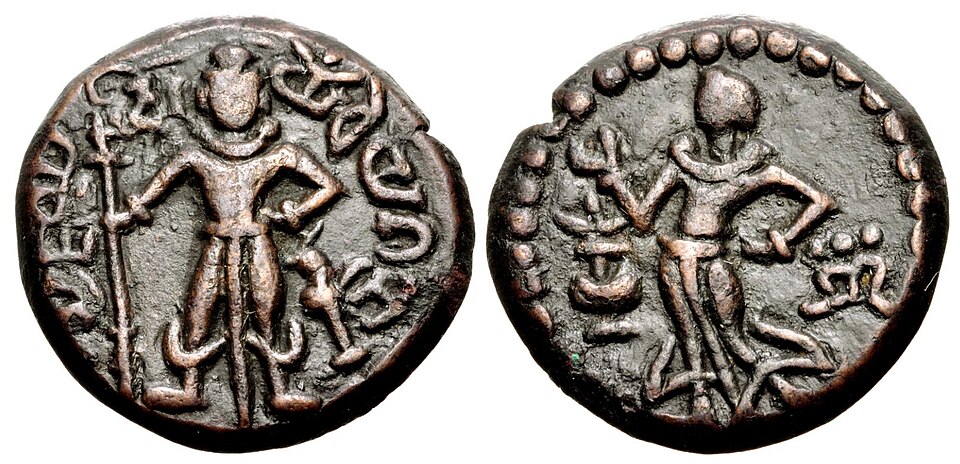
The Yaudheyas, a warrior republic of the eastern Punjab and Haryana, struck coins in the name of their assembly with the war god Karttikeya. Clay moulds for them were found at Rohtak and at Sunet near Ludhiana.