Coins & seals
From the silver of the Indo-Greek kings to the mints of Lahore and Amritsar, where Sikh rulers struck money in the name of the Gurus rather than their own.
Vedas, Alexander and Gandhara
1900 BCE – 1000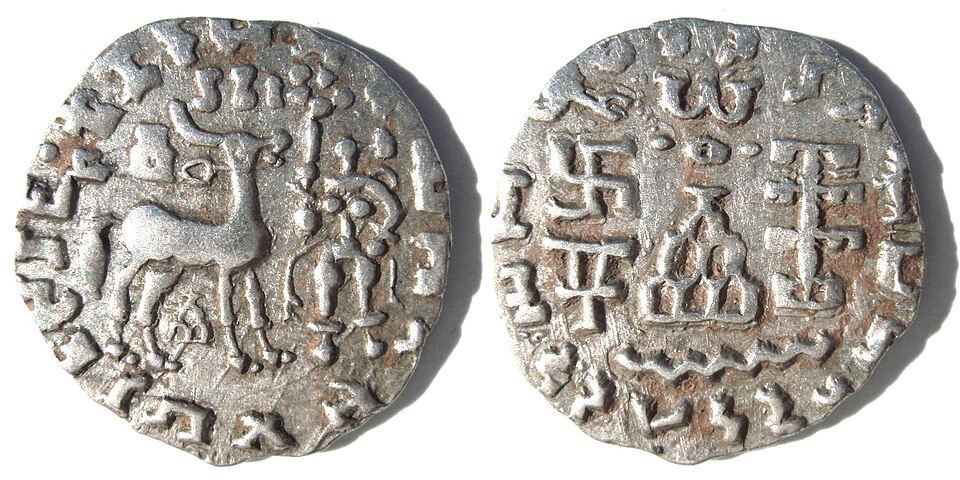
Silver coins of a people of the upper Beas and Sutlej, showing a deer and a goddess, and inscribed in two scripts at once, Brahmi and Kharosthi.
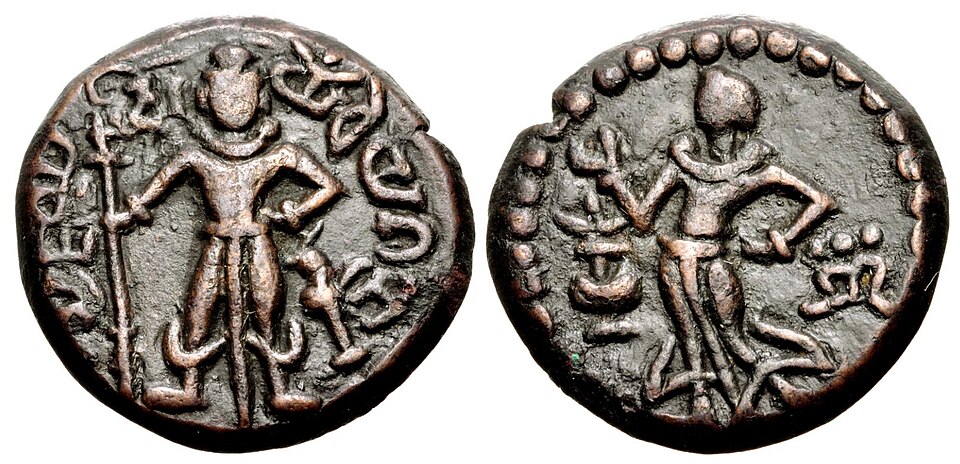
The Yaudheyas, a warrior republic of the eastern Punjab and Haryana, struck coins in the name of their assembly with the war god Karttikeya. Clay moulds for them were found at Rohtak and at Sunet near Ludhiana.
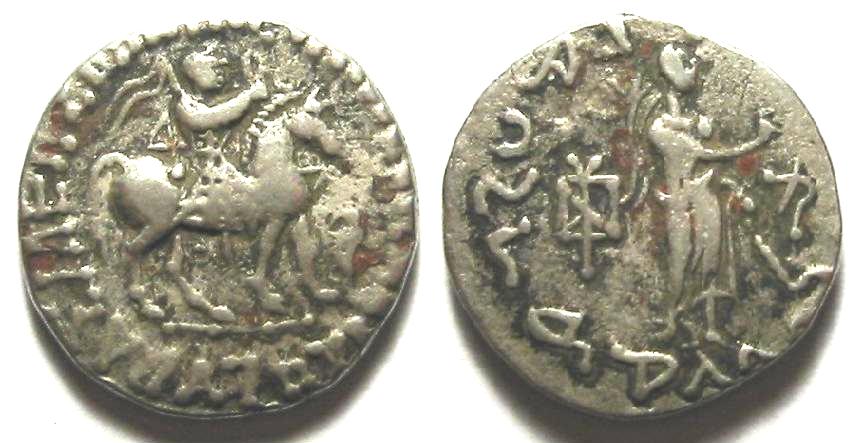
Coins of Azes and other Scythian (Saka) kings, who ruled Taxila after the Greeks.
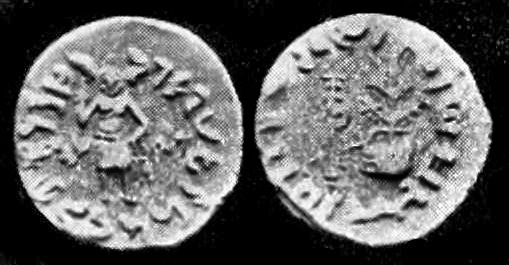
The Audumbaras of the hills around Pathankot struck coins showing a temple and the sage Vishvamitra. With the Kunindas and Yaudheyas they were among the small states and republics of the Punjab before the Kushans.
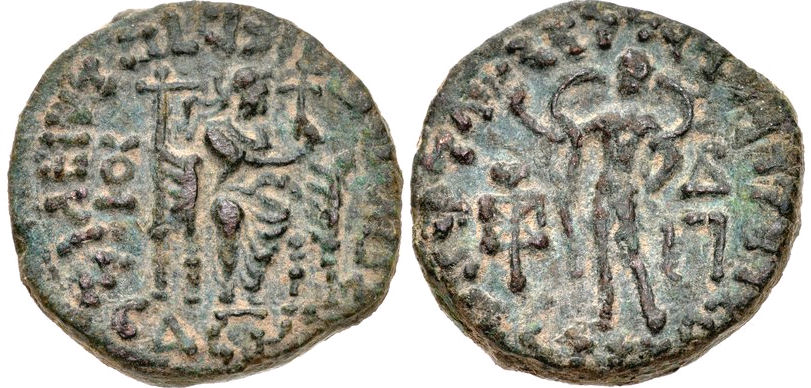
Coins of the Parthian king of Taxila who, Christian legend says, met the apostle Thomas.
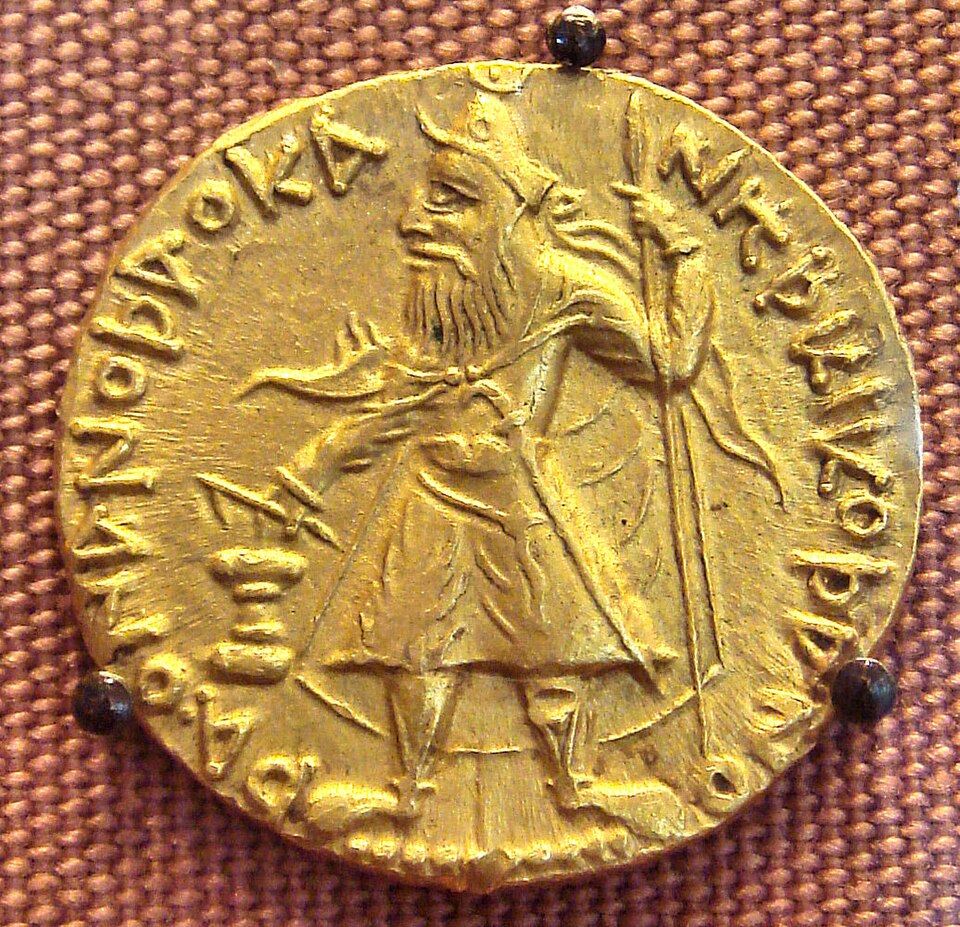
Gold coins of the Kushan emperor that carry one of the earliest images of the Buddha, named BODDO in Greek letters.
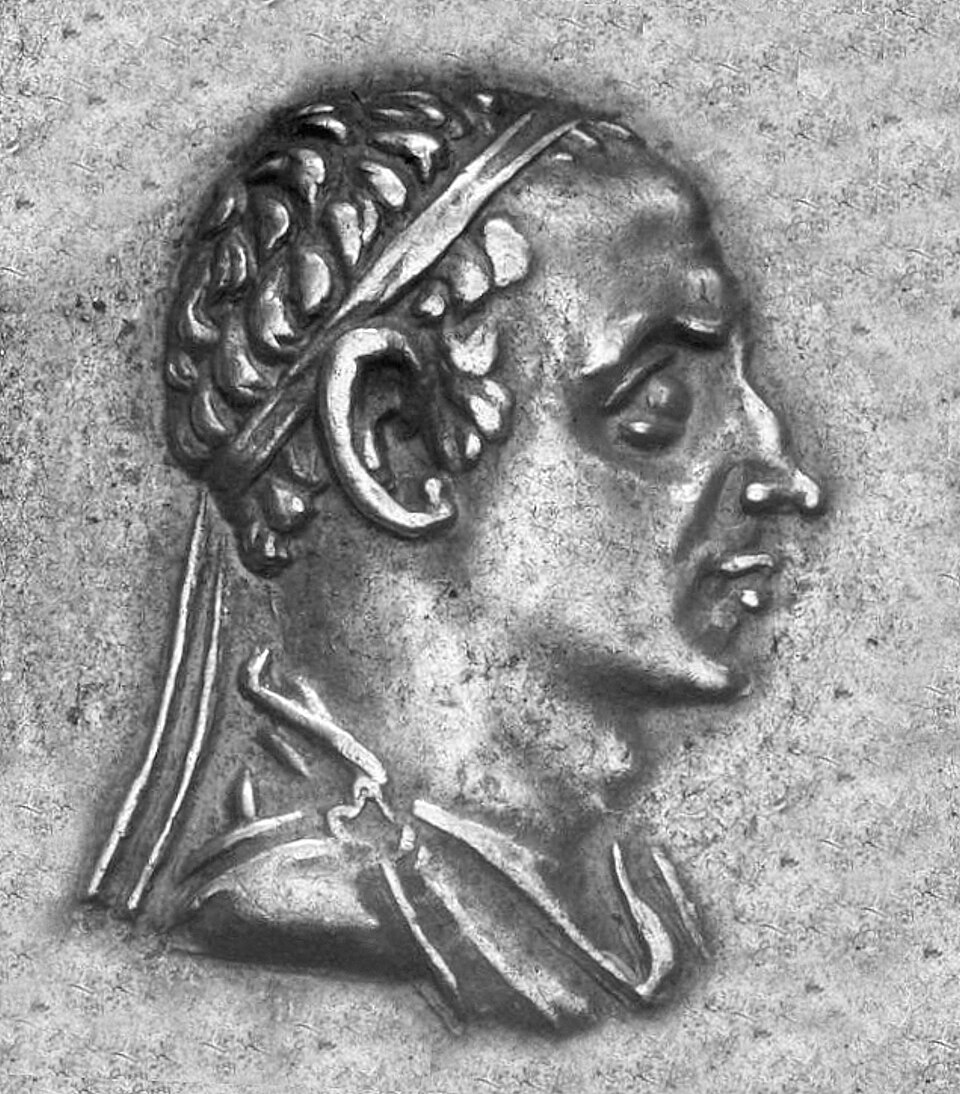
The silver of the Indo-Greek king who ruled from Sagala, now Sialkot, with his portrait on one side and Athena on the other.
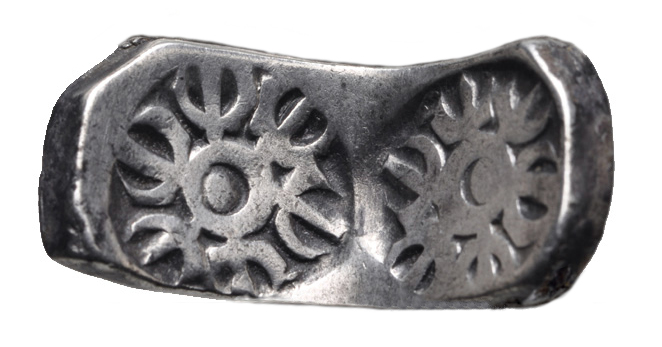
Bent bars of silver stamped with symbols, the first coins of the Punjab, dug up in hoards at Taxila.
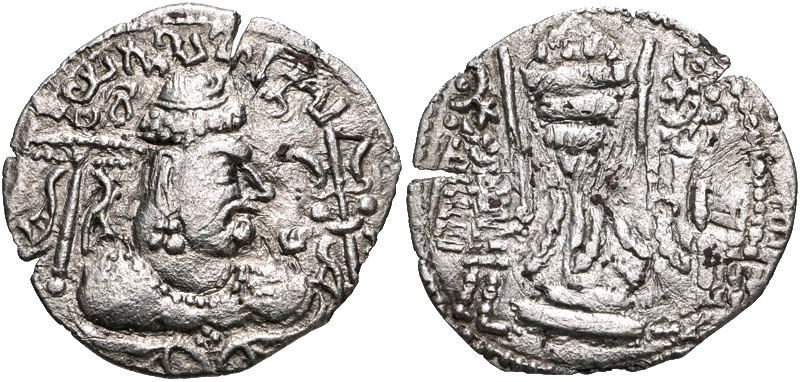
Coins of Toramana and Mihirakula, the Alchon Hun kings who ruled the Punjab from Sialkot.
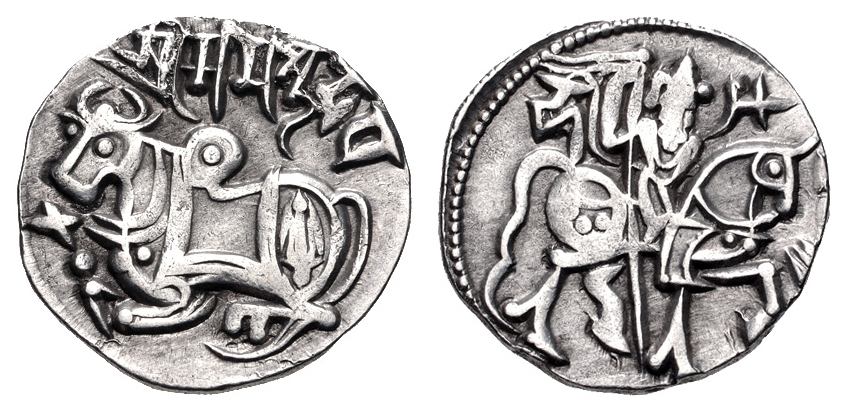
Small silver coins with a seated bull on one side and a horseman with a lance on the other, and the king's name, such as Samanta deva, in Sharada letters.
Sultans and Sufis
1000 – 1469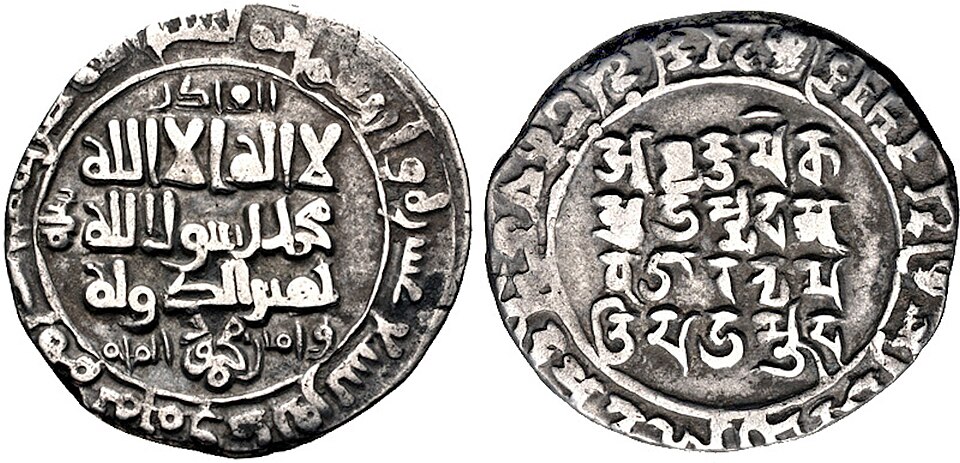
Gurus and Mughals
1469 – 1708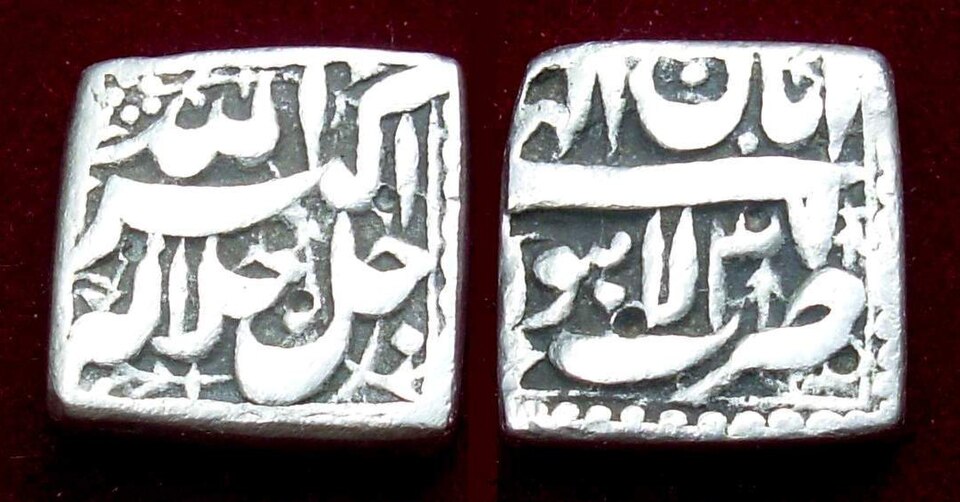
Lahore was one of the great mints of the Mughal empire. Akbar, who held court in the city from 1585 to 1598, struck gold and silver there, and the mint name, Dar-ul-Saltanat Lahore, 'seat of the sultanate', ran on the coins for two and a half centuries.
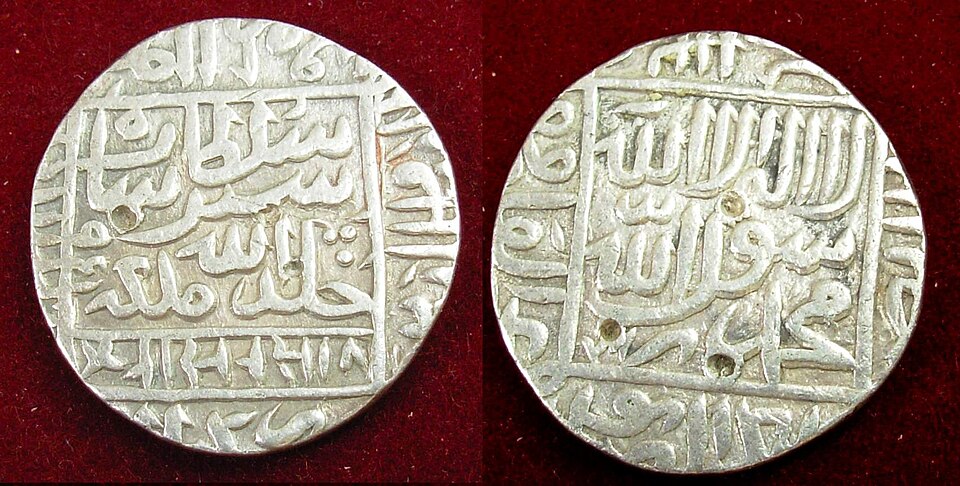
The coin of Sher Shah Suri, who drove the Mughals out of the Punjab, and gave the world the word rupee.
Misls and Afghans
1708 – 1799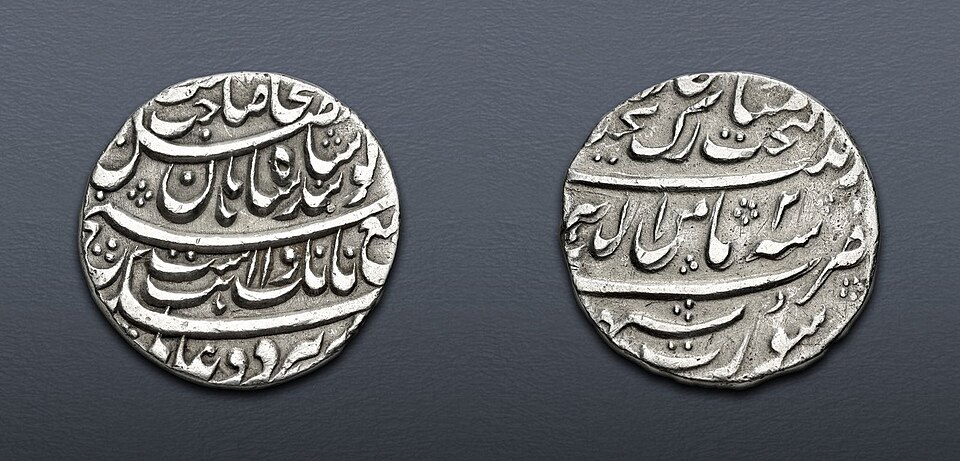
The first coin struck by a Sikh ruler. After taking Sirhind, Banda Singh issued silver coins in the names of Guru Nanak and Guru Gobind Singh, and a seal for his orders.
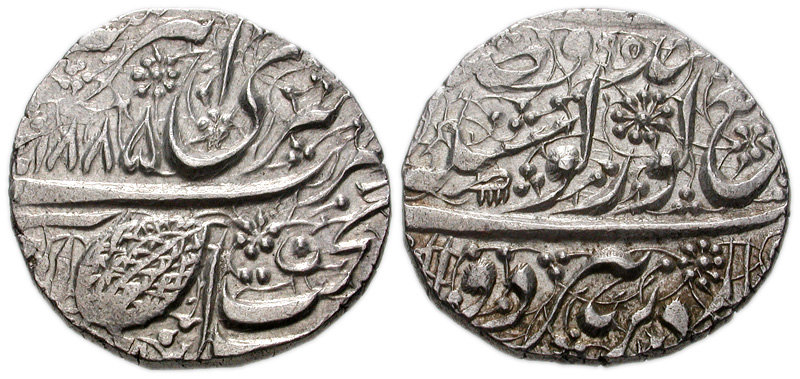
When the misls took Lahore in 1765 they struck silver rupees bearing the Khalsa couplet Deg Tegh Fateh, and Ranjit Singh's kingdom kept issuing them for eighty years.
The Kingdom of Lahore
1799 – 1849Colonial Punjab
1849 – 1947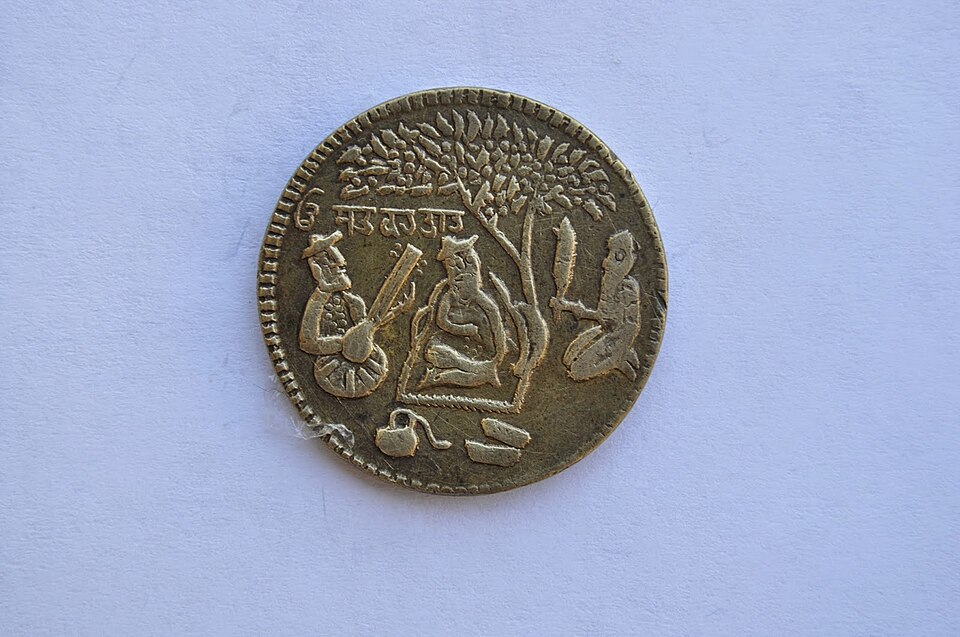
Two Punjabs
1947 – today
In the world's museums
77 objects Whitehead Coins of the Punjab Museum Plate XI Azes Demeter and HermesWikimedia Commons · Whitehead, R. B. (Richard Bertram) ↗
 A copper alloy coin, probably a copper paisa of the Indian Princely State of BajrangarhWikimedia Commons · West Yorkshire Archaeology Advisory Service, Jonathan Boffey · CC BY-SA ↗
 Sikh Token Coin, from the Golden Temple, 1898, AmritsarWikimedia Commons · SpeakingArch · CC BY-SA ↗
 Silver shahrukhi coin of Babur, struck at Lahore AH 935 ,1528-1529 CE, Ashmolean MuseumAshmolean Museum, Oxford · photo SpeakingArch (Wikimedia Commons) · CC BY-SA ↗
 Bull type coin, the Hindu Shahi Dynasty, Kangra Fort Museum, Himachal PradeshWikimedia Commons · SpeakingArch · CC BY-SA ↗
 Horse rider type coin, Hindu Shahi DynastyWikimedia Commons · SpeakingArch · CC BY-SA ↗
 Variant 2, Bull Type Coin, Hindu Shahi Dynasty, Kangra Fort Museum, Himachal PradeshWikimedia Commons · SpeakingArch · CC BY-SA ↗
 Silver coin issued by Guru Gobind Singh, Indian MuseumIndian Museum, Kolkata · photo Royroydeb (Wikimedia Commons) · CC BY-SA ↗
 Silver jitals of Mahmud of Ghazna with bilingual Arabic and Sanskrit minted in Lahore…British Museum, London · photo Uploadalt (Wikimedia Commons) · CC BY-SA ↗
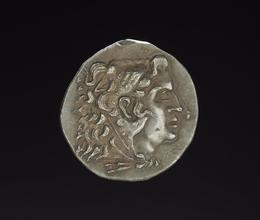 Indo-Greek Coinc. 200–1 BCE · Afghanistan, BactriaCleveland Museum of Art ↗
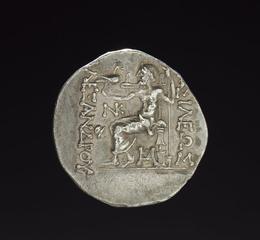 Indo-Greek Coin200–1 BCE · Afghanistan, BactriaCleveland Museum of Art ↗
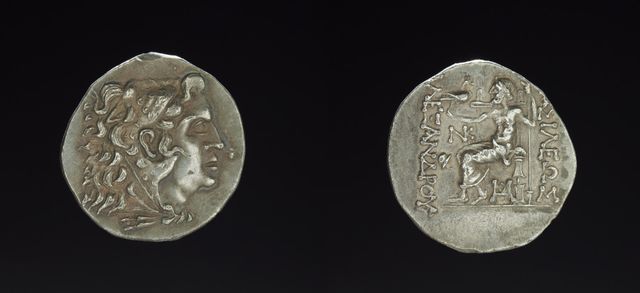 Indo-Greek Coinc. 200–1 BCE · Afghanistan, BactriaCleveland Museum of Art ↗
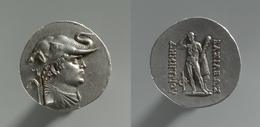 Tetradrachm Coin of Demetrios I200–190 BCE · Afghanistan, Bactria, Indo-GreekCleveland Museum of Art ↗
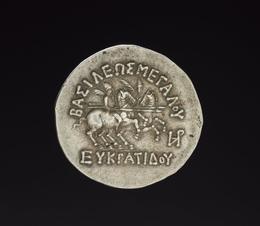 Coin of Eukratides I170–145 BCE · Afghanistan, BactriaCleveland Museum of Art ↗
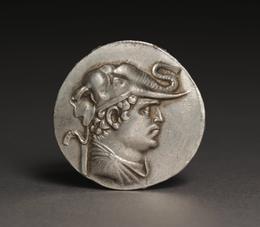 Coin of Demetrios, I (obverse)200–190 BCE · Afghanistan, Greco-Bactria, Demetrios I (c. 200–180 BCE)Cleveland Museum of Art ↗
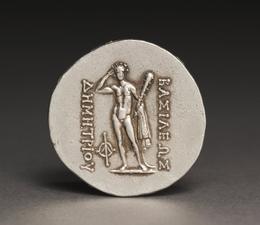 Coin of Demetrios, I (reverse)200–190 BCE · Afghanistan, Greco-Bactria, Demetrios I (c. 200–180 BCE)Cleveland Museum of Art ↗
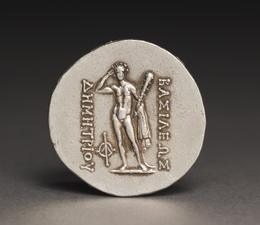 Demetrios I (222–180 BC) ruled the Indo-Greek kingdom of Bactria from 200 to 180 BC and…Wikimedia Commons ↗
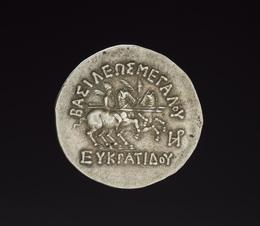 The twins Castor and Pollux were known as the Diosuroi in Greek mythologyWikimedia Commons ↗
 Coin of Strato I, circa 125-110 BCE, National Museum New DelhiNational Museum, New Delhi · photo SpeakingArch (Wikimedia Commons) · CC BY-SA ↗
 Copper alloy Indo-Greek coin from the Hindu Kush, an issue of Vasudeva I (cWikimedia Commons · Royal Institution of Cornwall, Anna Tyacke, 2011-02-08 22:37 · CC BY-SA ↗
 Gold coin of Diodotus, Indo-Greek, National Museum, New Delhi.Diodotus I SoterNational Museum, New Delhi · photo SpeakingArch (Wikimedia Commons) · CC BY-SA ↗
 A silver Indo-Greek drachm of Menander (c.160-145 BC) of the Kabul/Gandhara regionWikimedia Commons · National Museum Wales , Susie White, 2018-10-22 14:57:42 · CC BY ↗
 A worn copper alloy square Hemiobol, probably of Apollodotus I (rWikimedia Commons · Surrey County Council, David Williams, 2013-09-24 16:49:46 · CC BY-SA ↗
 Coin of Kujula Kadphises, derived from a coin of the Indo-Greek king HermaeusBritish Museum, London · photo No machine-readable author provided. World Imaging assumed ( (Wikimedia Commons) ↗
More in Coins