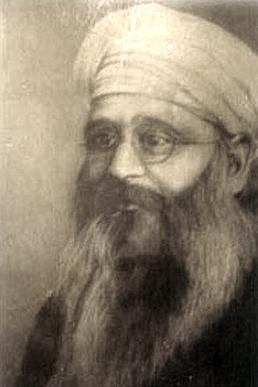
Puran Singh
Chemist, mystic and the poet of free verse who wrote 'Punjab lives on the name of the Gurus'.
Puran Singh was born at Salhad in Abbottabad district, studied chemistry in Tokyo, flirted with Buddhism and Vedanta, and came back to India as a monk before returning to Sikhism under the influence of Bhai Vir Singh. He worked as a chemist at the Forest Research Institute in Dehradun and later tried, and failed, to run a farm in the canal colonies.
He was the first great Punjabi poet of free verse. His collections Khulhe Maidan, Khulhe Ghund and Khulhe Lekh, the 'open fields' and 'open veils', broke with the old metres, influenced by Walt Whitman, and poured out a Punjabi landscape of rivers, ploughmen, young women at spinning wheels and the Gurus walking the earth. His most famous line says that Punjab lives on the name of the Gurus, not of Hindus or Muslims.
He also wrote in English, including The Spirit of the Sikh and books on the Gurus, which introduced Sikh mysticism to Western readers. He died young, poor and ill, but every modern Punjabi poet writes in the open fields he cleared.
In their words
Famous linesਪੰਜਾਬ ਨਾ ਹਿੰਦੂ ਨਾ ਮੁਸਲਮਾਨ, ਪੰਜਾਬ ਸਾਰਾ ਜੀਂਦਾ ਗੁਰਾਂ ਦੇ ਨਾਮ ਤੇ।
پنجاب نا ہندو نا مسلمان، پنجاب سارا جیندا گراں دے نام تے۔
The Punjab is neither Hindu nor Muslim; all the Punjab lives in the name of the Gurus.
Khulle Maidan (1923)
More poets and writers
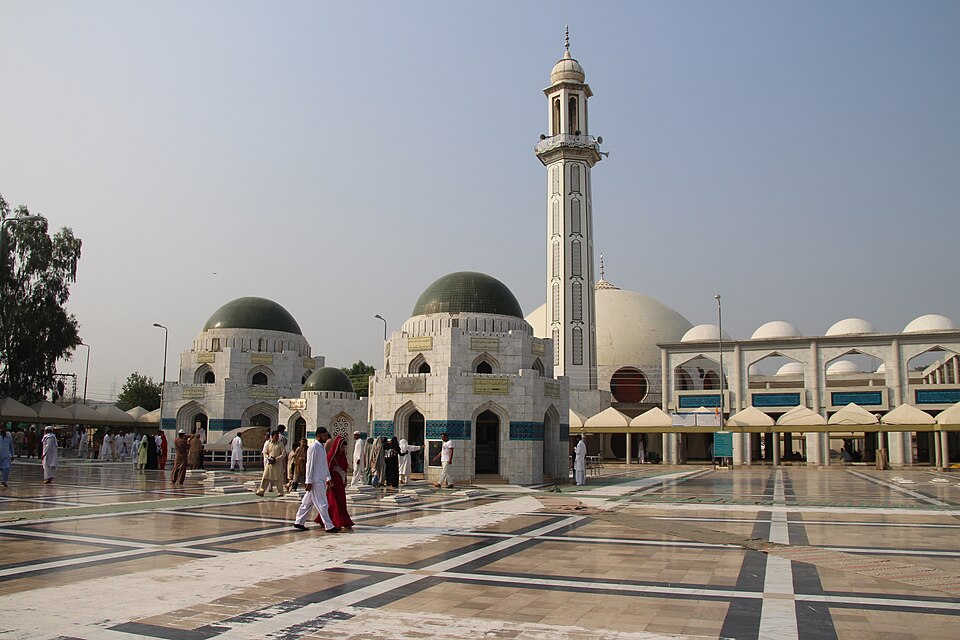
The Sufi poet of Mirpur whose Saif ul Malook is recited across the Pothohar and Kashmir.
▶ Watch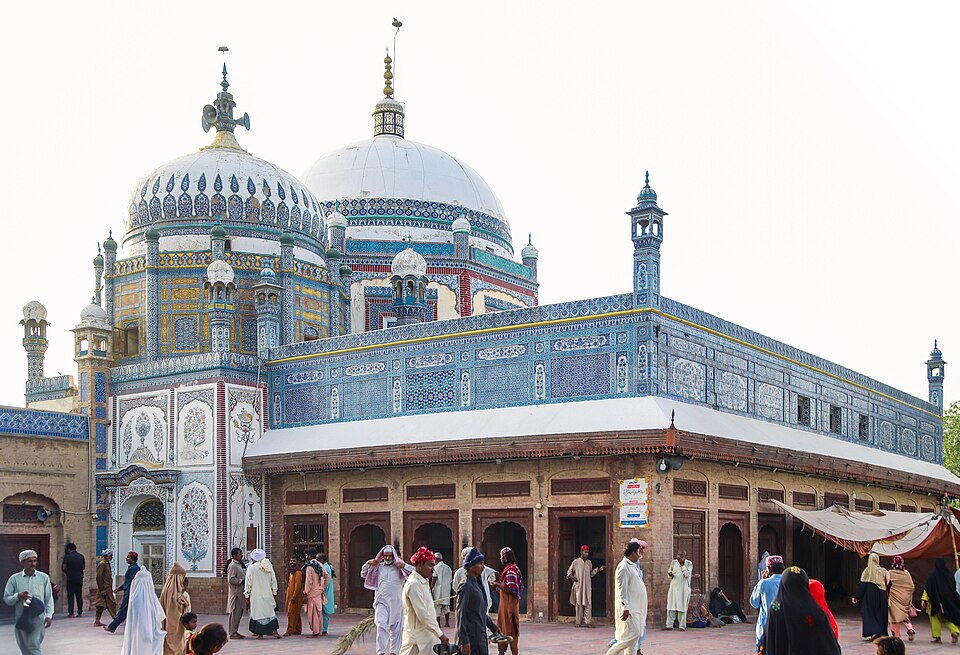
The Sufi poet of the Cholistan desert, whose Saraiki kafis sing of rain, camels and the Beloved.
▶ Watch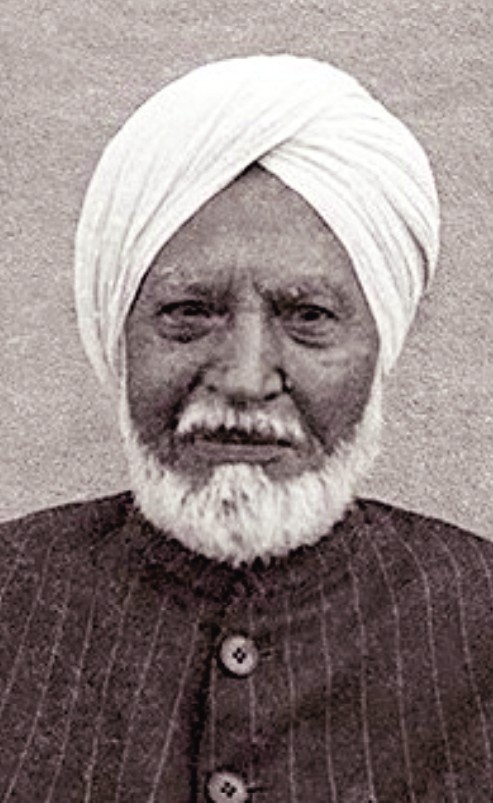
The poet of the village fair and the season, who also designed the Gurmukhi type that printed Punjabi.
▶ Watch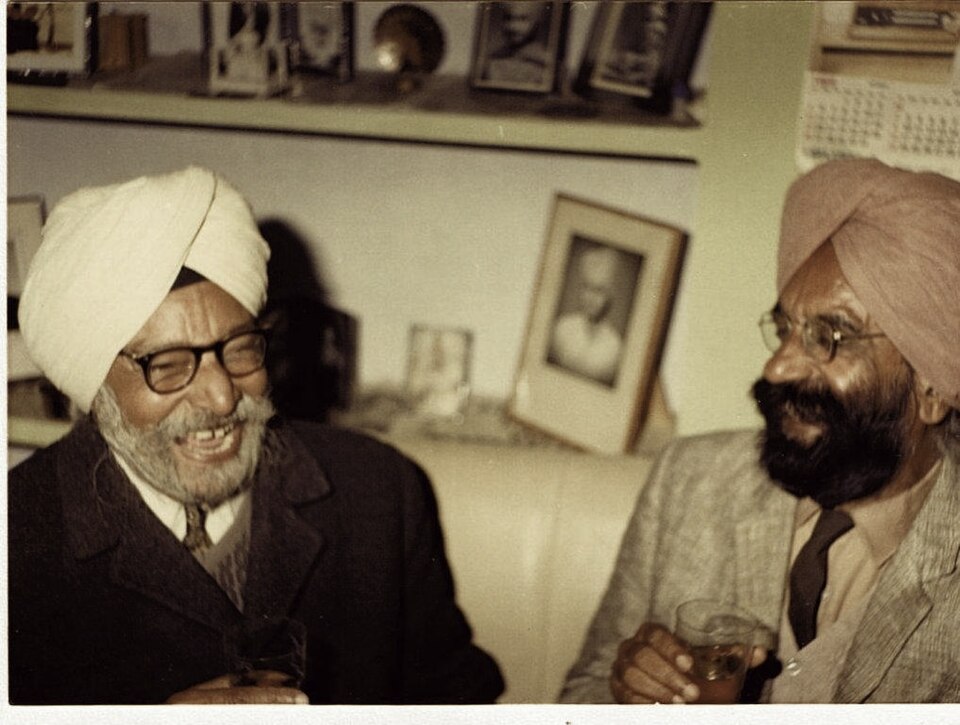
Professor Mohan Singh, the lyric poet of Saave Patte, who made Punjabi poetry modern and romantic.
▶ Watch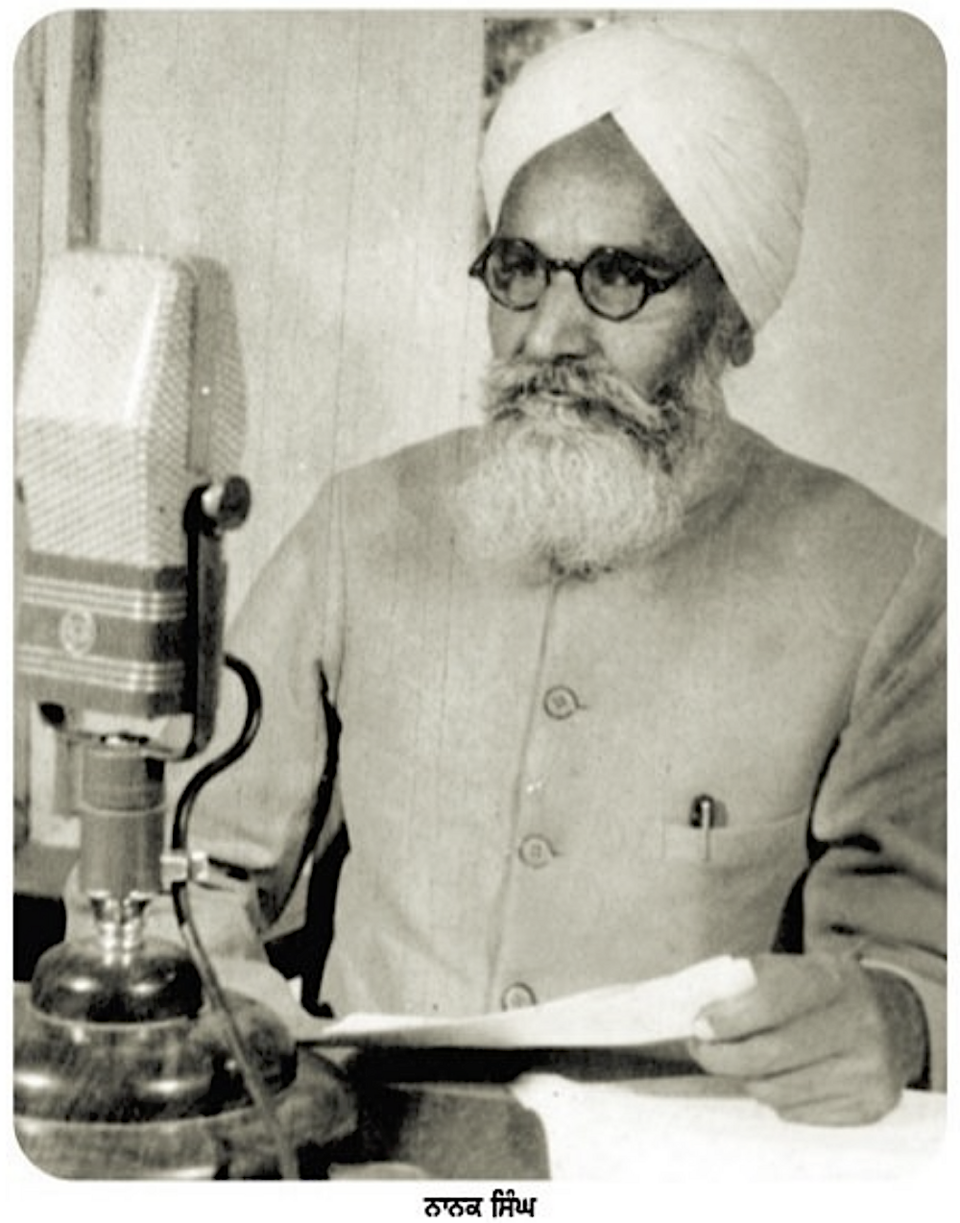
The father of the Punjabi novel, who survived Jallianwala Bagh and wrote a poem about it that the British banned.
▶ Watch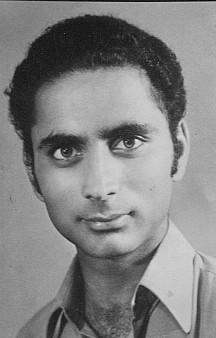
Avtar Singh Sandhu, the revolutionary poet of the Naxalite years, killed at 37.
Sant Ram Udasi1939 – 1986The Dalit revolutionary poet of Barnala, who sang of the landless labourer and was tortured for it.
▶ Watch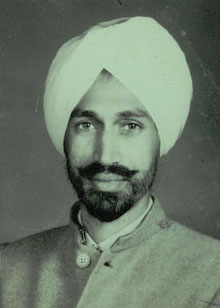
The novelist of Jaitu and the Malwa poor, whose Marhi da Deeva is the great Punjabi village novel.
▶ Watch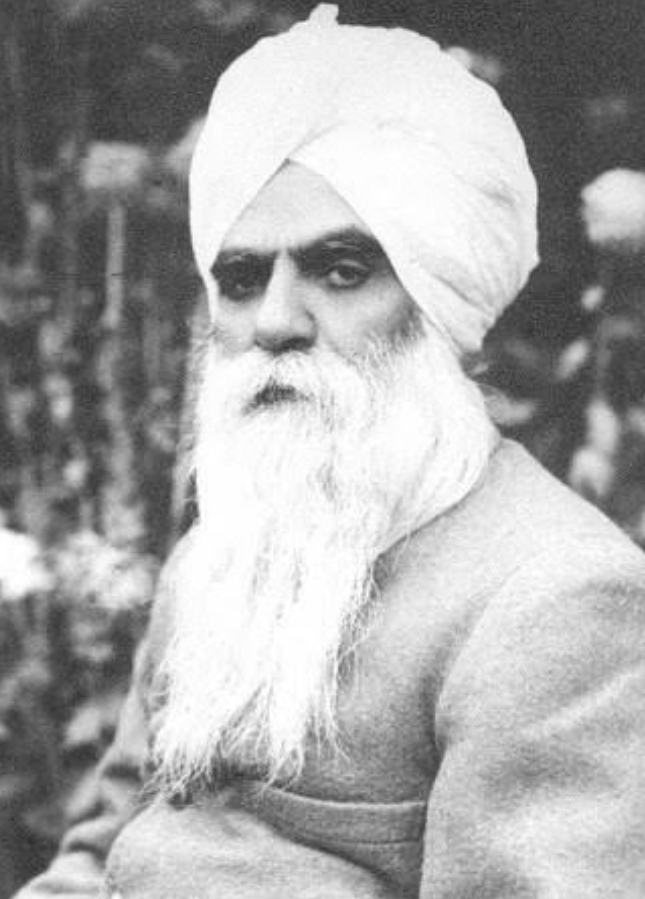
Bhai Vir Singh's epic in blank verse of a widowed queen's search for her dead husband and for God.
▶ Watch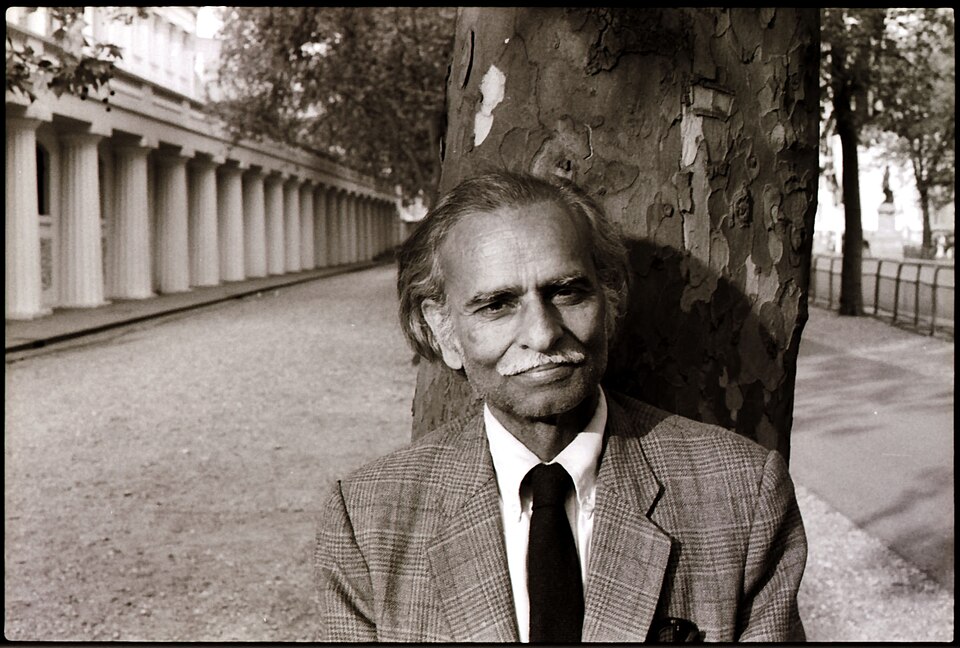
Poet, playwright and critic who led the revival of Punjabi writing in Shahmukhi in Pakistani Punjab.
▶ Watch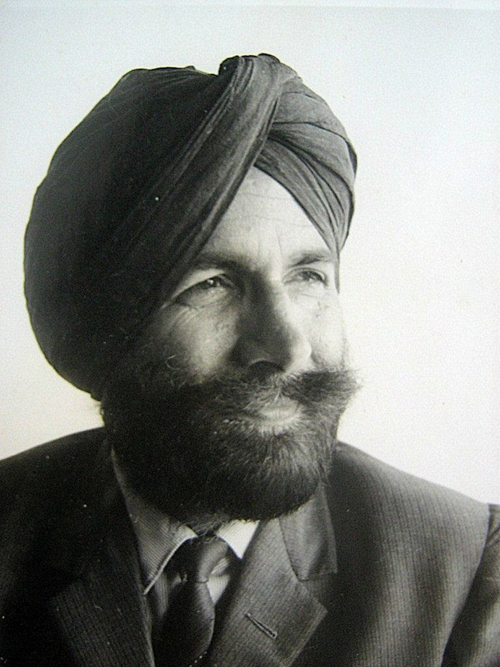
Master of the Punjabi short story, whose quiet tales of village life and Partition won the Sahitya Akademi award.
▶ Watch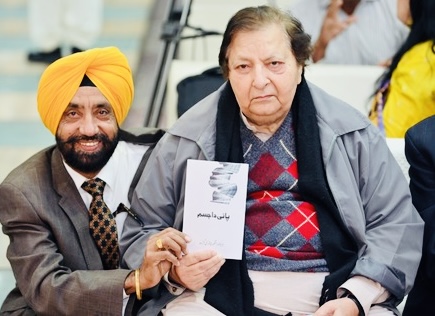
Punjabi novelist and poet from Gujrat whose books were banned under General Zia, and founder of the World Punjabi Congress.
▶ WatchAhmad Rahi1923 – 2002Poet from Amritsar whose Trinjan (1953) gave voice to the women of the Punjab after Partition, and who wrote Lahore's film songs.
▶ Watch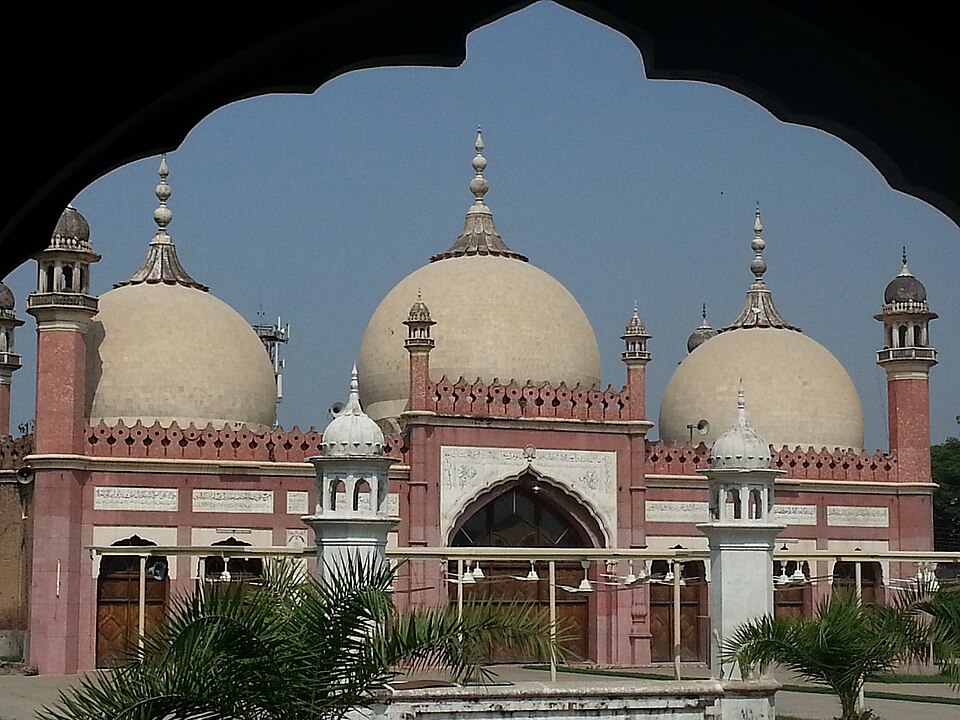
Poet and scholar from Kunjah near Gujrat, who translated the Quran into Punjabi and taught Punjabi at university.
▶ Watch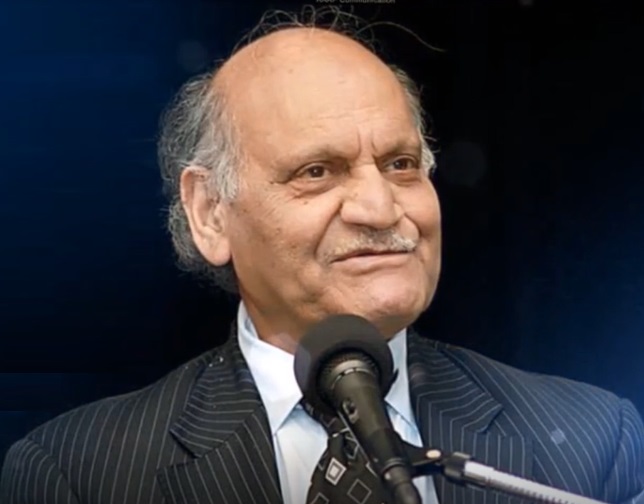
Poet of wit and tenderness from Gujrat, whose Punjabi poems about ordinary life are recited by heart across Pakistan.
▶ Watch
Novelist, poet and politician from Faisalabad, one of the leading writers of modern Punjabi in Shahmukhi.
▶ Watch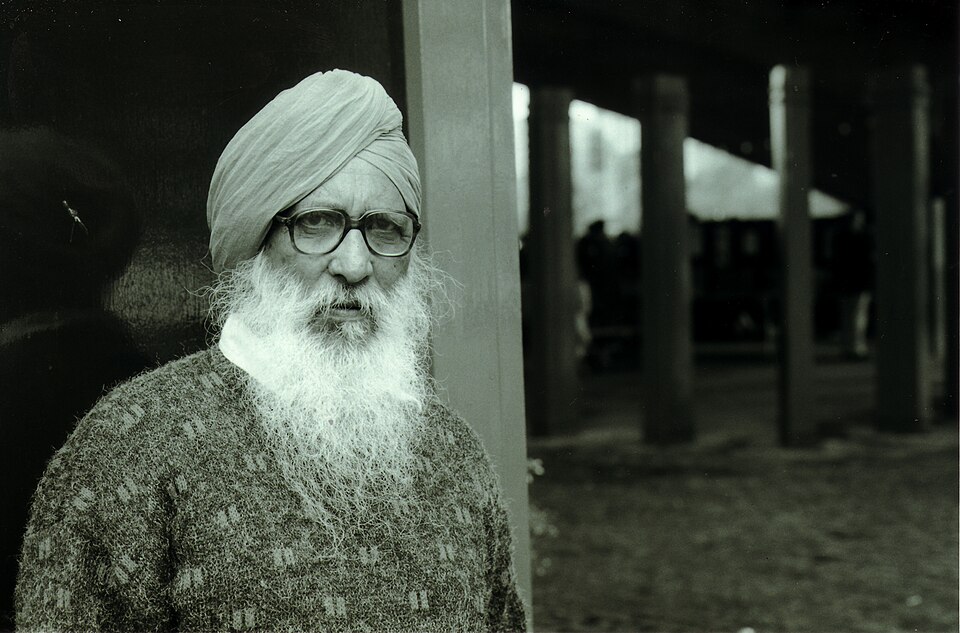
Modernist Punjabi poet and critic of Delhi, who renewed Punjabi verse after Partition.
▶ Watch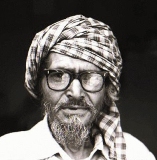
Dalit revolutionary poet from Samrala whose angry, plain poems spoke for the landless.
▶ WatchHafiz Barkhurdar17th centuryPoet of the Mughal age whose Mirza Sahiban is one of the oldest written tellings of the tale.
▶ Watch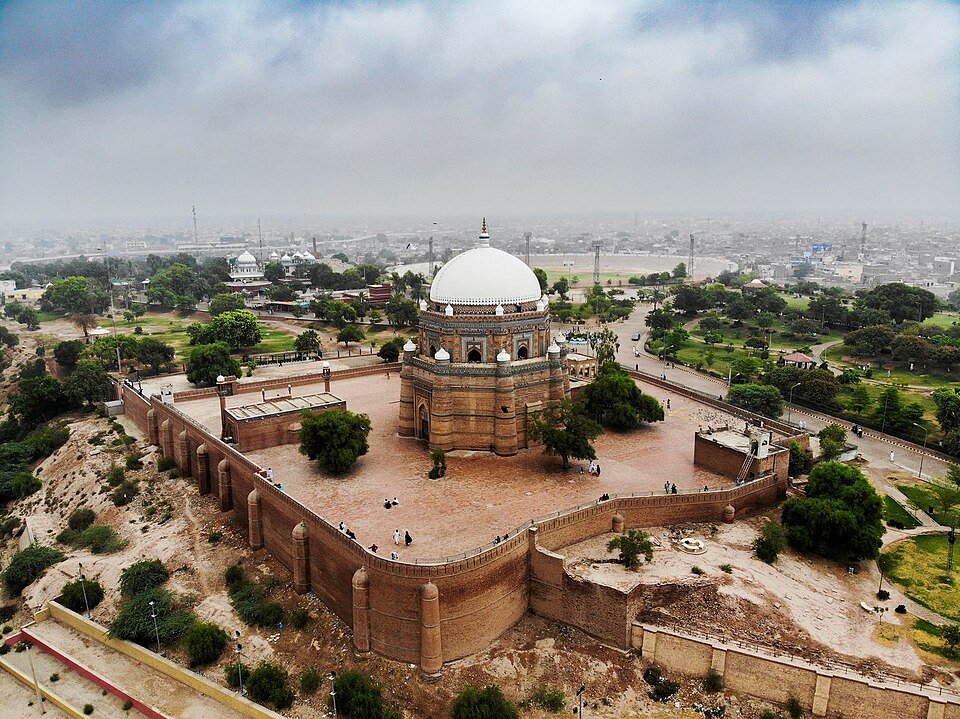
Sufi poet of Multan, master of the siharfi, the alphabet poem in which each verse begins with a new letter.