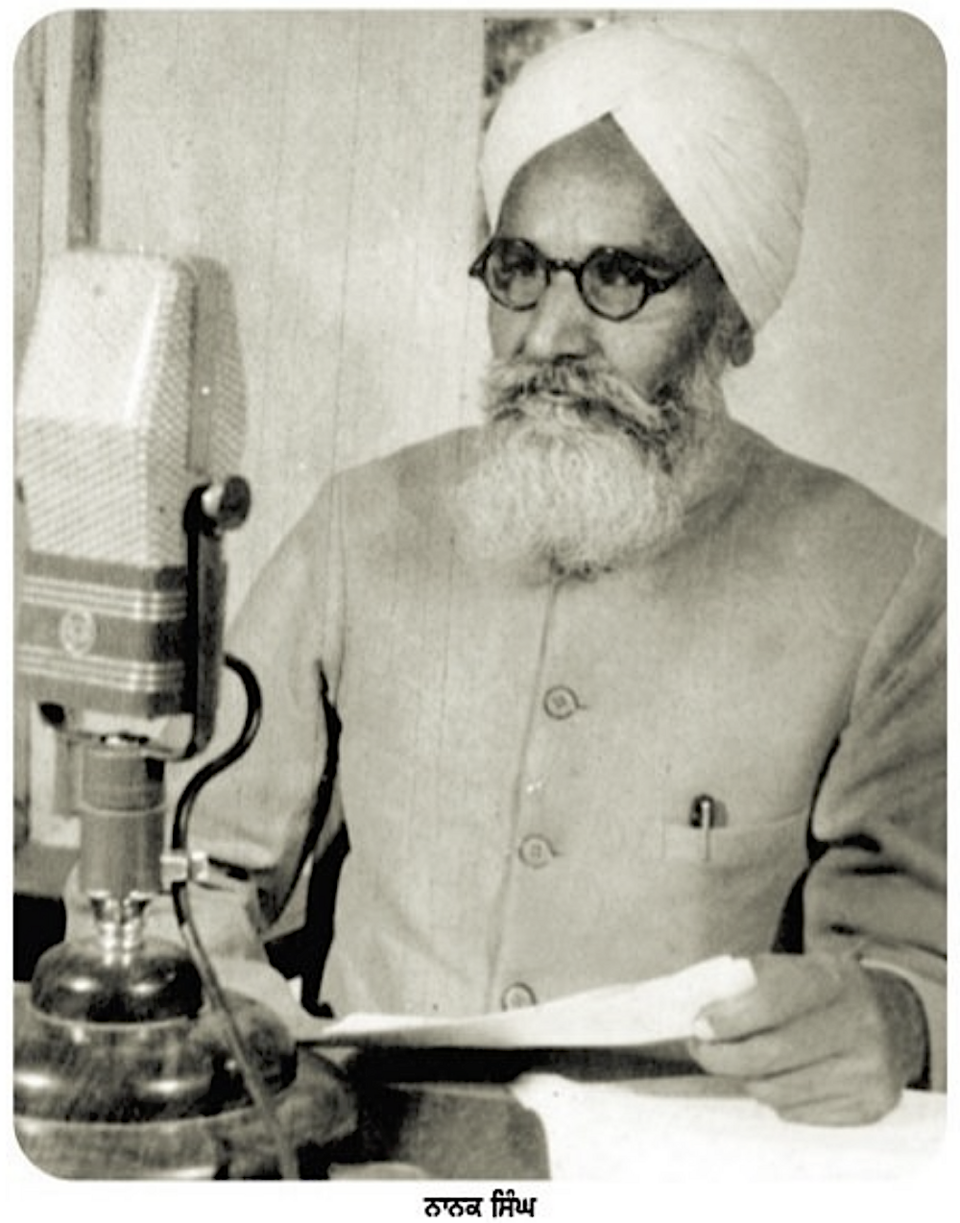
Nanak Singh
The father of the Punjabi novel, who survived Jallianwala Bagh and wrote a poem about it that the British banned.
Nanak Singh was born Hans Raj in a Hindu family at Chak Hamid in Jhelum district and became a Sikh as a boy, taking the name Nanak Singh. He had little schooling but an enormous gift for story. On 13 April 1919 he was in the crowd at Jallianwala Bagh; two of his friends were killed, and he survived by lying among the bodies.
Out of that day came Khooni Vaisakhi, 'Bloody Vaisakhi', a long poem describing the massacre and blaming the government, which the British banned and confiscated; it was only rediscovered and republished decades later. He went to jail in the Akali agitations of the 1920s and there began writing novels.
He wrote nearly forty of them, among them Chitta Lahu, Pavittar Papi and Ik Mian Do Talwaran, which won the Sahitya Akademi award. They brought social realism to Punjabi fiction: the cruelty of caste and dowry, widowhood, the lives of the poor, written in plain, gripping prose that ordinary readers loved. He is rightly called the father of the Punjabi novel.
More poets and writers
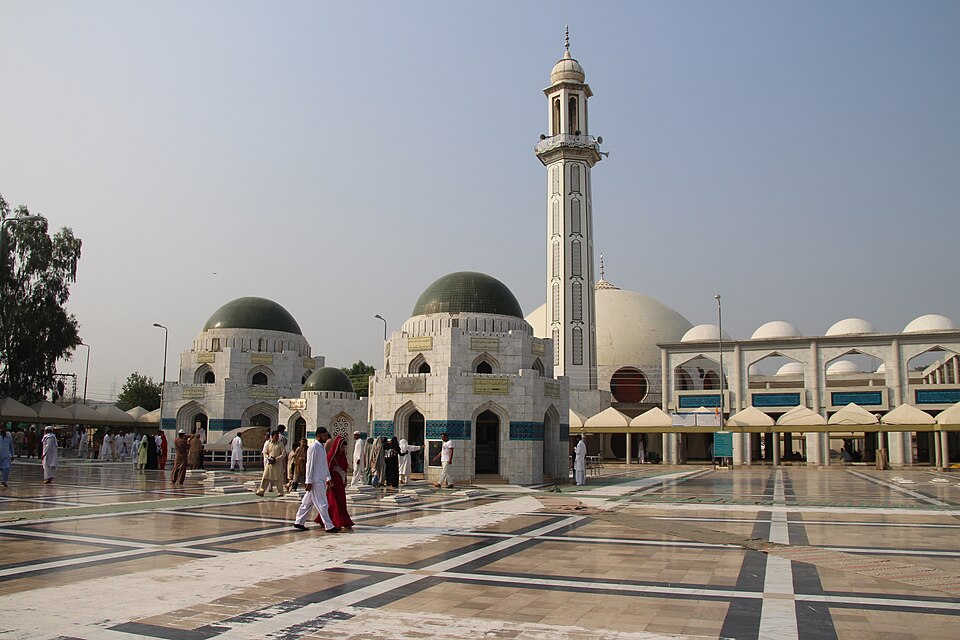
The Sufi poet of Mirpur whose Saif ul Malook is recited across the Pothohar and Kashmir.
▶ Watch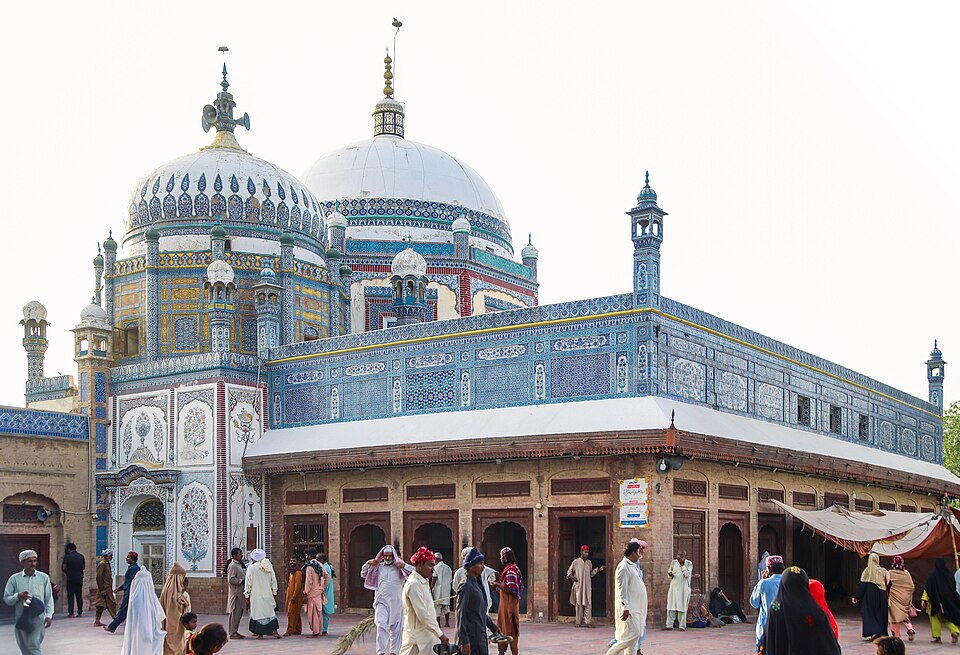
The Sufi poet of the Cholistan desert, whose Saraiki kafis sing of rain, camels and the Beloved.
▶ Watch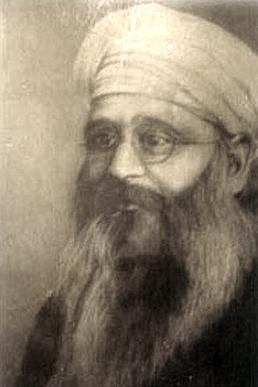
Chemist, mystic and the poet of free verse who wrote 'Punjab lives on the name of the Gurus'.
▶ Watch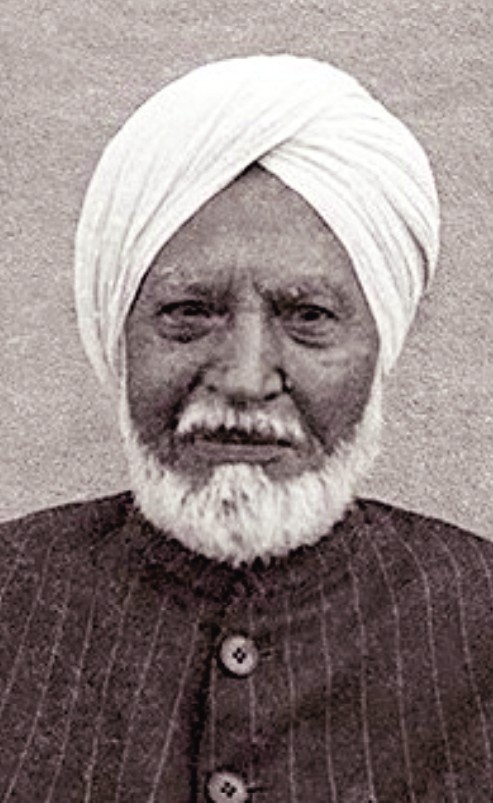
The poet of the village fair and the season, who also designed the Gurmukhi type that printed Punjabi.
▶ Watch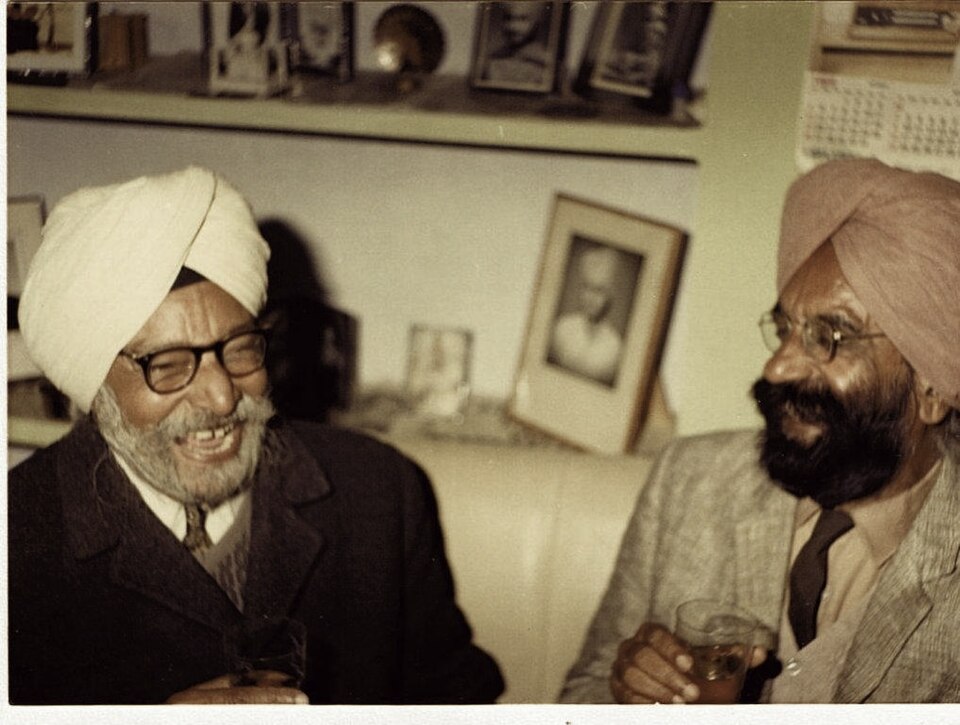
Professor Mohan Singh, the lyric poet of Saave Patte, who made Punjabi poetry modern and romantic.
▶ Watch
Avtar Singh Sandhu, the revolutionary poet of the Naxalite years, killed at 37.
Sant Ram Udasi1939 – 1986The Dalit revolutionary poet of Barnala, who sang of the landless labourer and was tortured for it.
▶ Watch
The novelist of Jaitu and the Malwa poor, whose Marhi da Deeva is the great Punjabi village novel.
▶ Watch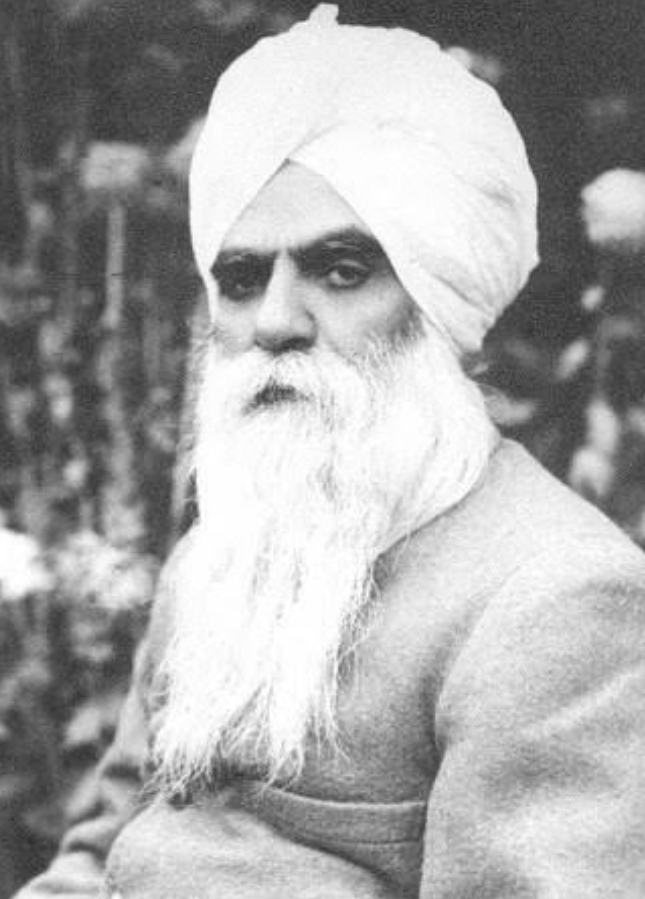
Bhai Vir Singh's epic in blank verse of a widowed queen's search for her dead husband and for God.
▶ Watch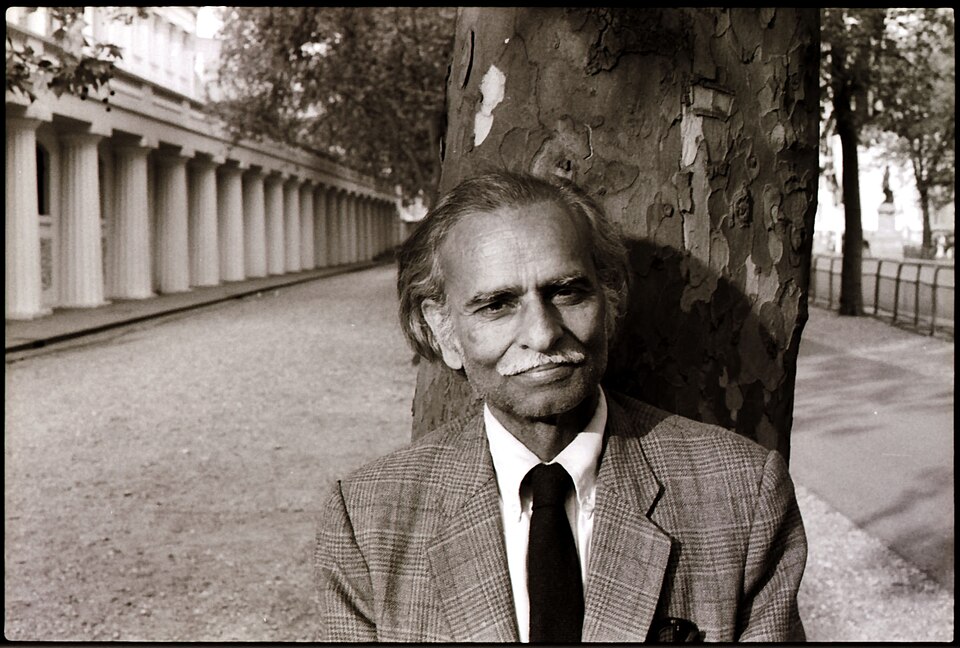
Poet, playwright and critic who led the revival of Punjabi writing in Shahmukhi in Pakistani Punjab.
▶ Watch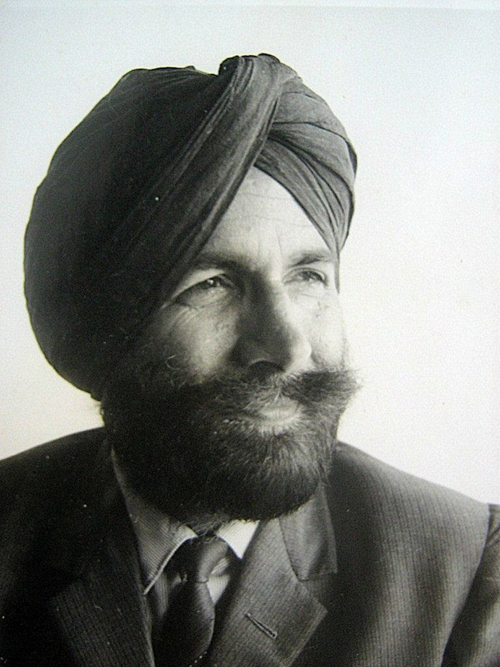
Master of the Punjabi short story, whose quiet tales of village life and Partition won the Sahitya Akademi award.
▶ Watch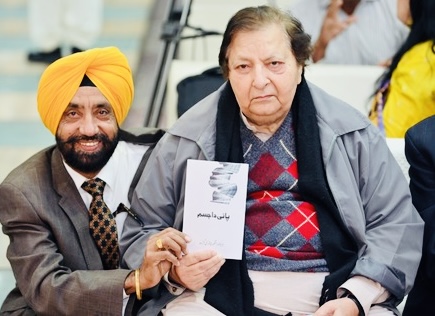
Punjabi novelist and poet from Gujrat whose books were banned under General Zia, and founder of the World Punjabi Congress.
▶ WatchAhmad Rahi1923 – 2002Poet from Amritsar whose Trinjan (1953) gave voice to the women of the Punjab after Partition, and who wrote Lahore's film songs.
▶ Watch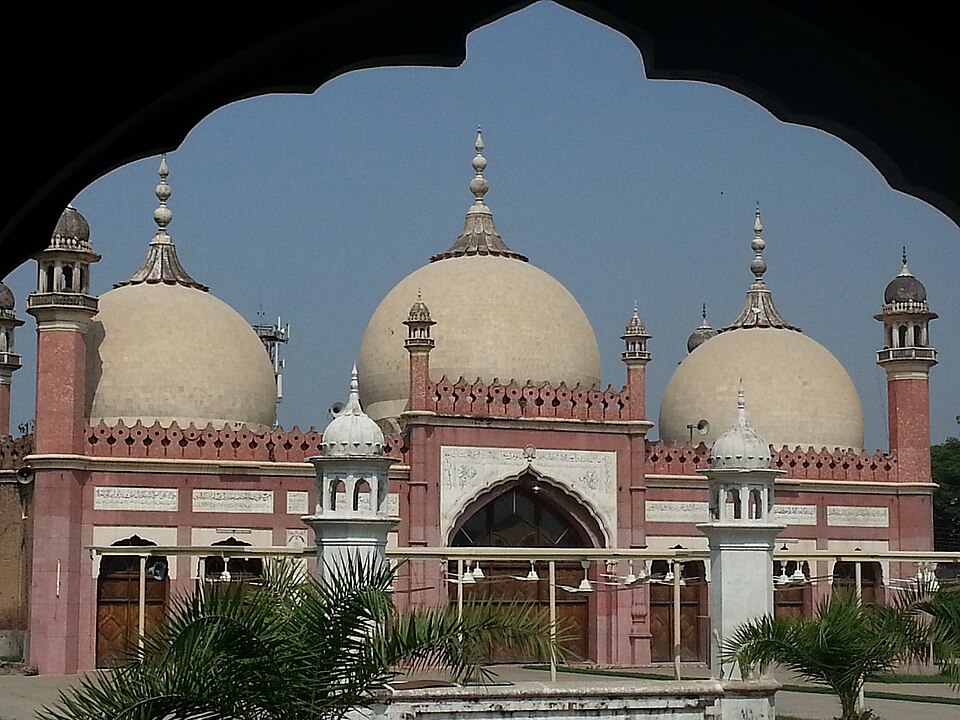
Poet and scholar from Kunjah near Gujrat, who translated the Quran into Punjabi and taught Punjabi at university.
▶ Watch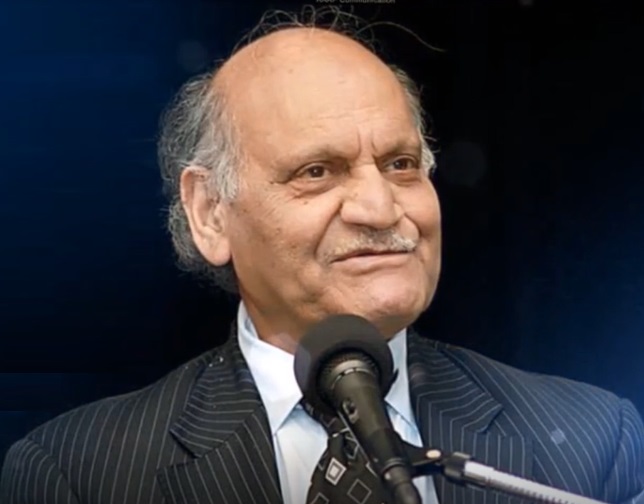
Poet of wit and tenderness from Gujrat, whose Punjabi poems about ordinary life are recited by heart across Pakistan.
▶ Watch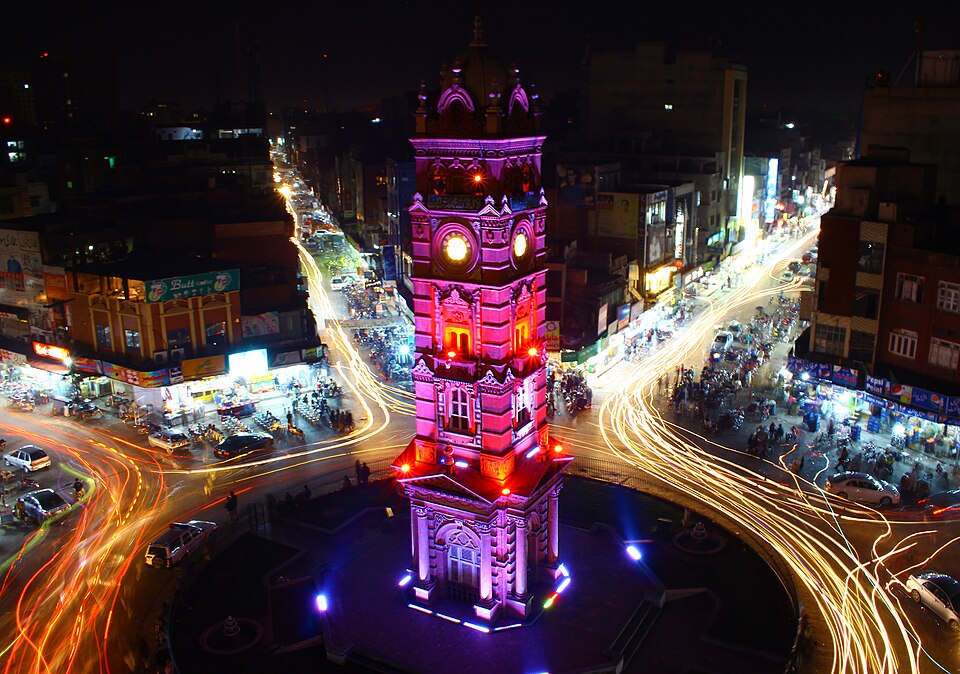
Novelist, poet and politician from Faisalabad, one of the leading writers of modern Punjabi in Shahmukhi.
▶ Watch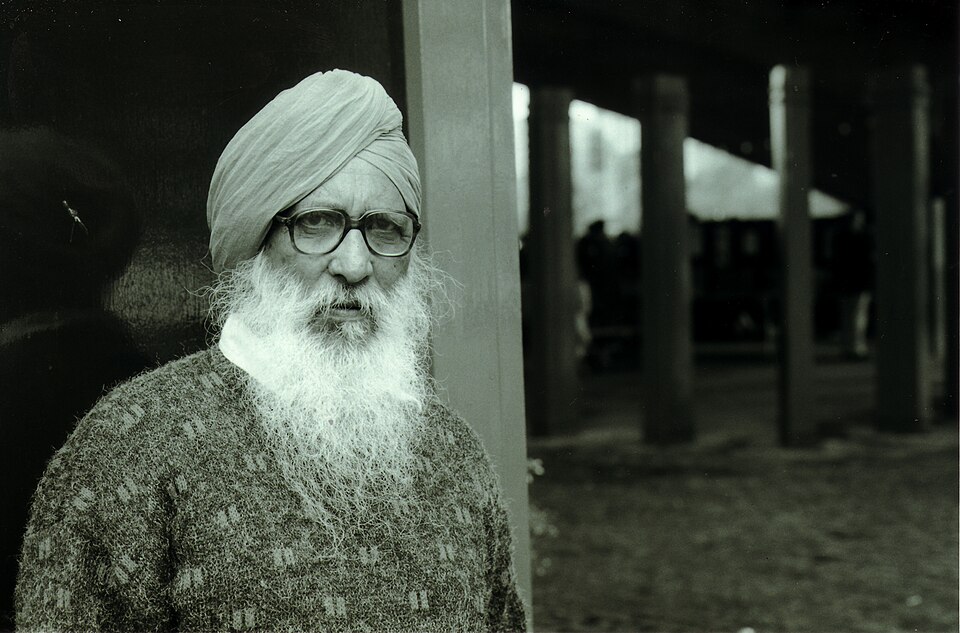
Modernist Punjabi poet and critic of Delhi, who renewed Punjabi verse after Partition.
▶ Watch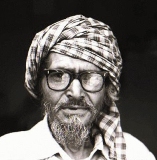
Dalit revolutionary poet from Samrala whose angry, plain poems spoke for the landless.
▶ WatchHafiz Barkhurdar17th centuryPoet of the Mughal age whose Mirza Sahiban is one of the oldest written tellings of the tale.
▶ Watch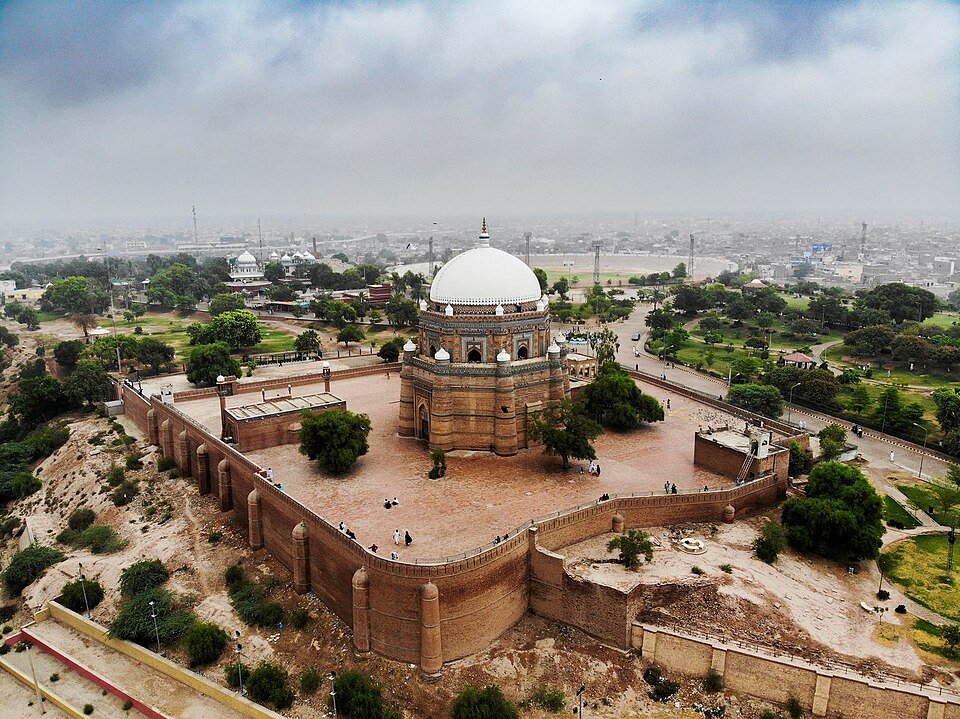
Sufi poet of Multan, master of the siharfi, the alphabet poem in which each verse begins with a new letter.