Mian Muhammad Bakhsh
The Sufi poet of Mirpur whose Saif ul Malook is recited across the Pothohar and Kashmir.
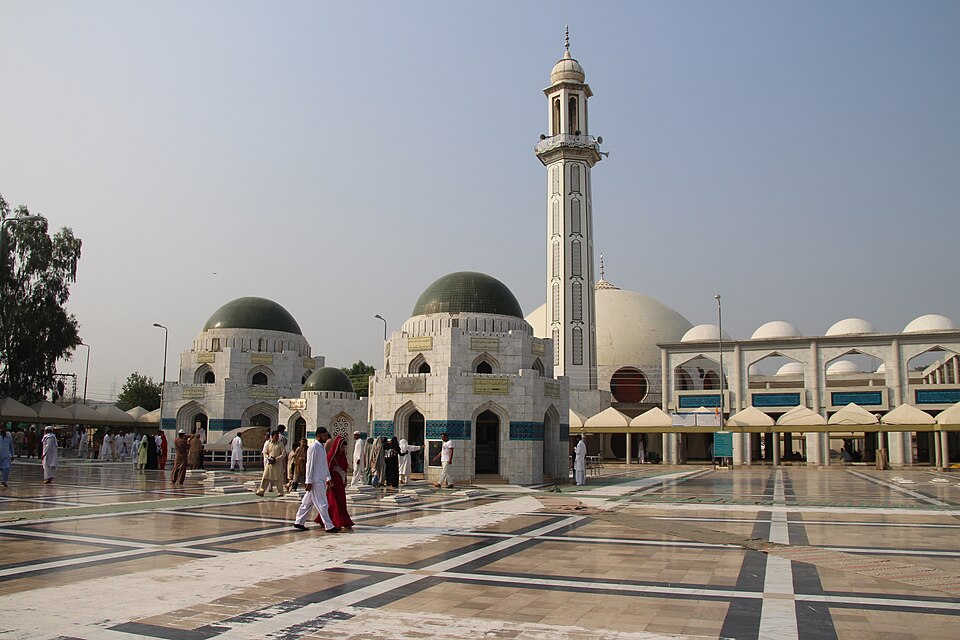
Mian Muhammad Bakhsh was born at Khari Sharif near Mirpur, in the hill country where Punjab meets Kashmir, into a family of custodians of a Sufi shrine. He studied in the madrasas of the region and spent his life as a dervish, writing in the Pothohari dialect of Punjabi.
His great work, Safar ul Ishq, better known as Saif ul Malook, finished in 1863, retells a Persian romance of a prince who falls in love with the picture of a fairy princess and travels through the world to find her. Under the adventure it is a long meditation on the soul's journey, and its couplets have become proverbs. Singers in the Pothohar and in Azad Kashmir still recite it in a distinctive slow style, and it is sung in mosques, at shrines, at weddings and in Mirpuri homes in Bradford and Birmingham.
He is buried at Khari Sharif, where his urs draws great crowds. Along with Bulleh Shah and Waris Shah he is one of the three poets whose lines a Punjabi Muslim is most likely to know by heart, and his verses on friendship, death and the vanity of pride are quoted far beyond the Sufi world.
In their words
Famous linesਦੁਸ਼ਮਣ ਮਰੇ ਤੇ ਖ਼ੁਸ਼ੀ ਨਾ ਕਰੀਏ, ਸੱਜਣਾਂ ਵੀ ਮਰ ਜਾਣਾ। ਡੀਗਰ ਤੇ ਦਿਨ ਗਿਆ ਮੁਹੰਮਦ, ਓੜਕ ਨੂੰ ਡੁੱਬ ਜਾਣਾ।
دشمن مرے تے خشی نا کریئے، سجݨاں وی مر جاݨا۔ ڈیگر تے دن گیا محمد، اوڑک نوں ڈب جاݨا۔
Do not rejoice when your enemy dies: your friends must die too. The day has passed into afternoon, Muhammad; in the end the sun must set.
Saif ul Malook (1863)
More poets and writers
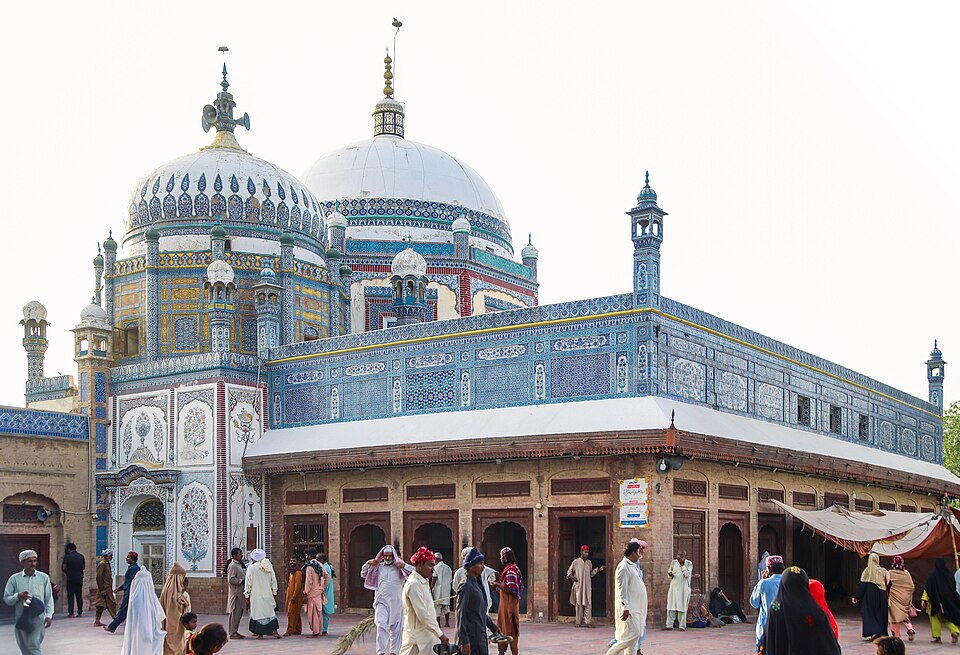
The Sufi poet of the Cholistan desert, whose Saraiki kafis sing of rain, camels and the Beloved.
▶ Watch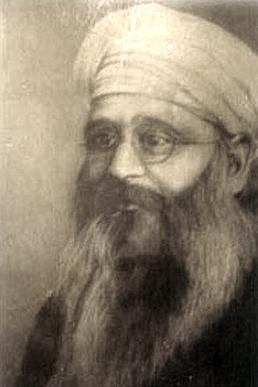
Chemist, mystic and the poet of free verse who wrote 'Punjab lives on the name of the Gurus'.
▶ Watch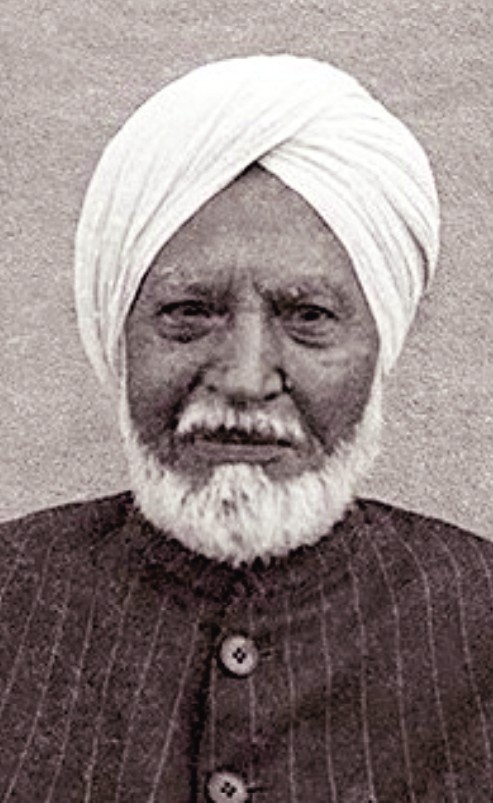
The poet of the village fair and the season, who also designed the Gurmukhi type that printed Punjabi.
▶ Watch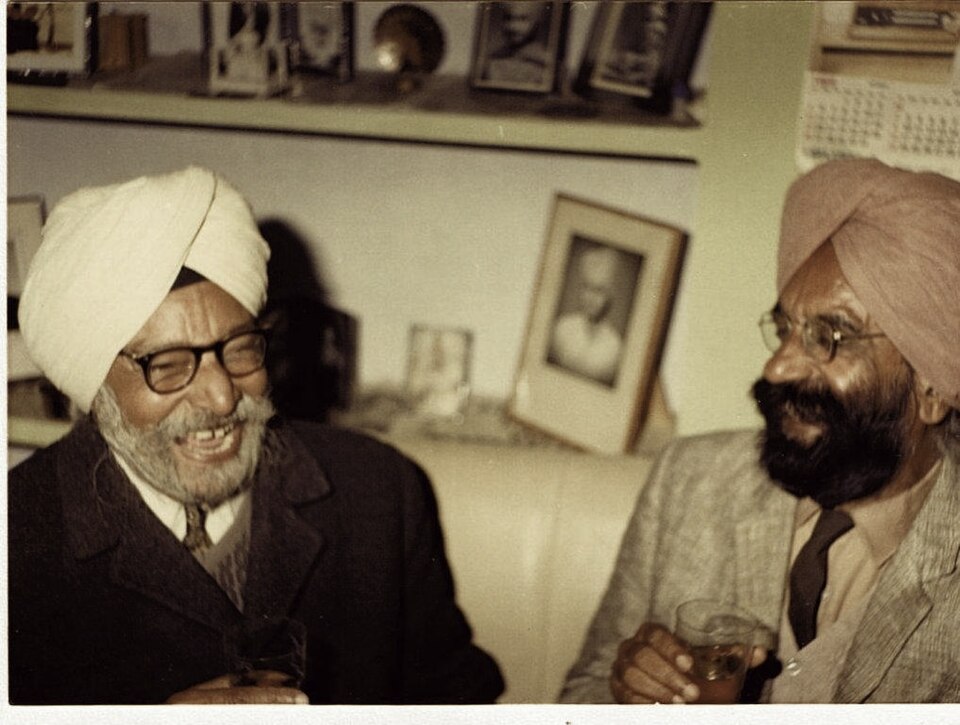
Professor Mohan Singh, the lyric poet of Saave Patte, who made Punjabi poetry modern and romantic.
▶ Watch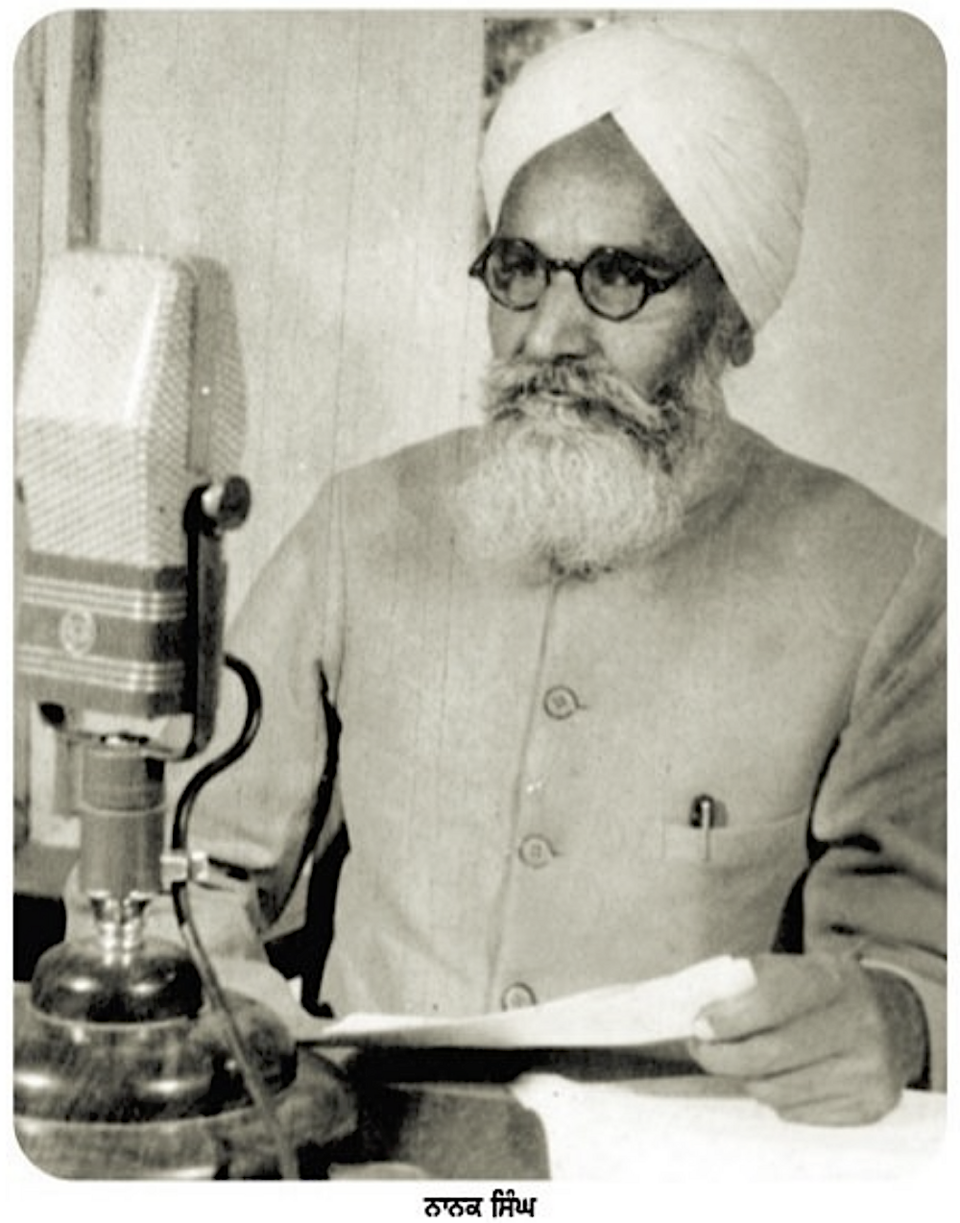
The father of the Punjabi novel, who survived Jallianwala Bagh and wrote a poem about it that the British banned.
▶ Watch
Avtar Singh Sandhu, the revolutionary poet of the Naxalite years, killed at 37.
Sant Ram Udasi1939 – 1986The Dalit revolutionary poet of Barnala, who sang of the landless labourer and was tortured for it.
▶ Watch
The novelist of Jaitu and the Malwa poor, whose Marhi da Deeva is the great Punjabi village novel.
▶ Watch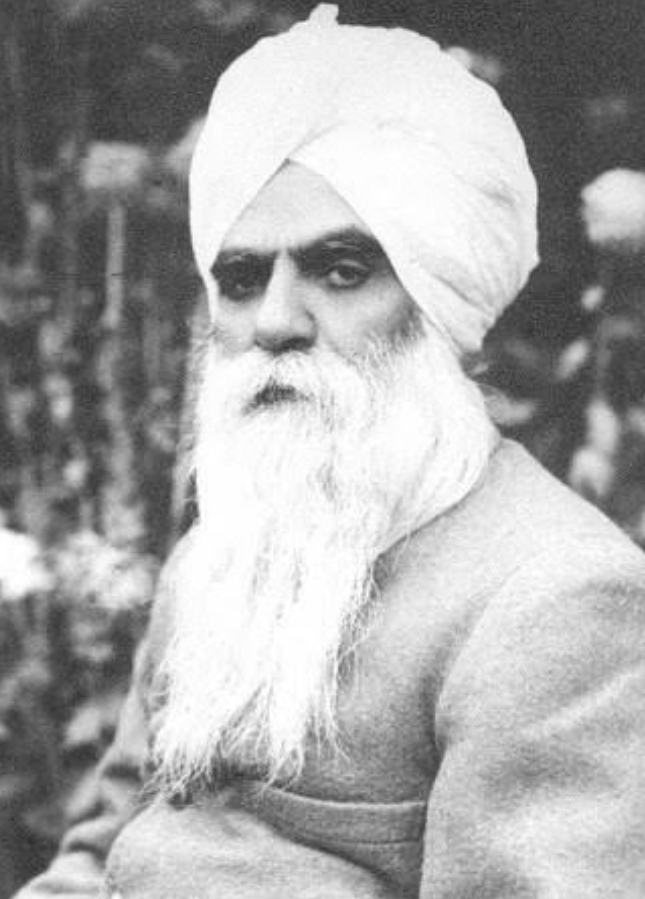
Bhai Vir Singh's epic in blank verse of a widowed queen's search for her dead husband and for God.
▶ Watch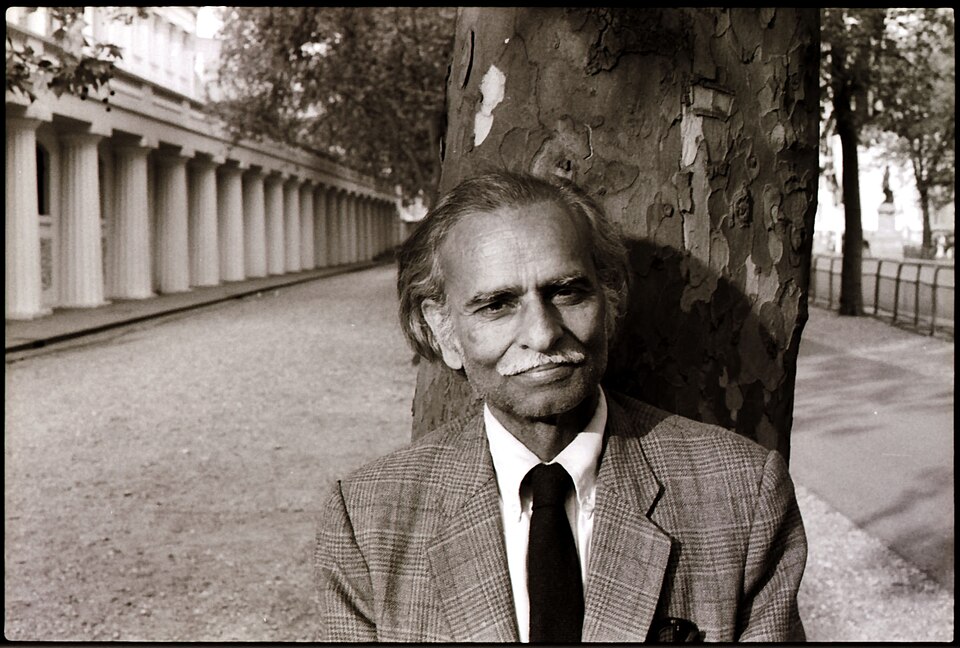
Poet, playwright and critic who led the revival of Punjabi writing in Shahmukhi in Pakistani Punjab.
▶ Watch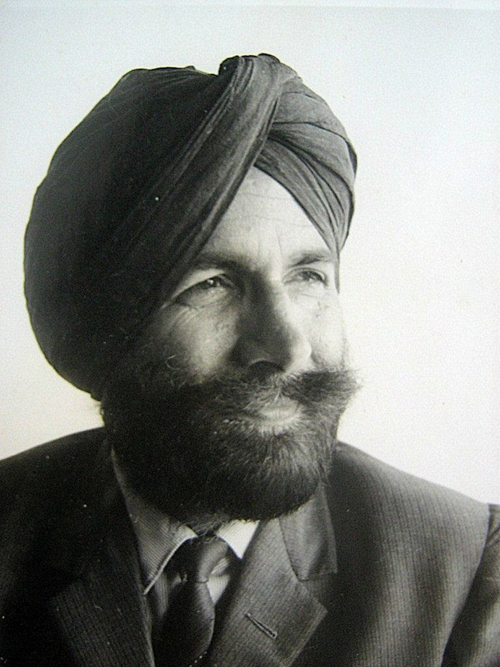
Master of the Punjabi short story, whose quiet tales of village life and Partition won the Sahitya Akademi award.
▶ Watch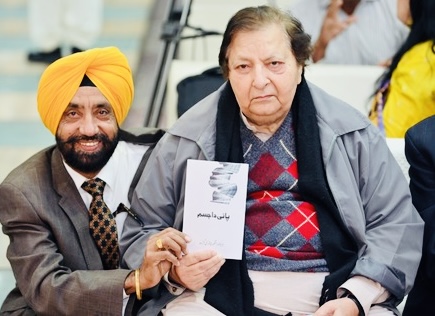
Punjabi novelist and poet from Gujrat whose books were banned under General Zia, and founder of the World Punjabi Congress.
▶ WatchAhmad Rahi1923 – 2002Poet from Amritsar whose Trinjan (1953) gave voice to the women of the Punjab after Partition, and who wrote Lahore's film songs.
▶ Watch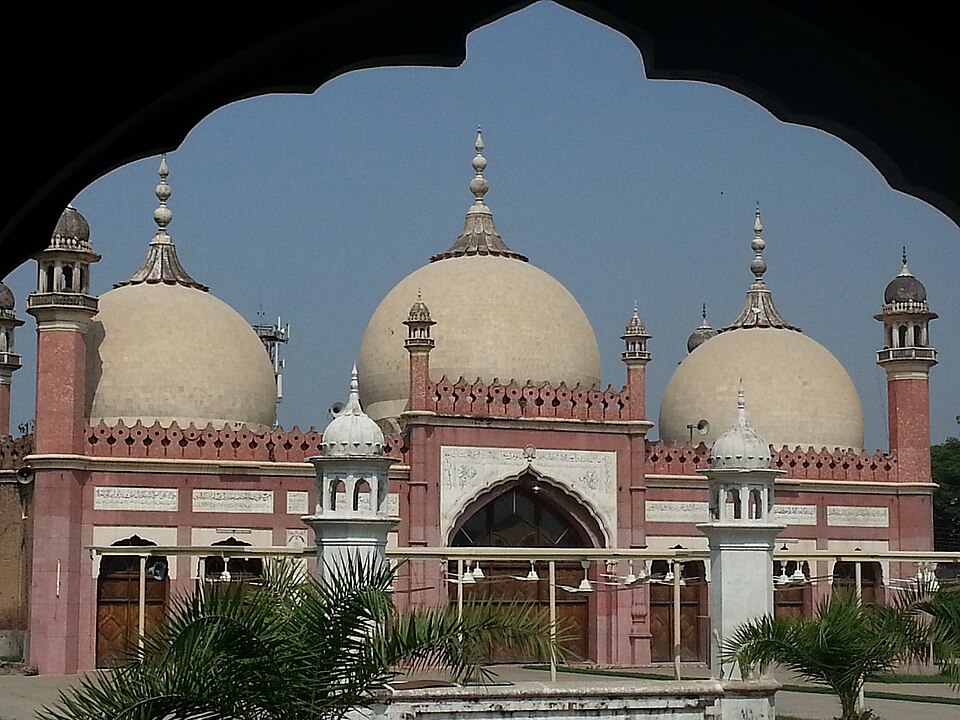
Poet and scholar from Kunjah near Gujrat, who translated the Quran into Punjabi and taught Punjabi at university.
▶ Watch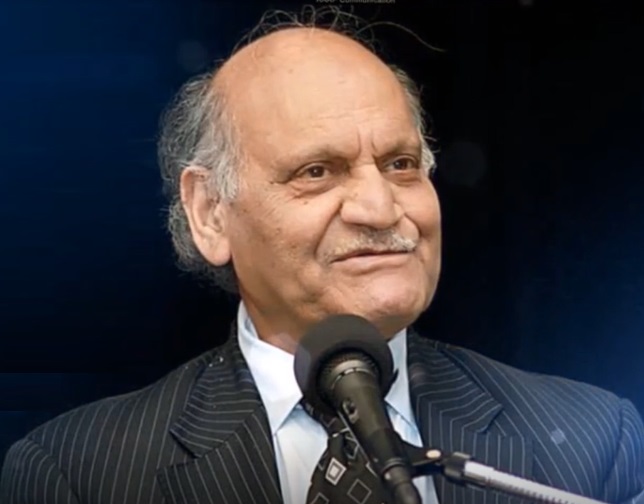
Poet of wit and tenderness from Gujrat, whose Punjabi poems about ordinary life are recited by heart across Pakistan.
▶ Watch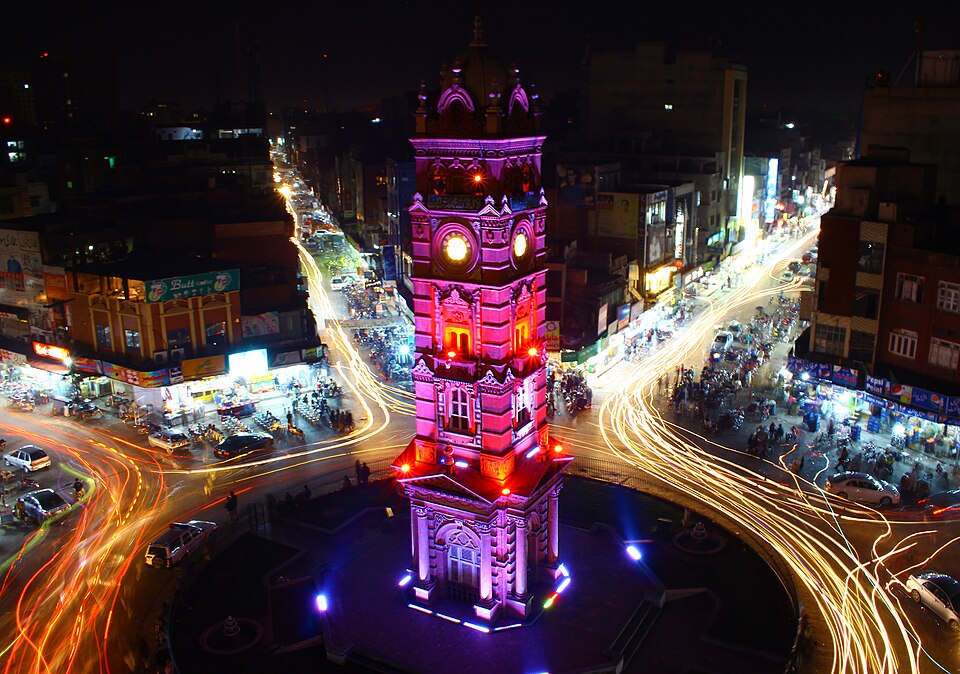
Novelist, poet and politician from Faisalabad, one of the leading writers of modern Punjabi in Shahmukhi.
▶ Watch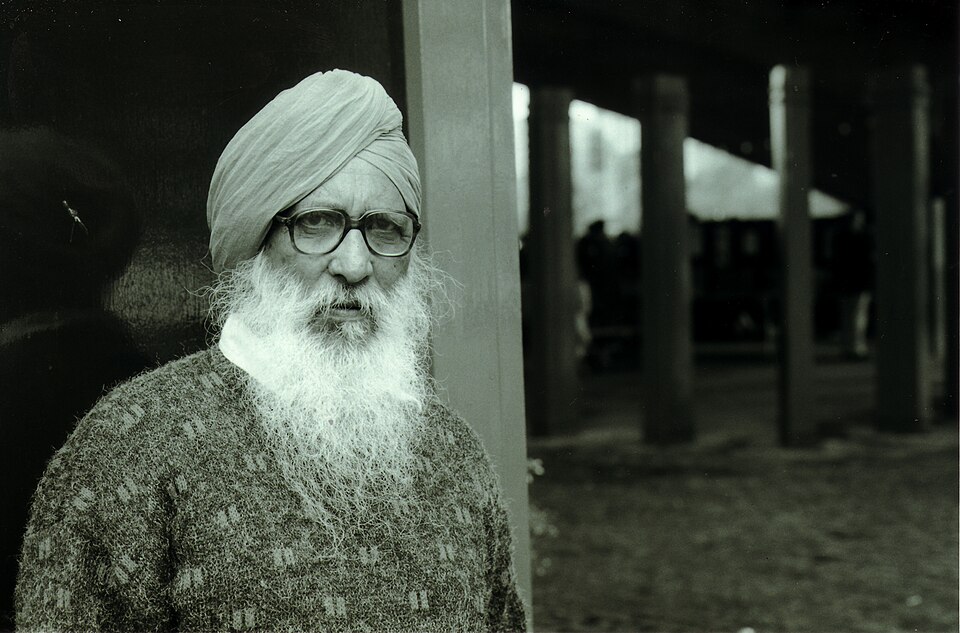
Modernist Punjabi poet and critic of Delhi, who renewed Punjabi verse after Partition.
▶ Watch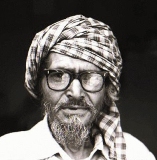
Dalit revolutionary poet from Samrala whose angry, plain poems spoke for the landless.
▶ WatchHafiz Barkhurdar17th centuryPoet of the Mughal age whose Mirza Sahiban is one of the oldest written tellings of the tale.
▶ Watch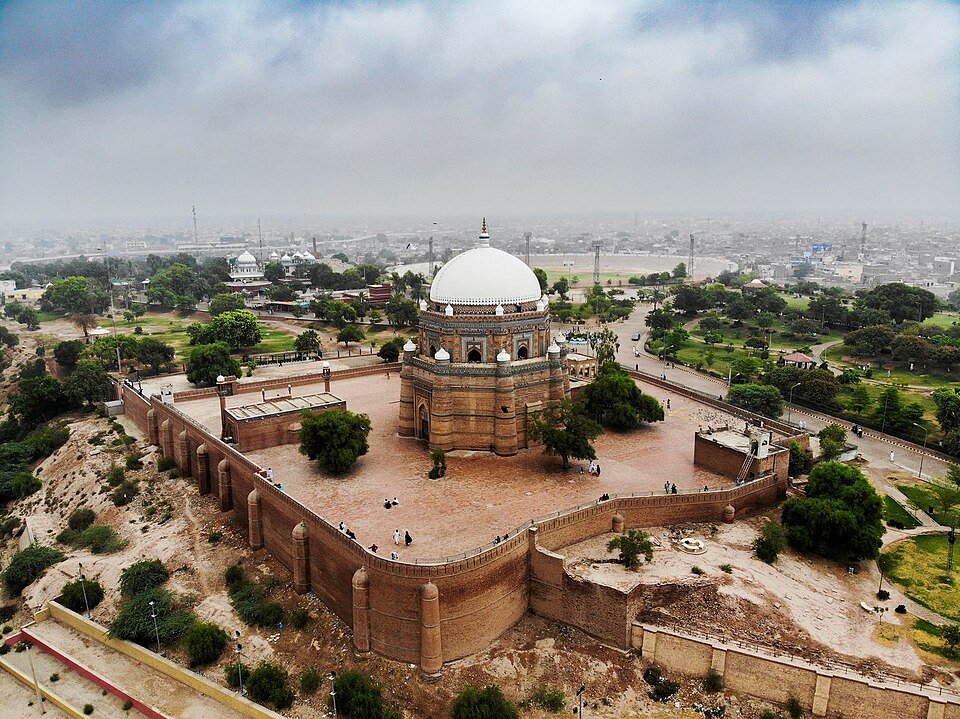
Sufi poet of Multan, master of the siharfi, the alphabet poem in which each verse begins with a new letter.