 Disha Kaka Boat with Direction Finding Birds, model of Mohenjo-Daro seal, 3000 BCENational Museum, New Delhi · photo Gary Todd (Wikimedia Commons) ↗
 Harappa 13National Museum, New Delhi · photo Gary Todd (Wikimedia Commons) ↗
 Harappa Indus Valley seal with fighting sceneNational Museum, New Delhi · photo Gary Todd (Wikimedia Commons) ↗
 Some of the Bronze sickles displayed in the Harappan Gallery of the National MuseumNational Museum, New Delhi · photo Nomu420 (Wikimedia Commons) · CC BY-SA ↗
 WLA brooklynmuseum Harappa Fragment of Large Deep VesselBrooklyn Museum · photo Wikimedia Commons (Wikimedia Commons) · CC BY ↗
 WLA brooklynmuseum Harappa Miniature Votive ImagesBrooklyn Museum · photo Wikipedia Loves Art participant "one_click_beyond" (Wikimedia Commons) · CC BY ↗
 WLA brooklynmuseum Harappa Miniature Votive Images 2Brooklyn Museum · photo Wikipedia Loves Art participant "trish" (Wikimedia Commons) · CC BY ↗
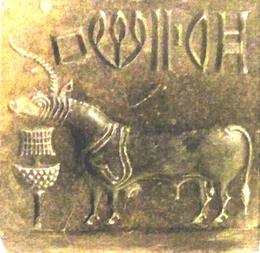 Siegel der Harappakultur mit Bulle, Altar (?) und SchriftzeichenNational Museum, New Delhi · photo Kharmacher (Wikimedia Commons) ↗
 Ancient seals of the Near East Identifier: ancientsealsofne34martiWikimedia Commons · Internet Archive Book Images ↗
 Cunningham' SealBritish Museum, London · photo Zunkir (Wikimedia Commons) · CC BY-SA ↗
 Mother Goddess wearing tight-fitted short skirt part fastened with a broad waistband…National Museum, New Delhi · photo Ismoon (Wikimedia Commons) ↗
 Female figurineNational Museum, New Delhi · photo Ismoon (talk) 23:28, 21 February 2012 (UTC) (Wikimedia Commons) ↗
 Female figurine 3National Museum, New Delhi · photo Ismoon (Wikimedia Commons) ↗
 Some Seals of the Harappan Civilization on display in the National MuseumNational Museum, New Delhi · photo Nomu420 (Wikimedia Commons) · CC BY-SA ↗
 Photographed in KolkataIndian Museum, Kolkata · photo Biswarup Ganguly (Wikimedia Commons) · CC BY ↗
 Male figurine 1National Museum, New Delhi · photo Ismoon (talk) 09:09, 22 February 2012 (UTC) (Wikimedia Commons) ↗
 Votive Image of Bull, caBrooklyn Museum · photo Trish Mayo (Wikimedia Commons) · CC BY ↗
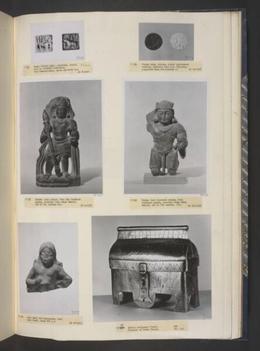 Seal and Impressionca. 2500 BC · Mohenjo Daro© Victoria and Albert Museum, London ↗
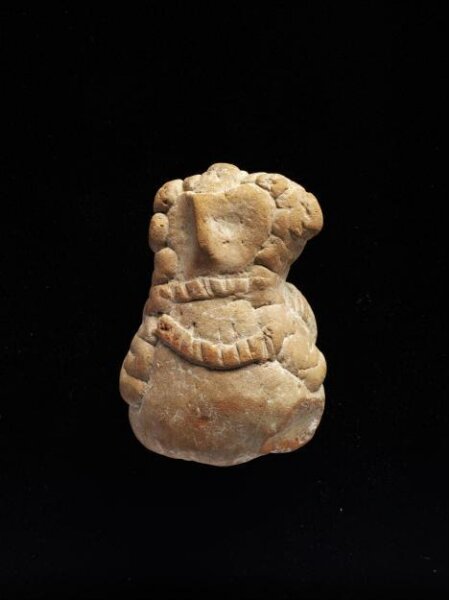 Bust, Swat ValleySwat Valley© Victoria and Albert Museum, London ↗
 Seal : Elephant and inscription (Indus script)British Museum, London · photo Zunkir (Wikimedia Commons) · CC BY-SA ↗
 Mother Goddess made in terracota from the Harappan CivilisationNational Museum, New Delhi · photo Nomu420 (Wikimedia Commons) · CC BY-SA ↗
 Two cornelian beads and four terracotta beads, from Mohenjo-daro (Pakistan)British Museum, London · photo Zunkir (Wikimedia Commons) · CC BY-SA ↗
 Carnelian beads, produced in Harappan workshops, exported from Indus to MesopotamiaBritish Museum, London · photo Zunkir (Wikimedia Commons) · CC BY-SA ↗
 Shell bangles, from Mohenjo-daro and Harappa, Harappan civilisation, Mature Period (cBritish Museum, London · photo Zunkir (Wikimedia Commons) · CC BY-SA ↗
 Terracotta triangular cakes, from Mohenjo-daro and HarappaBritish Museum, London · photo Zunkir (Wikimedia Commons) · CC BY-SA ↗
 Harappan weights Delhi MuseumNational Museum, New Delhi · photo Nomu420 (Wikimedia Commons) · CC BY-SA ↗
 Scale model of a Harappan amulet, showing a boat, BoatMuseum, KolkataWikimedia Commons · Rangan Datta Wiki · CC BY-SA ↗
 Bullock cart, 2000 B.CNational Museum, New Delhi · photo Yann (talk) (Wikimedia Commons) · CC BY-SA ↗
 Bullock cart driver, 2000 B.CNational Museum, New Delhi · photo Yann (talk) (Wikimedia Commons) · CC BY-SA ↗
 Bullock cart with driver, 2000 B.CNational Museum, New Delhi · photo Yann (talk) (Wikimedia Commons) · CC BY-SA ↗
 Coach driver 2000B.CNational Museum, New Delhi · photo Miya.m (Wikimedia Commons) · CC BY-SA ↗
 Three cubical weights, chertAshmolean Museum, Oxford · photo Zunkir (Wikimedia Commons) · CC BY-SA ↗
 These are terracotta sculpture displayed in harappa galleryNational Museum, New Delhi · photo Suruchika chawla (Wikimedia Commons) · CC BY-SA ↗
 A view of the Potteries from the Harappan GalleryNational Museum, New Delhi · photo Nomu420 (Wikimedia Commons) · CC BY-SA ↗
 Harappn artefacts nm india 03National Museum, New Delhi · photo Nomu420 (Wikimedia Commons) · CC BY-SA ↗
 Animal figures kept in the National MuseumNational Museum, New Delhi · photo Nomu420 (Wikimedia Commons) · CC BY-SA ↗
 Human figures in yoga postures in the National MuseumNational Museum, New Delhi · photo Nomu420 (Wikimedia Commons) · CC BY-SA ↗
 Weighing scale of harrapa time in the National MuseumNational Museum, New Delhi · photo Nomu420 (Wikimedia Commons) · CC BY-SA ↗
 Indus bull-man fighting beastNational Museum, New Delhi · photo Nomu420 (Wikimedia Commons) · CC BY-SA ↗
 Cubical weights made of chert, standardised throughout the Indus cultural zoneBritish Museum, London · photo Zunkir (Wikimedia Commons) · CC BY-SA ↗
 Priest Head (Limestone, Mohenjo-Daro) and other artefacts: Male Torso and DancerNational Museum, New Delhi · photo Aadrit28 (Wikimedia Commons) · CC BY-SA ↗
 Stamp seal and modern impression, unicorn and incense burner, caThe Met, New York · photo This file was donated to Wikimedia Commons as part of a proj (Wikimedia Commons) ↗
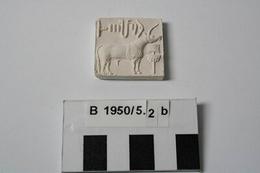 Afdruk ; stempelzegelPakistan Pakistan Пакистан Paquistão Пакистан Pakistanas Pakistan Pakistāna PakiNational Museum of Antiquities (via Europeana) · CC BY ↗
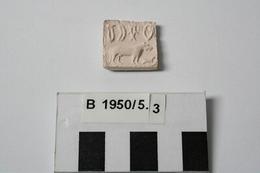 Afdruk ; stempelzegelPakistan Pakistan Пакистан Paquistão Пакистан Pakistanas Pakistan Pakistāna PakiNational Museum of Antiquities (via Europeana) · CC BY ↗
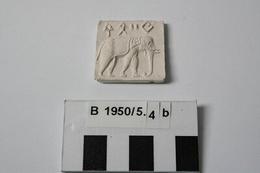 Afdruk ; stempelzegelPakistan Pakistan Пакистан Paquistão Пакистан Pakistanas Pakistan Pakistāna PakiNational Museum of Antiquities (via Europeana) · CC BY ↗
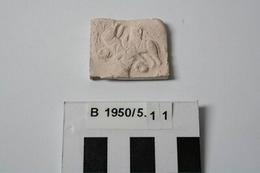 Afdruk ; stempelzegelPakistan Pakistan Пакистан Paquistão Пакистан Pakistanas Pakistan Pakistāna PakiNational Museum of Antiquities (via Europeana) · CC BY ↗
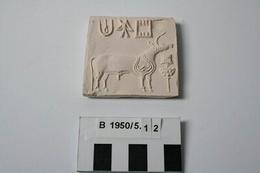 Afdruk ; stempelzegelPakistan Pakistan Пакистан Paquistão Пакистан Pakistanas Pakistan Pakistāna PakiNational Museum of Antiquities (via Europeana) · CC BY ↗
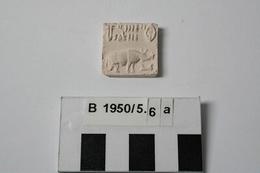 Afdruk ; stempelzegelPakistan Pakistan Пакистан Paquistão Пакистан Pakistanas Pakistan Pakistāna PakiNational Museum of Antiquities (via Europeana) · CC BY ↗
 Lingam aus Mohenjo Daro 2700 bis 2000 v.Chr., NatNational Museum, New Delhi · photo Kharmacher (Wikimedia Commons) · CC BY-SA ↗
 Terracotta dice, from Mohenjo-daro (Pakistan)Ashmolean Museum, Oxford · photo Zunkir (Wikimedia Commons) · CC BY-SA ↗
 Discarded pieces of shell from Turbinella pyrumBritish Museum, London · photo Zunkir (Wikimedia Commons) · CC BY-SA ↗
 Fragments of female terracotta figurinesBritish Museum, London · photo Zunkir (Wikimedia Commons) · CC BY-SA ↗
 Lingam Mohenjo DaroNational Museum, New Delhi · photo Kharmacher (Wikimedia Commons) · CC BY ↗
 Dices, found at Mohenjo-daroWikimedia Commons · Saqib Qayyum · CC BY-SA ↗
 Mohenjo-daro museum relicsWikimedia Commons · Saqib Qayyum · CC BY-SA ↗
 Mohenjo-daro museum showcaseWikimedia Commons · Saqib Qayyum · CC BY-SA ↗
 Priest King (Sculpture) of Mohenjo-daro in Kolkata Museum.Indian Museum, Kolkata · photo Ganesh Mohan T (Wikimedia Commons) · CC BY-SA ↗
 Triangular prism sealing, depicting a male cult figure seated in a yogic posture on a…Ashmolean Museum, Oxford · photo Zunkir (Wikimedia Commons) · CC BY-SA ↗
 Swastika Seal, of steatite stone, from Mohenjo-daro, Indus Valley CivilizationBritish Museum, London · photo Wikimedia Commons (Wikimedia Commons) · CC BY-SA ↗
 Not far from Mohenjo-Daro (or Mohenjodaro)Wikimedia Commons · Pascal Maître · CC BY-SA ↗
 Seal discovered during excavation of the Mohenjodaro archaeological site in the Indus…National Museum, New Delhi · photo Wikimedia Commons (Wikimedia Commons) ↗
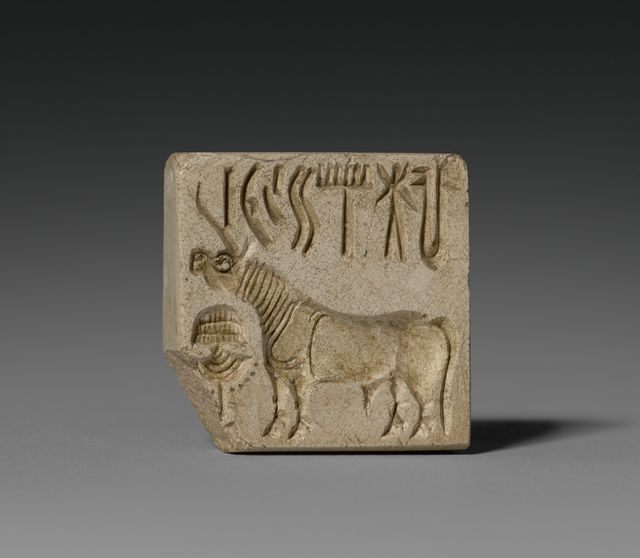 Seal with Unicorn and Inscriptionلگبھگ 2000 ق م · Pakistan, Indus Valley civilizationCleveland Museum of Art ↗
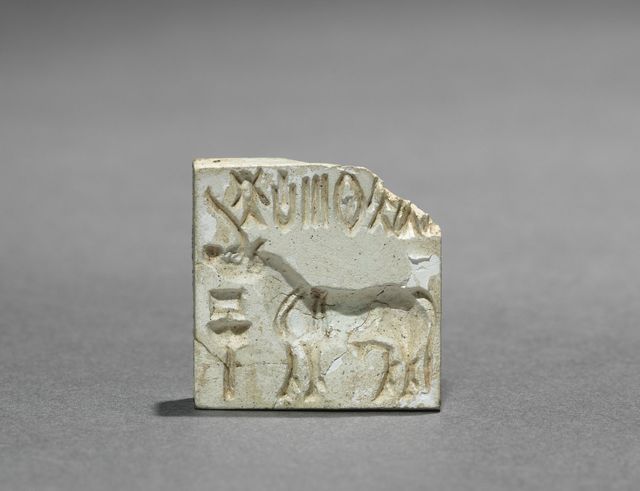 Seal with Unicorn and Inscriptionلگبھگ 2000 ق م · Pakistan, Indus Valley civilizationCleveland Museum of Art ↗
 Seal with Two-Horned Bull and Inscriptionلگبھگ 2000 ق م · Pakistan, Indus Valley civilizationCleveland Museum of Art ↗
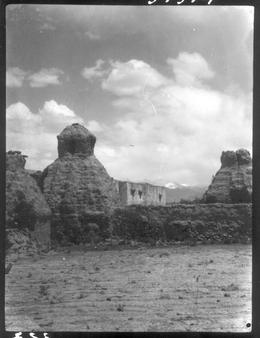 IndienDeutsche Fotothek (via Europeana) ↗
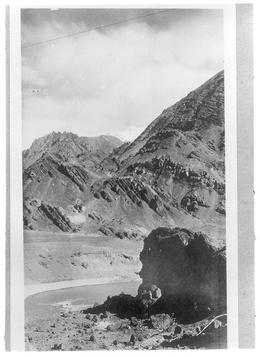 بھارتDeutsche Fotothek (via Europeana) ↗
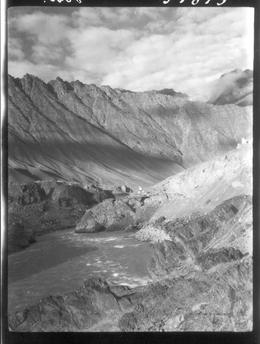 بھارتDeutsche Fotothek (via Europeana) ↗
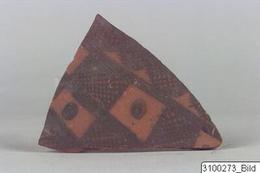 Sherd, SkärvaIndien India Индия Intia Índia Индия Indija Indija Indija Inde India India IndijThe Museum of Mediterranean and Near Eastern Antiquities (via Europeana) ↗
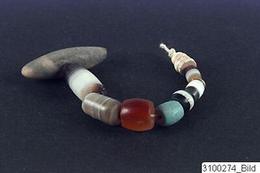 BeadIndien India Индия Intia Índia Индия Indija Indija Indija Inde India India IndijThe Museum of Mediterranean and Near Eastern Antiquities (via Europeana) ↗
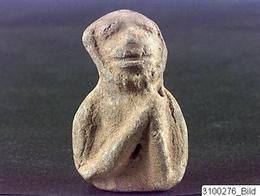 FigurineIndien India Индия Intia Índia Индия Indija Indija Indija Inde India India IndijThe Museum of Mediterranean and Near Eastern Antiquities (via Europeana) ↗
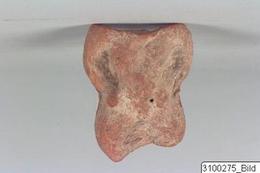 FigurineIndien India Индия Intia Índia Индия Indija Indija Indija Inde India India IndijThe Museum of Mediterranean and Near Eastern Antiquities (via Europeana) ↗
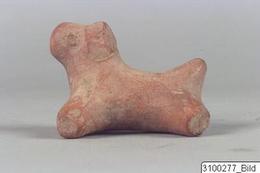 FigurineIndien India Индия Intia Índia Индия Indija Indija Indija Inde India India IndijThe Museum of Mediterranean and Near Eastern Antiquities (via Europeana) ↗
 Indus stamp-seal 2500BC-2000BCBritish Museum, London · photo Geni (Wikimedia Commons) · CC BY-SA ↗
 Elephant in movementWikimedia Commons · Ismoon (talk) 11:17, 22 February 2012 (UTC) ↗
 Elephant seal of Indus Valley, Indian MuseumIndian Museum, Kolkata · photo Royroydeb (Wikimedia Commons) · CC BY-SA ↗
 Horned deities on an Indus Valley sealWikimedia Commons · Ernest John Henry Mackay (5 July 1880 – 2 October 1943) ↗
 Horned deities on an Indus Valley seal with detailWikimedia Commons · Ernest John Henry Mackay (5 July 1880 – 2 October 1943) ↗
 Collection of seals of the Indus Valley CivilizationBritish Museum, London · photo World Imaging (Wikimedia Commons) · CC BY-SA ↗
 Indus valley seals showing unicornsBritish Museum, London · photo Mukerjee (Wikimedia Commons) · CC BY-SA ↗
 Indus Valley Civilisation findings, cGovernment Museum, Chandigarh · photo UnpetitproleX (Wikimedia Commons) · CC BY-SA ↗
 Indus seal unicorn at Indian MuseumIndian Museum, Kolkata · photo Royroydeb (Wikimedia Commons) · CC BY-SA ↗
 Pregnant womanWikimedia Commons · Zde · CC BY-SA ↗
 Small terracotta jars or vessels, from the Indus Valley civilization, mature period, caAshmolean Museum, Oxford · photo Zunkir (Wikimedia Commons) · CC BY-SA ↗
 Male figure in a "yogic" posture resembling Mulabandhasana, surrounded with animalsCSMVS, Mumbai · photo Ismoon (talk) 18:08, 21 February 2012 (UTC) (Wikimedia Commons) ↗
 Imprint of an Indus stamp-seal 2500BC-2000BCBritish Museum, London · photo Geni (Wikimedia Commons) · CC BY-SA ↗
 Sherd with black decorationBritish Museum, London · photo Gryffindor (Wikimedia Commons) · CC BY-SA ↗
 Indus Civilisation Carnelian bead with white design, caThe Met, New York · photo Metropolitan Museum of Art (Wikimedia Commons) ↗
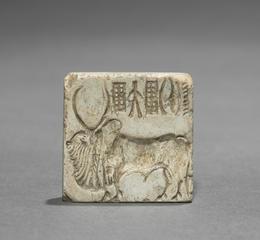 Small stone seals, probably used to identify merchandise or propertyWikimedia Commons ↗
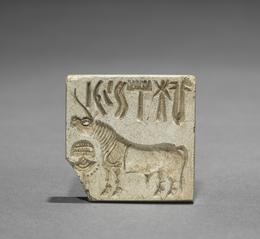 Indus Valley seals appear to have been hung on a string that passed through a boss on…Wikimedia Commons ↗
 Pakistan Monument History of Pakistan.Wikimedia Commons · 100HOST.COM · CC BY-SA ↗
 Fragmentary cylinder seal, steatite, with Indus script charactersBritish Museum, London · photo Zunkir (Wikimedia Commons) · CC BY-SA ↗
 Steatite seal from the Harappan civilisation, with inscription in Indus scriptBritish Museum, London · photo Zunkir (Wikimedia Commons) · CC BY-SA ↗
 Artefacts including various toys, jewelryWikimedia Commons · Cutekutty_rk · CC BY-SA ↗
 Meluhha village tablet - BM17751 (horizontal)British Museum, London · photo Zunkir (Wikimedia Commons) · CC BY ↗
 Carnelian bead, elongated (7 cm), harappan style, provenance unknownBritish Museum, London · photo Zunkir (Wikimedia Commons) · CC BY-SA ↗
 Female figurineNational Museum, New Delhi · photo Ismoon (talk) 21:50, 21 February 2012 (UTC) (Wikimedia Commons) ↗
 Steatite stamp seal, from Harrapean civilization, with Indus script, figures and animalsBritish Museum, London · photo Zunkir (Wikimedia Commons) · CC BY-SA ↗
 Southern Pakistan, Indus Valley Civilization, HarappanLACMA, Los Angeles · photo Wikimedia Commons (Wikimedia Commons) ↗
 Four decorated beads from the Harappa Culture of the Indus River Valley Civilization…Museum of Fine Arts, Boston · photo Wikimedia Commons (Wikimedia Commons) ↗
 Harappa Archeology sites 1Wikimedia Commons · M.sohailtariq · CC BY-SA ↗
 Architecture in Shikarpur HomeWikimedia Commons · Ghazi · CC BY-SA ↗
 This Pic is Taken at HARAPA (Sahiwal)Wikimedia Commons · AsadHussainShah · CC BY-SA ↗
 Early Harappan CeramicsNational Museum, New Delhi · photo Amrit Sufi (Wikimedia Commons) · CC BY ↗
 نچدی کڑیNational Museum, New Delhi · photo Amrit Sufi (Wikimedia Commons) · CC BY ↗
 Moen jo daro museumWikimedia Commons · Solophar · CC BY-SA ↗
 The Dancing Lady, Indus ValleyNational Museum, New Delhi · photo Dr Sandip Roy (Wikimedia Commons) · CC BY ↗
 Indus Valley Civilization statue at National Museum, New DelhiNational Museum, New Delhi · photo Dr Sandip Roy (Wikimedia Commons) · CC BY ↗
 Collections in the Chhatrapati Shivaji Maharaj Vastu SangrahalayaCSMVS, Mumbai · photo Sailko (Wikimedia Commons) · CC BY ↗
 Hand-propelled wheel cart, Indus Valley Civilization (3000–1500 BCE)National Museum, New Delhi · photo Photo of a wheeled cart in Indian National Museum. (Wikimedia Commons) · CC BY-SA ↗
 Figurine of woman, Indus Civilization (2500-1800 BC), terracottaWikimedia Commons · Vassil ↗
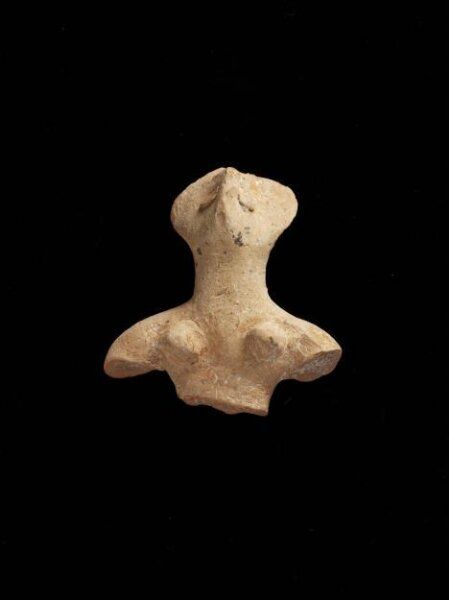 Head, Mohenjo Daro2000 BC · Mohenjo Daro© Victoria and Albert Museum, London ↗
Search the museums' full collections
V&A ↗ · British Museum ↗ · The Met ↗ · Cleveland ↗ · Wellcome Collection ↗ · Wikimedia Commons ↗ · Ashmolean ↗ · Royal Collection ↗ · Pitt Rivers ↗
Shown here are the objects whose pictures museums have released openly. Far more are in their collections, and in museums with no open search, such as the Lahore Museum. Searching for "Harappa".
Pictures from the collections of Art Institute of Chicago, Ashmolean Museum, Oxford, Asian Art Museum, San Francisco, Berlin-Dahlem Botanical Garden and Botanical Museum (via Europeana), Bhuri Singh Museum, Chamba, 65 more, found automatically: public domain or openly licensed, except the V&A's, shown for non-commercial use with the museum's credit. Titles and dates are the museums' own; each card names its museum and any licence. Updated 2026-10-26.