Battle of Asal Uttar
One of the largest tank battles since the Second World War, fought in flooded sugarcane fields near Khem Karan. Abdul Hamid won India's highest gallantry award here.
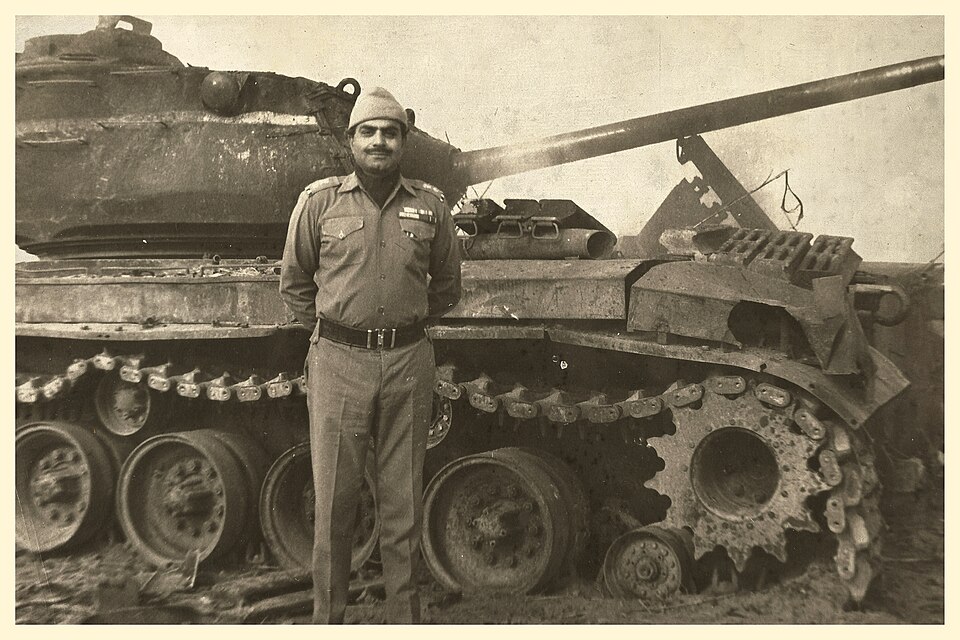
In September 1965 Pakistan launched an armoured thrust into Indian Punjab towards Khem Karan, with its new American Patton tanks, aiming to cut the Grand Trunk Road and threaten Amritsar.
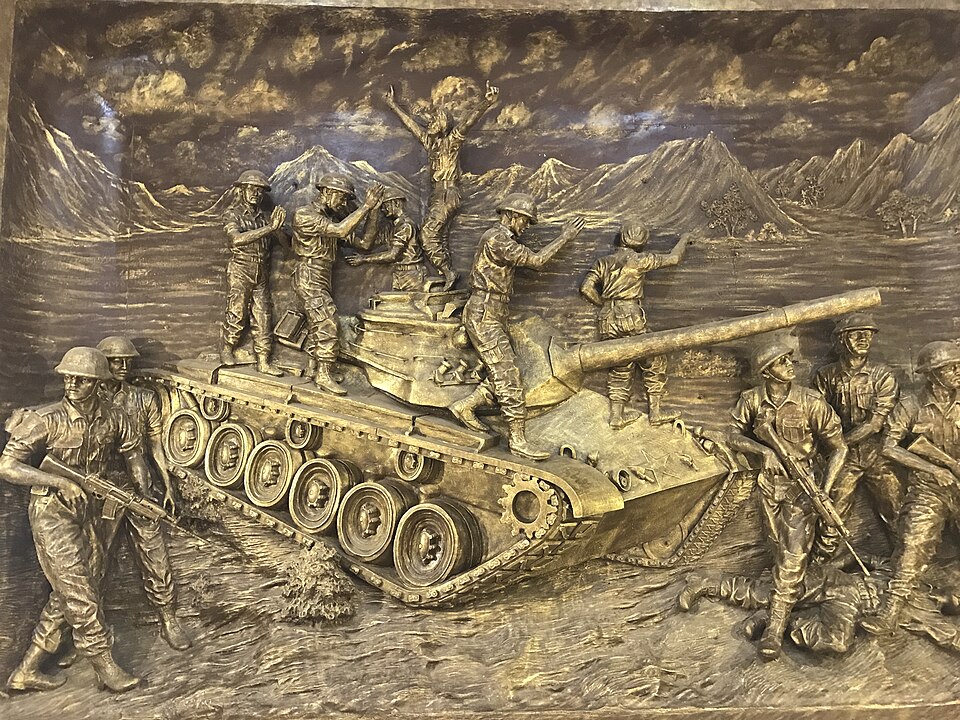
On 8 to 10 September the Indian Army met the attack at Asal Uttar. The Indians flooded the sugarcane fields, and the Pattons, stuck in the mud, were picked off by Indian Centurions and recoilless guns. Company Quartermaster Havildar Abdul Hamid destroyed several tanks before being killed, and received the Param Vir Chakra.
Pakistan lost some ninety-seven tanks; the place became known as Patton Nagar. It was one of the largest tank battles since the Second World War, and it was fought among Punjabi villages.
Same era
Colonial and modern wars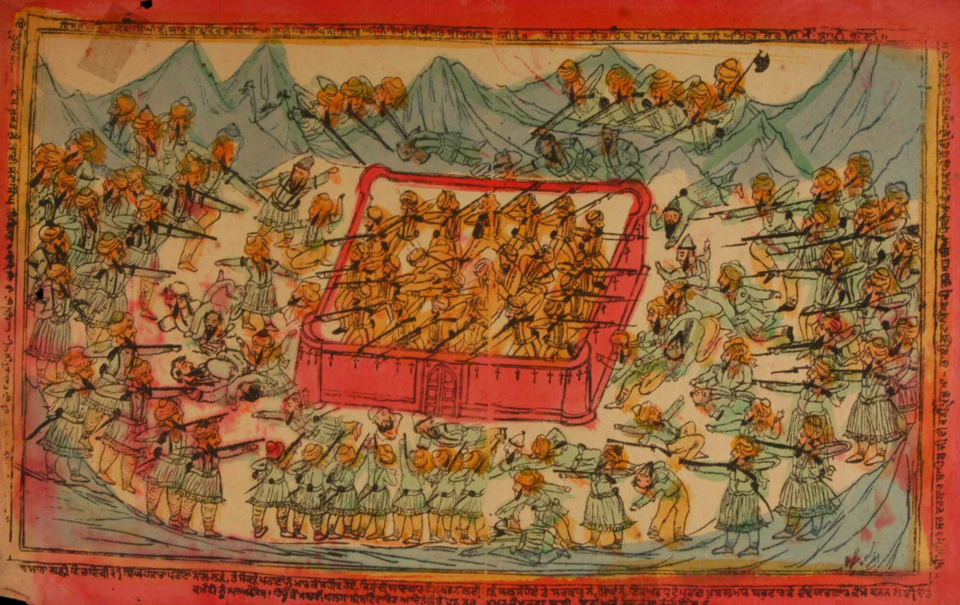
A signal post between two frontier forts. Its 21 defenders refused to surrender and fought for hours. The signaller, Gurmukh Singh, reported the battle by heliograph until the end.
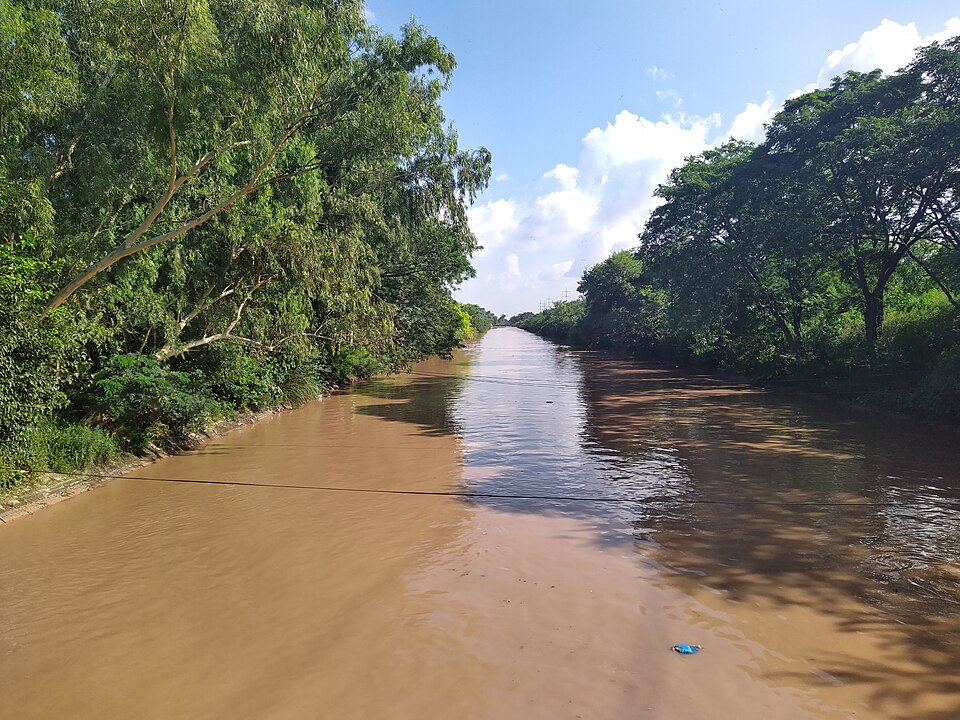
Fighting on the Ichhogil canal at the edge of Lahore, among the closest Indian forces came to the city.
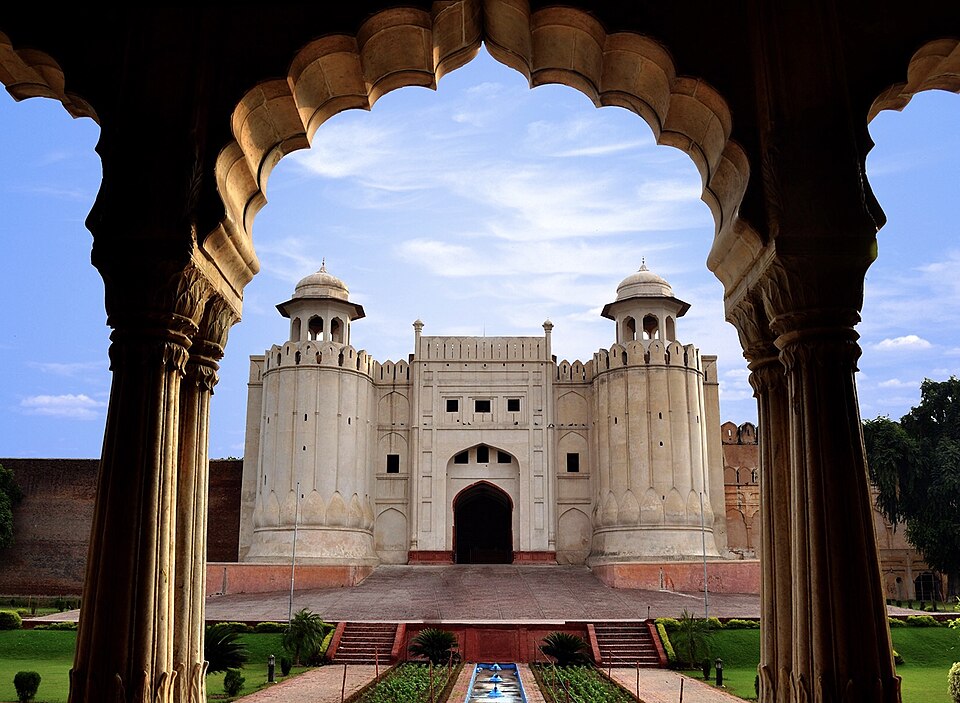
Indian infantry and tanks took the village of Burki on the BRB canal east of Lahore after a night assault, the closest the Indian advance came to the city on that axis.
In one of the largest tank battles since the Second World War, Pakistani armour and infantry stopped the Indian thrust towards Sialkot at Chawinda.
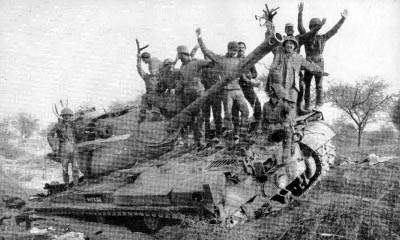
Armoured battle in the Shakargarh bulge during the 1971 war, fought across minefields on the Basantar river.