Battle of Saragarhi
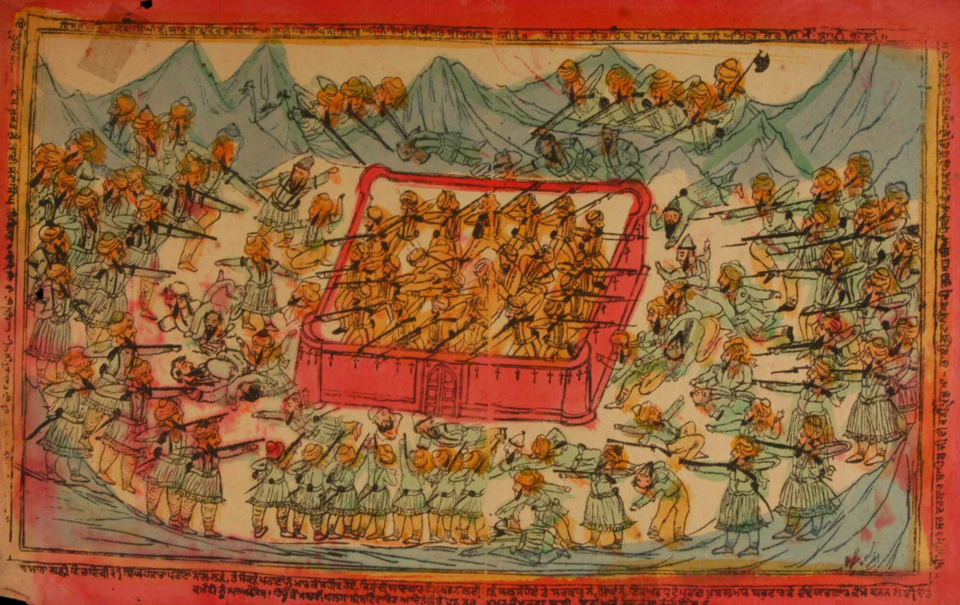
A signal post between two frontier forts. Its 21 defenders refused to surrender and fought for hours. The signaller, Gurmukh Singh, reported the battle by heliograph until the end.
In 1897 the tribes of the Tirah rose against the British on the North-West Frontier. The 36th Sikhs held the Samana ridge, with Fort Lockhart and Fort Gulistan linked by the small signal post of Saragarhi between them.
On 12 September 1897 some ten thousand Orakzai and Afridi tribesmen attacked Saragarhi, held by twenty-one Sikhs under Havildar Ishar Singh. They refused to surrender. For seven hours they held off attack after attack, while the signaller Gurmukh Singh reported the battle by heliograph to Fort Lockhart. When the wall was breached, Ishar Singh held the entrance while his men fell back. Gurmukh Singh asked permission to stop signalling and take up his rifle; he was the last to die.
All twenty-one were killed, and all received the Indian Order of Merit. Their stand saved Fort Gulistan. Saragarhi Day, 12 September, is remembered by the Sikh Regiment, by Sikhs worldwide and in Britain.
The post and the two forts
A planScroll sideways to see the whole figure →
Same era
Colonial and modern wars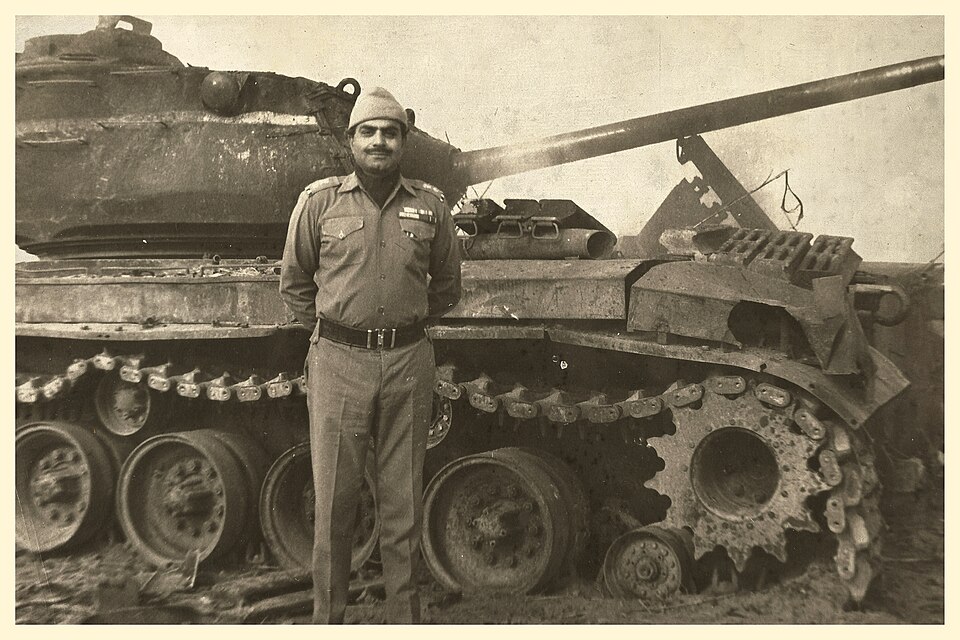
One of the largest tank battles since the Second World War, fought in flooded sugarcane fields near Khem Karan. Abdul Hamid won India's highest gallantry award here.
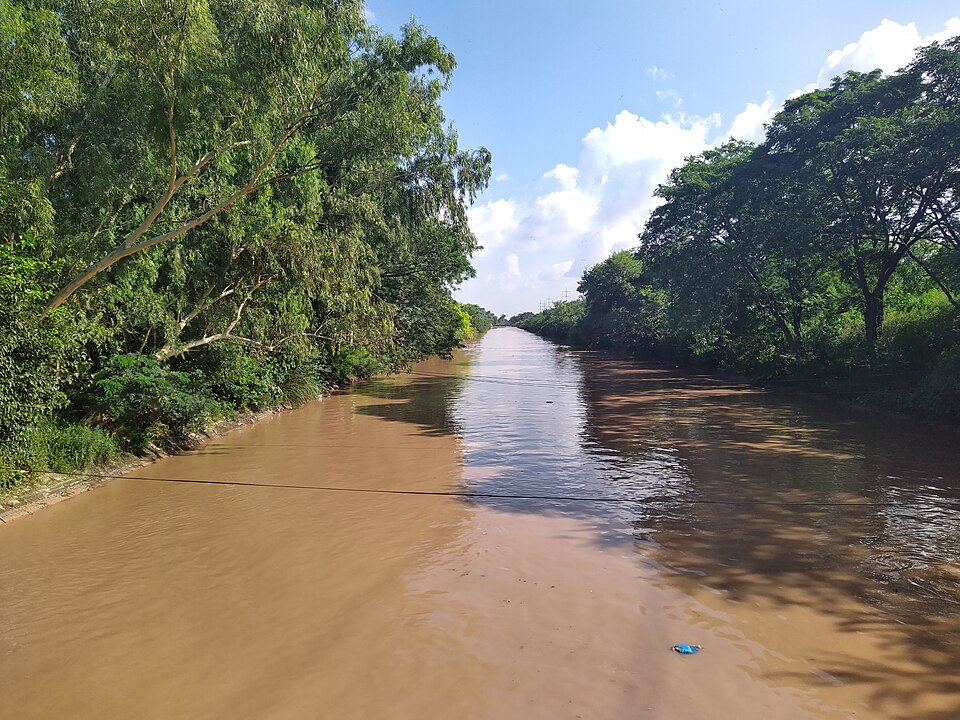
Fighting on the Ichhogil canal at the edge of Lahore, among the closest Indian forces came to the city.
Indian infantry and tanks took the village of Burki on the BRB canal east of Lahore after a night assault, the closest the Indian advance came to the city on that axis.
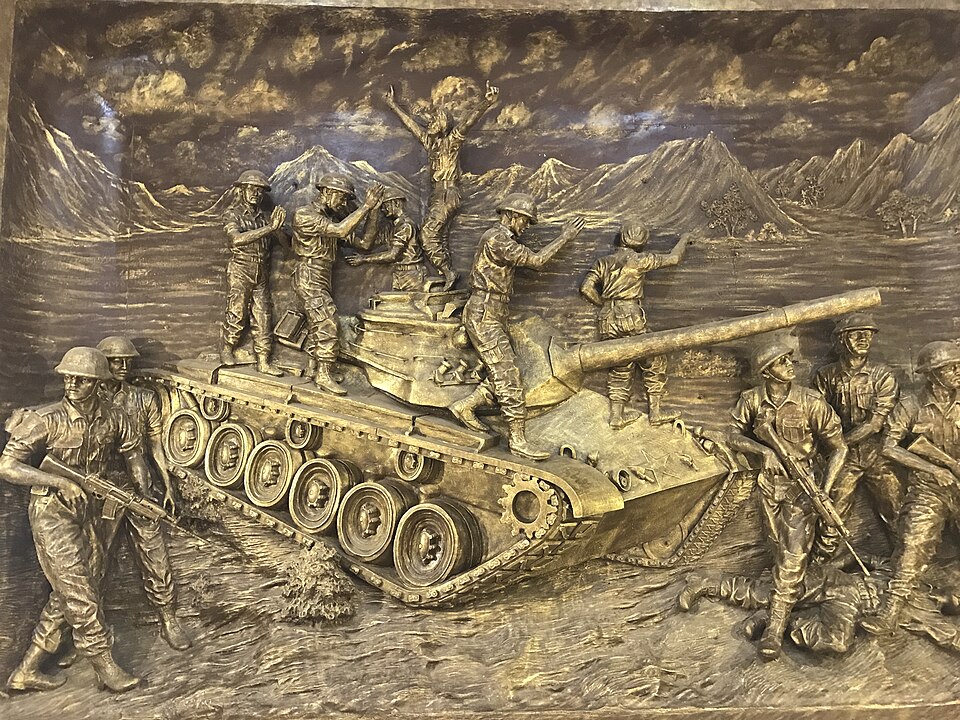
In one of the largest tank battles since the Second World War, Pakistani armour and infantry stopped the Indian thrust towards Sialkot at Chawinda.
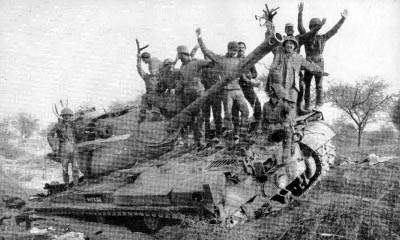
Armoured battle in the Shakargarh bulge during the 1971 war, fought across minefields on the Basantar river.