ਘੁਮਿਆਰ · ਜੁਲਾਹੇکمہار · جولاہے
Hindu & VedicIslam & SufiSikh
- Where
- Every village and town; Julahas especially in the west and the old weaving towns
- Traditionally
- Potters, weavers, dyers, oil-pressers, water-carriers and the other village trades
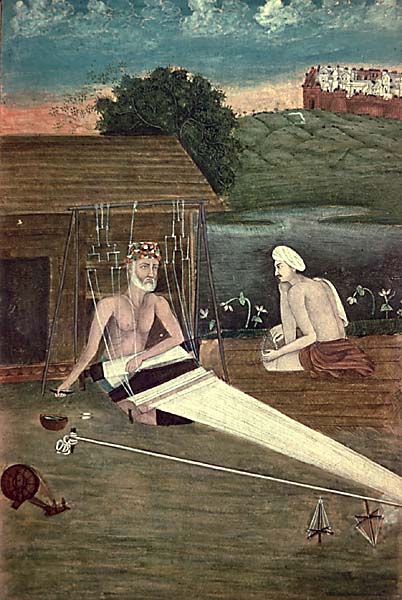
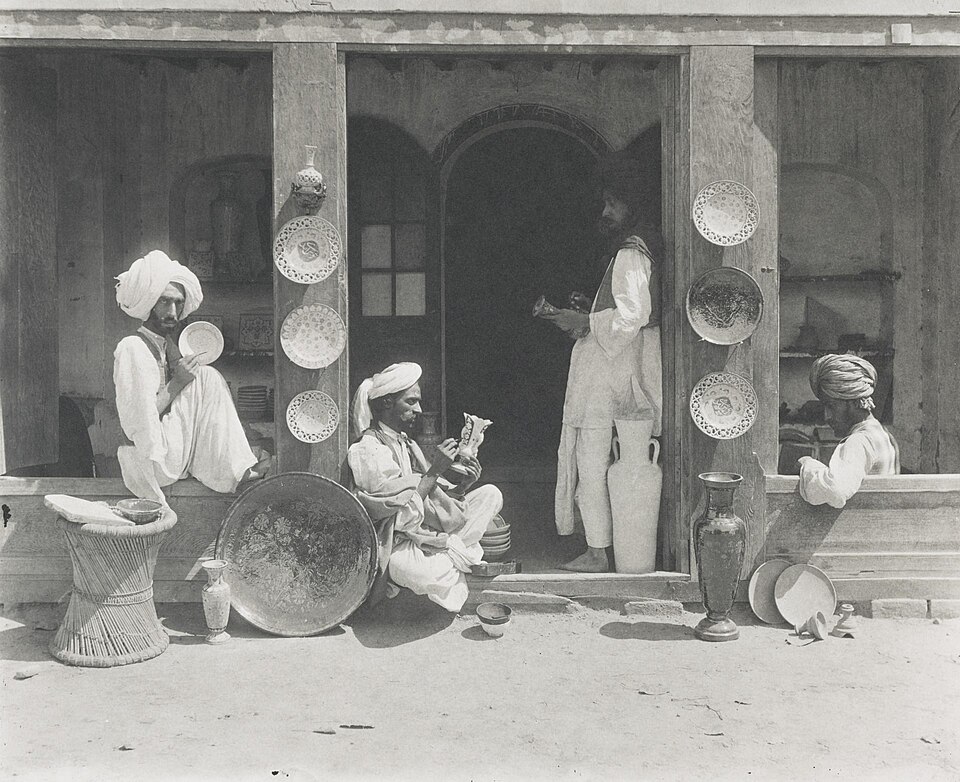
The potter, the kumhar or ghumiar, made the water pots, the tandoor ovens and the lamps of every village, and carried goods on his donkeys. The weaver, the julaha, wove the khaddar and khes the village wore; most weavers of the western and central Punjab were Muslim, and many took the name Ansari. Alongside them were the chhimbas who printed and dyed cloth, the telis who pressed oil, and the jhiwars who carried water.
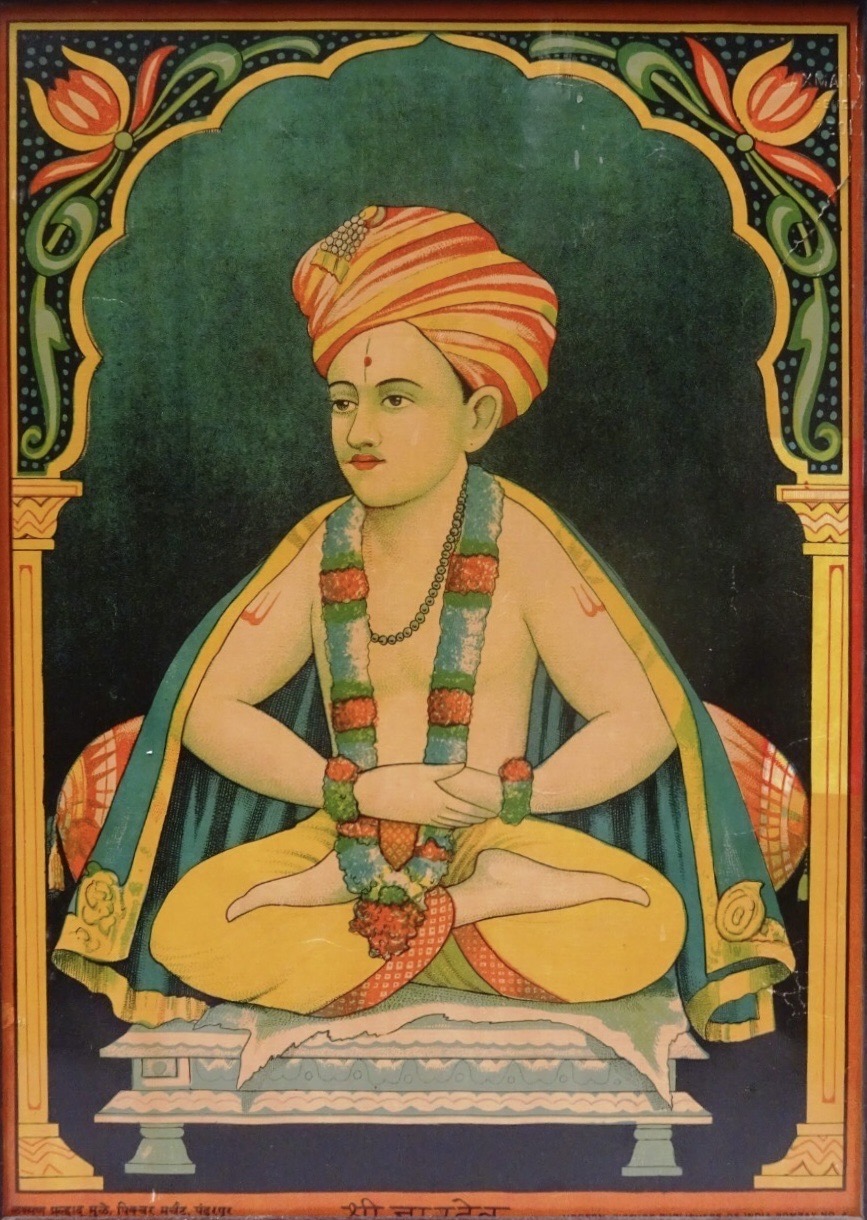
Under the old seyp system each family of craftsmen served a group of farming households for a share of every harvest. The great Bhakti poet Kabir was a weaver, and Bhagat Namdev, whose verses stand in the Guru Granth Sahib, a calico-printer; machine-made cloth and plastic ended much of the old work in the twentieth century.