- Where
- Every district; nearly a third of Indian Punjab's people today, the highest share of any Indian state
- Traditionally
- Labourers, leather workers, weavers, sweepers and, increasingly, everything else
The communities once held 'untouchable' have shaped every faith of the Punjab. Bhagat Ravidas, a leather worker of Banaras, has his verses in the Guru Granth Sahib; Bhai Jaita, a Ranghreta, carried Guru Tegh Bahadur's head from Delhi to Anandpur, and Mazhabi Sikhs have served in the Sikh regiments since. From the 1870s many Chuhra families in the central Punjab became Christian, and most Punjabi Christians in Pakistan today descend from them.
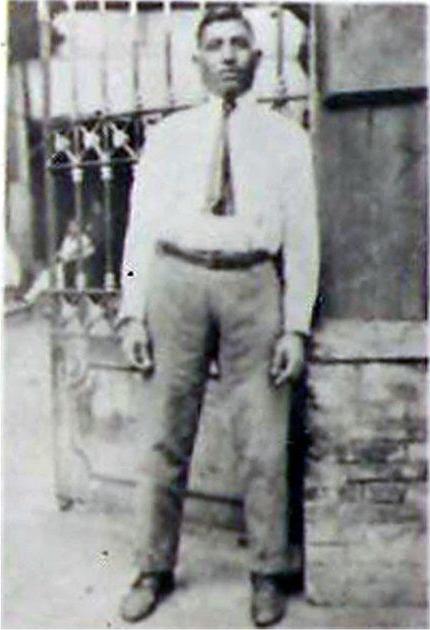
In 1926 Mangu Ram Mugowalia, a Ghadar veteran, founded the Ad-Dharm movement, declaring the Dalits of the Punjab the original people of the land with a faith of their own; the later Ravidassia movement draws on it. Others joined the Valmiki tradition, or the deras.
In the villages the Dalit communities have many names: Ramdasia and Ravidasia Sikhs and Chamars, long leather workers and weavers; Mazhabi and Valmiki families, once sweepers and labourers; and the Rai Sikhs of the Sutlej riverbanks. Many have risen through the army, government jobs and emigration, and the deras they have built are among the Punjab's largest.