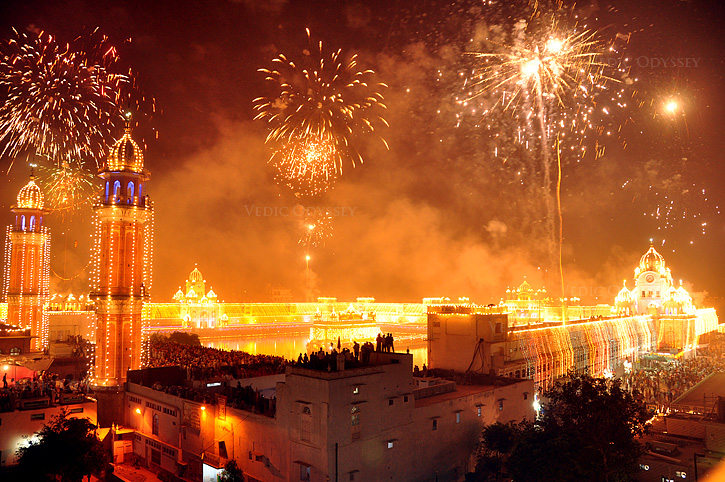
Bandi Chhor Divas
The day Guru Hargobind came home from Gwalior, freeing 52 princes, and Amritsar was lit with lamps.
Guru Hargobind was held for some time in the fort of Gwalior by the emperor Jahangir. When the emperor ordered his release, the Guru refused to leave unless the fifty-two Rajput princes imprisoned with him were freed too. Jahangir said that as many as could hold on to the Guru's cloak could go; the Guru had a cloak made with fifty-two tassels, and walked out with all of them.
He reached Amritsar at the time of Diwali, and the people lit the city with lamps to welcome him. Bandi Chhor, 'the liberator of prisoners', became one of his names, and Sikhs celebrate the day together with Diwali.
On Bandi Chhor Divas Harmandir Sahib is lit with thousands of lamps and candles, its reflection doubled in the sarovar, and fireworks fill the sky over Amritsar: the most beautiful night of the year at the Darbar Sahib.
More festivals and fairs
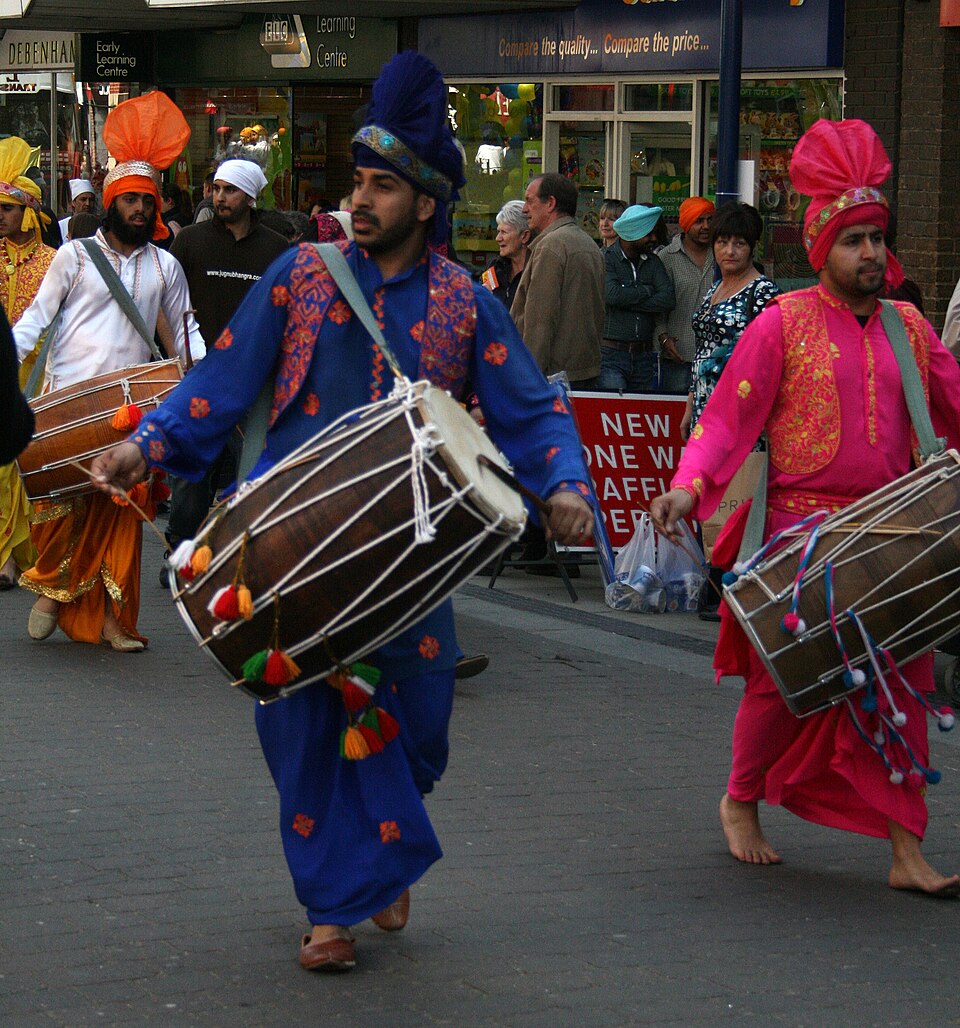
The harvest festival and the birthday of the Khalsa, when Guru Gobind Singh called for five heads in 1699.
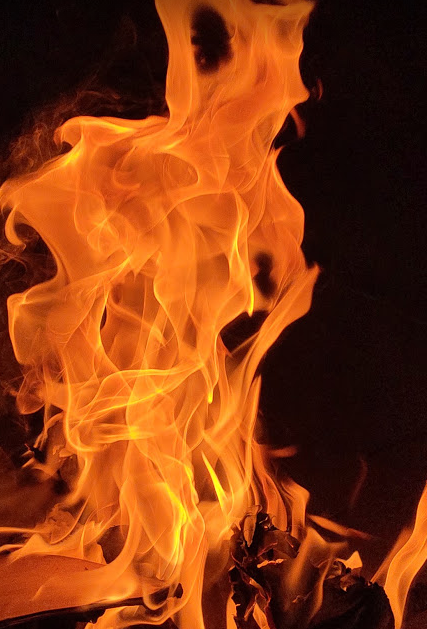
The midwinter bonfire, for the longest night, the new bride and the newborn son, and for Dulla Bhatti.
▶ Watch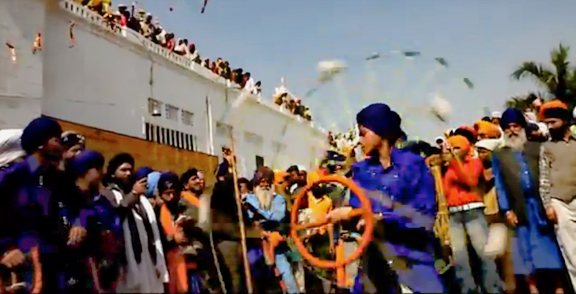
Guru Gobind Singh's festival of mock battles, horsemanship and poetry at Anandpur.
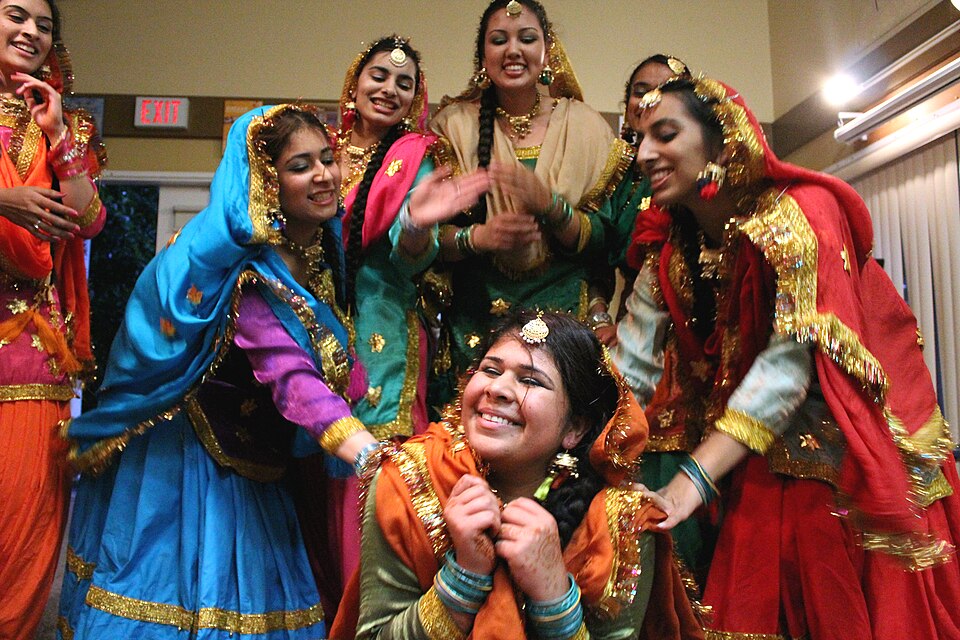
The women's festival of the monsoon: swings in the trees, giddha, and daughters coming home.
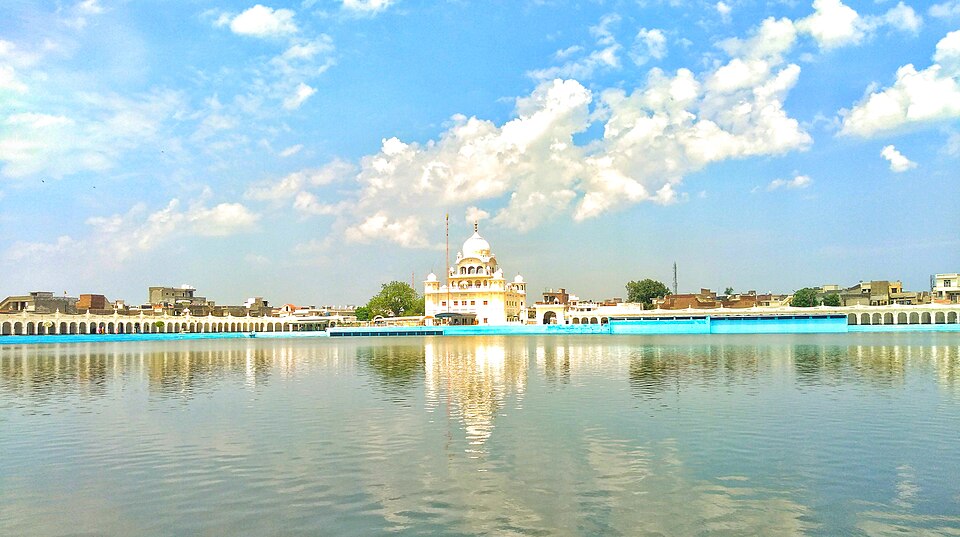
The day after Lohri, when Sikhs remember the Forty Liberated at Muktsar.
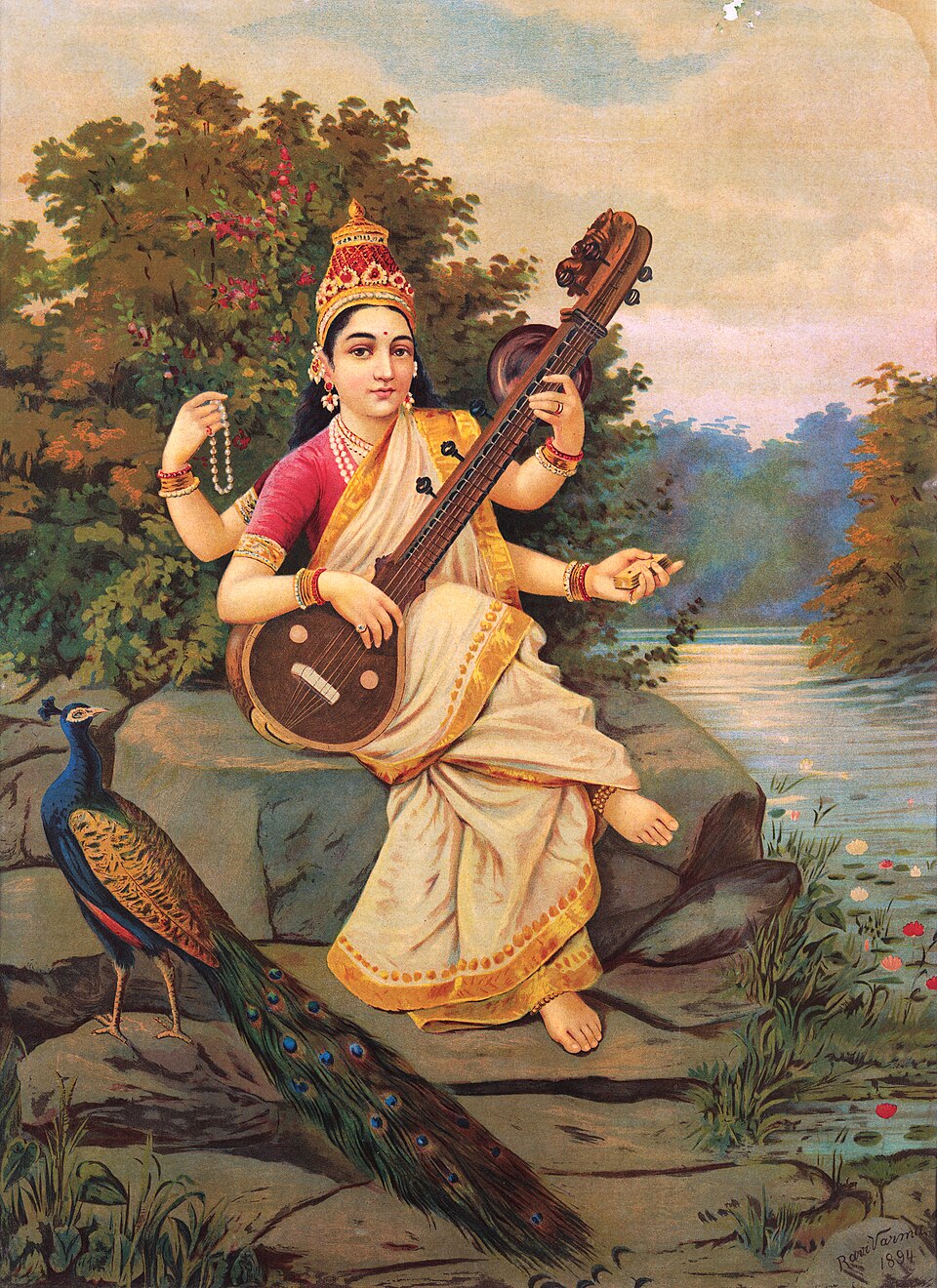
The spring festival of yellow clothes and kites over Lahore.
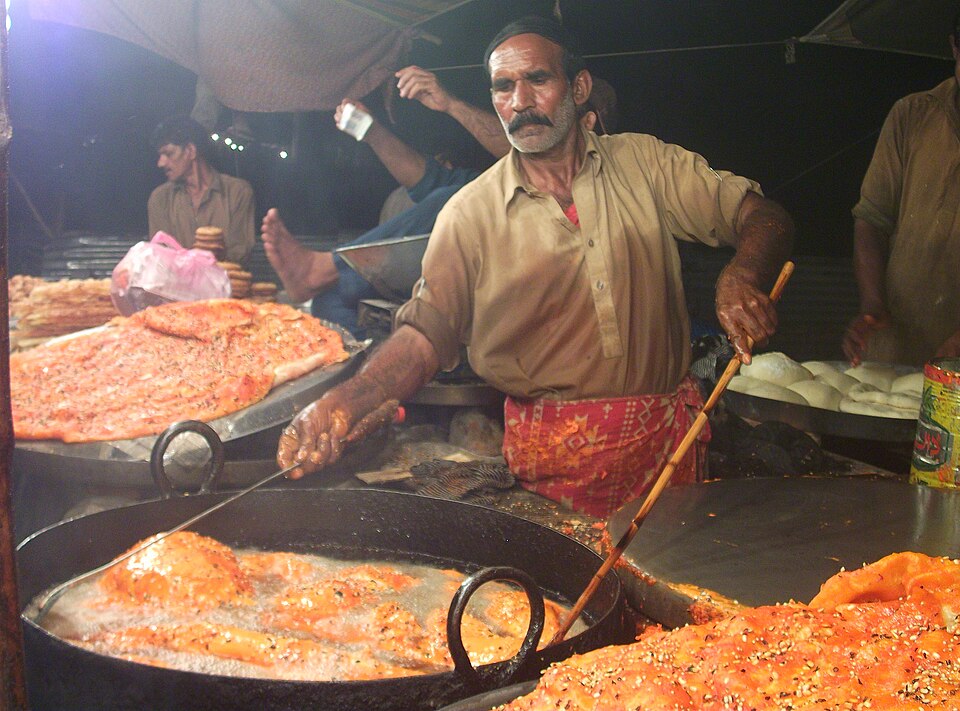
The festival of lamps at the shrine of Shah Hussain in Lahore, once the greatest fair of the Punjab.
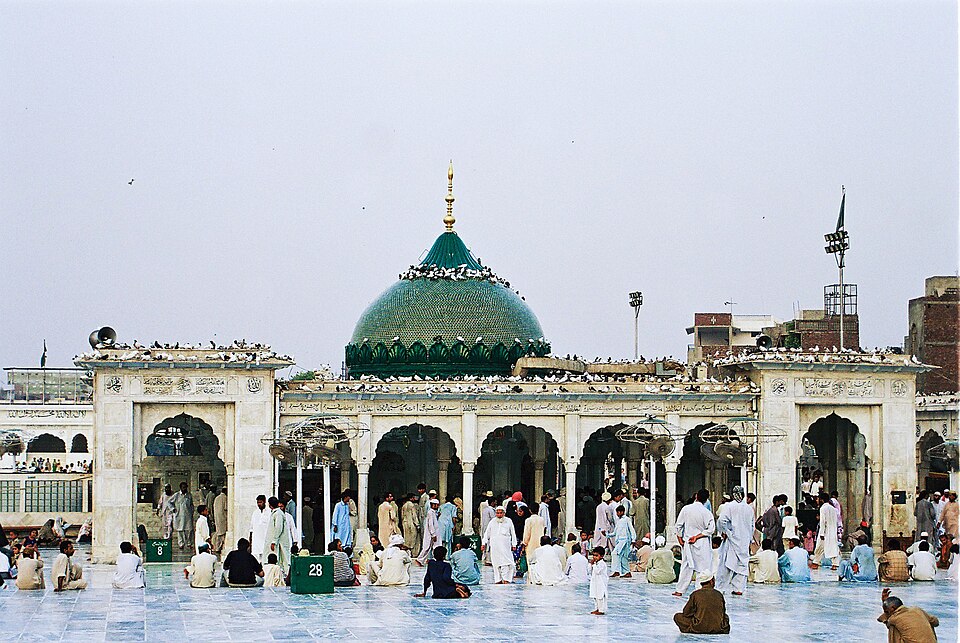
Three days of prayer, qawwali and free food at the shrine of Lahore's patron saint.
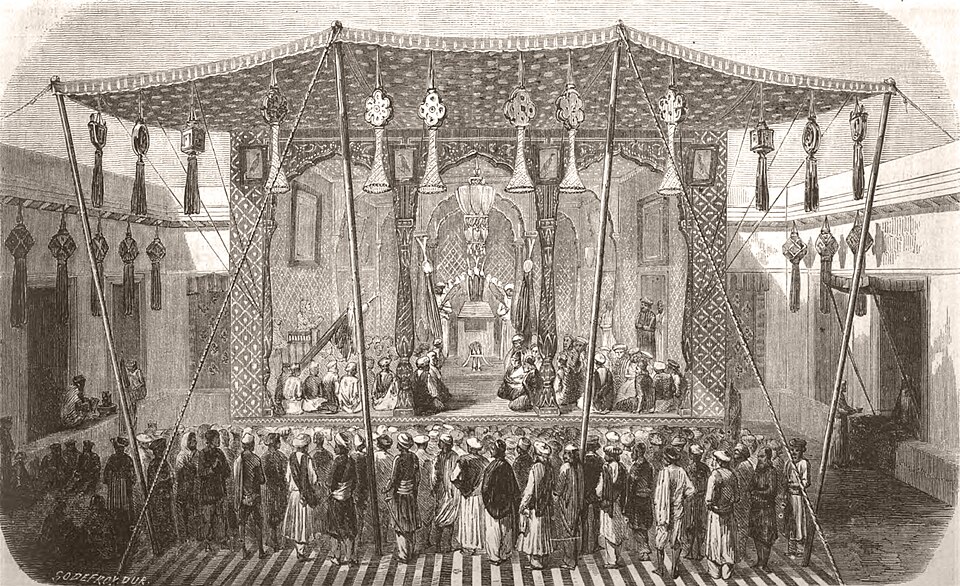
The ten days of mourning for Imam Hussain, with processions of taziyas and banners through the old cities of the Punjab.
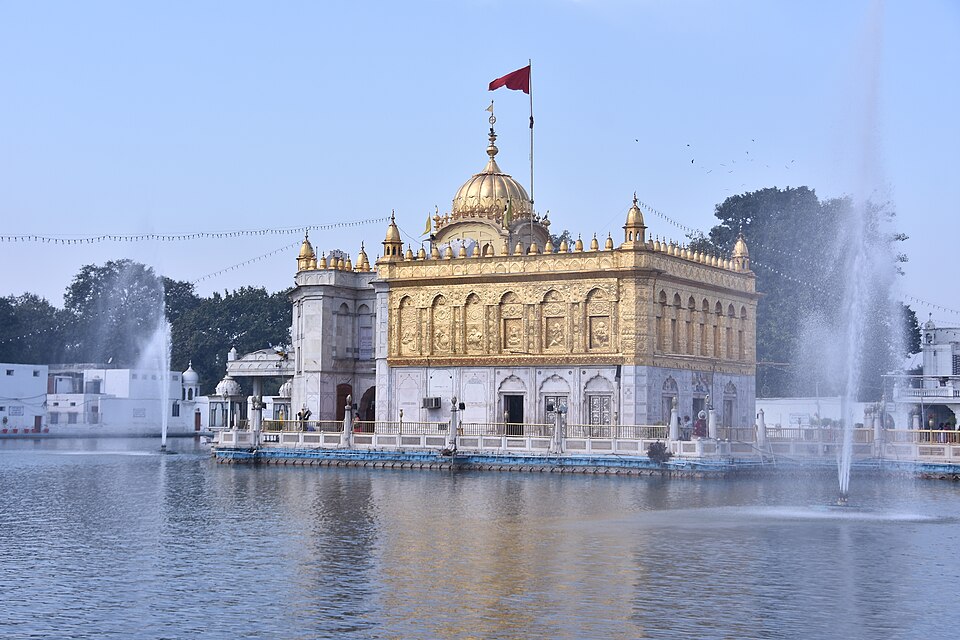
The great Hindu festivals as the Punjab keeps them: Ravana's effigies burning at Dussehra, lamps at Diwali, colour at Holi.
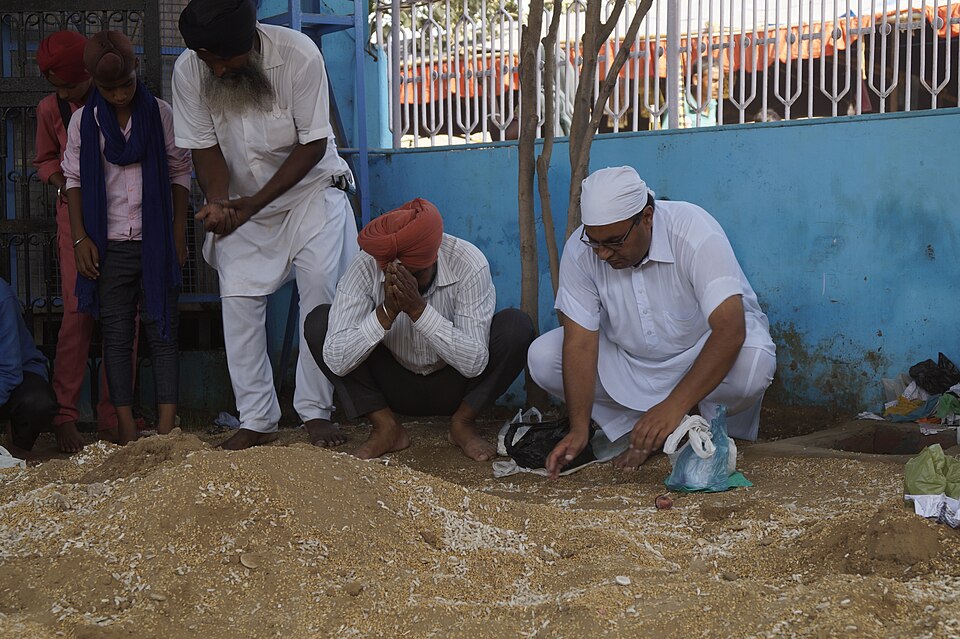
The great fair in honour of Gugga Pir, lord of snakes, in a village of Ludhiana district each September.
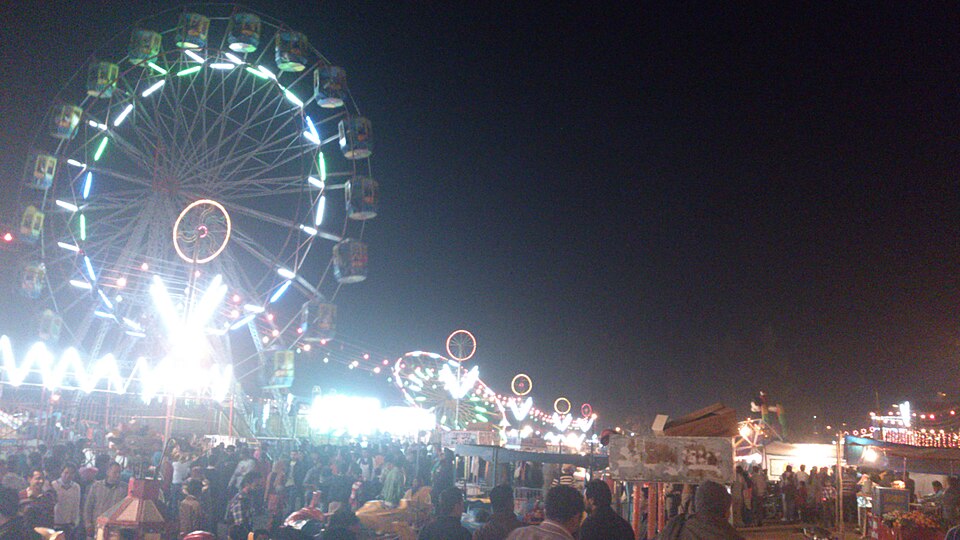
A fair of lamps at the shrine of a Sufi pir in Jagraon, still kept by Punjabis of every faith on the Indian side.
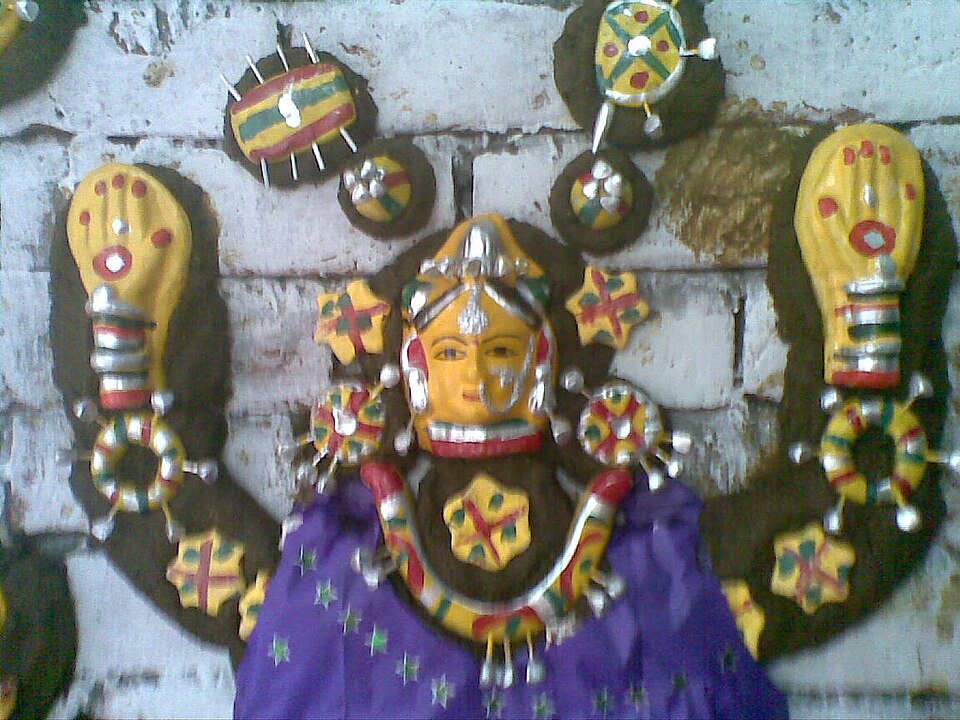
The goddess girls make on the wall each autumn, from clay stars and a painted face, and sing to for nine nights.
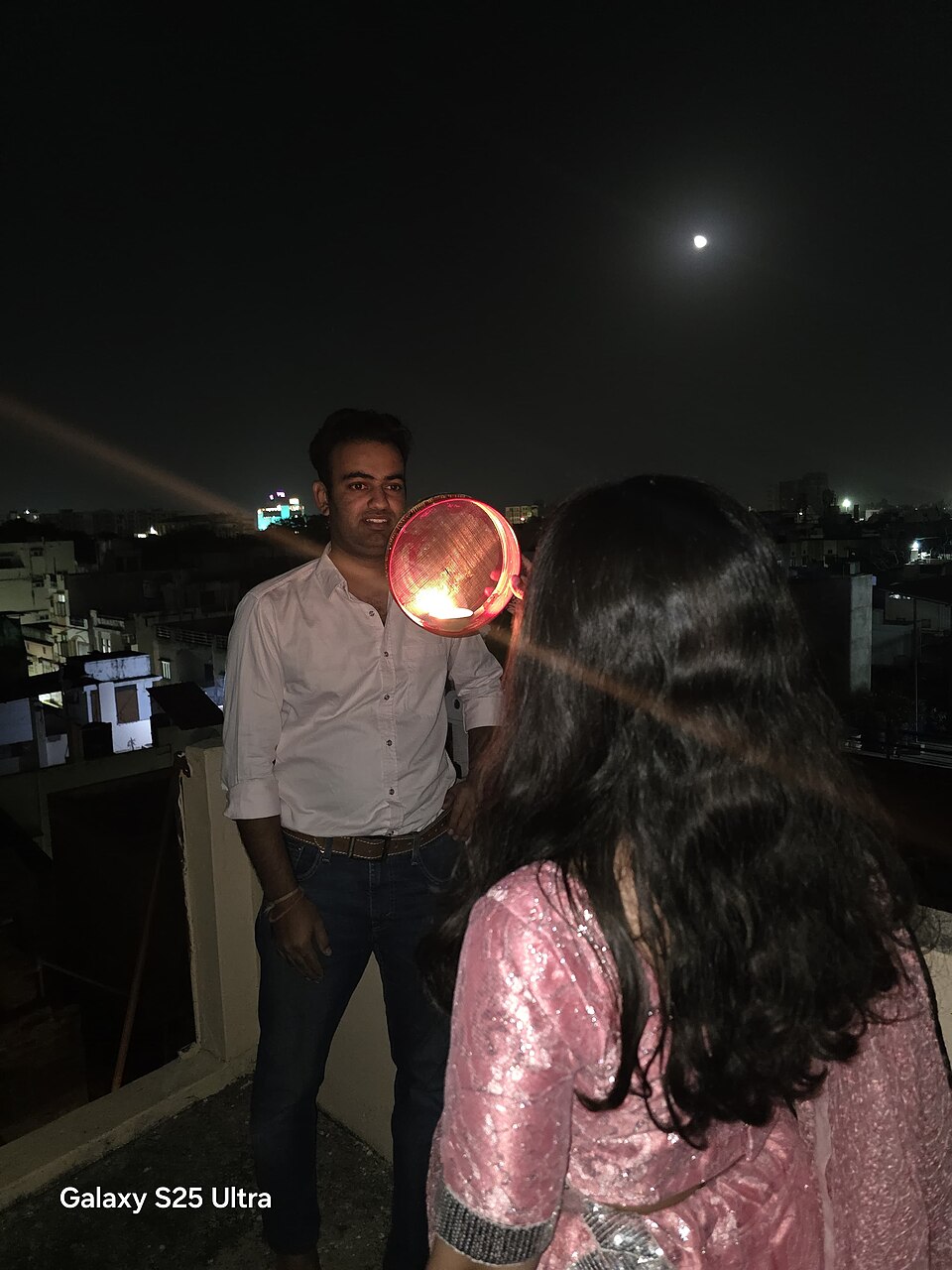
The autumn day when married women fast from dawn until the moon rises, for their husbands' long lives.
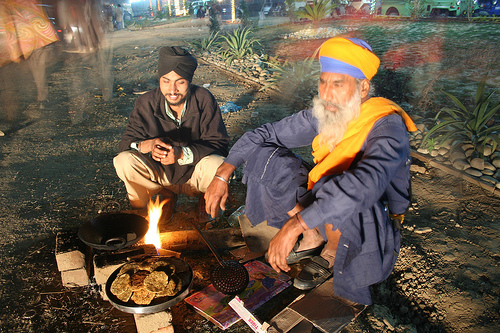
Three days of mourning and remembrance at Fatehgarh Sahib for the youngest sons of Guru Gobind Singh, bricked up alive at Sirhind in 1704.
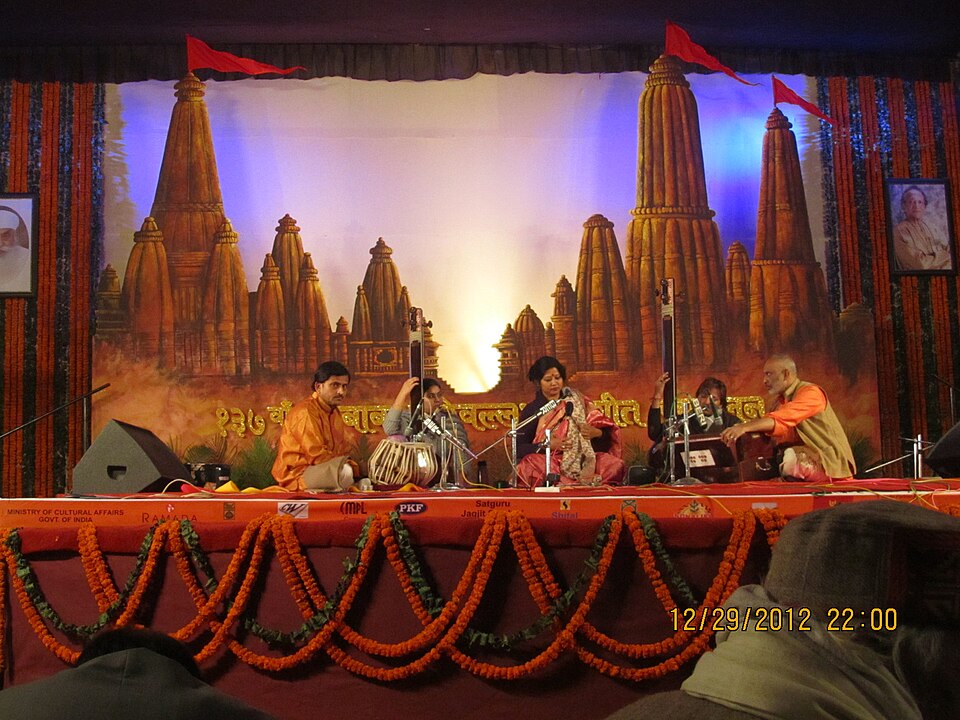
The oldest festival of classical music in India, held every winter beside the Devi Talab temple in Jalandhar.
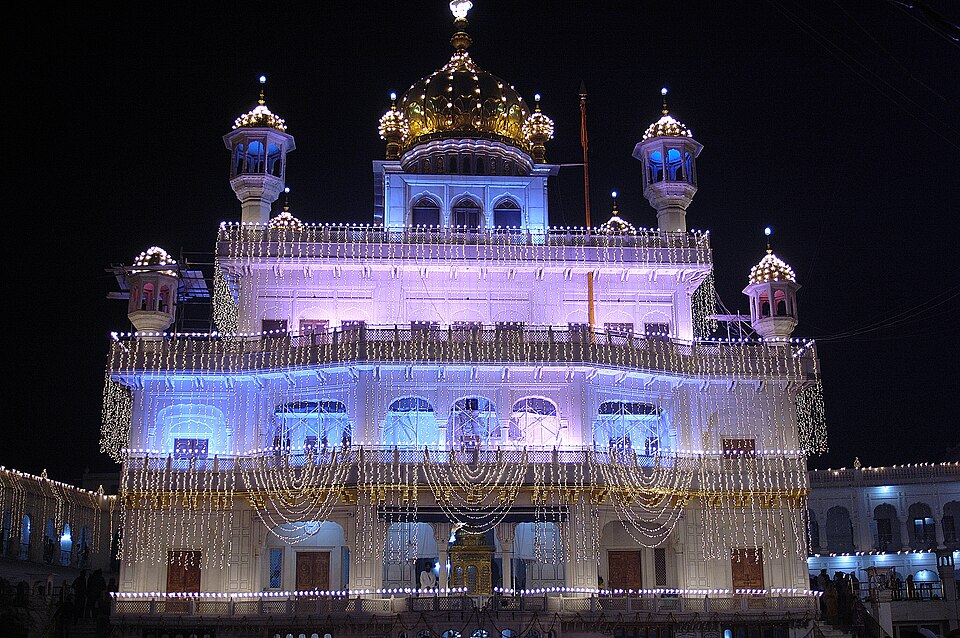
The festival of lights, processions and langar for Guru Nanak's birth, when pilgrims from India cross to Nankana Sahib.
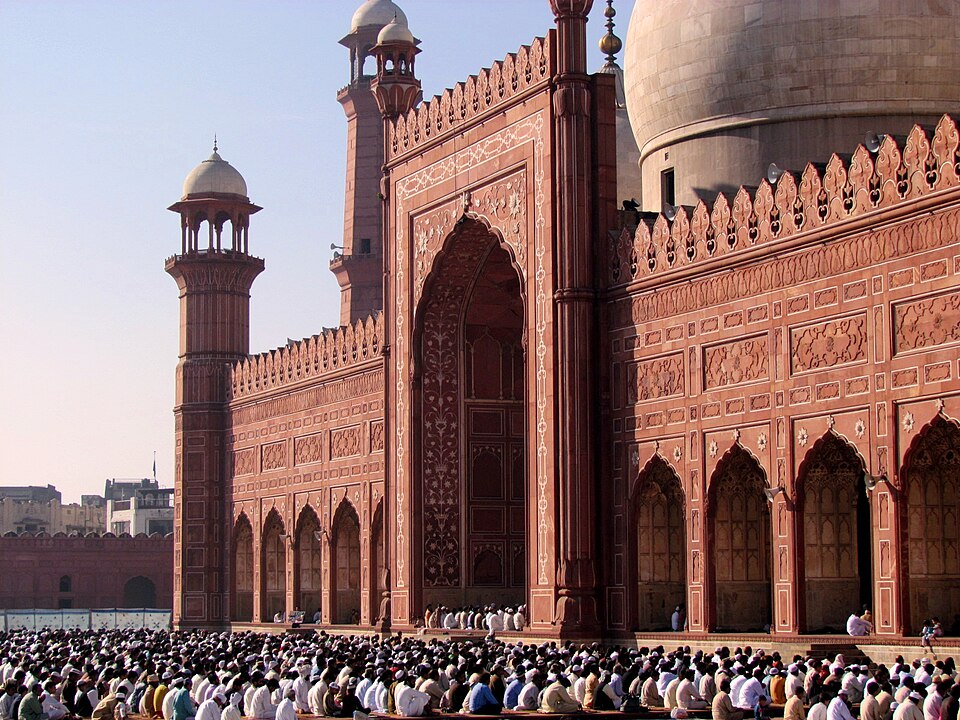
Eid prayers at the Badshahi Mosque, sweet vermicelli, new clothes and Eidi for the children.
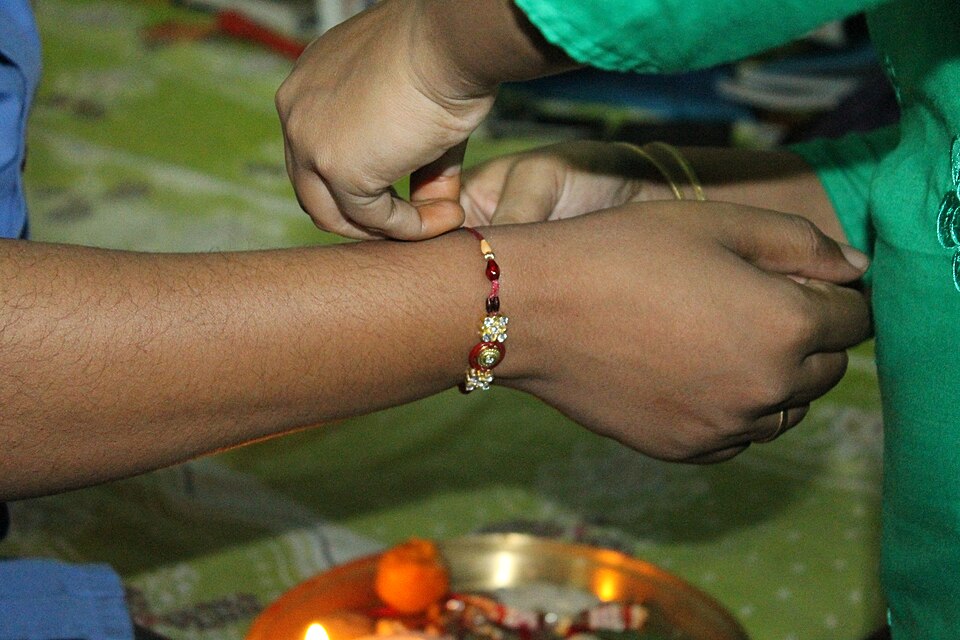
The day sisters tie a thread on their brothers' wrists, and brothers promise to protect them.
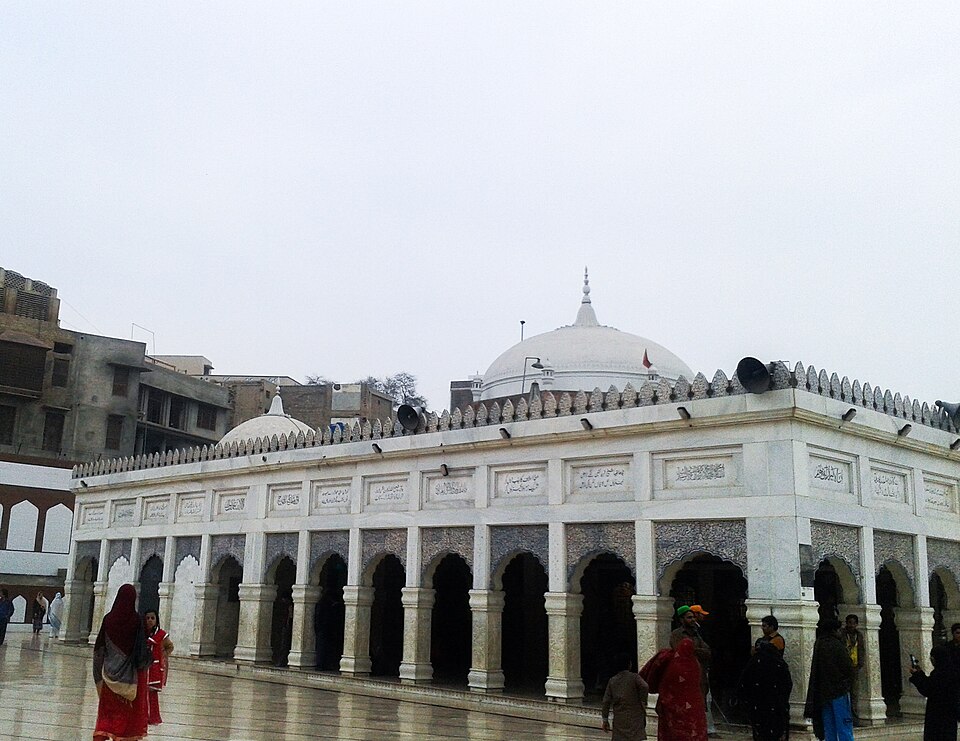
The night the 'Gate of Paradise' at Baba Farid's shrine is opened and pilgrims crowd through it.
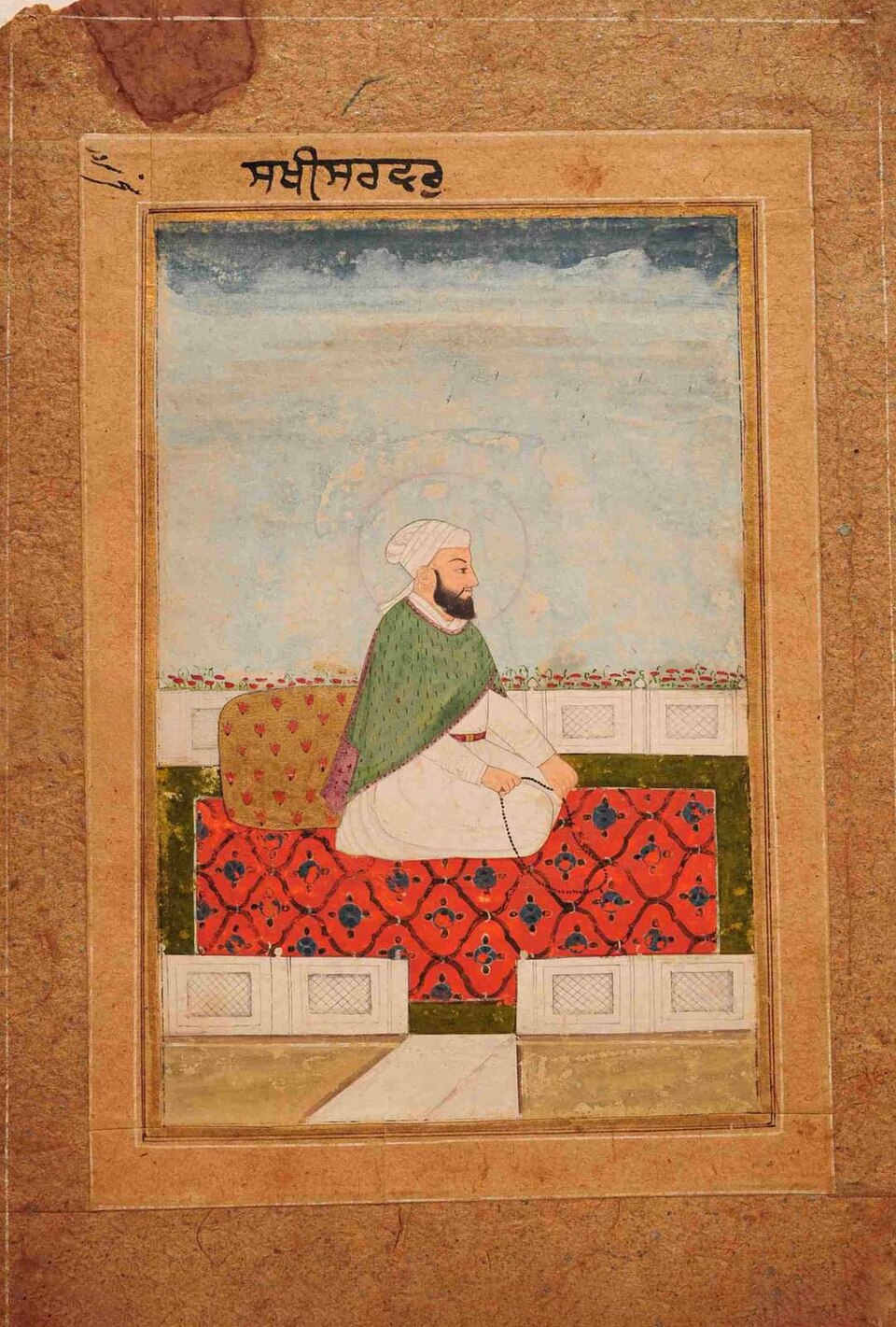
Pilgrims of every faith walking with drums and banners to the shrine of Lakhdata Pir at the foot of the Suleiman hills.