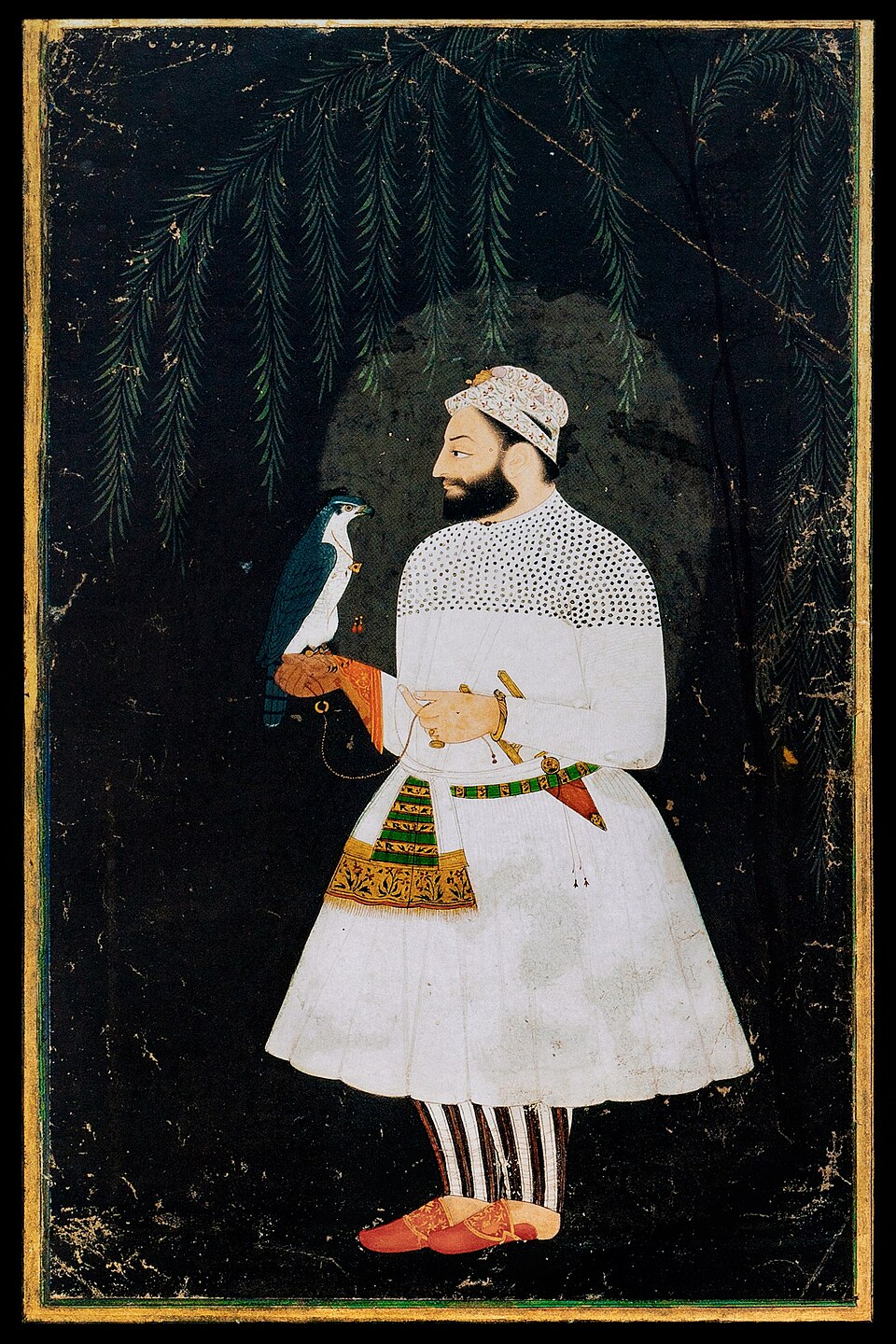
Guru Hargobind
Sixth Guru. Wore two swords, miri and piri, for worldly and spiritual authority, built the Akal Takht and fought the first Sikh battles against Mughal forces.
Hargobind was born in 1595 at Guru ki Wadali near Amritsar, the only son of Guru Arjan and Mata Ganga. As a child he survived several attempts on his life, which the Sikhs attributed to his uncle Prithi Chand. He was eleven when his father was martyred, and the lesson he drew from it changed the Sikh path for ever.
At his installation in 1606 he refused the old seli, the woollen cord of the ascetic, and asked Baba Buddha to gird him with two swords: one of miri, temporal power, and one of piri, spiritual authority. Facing the Harmandir Sahib he built a raised platform, the Akal Takht, the Throne of the Timeless, where he held court, heard disputes and received gifts of horses and weapons, while the Harmandir remained the place of worship. He raised a small army, kept falcons and hunted, and asked his Sikhs to bring arms instead of money.
Jahangir had him imprisoned in the fort of Gwalior, for some months or perhaps years. When he was released, he refused to leave unless the fifty-two Rajput chiefs held with him were freed too, and walked out with all of them holding the tassels of his cloak; he is remembered as Bandi Chhor, the liberator. His return to Amritsar at Diwali is celebrated as Bandi Chhor Divas.
Under Shah Jahan relations broke down, and the Guru fought four battles against Mughal forces between 1628 and 1635: at Amritsar, at Lahira near Bathinda, at Kartarpur and at Phagwara. The Sikhs won each time, and the Guru himself fought with the sword. The bandit-turned-devotee Bhai Bidhi Chand, who stole back the Guru's horses from the Lahore fort, became the hero of a hundred stories.
In 1635 he withdrew to Kiratpur in the Shivalik foothills, beyond direct Mughal reach, where he spent his last years. He had six children; he chose as his successor his grandson Har Rai, the gentle son of his late son Gurditta. He died at Kiratpur in 1644. He wrote no hymns, but he gave the Sikhs the sword and the throne, and made them a people who would not be martyred without resistance.
Battles
On the timeline
Connected
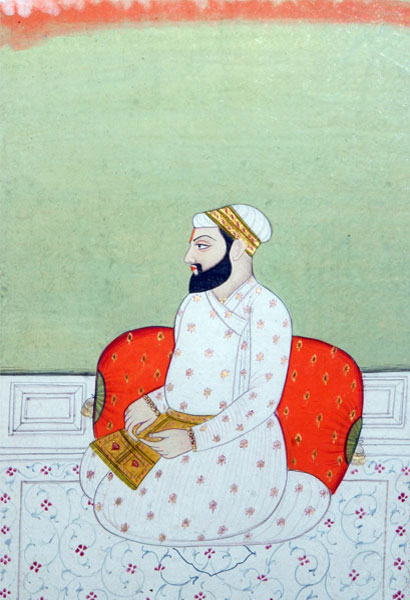
Fifth Guru. Built the Harmandir Sahib, compiled the Adi Granth in 1604 and became the first Sikh martyr, tortured to death in Lahore in 1606.
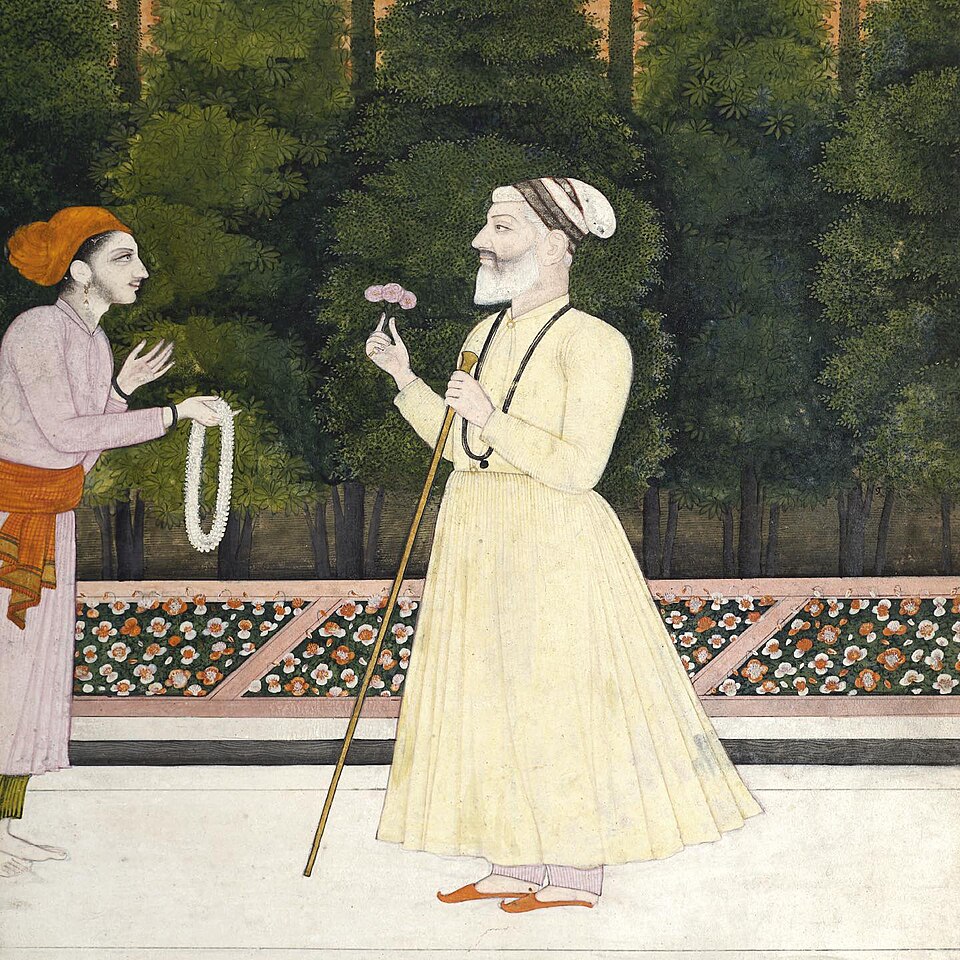
Seventh Guru, known for his gentleness. Kept a herbal dispensary and animal park at Kiratpur and maintained Guru Hargobind's cavalry while avoiding war.
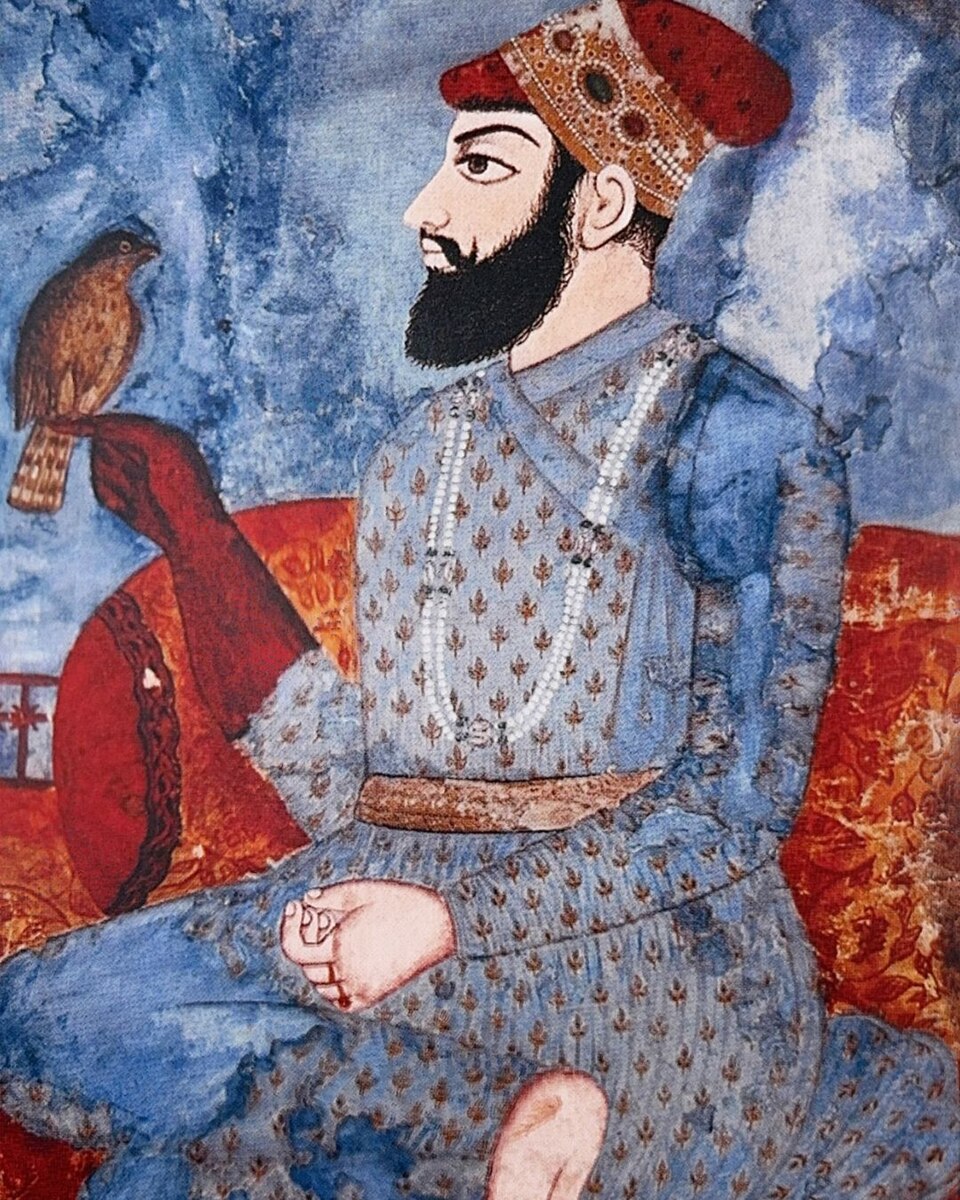
Ninth Guru, 'Hind di Chadar', the shield of India. Founded Anandpur and was beheaded in Delhi in 1675 for defending the right of Kashmiri Pandits to keep their faith.
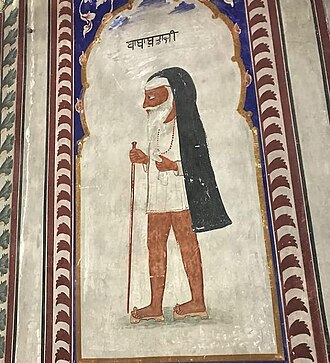
Disciple of Guru Nanak who lived to anoint five more Gurus and was the first granthi of the Harmandir Sahib.
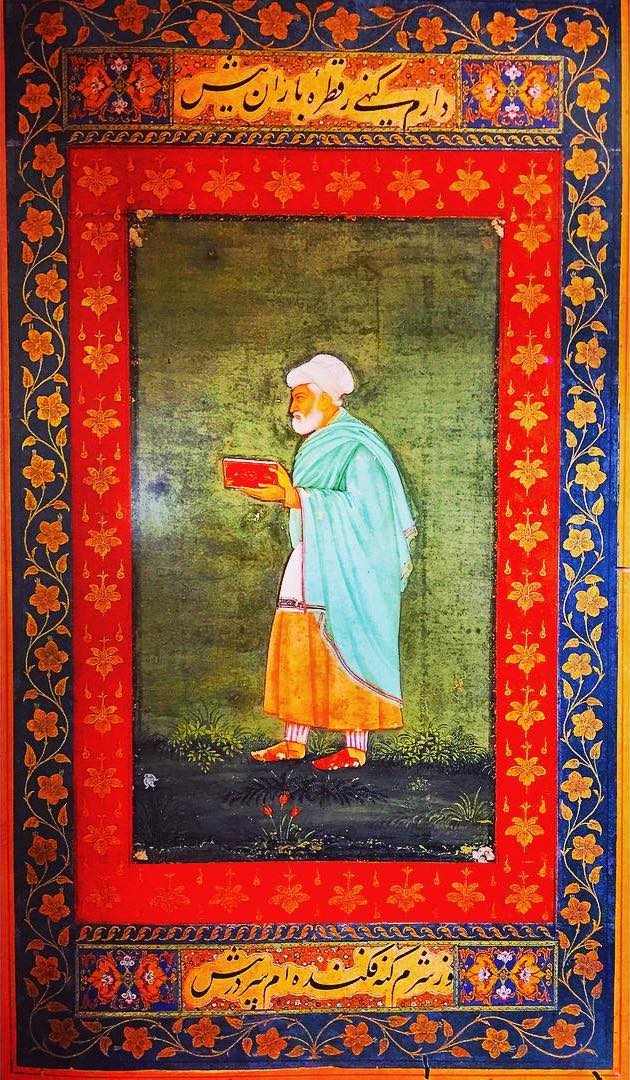
Qadiri Sufi of Lahore and friend of Guru Arjan. Tradition holds he laid the foundation stone of the Harmandir Sahib.
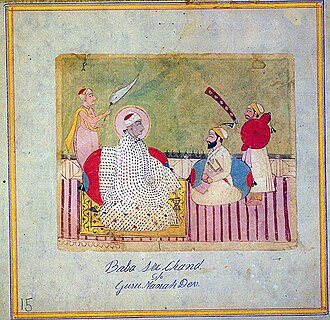
Guru Nanak's elder son, an ascetic who founded the Udasi order. He was passed over for the Guruship but stayed on good terms with later Gurus.
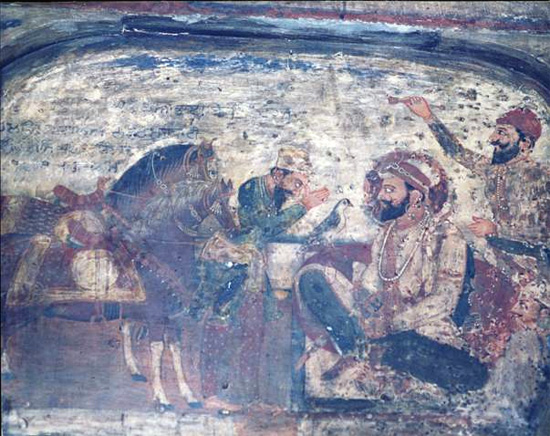
A reformed bandit who became one of Guru Hargobind's boldest commanders, remembered for recovering two horses seized from the Guru's followers.
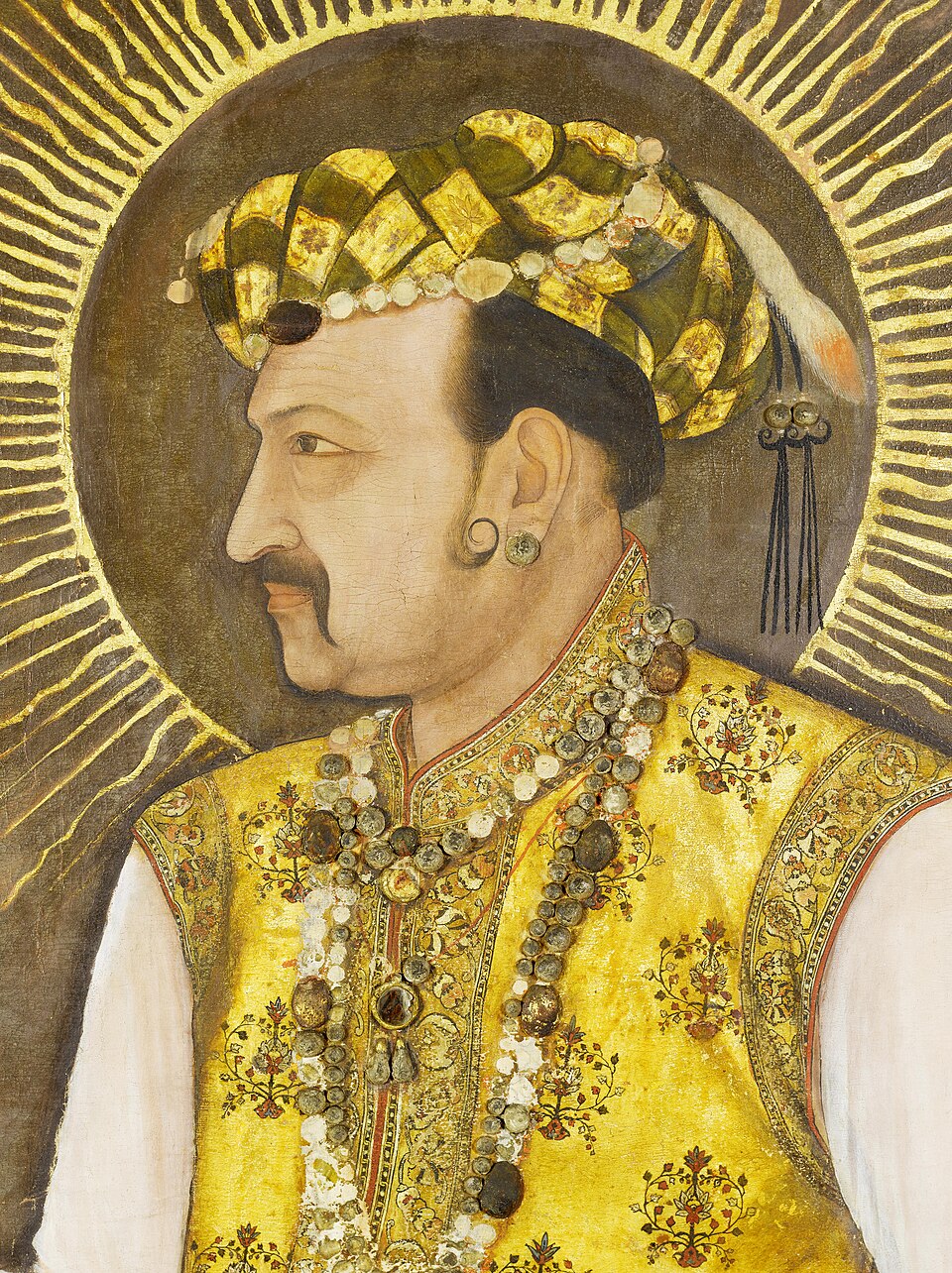
Mughal emperor under whom Guru Arjan was executed in 1606 and Guru Hargobind held in Gwalior fort. He is buried at Shahdara outside Lahore.
The Gurus' family tree
How the Guruship passedScroll sideways to see the whole tree →
Guru Gobind Singh's four sons, the Sahibzade, were all killed in 1704; in 1708 he passed the Guruship to the scripture and to the Khalsa. Guru Nanak passed over his own sons for his disciple Lehna, renamed Angad; Angad did the same. From Guru Ram Das on, the Guruship stayed in the Sodhi family, but not always with the eldest: Prithi Chand, Dhir Mal and Ram Rai each set up rival claims.
In the world's museums
6 objects Painting of five Sikh gurus (most likely identifiable as Guru Nanak, Guru HargobindSalar Jung Museum, Hyderabad · photo Jawaher Ali Khan (Wikimedia Commons) ↗
 A classical depiction of Guru HargobindWikimedia Commons ↗
 Painting of Guru Hargobind, sixth Sikh guru, Pahari, ca.1850Museum Rietberg, Zurich · photo Wikimedia Commons (Wikimedia Commons) ↗
 Painting of Guru Har Rai (or possibly Guru Hargobind?), Punjab, ca.1700–50Wikimedia Commons ↗
 Painting of Guru Hargobind, Pahari, ca.1830–50Museum Rietberg, Zurich · photo Wikimedia Commons (Wikimedia Commons) ↗
 Guru Hargobind with Perso-Arabic script inscribed aboveGovernment Museum, Chandigarh · photo family workshop active at Kangra (Wikimedia Commons) ↗