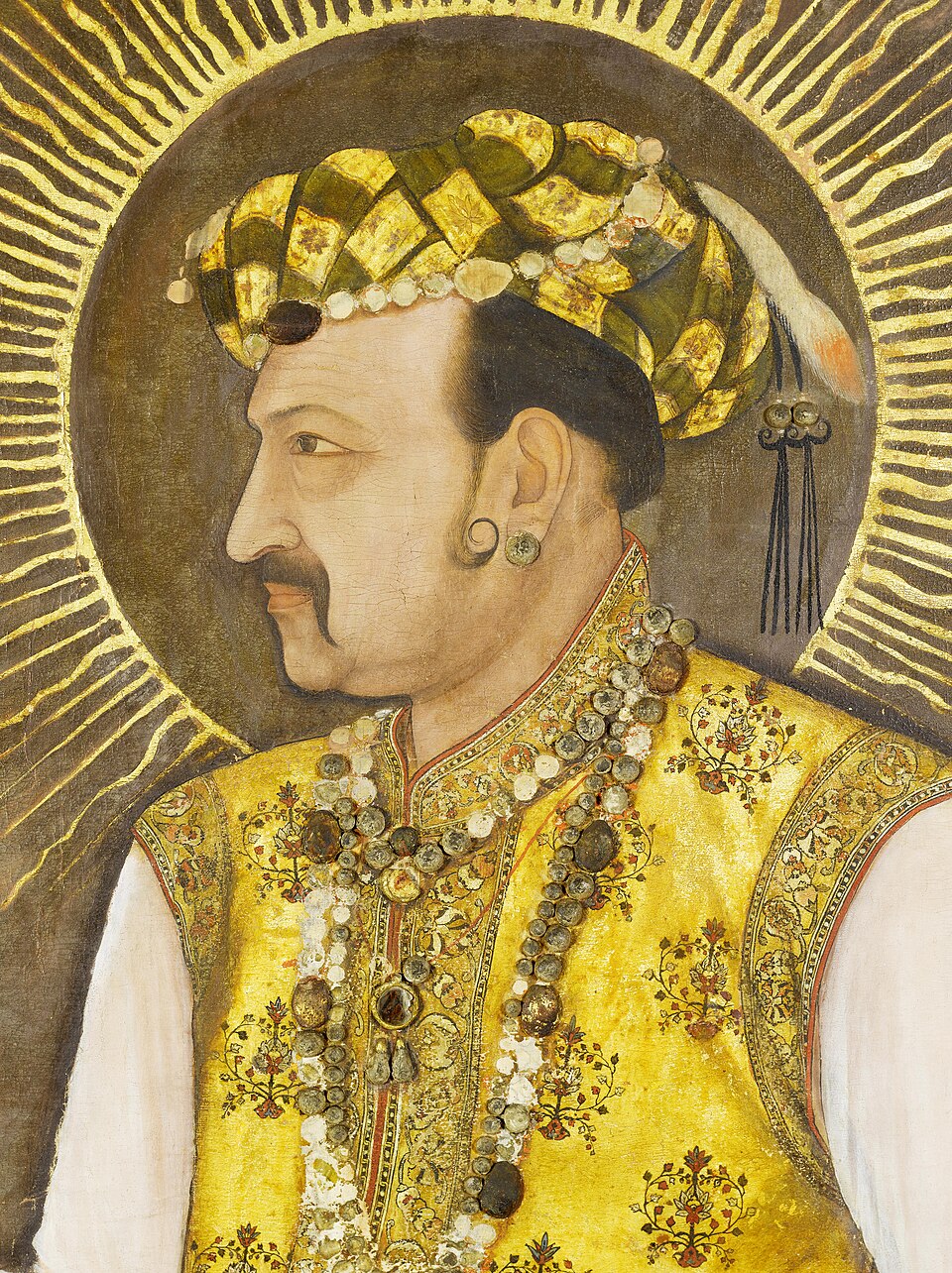
Jahangir
Mughal emperor under whom Guru Arjan was executed in 1606 and Guru Hargobind held in Gwalior fort. He is buried at Shahdara outside Lahore.
Salim, who took the name Jahangir, 'world-seizer', was born in 1569, the son of Akbar, and became emperor in 1605. He was a lover of art, nature and wine, and kept a detailed memoir.
In 1606 his son Khusrau rebelled and fled through the Punjab. Guru Arjan was accused of blessing him. Jahangir wrote in his memoirs that he had long wished to end the Guru's influence, and ordered him to be punished. Guru Arjan was tortured to death in Lahore. Jahangir later had Guru Hargobind held in the fort of Gwalior.
He was fond of Kashmir and Lahore. He died in 1627 on his way back from Kashmir, and his tomb at Shahdara outside Lahore, built by his queen Nur Jahan, is one of the finest Mughal buildings.
Connected
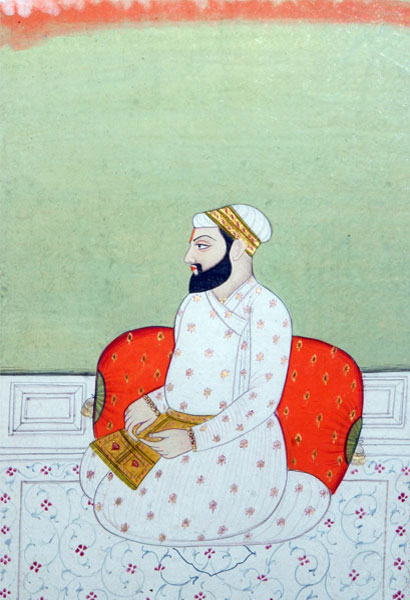
Fifth Guru. Built the Harmandir Sahib, compiled the Adi Granth in 1604 and became the first Sikh martyr, tortured to death in Lahore in 1606.
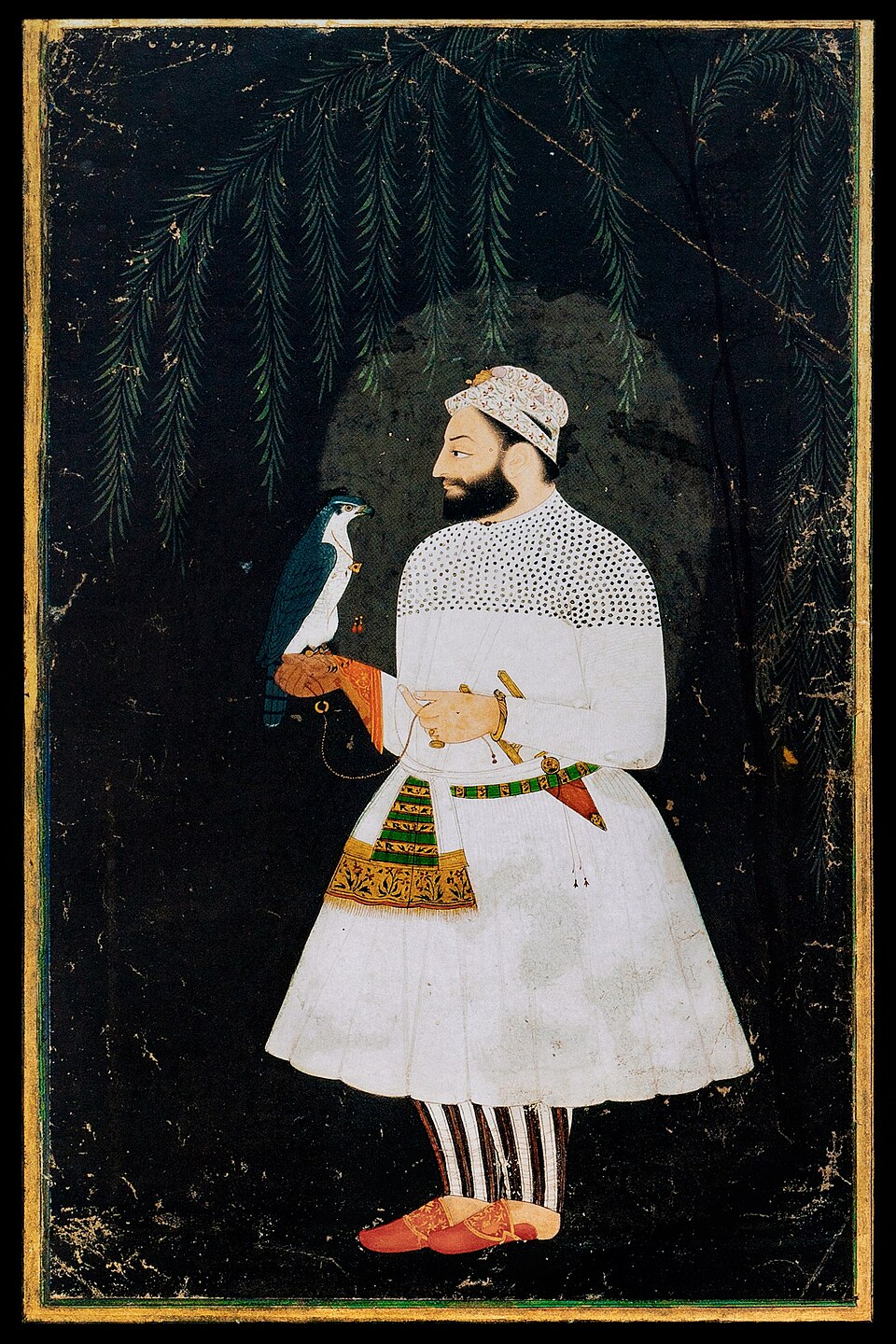
Sixth Guru. Wore two swords, miri and piri, for worldly and spiritual authority, built the Akal Takht and fought the first Sikh battles against Mughal forces.
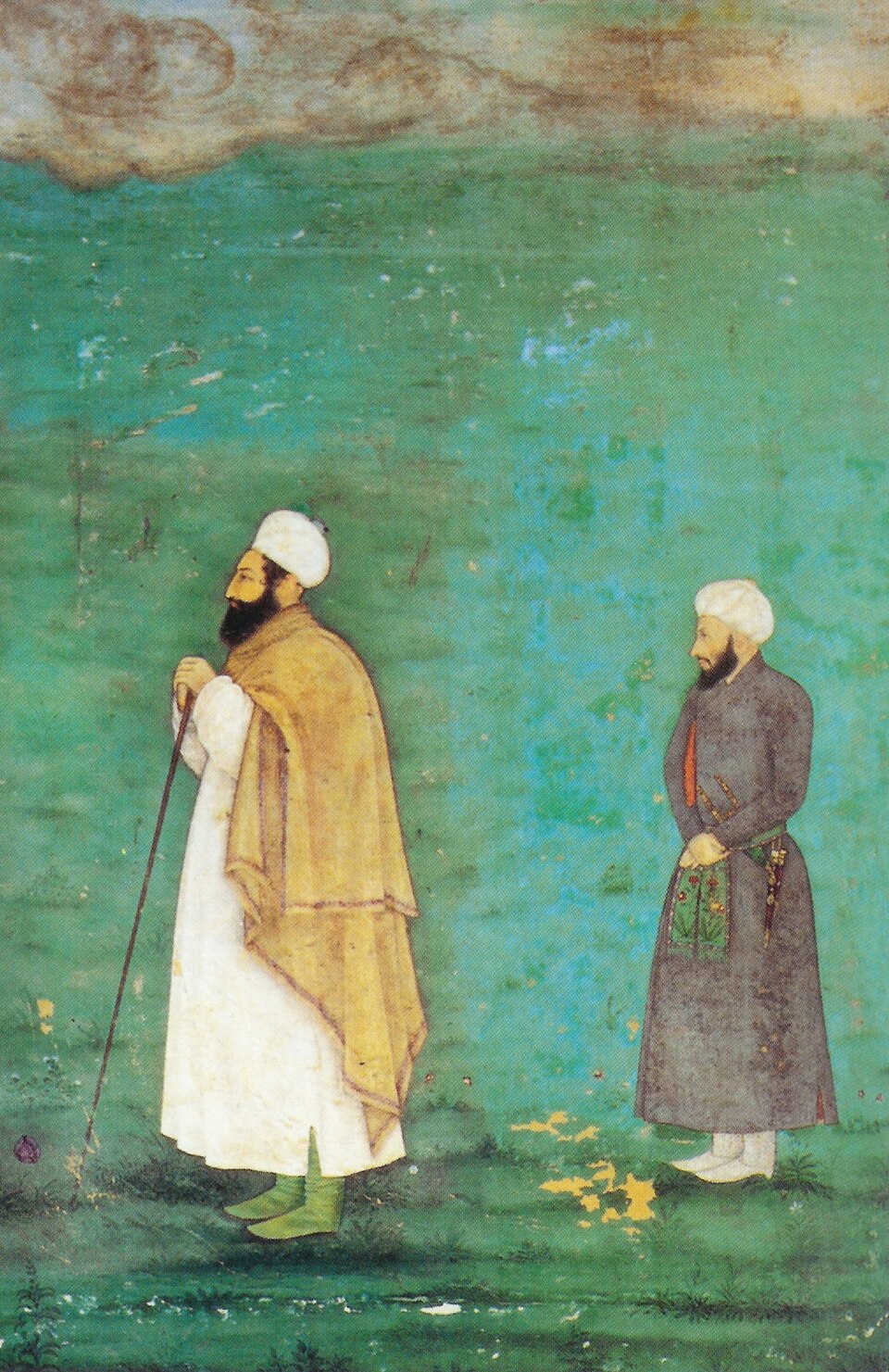
Naqshbandi reformer of Sirhind, called the 'renewer of the second millennium', who opposed Akbar's religious syncretism. Some historians see his circle behind hostility to Guru Arjan; others doubt the link.
In the world's museums
4 objects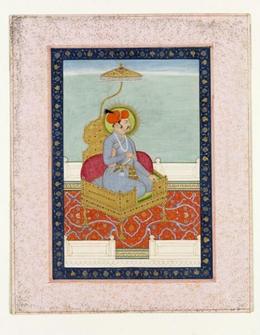 Jahangirca. 1840 · Punjab Plain© Victoria and Albert Museum, London ↗
 Mughal emperor Jahangir testing the strength of penance of Gosain Nirmalji and BhagvanjiNational Museum, New Delhi · photo Yann (talk) (Wikimedia Commons) ↗
 Brooklyn Museum - The Emperors Akbar Jahangir and Shah Jahan with Their Ministers and…Brooklyn Museum · photo Chitaraman, Indian (Wikimedia Commons) ↗
 Photograph of the tomb of Mughal emperor Jahangir at Shahdara, Lahore, Punjab, IndiaWikimedia Commons ↗