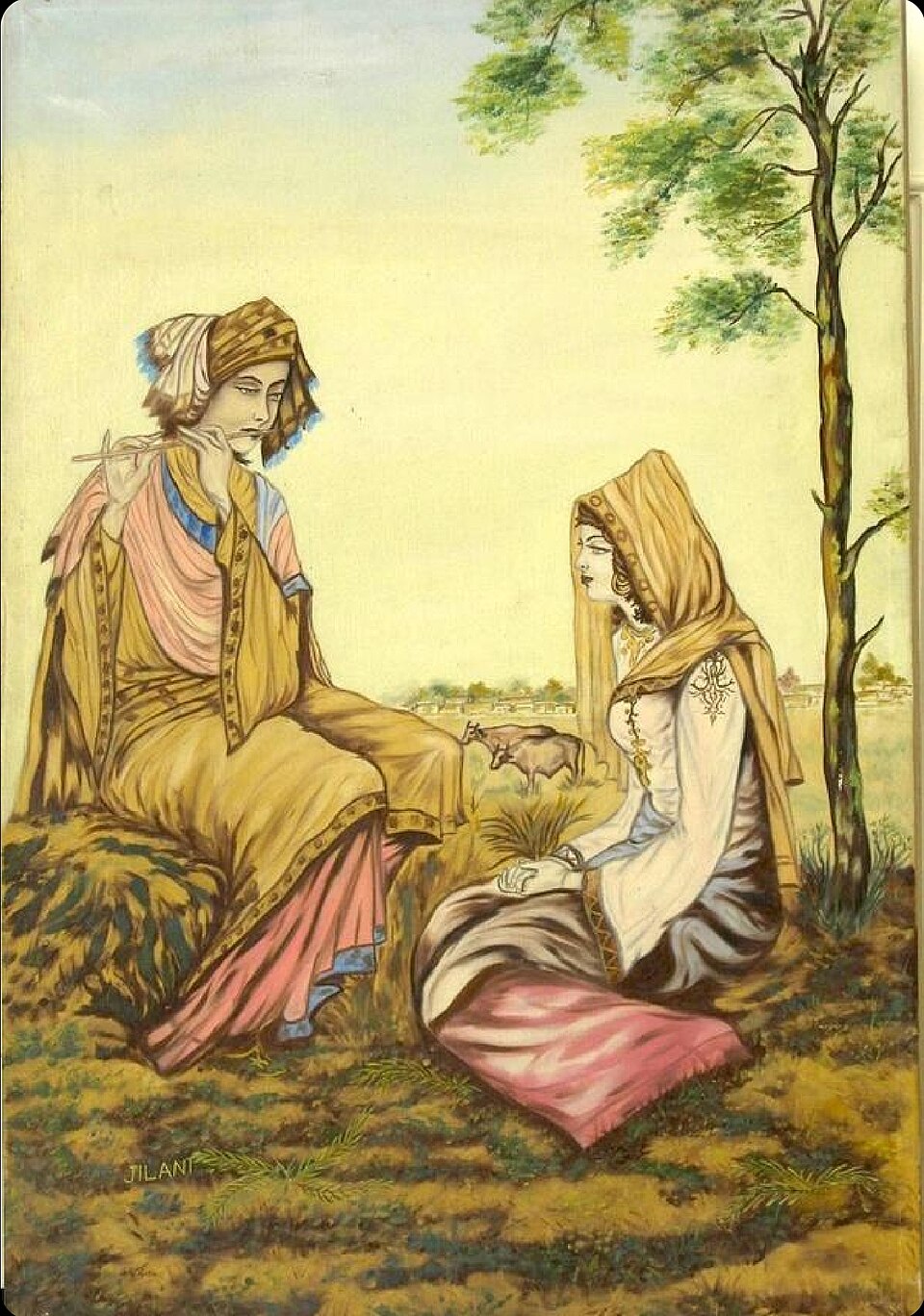
Heer Ranjha
The great tragedy of Punjab: Heer of Jhang and the flute-playing Ranjha of Takht Hazara, parted by family and poisoned at the end.
Dhido Ranjha is the youngest son of a landowner at Takht Hazara on the Chenab. Quarrelling with his brothers' wives over his share of the land, he leaves home with nothing but a flute, crosses the river, and falls asleep on a bed that belongs to Heer, the daughter of the Sial chief of Jhang. She wakes him in a fury and stays to listen to him play. To be near her he takes service as the herdsman of her father's buffaloes, and for twelve years the two meet in the riverside thickets of the bela while the cattle graze.
Her uncle Kaido, lame and spiteful, betrays them. Heer is married by force into the Khera family of Rangpur. Ranjha shaves his head, pierces his ears and becomes a jogi of the order of Balnath at Tilla Jogian, then comes begging at the Khera door to steal her back. In the oldest versions the lovers escape and live; in Waris Shah's, the families feign consent, and Heer is given poisoned food on her wedding day. Ranjha, hearing the news, dies of grief beside her.
Damodar Gulati told the story in the reign of Akbar and claimed to have seen it happen. Waris Shah's version, finished in 1766 at Malka Hans, became the classic: a long poem that is also an encyclopaedia of village Punjab, its castes, crops, curses, clothes, quarrels with mullahs and qazis, and its sense that love is a kind of religion. People still sing it in a special mode called simply 'Heer', and the tomb of the lovers at Jhang is visited by couples to this day.
In their words
Famous linesਅੱਵਲ ਹਮਦ ਖ਼ੁਦਾ ਦਾ ਵਿਰਦ ਕੀਜੈ, ਇਸ਼ਕ ਕੀਤਾ ਸੂ ਜਗ ਦਾ ਮੂਲ ਮੀਆਂ। ਪਹਿਲਾਂ ਆਪ ਹੈ ਰੱਬ ਨੇ ਇਸ਼ਕ ਕੀਤਾ, ਤੇ ਮਾਸ਼ੂਕ ਹੈ ਨਬੀ ਰਸੂਲ ਮੀਆਂ।
اول ہمد خدا دا ورد کیجے، عشق کیتا سو جگ دا مول میاں۔ پہلاں آپ ہے رب نے عشق کیتا، تے ماشوک ہے نبی رسول میاں۔
First, sing the praise of God, who made love the root of the world. God himself was the first to love, and the Prophet was his beloved.
Waris Shah, Heer, the opening lines (1766)
ਵਾਰਿਸ ਸ਼ਾਹ ਨਾ ਆਦਤਾਂ ਜਾਂਦੀਆਂ ਨੇ, ਭਾਵੇਂ ਕੱਟੀਏ ਪੋਰੀਆਂ ਪੋਰੀਆਂ ਜੀ।
وارث شاہ نا آدتاں جاندیاں نے، بھاویں کٹیئے پوریاں پوریاں جی۔
Waris Shah, habits never leave us, even if we are cut to pieces joint by joint.
Waris Shah, Heer (1766)
ਰਾਂਝਾ ਰਾਂਝਾ ਕਰਦੀ ਨੀ ਮੈਂ ਆਪੇ ਰਾਂਝਾ ਹੋਈ। ਸੱਦੋ ਨੀ ਮੈਨੂੰ ਧੀਦੋ ਰਾਂਝਾ, ਹੀਰ ਨਾ ਆਖੋ ਕੋਈ।
رانجھا رانجھا کردی نی میں آپے رانجھا ہوئی۔ سدو نی مینوں دھیدو رانجھا، ہیر نا آکھو کوئی۔
Saying 'Ranjha, Ranjha', I have become Ranjha myself. Call me Dheedo Ranjha now; let no one call me Heer.
Bulleh Shah, in Heer's voice
More qisse
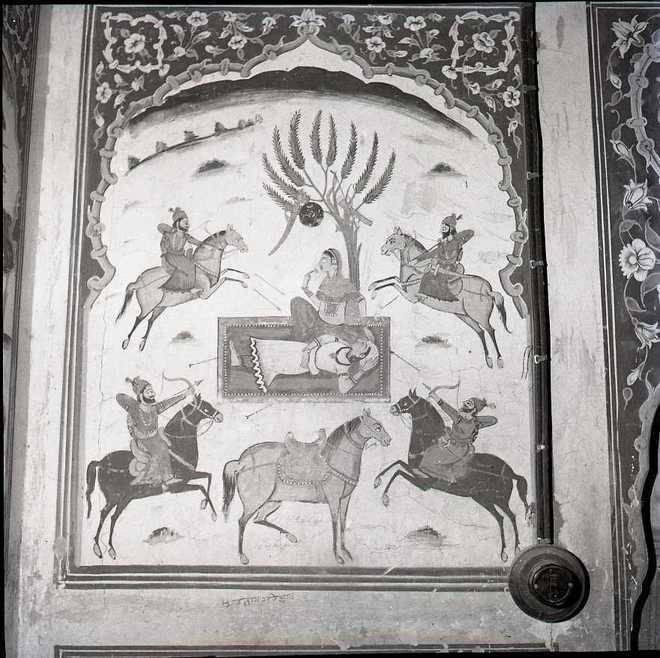
The darkest of the legends: the Kharal archer Mirza rides off with Sahiban, who breaks his arrows while he sleeps.
▶ Watch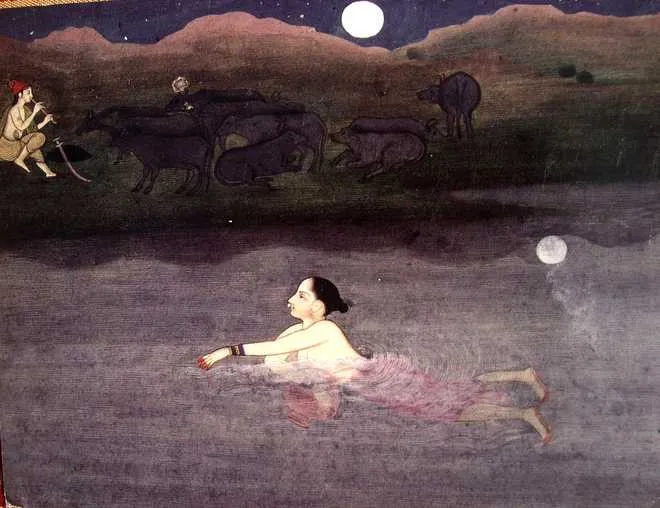
Sohni, a potter's daughter of Gujrat, swims the Chenab each night on a clay pot to meet Mahiwal, until the pot is swapped for an unbaked one.
▶ Watch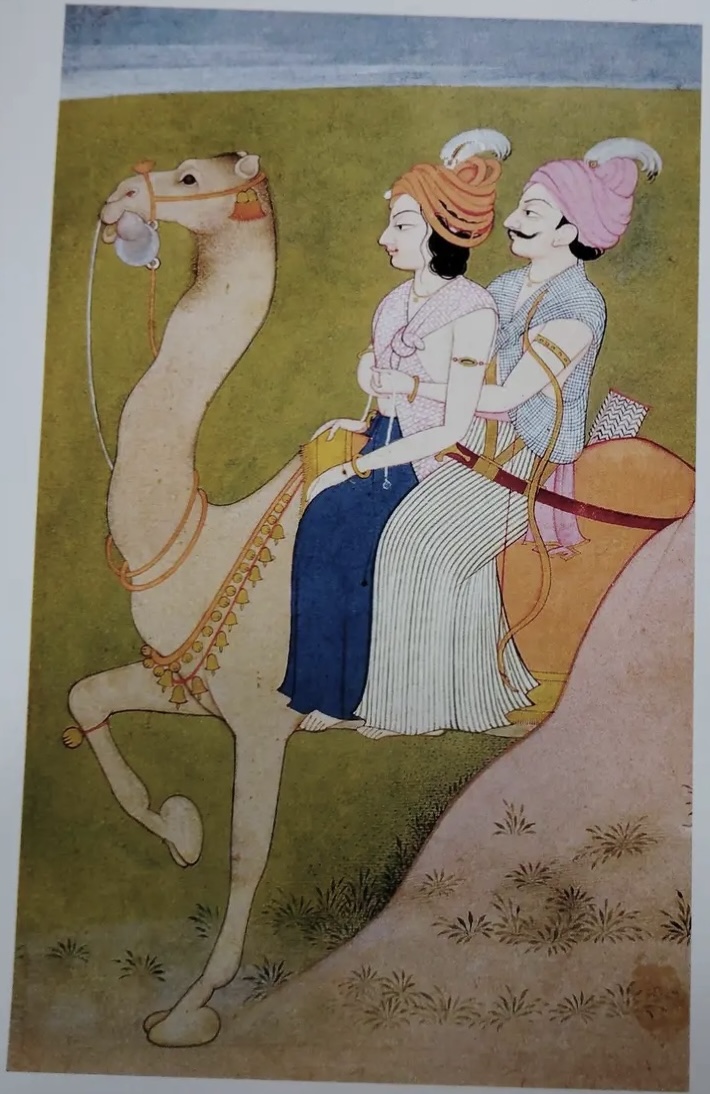
Sassi follows her kidnapped husband Punnun barefoot across the desert of Thal until the sand swallows her.
▶ Watch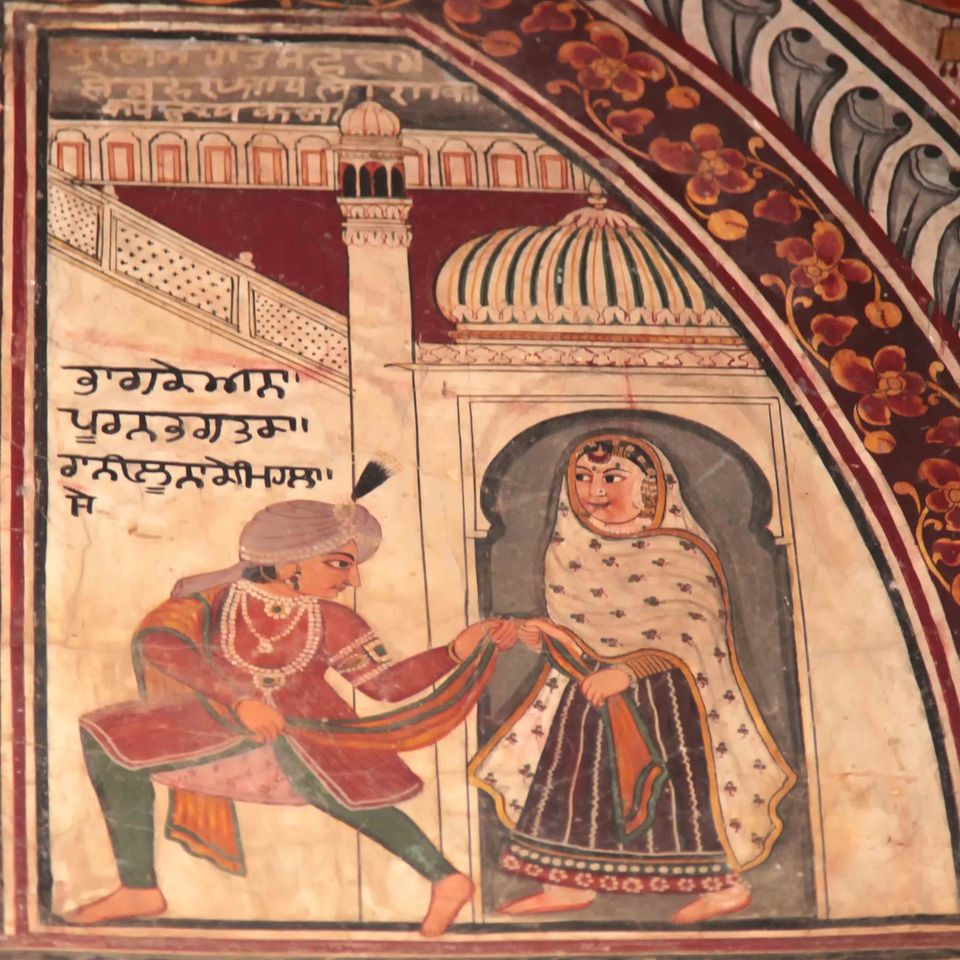
Prince Puran of Sialkot, falsely accused by his stepmother, is mutilated and thrown into a well, and rises as a holy man.
▶ Watch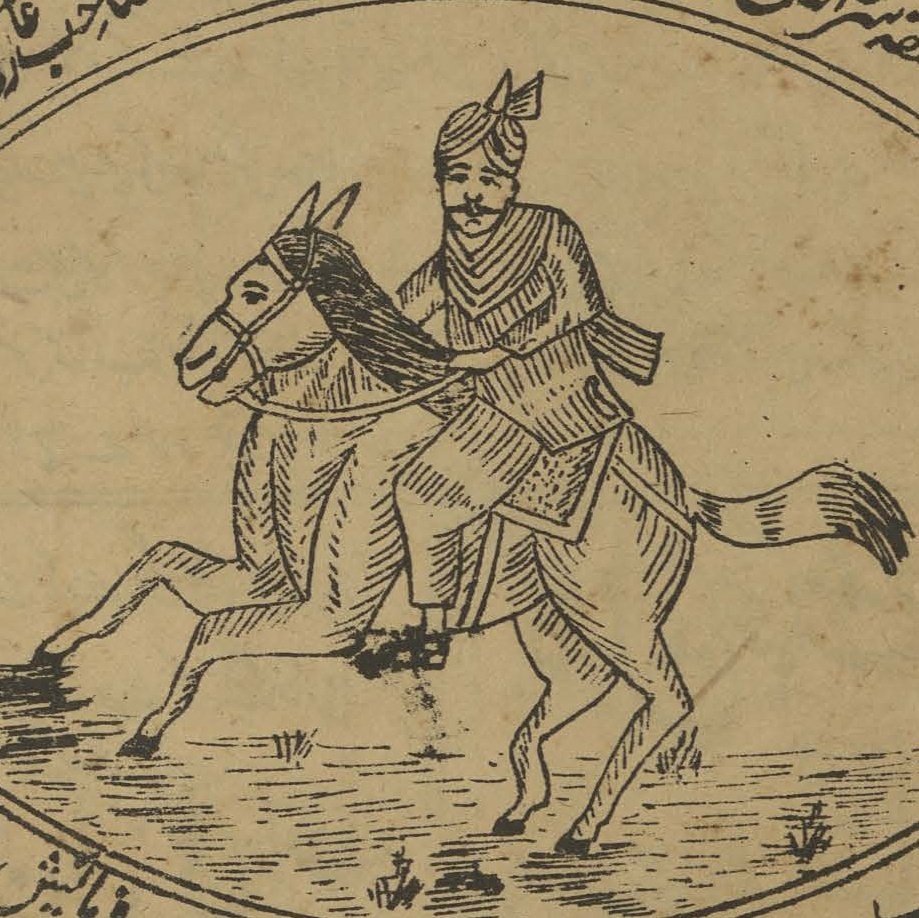
The Robin Hood of the bar: a Bhatti Rajput who defied Akbar, rescued kidnapped girls and is sung of at every Lohri fire.
▶ Watch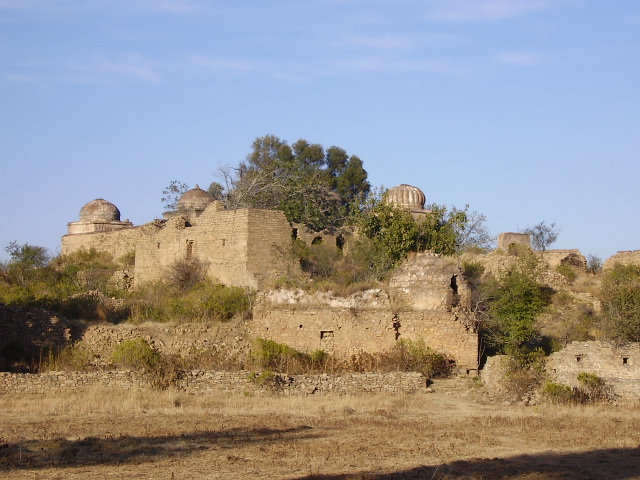
Puran's half-brother, the hero-king of Sialkot who fought giants, played chaupar with kings and rode his horse Fauladi across the Salt Range.
▶ Watch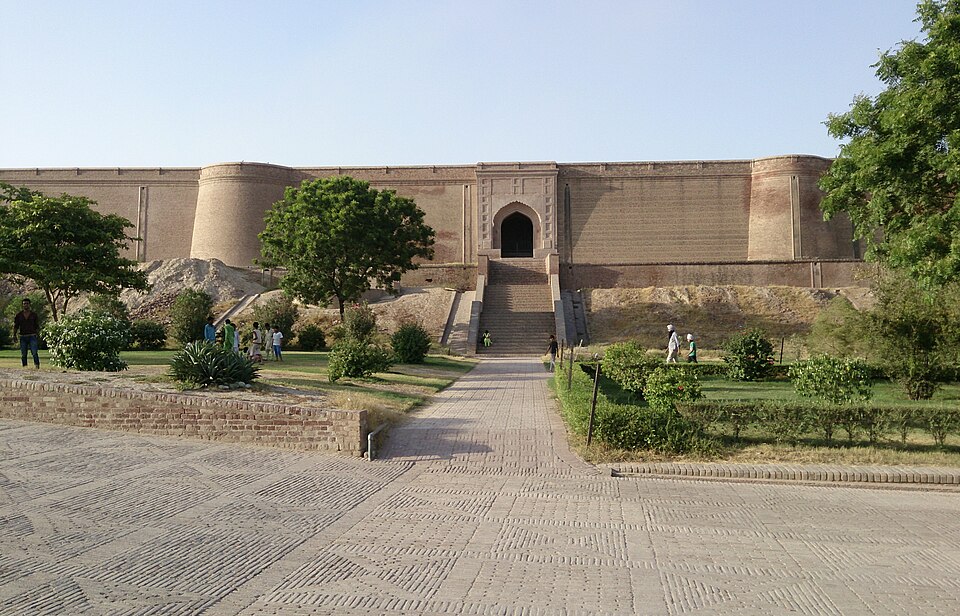
The ballad of the outlaw of Maur in the Malwa, who took to the jungle to avenge his brother and robbed the rich.
▶ Watch
The ballad of the man from Samaon who killed for his family's honour and was hunted as an outlaw.
Where the qisse are set
The love legends on the mapIn the world's museums
3 objects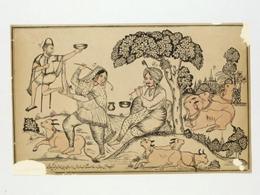 Heer Ranjhalate 19th century© Victoria and Albert Museum, London ↗
 Painting depicting the lovers Heer and Ranjha from the Punjabi folktale 'Heer Ranjha'Wikimedia Commons ↗
 Ranjha holding Heer after she died, scene from the Heer Ranjha folktaleWikimedia Commons · Chitarman II (Indian, c. 1680–с. 1750) ↗