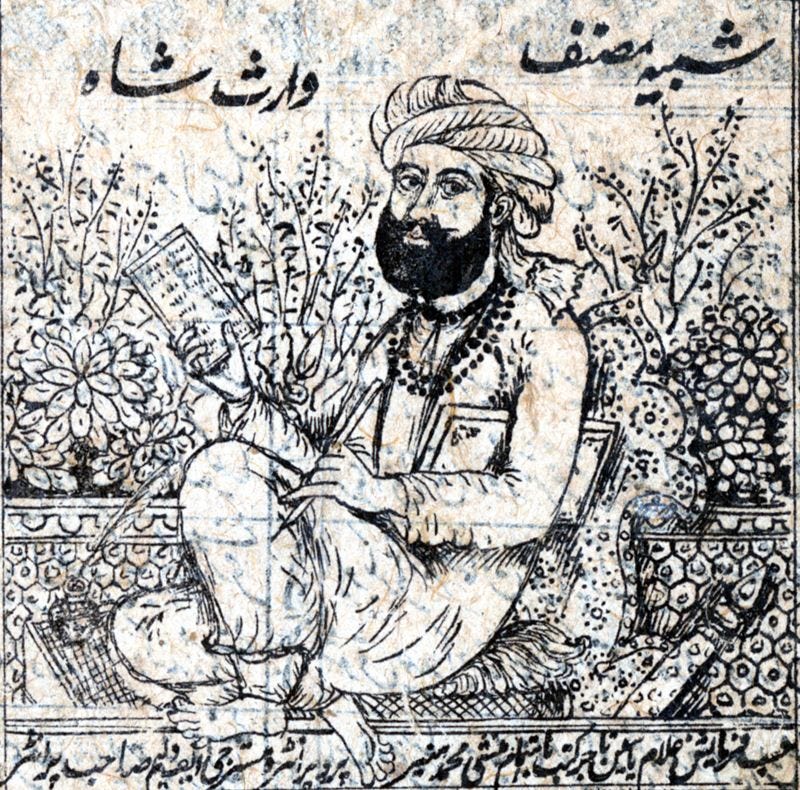
Waris Shah
Poet of Heer, the best-known telling of the tragic love of Heer and Ranjha, completed in 1766.
In their words
Famous linesਅੱਵਲ ਹਮਦ ਖ਼ੁਦਾ ਦਾ ਵਿਰਦ ਕੀਜੈ, ਇਸ਼ਕ ਕੀਤਾ ਸੂ ਜਗ ਦਾ ਮੂਲ ਮੀਆਂ। ਪਹਿਲਾਂ ਆਪ ਹੈ ਰੱਬ ਨੇ ਇਸ਼ਕ ਕੀਤਾ, ਤੇ ਮਾਸ਼ੂਕ ਹੈ ਨਬੀ ਰਸੂਲ ਮੀਆਂ।
اول ہمد خدا دا ورد کیجے، عشق کیتا سو جگ دا مول میاں۔ پہلاں آپ ہے رب نے عشق کیتا، تے ماشوک ہے نبی رسول میاں۔
First, sing the praise of God, who made love the root of the world. God himself was the first to love, and the Prophet was his beloved.
Heer, the opening lines (1766)
ਵਾਰਿਸ ਸ਼ਾਹ ਨਾ ਆਦਤਾਂ ਜਾਂਦੀਆਂ ਨੇ, ਭਾਵੇਂ ਕੱਟੀਏ ਪੋਰੀਆਂ ਪੋਰੀਆਂ ਜੀ।
وارث شاہ نا آدتاں جاندیاں نے، بھاویں کٹیئے پوریاں پوریاں جی۔
Waris Shah, habits never leave us, even if we are cut to pieces joint by joint.
Heer (1766)
Waris Shah was born in 1722 at Jandiala Sher Khan, near Sheikhupura, into a family of Syeds, and studied at Kasur. Legend says he had a love affair that went badly and that he wrote Heer out of his own pain.
He settled at Malka Hans near Pakpattan, where in 1766, in a small room beside the mosque, he completed his Heer, the story of Heer of Jhang and Ranjha of Takht Hazara. It is a poem of some six hundred stanzas, and it is not only a love story but a portrait of the whole of eighteenth-century Punjab: its villages, castes, marriages, quarrels, food and clothes, jogis and qazis, written with wit and anger.
It became the most quoted book in Punjabi; people say a line of Waris Shah for every occasion. His tomb at Jandiala Sher Khan is a place of pilgrimage for poets and singers, and in 1947 Amrita Pritam addressed her lament for Partition to him.
On the timeline
Connected
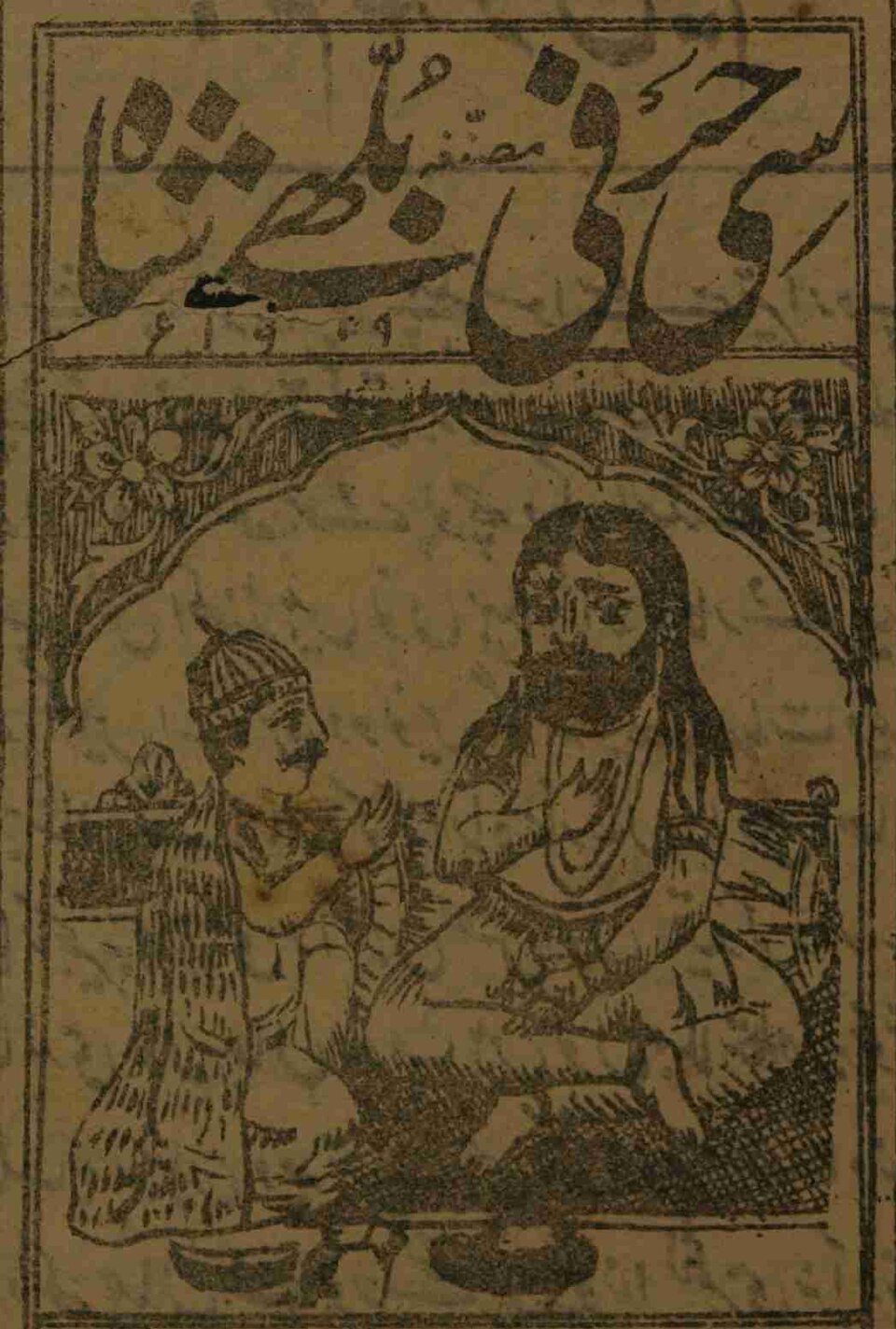
The most loved Sufi poet of Punjab. Mocked clerics of every faith and praised the Sikh Gurus in an age of persecution.
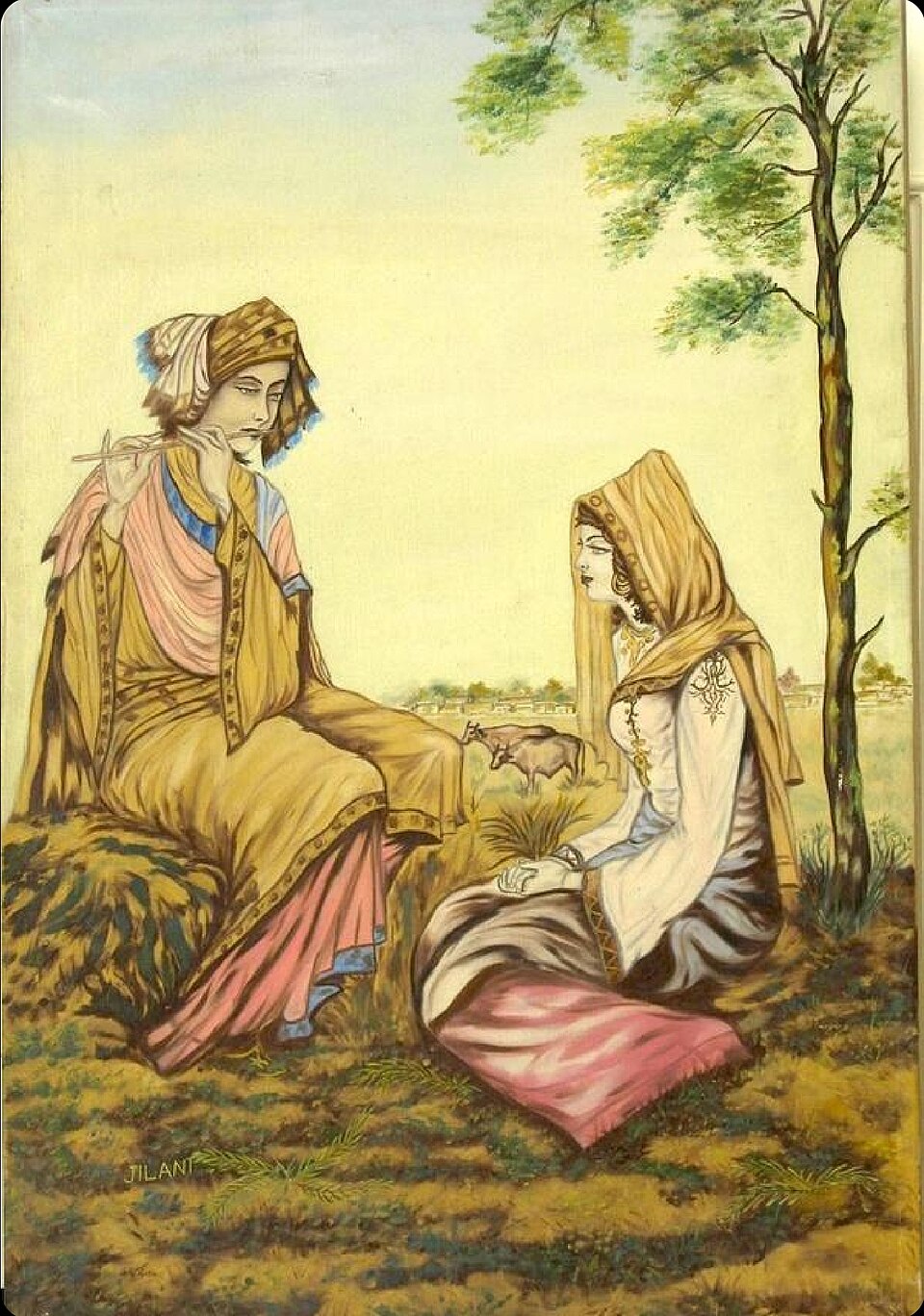
Wrote the earliest surviving Punjabi telling of Heer and Ranjha, claiming to have witnessed the story himself in Jhang.
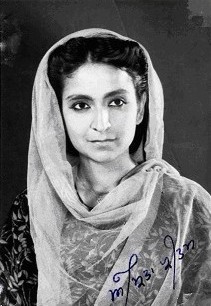
The leading woman poet of Punjabi, born in Gujranwala. Her elegy for Partition calls on Waris Shah to rise from his grave and write a new verse for the daughters of Punjab.