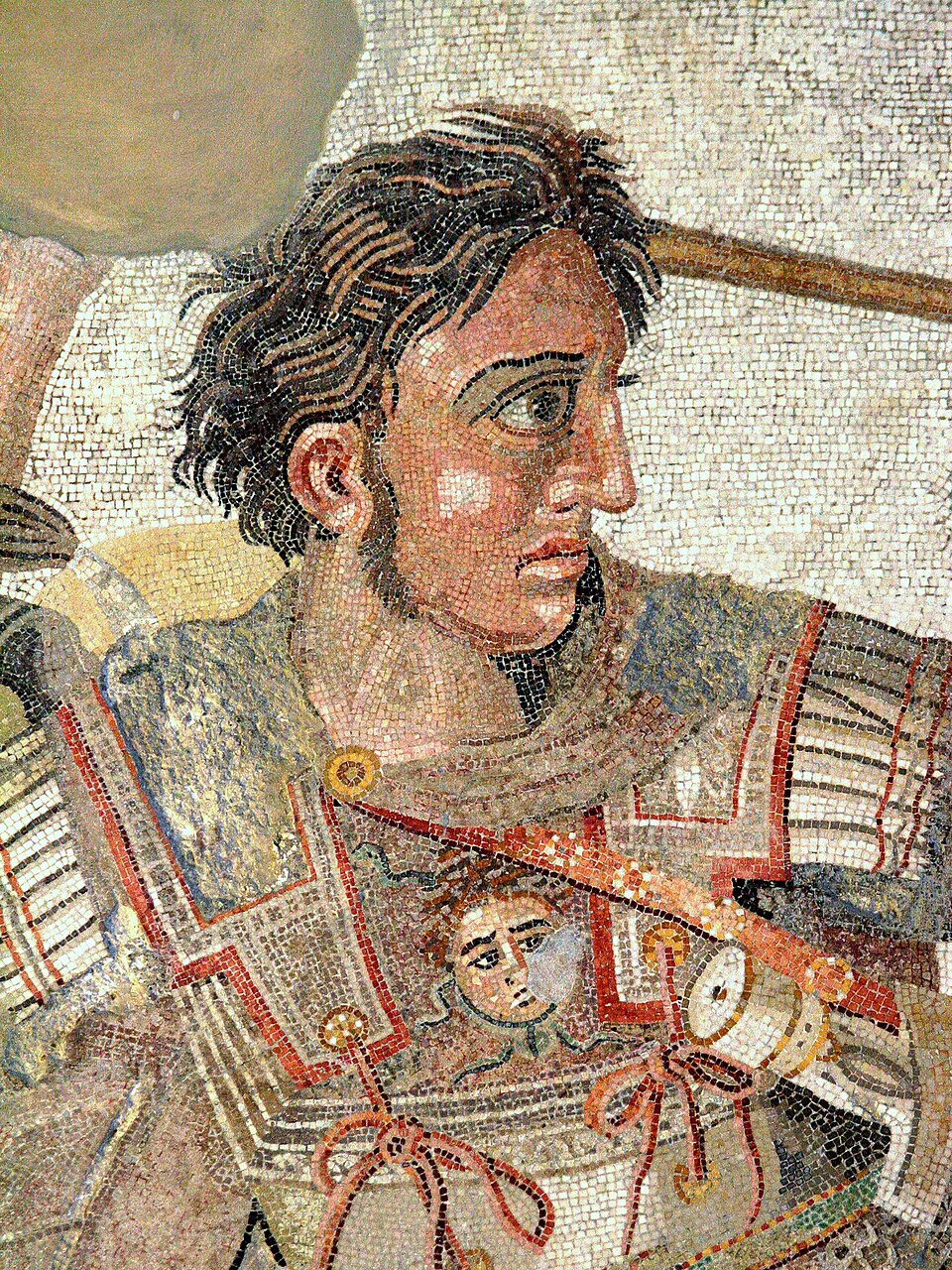
Alexander, king of Macedon, born in 356 BCE, conquered the Persian empire, and in 327 BCE crossed the Hindu Kush into the lands of the Indus that the Persians had once held.
In 326 BCE he crossed the Indus near Attock, received the submission of Ambhi, king of Taxila, and fought Porus at the Jhelum. He pushed on across the Chenab and the Ravi, fighting the hill tribes and the free cities of the plains, until at the Beas his army, exhausted by monsoon rain, snakes and endless war, refused to go further. He set up twelve altars on the bank and turned back.
On the way down the Jhelum and the Indus he attacked the Malli, the people around Multan, and was nearly killed by an arrow in the chest while scaling the walls of their town. He reached the sea and returned through the Gedrosian desert to Babylon, where he died in 323 BCE. He had been in the Punjab barely two years, but the Greek kingdoms he left behind lasted for centuries.
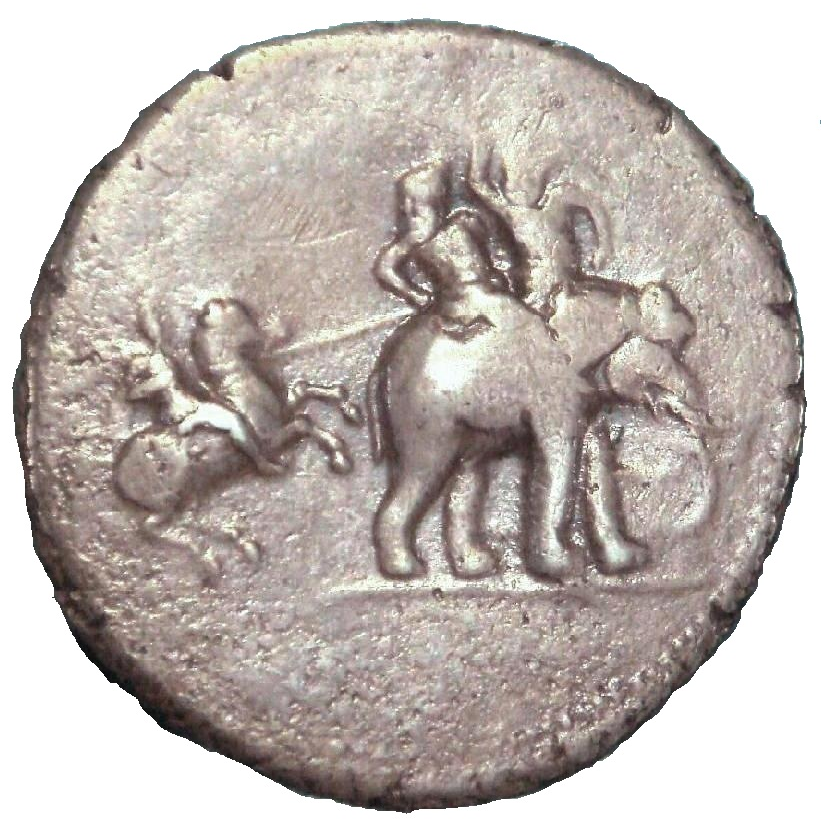
 After Alexander of Macedon succeeded in conquering Egypt and Persia in 331 BCWikimedia Commons ↗