Rulers, chiefs and generals
Kings who came from outside and the Punjab's own chiefs, ministers and commanders, up to 1849.
Vedas, Alexander and Gandhara
1900 BCE – 1000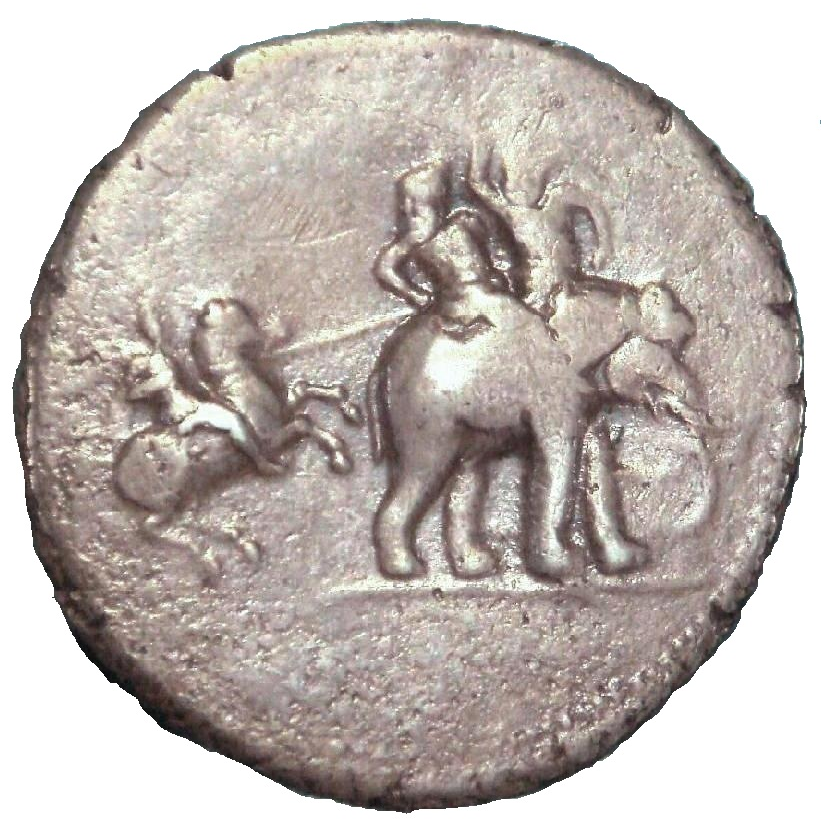
King of the Pauravas between the Jhelum and Chenab, who met Alexander at the Hydaspes with war elephants and, defeated, was restored to his throne.
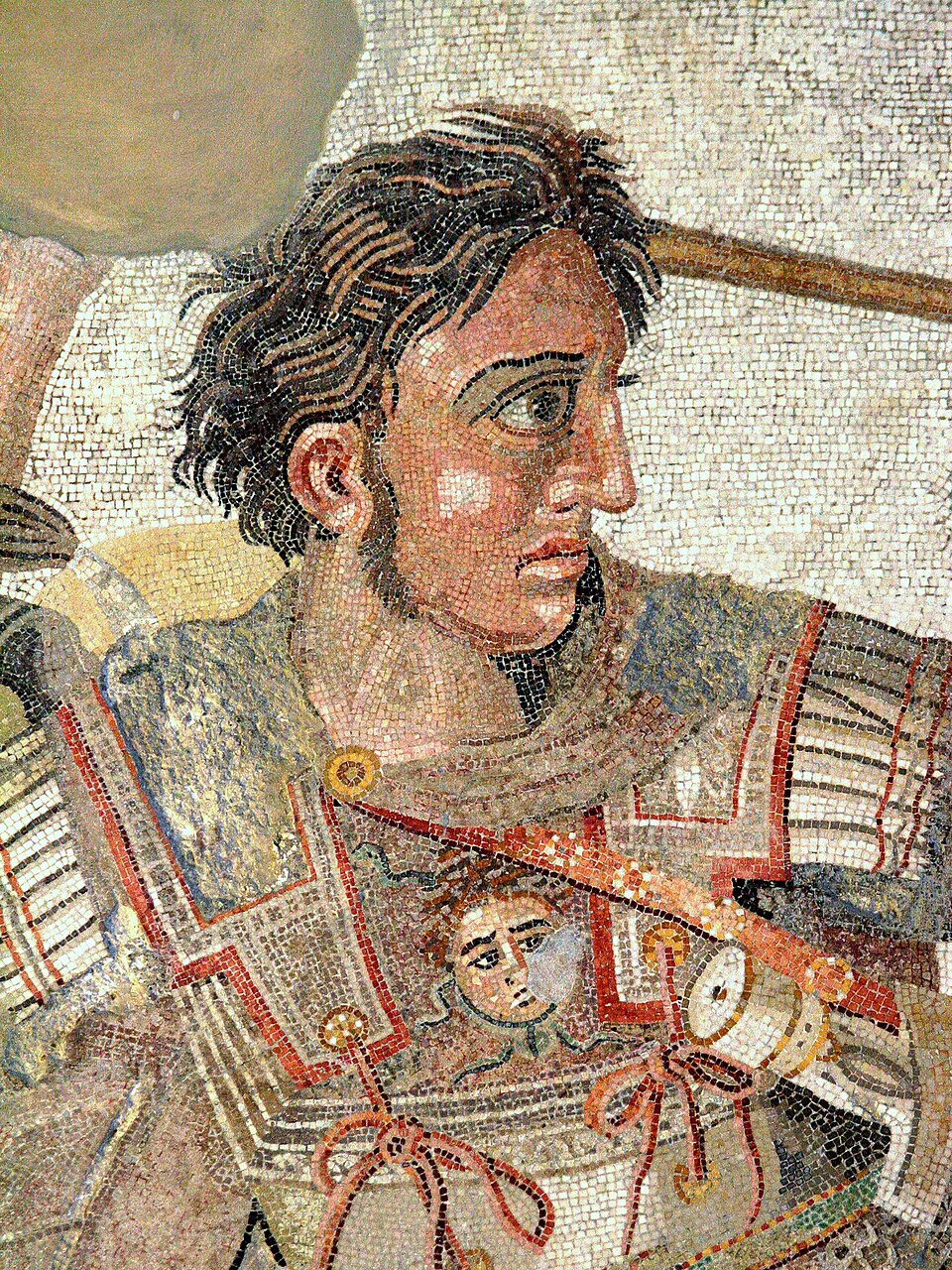
Crossed the Indus in 326 BCE, defeated Porus, and turned back at the Beas when his army refused to go on. He was badly wounded storming a Malli town, probably near Multan.
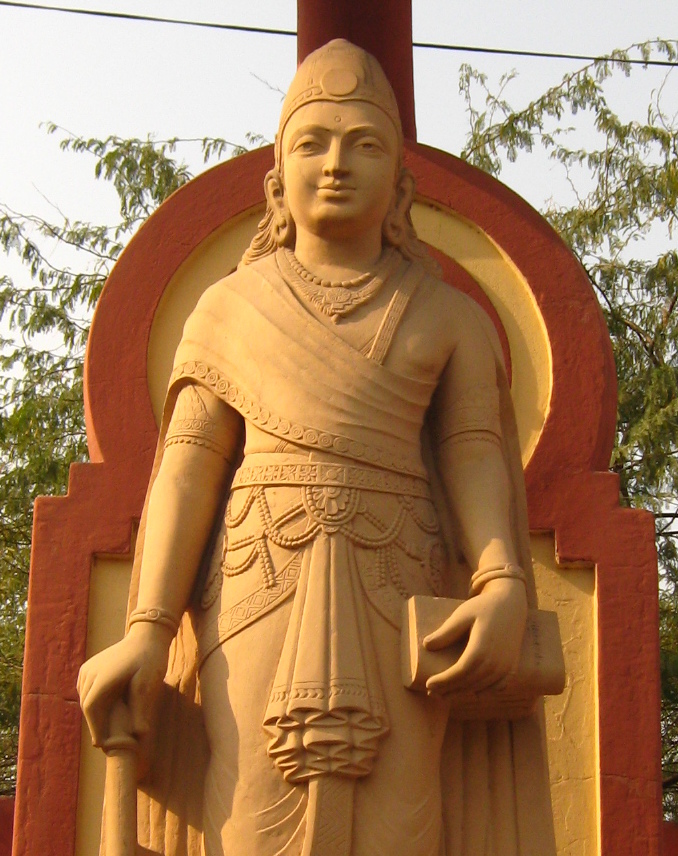
Founder of the Mauryan empire who, with his adviser Chanakya of Taxila, drove out the Greek garrisons and made Taxila a provincial capital.
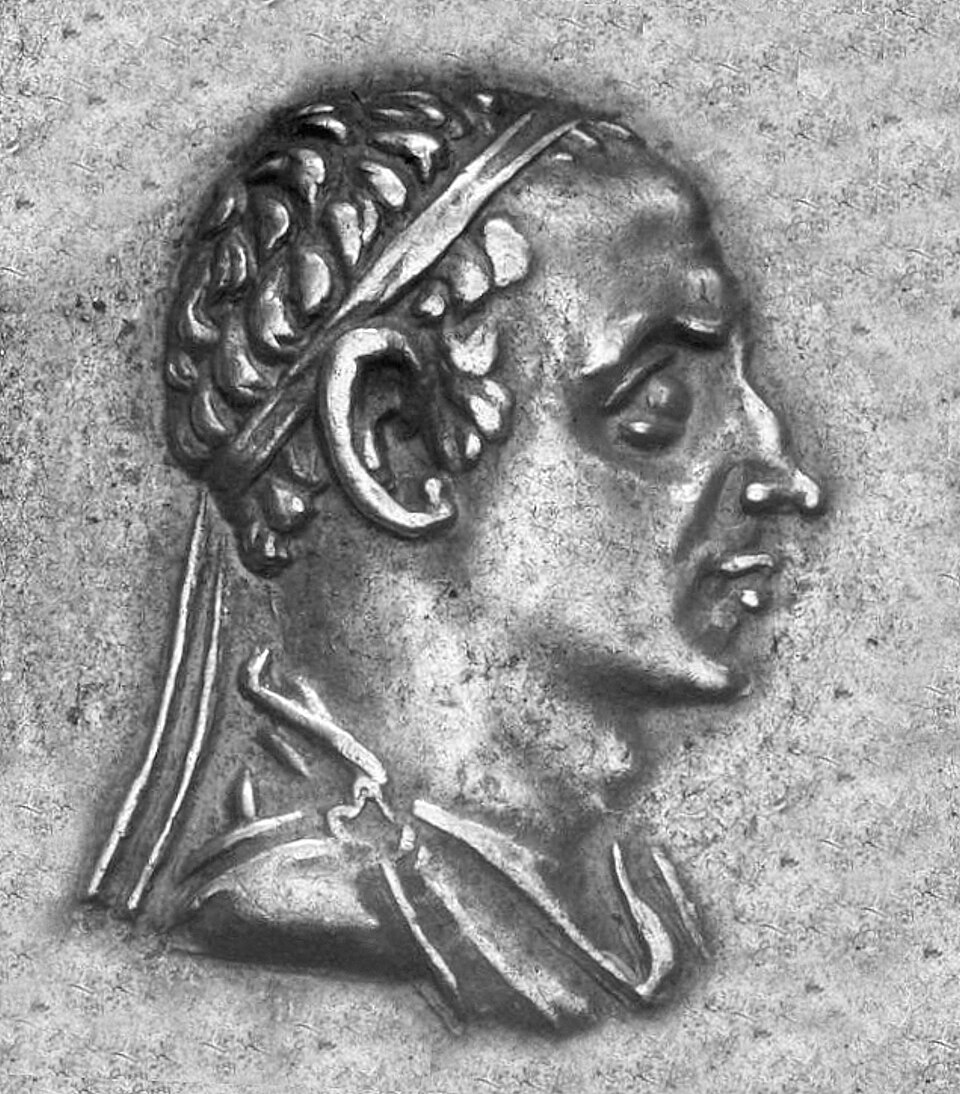
Indo-Greek king who ruled from Sagala (Sialkot). The Buddhist text Questions of Milinda records his debate with the monk Nagasena.
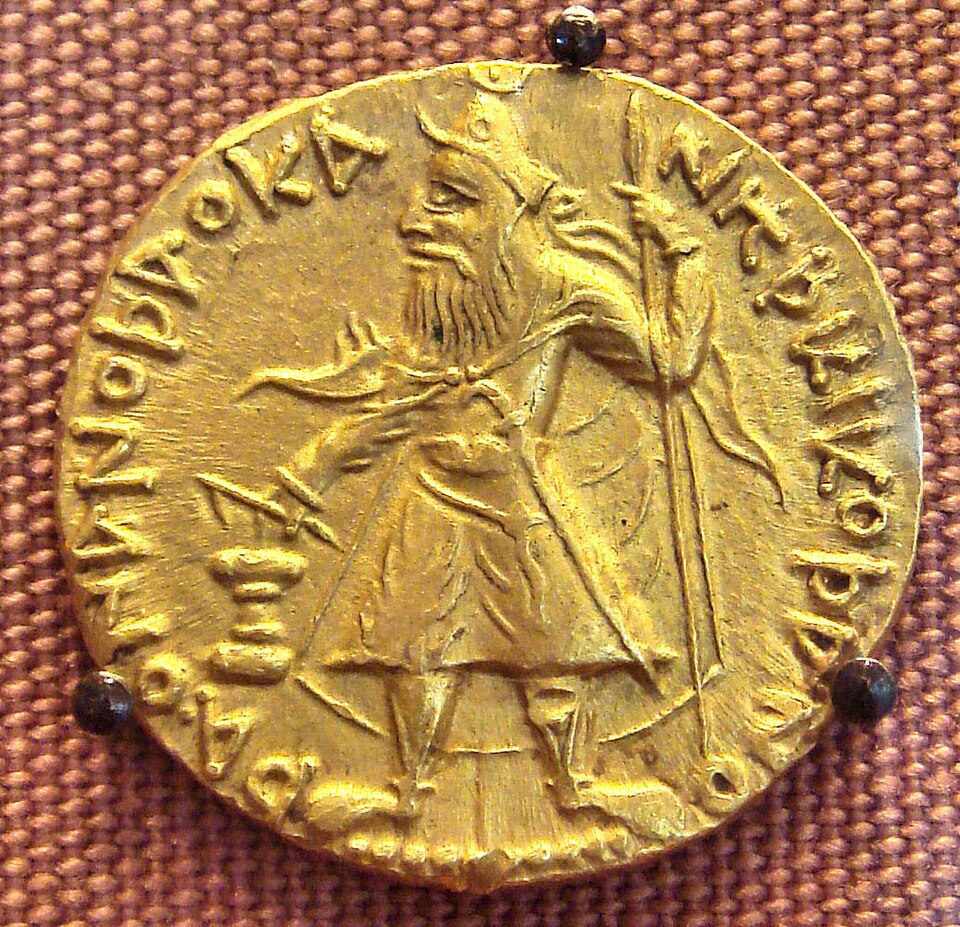
Greatest of the Kushan emperors, patron of Buddhism and Gandharan art, who built a huge stupa at Peshawar.
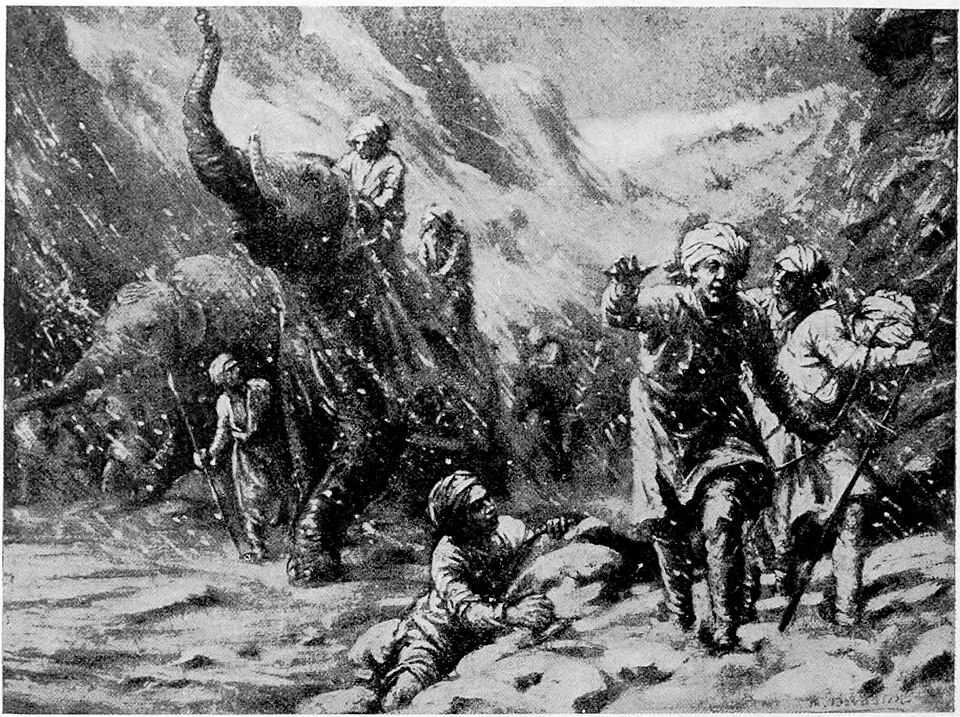
Hindu Shahi king of Punjab defeated by Mahmud of Ghazni near Peshawar in 1001. Shamed, he is said to have burned himself on a pyre.
Sultans and Sufis
1000 – 1469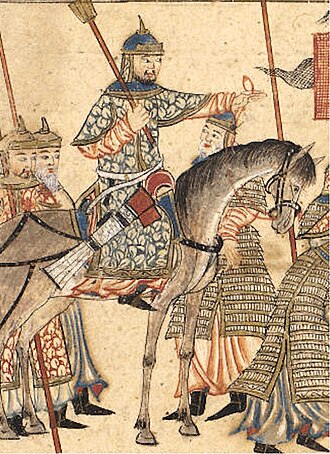
Turkic sultan who raided India some seventeen times. His conquests made Lahore a Ghaznavid city and brought Punjab into the Persian-speaking Islamic world.
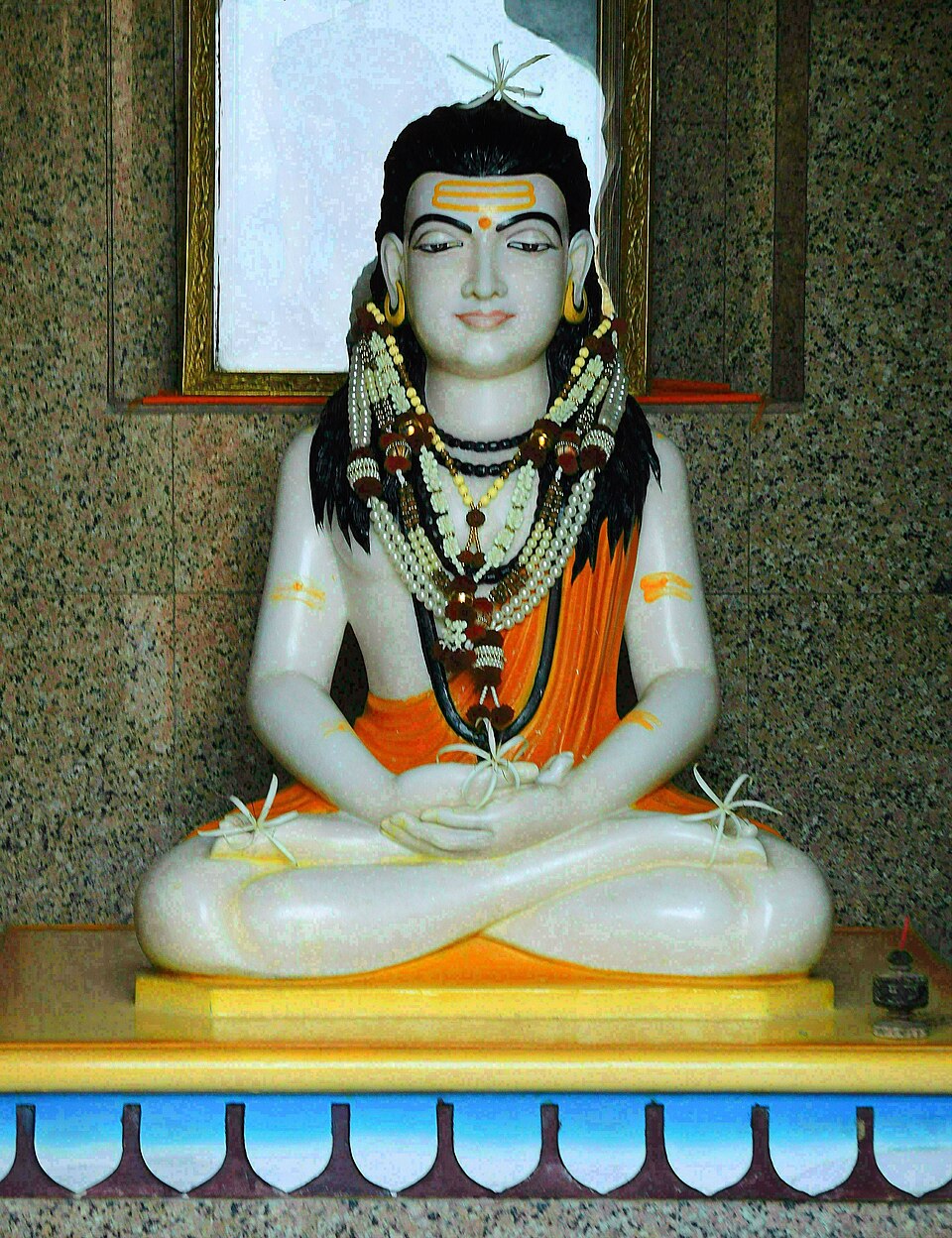
Founder of the Nath order of yogis, whose followers Guru Nanak debated at Achal and elsewhere. The Nath tradition was strong across medieval Punjab.
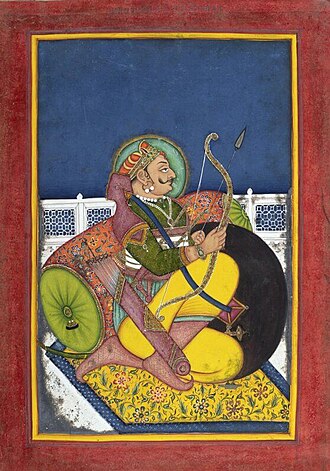
Rajput king of Ajmer and Delhi who beat Muhammad of Ghor at Tarain in 1191 and lost to him on the same field a year later.
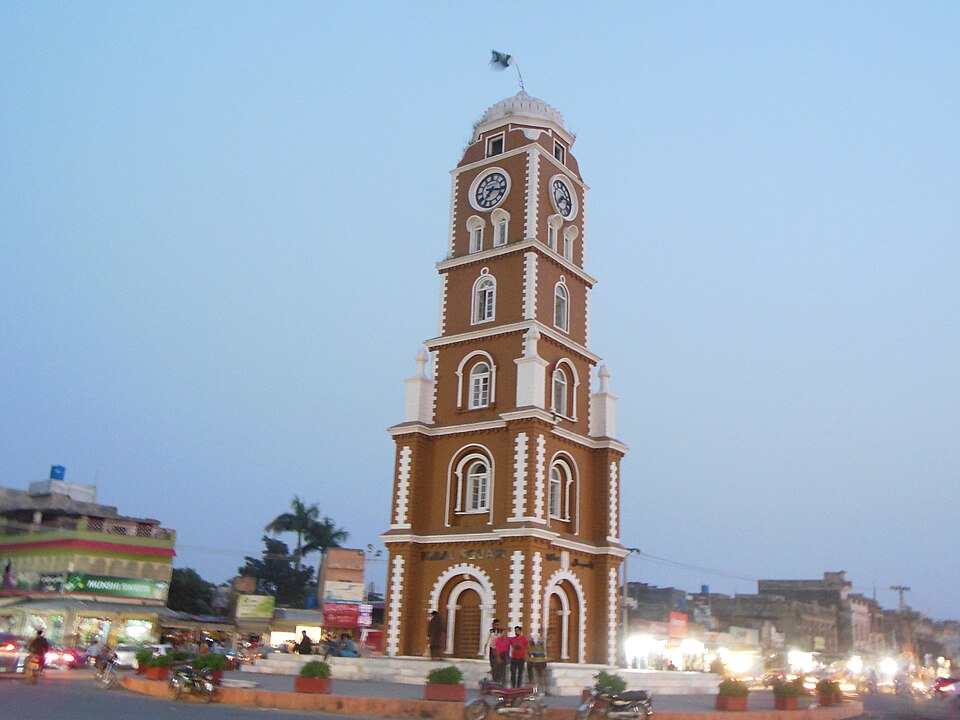
Khokhar chief of the Punjab who fought the Sultans of Delhi for twenty years, besieging Lahore and taking Sialkot and Jalandhar.
Gurus and Mughals
1469 – 1708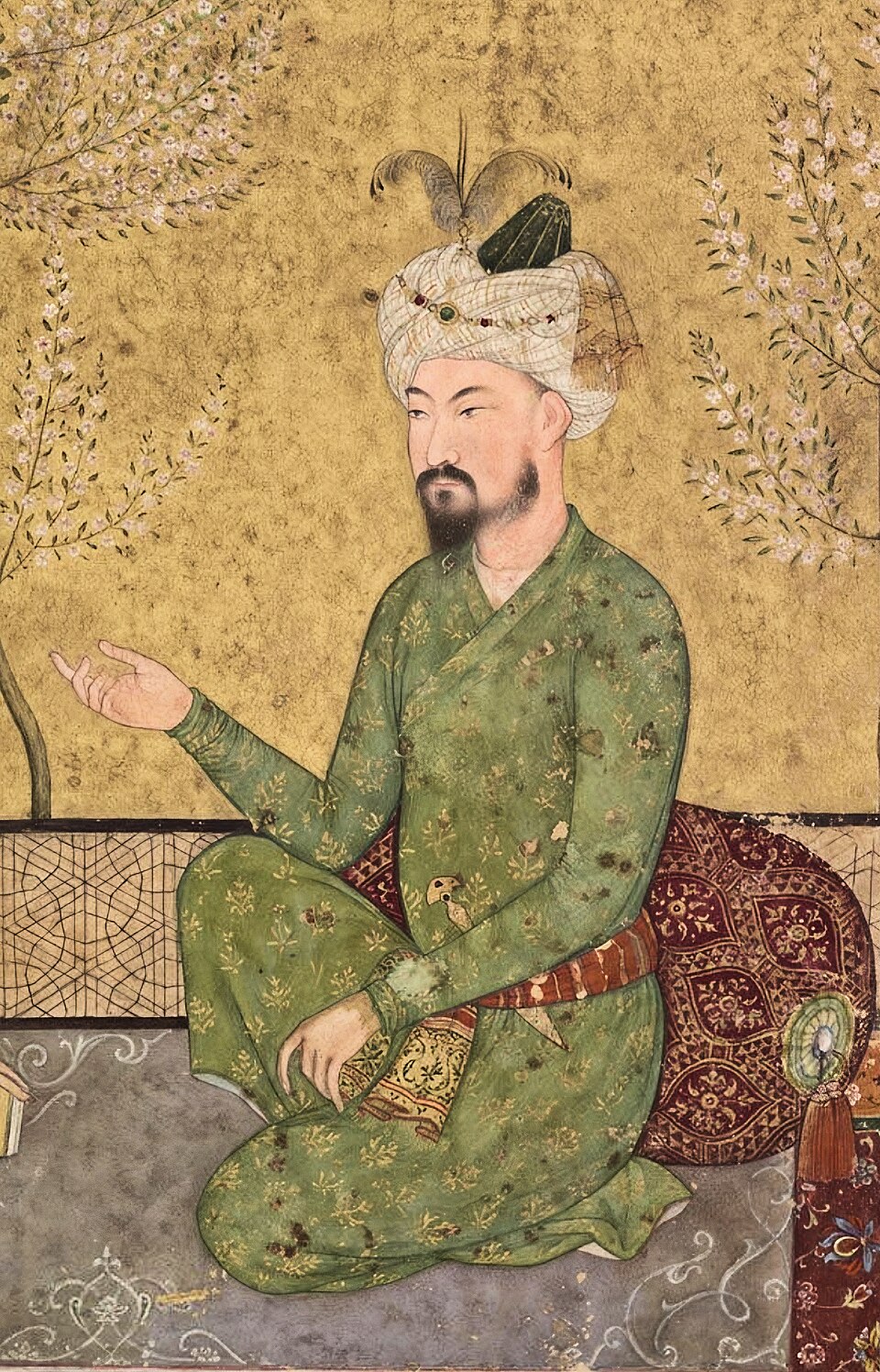
Timurid prince from Fergana who invaded Punjab several times before founding the Mughal empire at Panipat in 1526. Guru Nanak witnessed his sack of Saidpur.
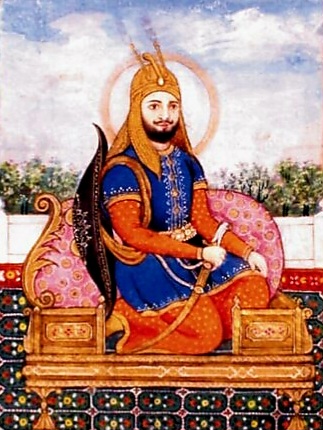
Afghan ruler who drove out Humayun, built Rohtas Fort and rebuilt the great road from Bengal to Punjab that became the Grand Trunk Road.
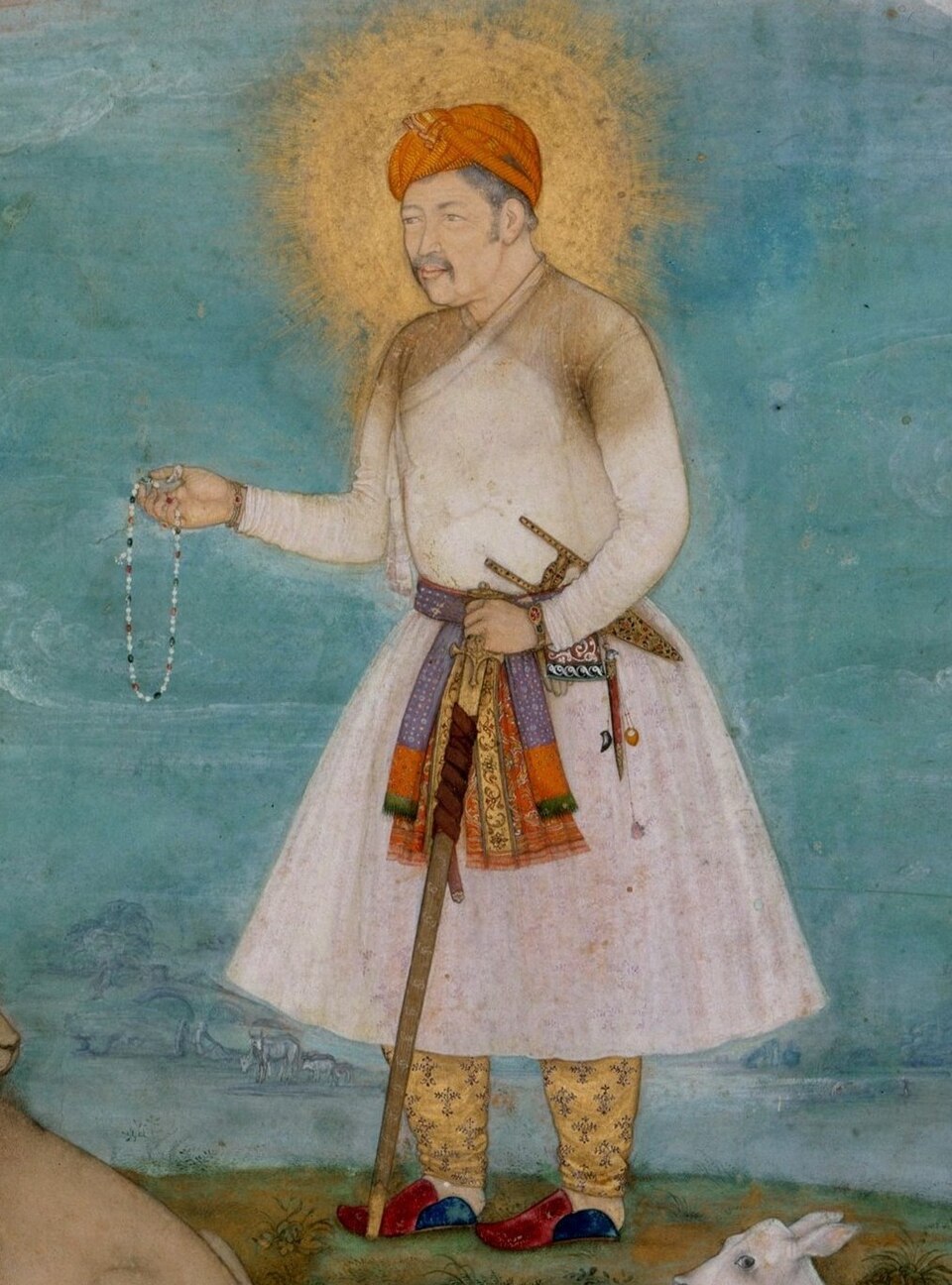
Mughal emperor, crowned at Kalanaur in Punjab, who ate in Guru Amar Das's langar at Goindwal and ruled from Lahore from 1586 to 1598.
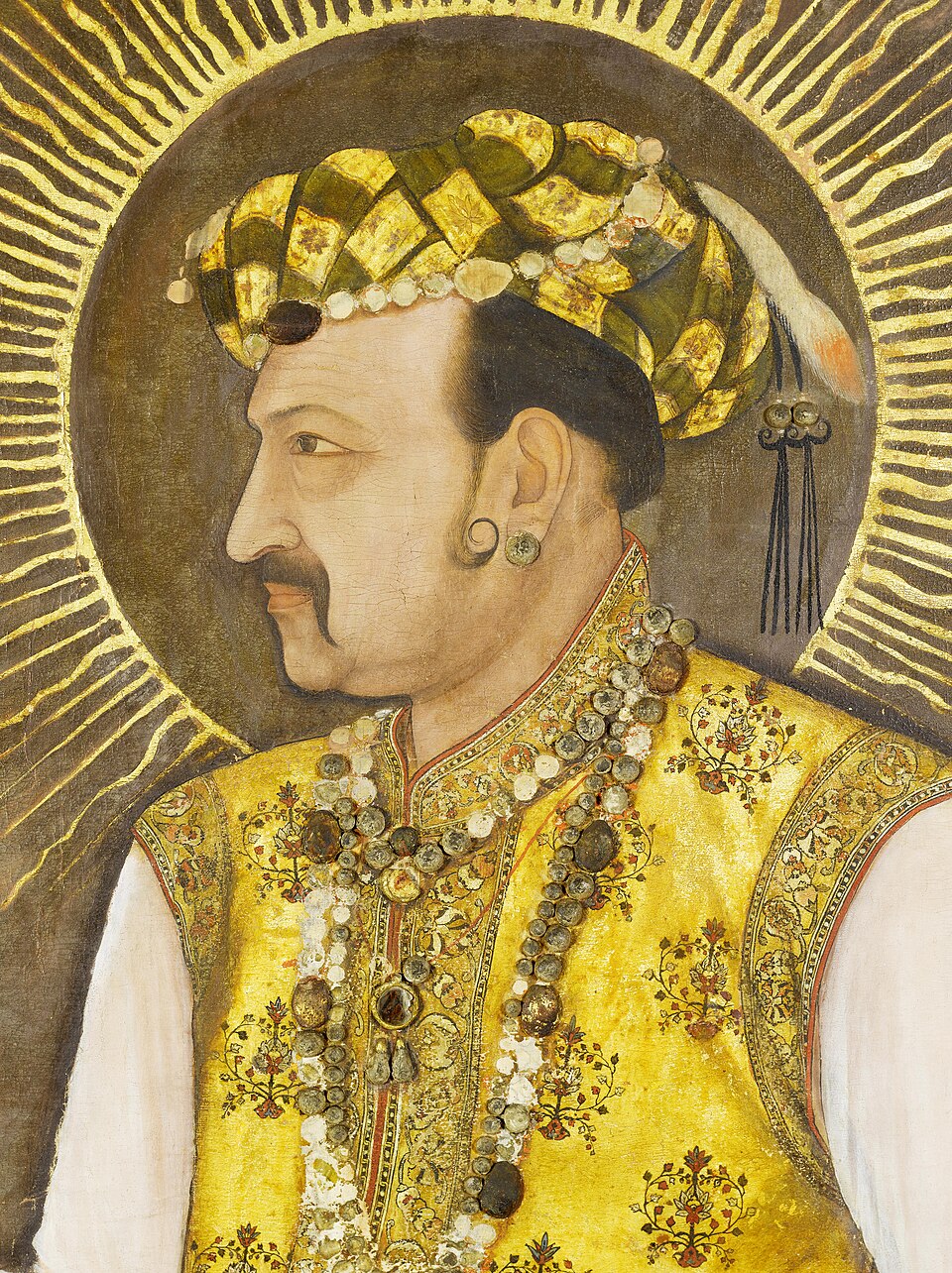
Mughal emperor under whom Guru Arjan was executed in 1606 and Guru Hargobind held in Gwalior fort. He is buried at Shahdara outside Lahore.
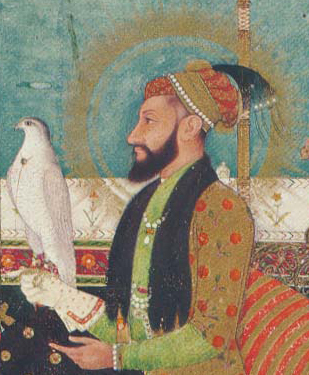
Mughal emperor under whom Guru Tegh Bahadur was executed. Guru Gobind Singh's Persian letter, the Zafarnama, was addressed to him. He built Lahore's Badshahi Mosque.
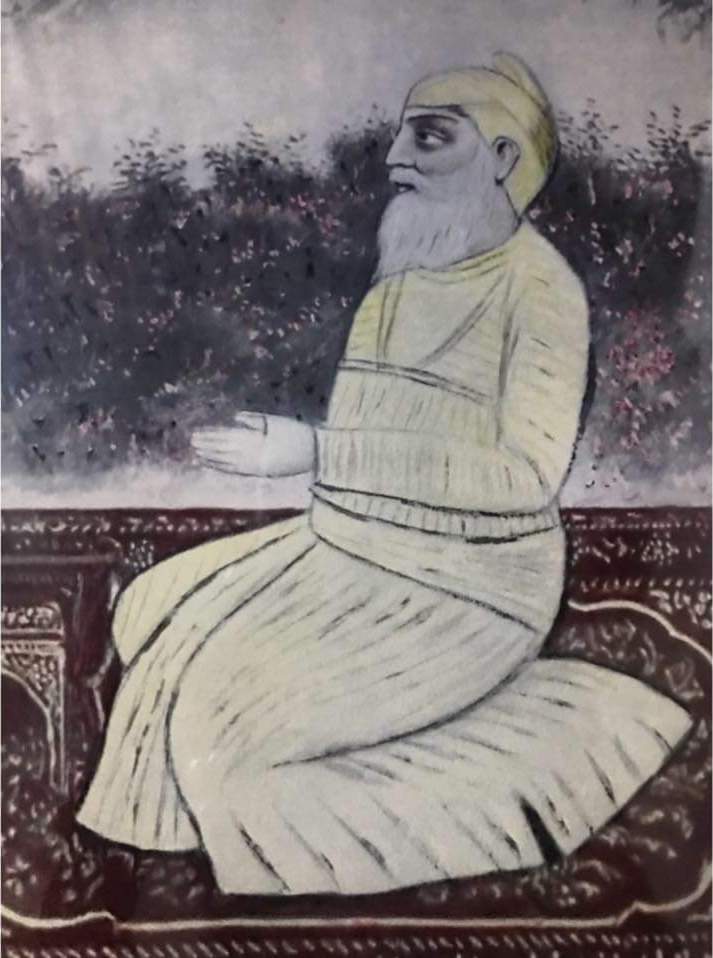
Sidhu-Brar Jat chaudhary of the Malwa, the common ancestor of the rajas of Patiala, Nabha and Jind, the Phulkian states.
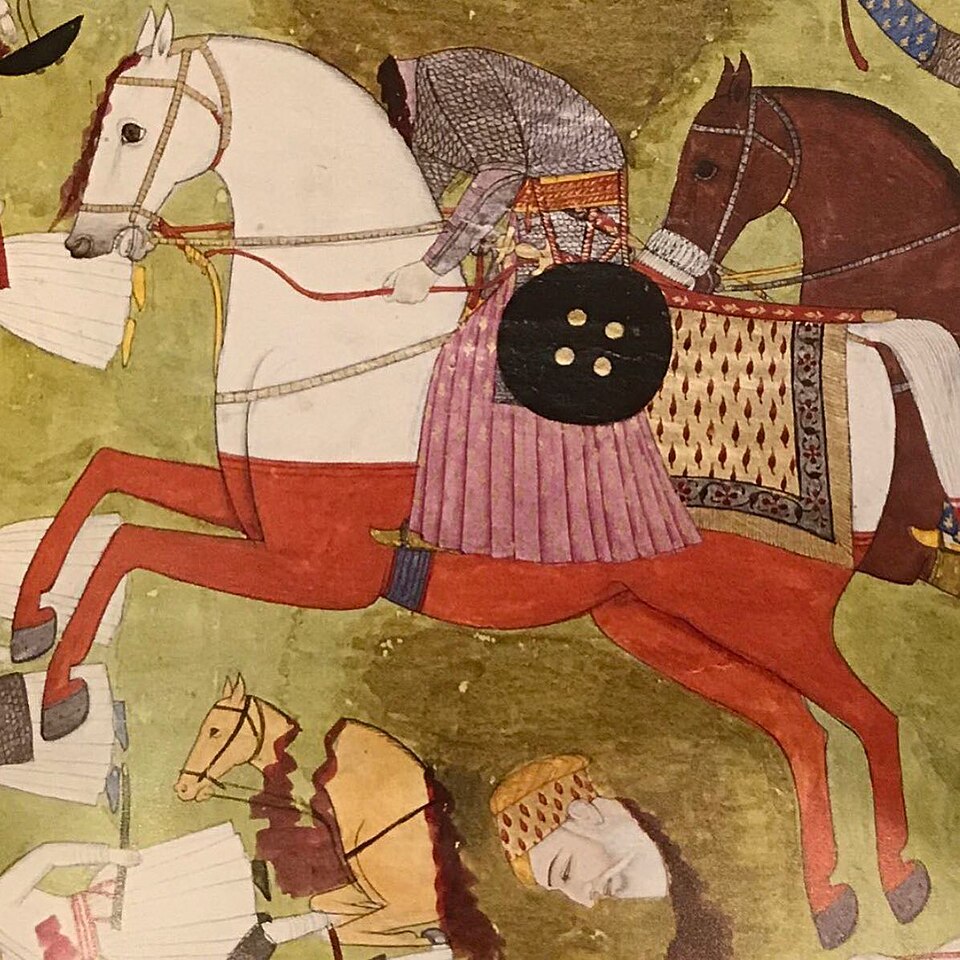
Mughal governor of Sirhind who besieged Anandpur, pursued Guru Gobind Singh and ordered the execution of his younger sons. Killed by Banda Singh's army at Chappar Chiri.
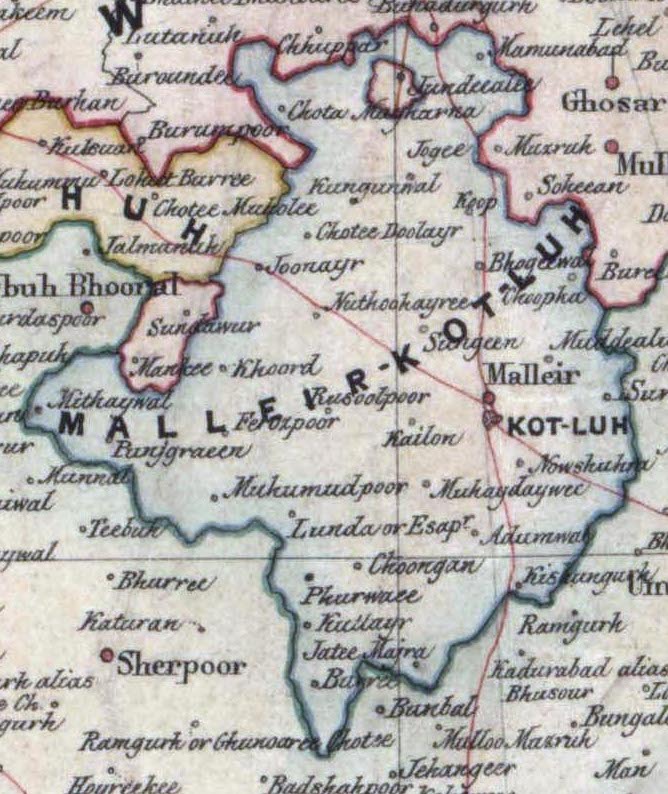
Nawab of Malerkotla who protested in Wazir Khan's court against the execution of the Guru's young sons, though his own brother had died fighting the Guru.
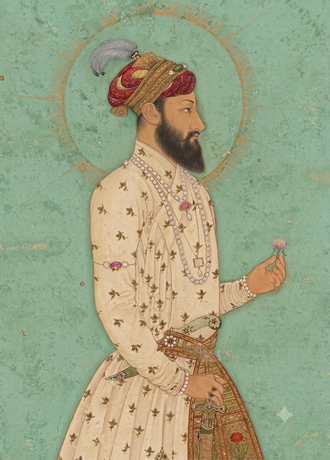
Aurangzeb's son, whom Guru Gobind Singh helped in the succession war of 1707 and travelled with to the Deccan. He later led the campaign against Banda Singh.
Misls and Afghans
1708 – 1799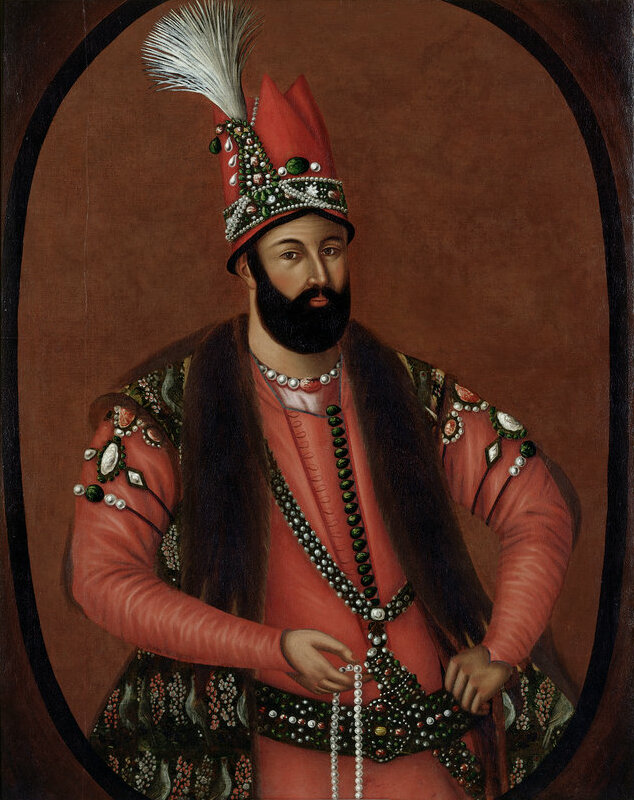
Ruler of Persia who invaded India in 1739, sacked Delhi and carried off the Peacock Throne and the Koh-i-Noor. Sikh bands raided his baggage train on the way home.
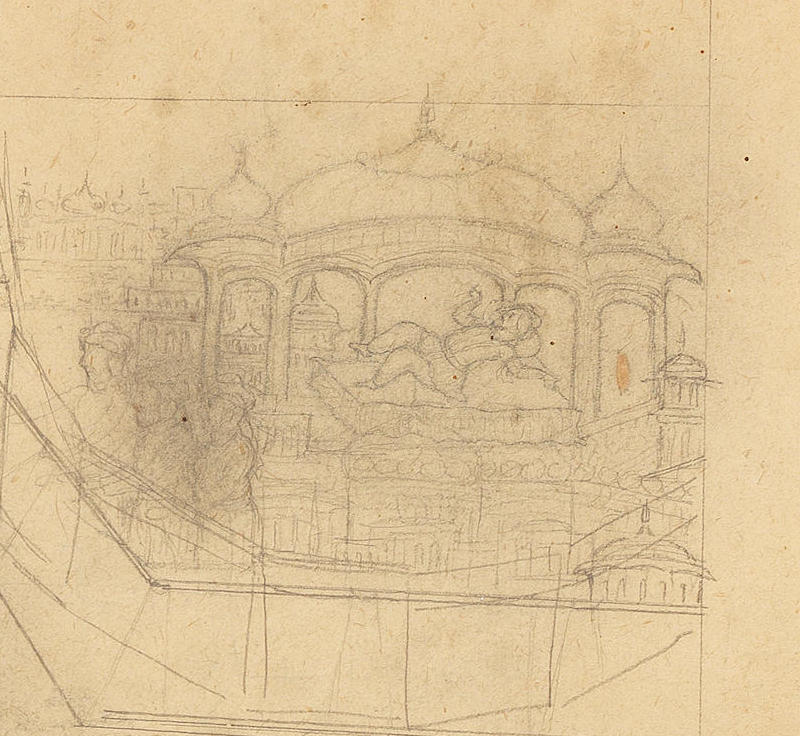
Mughal governor of Lahore who put a price on Sikh heads, executed Bhai Mani Singh and Bhai Taru Singh, and in 1733 tried to buy peace by offering the Sikhs a jagir and the title of Nawab.
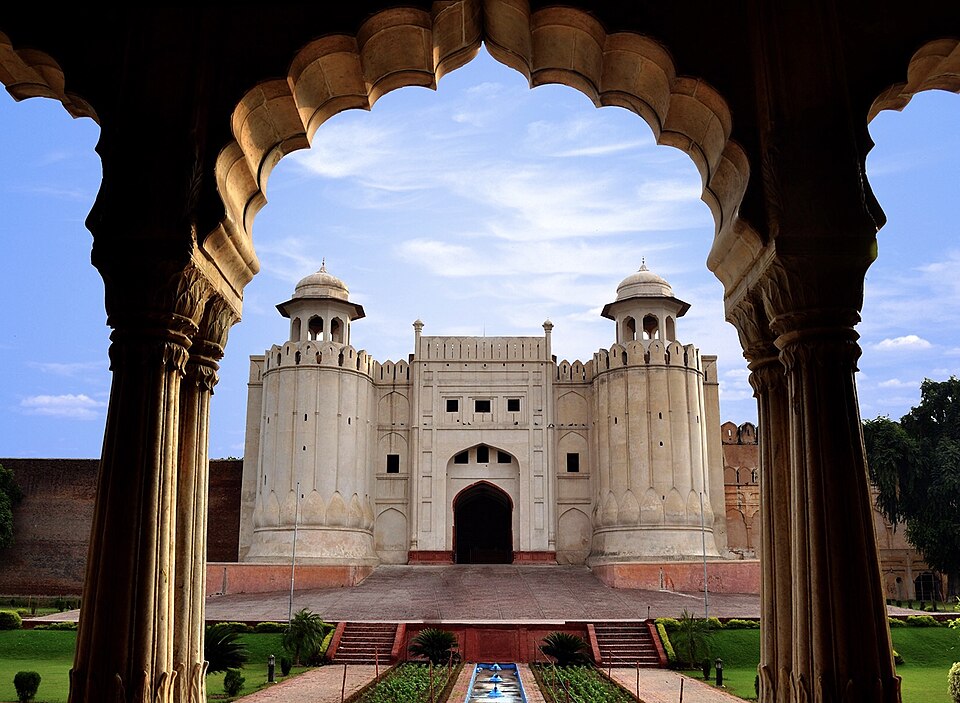
Minister of the Lahore governors who, after Sikhs killed his brother Jaspat Rai in battle, swore to wipe out the Sikhs and led the Chhota Ghallughara of 1746, banning even the word 'Guru'.
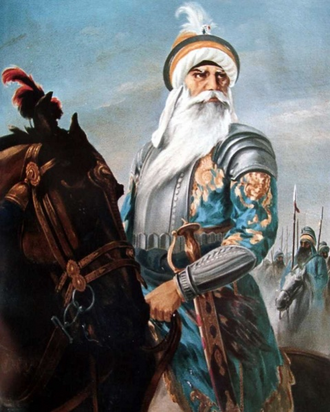
Accepted a Mughal title in 1733 while fanning the horses of the sangat, then organised the Khalsa into the Budha Dal and Taruna Dal.
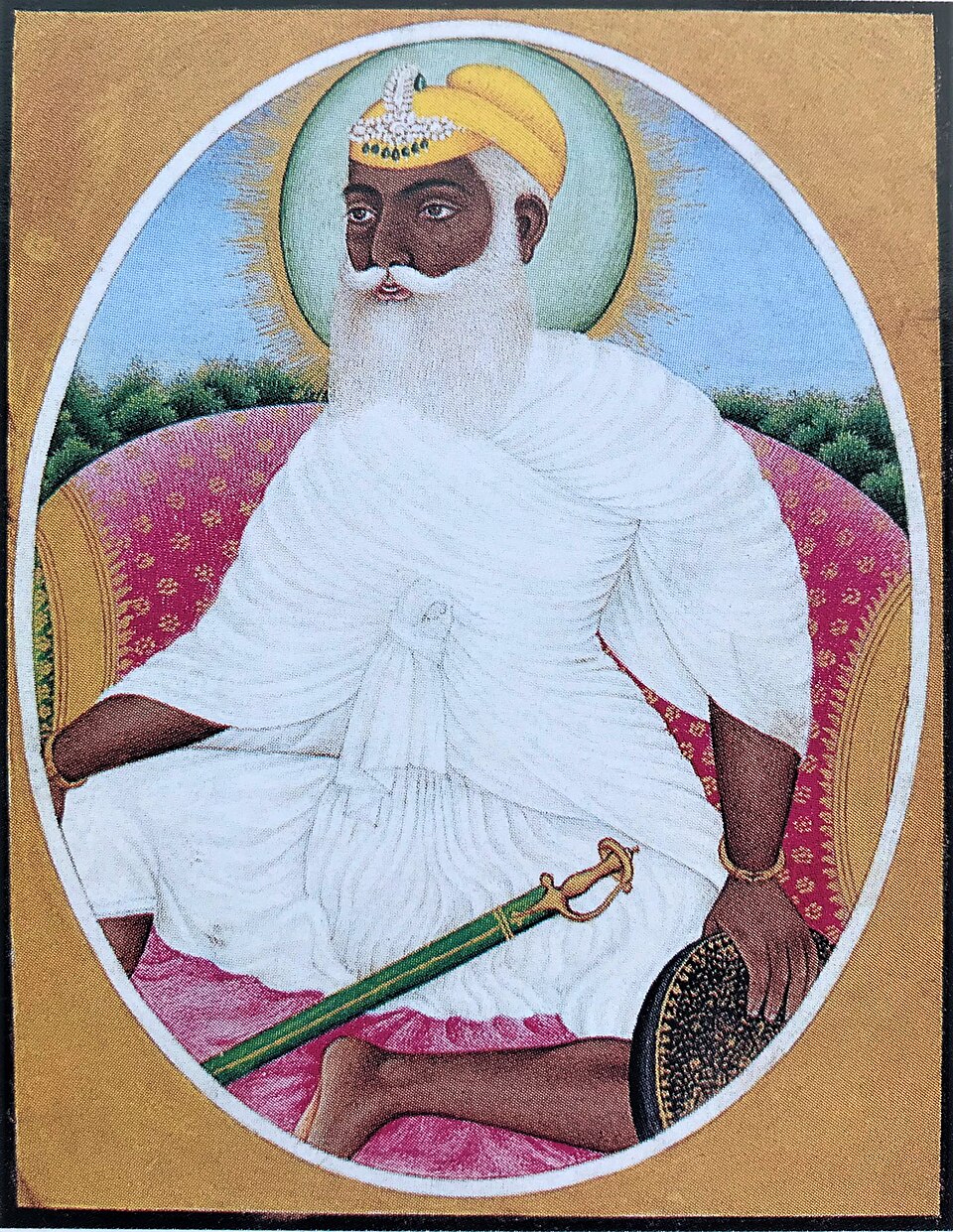
Founder of Patiala and of the Phulkian dynasty that ruled it until 1948.
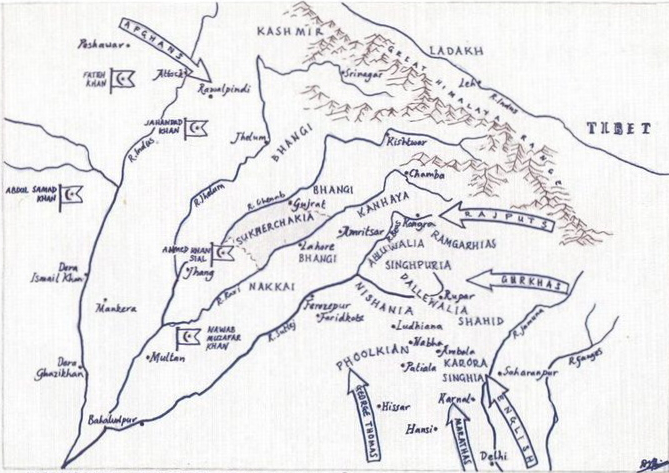
Built the Bhangi misl into the strongest of the confederacy, with lands from Lahore to Multan. The great Zamzama gun was captured by the Bhangis and long known as the Bhangian wali top.
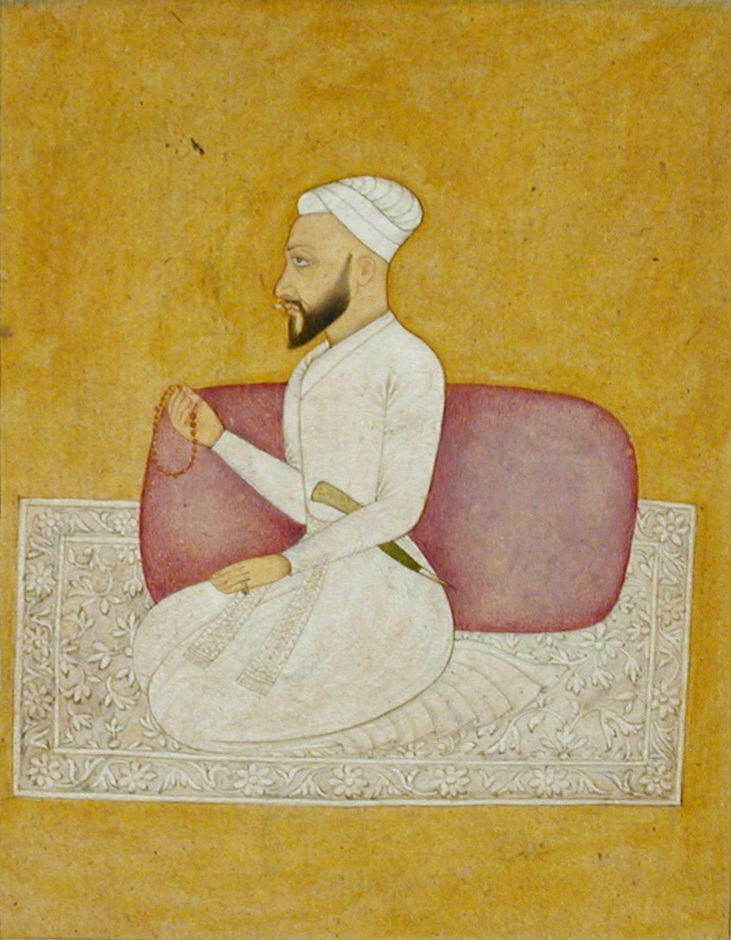
Wily faujdar of the Jalandhar Doab who played Mughals, Afghans, Marathas and Sikhs against one another and in 1758 briefly became governor of all Punjab.
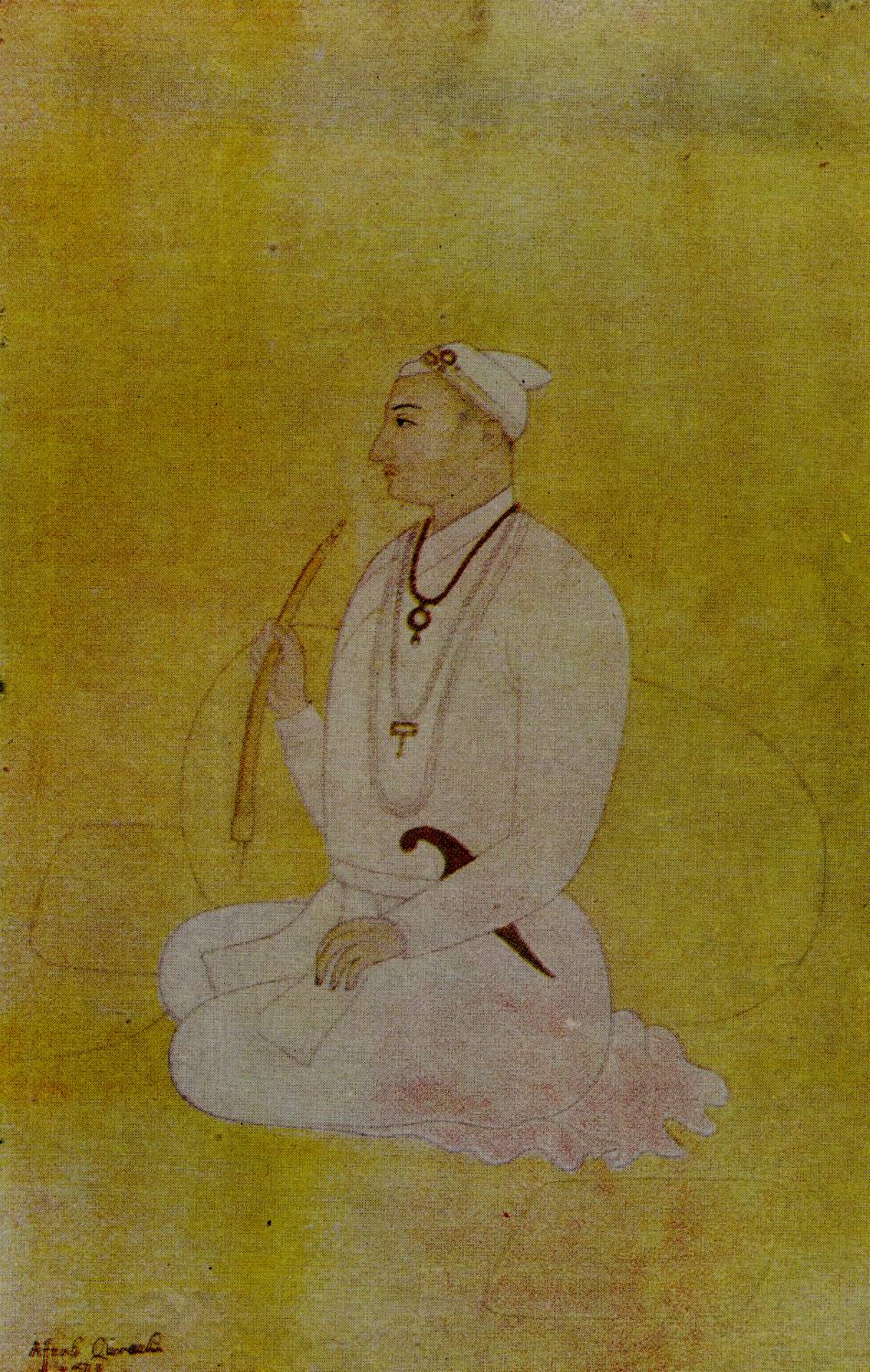
Governor of Lahore after the victory at Manupur, remembered by Sikhs for the harshest persecution of the century, including the imprisonment of Sikh women and children.
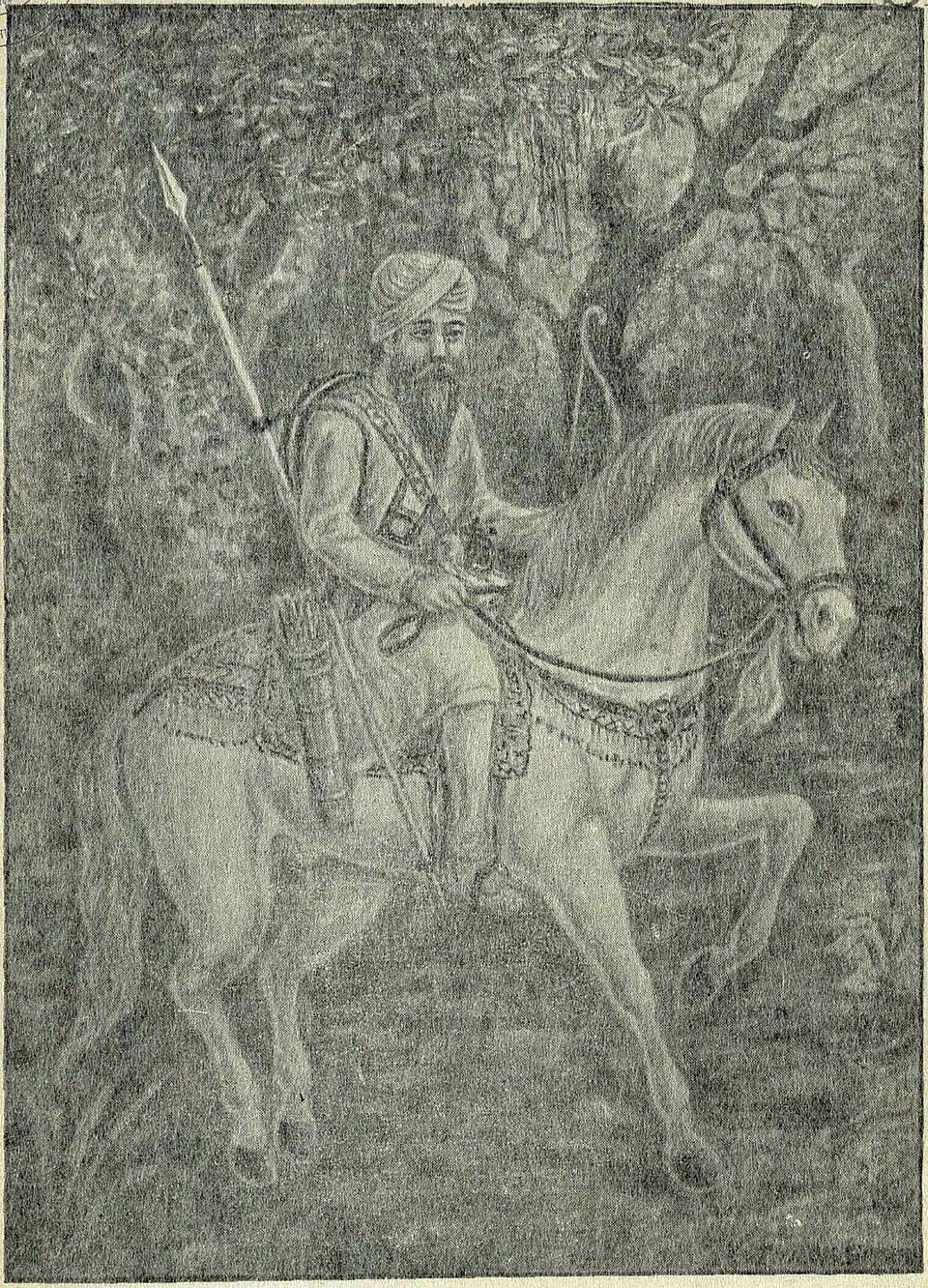
Grandfather of Ranjit Singh and founder of the Sukerchakia misl's power at Gujranwala, where he beat the Afghan governor in 1761.
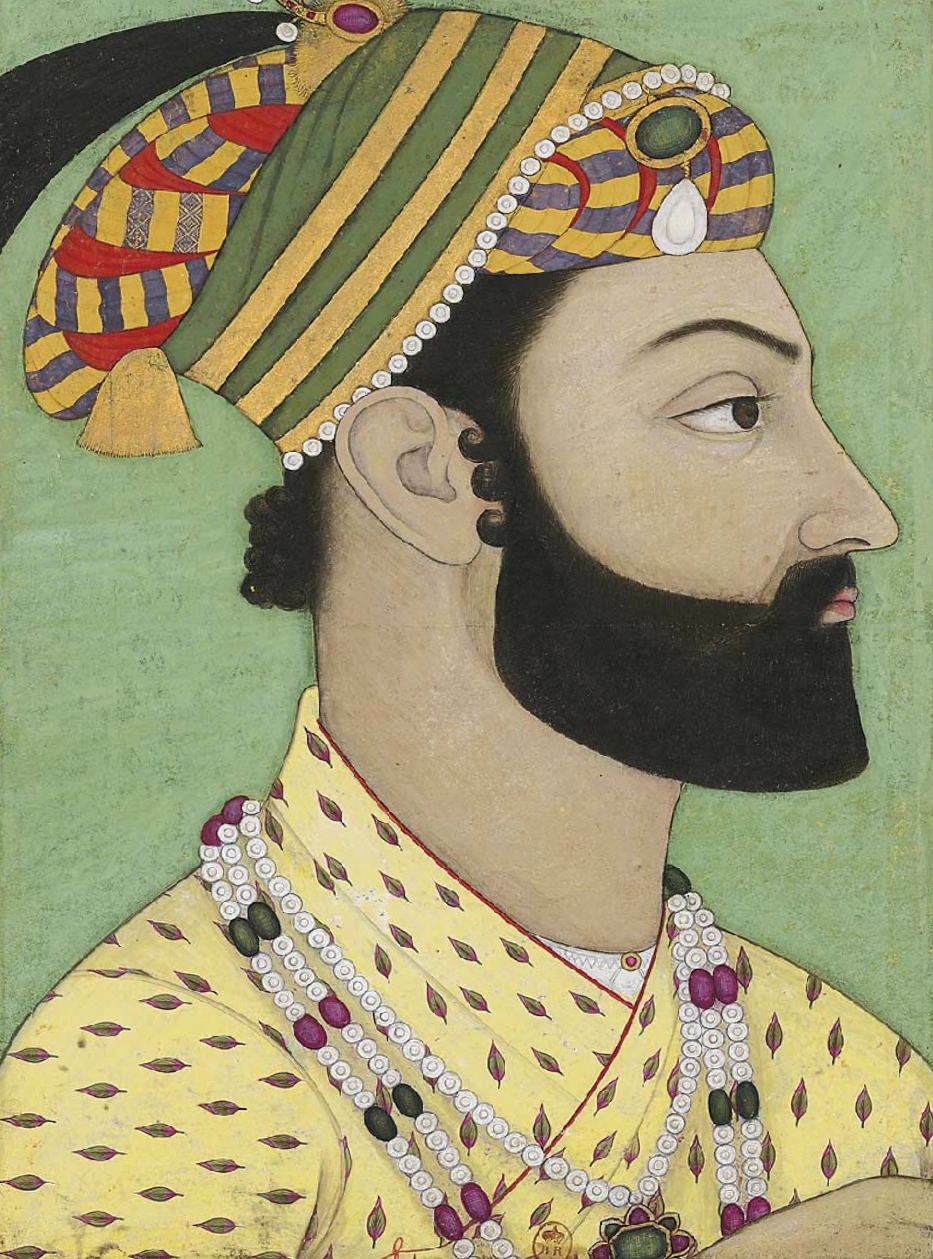
Founder of the Afghan Durrani empire, who invaded Punjab eight or nine times between 1748 and 1767, crushed the Marathas at Panipat and twice destroyed the Harmandir Sahib.
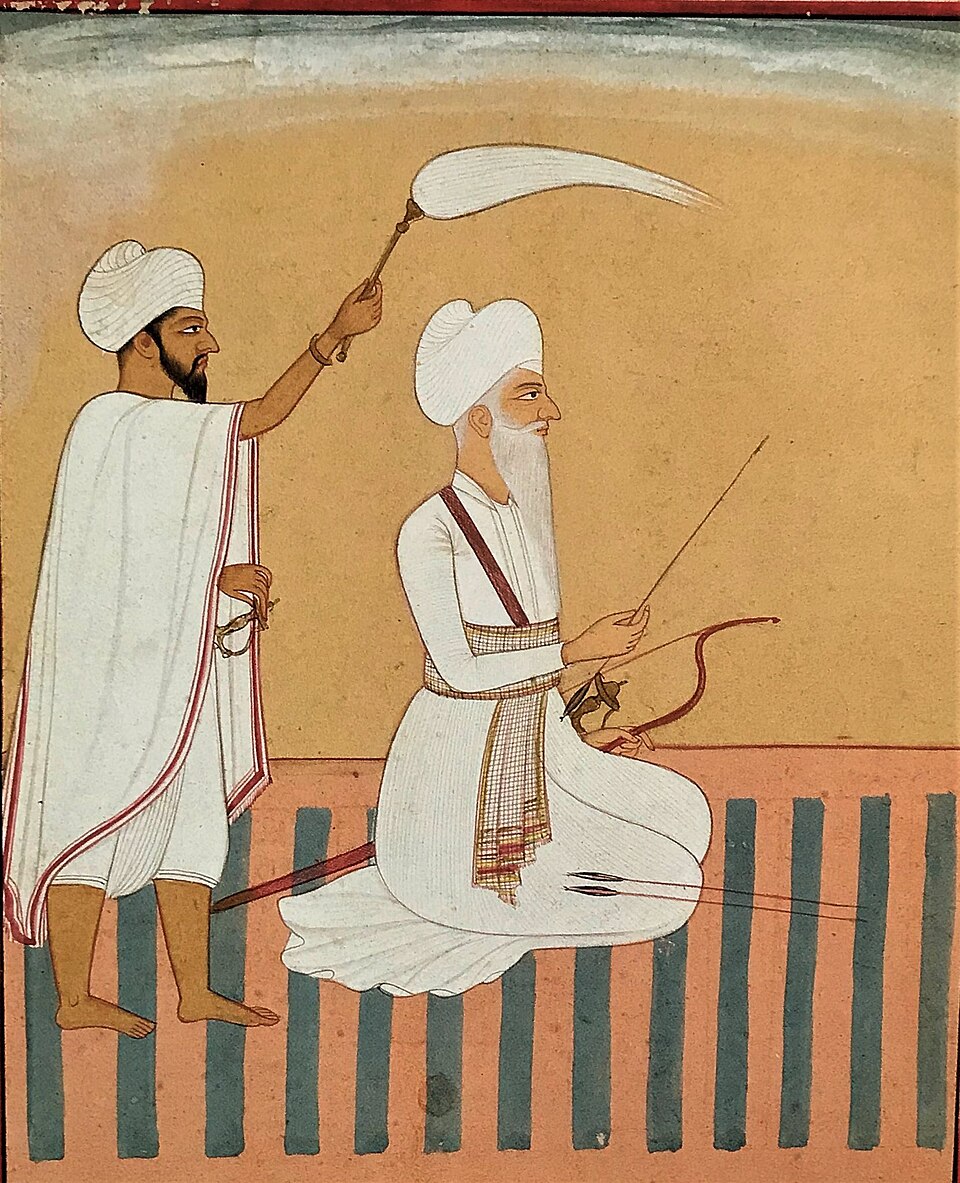
Head of the Kanhaiya misl and for a time the most powerful chief in Punjab. His daughter-in-law Sada Kaur arranged the marriage that allied the Kanhaiyas with Ranjit Singh.
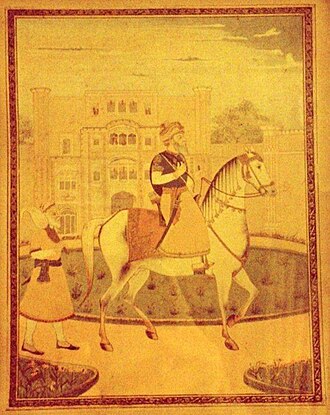
Supreme commander of the Dal Khalsa, wounded many times at the Vadda Ghallughara. Struck coins at Lahore and was called Sultan-ul-Qaum, king of the nation.
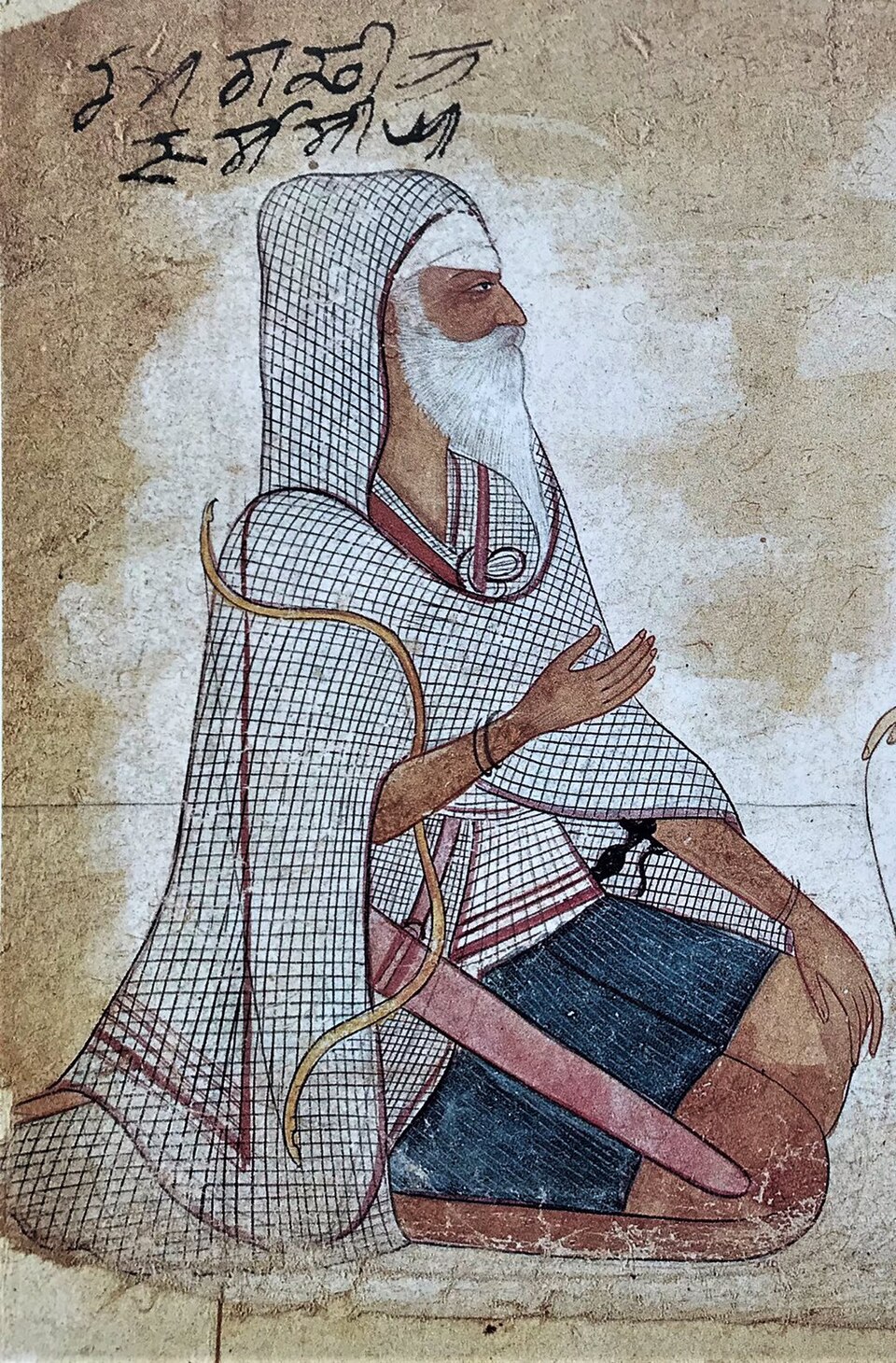
Leader of the Ramgarhia misl, named after the Ram Rauni fort at Amritsar he rebuilt. Raided as far as Delhi in 1783.
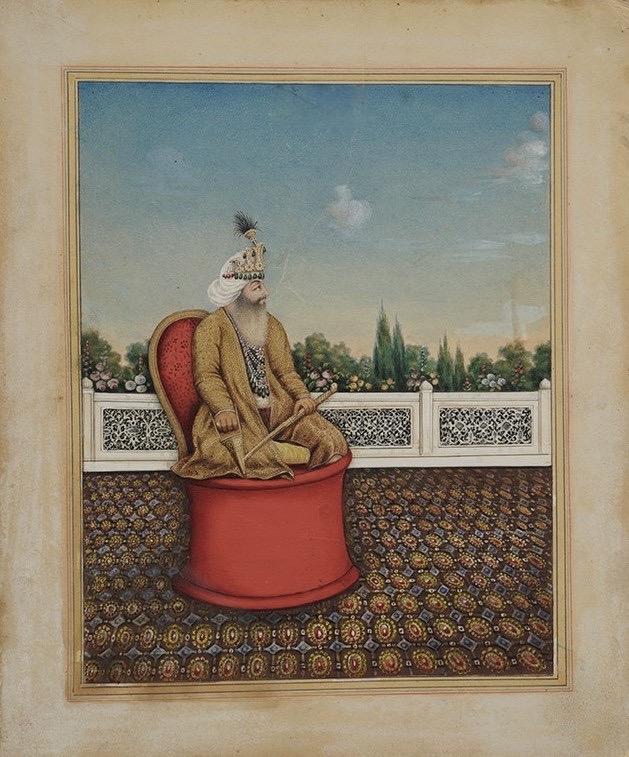
Phulkian chief who founded the state of Jind after the fall of Sirhind in 1764; his daughter Raj Kaur was the mother of Ranjit Singh.
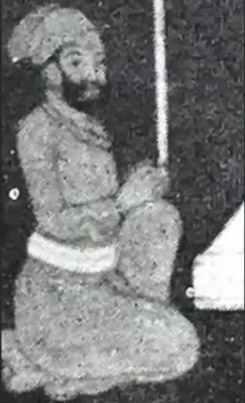
Karorsinghia leader who entered the Red Fort in 1783 and, by agreement with Shah Alam II, built gurdwaras at the Sikh sites of Delhi.
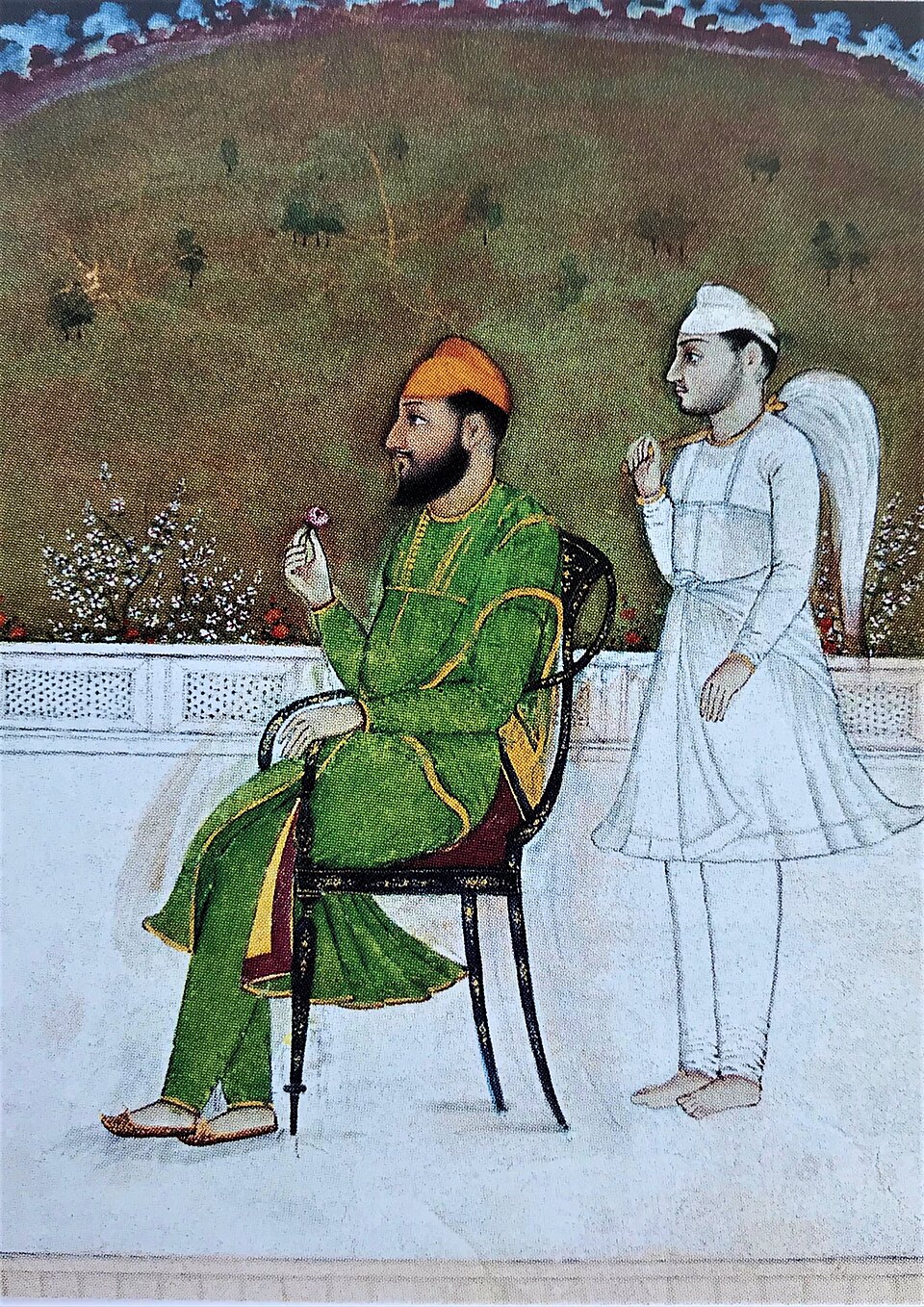
Father of Ranjit Singh. Expanded the Sukerchakia lands from Gujranwala and died during a siege when Ranjit was twelve.
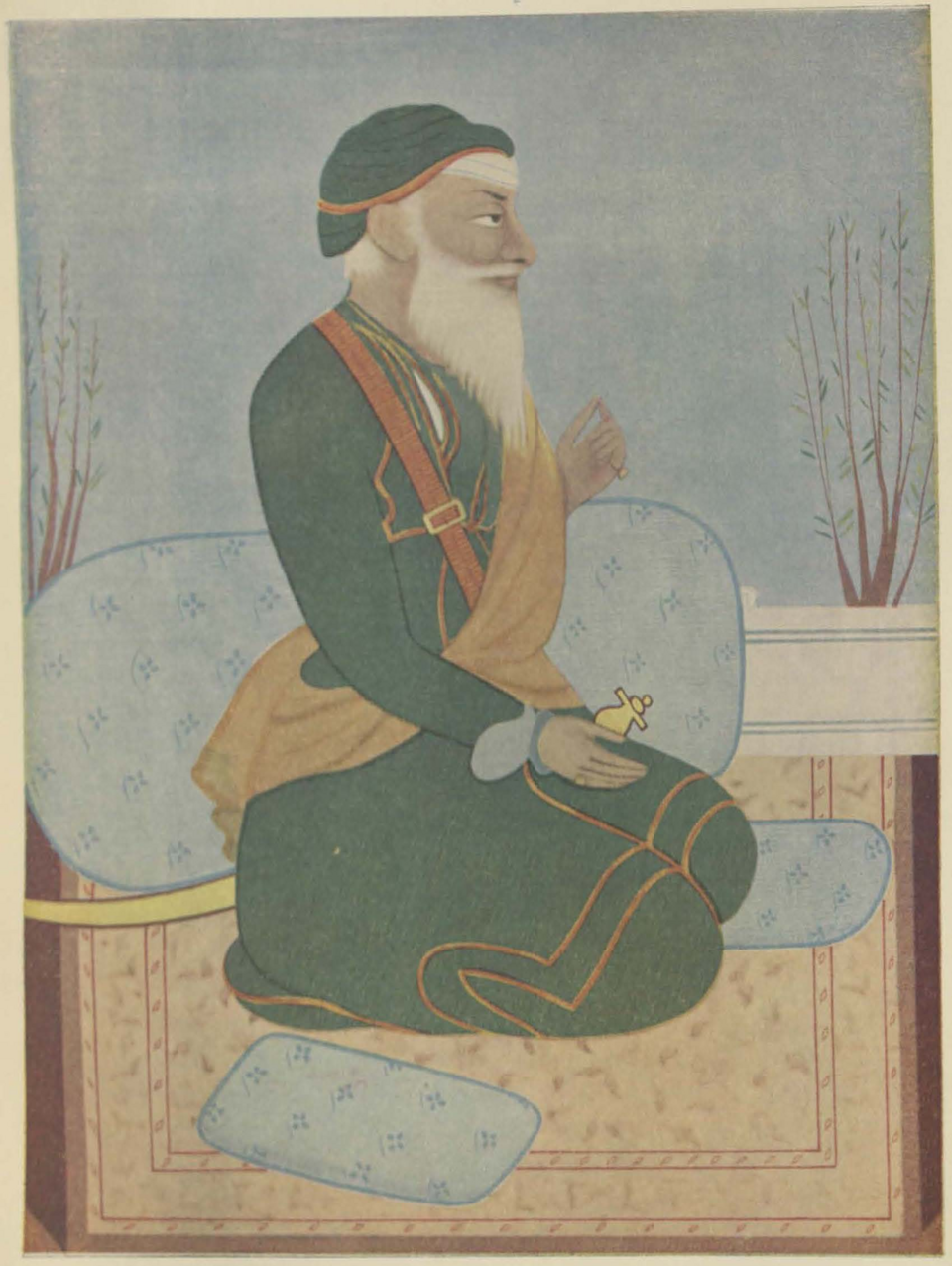
Ranjit Singh's leading general in the early conquests, victor over the Afghans at Attock in 1813.
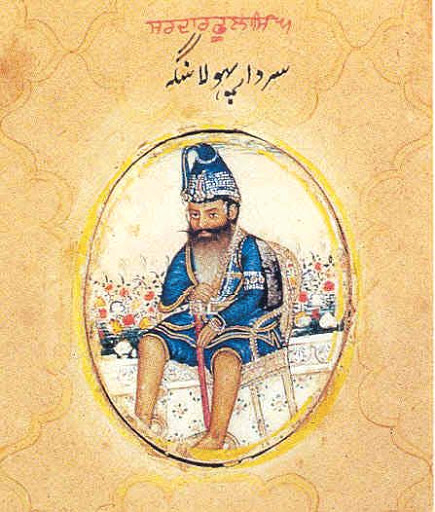
Nihang leader and jathedar of the Akal Takht who once had Ranjit Singh flogged for a moral lapse. Killed leading the charge at Nowshera.
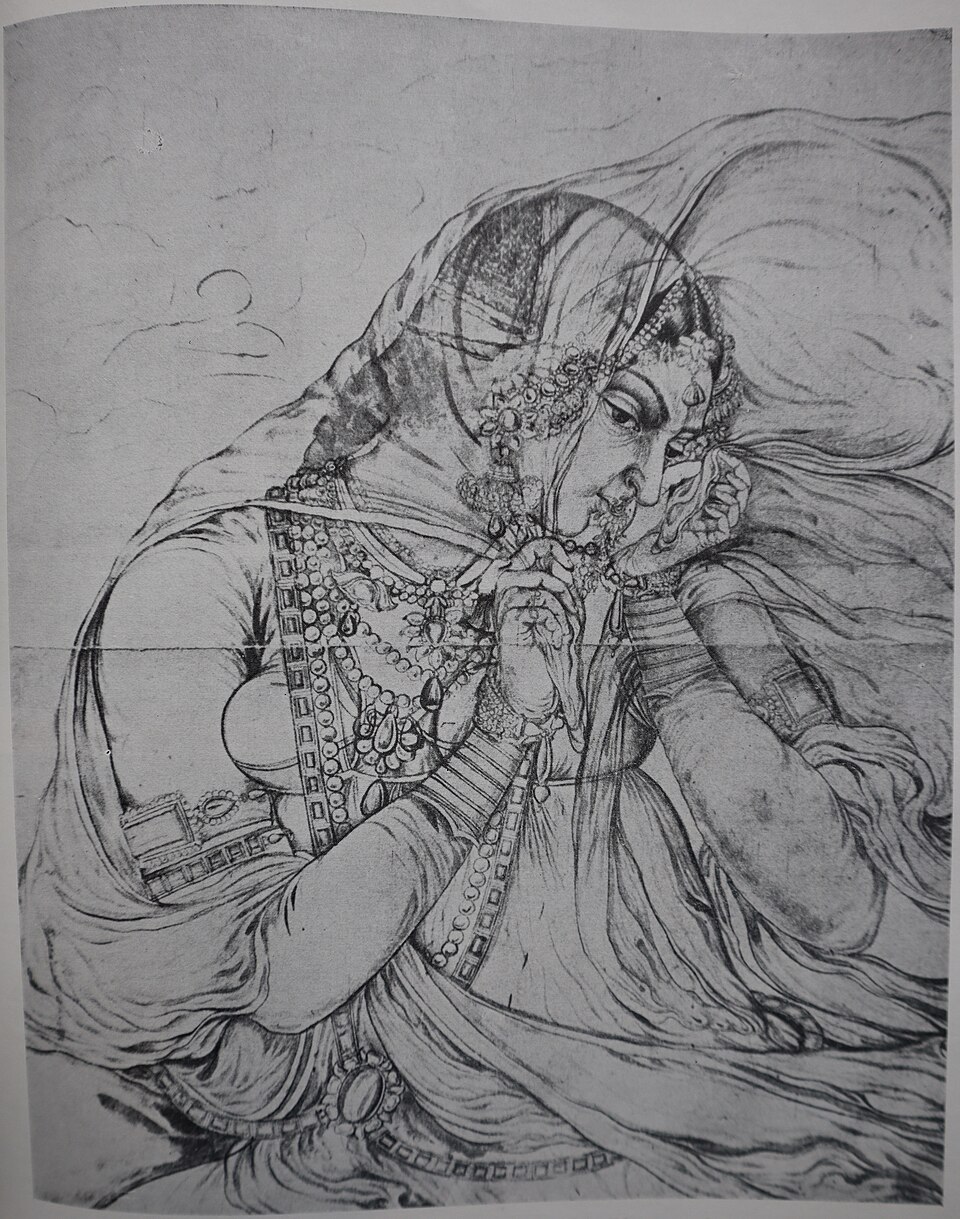
Head of the Kanhaiya misl after her husband's death and the mother-in-law of Ranjit Singh. Her support helped him take Lahore in 1799.
The Kingdom of Lahore
1799 – 1849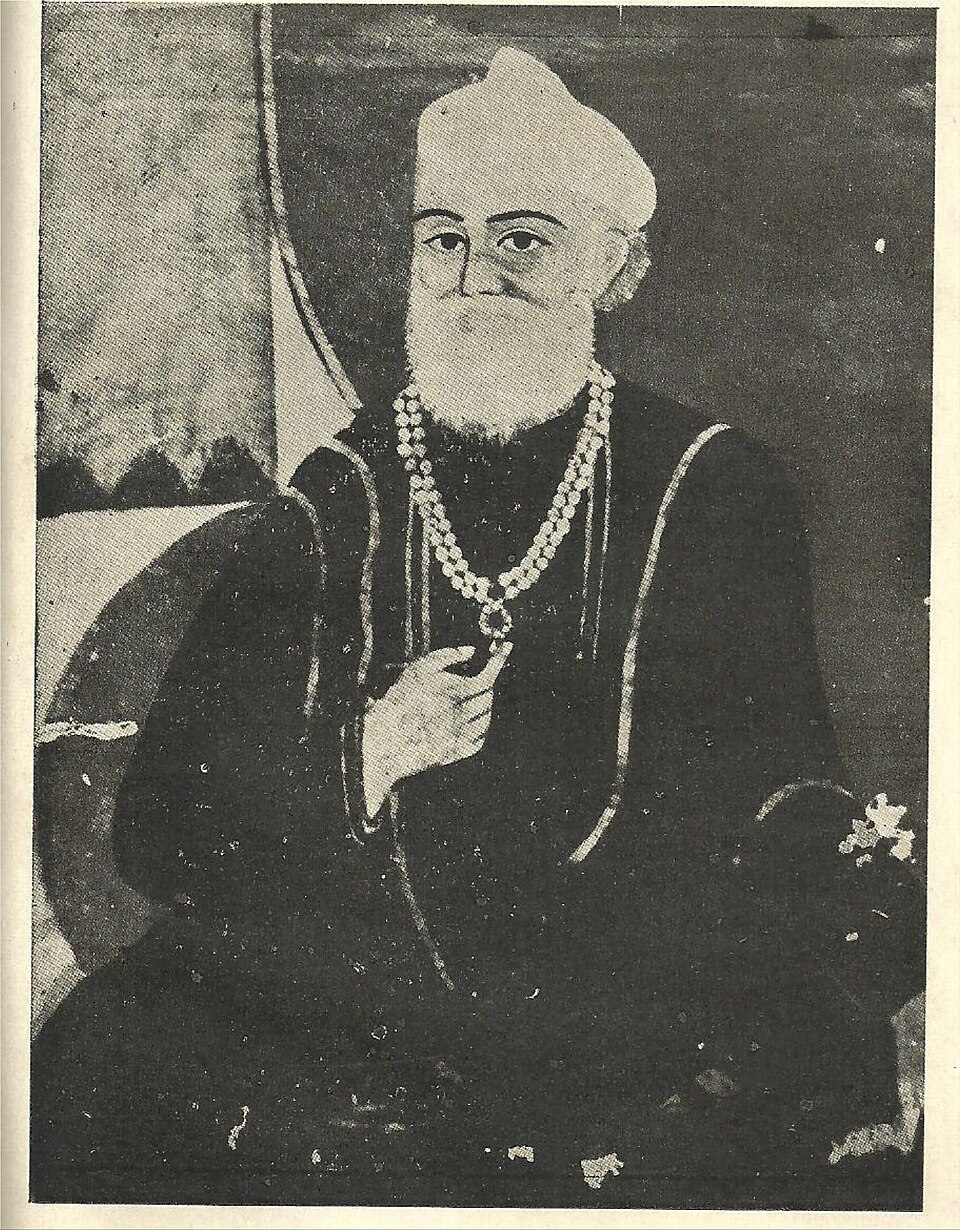
Artillery commander who rose from clerk to general and led the storming of Multan in 1818 and the conquest of Kashmir in 1819.
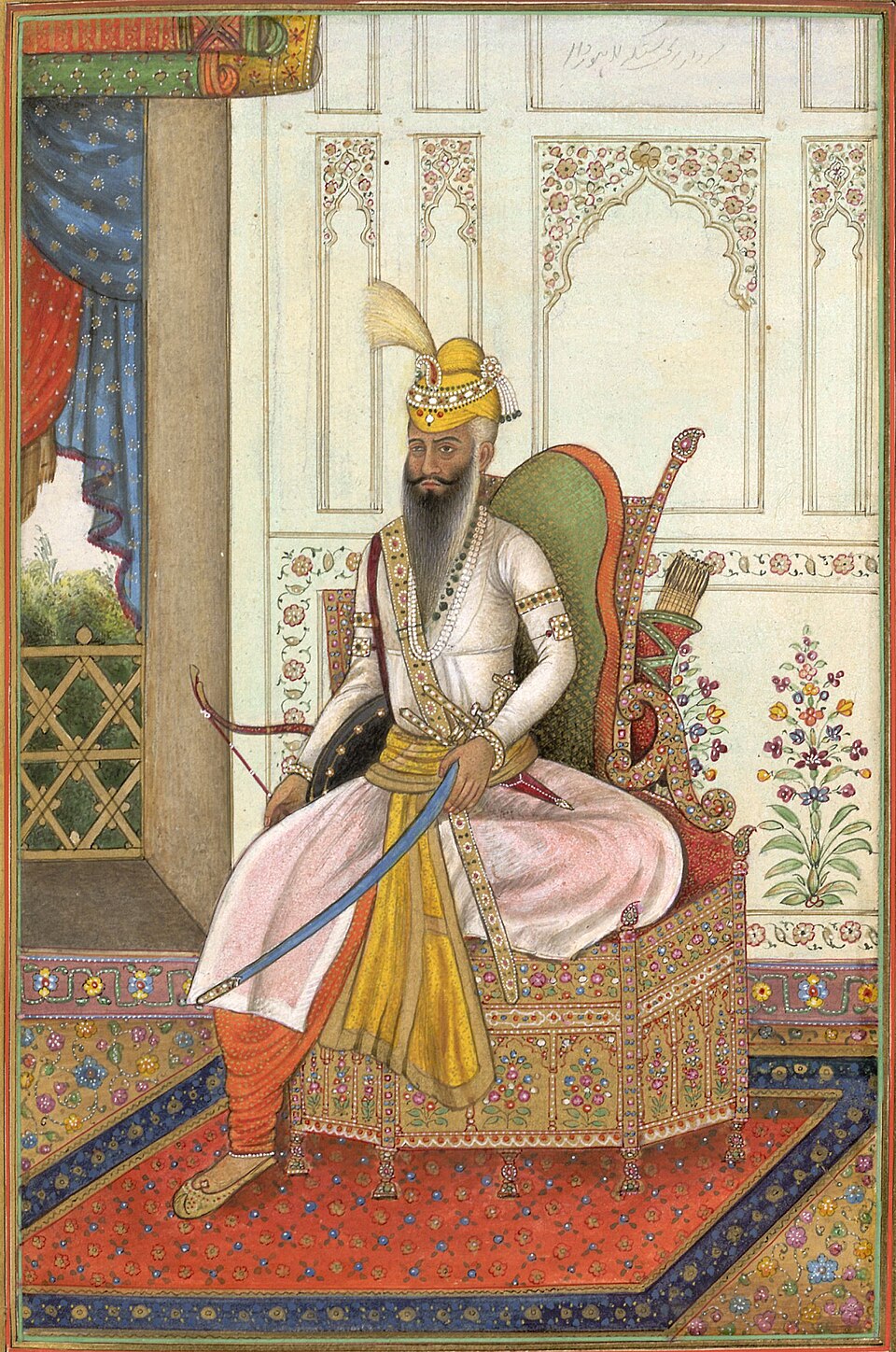
Sher-e-Punjab, the Lion of Punjab. United the misls into the Sikh Empire, ruled from Lahore for forty years and covered the Harmandir Sahib in gold.
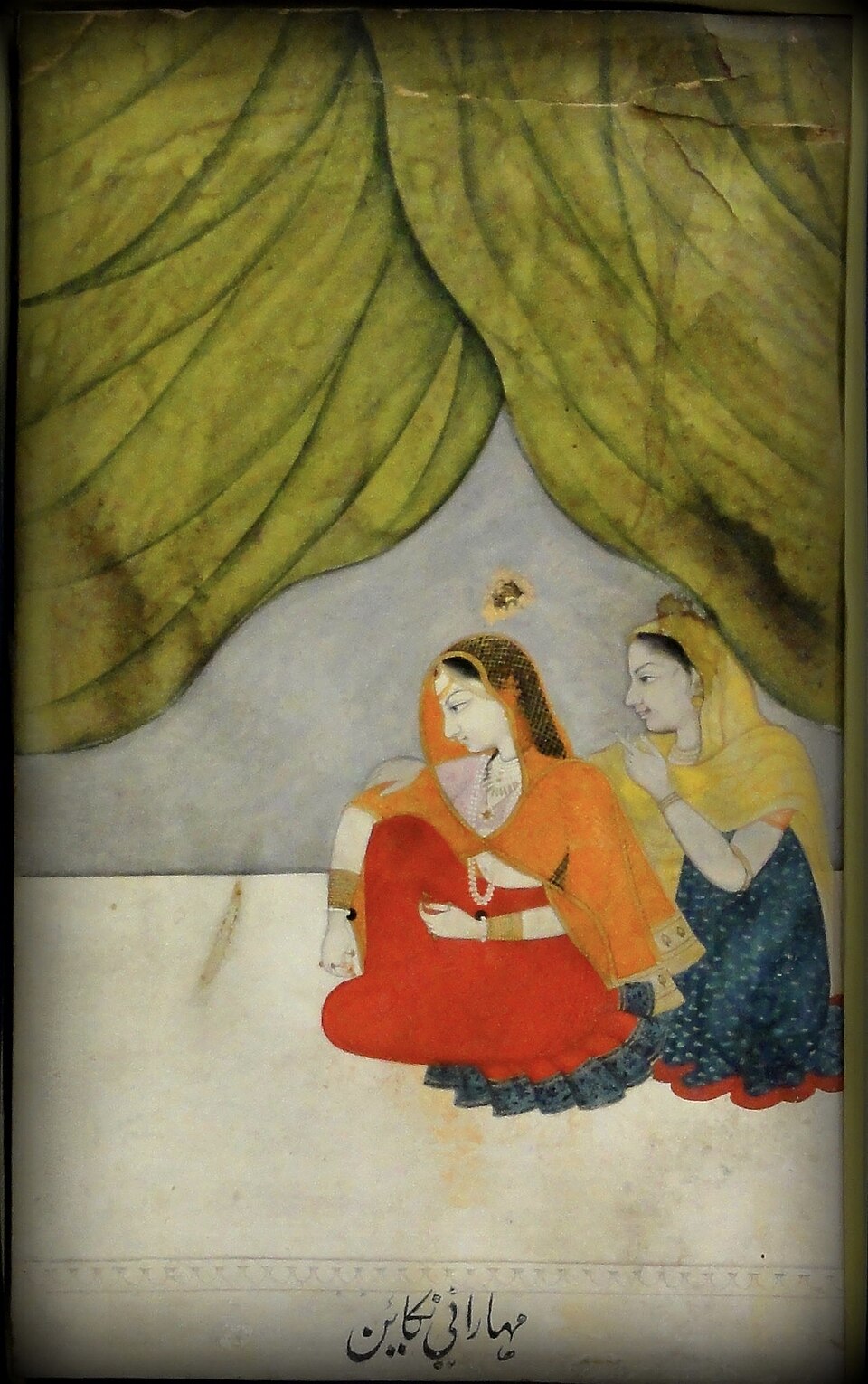
Ranjit Singh's wife from the Nakai misl and mother of Kharak Singh, who accompanied the Multan campaign and handled its supplies.
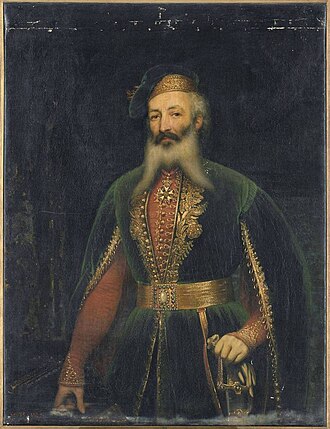
Veteran of Napoleon's cavalry who arrived in Lahore in 1822 and raised the Fauj-i-Khas, the elite French-drilled brigade of the Sikh army.
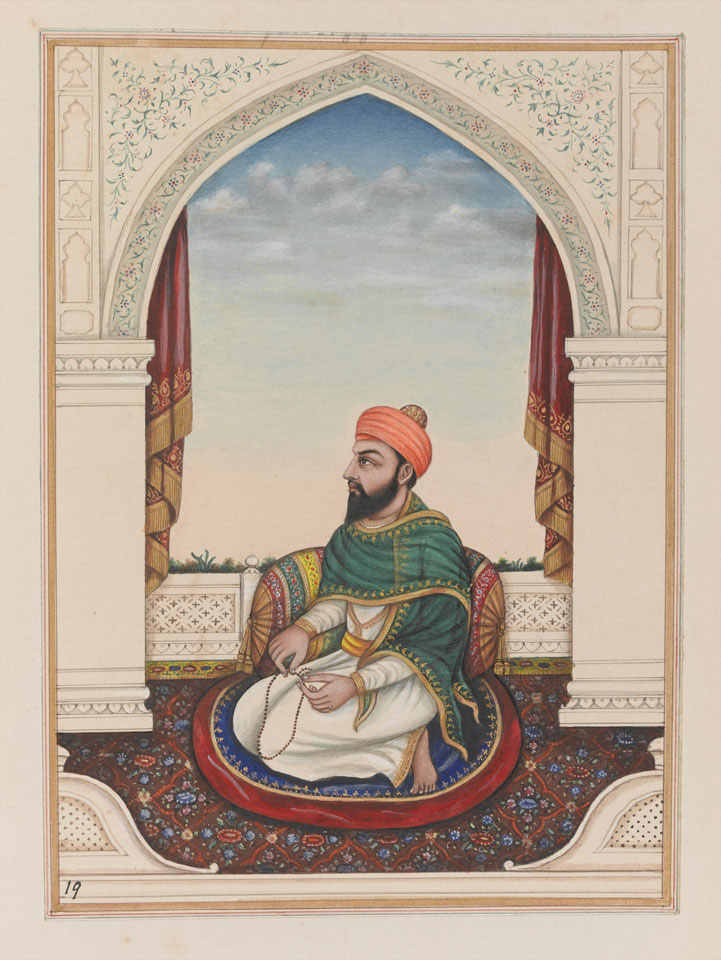
Physician, foreign minister and confidant of Ranjit Singh, a Muslim who handled relations with the British and the Afghans.
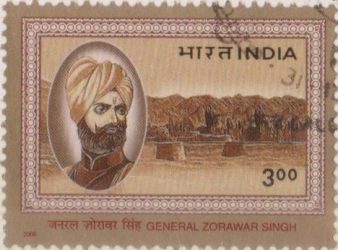
Dogra general who led armies across the high Himalaya: Ladakh from 1834, Baltistan in 1840 and western Tibet in 1841, where he was killed at To-yo in the snows.
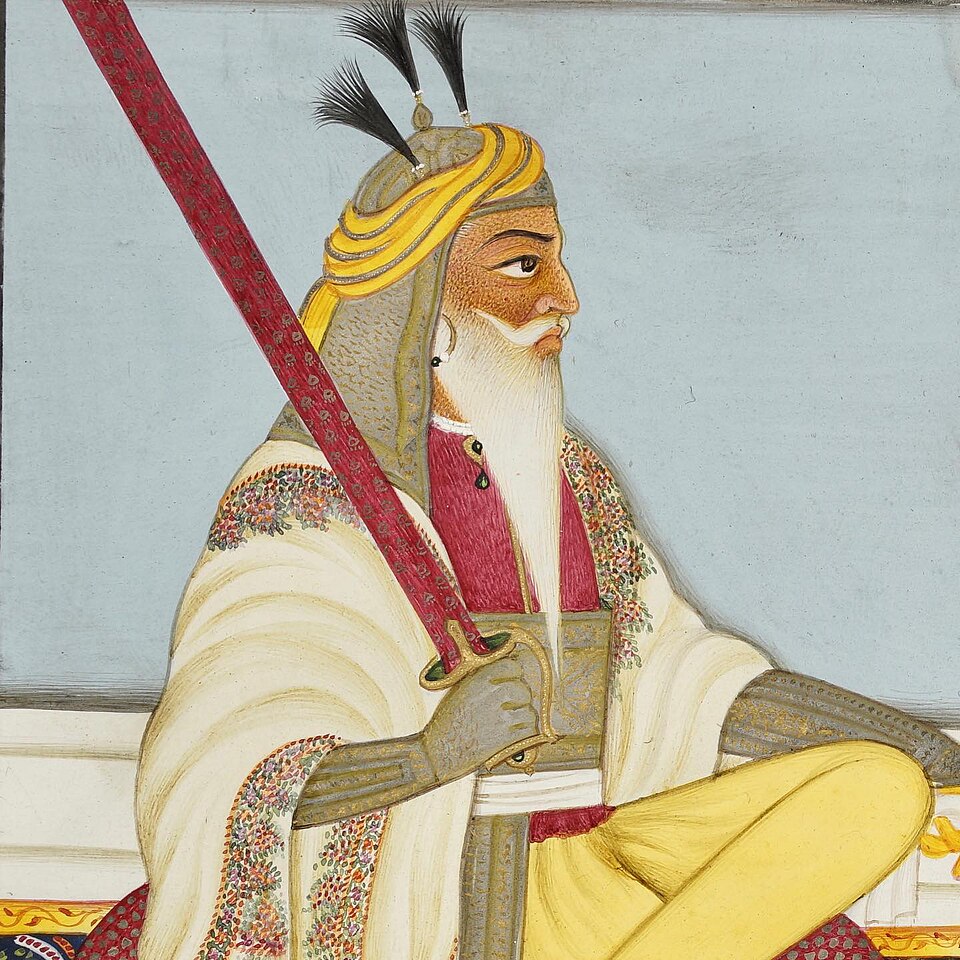
Commander-in-chief of the Sikh army on the north-west frontier. Governed Kashmir and Peshawar and died holding Jamrud against the Afghans.
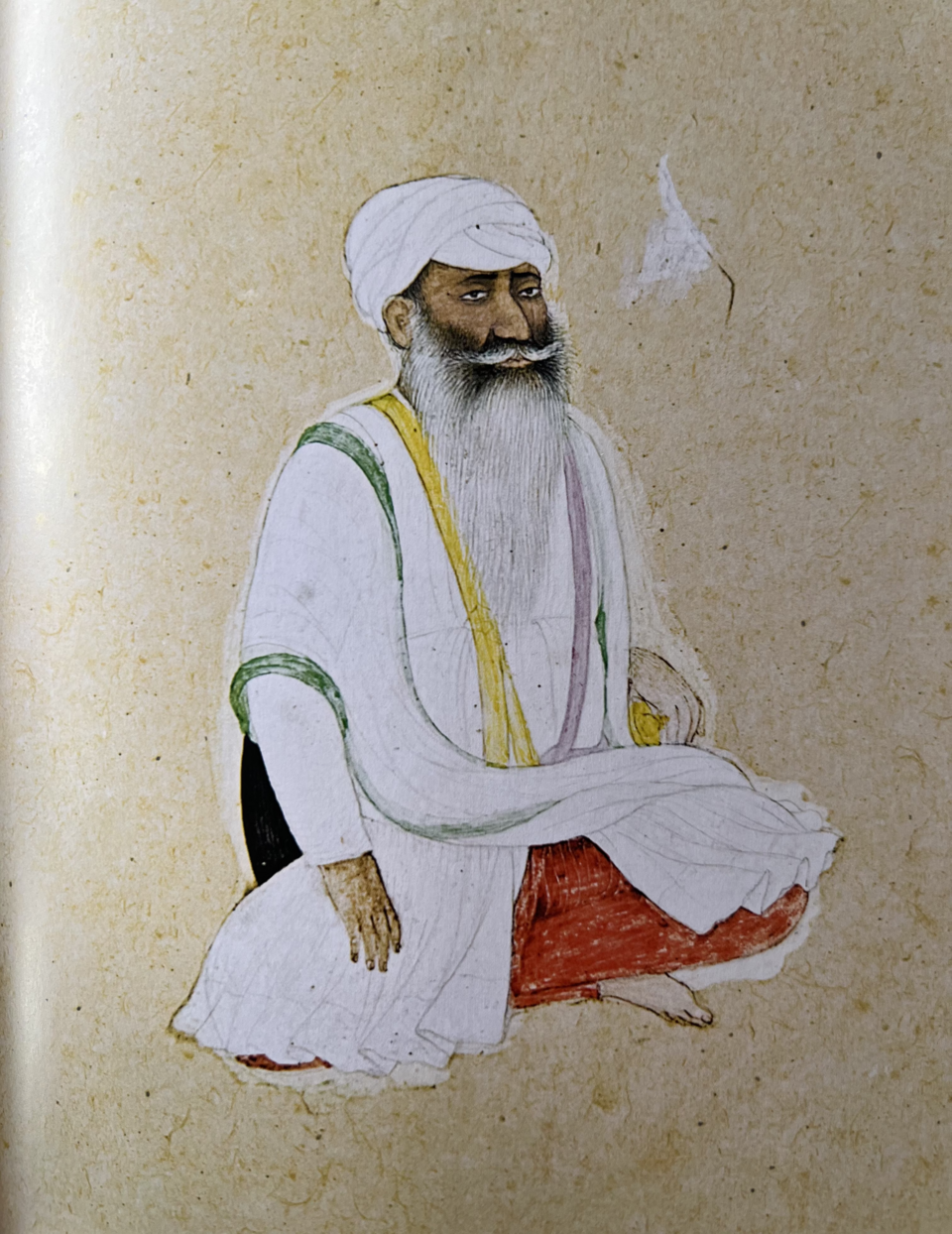
Veteran general who, dressed in white, rode into the British lines at Sobraon and died with his men.
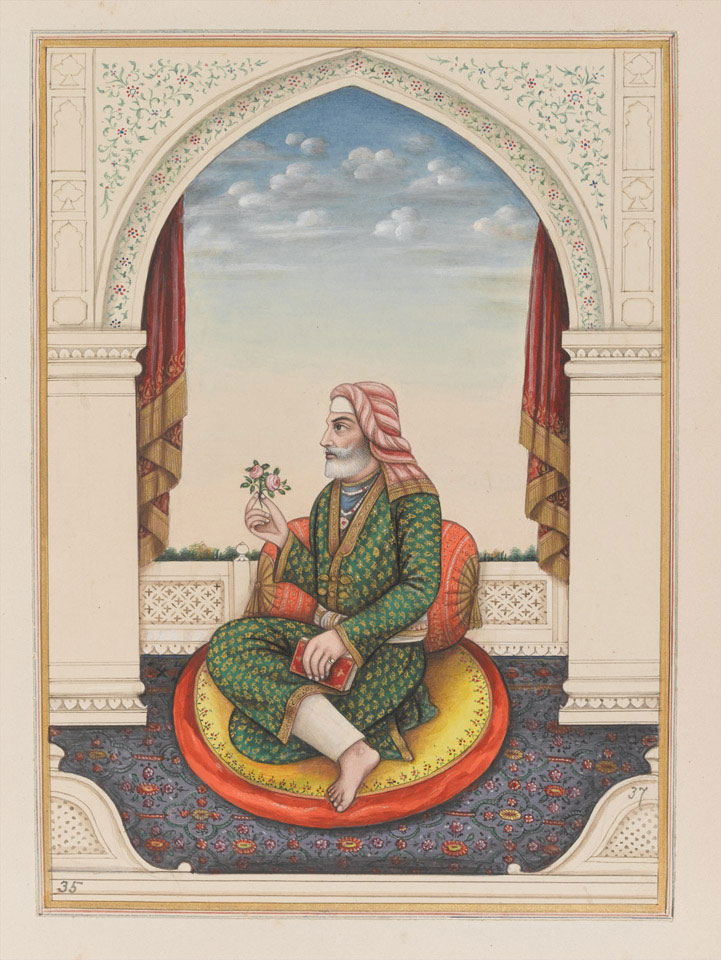
Governor of Multan for over twenty years, who turned its dry lands to farming with new canals. His son Mulraj succeeded him.
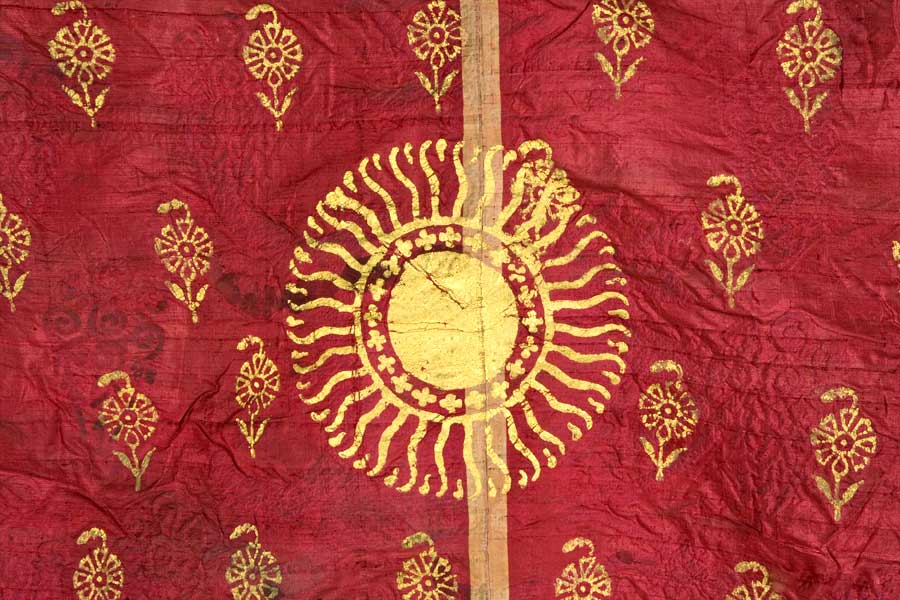
Commander of the Jamrud garrison who held the fort after Hari Singh Nalwa fell, keeping his death secret.
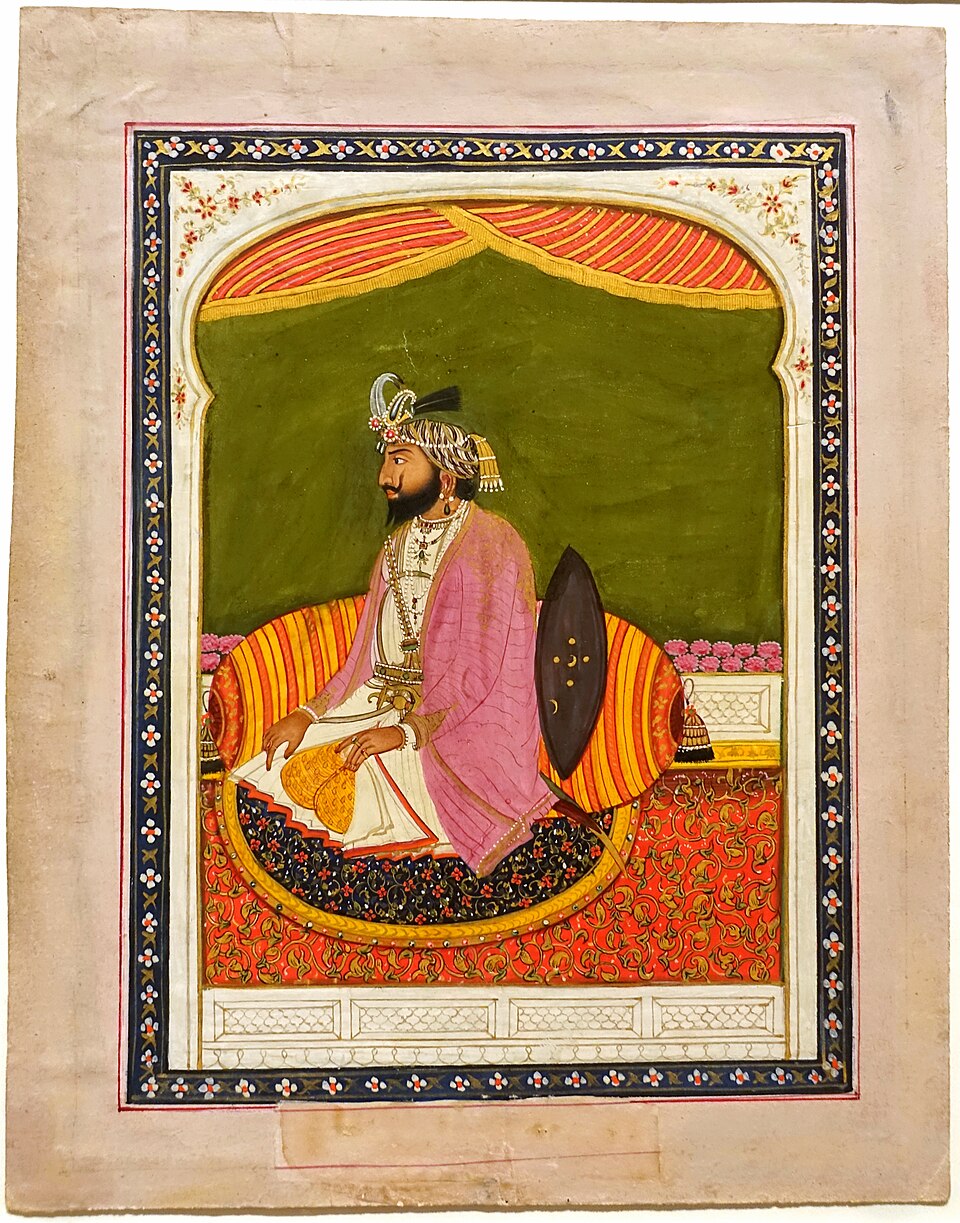
Chief minister of the Sikh Empire for 25 years and the most powerful man at court after Ranjit Singh. Assassinated in 1843.
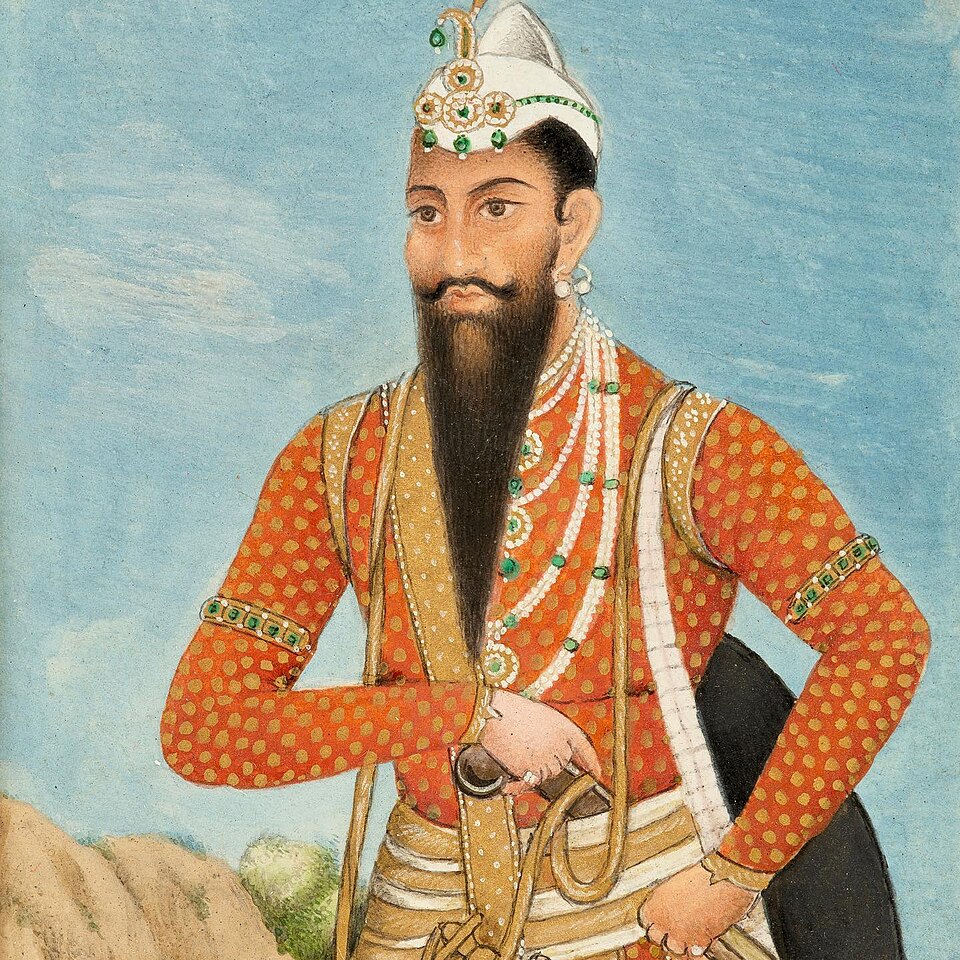
Ranjit Singh's eldest son and successor. Nominal commander at Multan in 1818, he was sidelined within months of his accession and died, possibly poisoned, in November 1840.
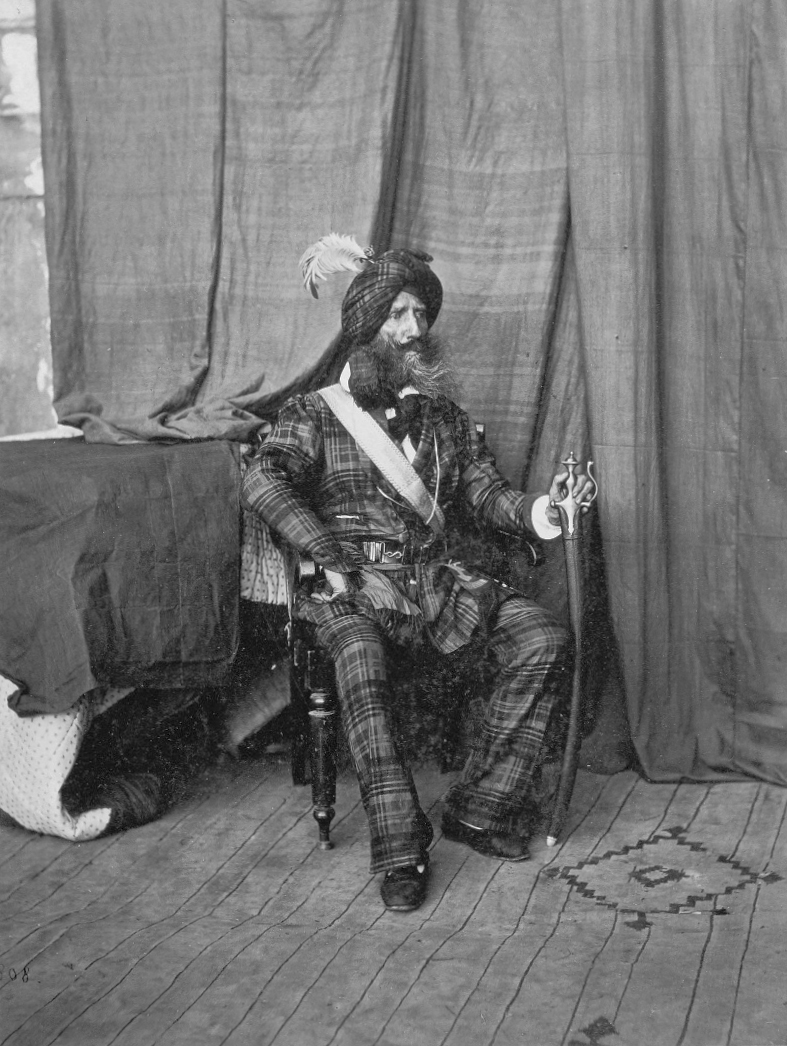
American-Scottish adventurer and colonel of artillery at Lahore, remembered for his tartan turban.
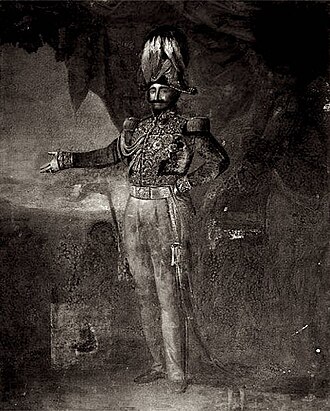
Neapolitan soldier who governed Wazirabad and then Peshawar for the Sikh Empire with notorious severity.
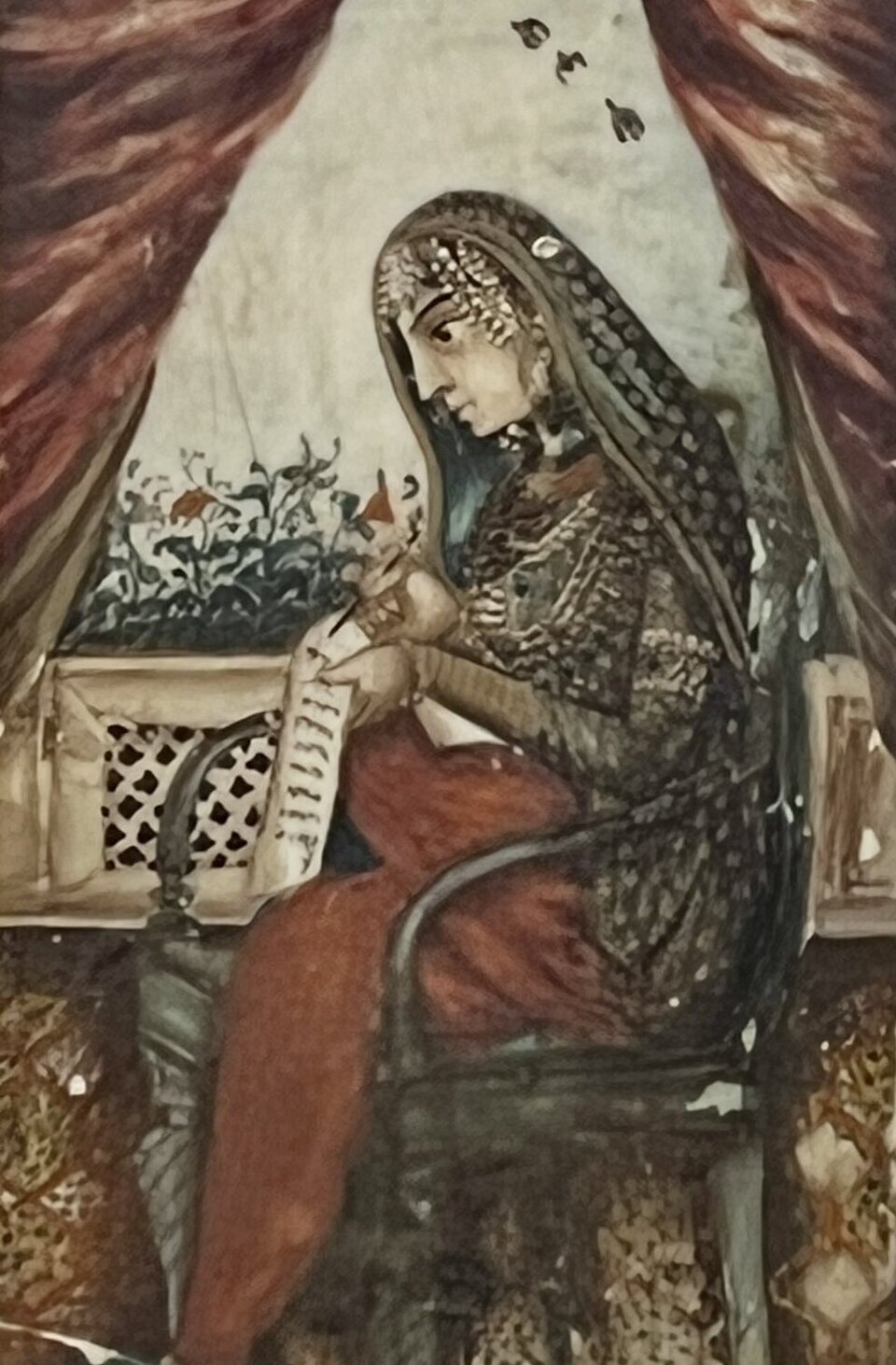
Widow of Kharak Singh and the only woman to rule the Sikh Empire, as regent for two months in 1840–41 before Sher Singh took Lahore.
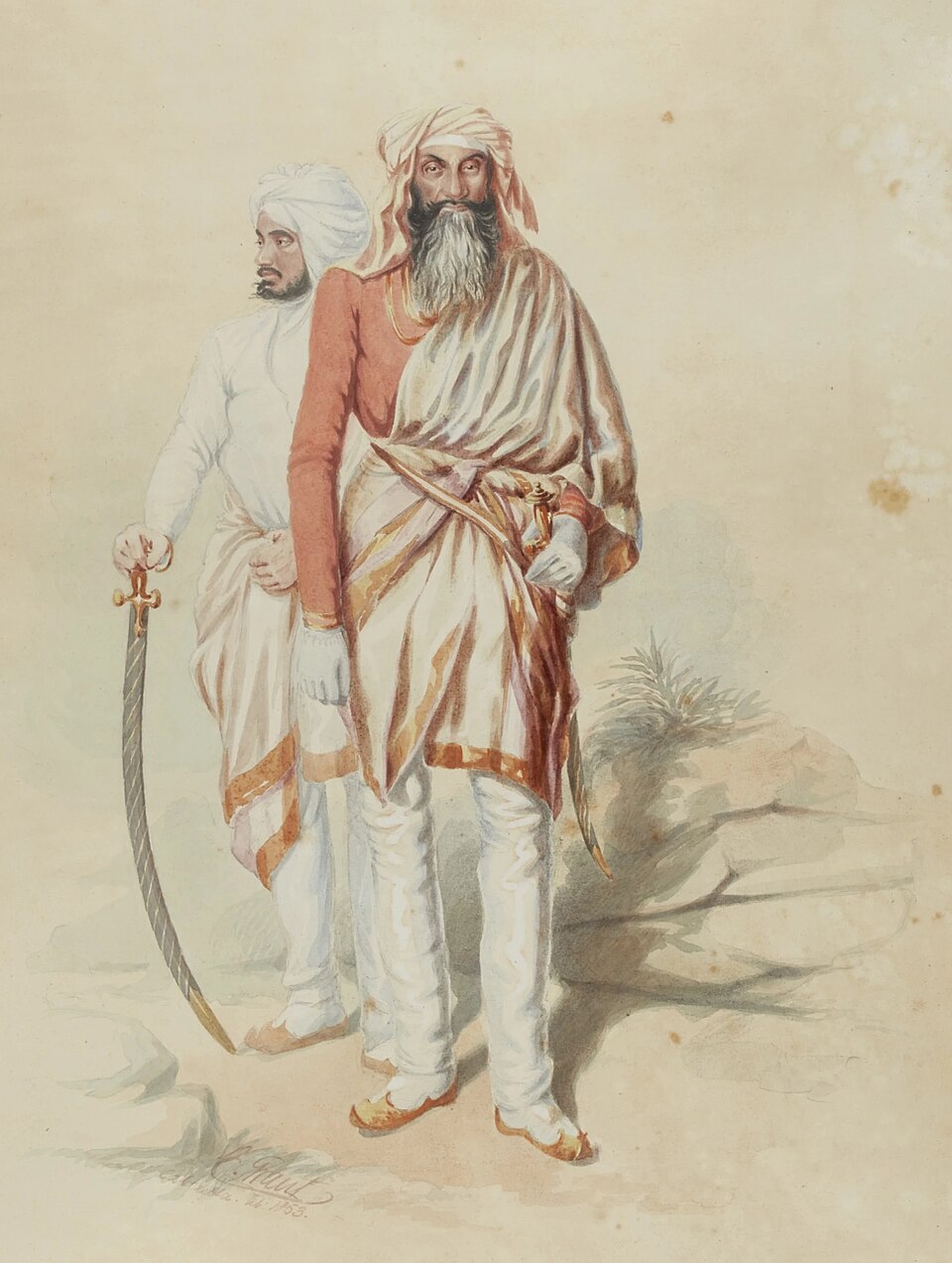
Governor of Hazara whose rising in 1848, with his son Sher Singh, turned the Multan revolt into a full war.
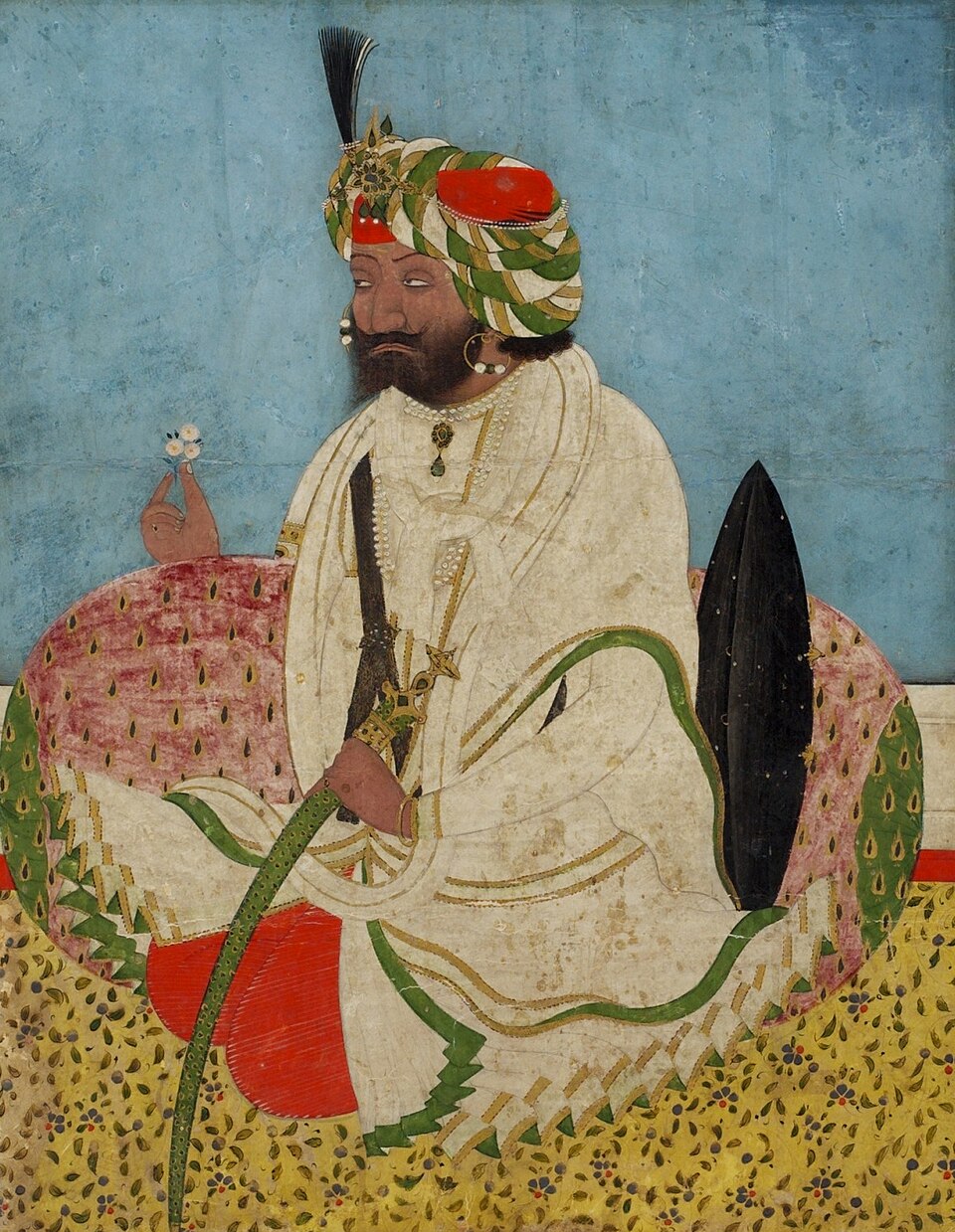
Dogra raja of Jammu under Lahore, whose general Zorawar Singh conquered Ladakh and Baltistan. In 1846 he stayed out of the war and bought Kashmir from the British for 7.5 million rupees.
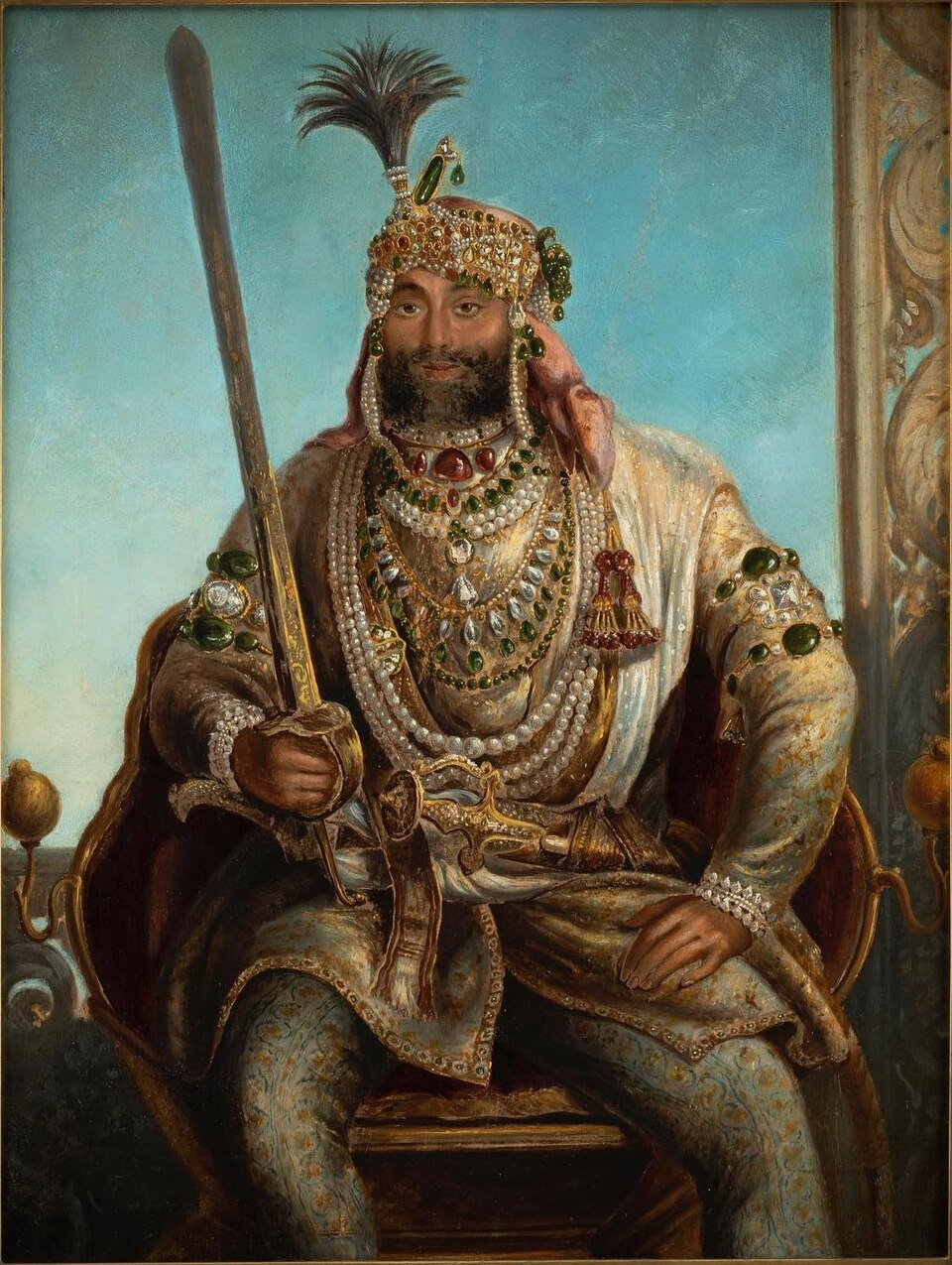
Son of Ranjit Singh who won the throne in 1841 with the army's support. He was shot by the Sandhawalia chiefs in September 1843, the same day his chief minister Dhian Singh was killed.
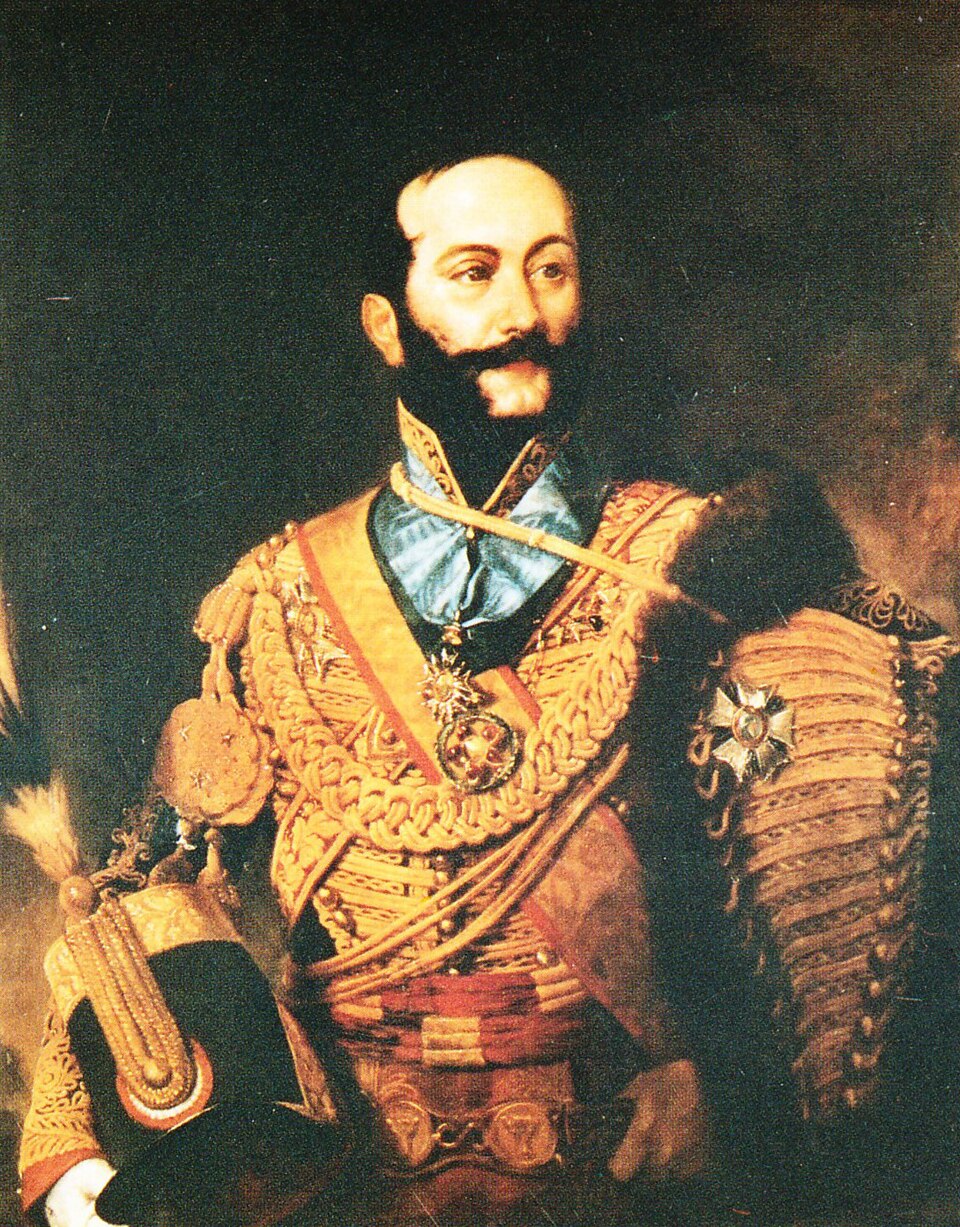
Italian officer who trained the Sikh infantry in European drill and later governed districts for Lahore. He also dug into a Buddhist stupa at Manikyala.
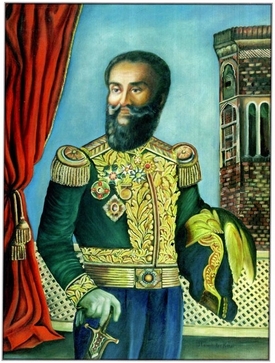
Saint-Cyr-trained French officer who cast and commanded Ranjit Singh's artillery and mapped and dug the antiquities of the Punjab.
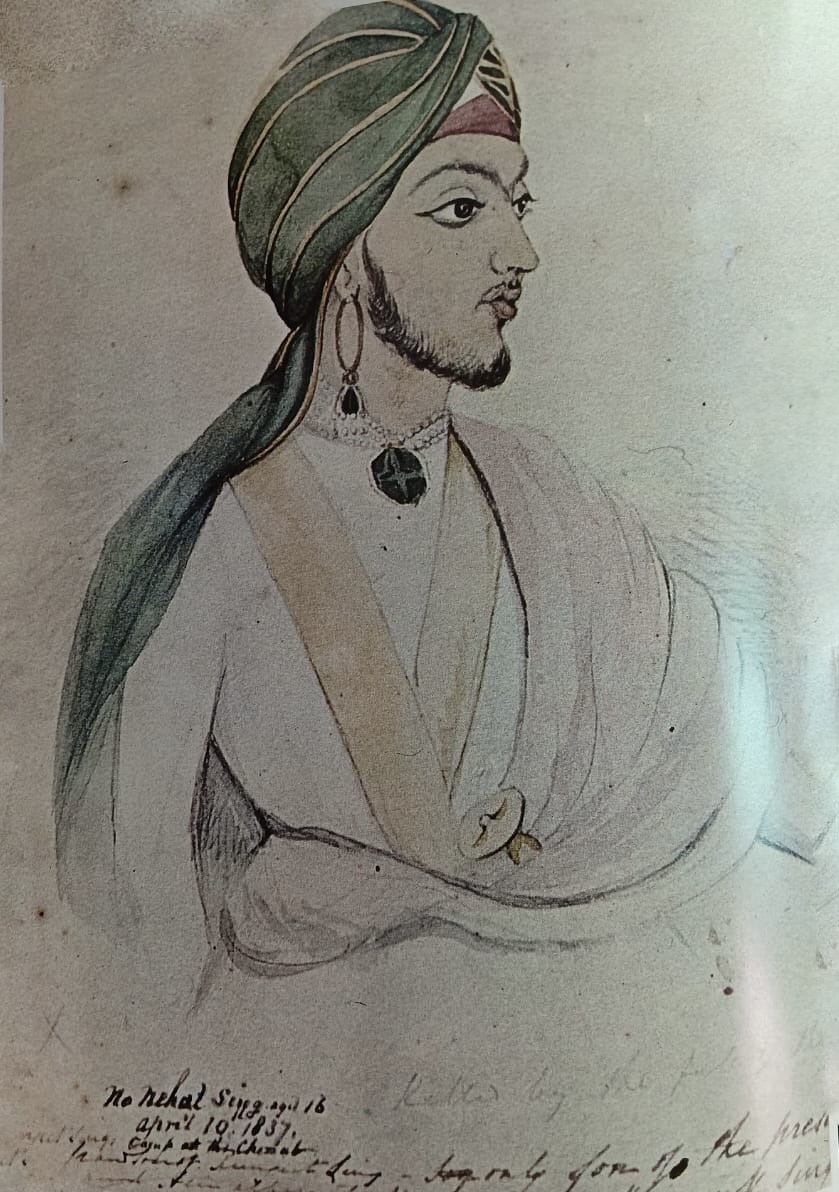
Able grandson of Ranjit Singh who effectively ruled in his father's place. Returning from his father's cremation, he was struck by falling masonry from a Lahore gateway and died the same day.
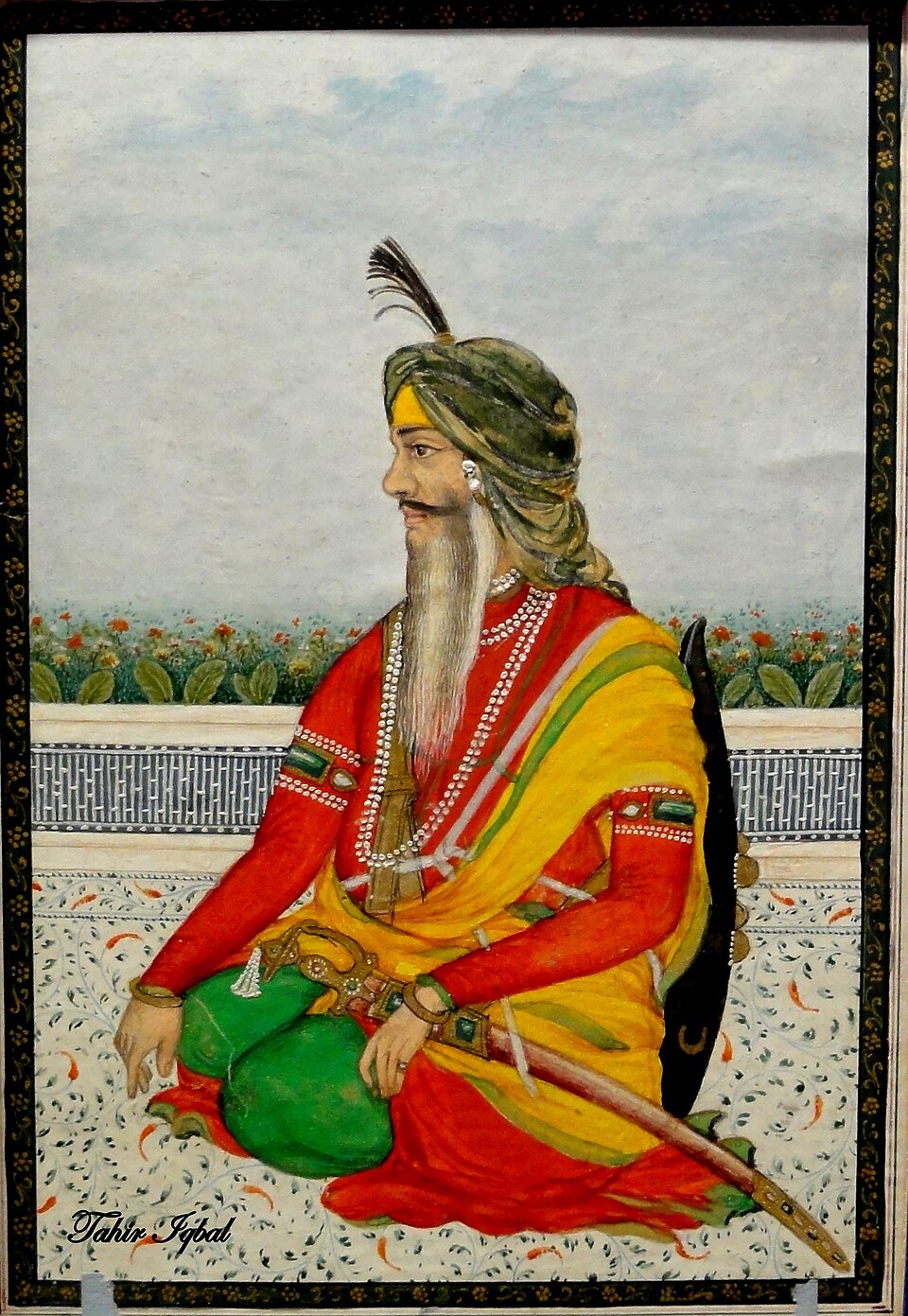
Commander-in-chief in 1845–46 who withdrew at Ferozeshah and broke the bridge at Sobraon, and was rewarded by the British afterwards.
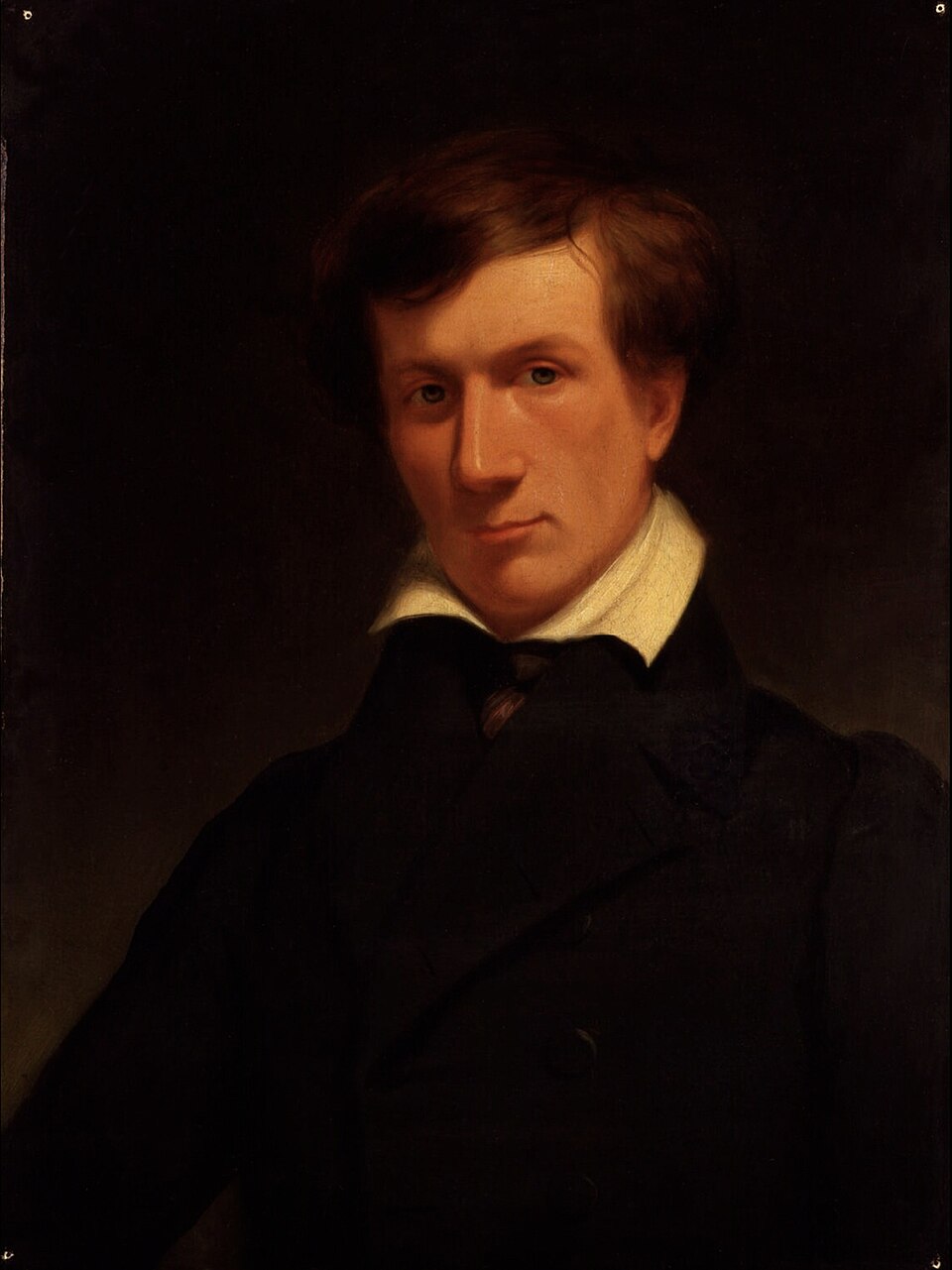
British Resident at Lahore after the First Anglo-Sikh War, and head of the board that governed the Punjab after annexation.
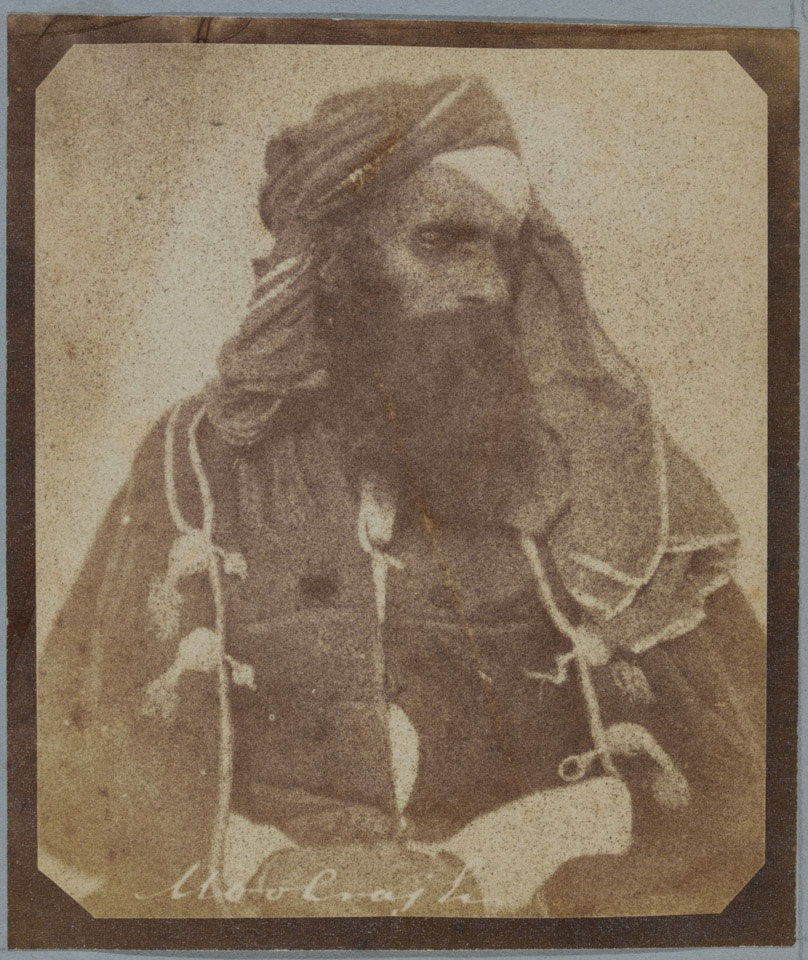
Governor of Multan whose revolt in April 1848, after two British officers were killed in the city, began the Second Anglo-Sikh War.
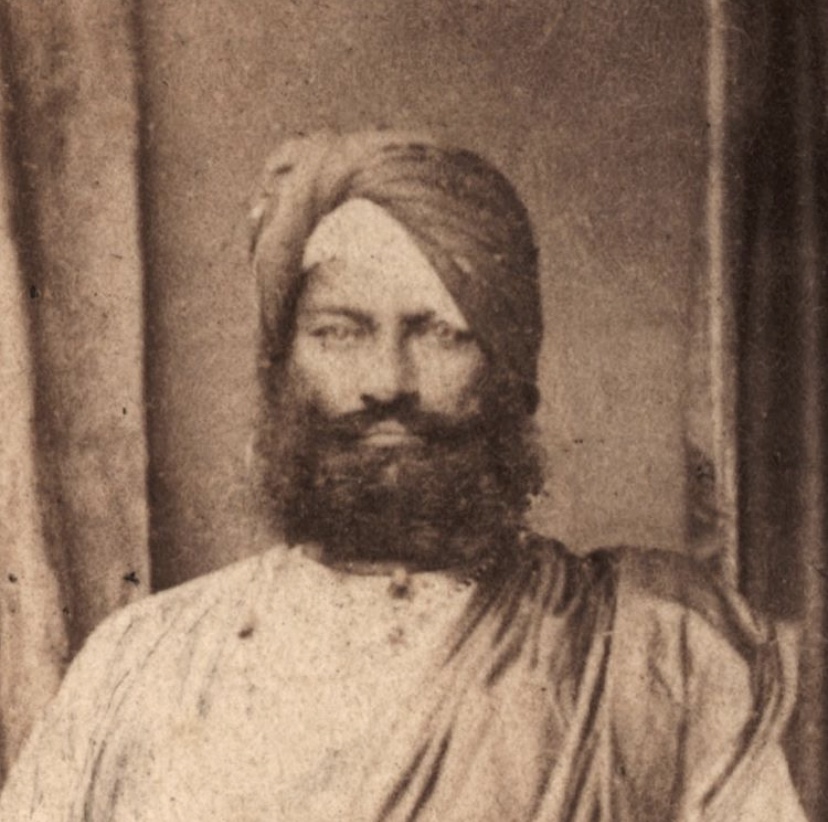
Chief minister and army commander in the First Anglo-Sikh War, widely accused of betraying the Khalsa army to the British.
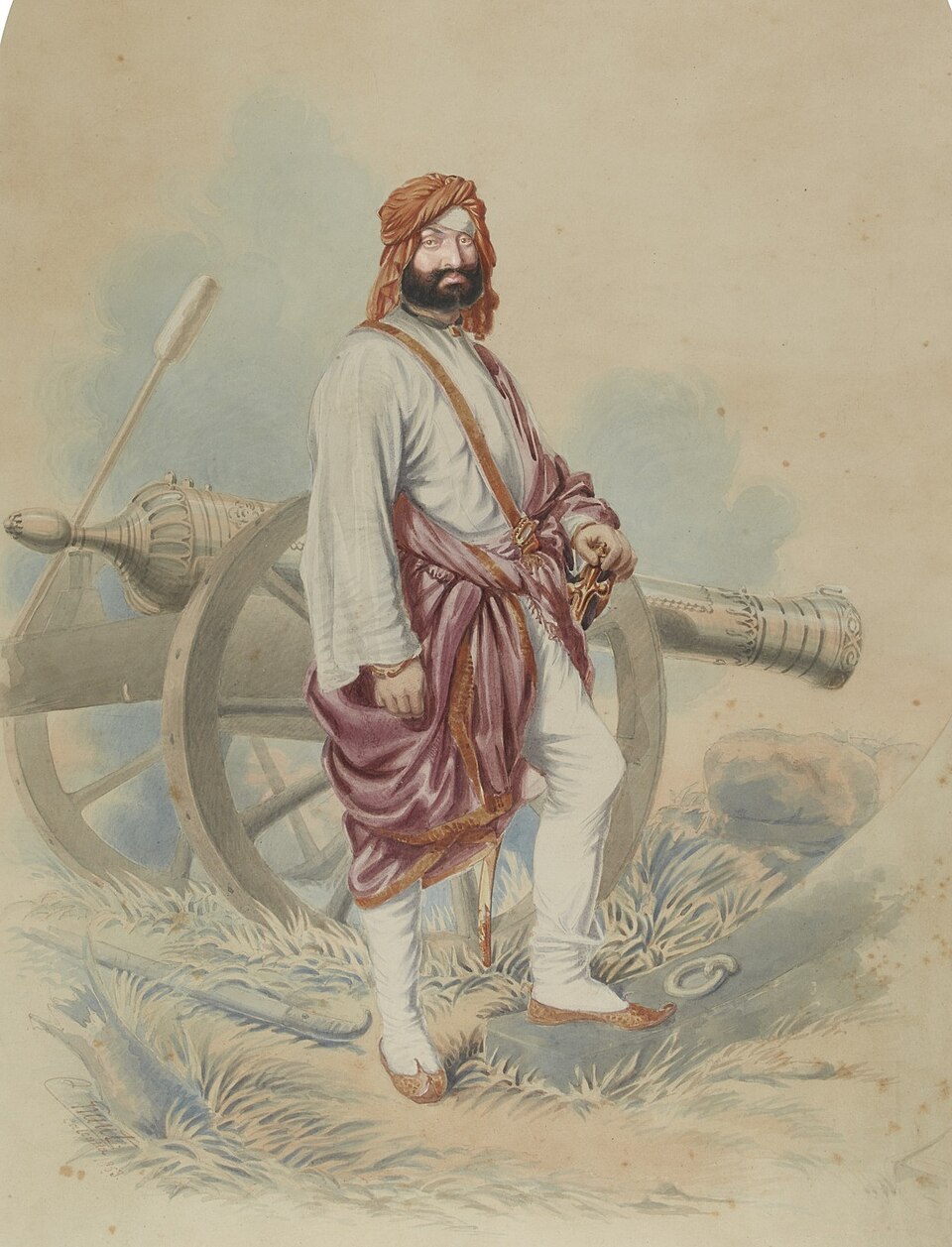
Commander of the Khalsa army in the Second Anglo-Sikh War, who fought the British to a standstill at Chillianwala before defeat at Gujrat.
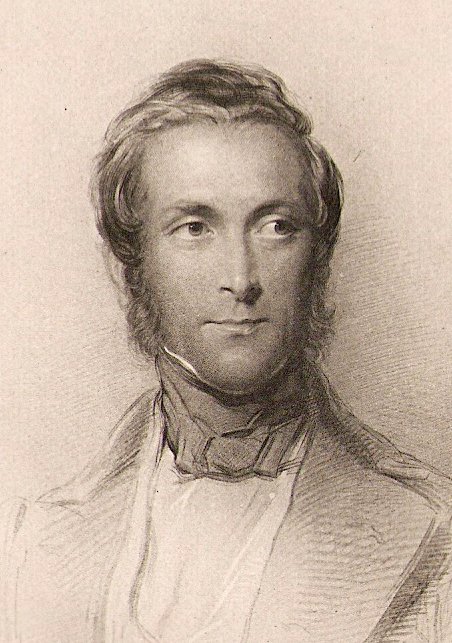
Governor-General who annexed Punjab in 1849, deposed Duleep Singh and sent the Koh-i-Noor to Queen Victoria.
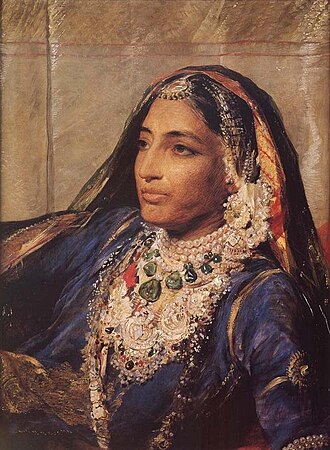
Youngest wife of Ranjit Singh and regent for her son Duleep Singh. The British saw her as the most dangerous person in Punjab, imprisoned her and exiled her; she escaped to Nepal.
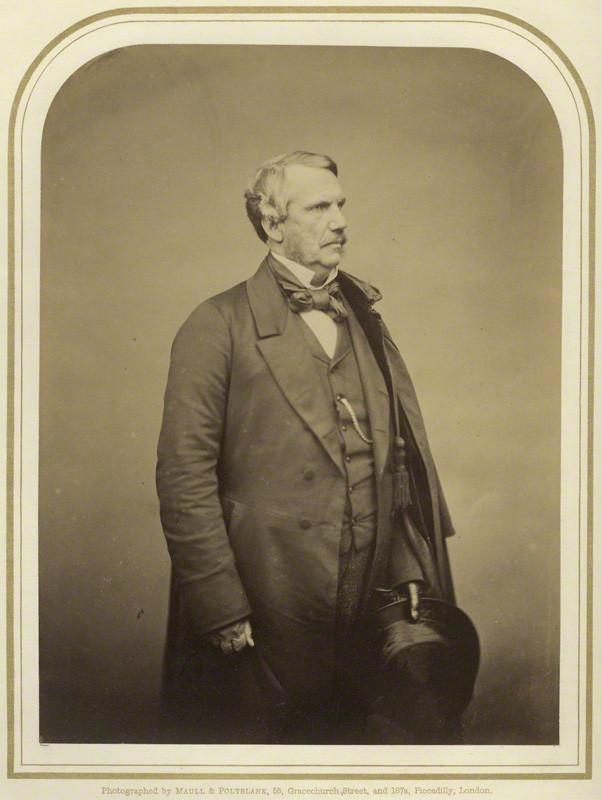
The administrator who ran the annexed Punjab, sent Punjabi troops to retake Delhi in 1857, and later became Viceroy of India.
Colonial Punjab
1849 – 1947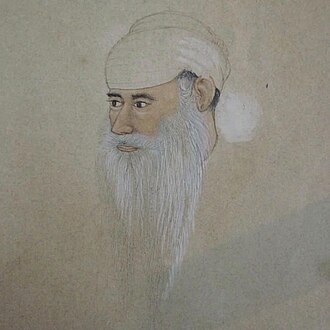
Founder of the Namdhari (Kuka) movement, which boycotted British goods and courts decades before Gandhi. Exiled to Burma after 1872.
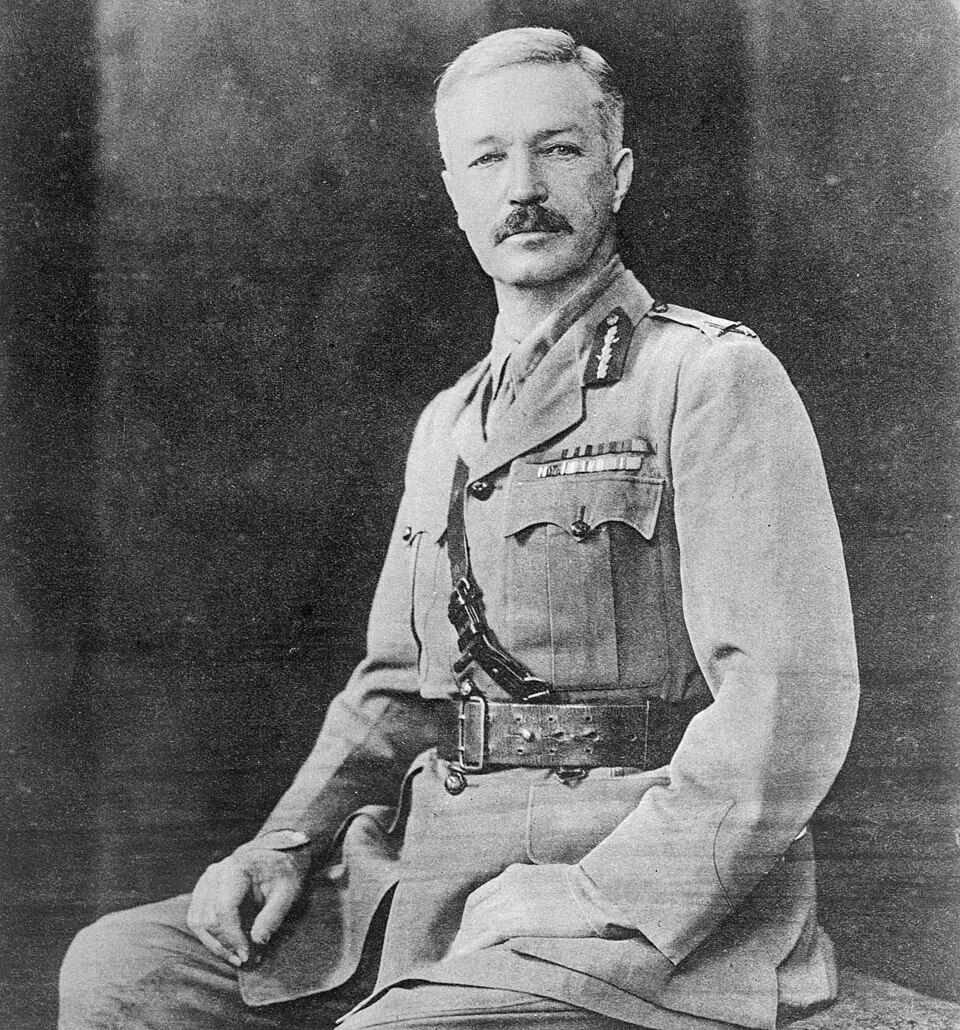
British officer who ordered troops to fire on the crowd at Jallianwala Bagh in April 1919 without warning, killing hundreds.
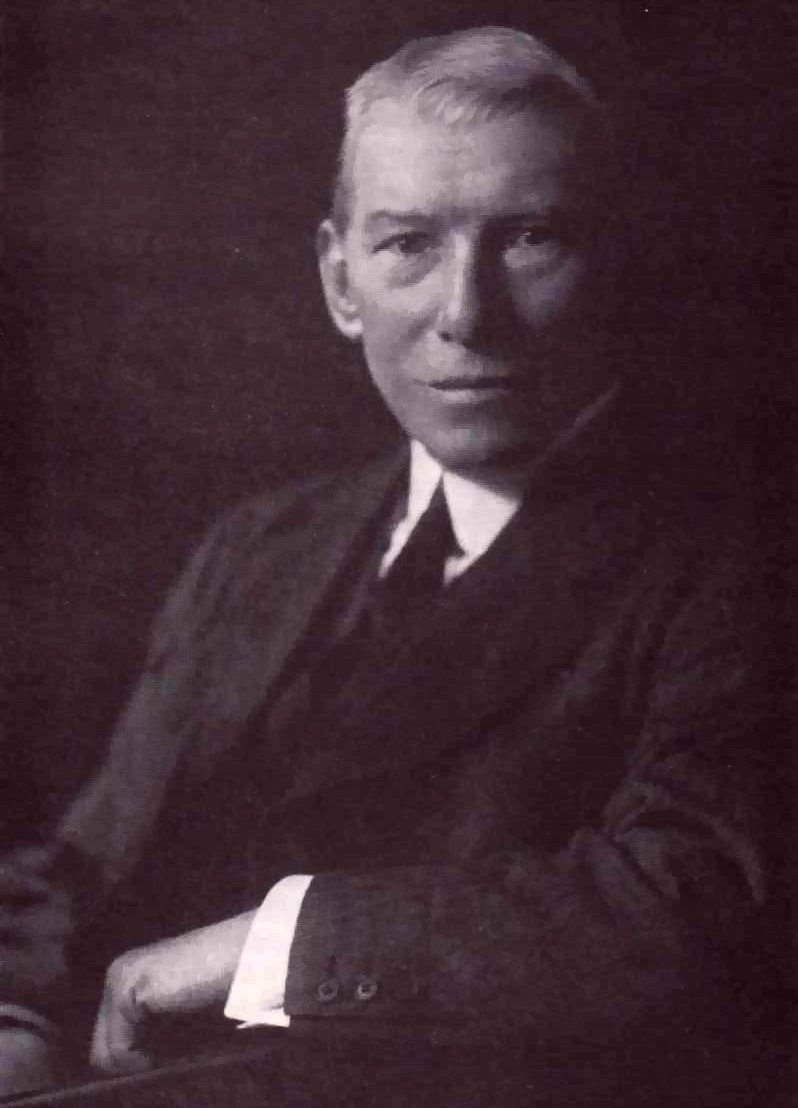
Lieutenant-Governor of Punjab who endorsed the Amritsar shooting and imposed martial law. Shot dead in London by Udham Singh in 1940.
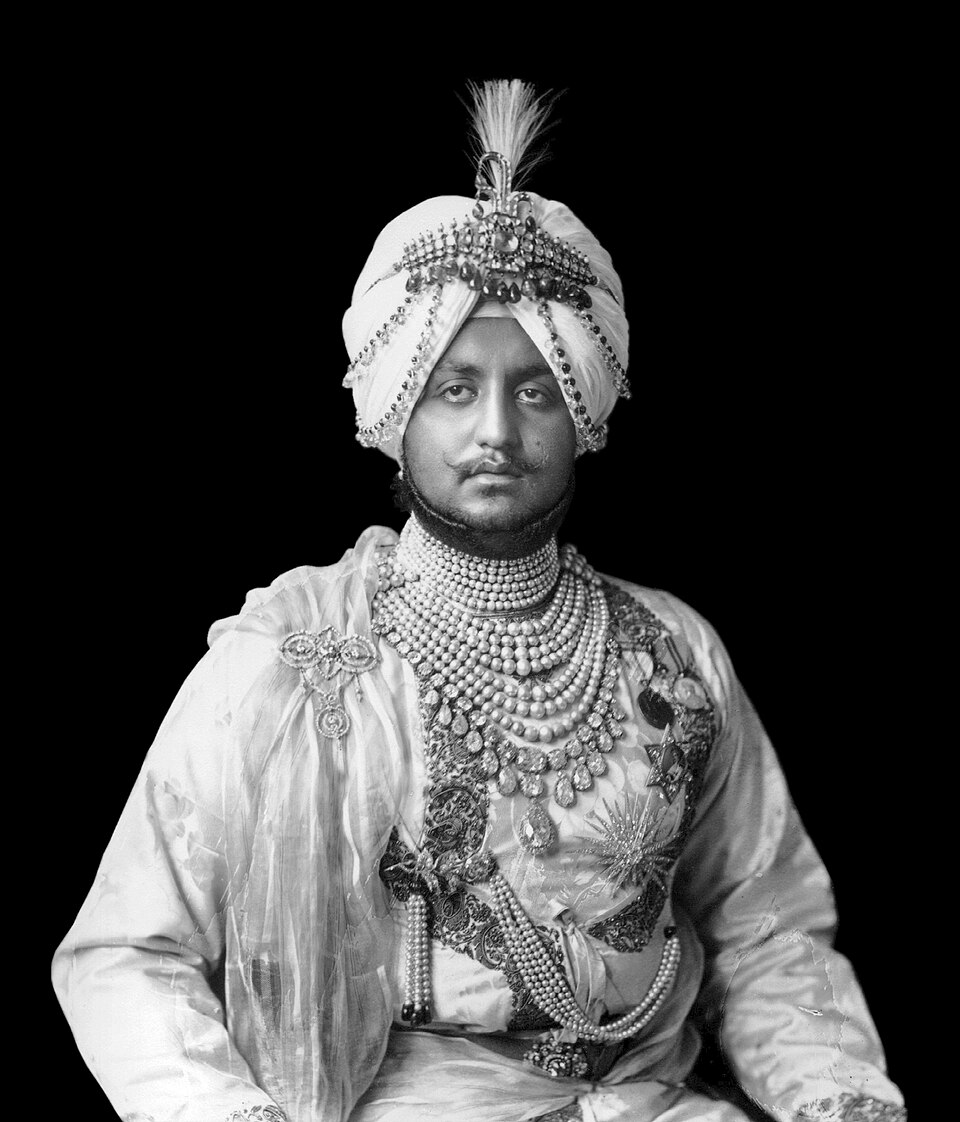
Flamboyant ruler of Patiala, cricketer and Chancellor of the Chamber of Princes, famous for his jewels and cars.