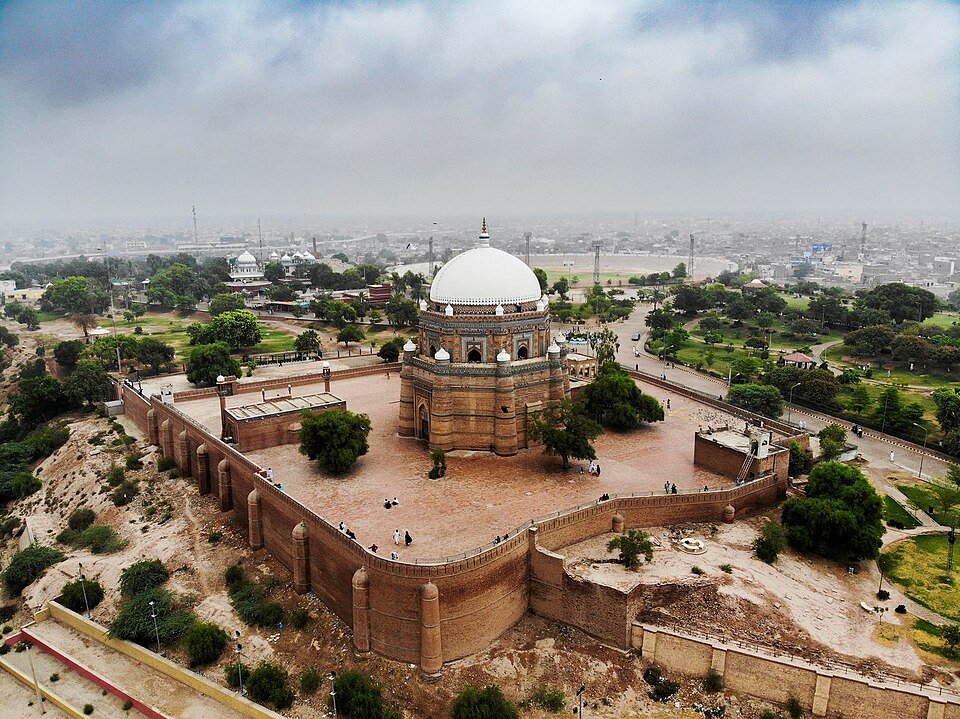
Multan
Ancient city of shrines, taken by Ranjit Singh's army in 1818. The 1848 rising here began the Second Anglo-Sikh War.
Multan, near the Chenab in the south-west, is one of the oldest continuously inhabited cities in Asia, famous for its sun temple in antiquity and later for its Sufi shrines, dust, heat and beggars, as a Persian couplet says. Alexander was wounded attacking a town of the Malli nearby; the Arabs took it in 712.
The shrines of Bahauddin Zakariya and Shah Rukn-e-Alam dominate its skyline. Ranjit Singh's army took it in 1818 after a long siege, and its governor Sawan Mal made the province prosperous. The revolt of Mulraj here in 1848 began the Second Anglo-Sikh War.
It is now a large city of Pakistani Punjab, the capital of the Saraiki-speaking south.
People
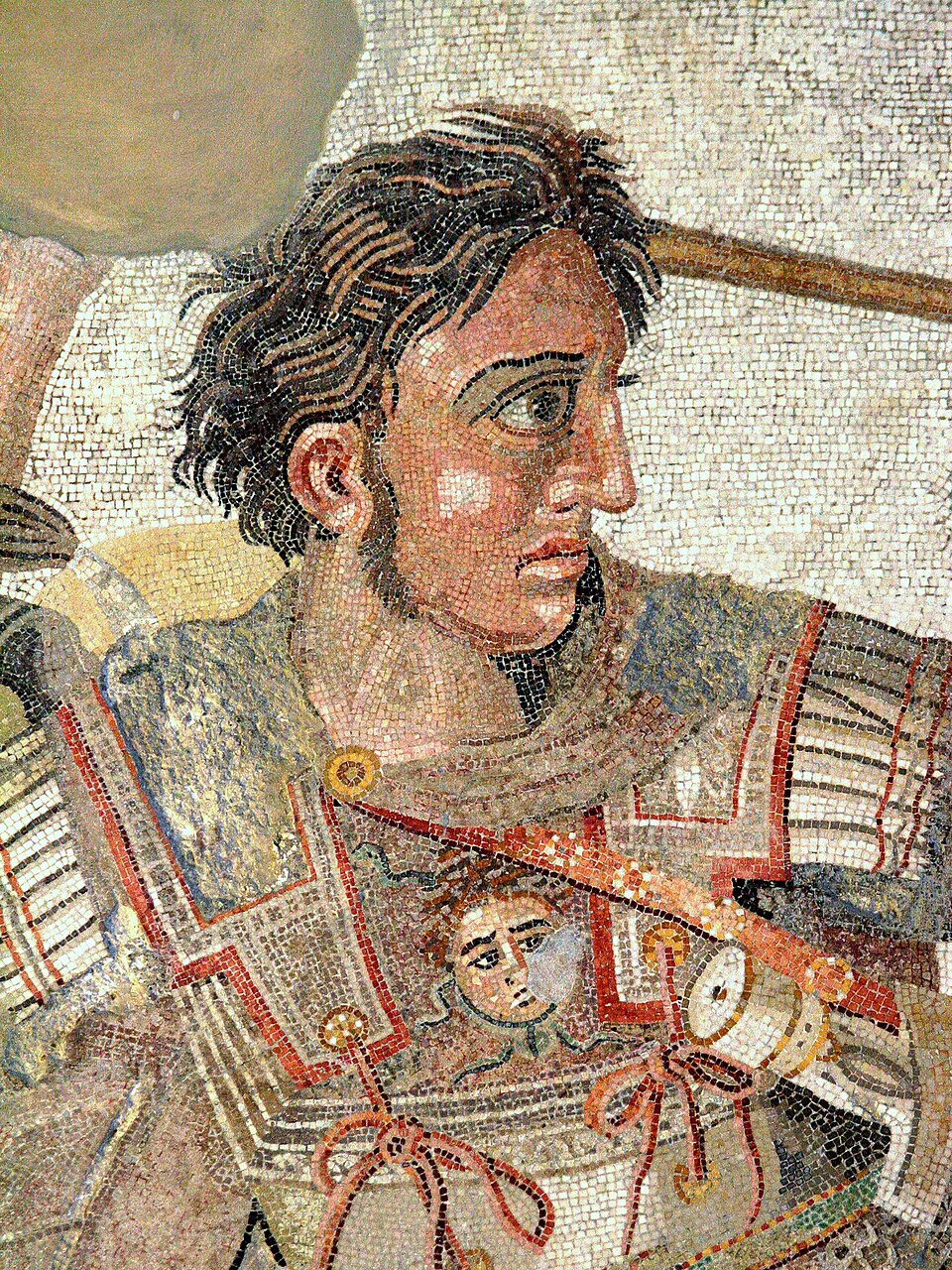
Crossed the Indus in 326 BCE, defeated Porus, and turned back at the Beas when his army refused to go on. He was badly wounded storming a Malli town, probably near Multan.
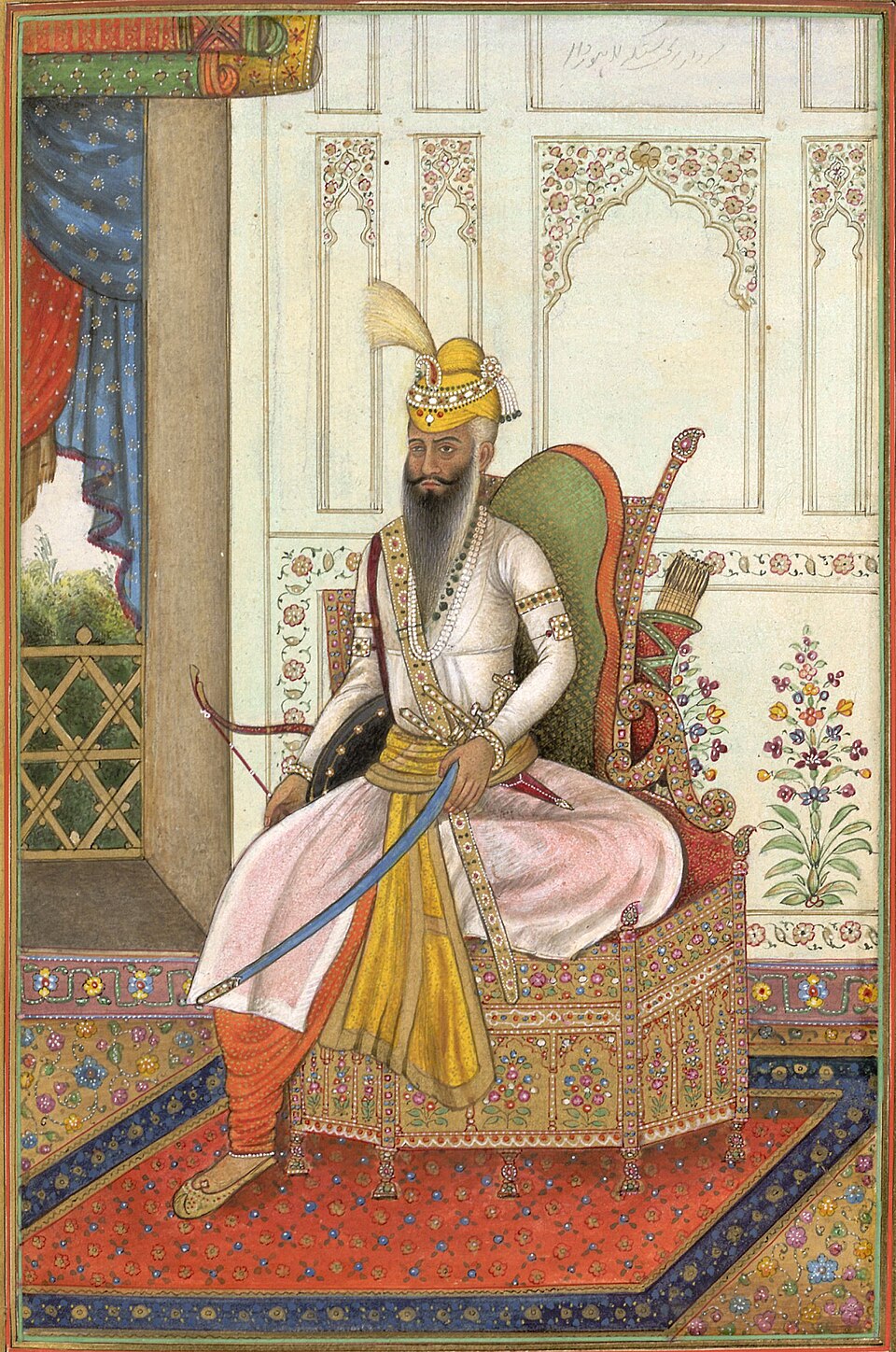
Sher-e-Punjab, the Lion of Punjab. United the misls into the Sikh Empire, ruled from Lahore for forty years and covered the Harmandir Sahib in gold.
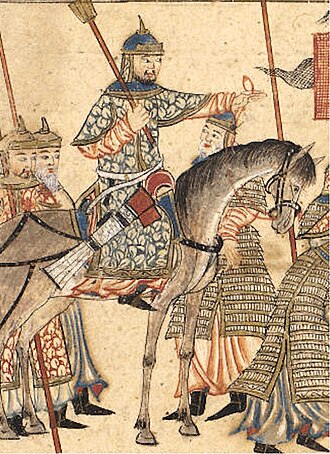
Turkic sultan who raided India some seventeen times. His conquests made Lahore a Ghaznavid city and brought Punjab into the Persian-speaking Islamic world.
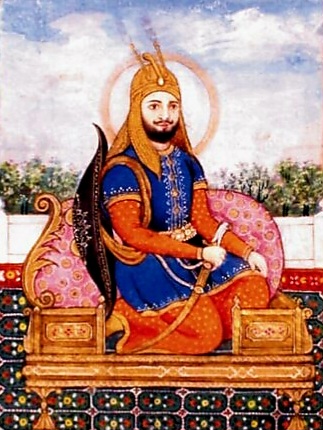
Afghan ruler who drove out Humayun, built Rohtas Fort and rebuilt the great road from Bengal to Punjab that became the Grand Trunk Road.
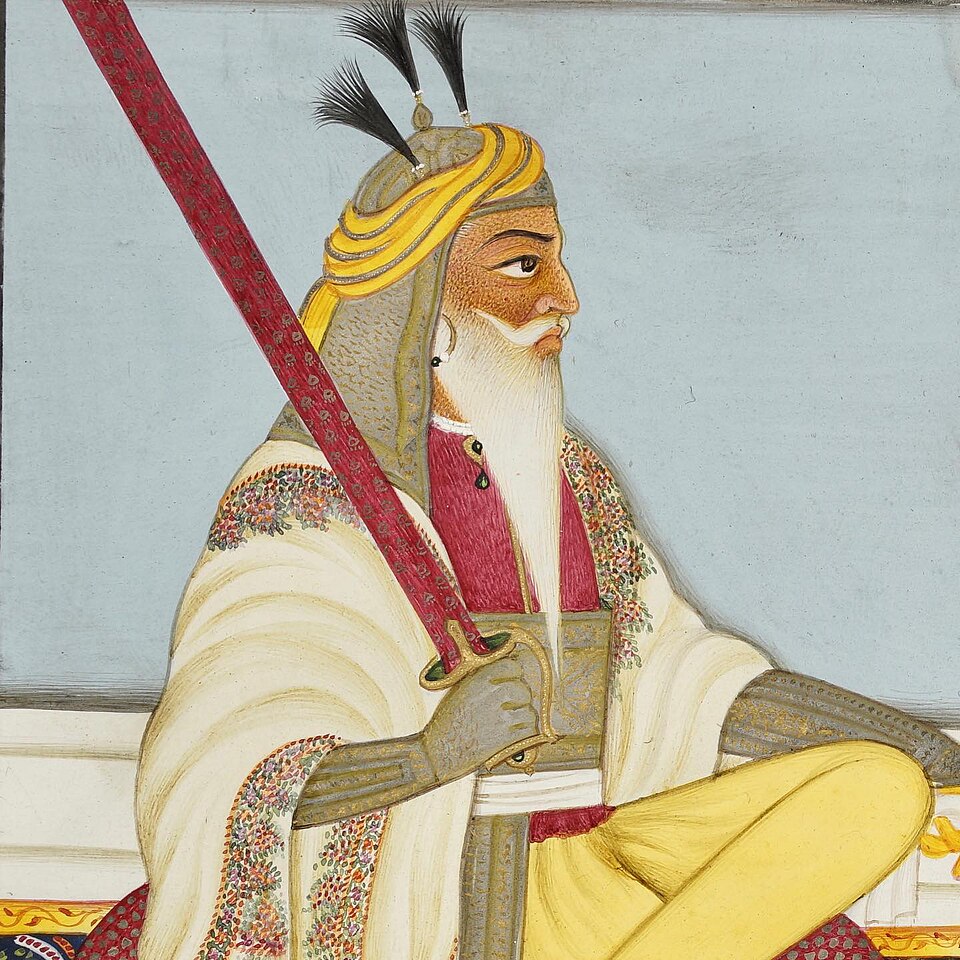
Commander-in-chief of the Sikh army on the north-west frontier. Governed Kashmir and Peshawar and died holding Jamrud against the Afghans.
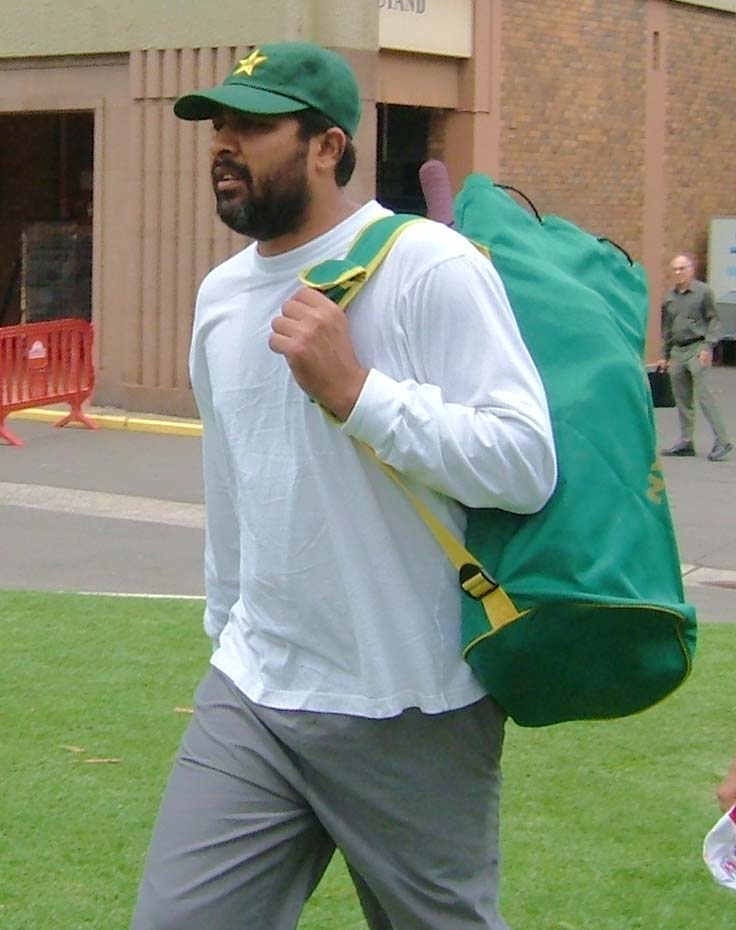
Batsman from Multan whose innings in the 1992 World Cup semi-final announced him, and who became Pakistan's captain.
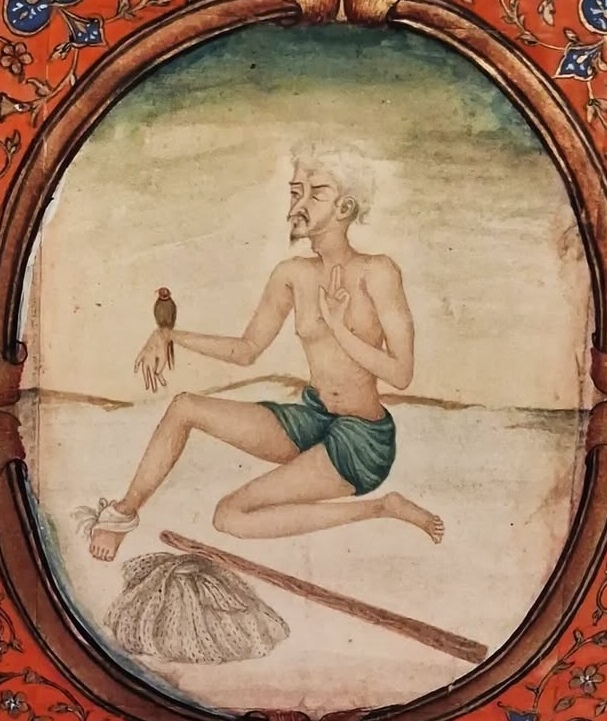
Chishti Sufi of Pakpattan and the first great poet of the Punjabi language. His hymns and saloks are part of the Guru Granth Sahib.
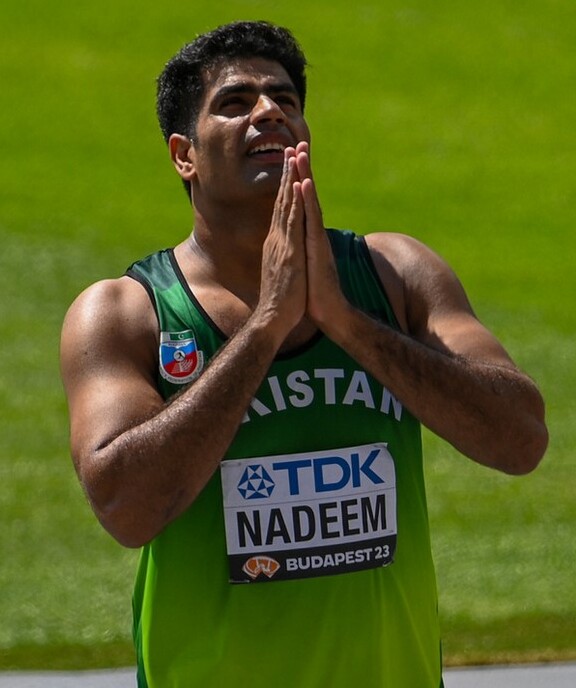
Javelin thrower from a village near Mian Channu who won Olympic gold in Paris in 2024 with an Olympic record of 92.97 metres.
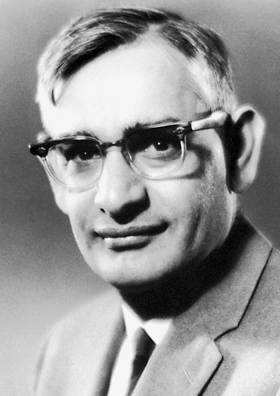
Biochemist from a village near Multan who shared the 1968 Nobel Prize for showing how the genetic code is read.
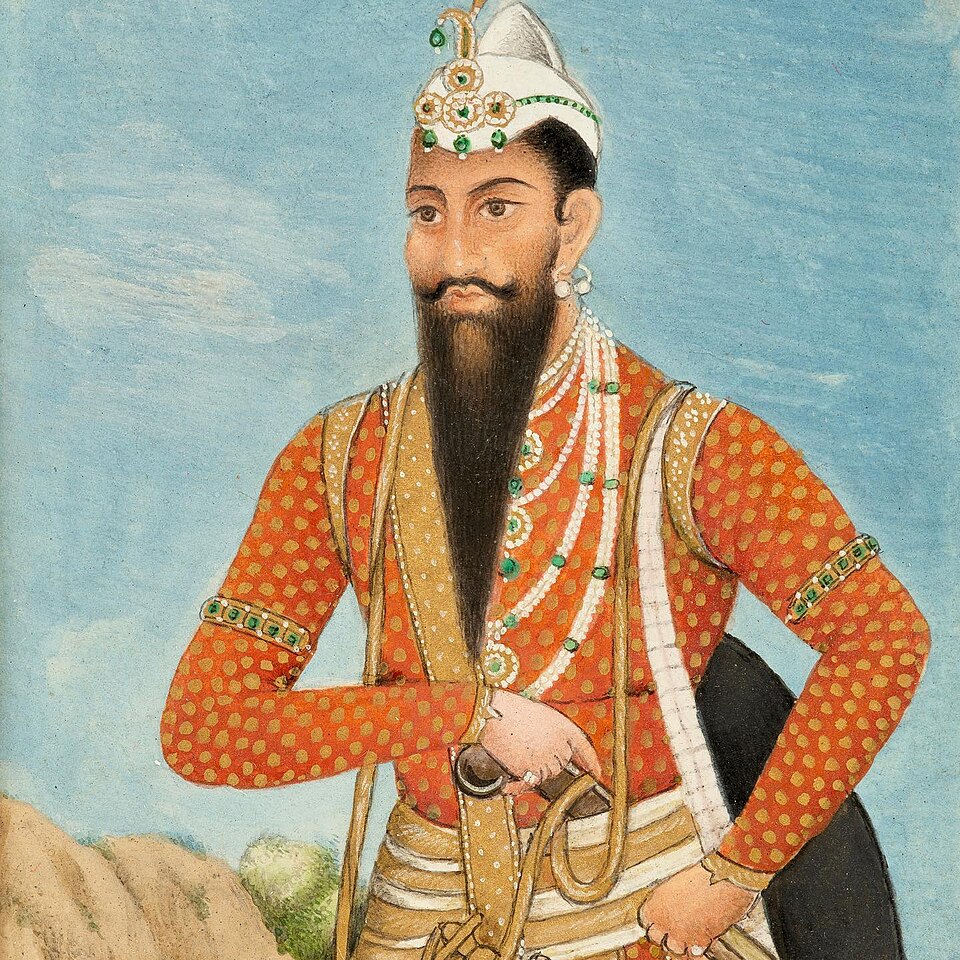
Ranjit Singh's eldest son and successor. Nominal commander at Multan in 1818, he was sidelined within months of his accession and died, possibly poisoned, in November 1840.
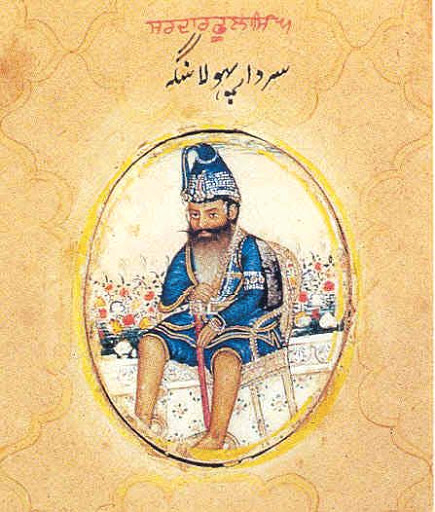
Nihang leader and jathedar of the Akal Takht who once had Ranjit Singh flogged for a moral lapse. Killed leading the charge at Nowshera.
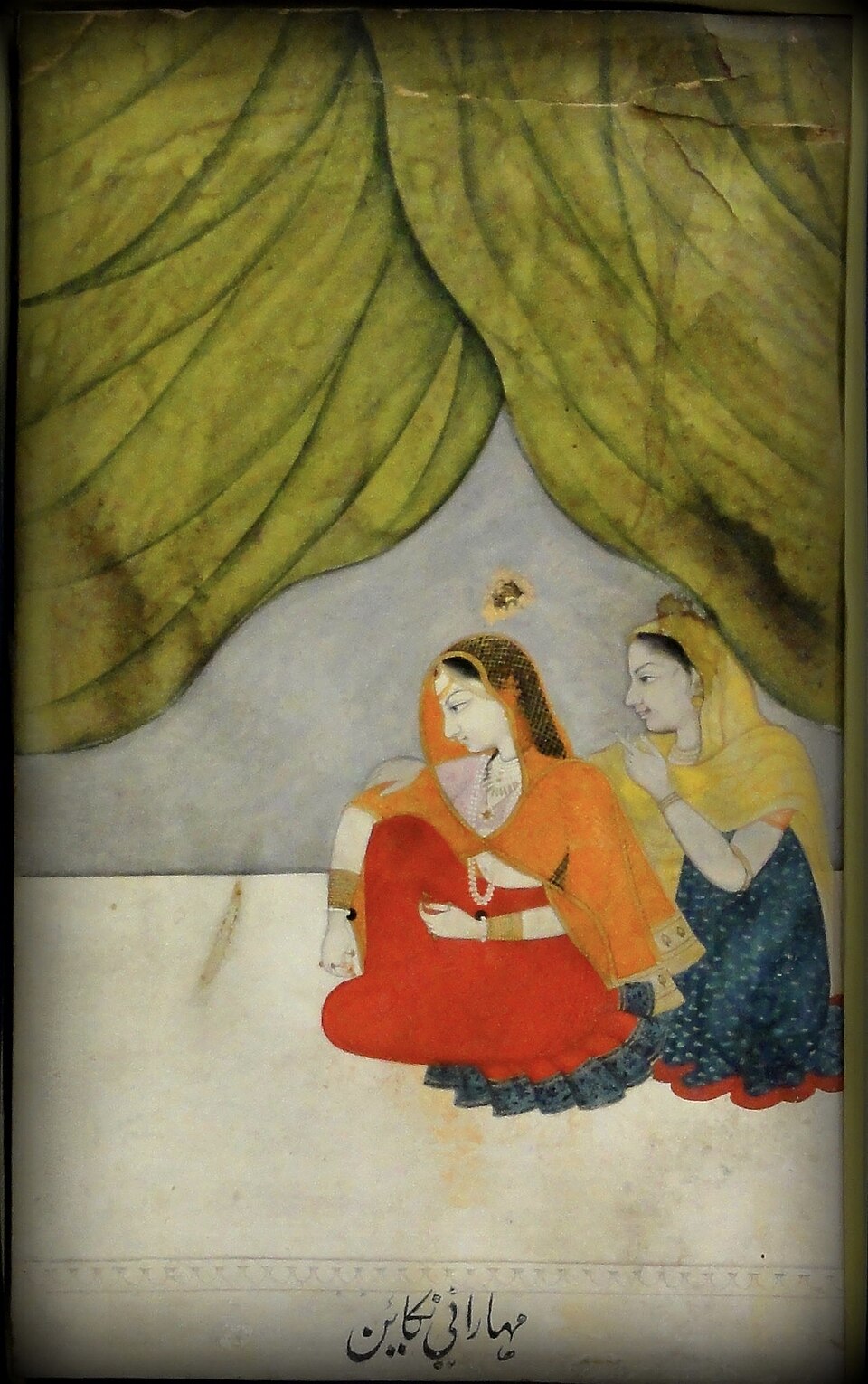
Ranjit Singh's wife from the Nakai misl and mother of Kharak Singh, who accompanied the Multan campaign and handled its supplies.
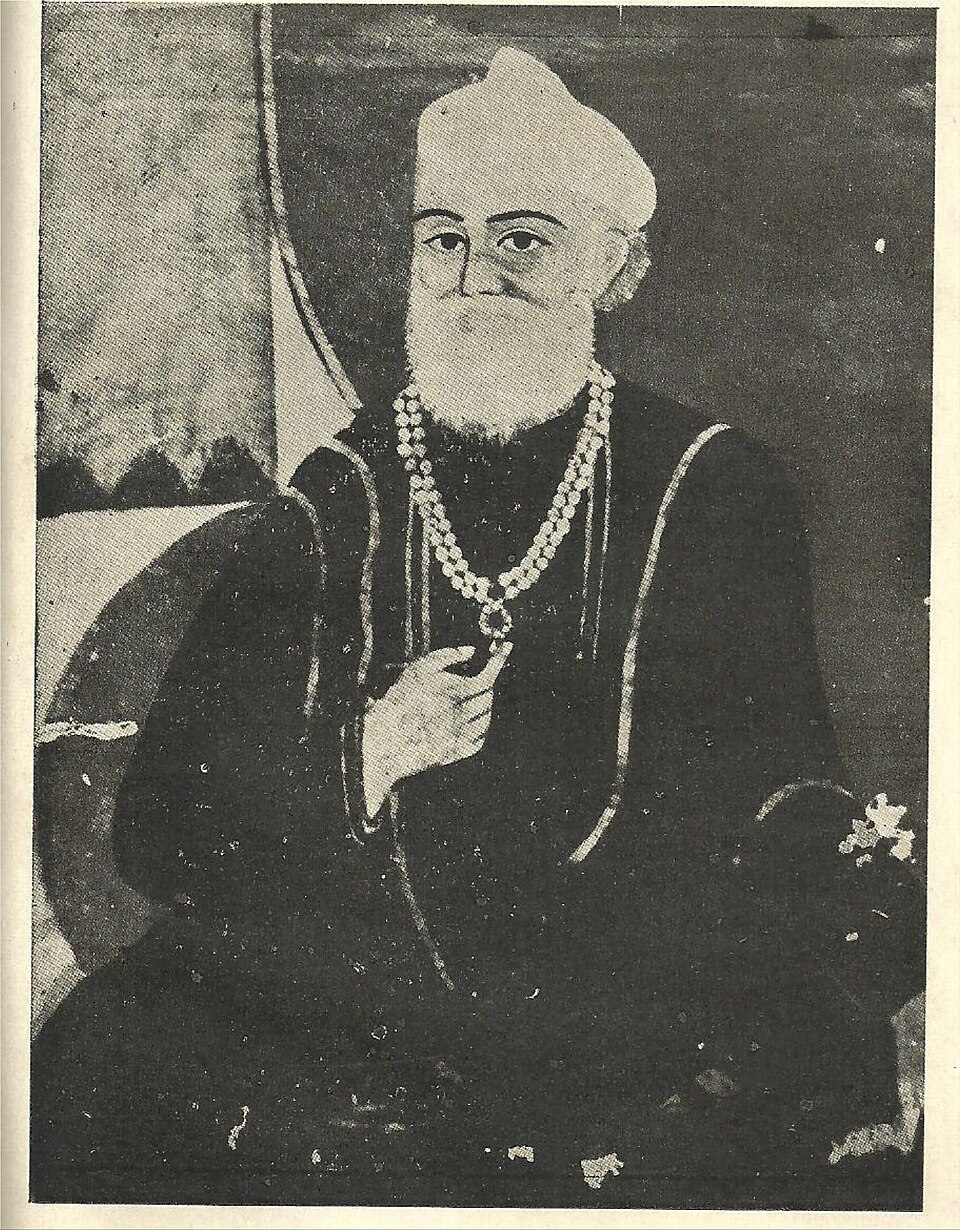
Artillery commander who rose from clerk to general and led the storming of Multan in 1818 and the conquest of Kashmir in 1819.
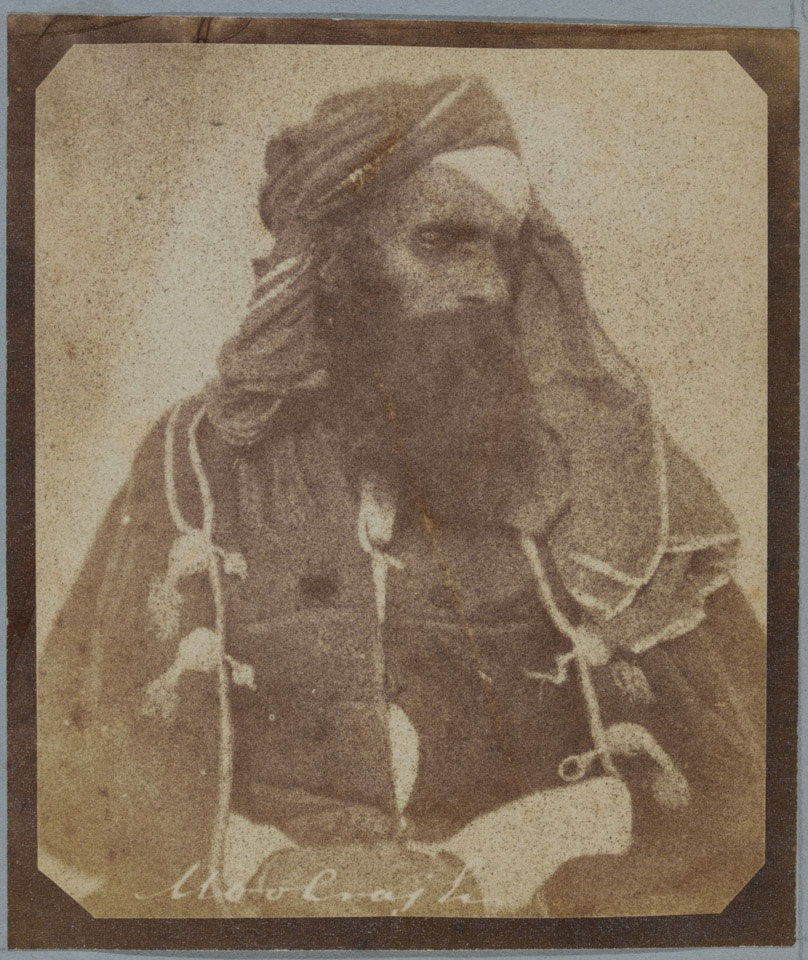
Governor of Multan whose revolt in April 1848, after two British officers were killed in the city, began the Second Anglo-Sikh War.
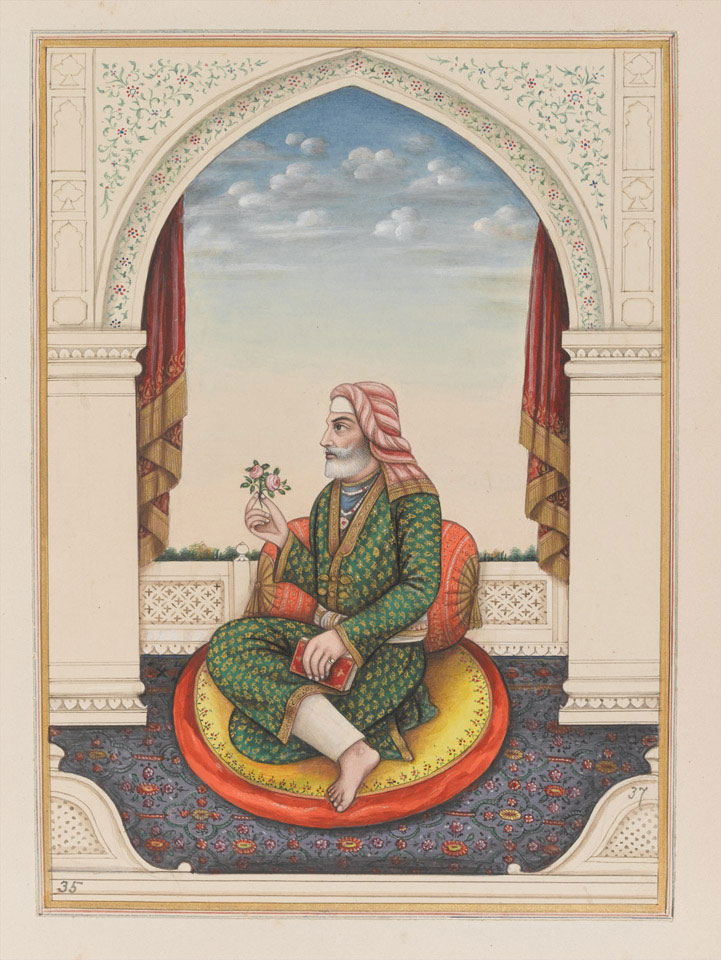
Governor of Multan for over twenty years, who turned its dry lands to farming with new canals. His son Mulraj succeeded him.
Battles
Artifacts
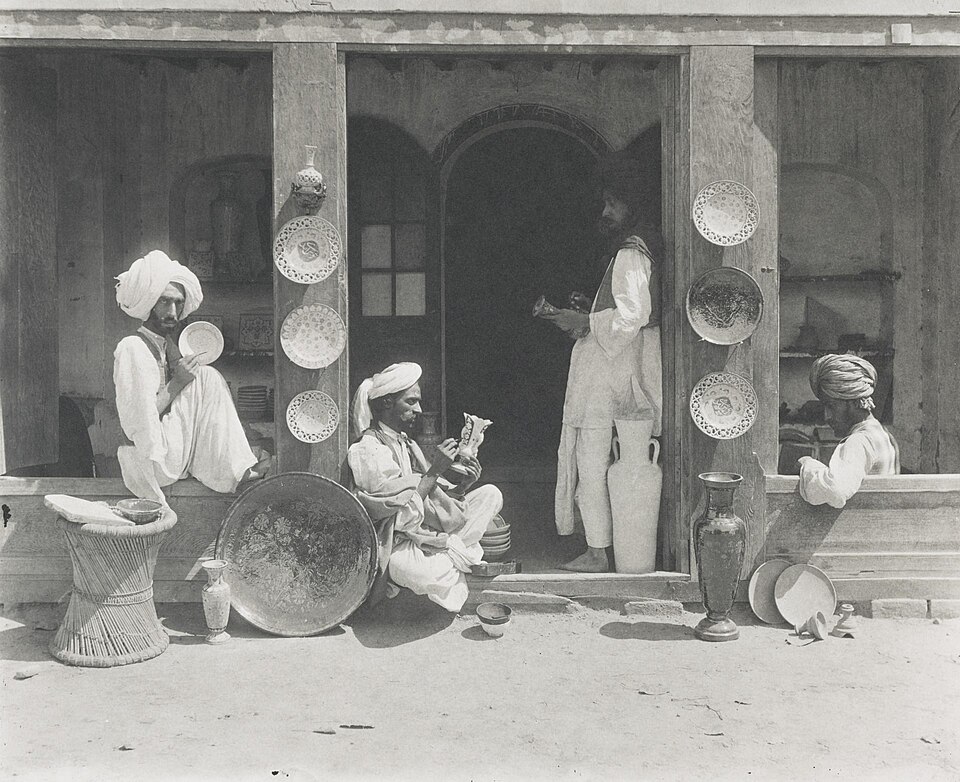
The cobalt-and-white glazed pottery and tiles of Multan, the craft that clothed its Sufi tombs and is still practised in the city.
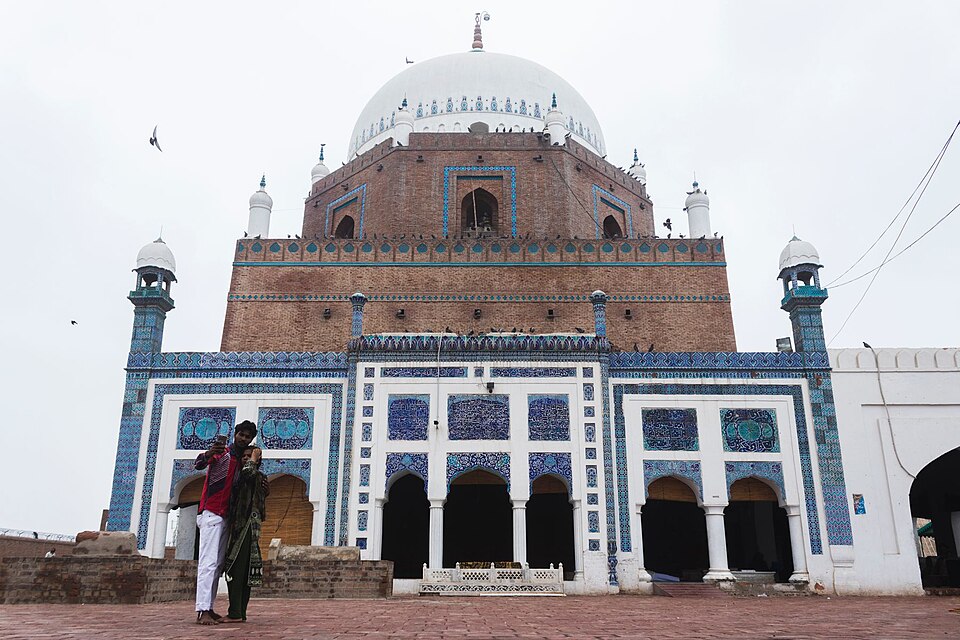
The square brick tomb, with an octagonal drum and a dome, of the Suhrawardi saint who made Multan one of the great centres of Sufism.
The camel-skin lamps of MultanLiving craftLampshades, vases and boxes of thinly scraped camel skin, moulded over clay and painted with gold and coloured designs, called naqashi, by the craftsmen of Multan.
On the timeline
In the world's museums
56 objects →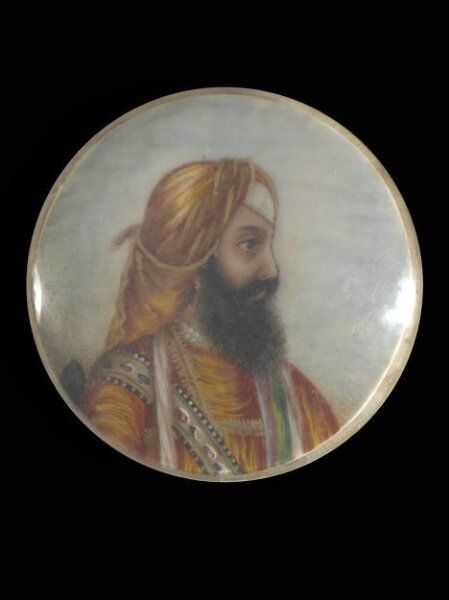 Mulraj, governor of Multanca. 1850 - ca. 1870 · Lahore© Victoria and Albert Museum, London ↗
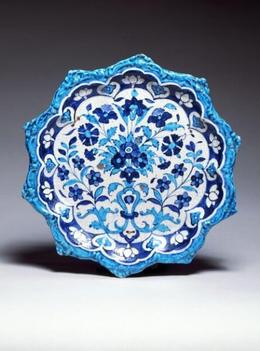 Plate, Multanca. 1880 · Multan© Victoria and Albert Museum, London ↗
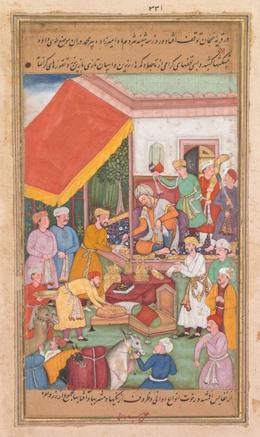 Timur distributes gifts from his grandson, the Prince of Multan, from a Zafar-nama1598–1600 · Mughal India, court of Akbar (reigned 1556–1605)Cleveland Museum of Art ↗
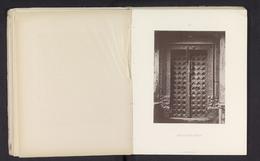 Deur van een huis in MultanRijksmuseum (via Europeana) ↗
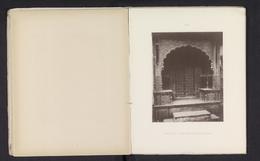 Gezicht op een portiek van een huis in MultanRijksmuseum (via Europeana) ↗
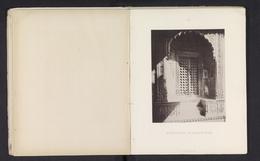 Gezicht op een portiek van een huis in MultanRijksmuseum (via Europeana) ↗
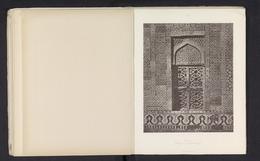 Raam met geometrische ornamenten van een tombe in MultanRijksmuseum (via Europeana) ↗
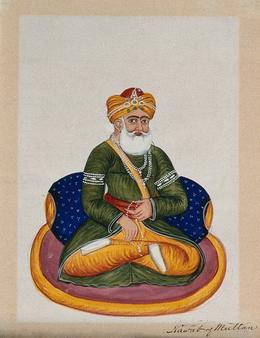 The Nawab of MultanWellcome Collection (via Europeana) · CC BY ↗
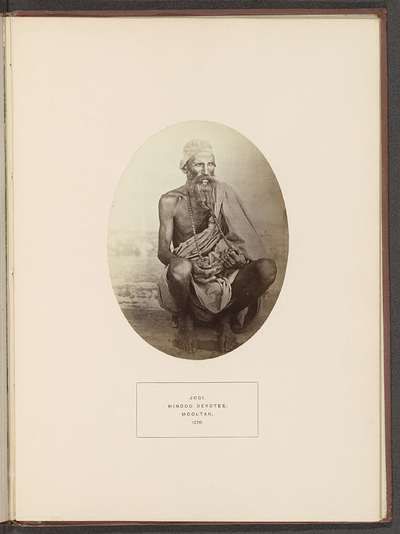 Portret van een yogi uit MultanRijksmuseum (via Europeana) ↗
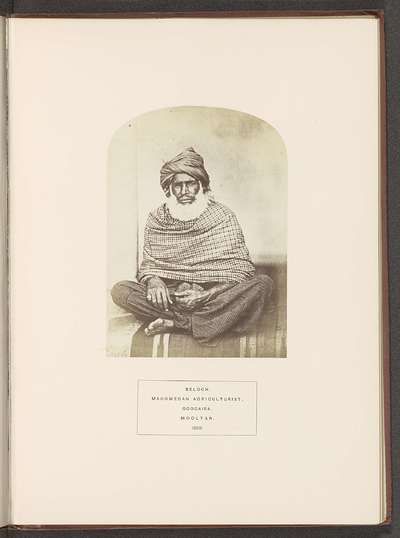 Portret van een onbekende Beloetsj man uit MultanRijksmuseum (via Europeana) ↗
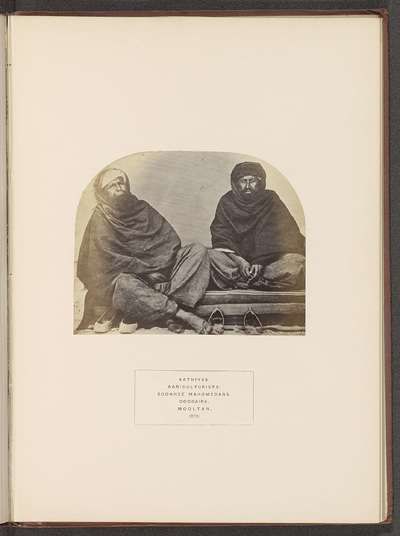 Portret van twee onbekende landbouwers uit MultanRijksmuseum (via Europeana) ↗
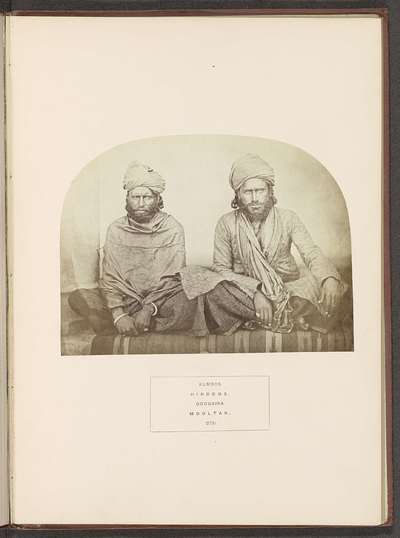 Portret van twee onbekende mannen van de Kumbo-stam uit MultanRijksmuseum (via Europeana) ↗
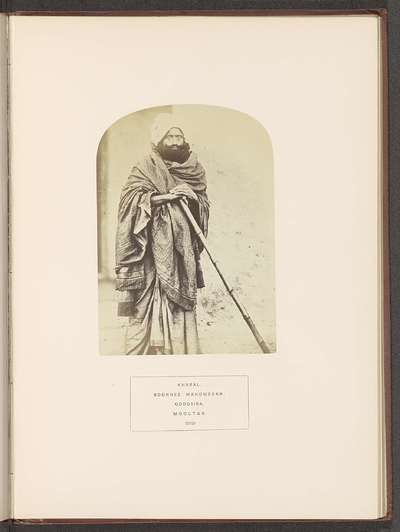 Portret van een onbekende man van de Kharal-stam uit MultanRijksmuseum (via Europeana) ↗
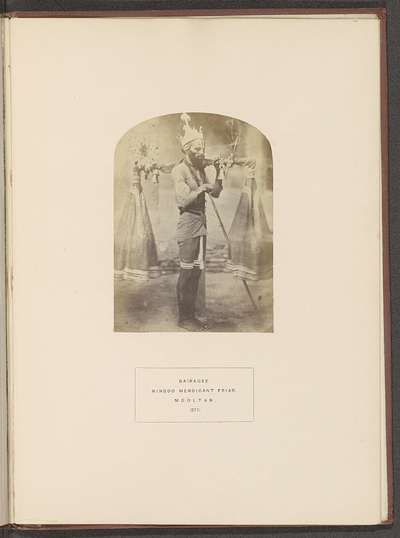 Portret van een bedelmonnik uit Multan die water draagt uit de GangesRijksmuseum (via Europeana) ↗
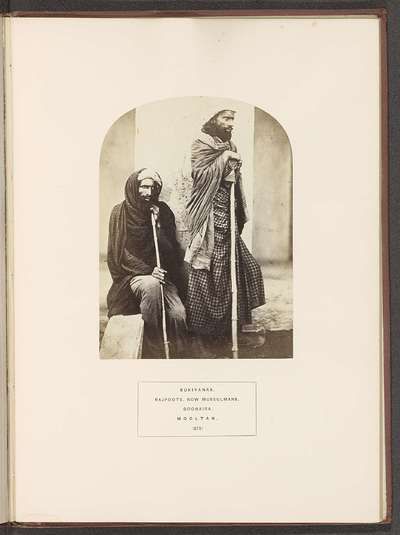 Portret van twee onbekende mannen van de Bukiyana-stam uit MultanRijksmuseum (via Europeana) ↗
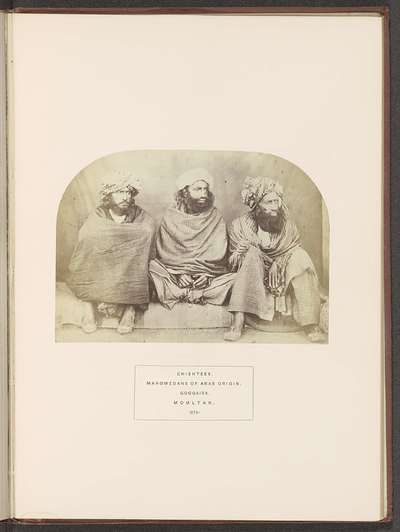 Portret van drie onbekende aanhangers van de Chishti-orde uit MultanRijksmuseum (via Europeana) ↗
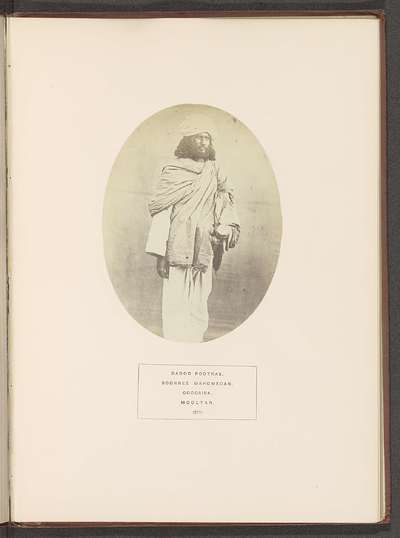 Portret van een onbekende man met een Daud Putra afkomst uit MultanRijksmuseum (via Europeana) ↗
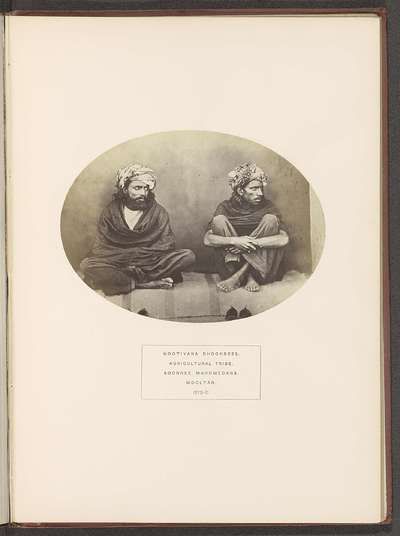 Portret van twee onbekende landbouwers van de Hutiyana Dhundis-stam uit MultanRijksmuseum (via Europeana) ↗