
Sultan Bahu
Sufi poet of Jhang whose short verses each end with the refrain 'hu', the breath of God.
In their words
Famous linesਅਲਿਫ਼ ਅੱਲ੍ਹਾ ਚੰਬੇ ਦੀ ਬੂਟੀ, ਮੁਰਸ਼ਦ ਮਨ ਮੇਰੇ ਵਿੱਚ ਲਾਈ ਹੂ। ਨਫ਼ੀ ਅਸਬਾਤ ਦਾ ਪਾਣੀ ਮਿਲਿਆ, ਹਰ ਰਗੇ ਹਰ ਜਾਈ ਹੂ।
الف اللہ چنبے دی بوٹی، مرشد من میرے وچ لائی ہو۔ نفی اسبات دا پاݨی ملیا، ہر رگے ہر جائی ہو۔
Alif: Allah is a jasmine plant my master planted in my heart, Hu. Watered with the 'no' and the 'yes' of faith, it has spread through every vein, Hu.
Abiyat, the first verse
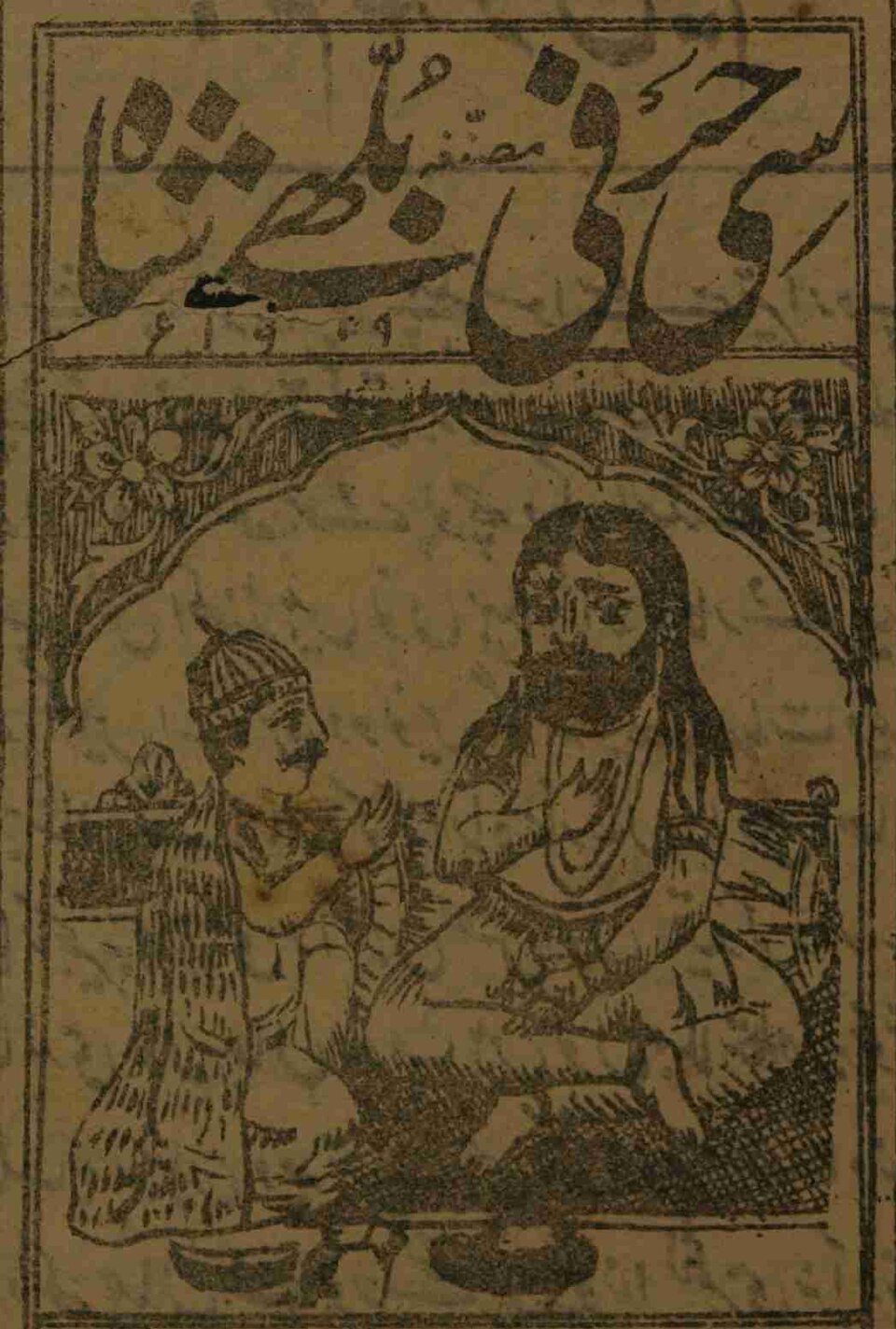
Sultan Bahu was born around 1630 at Shorkot in the Jhang district, the son of an officer of Shah Jahan's army. A Qadiri Sufi, he spent most of his life wandering the bar country of the Chenab valley.
He wrote more than a hundred books in Persian on Sufism, but is remembered for his Punjabi abyat: short verses of four lines, each line ending with the sound 'hu', the breath of God. They speak of the heart as the true mosque, of the lover who burns, and of the scholars who know the word but not its meaning.
His shrine at Garh Maharaja on the Chenab draws great crowds, and his abyat are sung by qawwals and folk singers across Pakistani Punjab. He died in 1691.
Connected
The Sufi lineages
Teacher to discipleScroll sideways to see the whole tree →
Teacher to disciple, simplified. Dashed lines skip generations: the Qadiri saints of the Punjab belonged to Abdul Qadir Jilani's order but lived centuries after him. Darker boxes are poets and saints of the Punjab with their own pages. Mian Mir was a friend of Guru Arjan; Sikh tradition says he laid the foundation stone of the Harmandir Sahib.