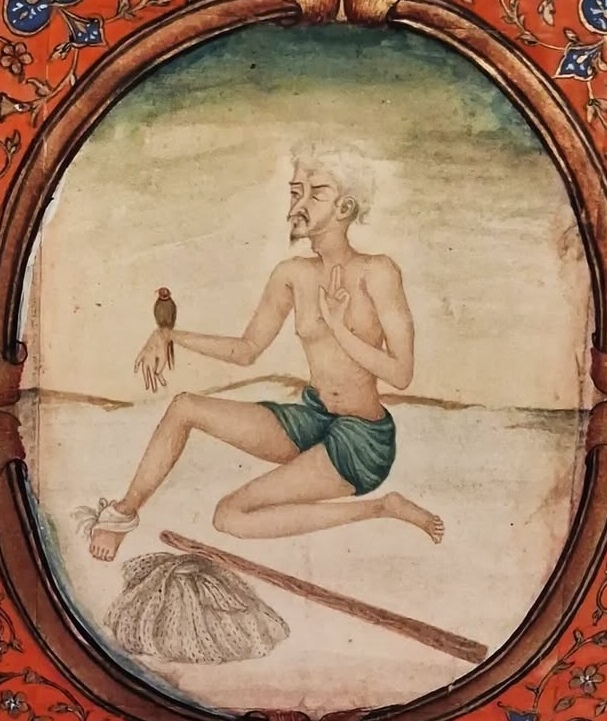
Baba Sheikh Farid
Chishti Sufi of Pakpattan and the first great poet of the Punjabi language. His hymns and saloks are part of the Guru Granth Sahib.
In their words
Famous linesਫਰੀਦਾ ਜੇ ਤੂ ਅਕਲਿ ਲਤੀਫੁ ਕਾਲੇ ਲਿਖੁ ਨ ਲੇਖ ॥ ਆਪਨੜੇ ਗਿਰੀਵਾਨ ਮਹਿ ਸਿਰੁ ਨੀਵਾਂ ਕਰਿ ਦੇਖੁ ॥
پھریدا جے تو اکل لتیپھ کالے لکھ ن لیکھ ॥ آپنڑے گریوان مہ سر نیواں کر دیکھ ॥
Farid, if you are wise and keen of mind, write no black marks against others. Bow your head and look into your own collar.
Guru Granth Sahib, page 1378
ਕਾਗਾ ਕਰੰਗ ਢੰਢੋਲਿਆ ਸਗਲਾ ਖਾਇਆ ਮਾਸੁ ॥ ਏ ਦੁਇ ਨੈਨਾ ਮਤਿ ਛੁਹਉ ਪਿਰ ਦੇਖਨ ਕੀ ਆਸ ॥
کاگا کرنگ ڈھنڈھولیا سگلا کھایا ماس ॥ اے دوئے نینا مت چھہو پر دیکھن کی آس ॥
The crow has picked over my skeleton and eaten all my flesh. Do not touch these two eyes: they still hope to see my Beloved.
Guru Granth Sahib, page 1382
ਫਰੀਦਾ ਰੋਟੀ ਮੇਰੀ ਕਾਠ ਕੀ ਲਾਵਣੁ ਮੇਰੀ ਭੁਖ ॥ ਜਿਨਾ ਖਾਧੀ ਚੋਪੜੀ ਘਣੇ ਸਹਨਿਗੇ ਦੁਖ ॥
پھریدا روٹی میری کاٹھ کی لاوݨ میری بھکھ ॥ جنا کھادھی چوپڑی گھݨے سہنگے دکھ ॥
Farid, my bread is made of wood and hunger is my relish. Those who eat bread soaked in butter will suffer much pain.
Guru Granth Sahib, page 1379
Fariduddin Masud was born in 1173 at Kothewal near Multan and became the great Chishti Sufi of Punjab, a disciple of Qutbuddin Bakhtiar Kaki of Delhi. He settled at Ajodhan on the Sutlej, a ferry town on the road to Multan, which came to be called Pakpattan, the ferry of the pure. He died there in 1266.
His mother, the story goes, taught him to pray by hiding sugar under his prayer mat, and when he no longer needed the reward the sugar kept appearing; so he is called Ganj-i-Shakar, treasury of sugar. He lived in poverty and fasting, and his khanqah fed everyone who came, Hindu or Muslim.
He is the first great poet of the Punjabi language. The Guru Granth Sahib contains 4 of his hymns and 112 saloks, preserved by his successors at Pakpattan, and Guru Nanak is said to have met one of them. His saloks are stark: the body as a crow's food, the grave calling 'come home', the advice not to hit back at those who hit you but to kiss their feet. His shrine at Pakpattan, with its narrow Bahishti Darwaza, the gate of paradise, opened once a year, draws vast crowds.
On the timeline
Connected
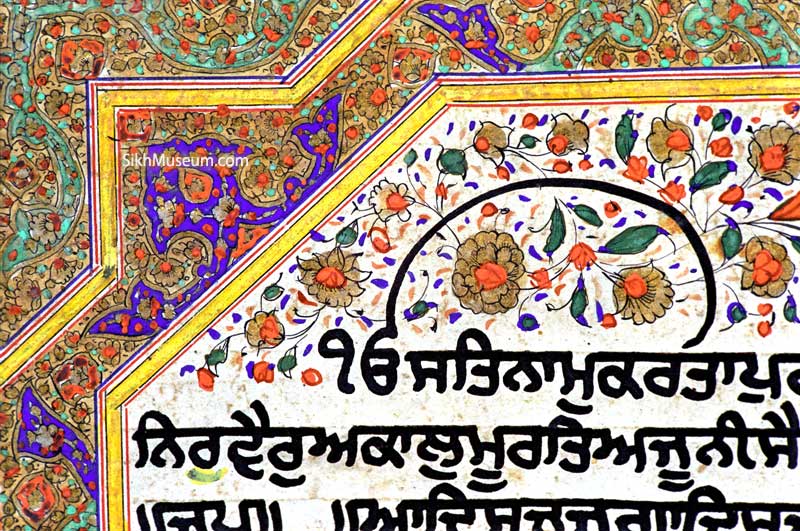
The scripture of the Sikhs and their eternal, living Guru: 1,430 pages of hymns by six Gurus and some thirty other saints, set in 31 ragas.
Bhagat Bhikhan16th centuryA Sufi of Uttar Pradesh whose two hymns describe the Name as medicine.
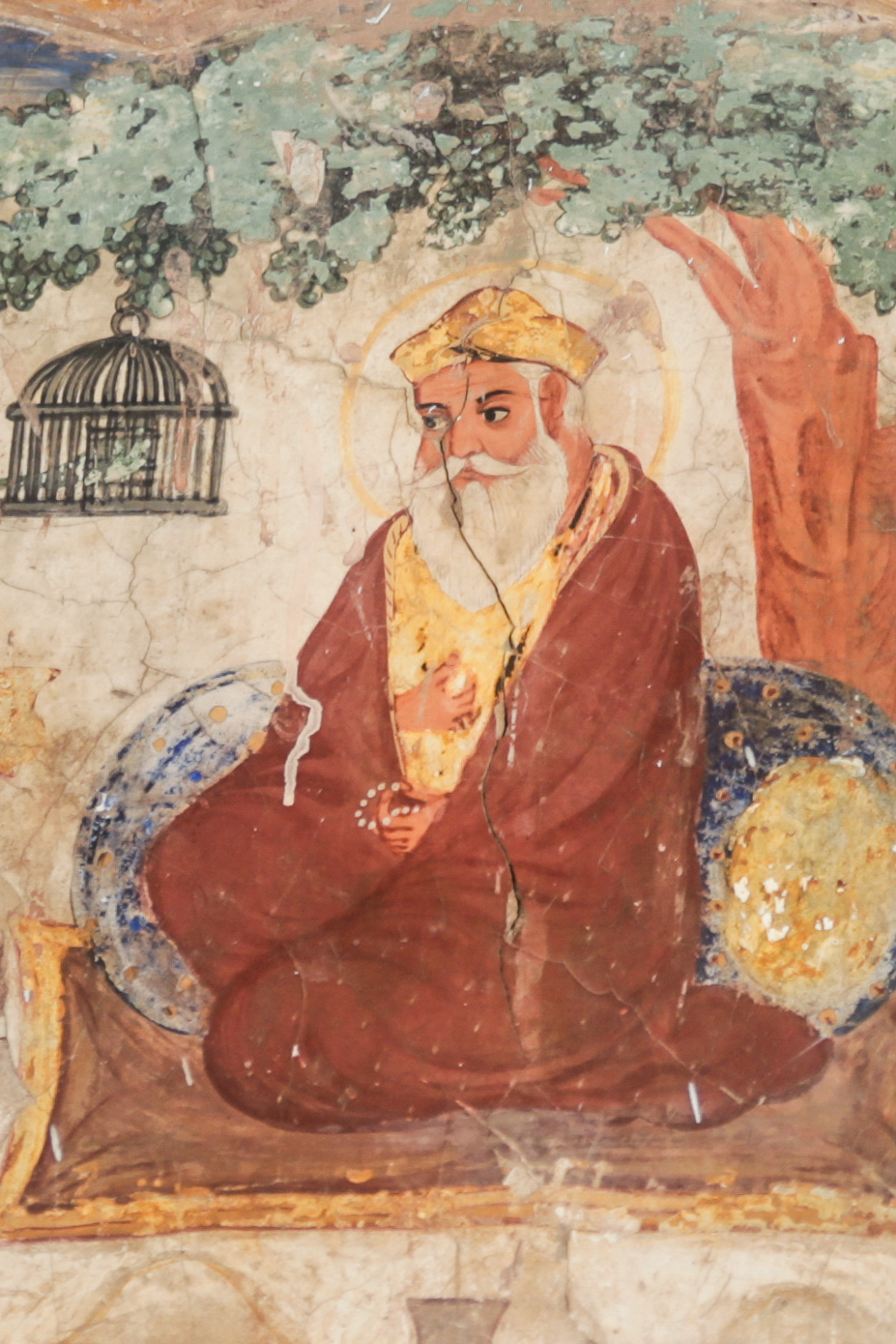
Founder of Sikhi. A poet and teacher who rejected caste and empty ritual and taught devotion to one formless God through the Name, honest work and sharing.
The Sufi lineages
Teacher to discipleScroll sideways to see the whole tree →
Teacher to disciple, simplified. Dashed lines skip generations: the Qadiri saints of the Punjab belonged to Abdul Qadir Jilani's order but lived centuries after him. Darker boxes are poets and saints of the Punjab with their own pages. Mian Mir was a friend of Guru Arjan; Sikh tradition says he laid the foundation stone of the Harmandir Sahib.