Saints and teachers
The Gurus, the bhagats whose verses stand in the Guru Granth Sahib, and the Sufis of Lahore, Pakpattan, Kasur and Jhang.
Sultans and Sufis
1000 – 1469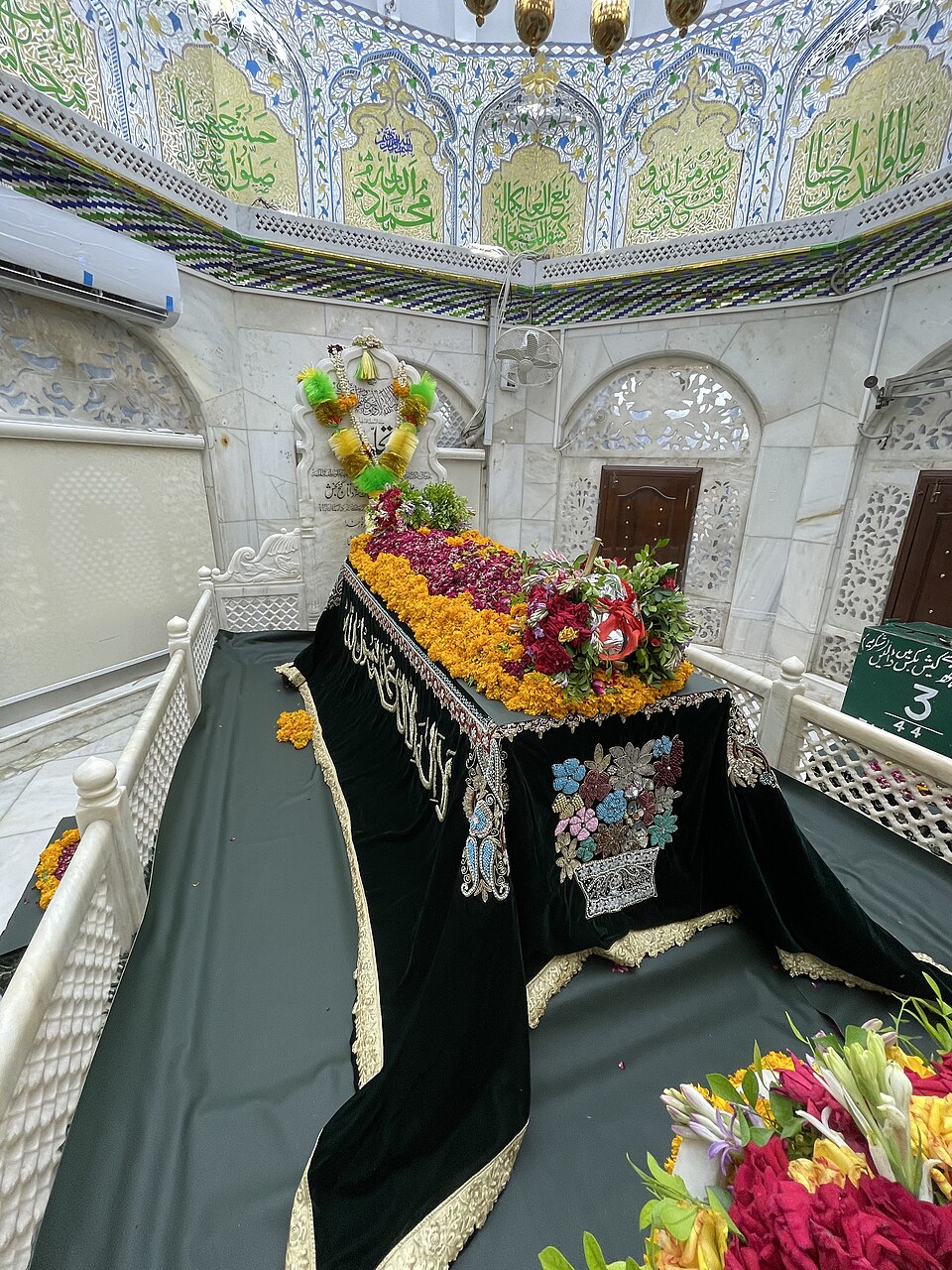
Persian Sufi who settled in Lahore and wrote the Kashf al-Mahjub, one of the oldest Sufi treatises in Persian. His shrine is Lahore's most visited.
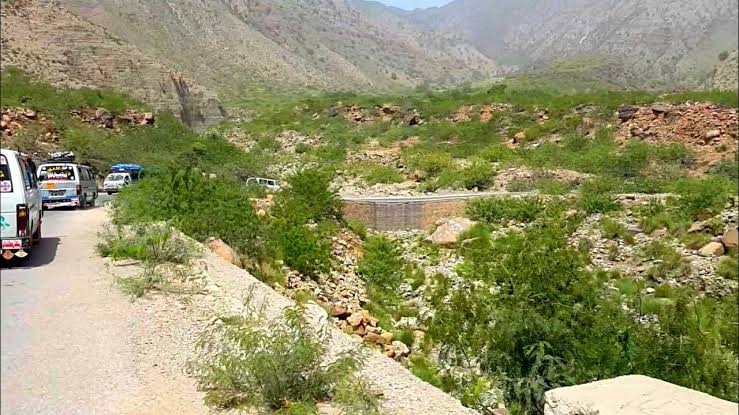
Saint whose shrine in the Sulaiman foothills near Dera Ghazi Khan drew vast numbers of Hindu, Sikh and Muslim pilgrims. His followers, the Sultanis, were found across Punjab before 1947.
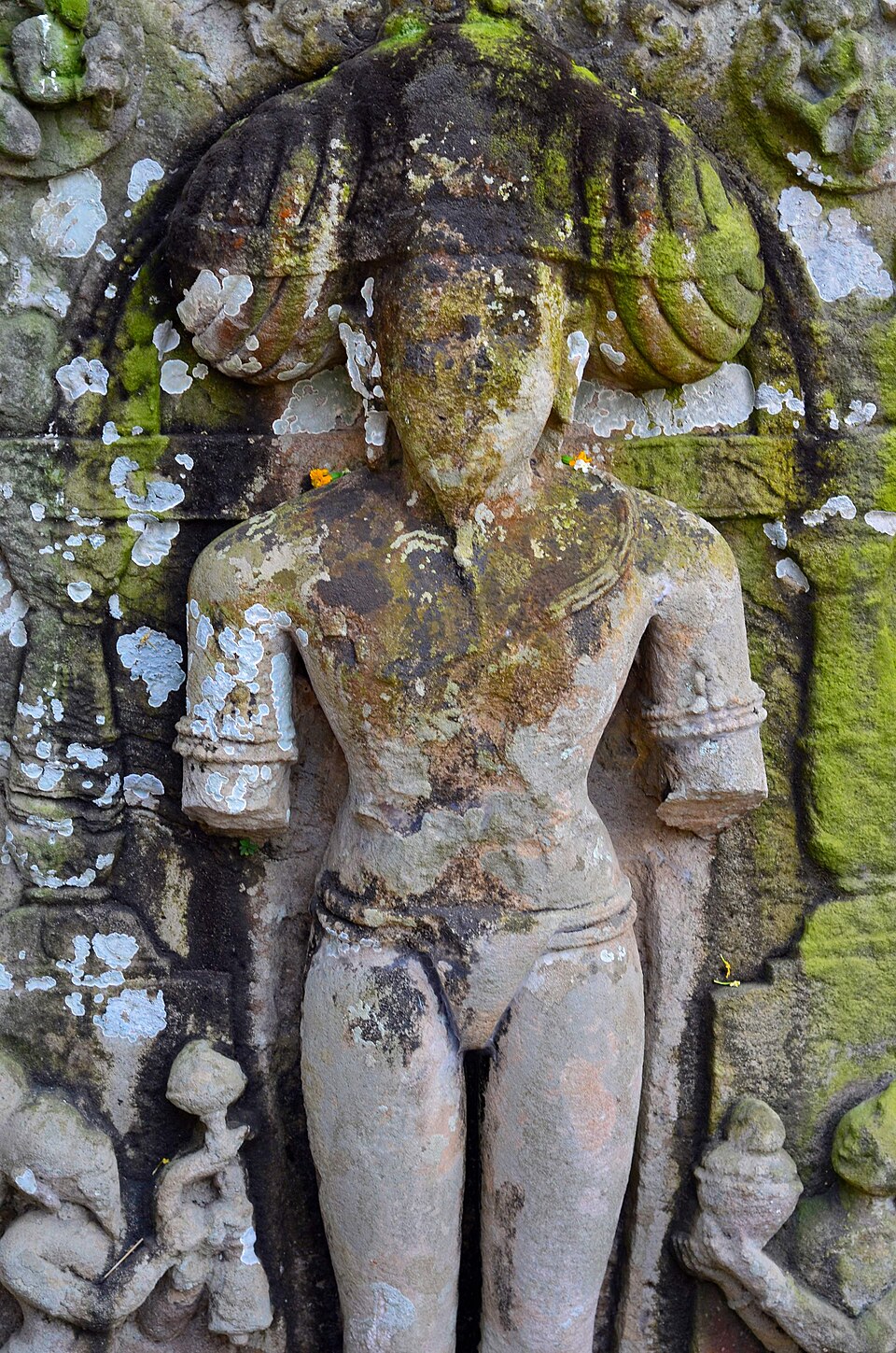
Sanskrit poet of the Gita Govinda. The oldest voice in the Guru Granth Sahib.
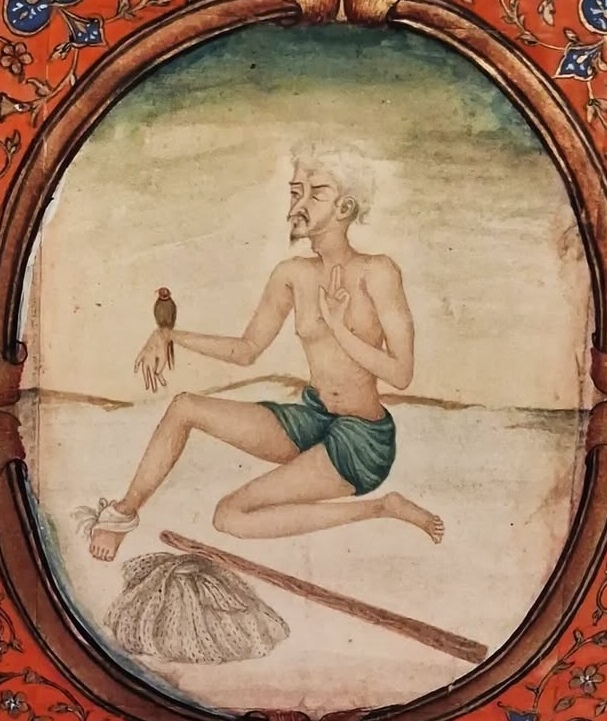
Chishti Sufi of Pakpattan and the first great poet of the Punjabi language. His hymns and saloks are part of the Guru Granth Sahib.
Bhagat Sadhna13th centuryA butcher from Sindh, a trade looked down on, whose hymn sits in raga Bilawal.
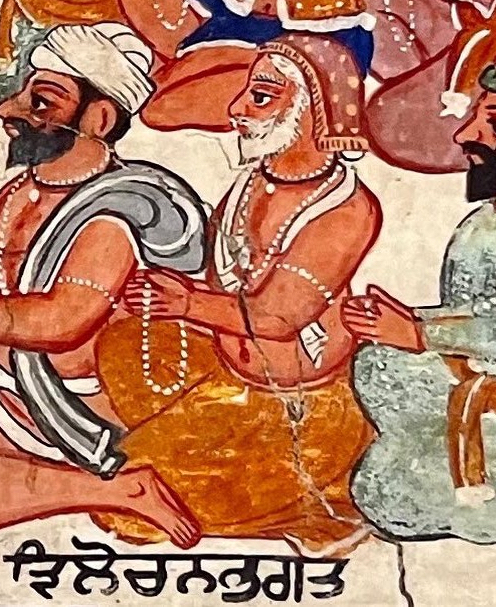
Maharashtrian Brahmin and contemporary of Namdev, who wrote on what a person carries into death.
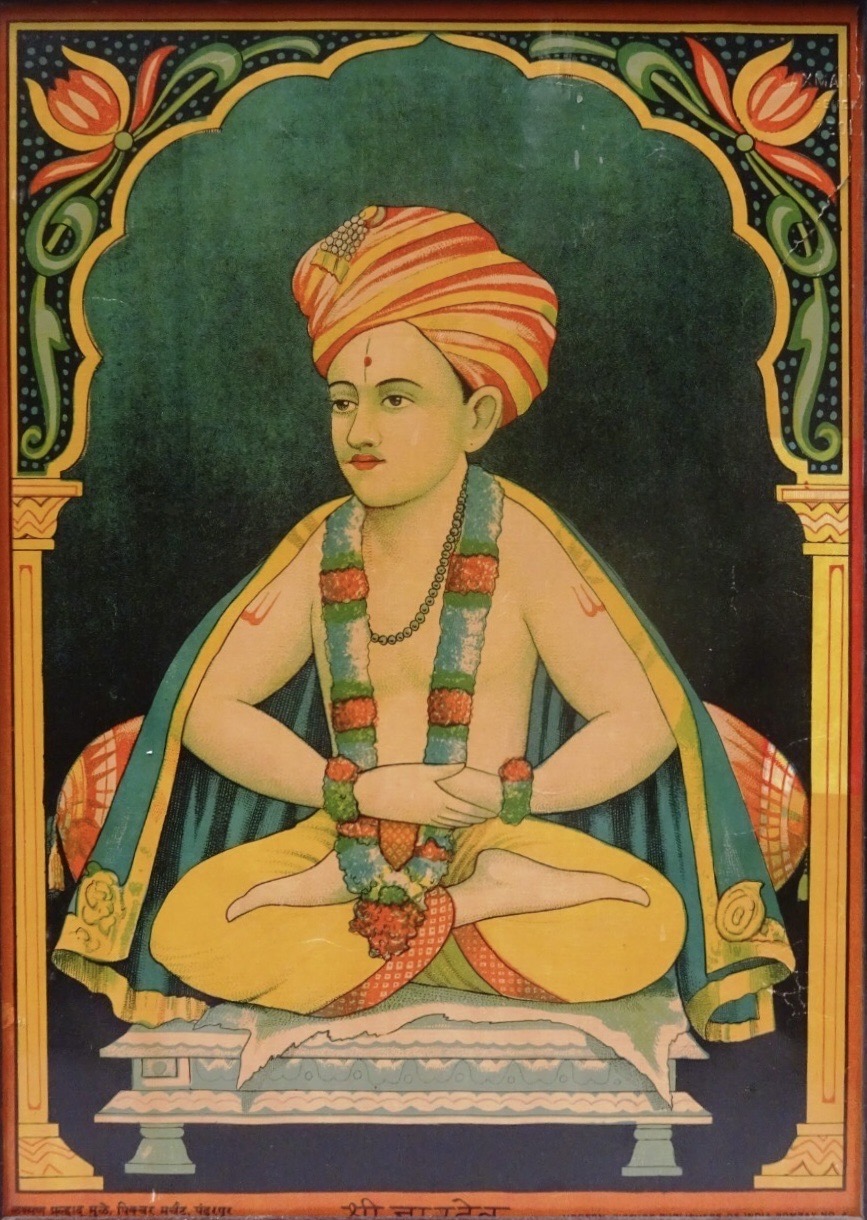
Calico printer and tailor from Maharashtra, one of the earliest bhagats. Spent his last years in Ghuman in Punjab.
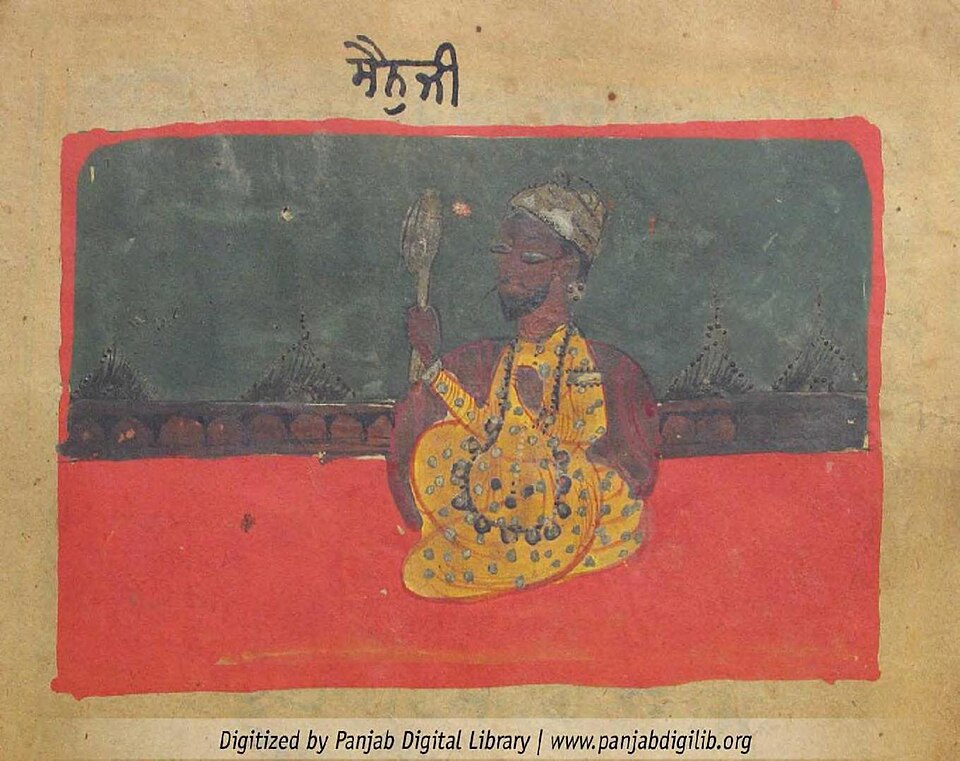
A royal barber. Tradition holds that God took his place at court while he was lost in devotion.
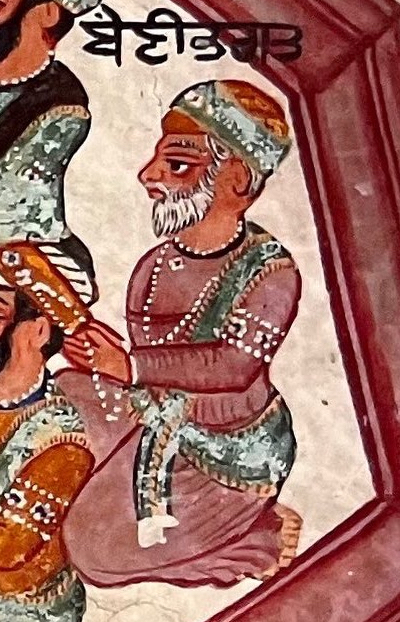
Little is known of his life. His three hymns use the language of yoga to point beyond it.
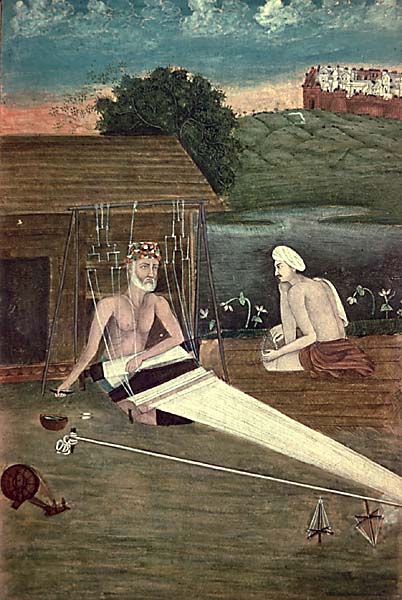
Weaver-poet of Varanasi and the largest contributor among the bhagats. Mocked hypocrisy in both Hindu and Muslim religion.
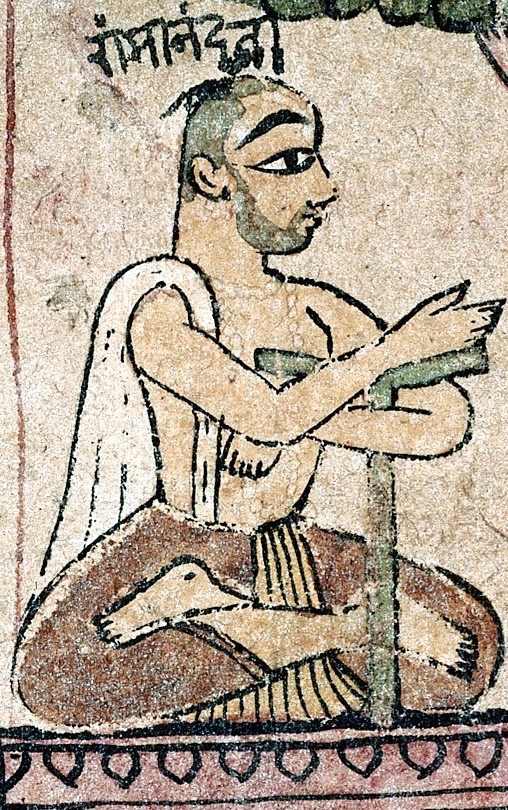
Teacher of Varanasi to whom Kabir, Ravidas, Dhanna, Pipa and Sain are traditionally linked.
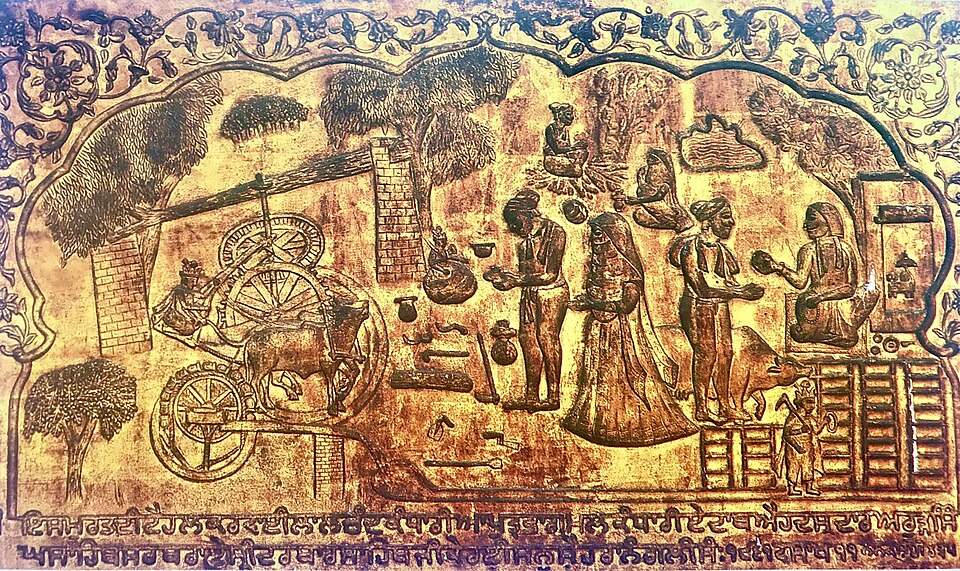
Jat farmer from Rajasthan whose simple devotion is told in a much-loved story of feeding God at a stone.
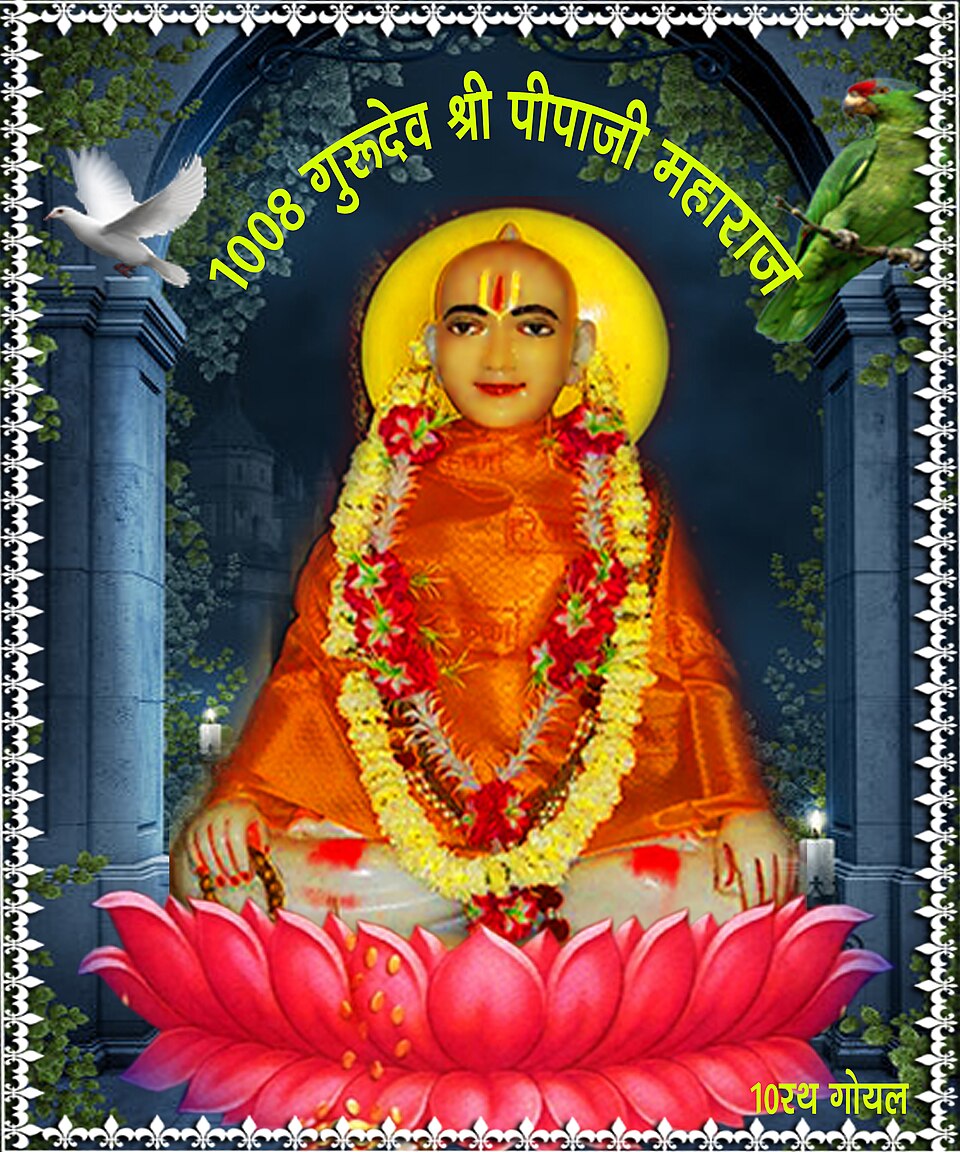
A king of Gagron who gave up his throne. His hymn says the body itself is the temple.
Gurus and Mughals
1469 – 1708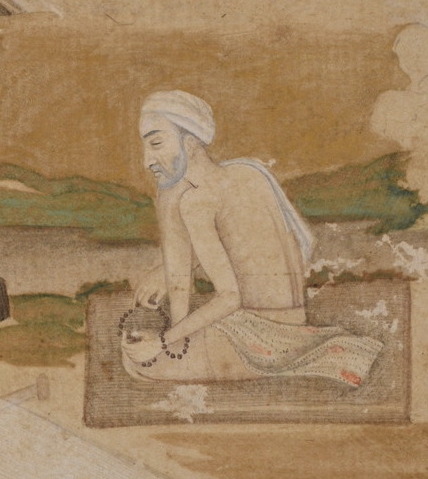
Leather worker of Varanasi who wrote of Begampura, a city without sorrow or caste. Revered across Punjab today.
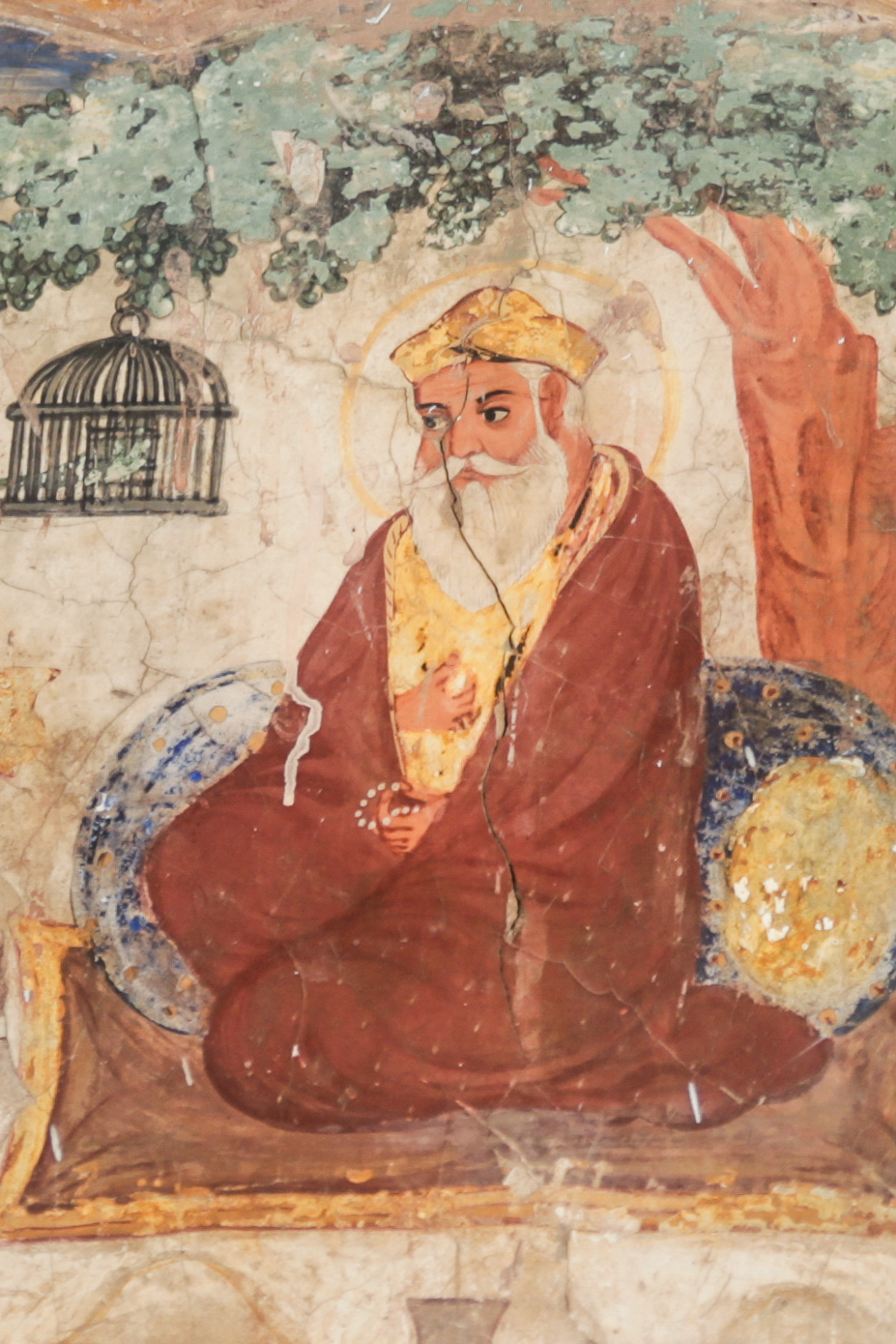
Founder of Sikhi. A poet and teacher who rejected caste and empty ritual and taught devotion to one formless God through the Name, honest work and sharing.
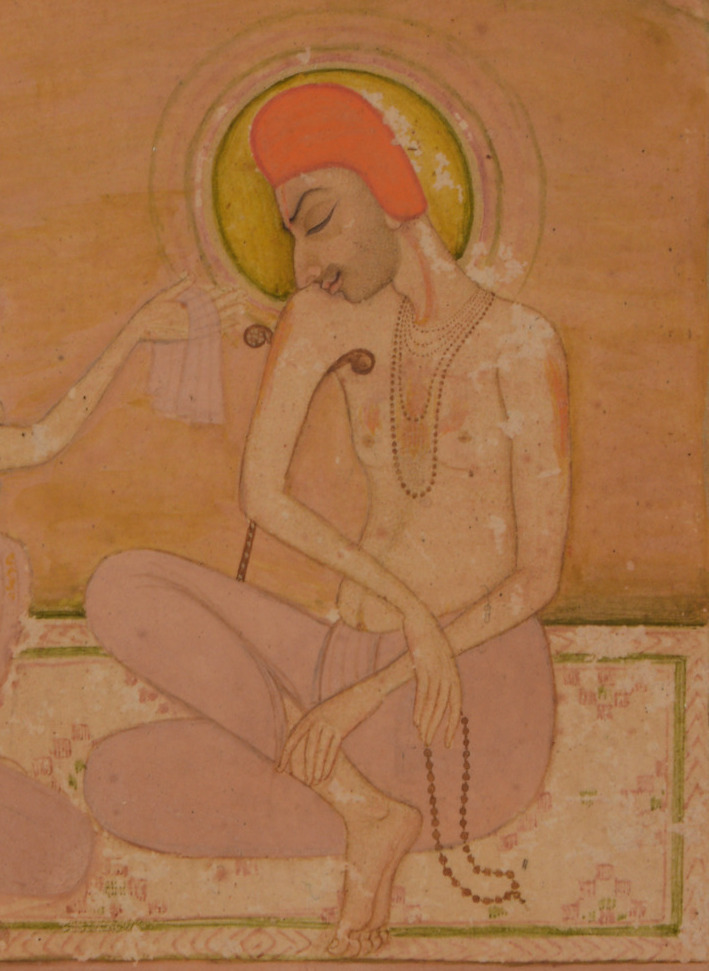
Blind poet of Braj. One line of his and one hymn appear in the Guru Granth Sahib.
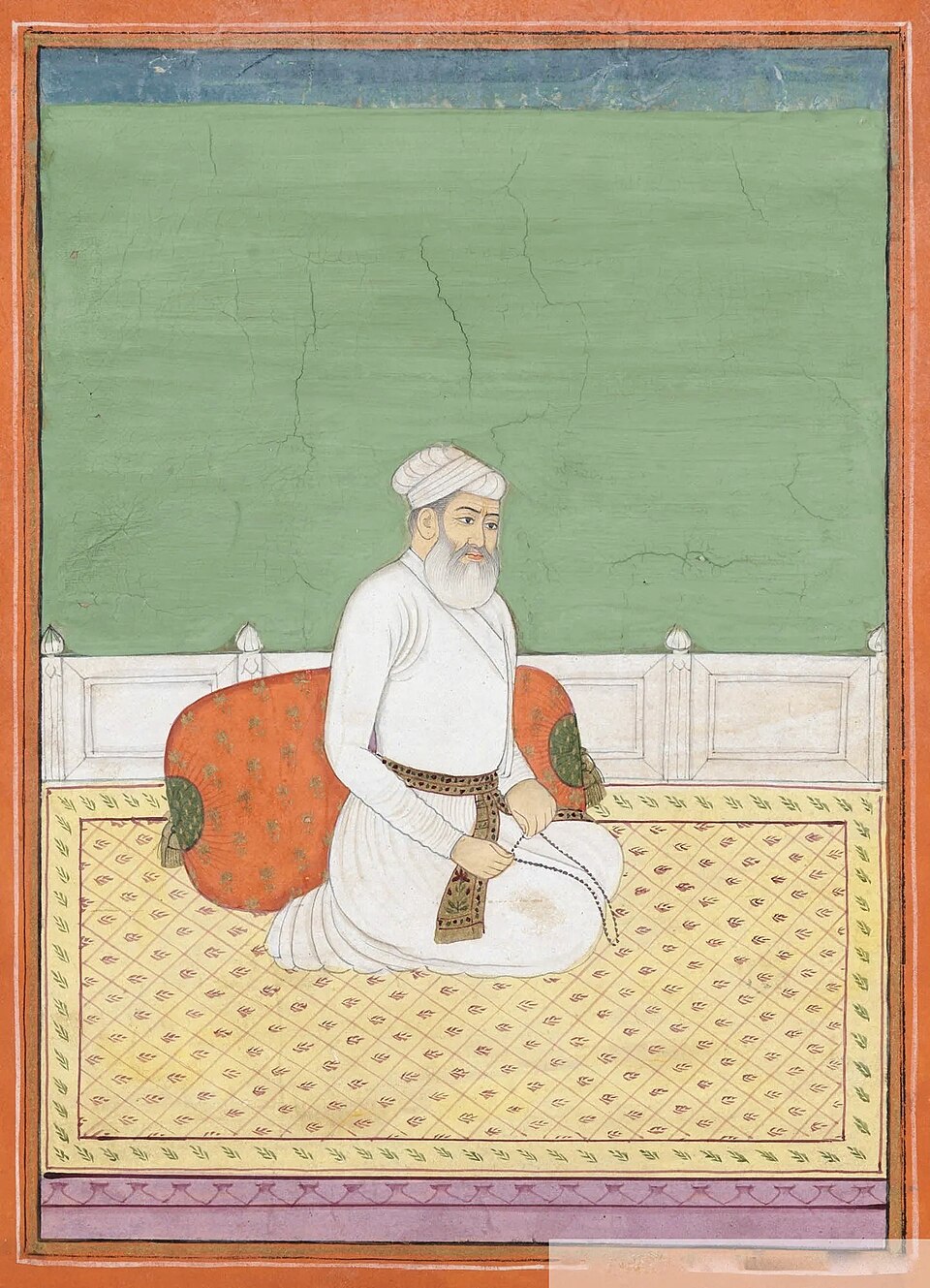
Third Guru, who became Guru at 73. Made the langar a rule for all visitors, opposed sati and purdah, and organised the community into 22 manjis (districts).
Bhagat Bhikhan16th centuryA Sufi of Uttar Pradesh whose two hymns describe the Name as medicine.
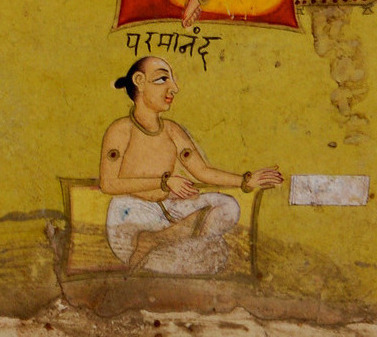
Devotional poet whose single hymn asks what use listening to scripture is if it changes nothing.
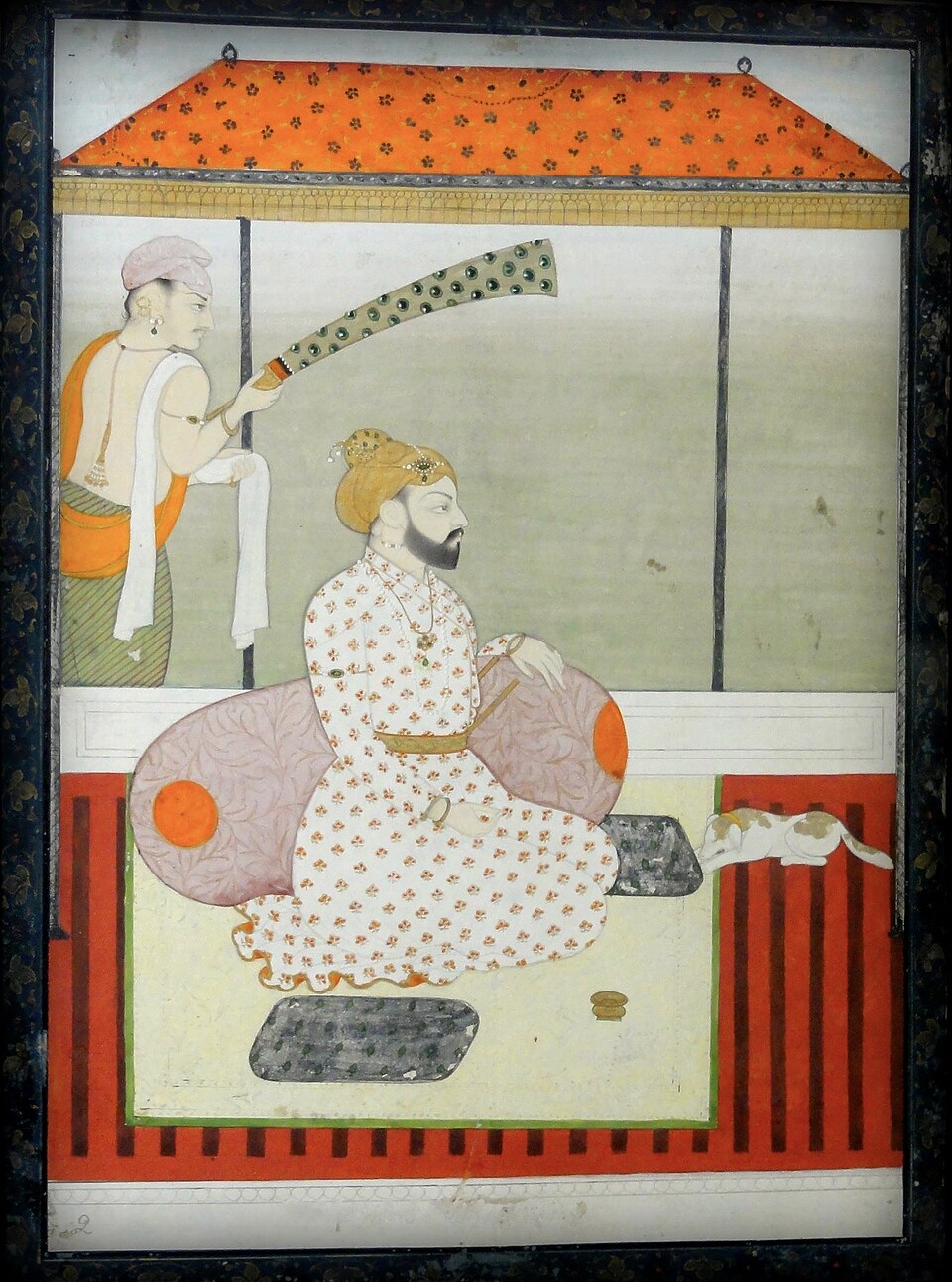
Second Guru. Standardised the Gurmukhi script, opened schools and kept the langar running with his wife Mata Khivi.
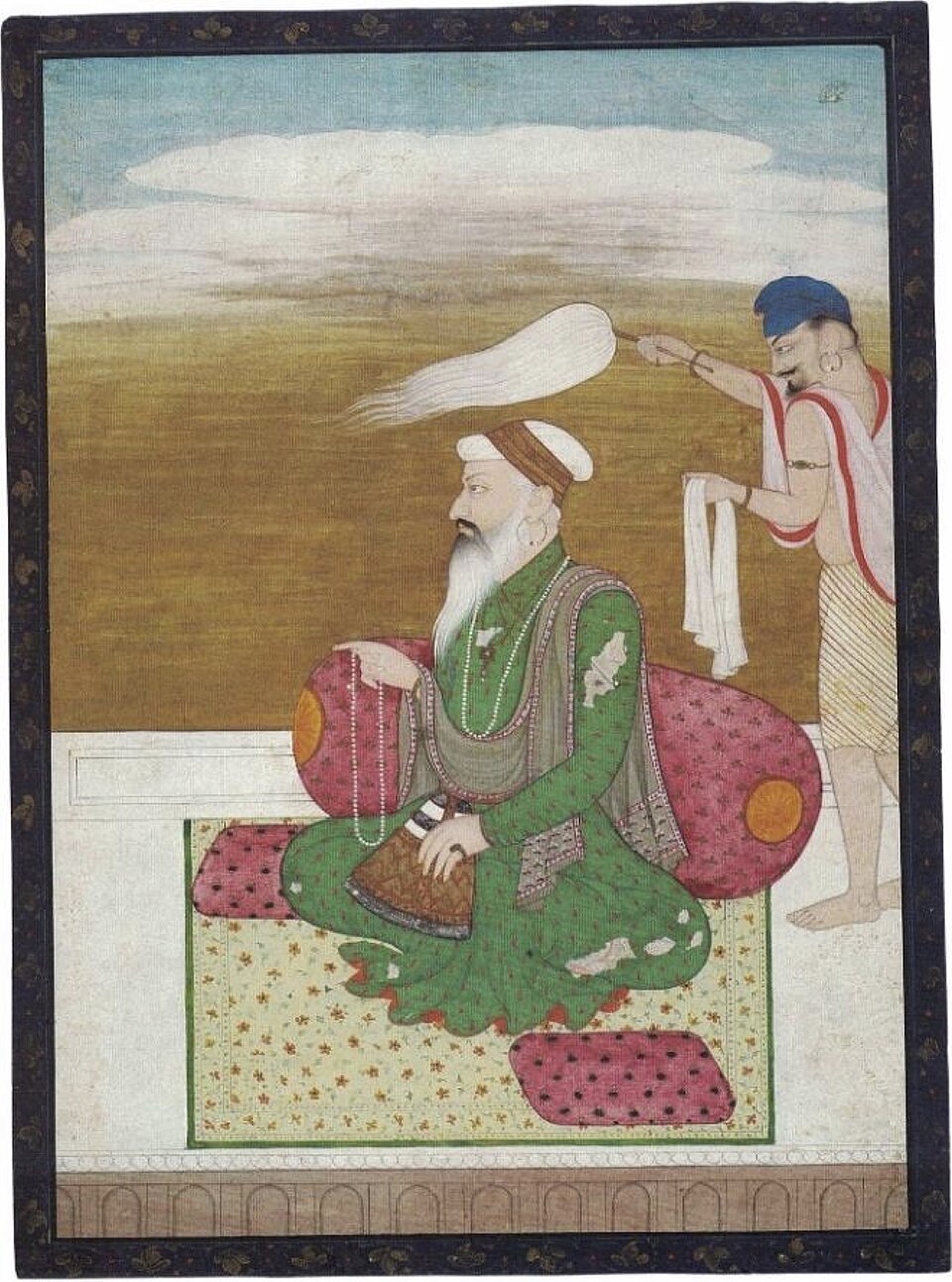
Fourth Guru and founder of Amritsar. Wrote the Lavan, the four marriage hymns of the Anand Karaj.
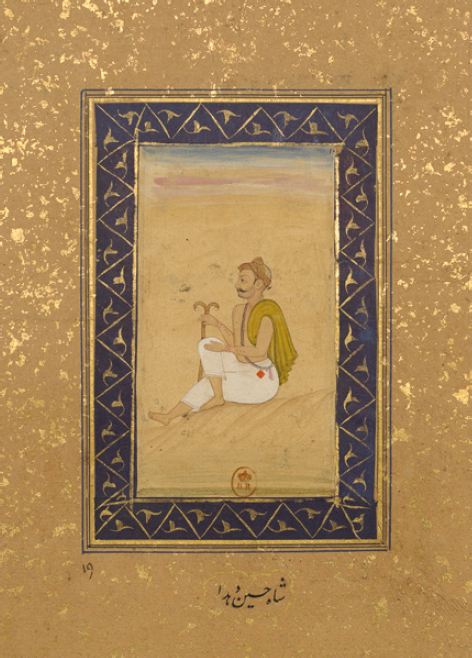
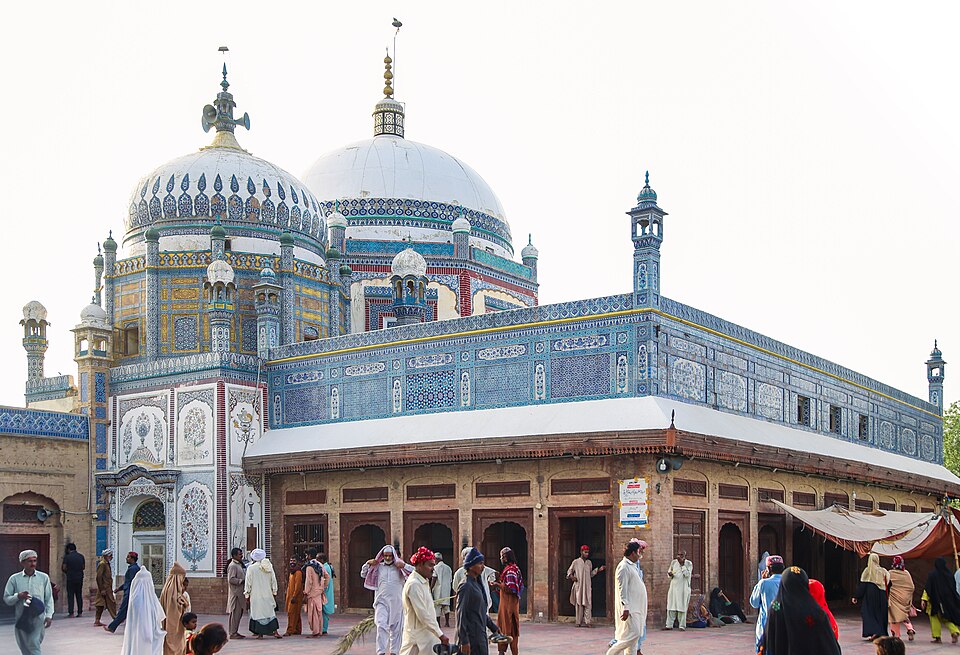
Lahore poet who shaped the Punjabi kafi. His shrine hosts the Mela Chiraghan, the festival of lamps.
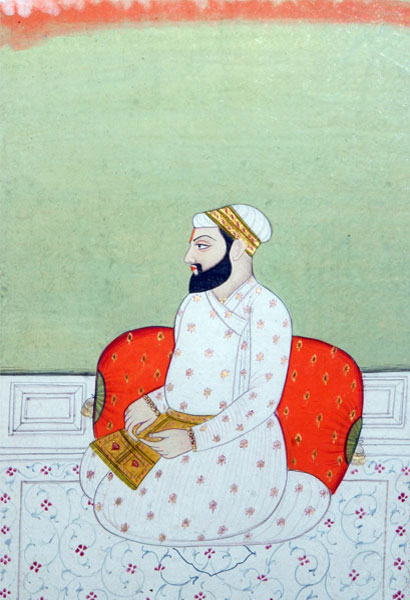
Fifth Guru. Built the Harmandir Sahib, compiled the Adi Granth in 1604 and became the first Sikh martyr, tortured to death in Lahore in 1606.
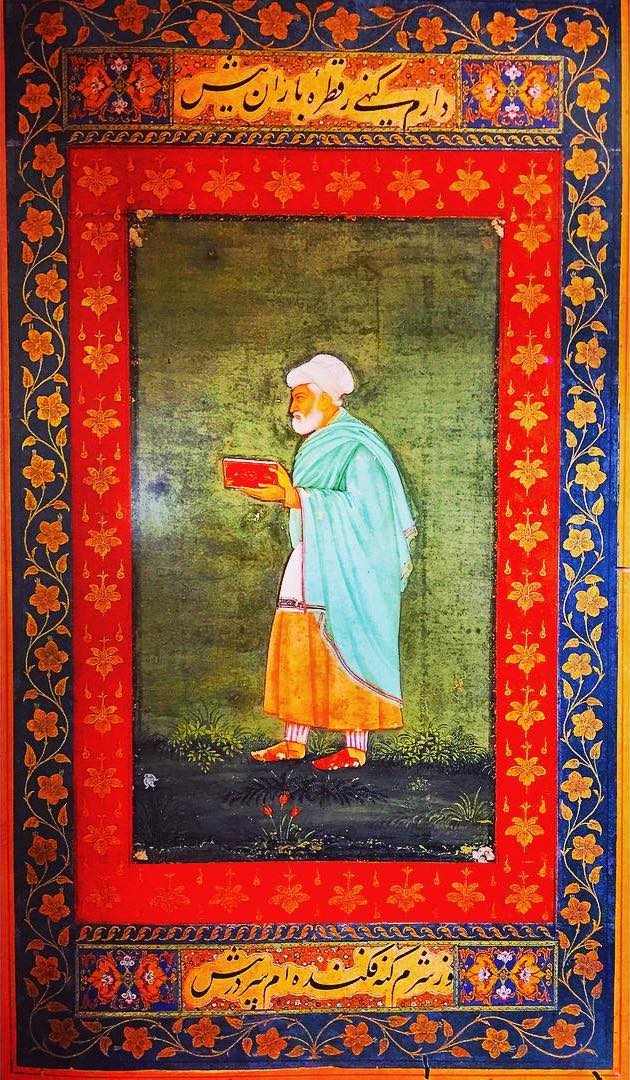
Qadiri Sufi of Lahore and friend of Guru Arjan. Tradition holds he laid the foundation stone of the Harmandir Sahib.
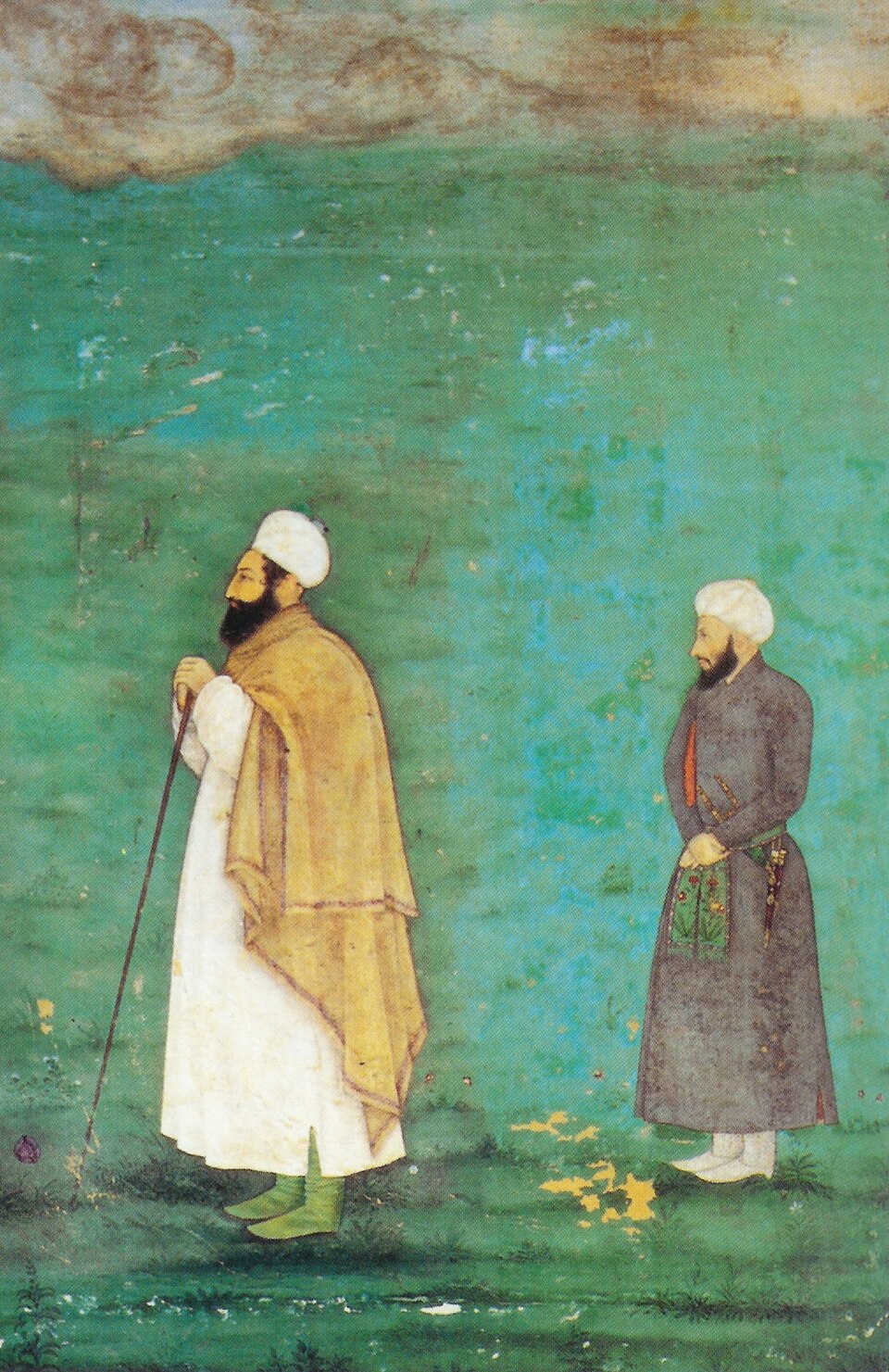
Naqshbandi reformer of Sirhind, called the 'renewer of the second millennium', who opposed Akbar's religious syncretism. Some historians see his circle behind hostility to Guru Arjan; others doubt the link.
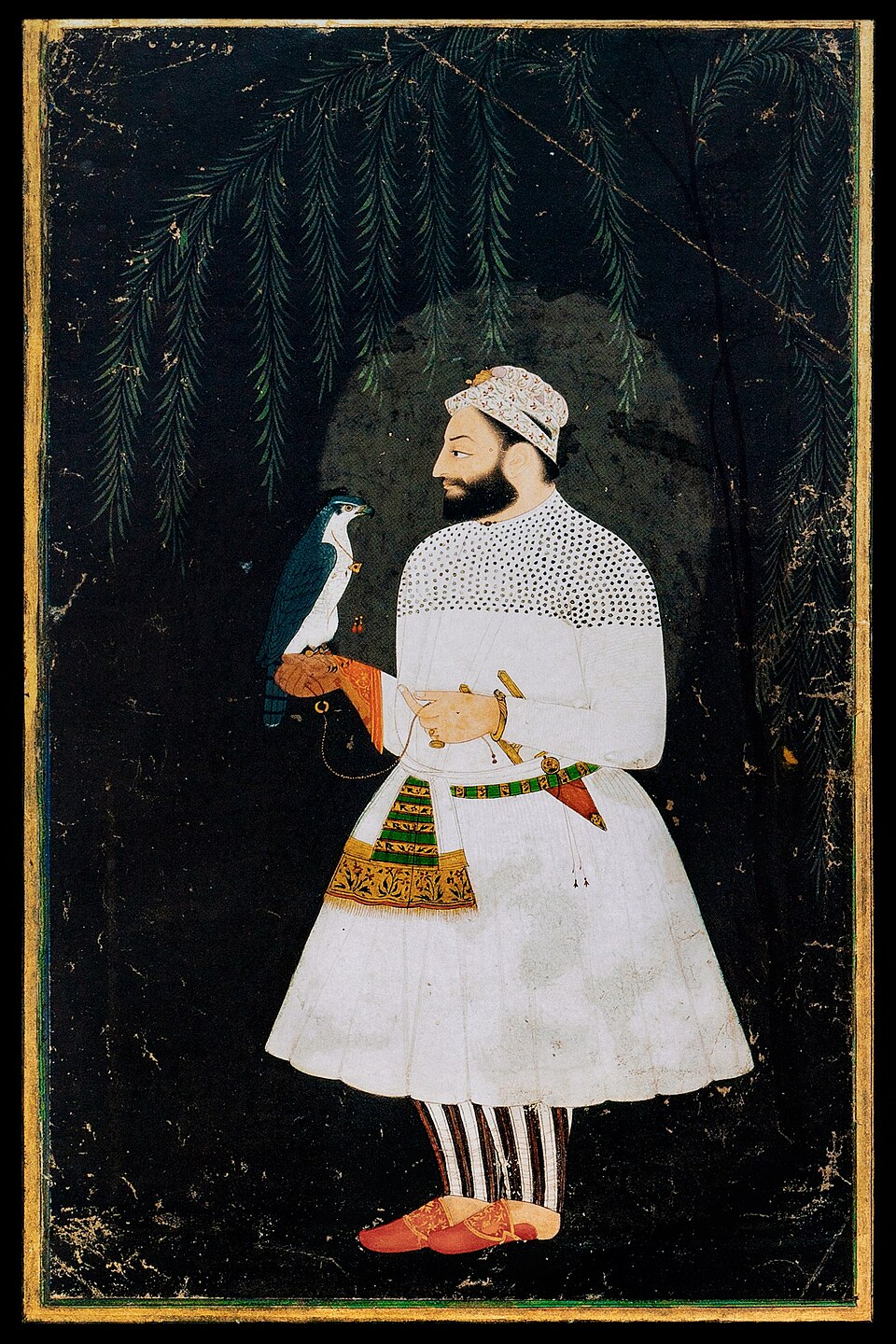
Sixth Guru. Wore two swords, miri and piri, for worldly and spiritual authority, built the Akal Takht and fought the first Sikh battles against Mughal forces.
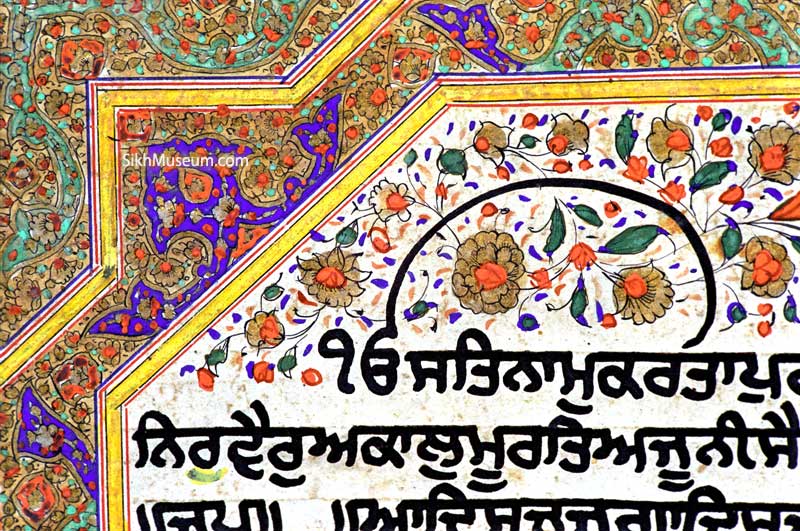
The scripture of the Sikhs and their eternal, living Guru: 1,430 pages of hymns by six Gurus and some thirty other saints, set in 31 ragas.
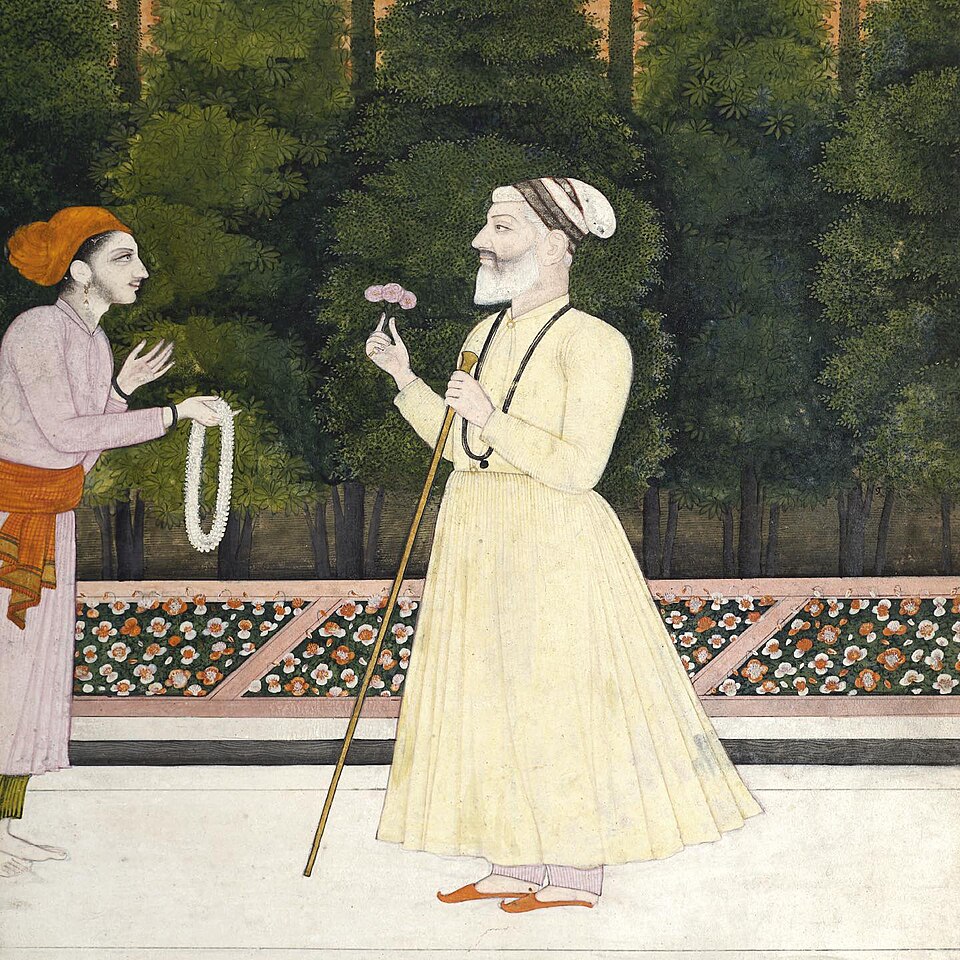
Seventh Guru, known for his gentleness. Kept a herbal dispensary and animal park at Kiratpur and maintained Guru Hargobind's cavalry while avoiding war.
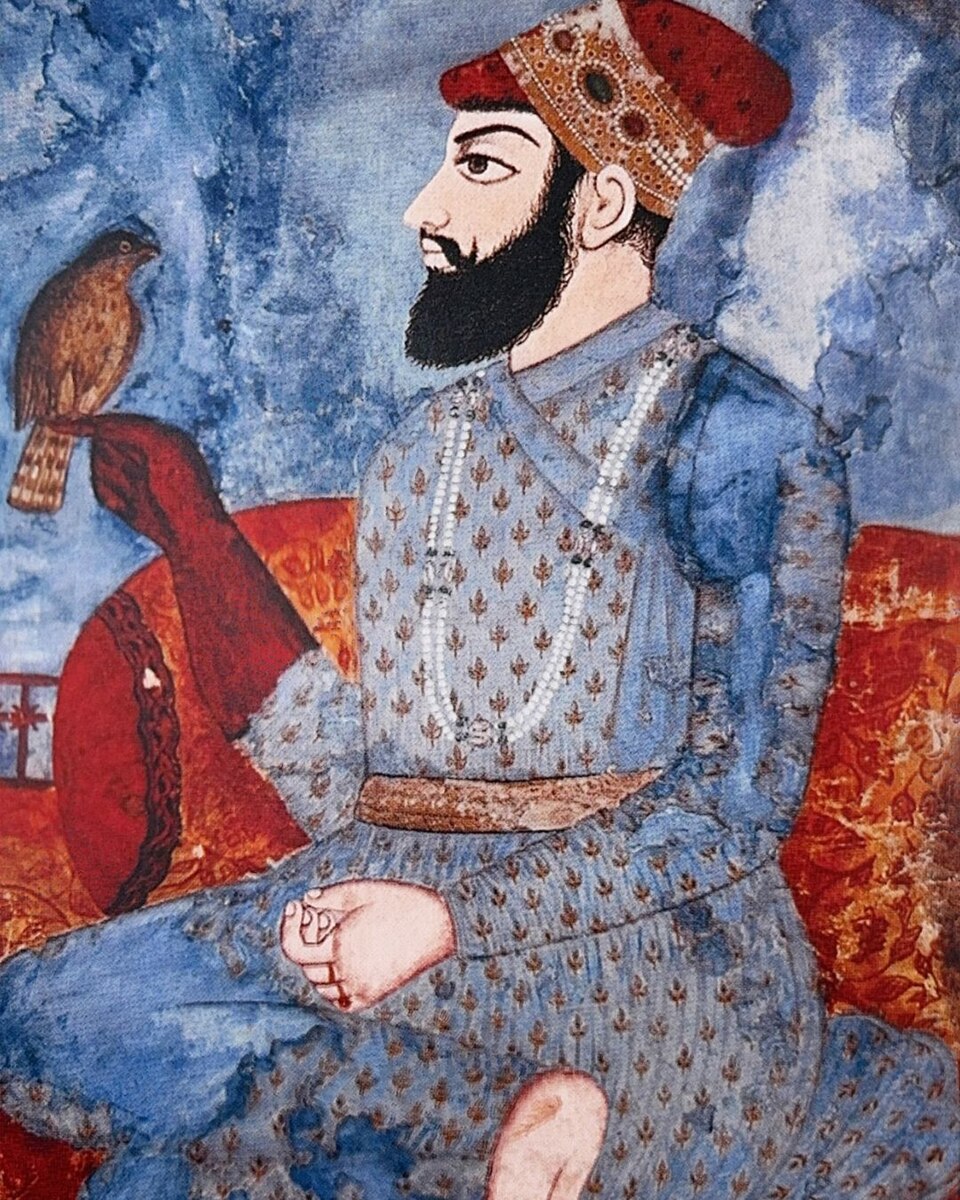
Ninth Guru, 'Hind di Chadar', the shield of India. Founded Anandpur and was beheaded in Delhi in 1675 for defending the right of Kashmiri Pandits to keep their faith.
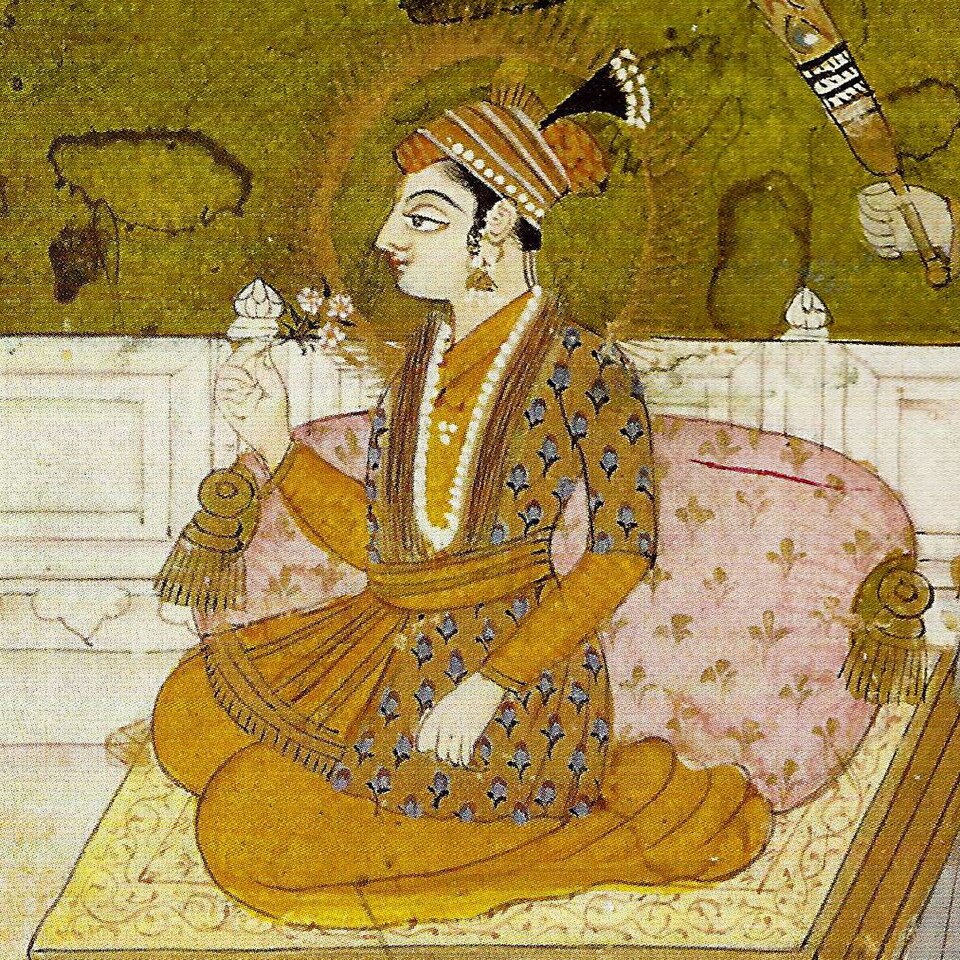
Eighth Guru, Guru at five. Nursed victims of a smallpox and cholera epidemic in Delhi and died of smallpox aged seven.
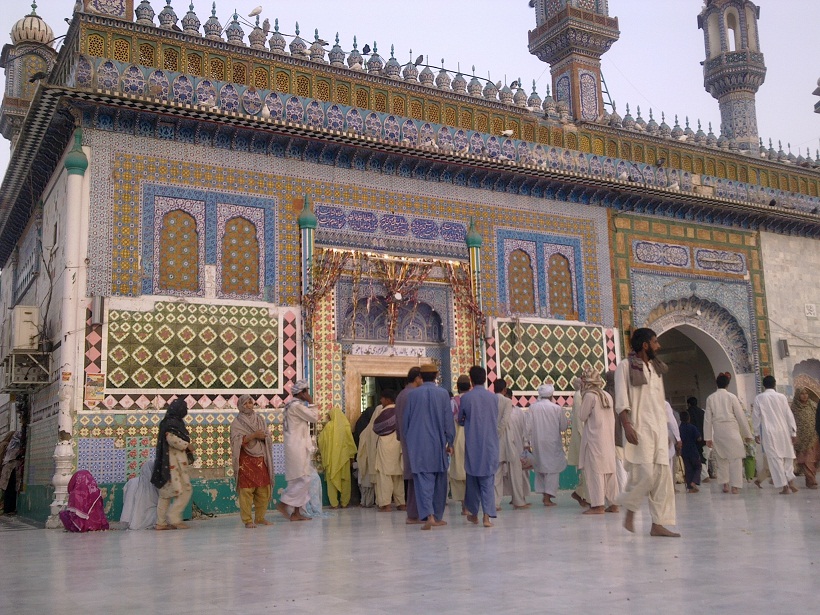
Sufi poet of Jhang whose short verses each end with the refrain 'hu', the breath of God.
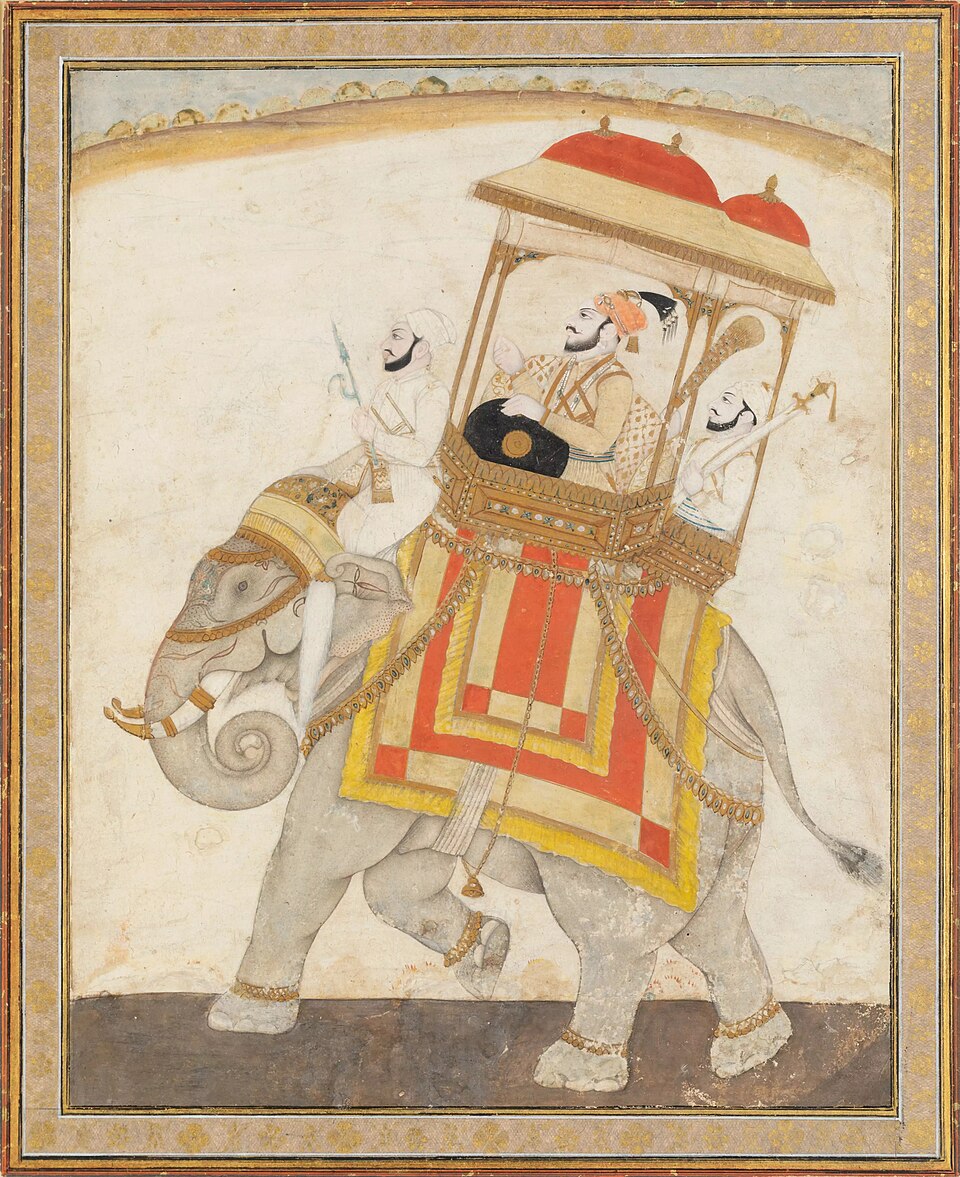
Sufi of Sadhaura who brought his sons and followers to fight for Guru Gobind Singh at Bhangani. Two of his sons died there; he was later killed by the governor of Sadhaura.
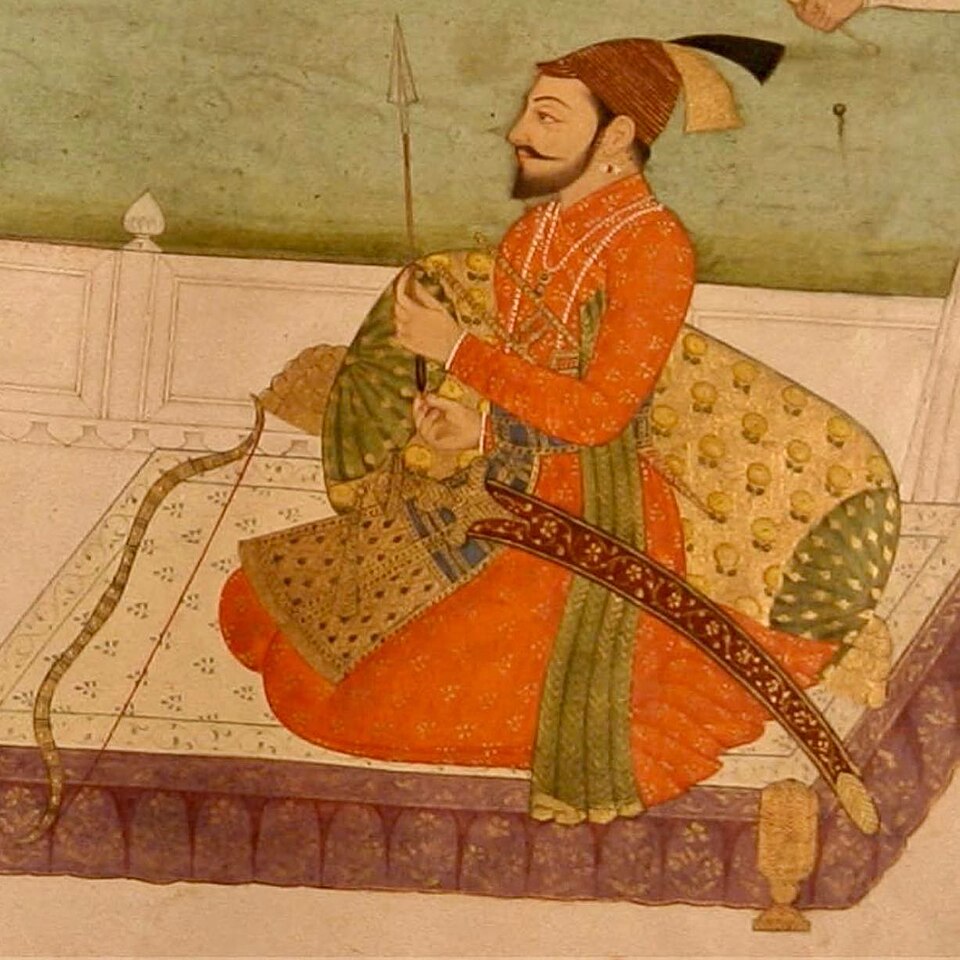
Tenth Guru, warrior and poet. Created the Khalsa in 1699, fought a long war with the Mughals and hill rajas, lost his four sons and mother, and named the Guru Granth Sahib as the final Guru.
Misls and Afghans
1708 – 1799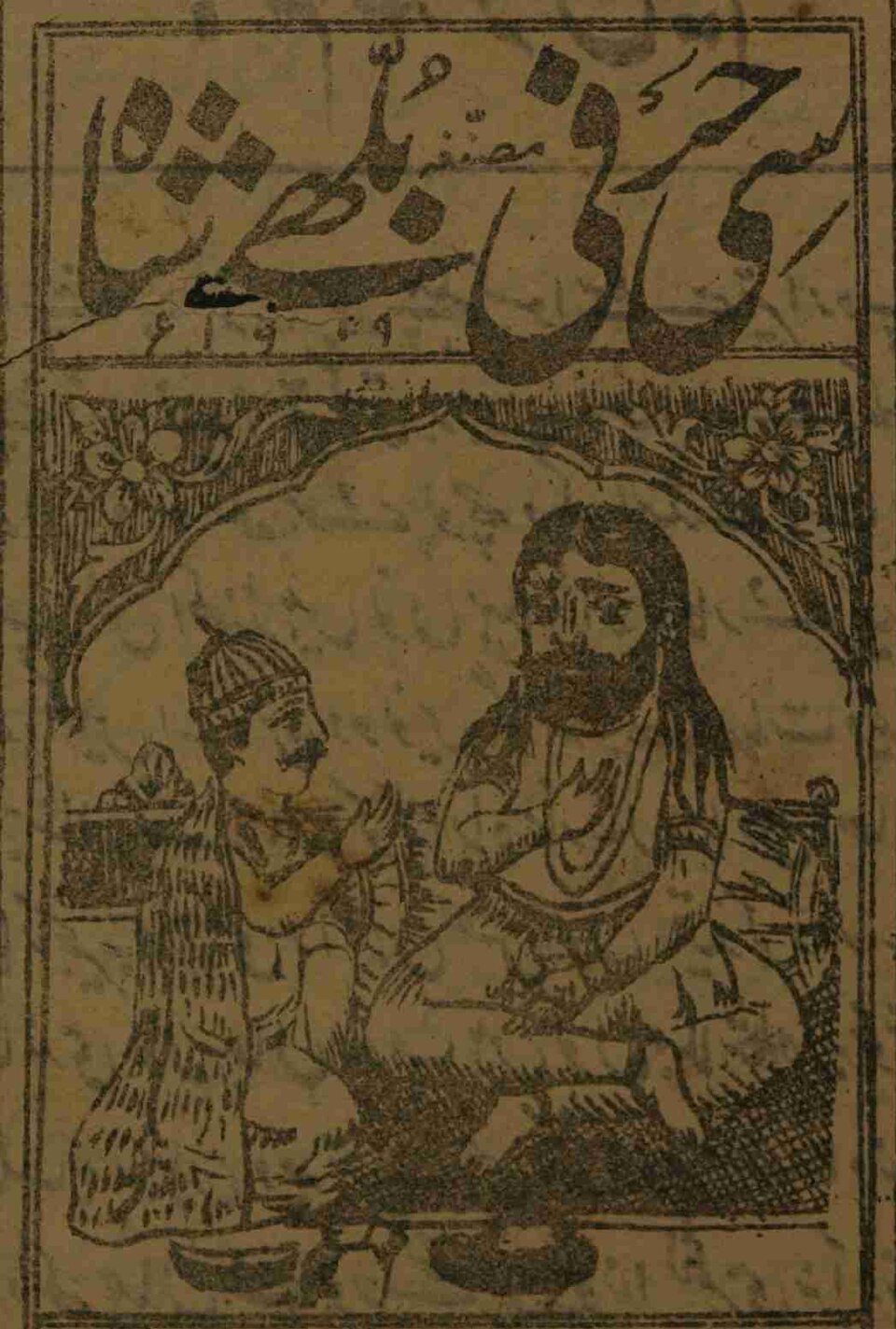
Colonial Punjab
1849 – 1947
Who wrote the scripture
How the Guru Granth Sahib is arranged
1,430 angsScroll sideways to see the whole figure →
Each row is 143 angs of the standard 1,430-ang Guru Granth Sahib; hover any section for its angs. Within each raag the hymns are arranged by form and by Guru, in order, with the bhagats' hymns at the end. Small raags are named in the list of starting angs below the figure.