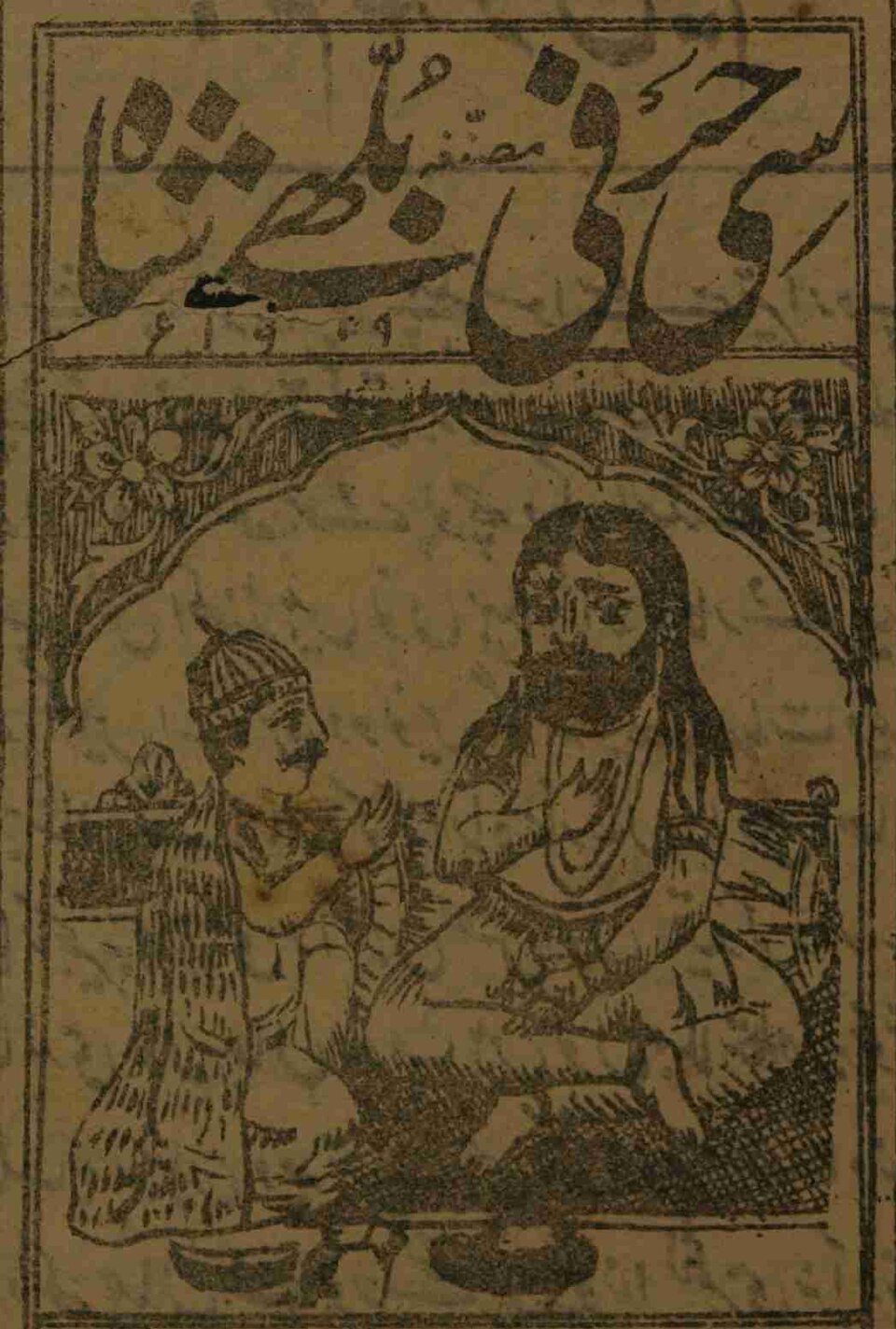
Bulleh Shah
The most loved Sufi poet of Punjab. Mocked clerics of every faith and praised the Sikh Gurus in an age of persecution.
In their words
Famous linesਰਾਂਝਾ ਰਾਂਝਾ ਕਰਦੀ ਨੀ ਮੈਂ ਆਪੇ ਰਾਂਝਾ ਹੋਈ। ਸੱਦੋ ਨੀ ਮੈਨੂੰ ਧੀਦੋ ਰਾਂਝਾ, ਹੀਰ ਨਾ ਆਖੋ ਕੋਈ।
رانجھا رانجھا کردی نی میں آپے رانجھا ہوئی۔ سدو نی مینوں دھیدو رانجھا، ہیر نا آکھو کوئی۔
Saying 'Ranjha, Ranjha', I have become Ranjha myself. Call me Dheedo Ranjha now; let no one call me Heer.
Kafi
ਬੁੱਲ੍ਹਾ ਕੀ ਜਾਣਾ ਮੈਂ ਕੌਣ। ਨਾ ਮੈਂ ਮੋਮਨ ਵਿੱਚ ਮਸੀਤਾਂ, ਨਾ ਮੈਂ ਵਿੱਚ ਕੁਫ਼ਰ ਦੀਆਂ ਰੀਤਾਂ।
بلھا کی جاݨا میں کوݨ۔ نا میں مومن وچ مسیتاں، نا میں وچ کفر دیاں ریتاں۔
Bulleh, who knows who I am? I am not the believer in the mosque, nor am I in the rites of unbelief.
Kafi, 'Bulla ki jaana'
ਮਸਜਿਦ ਢਾਹ ਦੇ, ਮੰਦਰ ਢਾਹ ਦੇ, ਢਾਹ ਦੇ ਜੋ ਕੁਝ ਢਹਿੰਦਾ। ਪਰ ਕਿਸੇ ਦਾ ਦਿਲ ਨਾ ਢਾਹੀਂ, ਰੱਬ ਦਿਲਾਂ ਵਿੱਚ ਰਹਿੰਦਾ।
مسجد ڈھاہ دے، مندر ڈھاہ دے، ڈھاہ دے جو کجھ ڈھہندا۔ پر کسے دا دل نا ڈھاہیں، رب دلاں وچ رہندا۔
Tear down the mosque, tear down the temple, tear down whatever can be torn down. But never break a human heart, for God lives in hearts.
Attributed to Bulleh Shah in popular tradition
Abdullah Shah, called Bulleh Shah, was born in 1680 at Uch in a family of Syeds and grew up at Pandoke near Kasur, where his father was imam of the mosque. He became a disciple of Shah Inayat Qadiri, a gardener of the Arain caste, scandalising his family, who thought a Syed should not bow to a man of lower birth. When his master grew angry with him, Bulleh Shah learned to dance, dressed as a woman, and danced in the street until he was forgiven.
His kafis are the most loved poems in Punjabi. They mock the mullah and the pandit, the holy books and the pilgrimages, and say that God is found by tearing down mosques and temples, but never a human heart. 'Bulla, ki jaana main kaun', 'Bulla, who knows who I am', denies every label. He wrote in an age of Mughal collapse, Afghan invasions and the persecution of Sikhs, and praised Guru Tegh Bahadur as a ghazi, a warrior of faith, at a time when such praise was dangerous.
He died in 1757 at Kasur, and the mullahs refused to bury him in the town's graveyard; his tomb was built outside it, and the town grew around it. Every year his urs fills Kasur with singers, and his words are sung in Punjabi rock, film and qawwali alike.
Connected
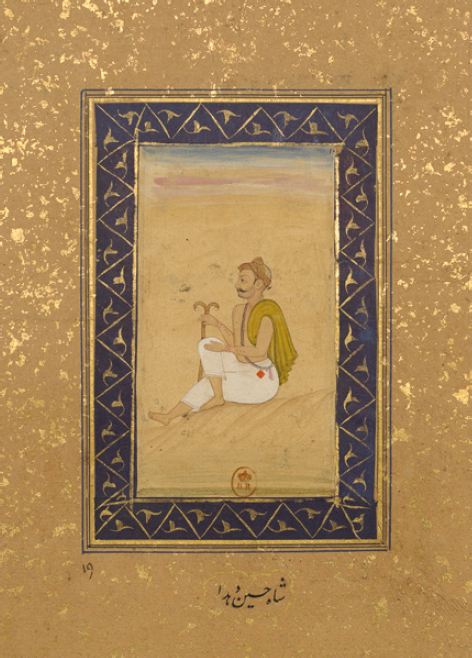
Lahore poet who shaped the Punjabi kafi. His shrine hosts the Mela Chiraghan, the festival of lamps.
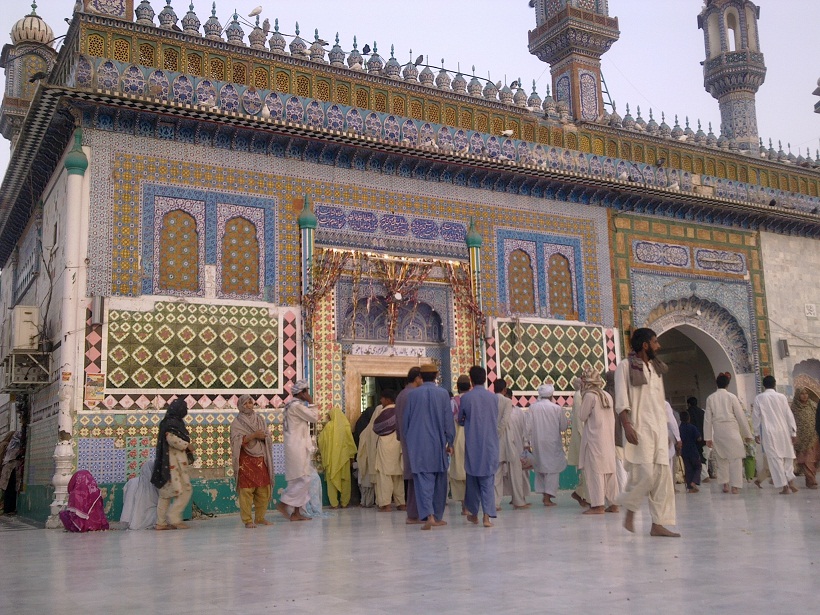
Sufi poet of Jhang whose short verses each end with the refrain 'hu', the breath of God.
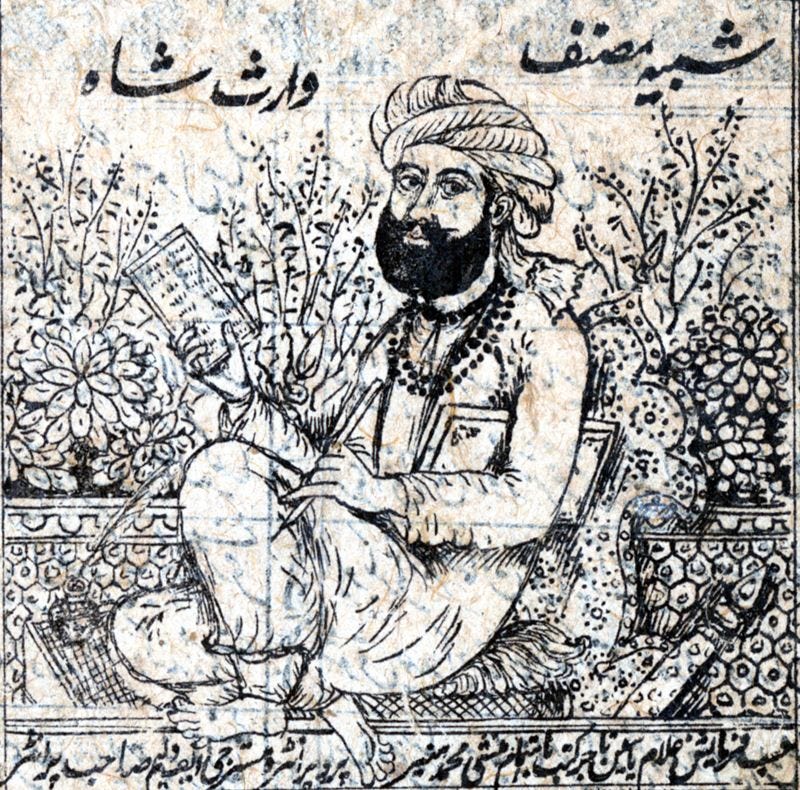
Poet of Heer, the best-known telling of the tragic love of Heer and Ranjha, completed in 1766.
The Sufi lineages
Teacher to discipleScroll sideways to see the whole tree →
Teacher to disciple, simplified. Dashed lines skip generations: the Qadiri saints of the Punjab belonged to Abdul Qadir Jilani's order but lived centuries after him. Darker boxes are poets and saints of the Punjab with their own pages. Mian Mir was a friend of Guru Arjan; Sikh tradition says he laid the foundation stone of the Harmandir Sahib.