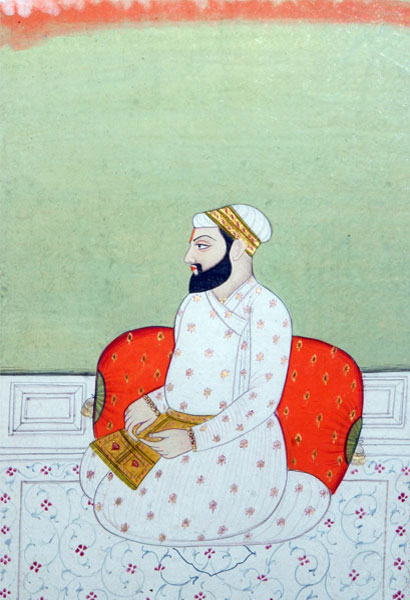
Guru Arjan Dev
Fifth Guru. Built the Harmandir Sahib, compiled the Adi Granth in 1604 and became the first Sikh martyr, tortured to death in Lahore in 1606.
Arjan was born in 1563 at Goindwal, the youngest son of Guru Ram Das and Bibi Bhani, and grew up in the house of his grandfather Guru Amar Das, who called him the boat that would carry the world across. Sent to Lahore by his father, he wrote him letters in verse full of longing; the third letter won him the Guruship in 1581, at eighteen, against the bitter opposition of his elder brother Prithi Chand.
He built. He completed the pool at Amritsar and in its centre raised the Harmandir Sahib, the Temple of God, on a platform lower than the city around it and with doors on all four sides, open to every caste and every direction. Tradition says he asked the Sufi saint Mian Mir of Lahore to lay its foundation stone in 1588. He founded Tarn Taran, with the largest sarovar of all, and a leper asylum there; he founded Kartarpur in the Jalandhar Doab and Sri Hargobindpur, and dug wells across the Majha in a time of famine.
His greatest work was the Adi Granth. With Bhai Gurdas as scribe he collected the hymns of the first four Gurus and his own, together with those of Hindu and Muslim saints, Kabir, Namdev, Ravidas, Sheikh Farid and others, and arranged them by raga. In 1604 the volume was installed in the Harmandir Sahib with Baba Buddha as its first granthi. His own contribution is the largest of all, 2,218 hymns, among them the Sukhmani, the Psalm of Peace, recited by Sikhs every day.
The Sikh community grew rich and confident under him, with a system of tithes, dasvandh, and a recognised spiritual sovereign. That was enough to make him dangerous. When Prince Khusrau rebelled against his father Jahangir in 1606 and passed through Punjab, the Guru was accused of blessing him. Jahangir wrote in his memoirs that he had long wanted to put an end to this 'shop of falsehood'.
In Lahore, in the heat of May and June 1606, Guru Arjan was tortured: seated on a red-hot iron plate, with burning sand poured over his head, and plunged into boiling water. Mian Mir is said to have offered to intercede and been told to accept God's will. On 30 May, by the Nanakshahi calendar 16 June, he was allowed to bathe in the Ravi, and was never seen again. He was the first Sikh martyr. Gurdwara Dera Sahib stands beside the Lahore Fort where he disappeared, and every year Sikhs mark his martyrdom by serving chilled sweet water, chhabeel, to anyone who passes in the summer heat.
On the timeline
Connected
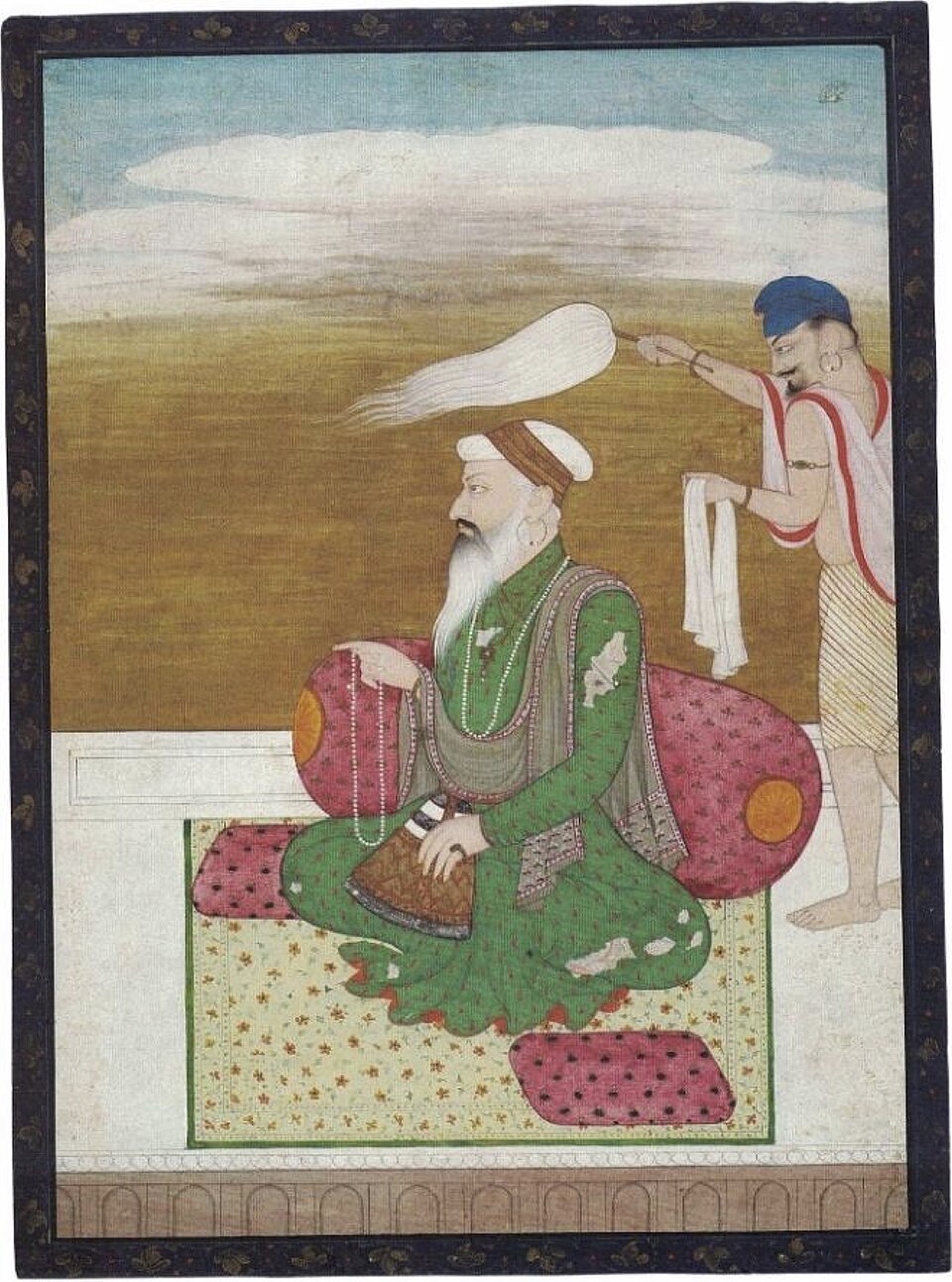
Fourth Guru and founder of Amritsar. Wrote the Lavan, the four marriage hymns of the Anand Karaj.
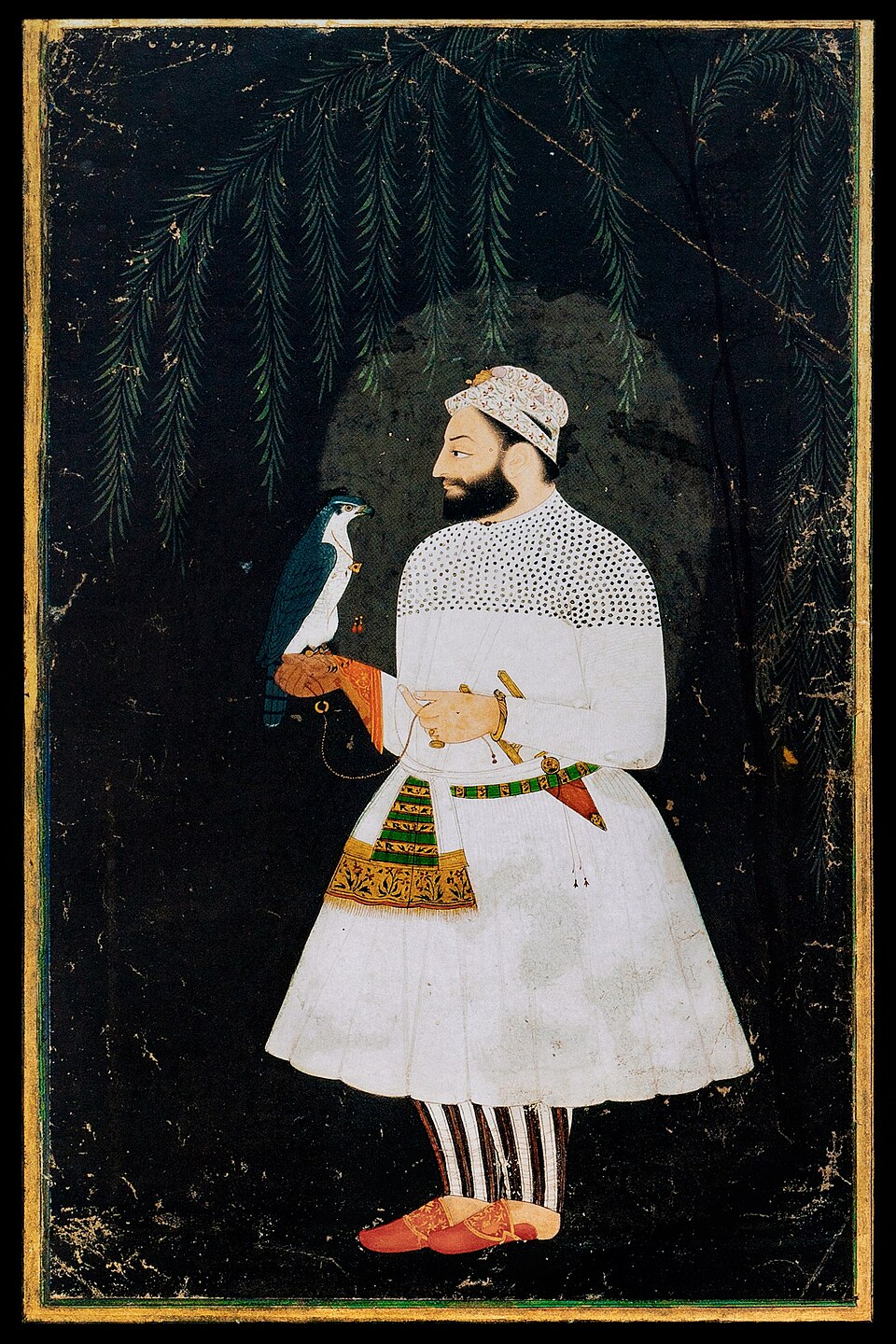
Sixth Guru. Wore two swords, miri and piri, for worldly and spiritual authority, built the Akal Takht and fought the first Sikh battles against Mughal forces.
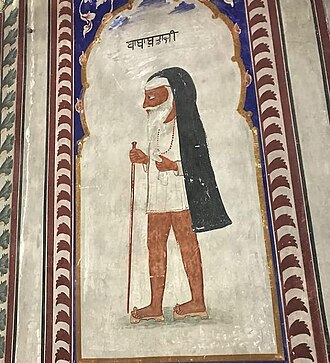
Disciple of Guru Nanak who lived to anoint five more Gurus and was the first granthi of the Harmandir Sahib.
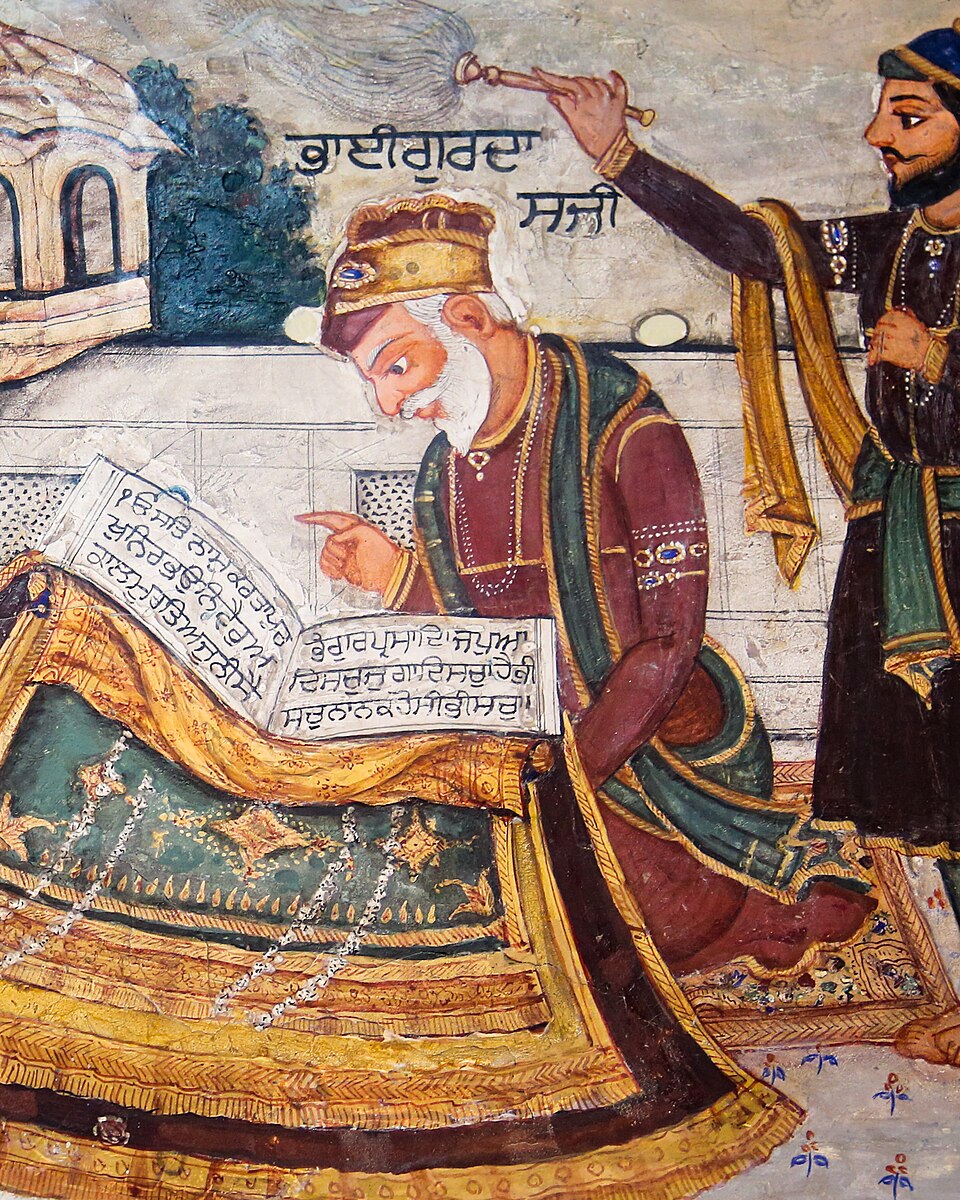
Scribe of the Adi Granth and author of the Vaaran, which Guru Arjan called the key to understanding the Guru Granth Sahib.
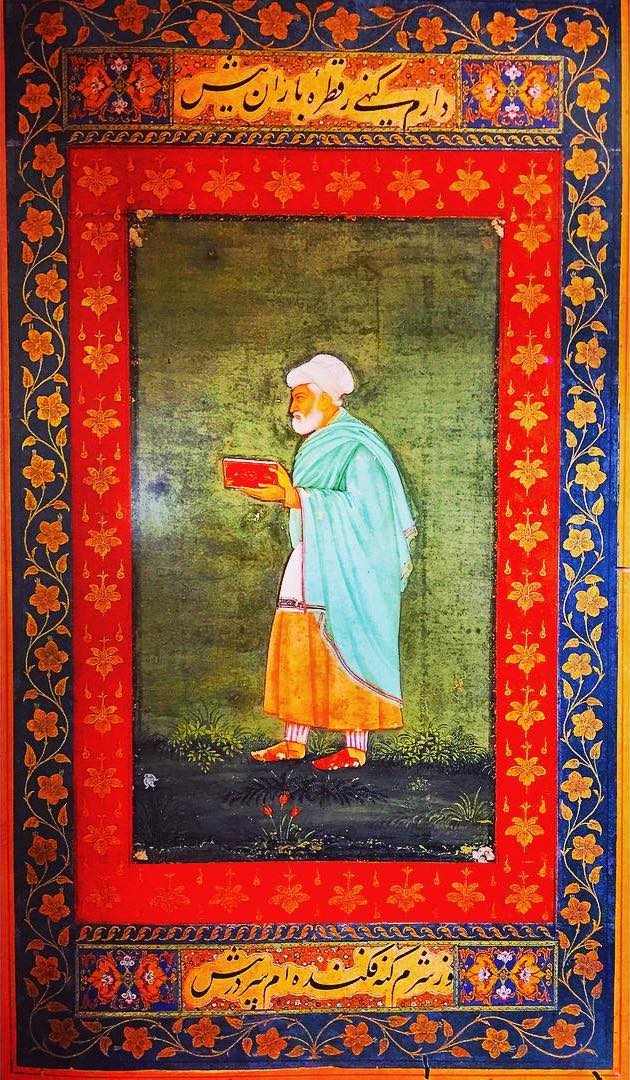
Qadiri Sufi of Lahore and friend of Guru Arjan. Tradition holds he laid the foundation stone of the Harmandir Sahib.
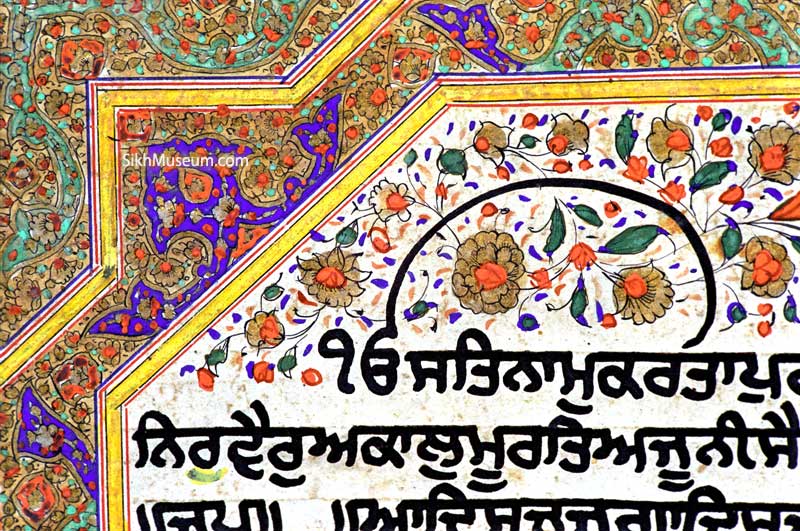
The scripture of the Sikhs and their eternal, living Guru: 1,430 pages of hymns by six Gurus and some thirty other saints, set in 31 ragas.
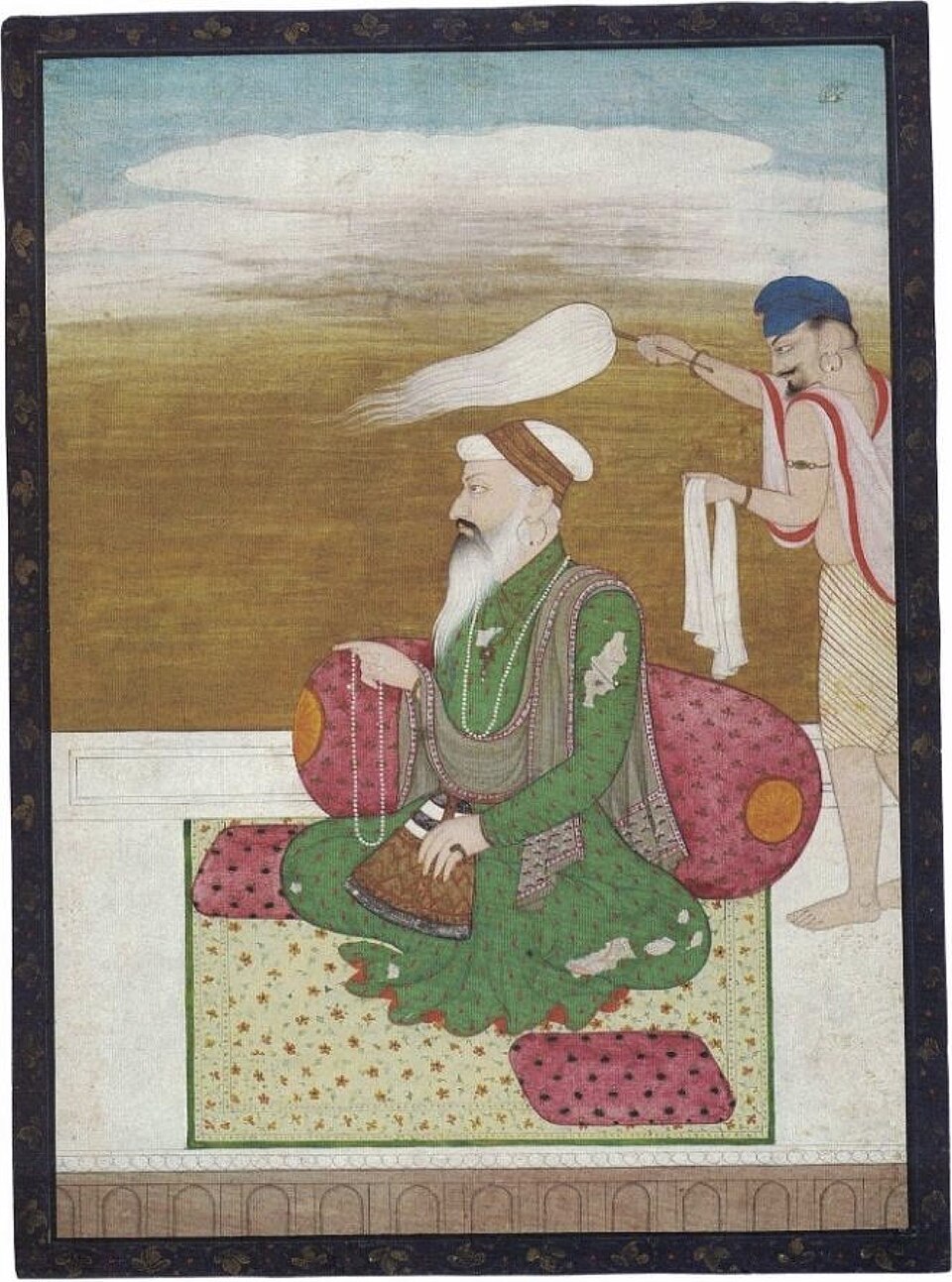
Daughter of Guru Amar Das, wife of Guru Ram Das and mother of Guru Arjan, remembered for her devoted service.
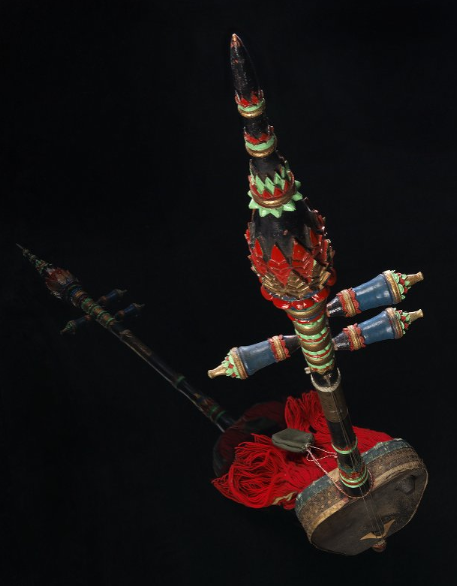
Muslim minstrels at the Gurus' court whose Ramkali ki Var, a ballad on the unity of the Gurus, is in the Guru Granth Sahib.
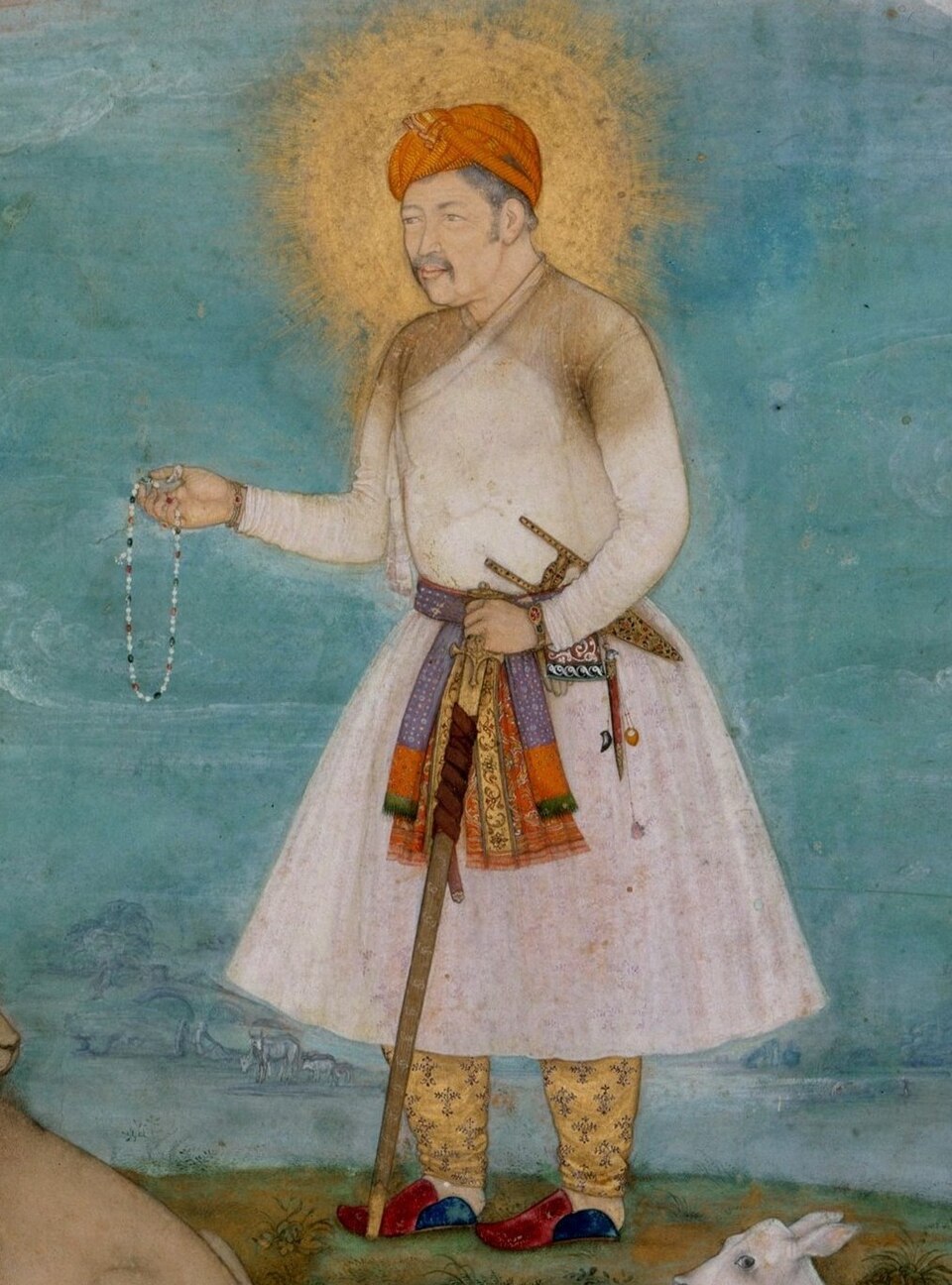
Mughal emperor, crowned at Kalanaur in Punjab, who ate in Guru Amar Das's langar at Goindwal and ruled from Lahore from 1586 to 1598.
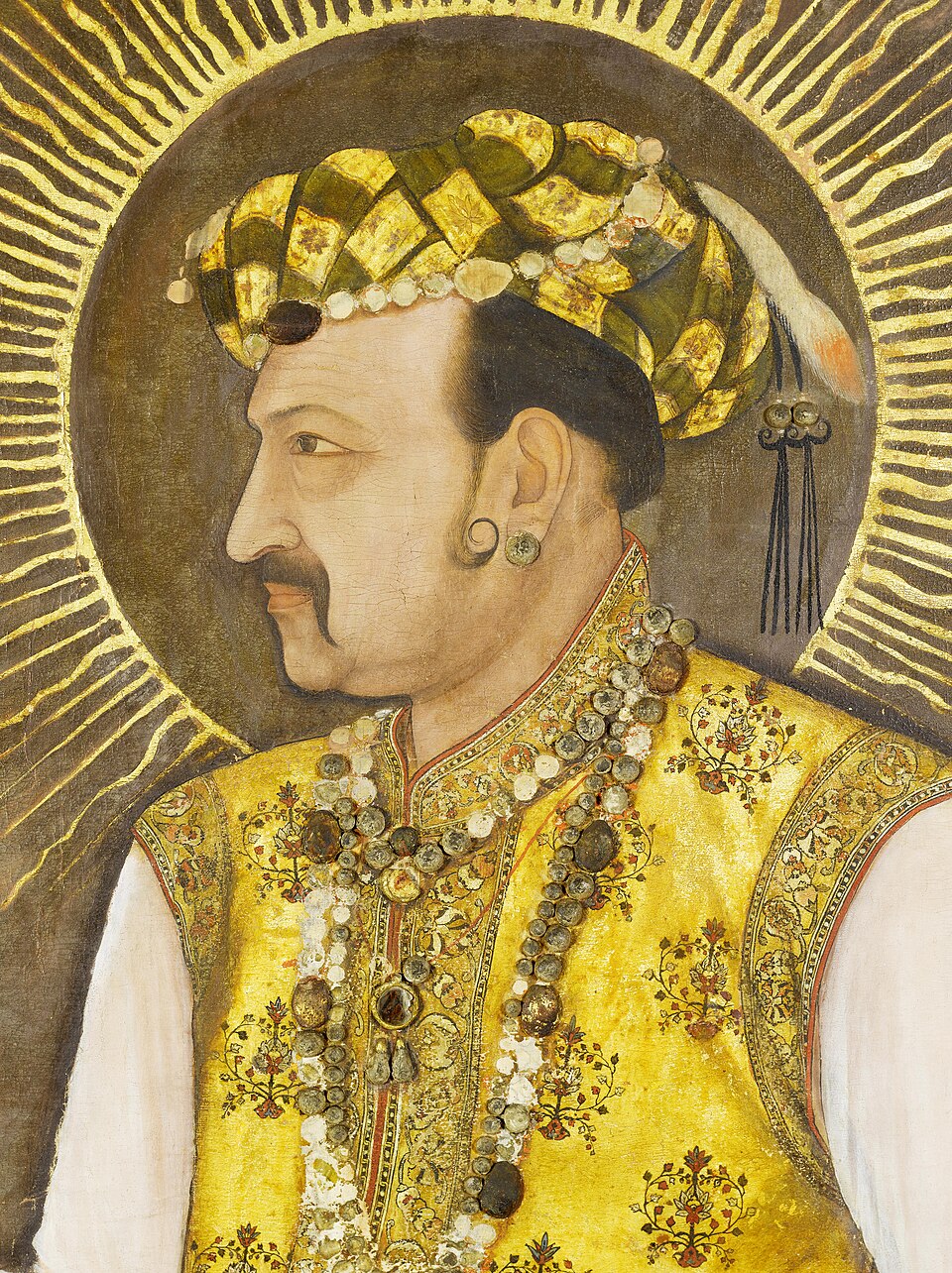
Mughal emperor under whom Guru Arjan was executed in 1606 and Guru Hargobind held in Gwalior fort. He is buried at Shahdara outside Lahore.
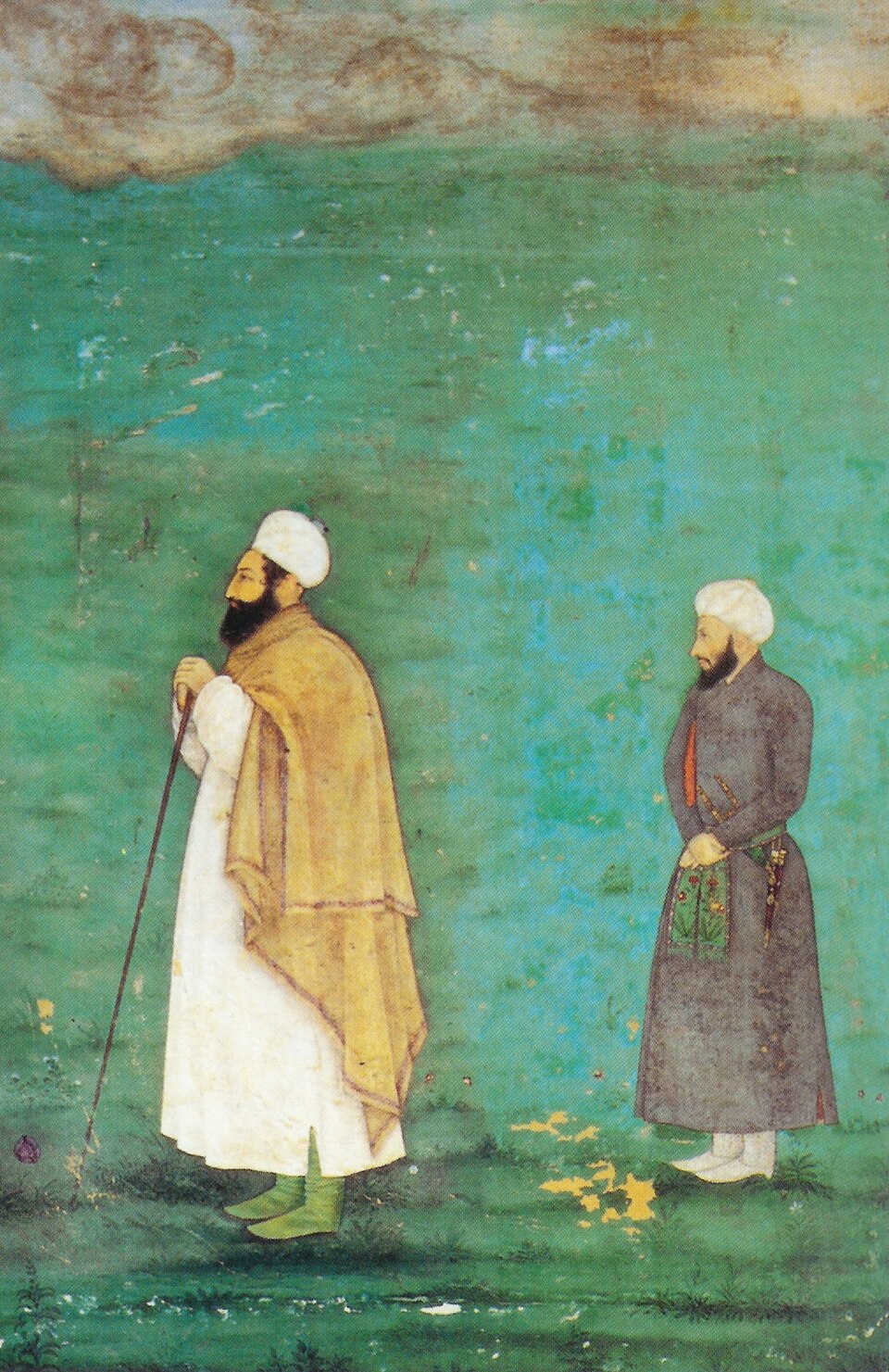
Naqshbandi reformer of Sirhind, called the 'renewer of the second millennium', who opposed Akbar's religious syncretism. Some historians see his circle behind hostility to Guru Arjan; others doubt the link.
The Gurus' family tree
How the Guruship passedScroll sideways to see the whole tree →
Guru Gobind Singh's four sons, the Sahibzade, were all killed in 1704; in 1708 he passed the Guruship to the scripture and to the Khalsa. Guru Nanak passed over his own sons for his disciple Lehna, renamed Angad; Angad did the same. From Guru Ram Das on, the Guruship stayed in the Sodhi family, but not always with the eldest: Prithi Chand, Dhir Mal and Ram Rai each set up rival claims.
In the world's museums
4 objects Guru ArjanGovernment Museum, Chandigarh · photo Family workshop of Purkhu of Kangra (Wikimedia Commons) ↗
 Painting of Guru Arjan Dev, Punjab, ca.1700–50Wikimedia Commons ↗
 Portrait of Guru Arjan Dev, the Fifth GuruGovernment Museum, Chandigarh · photo family workshop of Purkhu of Kangra (Wikimedia Commons) ↗
 Painting of Guru Arjan, Pahari, ca.1830–50Museum Rietberg, Zurich · photo Wikimedia Commons (Wikimedia Commons) ↗