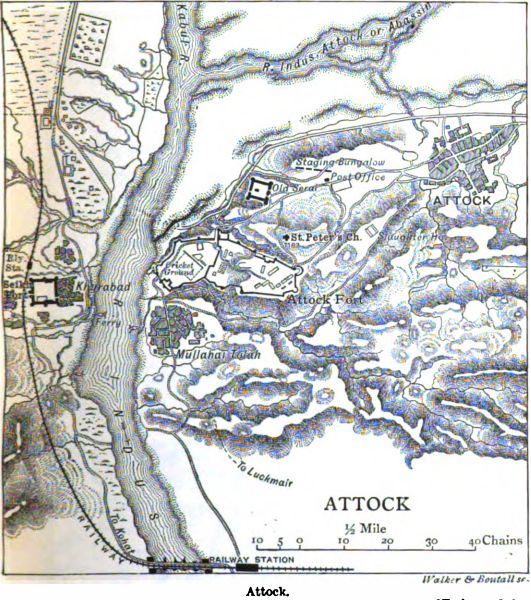
Battle of Attock
The Sikh Empire's first major victory over the Afghans, securing the fort at the Indus crossing.
Attock, where the Grand Trunk Road crosses the Indus, was the key to the north-west. In 1813 its Afghan governor, faced with the advance of Wazir Fateh Khan, chief minister of Kabul, handed the fort to Ranjit Singh rather than to his own countrymen.
Fateh Khan marched to retake it. On 13 July 1813, at Haidru near Attock, a Sikh army under Diwan Mokham Chand, with Hari Singh Nalwa, met the Afghans in the scorching heat. After a hard battle, the Afghan army broke, and Fateh Khan's brother Dost Mohammad Khan was wounded.
It was the first great Sikh victory over the Afghans in open battle, and it turned the tide of a hundred years. The fort of Attock remained Sikh, and the Indus was now the frontier.
Same era
Campaigns of the Kingdom of Lahore, 1799 – 1842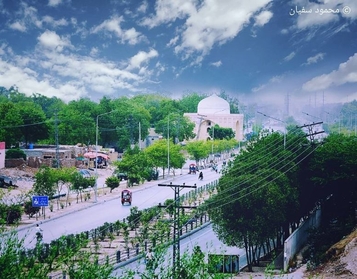
After a month of mining and assault, the Pathan principality of Kasur fell.
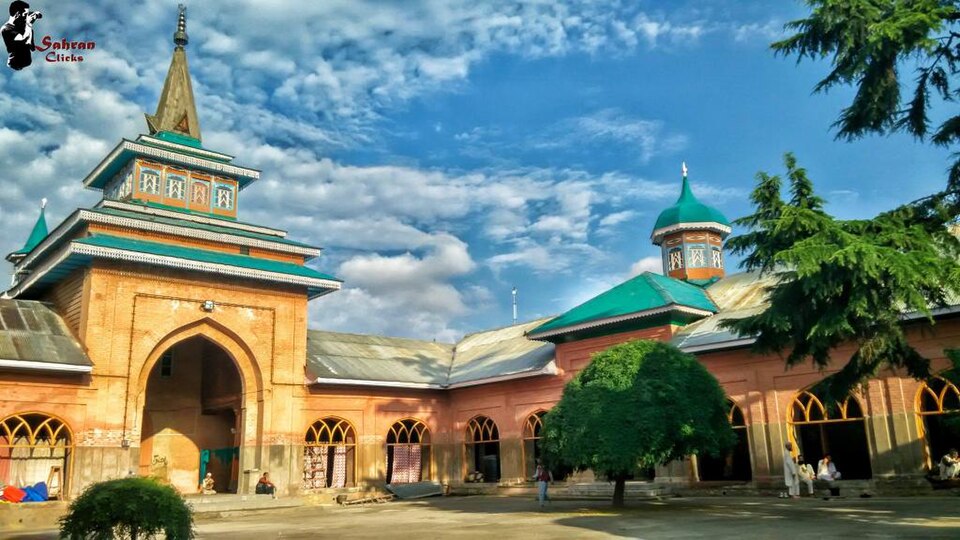
Rain, hunger and cholera wrecked the first attempt on Kashmir. It took another five years to return.
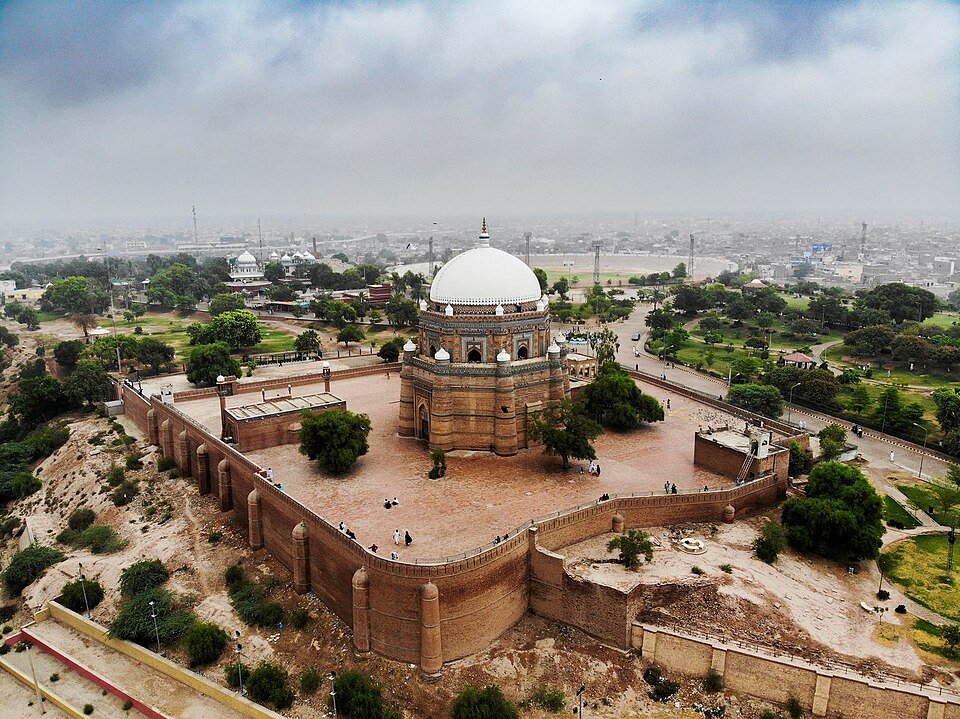
After several earlier attempts, a large Sikh army breached the walls with the great Zamzama gun and Akali charges. The Nawab died with his sons.
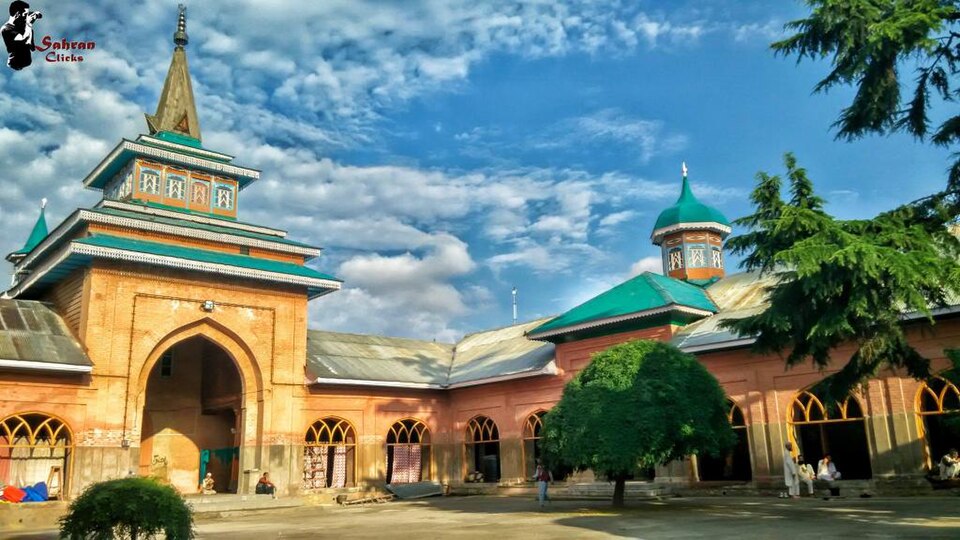
Brought the Kashmir valley under Sikh rule after five centuries of Muslim rule.
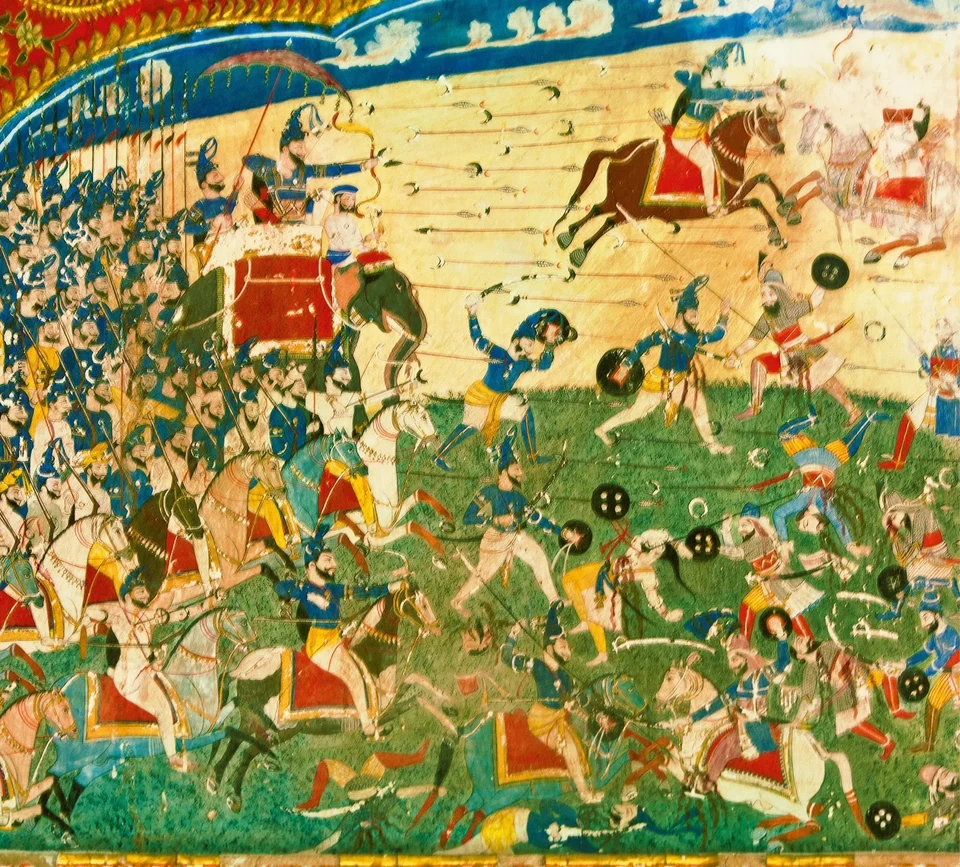
A hard battle on the Kabul river that opened the Peshawar valley. The Nihang leader Akali Phula Singh fell leading the charge.
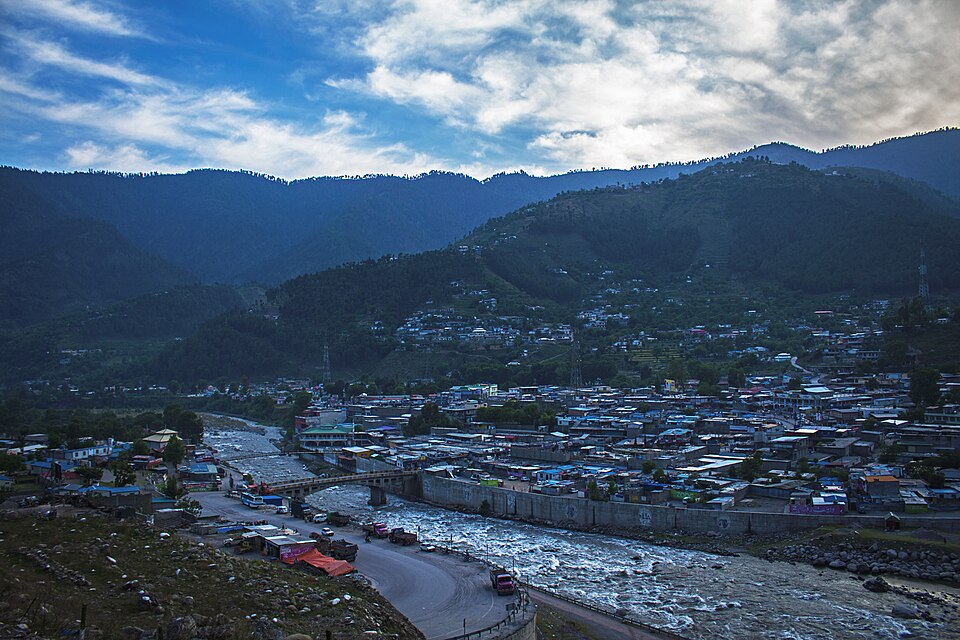
Syed Ahmad Barelvi's jihad movement against Sikh rule in the frontier hills ended when his force was caught at Balakot.
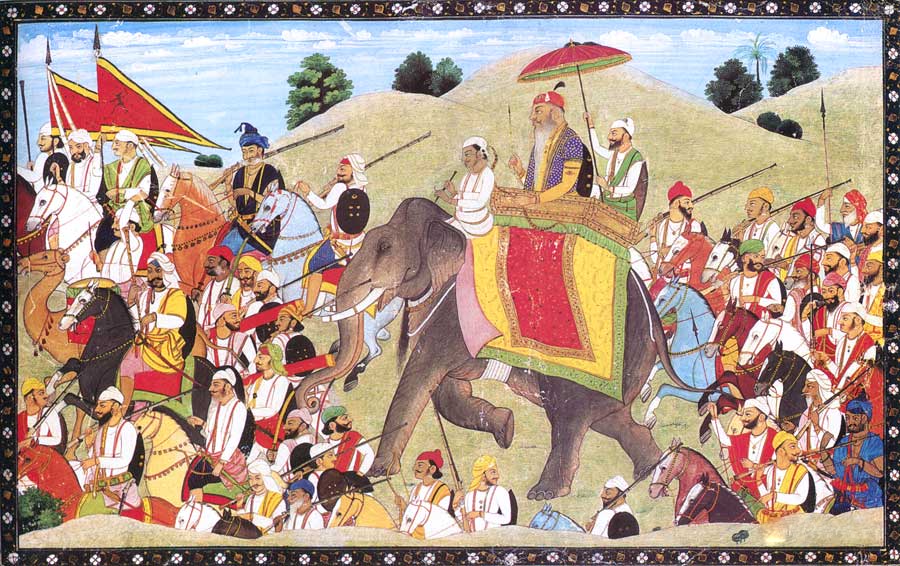
Sikh forces marched into Peshawar and ended its status as a tributary. Dost Mohammad Khan's attempts to retake it led to Jamrud.
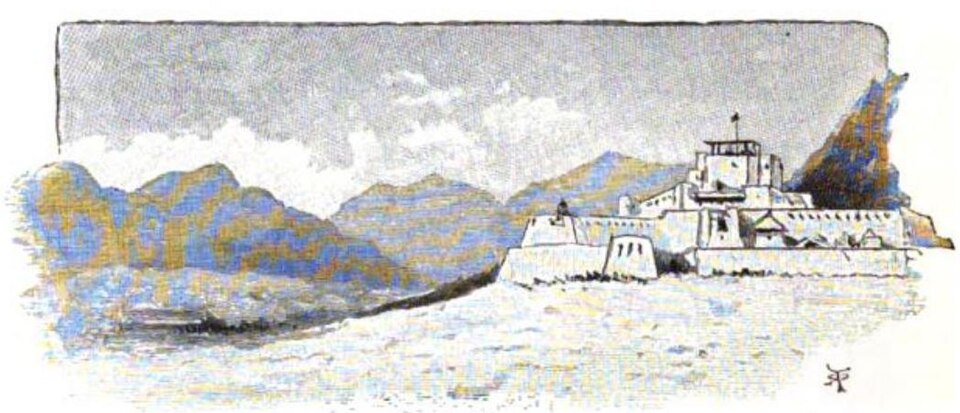
The Afghans attacked the new fort at the mouth of the Khyber. Nalwa was mortally wounded; his death was kept secret until relief arrived and the Afghans withdrew.