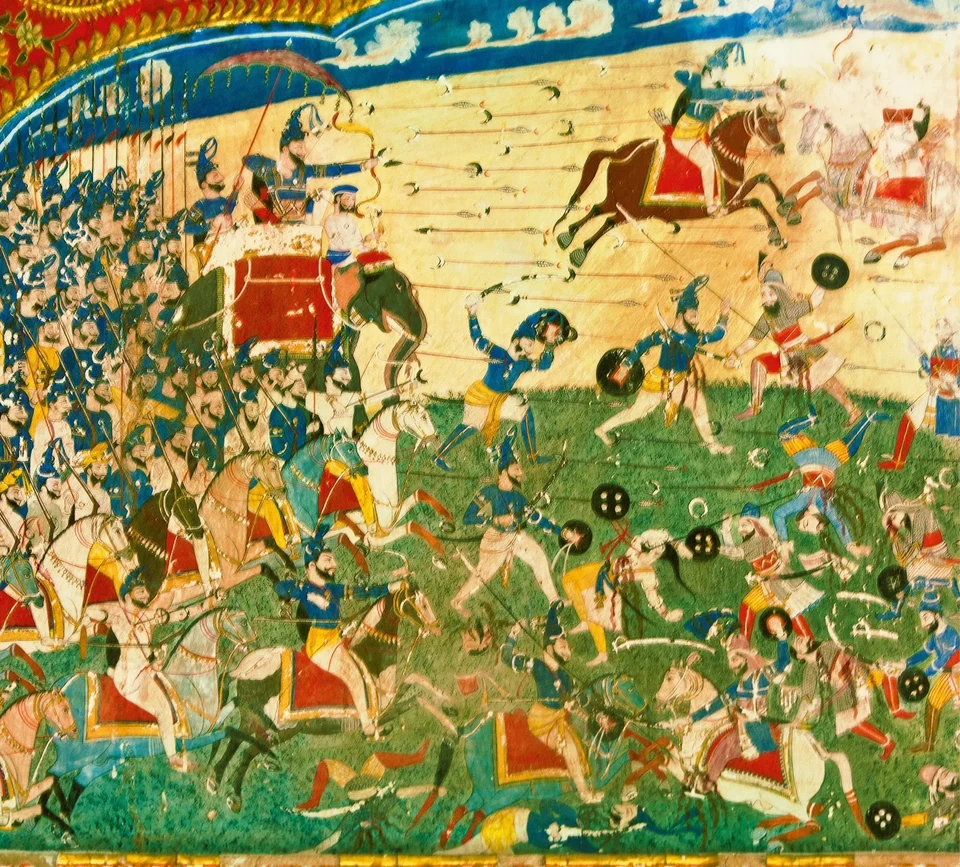
Battle of Nowshera
A hard battle on the Kabul river that opened the Peshawar valley. The Nihang leader Akali Phula Singh fell leading the charge.
In 1823 Muhammad Azim Khan, the Barakzai ruler of Kabul, came down the Khyber to drive the Sikhs out of the Peshawar valley, calling on the Yusufzai and Khattak tribes to fight a holy war.
On 14 March 1823 Ranjit Singh's army met the Afghans and some thirty thousand tribesmen at Nowshera, on the Kabul river. The tribesmen held a hill, Pir Sabak, and fought with great courage. Akali Phula Singh, leading the Nihangs, charged on foot when his horse was shot and was killed in the attack; Hari Singh Nalwa and the Maharaja himself led the decisive assault.
The Afghan army, cut off by the river, failed to join the battle, and Azim Khan retreated; he died soon after. The Peshawar valley became tributary to Lahore, and in 1834 was annexed.
Same era
Campaigns of the Kingdom of Lahore, 1799 – 1842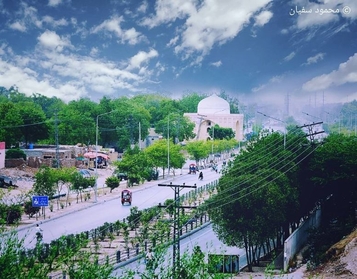
After a month of mining and assault, the Pathan principality of Kasur fell.
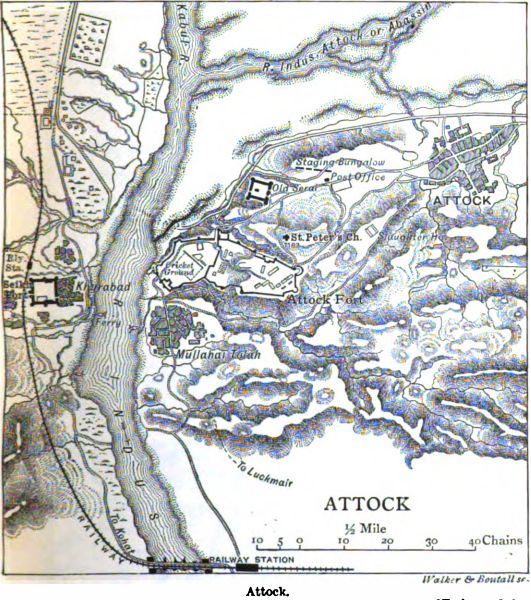
The Sikh Empire's first major victory over the Afghans, securing the fort at the Indus crossing.
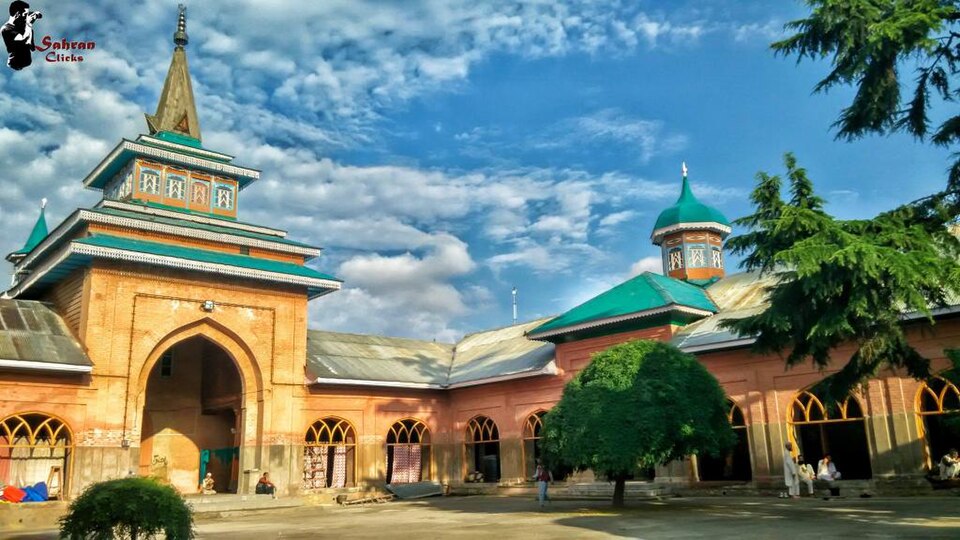
Rain, hunger and cholera wrecked the first attempt on Kashmir. It took another five years to return.
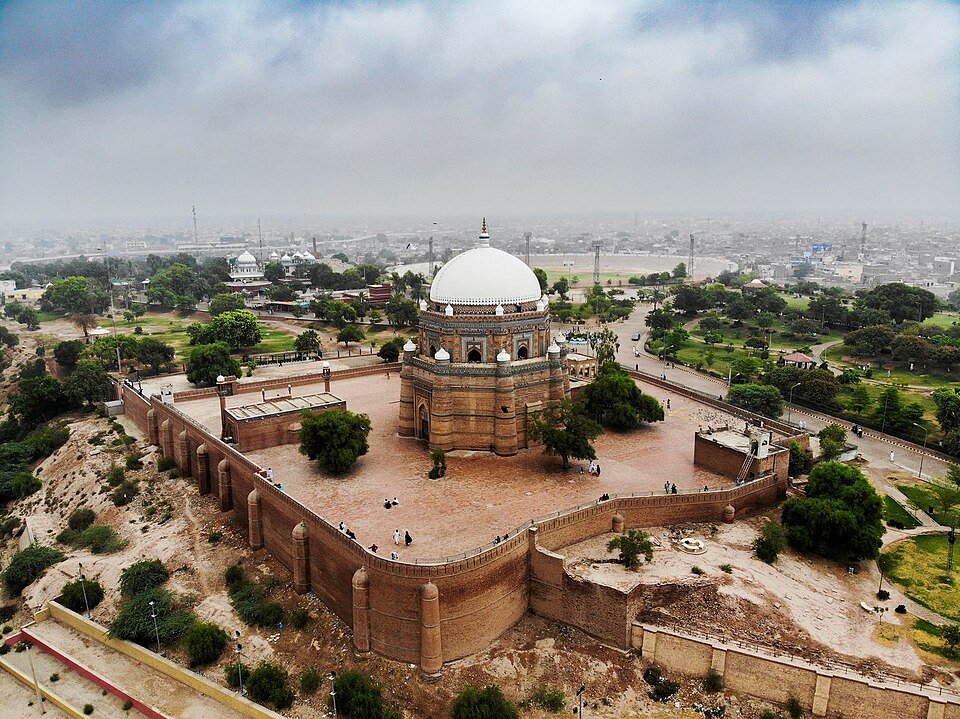
After several earlier attempts, a large Sikh army breached the walls with the great Zamzama gun and Akali charges. The Nawab died with his sons.
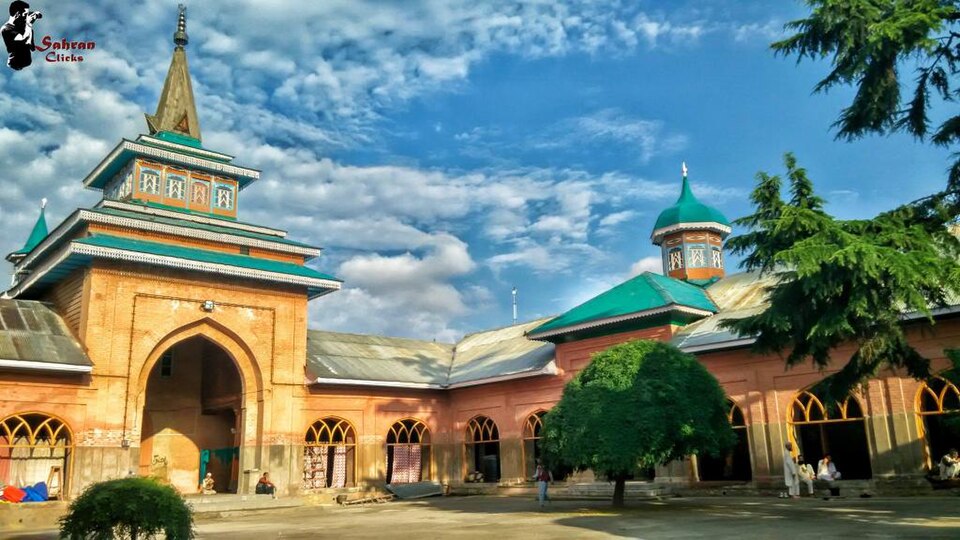
Brought the Kashmir valley under Sikh rule after five centuries of Muslim rule.
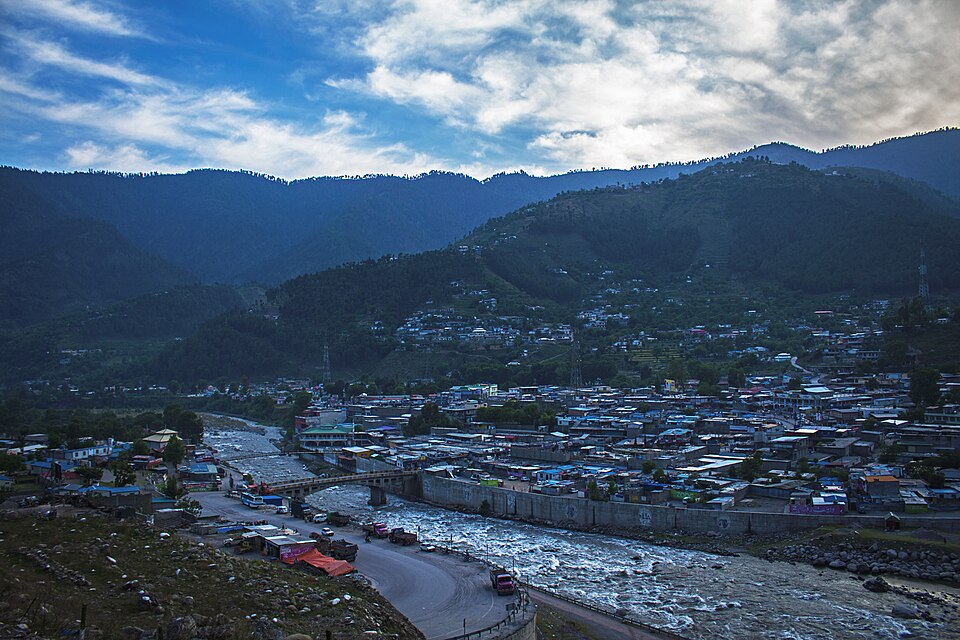
Syed Ahmad Barelvi's jihad movement against Sikh rule in the frontier hills ended when his force was caught at Balakot.
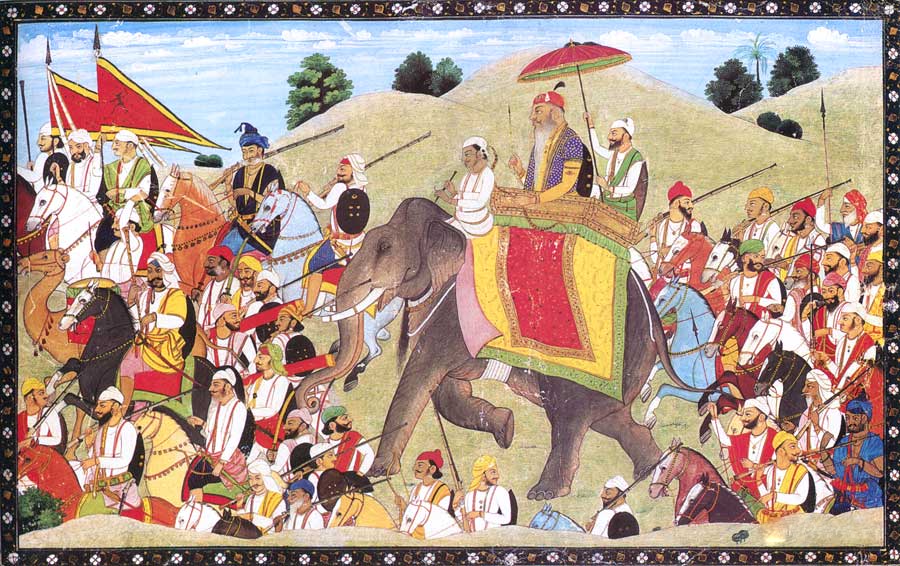
Sikh forces marched into Peshawar and ended its status as a tributary. Dost Mohammad Khan's attempts to retake it led to Jamrud.
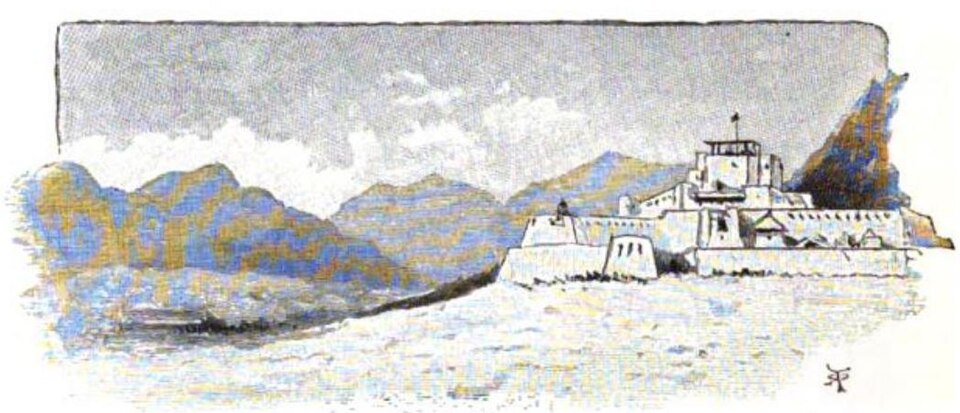
The Afghans attacked the new fort at the mouth of the Khyber. Nalwa was mortally wounded; his death was kept secret until relief arrived and the Afghans withdrew.