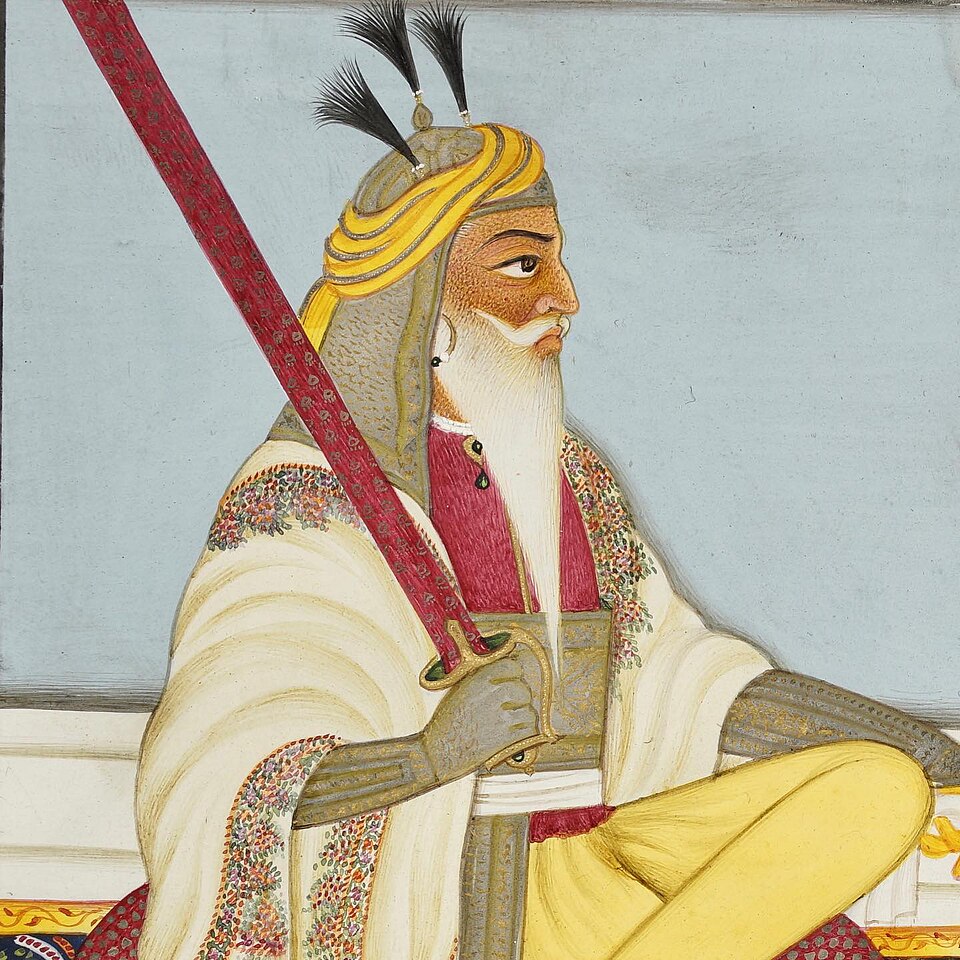
Hari Singh was born in 1791 at Gujranwala, the son of a Sukerchakia commander, and came to Ranjit Singh's notice as a boy of fourteen at a display of horsemanship. The story goes that while hunting he was attacked by a tiger and killed it with his sword, earning the name Nalwa, 'tiger-killer'.
He became the greatest of Ranjit Singh's generals and fought in nearly every campaign: Kasur, Attock, Multan, Kashmir, which he governed and where he struck the Hari Singhi rupee, and the north-west frontier, which he made his own. He founded the town of Haripur in Hazara in 1822 and held the frontier against the Afghan tribes, building a chain of forts. In 1834 he took Peshawar and governed it.
In April 1837, while he lay ill at Peshawar, the Afghans attacked the new fort of Jamrud at the mouth of the Khyber Pass. He rode to its relief and drove them back, but was mortally wounded. He ordered his death kept secret so that the Afghans would not attack again, and Mahan Singh Mirpuri held the fort until reinforcements came. He was cremated inside the fort.
No general of the time was more feared on the frontier. Afghan mothers are said to have quieted their children with his name. He is the one Sikh commander whose name has come down to every Punjabi child.
Battles
On the timeline
Connected
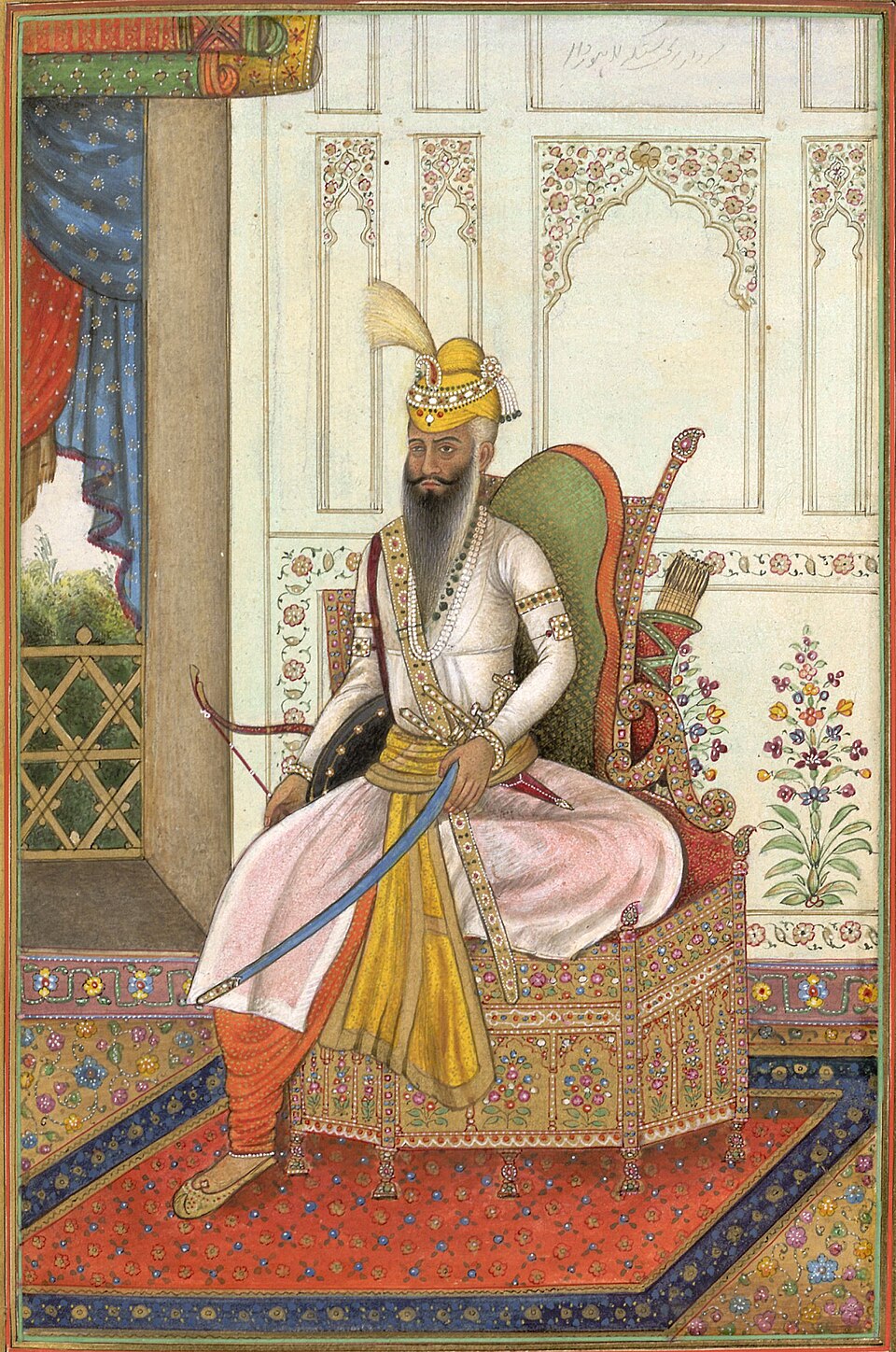
Sher-e-Punjab, the Lion of Punjab. United the misls into the Sikh Empire, ruled from Lahore for forty years and covered the Harmandir Sahib in gold.
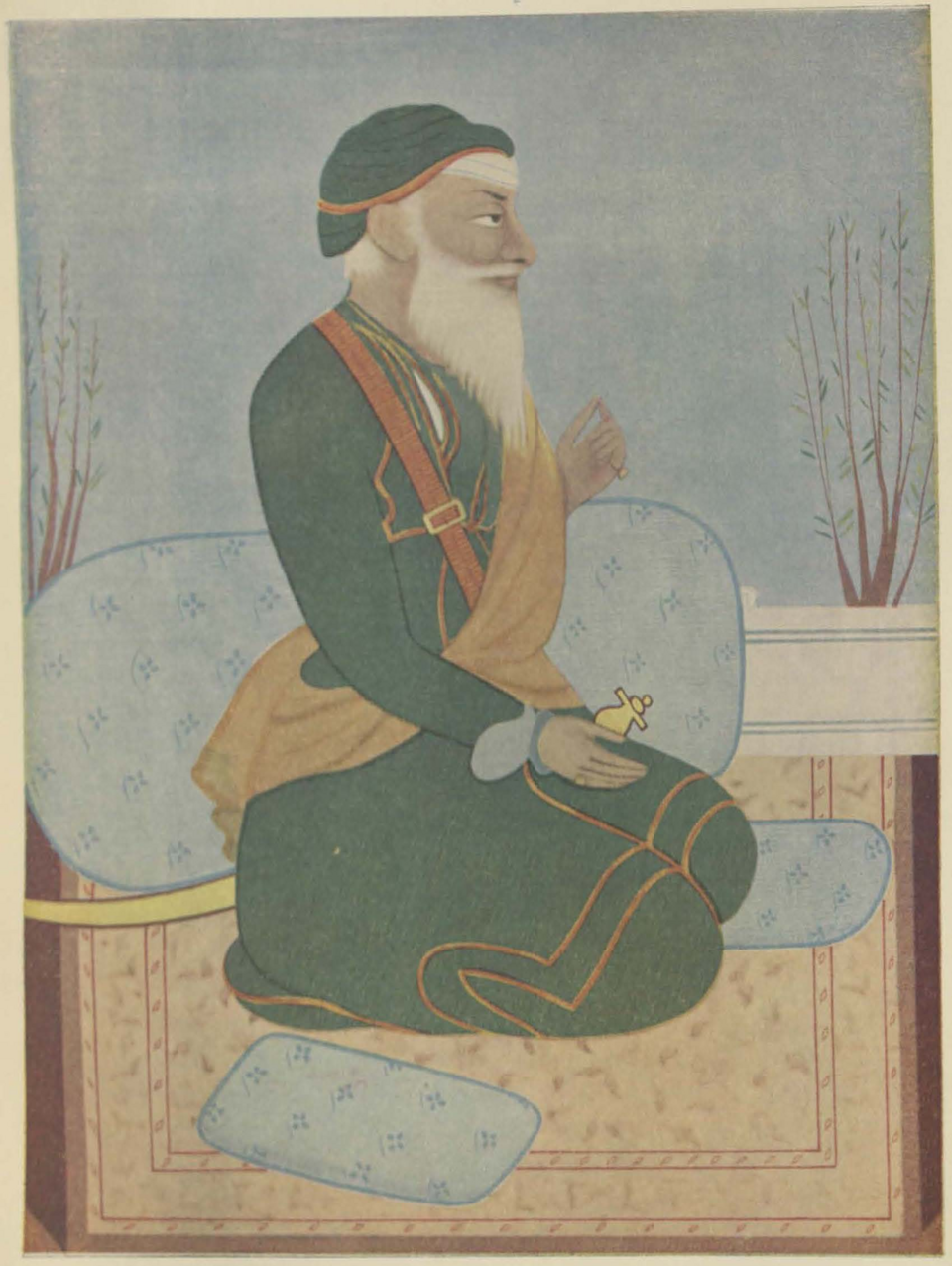
Ranjit Singh's leading general in the early conquests, victor over the Afghans at Attock in 1813.
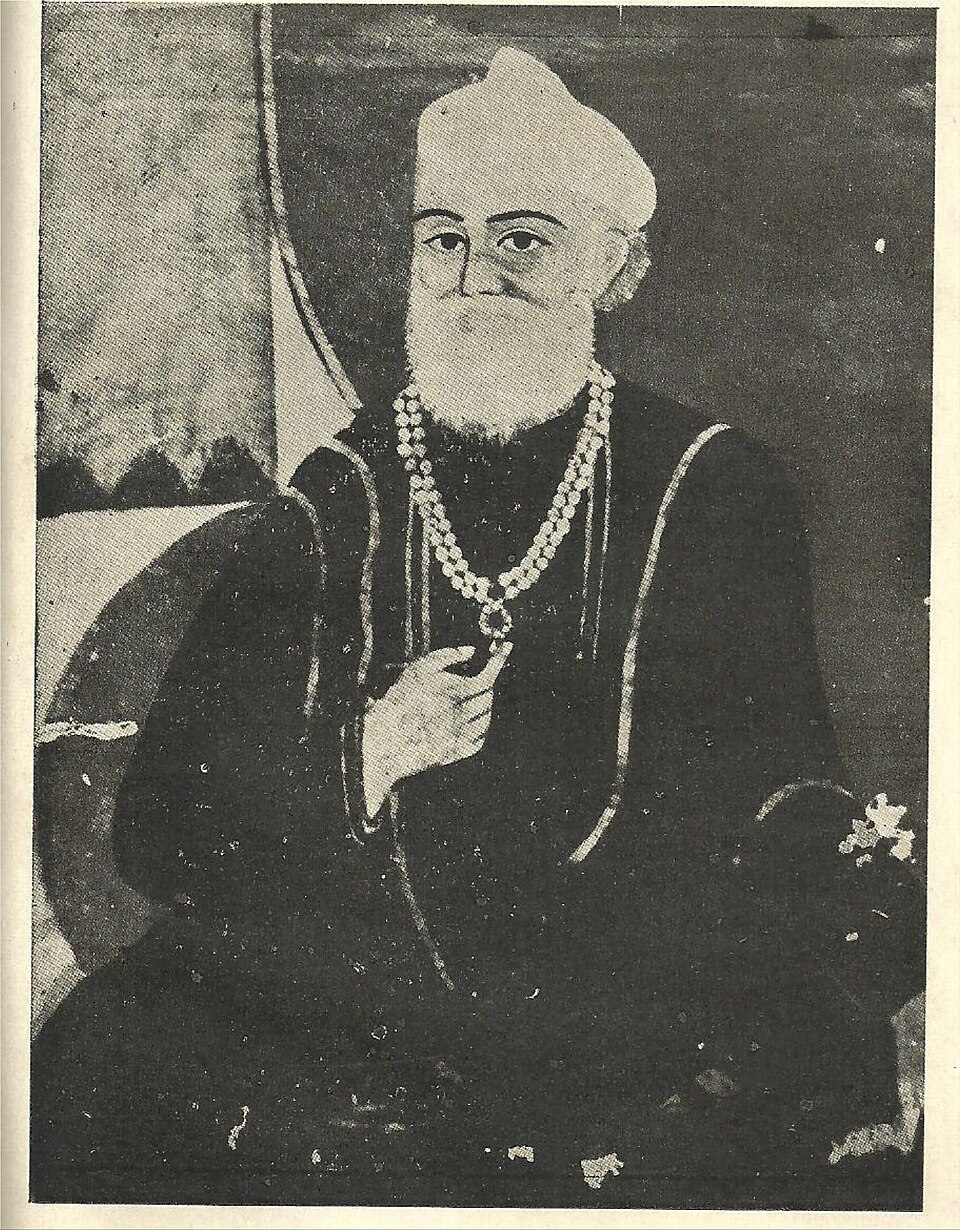
Artillery commander who rose from clerk to general and led the storming of Multan in 1818 and the conquest of Kashmir in 1819.
Commander of the Jamrud garrison who held the fort after Hari Singh Nalwa fell, keeping his death secret.
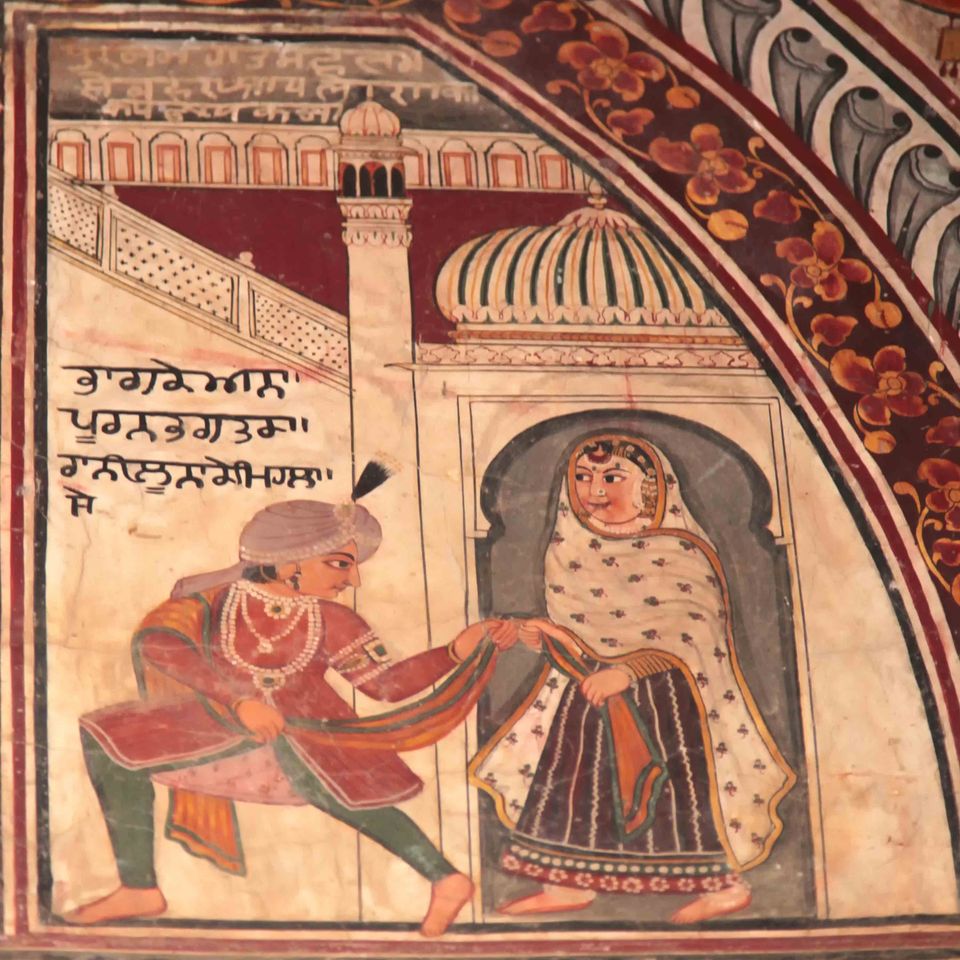
Poet of Puran Bhagat, the legend of the prince of Sialkot, and of a ballad on Hari Singh Nalwa.
 Hari Singh Nalwa (altNational Army Museum, London · photo Wikimedia Commons (Wikimedia Commons) ↗