Manuscripts & inscriptions
Ashoka's edicts cut in the rock of Gandhara, and, before print, every book written by hand: the earliest pothis of the Sikh scripture are among the most precious manuscripts of the Punjab.
Vedas, Alexander and Gandhara
1900 BCE – 1000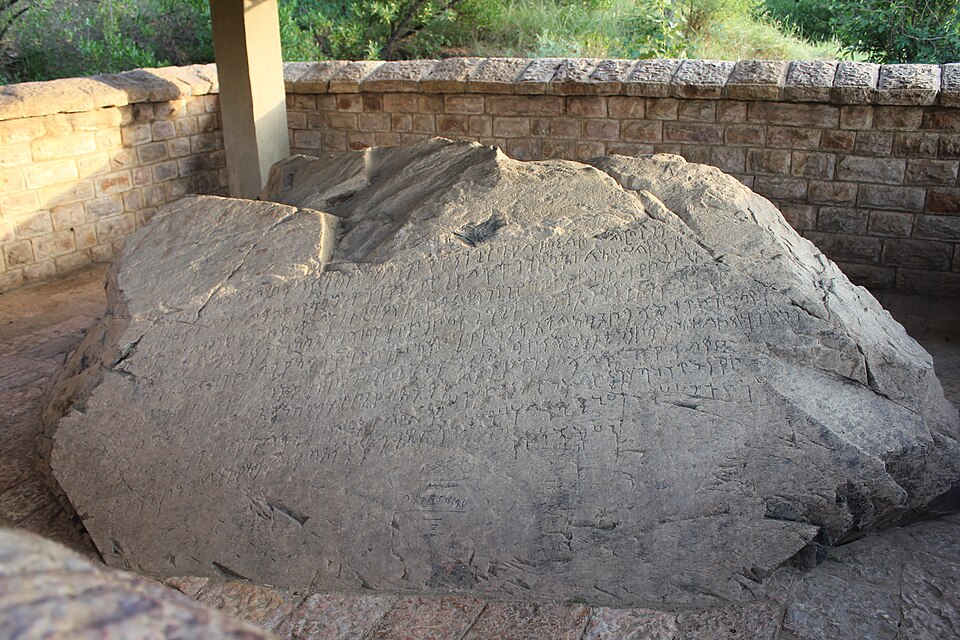
The Mauryan emperor's edicts on great boulders in Gandhara, in the Kharoshthi script of the north-west: among the oldest writing in the Punjab after the Indus seals.

A plate inscribed in Kharosthi recording a Buddhist gift by Patika, son of a Scythian satrap of Taxila: one of the few documents of Scythian rule in the Punjab.
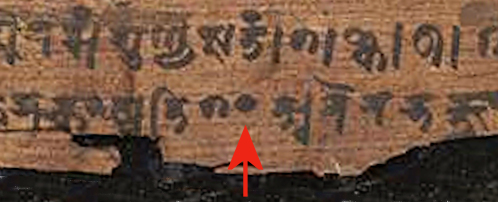
A mathematical text on seventy leaves of birch bark, dug up by a farmer at Bakhshali near Mardan in 1881. It uses a dot for zero, one of the oldest written zeros known.
Gurus and Mughals
1469 – 1708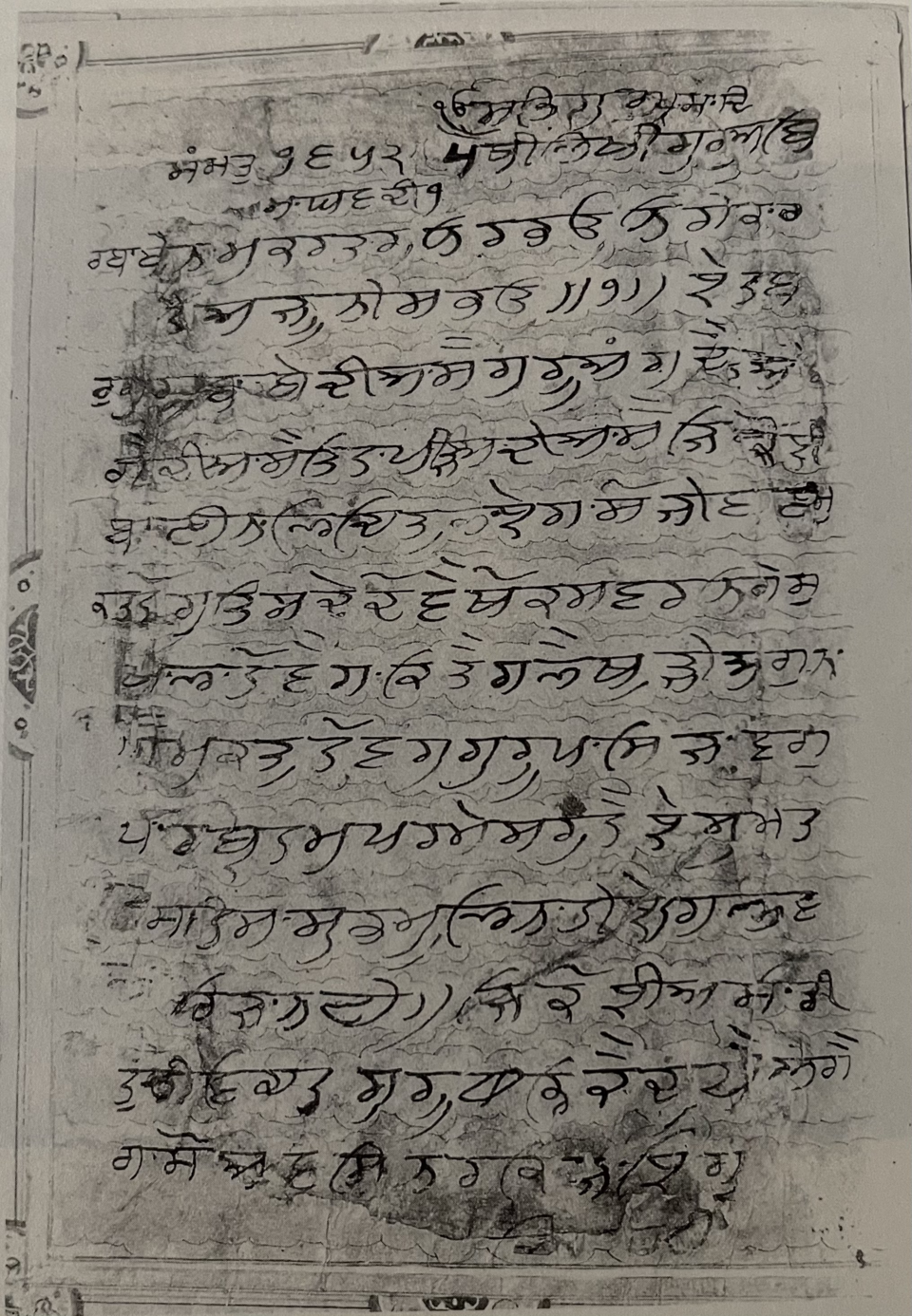
Two or more volumes of hymns compiled in Guru Amar Das's time at Goindwal, the earliest surviving collections of Sikh scripture and a source for the Adi Granth.
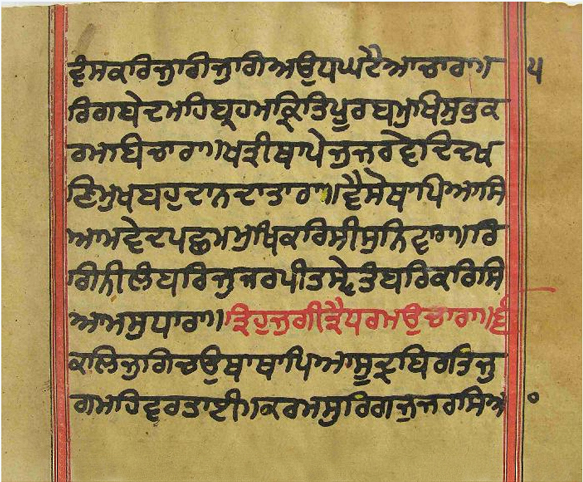
Forty ballads by the scribe who wrote out the first Sikh scripture for Guru Arjan, traditionally called the key to the Guru Granth Sahib.
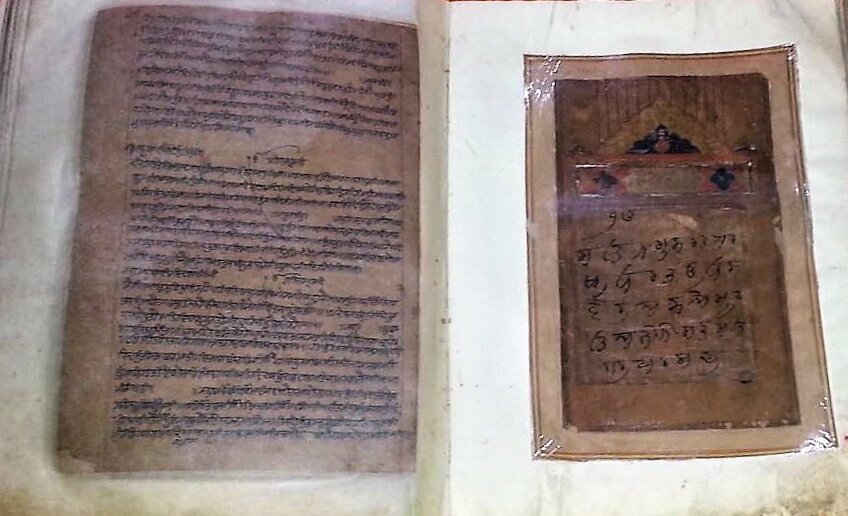
A copy of the Adi Granth made by Bhai Banno, a Sikh of Mangat, who was sent to Lahore to have the Guru's scripture bound and copied it on the way.
The Kartarpur Bir1604The manuscript of the Adi Granth written out by Bhai Gurdas under Guru Arjan's direction and installed in the Harmandir Sahib in 1604, the original scripture of the Sikhs.
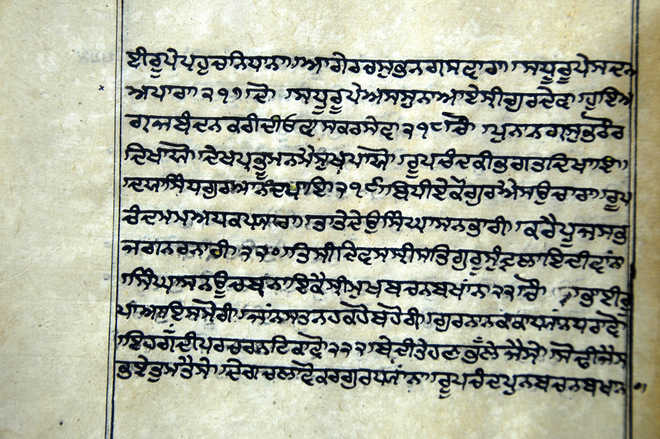
Letters of command written by the later Gurus and their wives to Sikh congregations, asking for offerings, horses and weapons, many bearing the Guru's own hand.
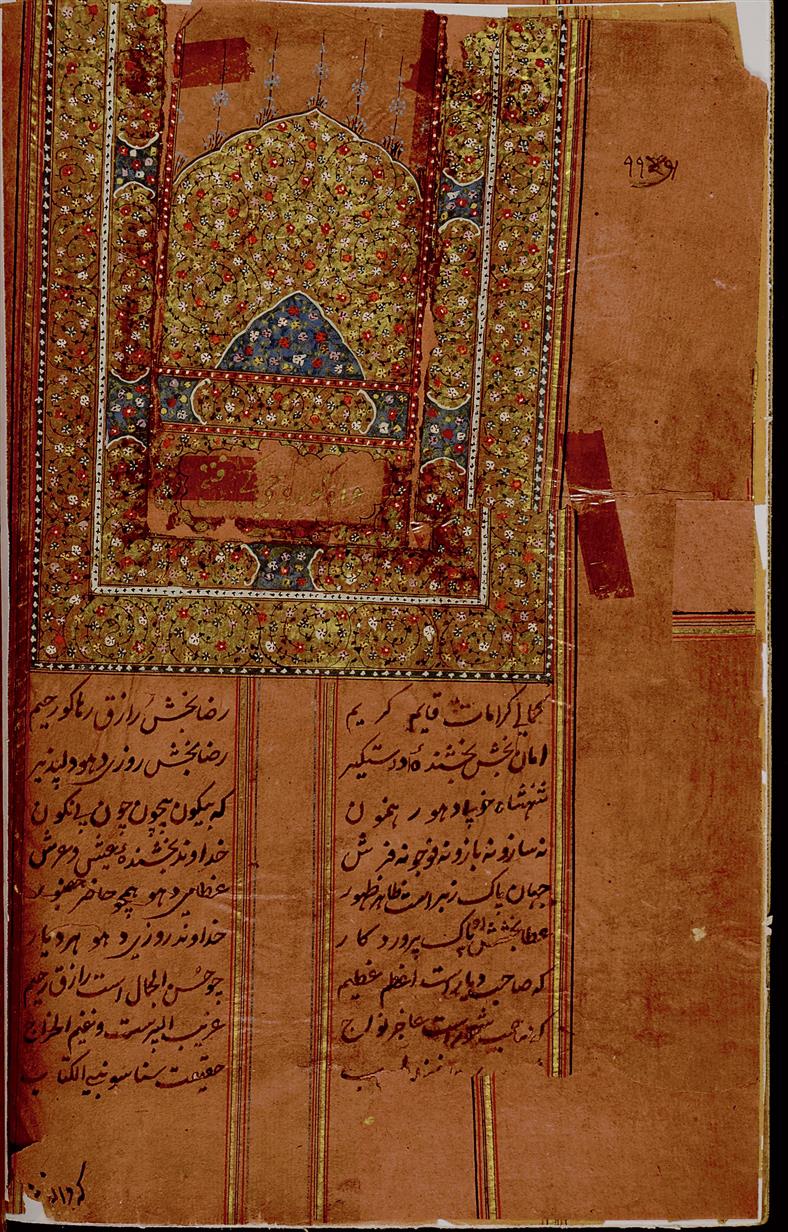
The 'epistle of victory', a letter in Persian verse that Guru Gobind Singh sent to the emperor Aurangzeb after Chamkaur, rebuking him for the oaths his commanders broke at Anandpur.
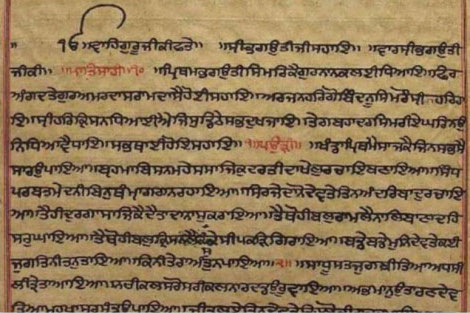
The final edition of the scripture, with Guru Tegh Bahadur's hymns added, completed at Talwandi Sabo with Bhai Mani Singh as scribe. The original is believed lost in the 18th century; every later copy descends from it.
Misls and Afghans
1708 – 1799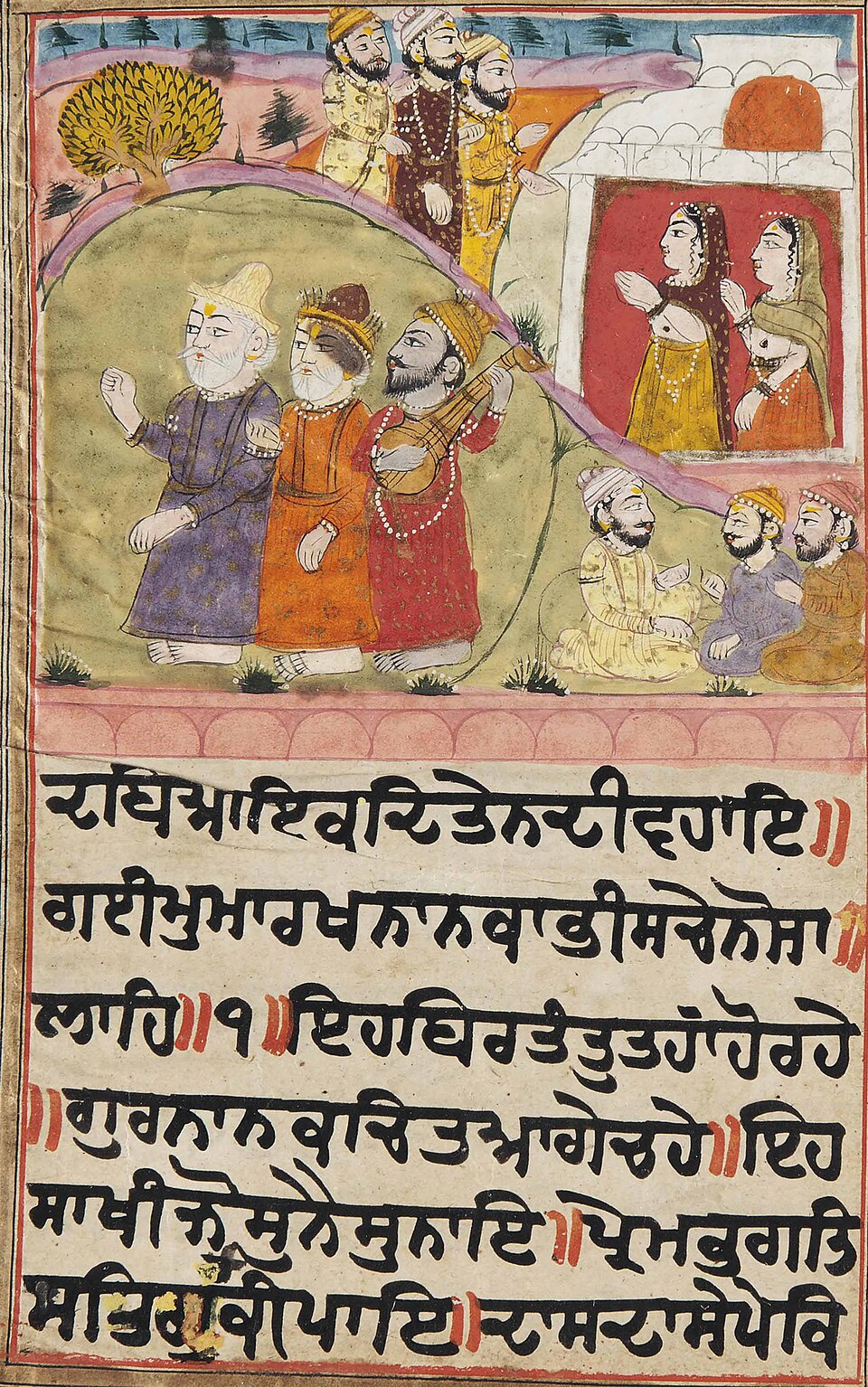
An illustrated life of Guru Nanak with 57 paintings by the artist Alam Chand Raj, made in 1733 and one of the finest early examples of Sikh painting.
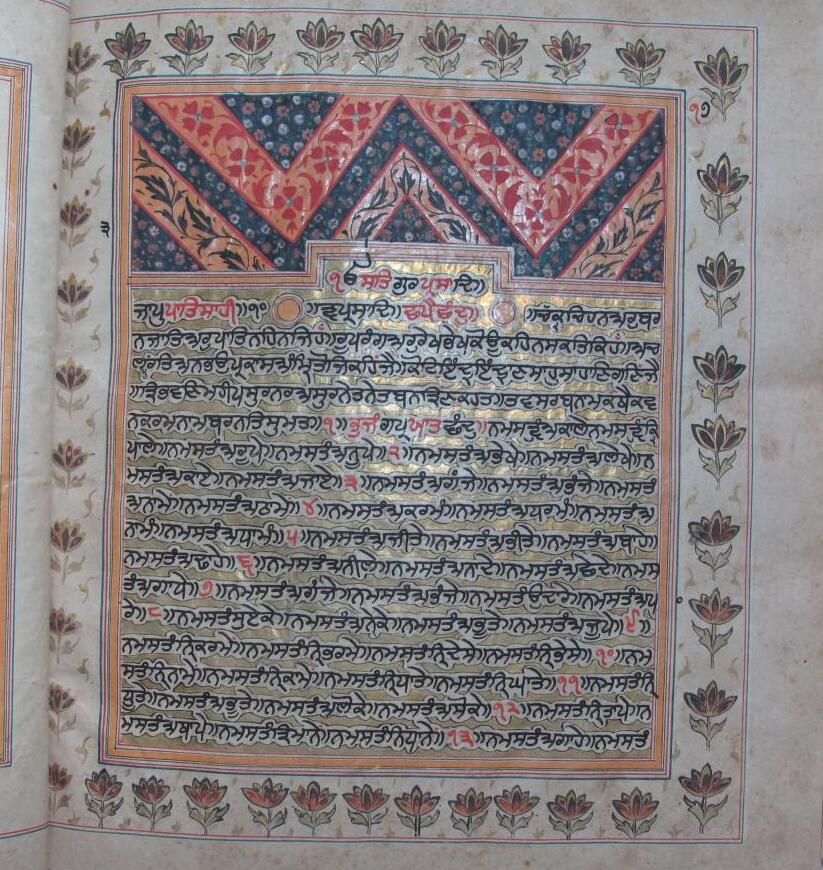
The second scripture of the Sikhs, gathering compositions attributed to Guru Gobind Singh, survives in several 18th-century manuscripts whose contents differ, one reason its compilation is still debated.
In the world's museums
97 objects Manuscript from "A year on the Punjab frontier, in 1848-49".1851The British Library (via Europeana) ↗
 Manuscript from "A year on the Punjab frontier, in 1848-49".1851The British Library (via Europeana) ↗
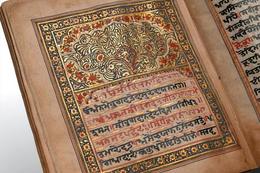 Panjabi manuscript no 255Wellcome Collection · CC BY ↗
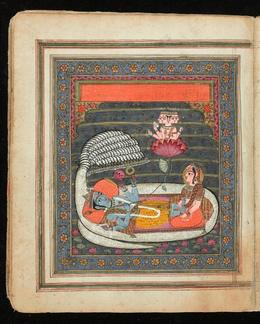 Panjabi Manuscript 255Wellcome Collection · CC BY ↗
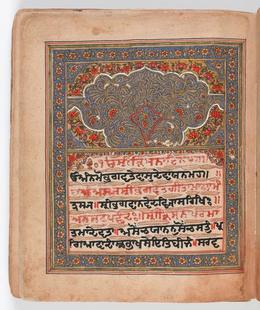 Panjabi Manuscript 255Wellcome Collection · CC BY ↗
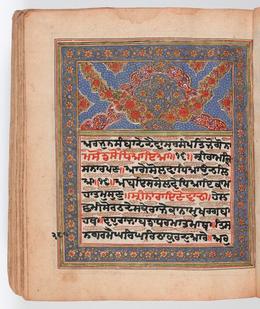 Panjabi Manuscript 255Wellcome Collection · CC BY ↗
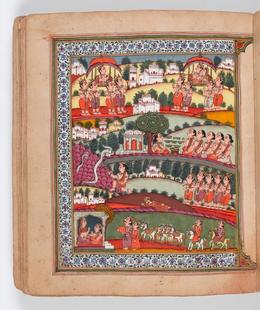 Panjabi Manuscript 255Wellcome Collection · CC BY ↗
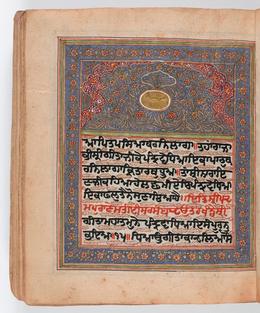 Panjabi Manuscript 255Wellcome Collection · CC BY ↗
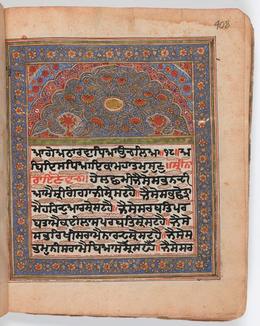 Panjabi Manuscript 255Wellcome Collection · CC BY ↗
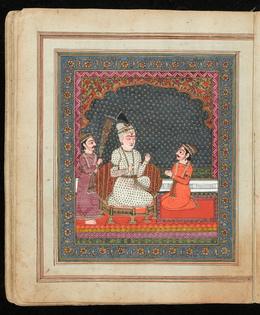 Panjabi Manuscript 255Wellcome Collection · CC BY ↗
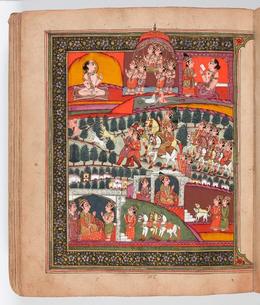 Panjabi Manuscript 255Wellcome Collection · CC BY ↗
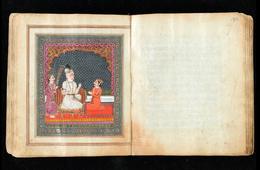 Panjabi Manuscript 255Wellcome Collection · CC BY ↗
 Panjabi Manuscript 255Wellcome Collection · CC BY ↗
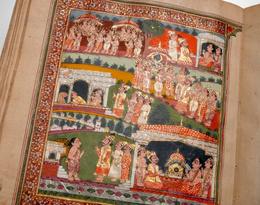 Panjabi manuscript 255Wellcome Collection · CC BY ↗
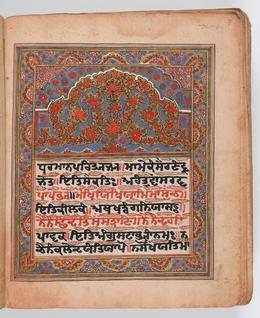 Panjabi Manuscript 255Wellcome Collection · CC BY ↗
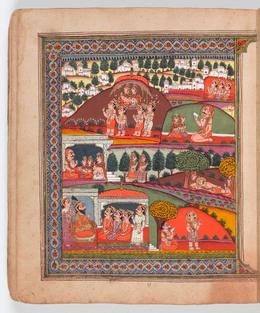 Panjabi Manuscript 255Wellcome Collection · CC BY ↗
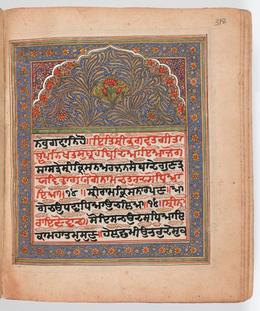 Panjabi Manuscript 255Wellcome Collection · CC BY ↗
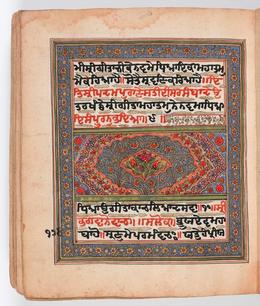 Panjabi Manuscript 255Wellcome Collection · CC BY ↗
 Panjabi Manuscript 255Wellcome Collection · CC BY ↗
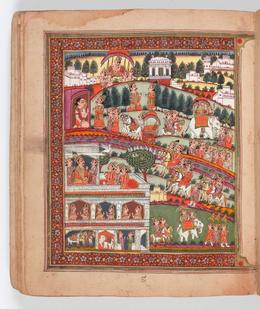 Panjabi Manuscript 255Wellcome Collection · CC BY ↗
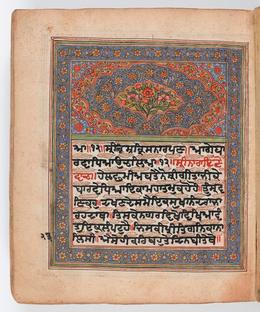 Panjabi Manuscript 255Wellcome Collection · CC BY ↗
 Panjabi Manuscript 255Wellcome Collection · CC BY ↗
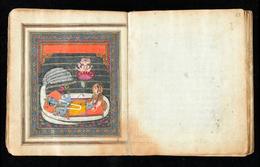 Panjabi Manuscript 255Wellcome Collection · CC BY ↗
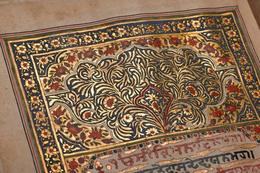 Panjabi manuscript 255Wellcome Collection · CC BY ↗
More in Manuscripts