Vedas, Alexander and Gandhara
The land of seven rivers, Persian satraps and Alexander, the Mauryas of Taxila and the Buddhist kingdoms of Gandhara.
 Unknown · Wikimedia
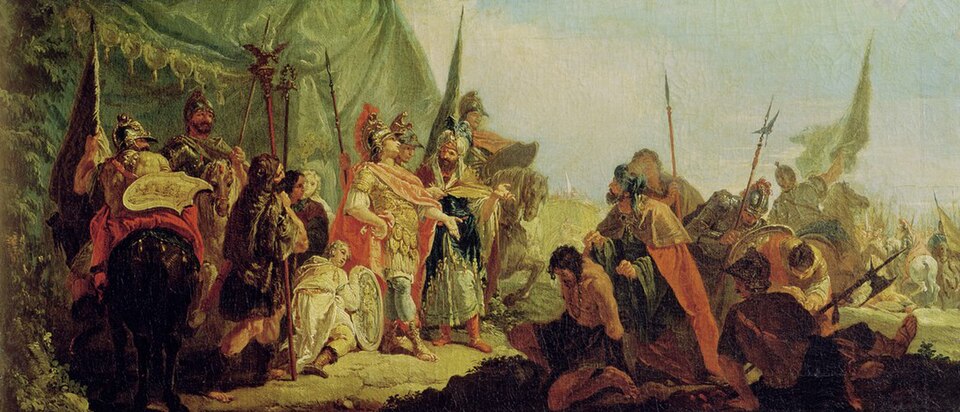
The hymns of the Rigveda were composed in the land of the seven rivers, the Sapta Sindhu, and name the Punjab's rivers one by one. By the sixth century BCE the Punjab was a land of kingdoms and clan republics: Gandhara with its capital at Taxila, the Madras of Sagala on the Chenab, the Kekayas and the Kambojas of the north-west, listed among the sixteen great realms, the mahajanapadas, of early Buddhist texts. The Persian king Darius made Gandhara and the Indus a province around 518 BCE; Alexander fought Porus on the Jhelum in 326 BCE and turned back at the Beas.
Taxila became one of the great cities of Asia and a seat of learning under the Mauryas, whose emperor Ashoka carved his edicts on the rocks of the north-west. Indo-Greek kings ruled from Sialkot, the Kushans from Peshawar, where Gandharan sculptors gave the Buddha a human face. The Huns sacked the monasteries in the fifth century, and Hindu Shahi kings held the passes until the Ghaznavids came. While the Guptas ruled the Ganges plain in the fourth and fifth centuries, the Punjab's own republics, the Yaudheyas of the south-east and the Madrakas of Sagala, struck their own coins and paid tribute to the Gupta emperor Samudragupta, whose Allahabad pillar names them.
Where it happened
What happened
18 events- c. 1900 BCEThe Indus cities decline
As rivers shift and the climate dries, Harappa and other cities shrink and people move east.
- c. 1500 BCEThe land of seven rivers
Hymns of the Rigveda, composed in this region, name the Sapta Sindhu, the land of seven rivers.
- c. 14th century BCEBattle of the Ten Kings
Told in the Rigveda, fought on the Ravi.
- c. 600 BCEGandhara and the mahajanapadas
Gandhara, with its capital at Taxila, and the Kambojas of the north-west are counted among the sixteen great realms of early India.
- c. 518 BCEPersian conquest
Darius I adds Gandhara and the land up to the Indus to the Achaemenid empire.
- c. 4th century BCEPanini's grammar
Panini of Shalatura, near Attock, writes the Ashtadhyayi, the grammar that fixed classical Sanskrit.
- 326 BCEAlexander at the Jhelum
Alexander defeats Porus, then his army refuses to cross the Beas.
- 325 BCEAlexander wounded among the Malli
- c. 317 BCEChandragupta Maurya
The Mauryas take over the north-west; Taxila becomes a provincial capital.
- c. 260 BCEAshoka's edicts
The Mauryan emperor Ashoka, once governor at Taxila, has edicts carved on rocks across the north-west.
- 3rd century BCETaxila under the Mauryas
Taxila is a provincial capital of the Mauryan empire and a famous seat of learning.
- c. 180 BCE
- c. 46 CETaxila of the Parthians
Taxila under Indo-Parthian kings, one of whom Christian legend says received the apostle Thomas.
- 2nd century CEKanishka and Gandharan art
Under the Kushans, Buddhist art in a Greco-Indian style flourishes from Peshawar to Taxila.
- c. 350Samudragupta and the Punjab republics
The Gupta emperor's Allahabad pillar names the Yaudheyas, Madrakas and other republics of the Punjab as tributaries.
- c. 470The Huns
Alchon Huns overrun Gandhara and western Punjab and destroy many Buddhist monasteries at Taxila.
- 712Arabs reach Multan
Muhammad bin Qasim's Umayyad army conquers Sindh and southern Punjab up to Multan.
- 9th centuryThe Hindu Shahis
A Hindu dynasty rules from the Kabul valley to Punjab.
People of this age
7 people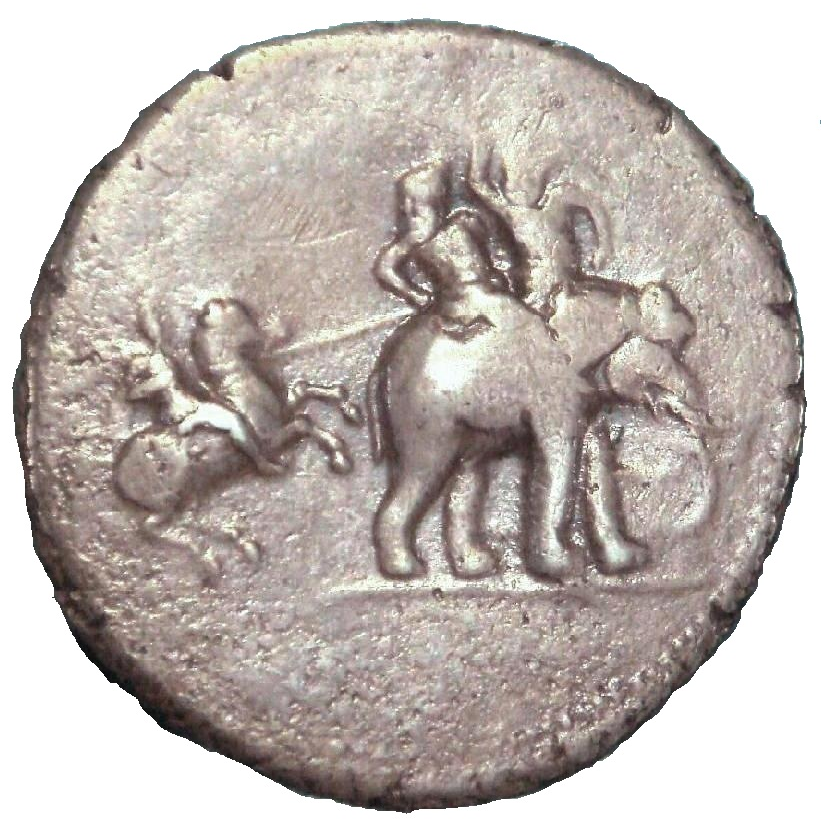
King of the Pauravas between the Jhelum and Chenab, who met Alexander at the Hydaspes with war elephants and, defeated, was restored to his throne.
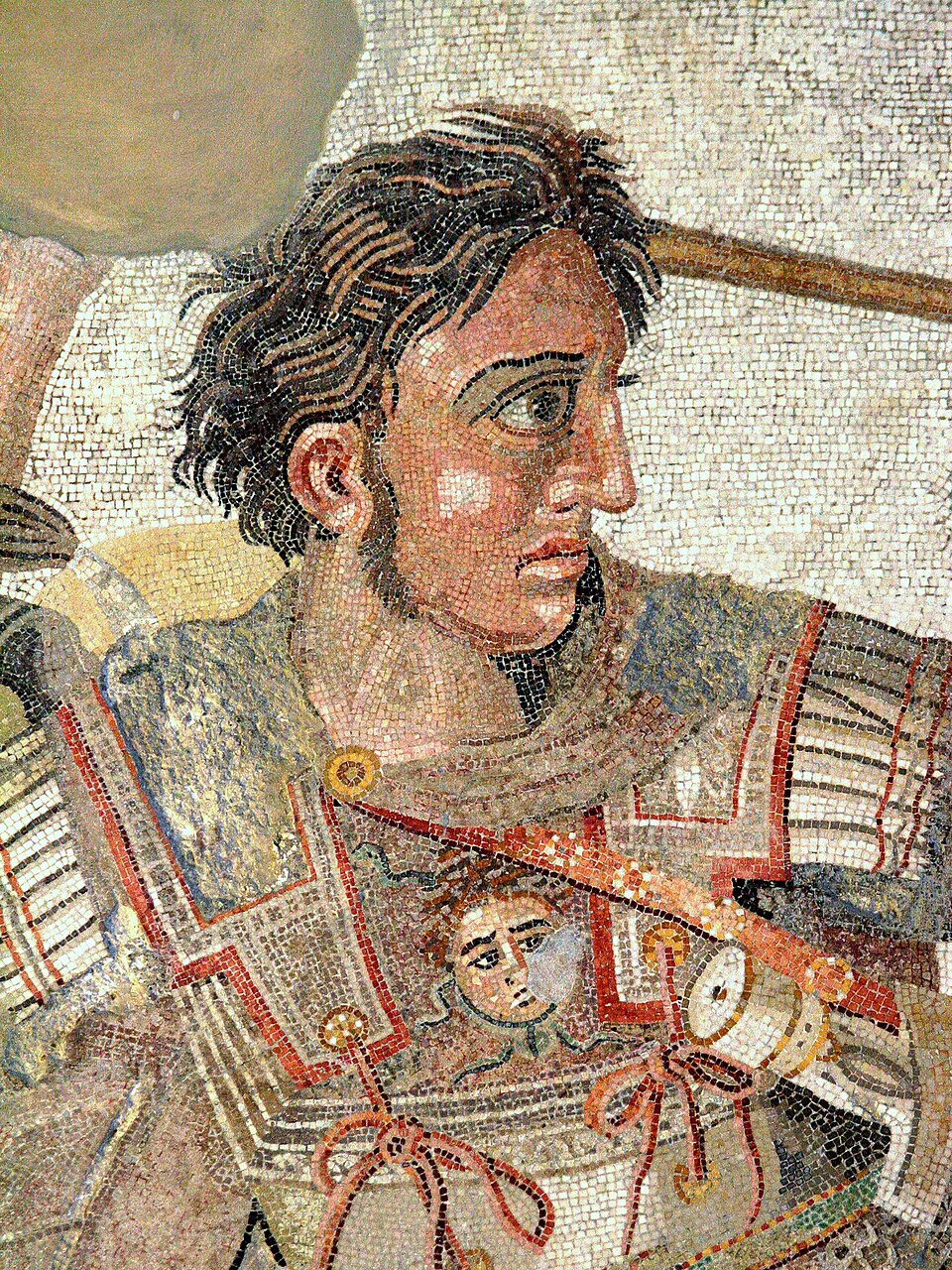
Crossed the Indus in 326 BCE, defeated Porus, and turned back at the Beas when his army refused to go on. He was badly wounded storming a Malli town, probably near Multan.
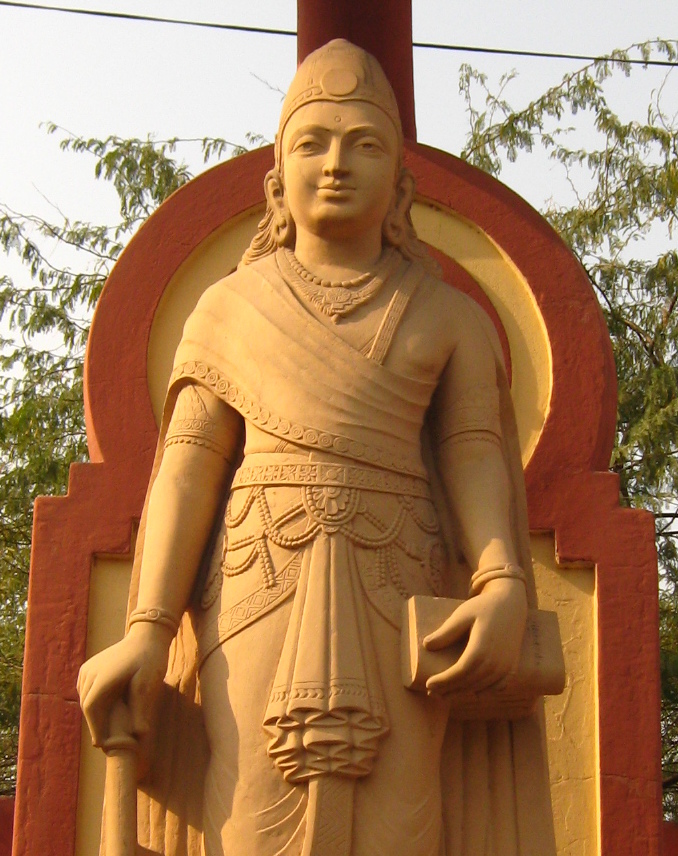
Founder of the Mauryan empire who, with his adviser Chanakya of Taxila, drove out the Greek garrisons and made Taxila a provincial capital.
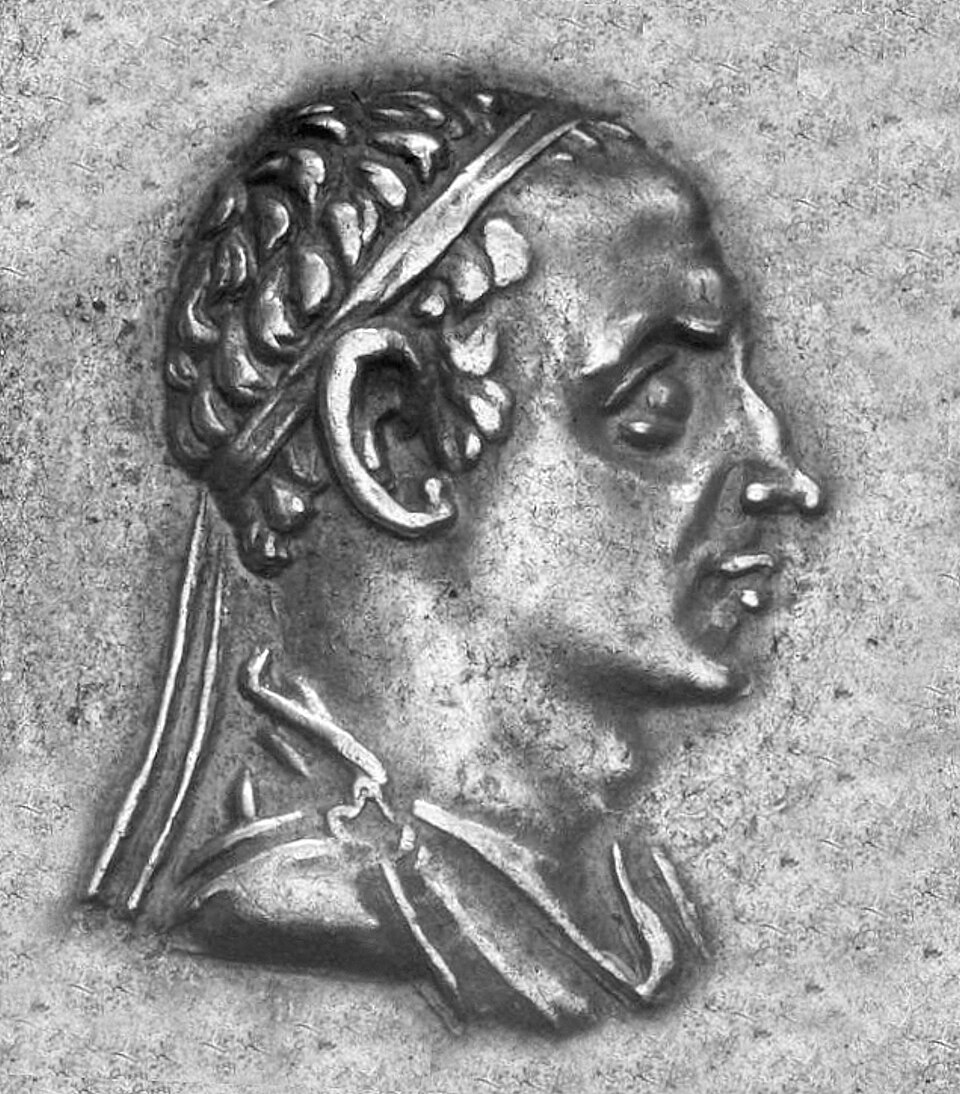
Indo-Greek king who ruled from Sagala (Sialkot). The Buddhist text Questions of Milinda records his debate with the monk Nagasena.
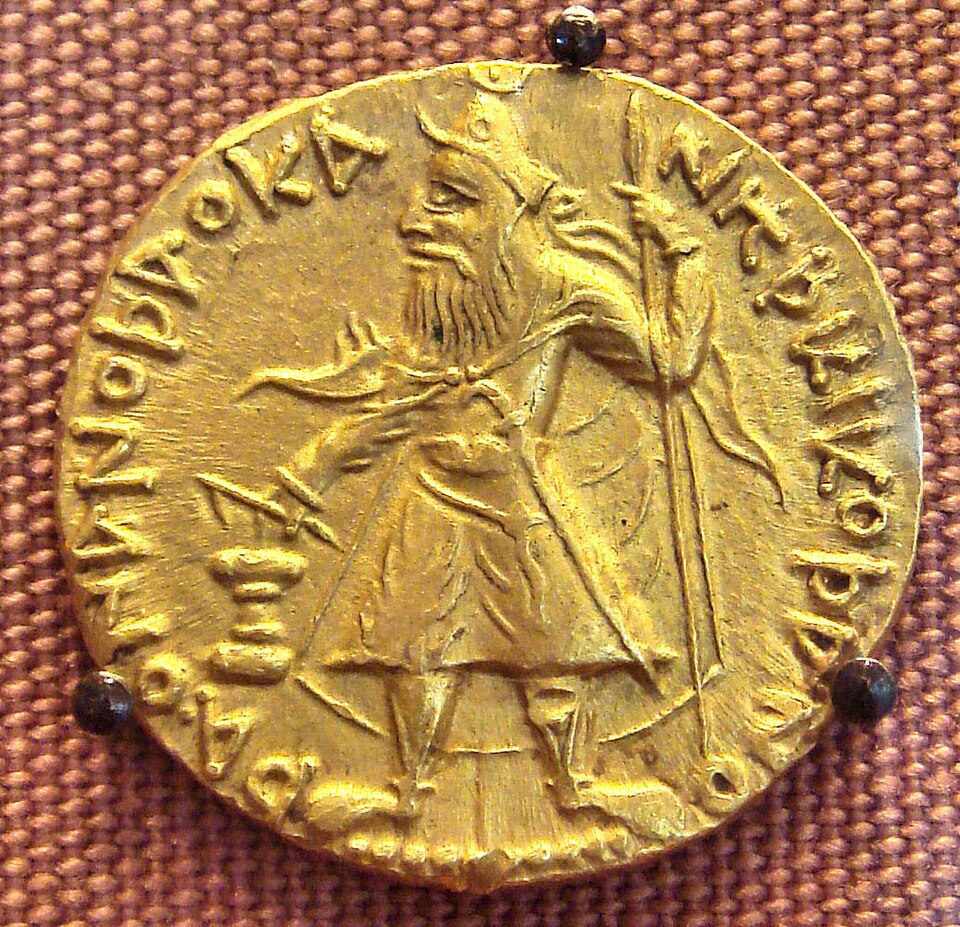
Greatest of the Kushan emperors, patron of Buddhism and Gandharan art, who built a huge stupa at Peshawar.
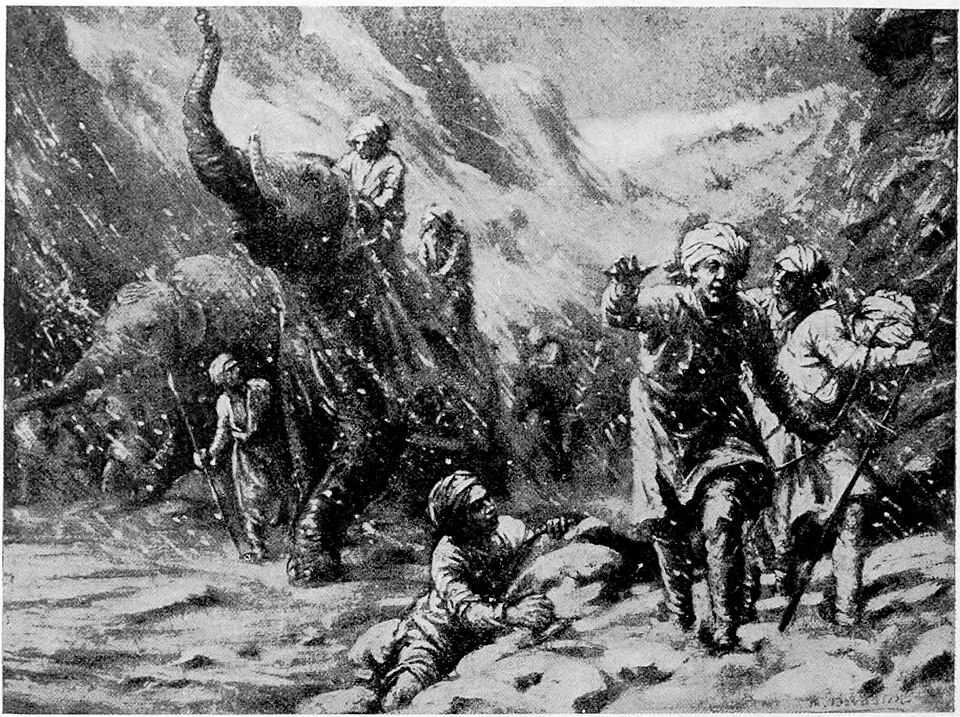
Hindu Shahi king of Punjab defeated by Mahmud of Ghazni near Peshawar in 1001. Shamed, he is said to have burned himself on a pyre.
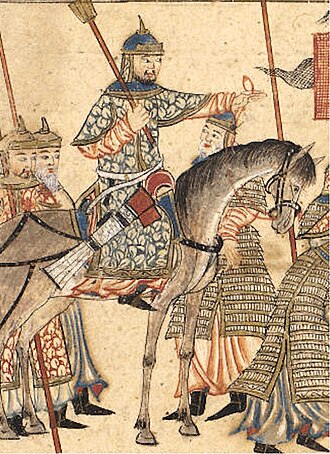
Turkic sultan who raided India some seventeen times. His conquests made Lahore a Ghaznavid city and brought Punjab into the Persian-speaking Islamic world.