Gurus and Mughals
From Guru Nanak's birth to the Guruship of the Granth, under Lodis and Mughals, with Shah Hussain singing in Lahore.
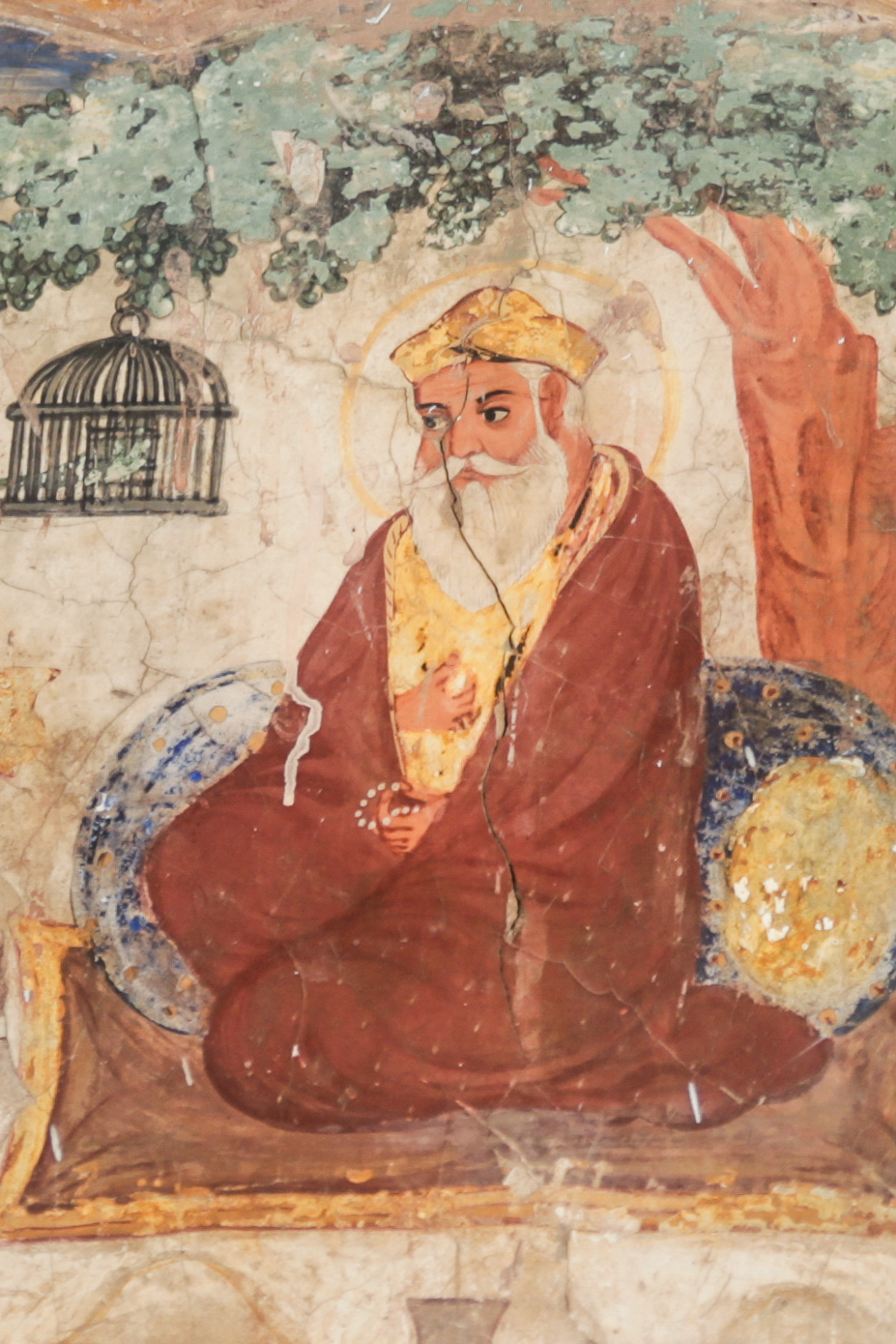 Unknown · Wikimedia
Guru Nanak was born in 1469 in a village west of Lahore, and saw Babur sack Saidpur in 1521. Over the next two centuries ten Gurus founded Kartarpur, Goindwal and Amritsar, compiled the Adi Granth with the verses of Hindu bhagats and Muslim Sufis, and built a community without caste around the langar.
Under the Mughals Lahore became an imperial capital: Akbar ruled from it for thirteen years, Jahangir is buried at Shahdara, and Shah Hussain sang his kafis in its streets. The same empire executed Guru Arjan in 1606 and Guru Tegh Bahadur in 1675, and Guru Gobind Singh answered by founding the Khalsa at Anandpur in 1699.
Where it happened
What happened
45 events- 1469Birth of Guru Nanak
Born at Rai Bhoi di Talwandi, now Nankana Sahib.
- 1487Guru Nanak marries
Guru Nanak marries Mata Sulakhni at Batala.
- c. 1499Revelation at Sultanpur
Guru Nanak vanishes into the Vein for three days and returns saying there is no Hindu and no Muslim.
- c. 1500 – 1524The four udasis
Guru Nanak and Bhai Mardana travel across South Asia and beyond.
- 1504Birth of Lehna
The future Guru Angad is born at Matte di Sarai.
- 1521Babur sacks Saidpur
Guru Nanak witnesses the sack and is briefly imprisoned. His Babarvani verses protest the suffering.
- c. 1522Kartarpur founded
Guru Nanak settles on the Ravi with a farming community and common kitchen.
- 1526First Battle of Panipat
Babur defeats Ibrahim Lodi and founds the Mughal empire.
- 1539Guru Angad succeeds
Guru Nanak dies at Kartarpur, naming his disciple Lehna as Guru Angad.
- c. 1539Debate at Achal
Guru Nanak debates Nath yogis at a fair near Batala, the setting of his hymn Sidh Gosht.
- 1540sRohtas Fort
Sher Shah Suri builds Rohtas to control the Salt Range and the road to Kabul.
- 1552Guru Amar Das succeeds
The third Guru, aged 73, settles at Goindwal.
- February 1556Akbar crowned at Kalanaur
The thirteen-year-old is enthroned in Punjab on a brick platform.
- 1559The Goindwal baoli
Work on the stepwell of 84 steps is completed.
- c. 1567Akbar eats in the langar
The emperor sits on the floor with everyone else before meeting Guru Amar Das.
- 1574Guru Ram Das succeeds
He founds Ramdaspur, the town that becomes Amritsar.
- 1577Ramdaspur founded
Guru Ram Das acquires the land around the pool that will become Amritsar.
- 1581Guru Arjan succeeds
The fifth Guru completes the sarovar at Amritsar.
- 1586 – 1598Lahore as Mughal capital
Akbar rules from Lahore and enlarges the fort.
- 1588Harmandir Sahib begun
Tradition holds that Mian Mir lays the foundation stone.
- 1590Tarn Taran founded
- 1599Death of Shah Hussain
The Sufi poet of Lahore, who danced in the streets in red, dies; his urs becomes the Mela Chiraghan, the festival of lamps.
- 1604The Adi Granth installed
Compiled by Guru Arjan with Bhai Gurdas as scribe, it is installed in the Harmandir Sahib with Baba Buddha as granthi.
- 1606Martyrdom of Guru Arjan
Tortured to death in Lahore under Jahangir. Guru Hargobind takes up two swords and builds the Akal Takht.
- c. 1619Release from Gwalior
Guru Hargobind leaves Gwalior fort with 52 princes holding his cloak, remembered as Bandi Chhor Divas.
- 1621Birth of Tyag Mal
The future Guru Tegh Bahadur is born in Amritsar.
- 1634 – 1635Guru Hargobind's battles
Battles at Amritsar, Lahira and Kartarpur against Mughal forces.
- 1635Move to Kiratpur
After the battles of 1634–35, Guru Hargobind settles in the Shivalik foothills.
- 1641Shalimar and Wazir Khan
Shah Jahan's Shalimar Gardens are laid out and the tiled Wazir Khan Mosque completed: Mughal Lahore at its most splendid.
- 1644Guru Har Rai succeeds
The seventh Guru keeps the court at Kiratpur.
- 1661Guru Har Krishan succeeds
The eighth Guru becomes Guru at five.
- 1664Guru ladho re
Makhan Shah Lubana finds Guru Tegh Bahadur at Bakala.
- 1665Anandpur founded
Guru Tegh Bahadur buys land and founds Chakk Nanaki.
- 1666Birth of Gobind Das
The future tenth Guru is born in Patna.
- 1673Badshahi Mosque
Aurangzeb completes the great mosque beside Lahore Fort.
- 11 November 1675Martyrdom of Guru Tegh Bahadur
Beheaded at Chandni Chowk after Bhai Mati Das, Sati Das and Dayala are killed before him.
- 1685Paonta Sahib
Guru Gobind Singh moves to Paonta on the Yamuna, where he writes and trains.
- 1688Battle of Bhangani
Guru Gobind Singh's first victory.
- 1691Battle of Nadaun
- 1691Death of Sultan Bahu
The Sufi poet of Jhang, whose couplets end in the sigh 'hu', dies on the banks of the Chenab.
- Vaisakhi 1699The Khalsa is created
The Panj Pyare are initiated with amrit at Anandpur, and then initiate the Guru.
- December 1704
- 1705Muktsar and the Zafarnama
The Forty Liberated Ones fall at Khidrana. The Guru writes the Zafarnama to Aurangzeb.
- 1706The final Granth at Damdama
The Guru adds Guru Tegh Bahadur's hymns; Bhai Mani Singh writes it out.
- 1707Death of Aurangzeb
Mughal power begins to break apart. Guru Gobind Singh supports Bahadur Shah in the succession war.
People of this age
42 people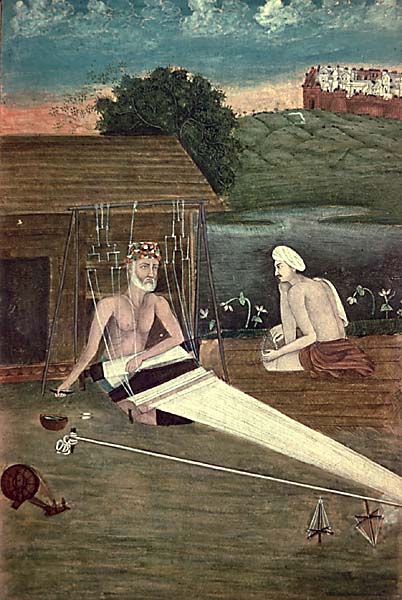
Weaver-poet of Varanasi and the largest contributor among the bhagats. Mocked hypocrisy in both Hindu and Muslim religion.
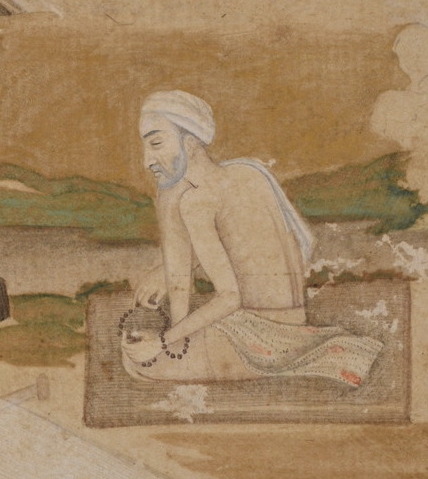
Leather worker of Varanasi who wrote of Begampura, a city without sorrow or caste. Revered across Punjab today.
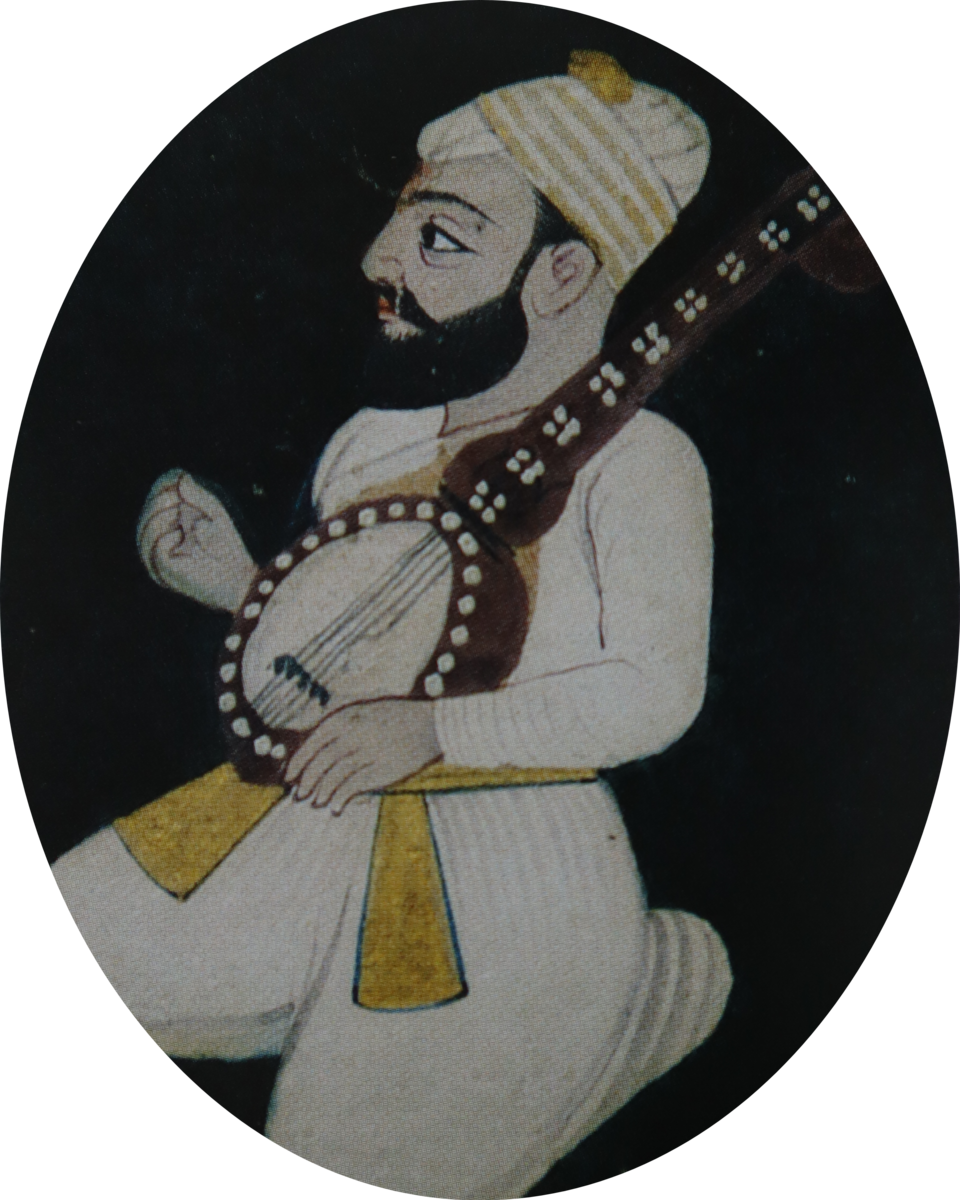
Muslim rabab player and Guru Nanak's lifelong companion on his journeys. Three of his saloks are in the Guru Granth Sahib.
Founder of Sikhi. A poet and teacher who rejected caste and empty ritual and taught devotion to one formless God through the Name, honest work and sharing.
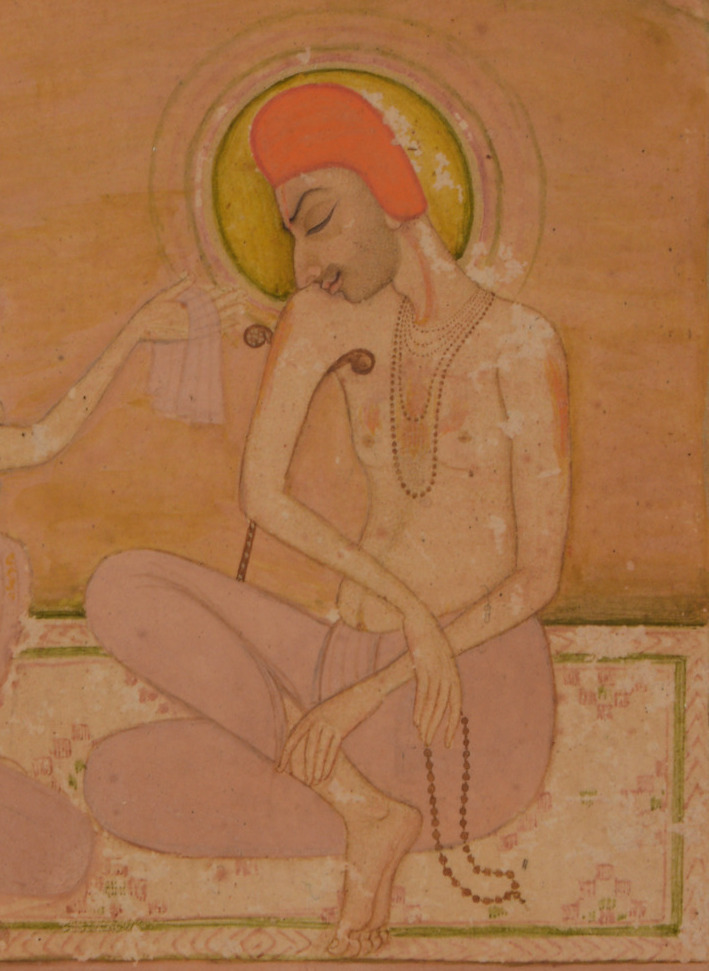
Blind poet of Braj. One line of his and one hymn appear in the Guru Granth Sahib.
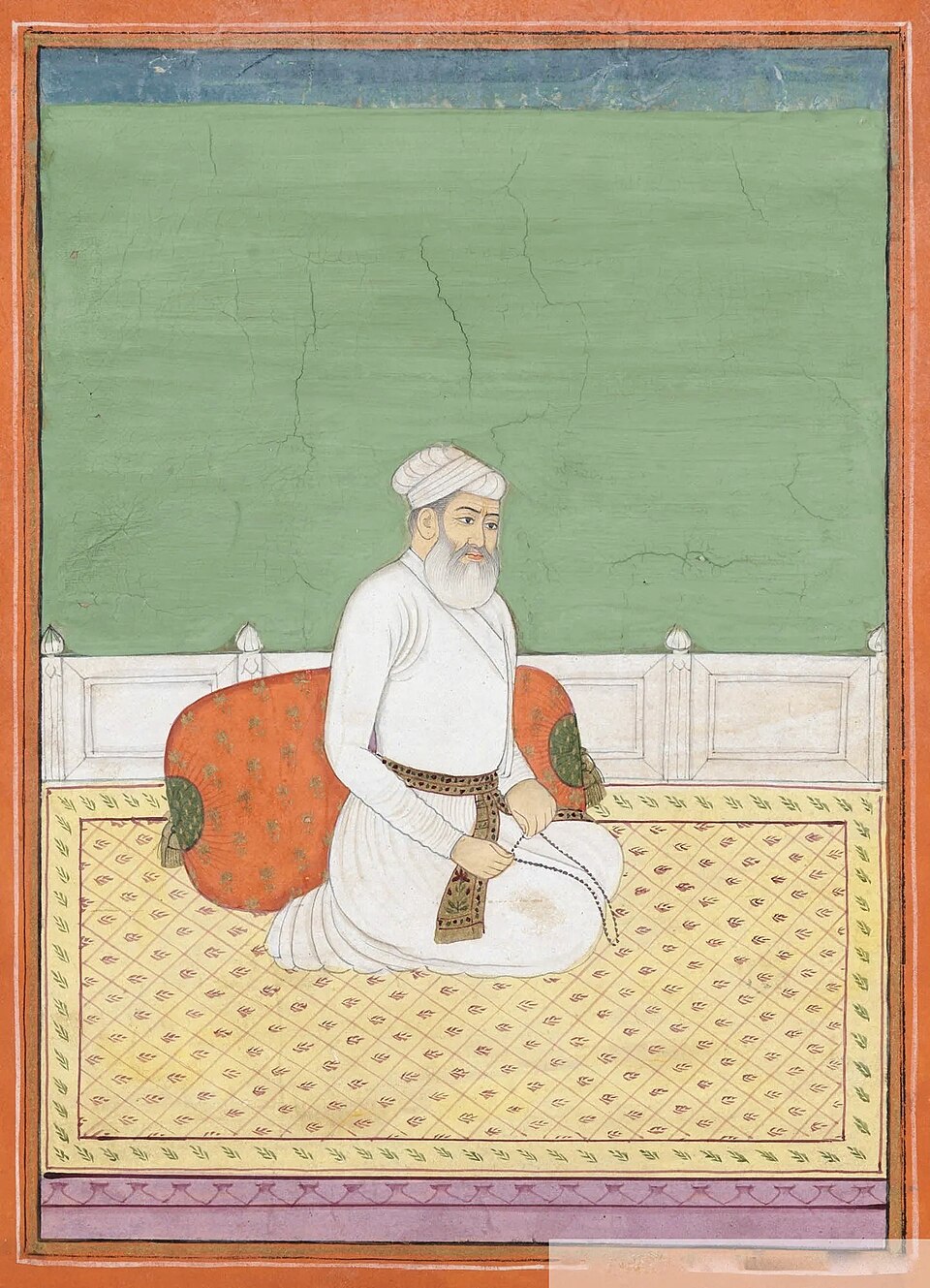
Third Guru, who became Guru at 73. Made the langar a rule for all visitors, opposed sati and purdah, and organised the community into 22 manjis (districts).
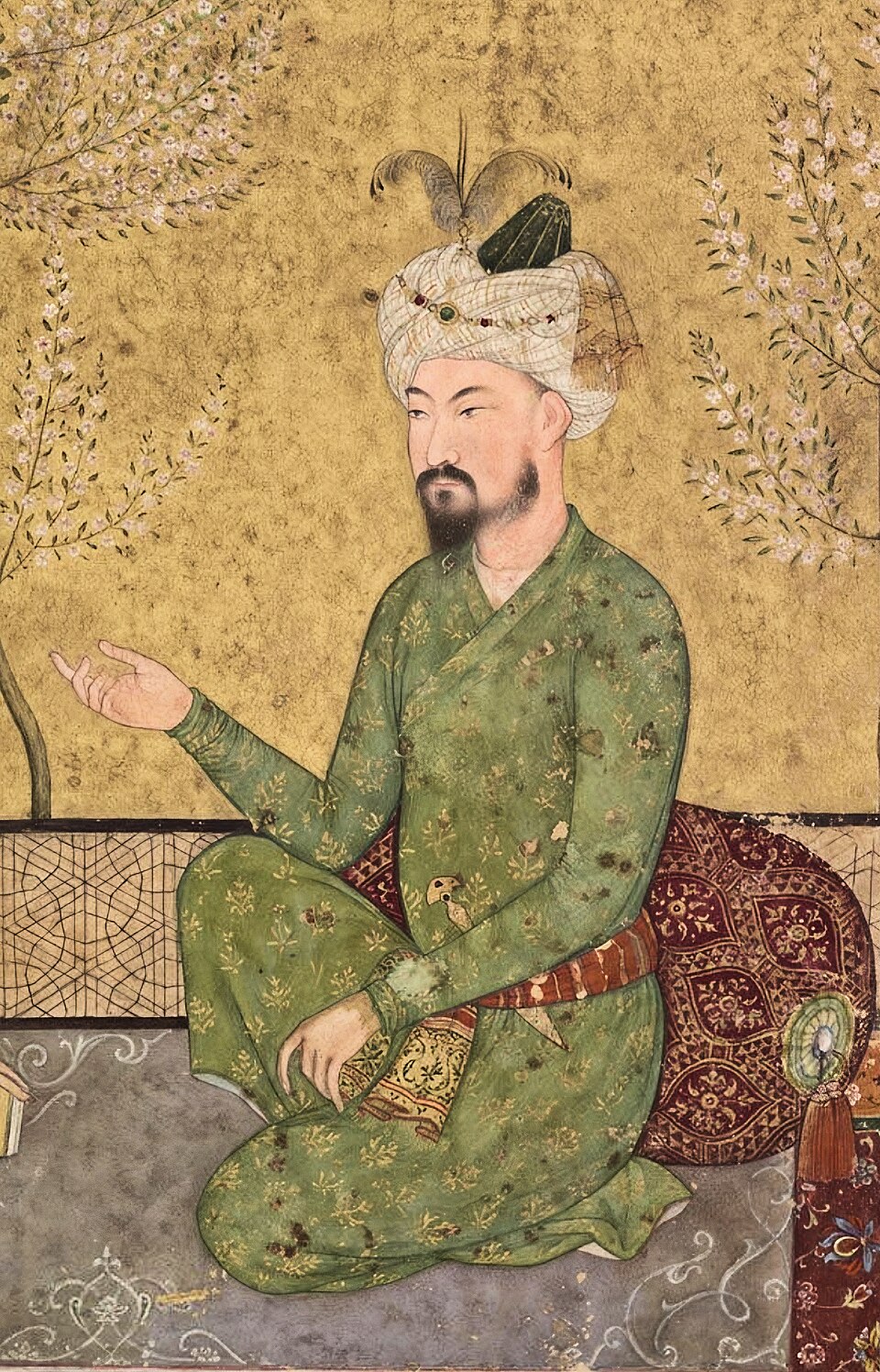
Timurid prince from Fergana who invaded Punjab several times before founding the Mughal empire at Panipat in 1526. Guru Nanak witnessed his sack of Saidpur.
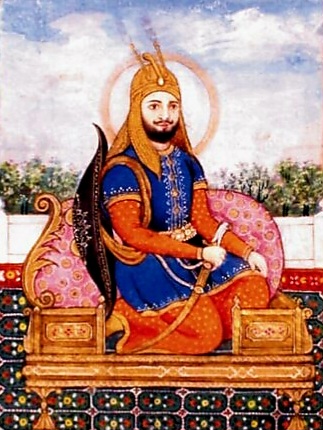
Afghan ruler who drove out Humayun, built Rohtas Fort and rebuilt the great road from Bengal to Punjab that became the Grand Trunk Road.
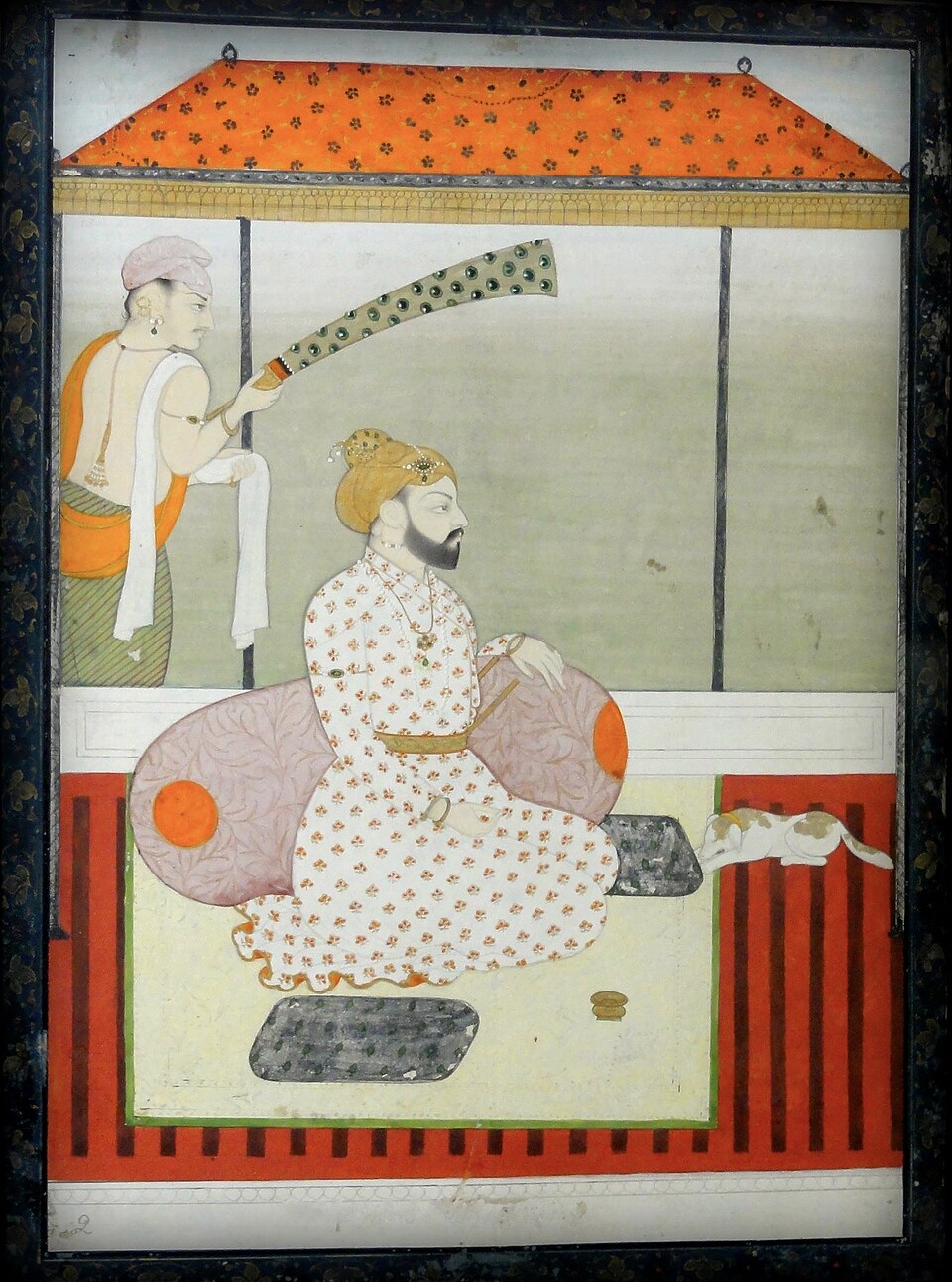
Second Guru. Standardised the Gurmukhi script, opened schools and kept the langar running with his wife Mata Khivi.
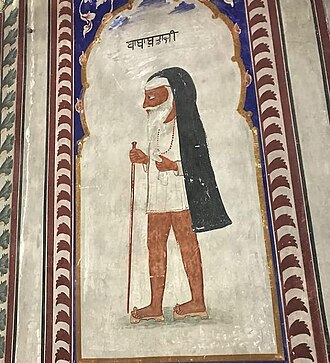
Disciple of Guru Nanak who lived to anoint five more Gurus and was the first granthi of the Harmandir Sahib.
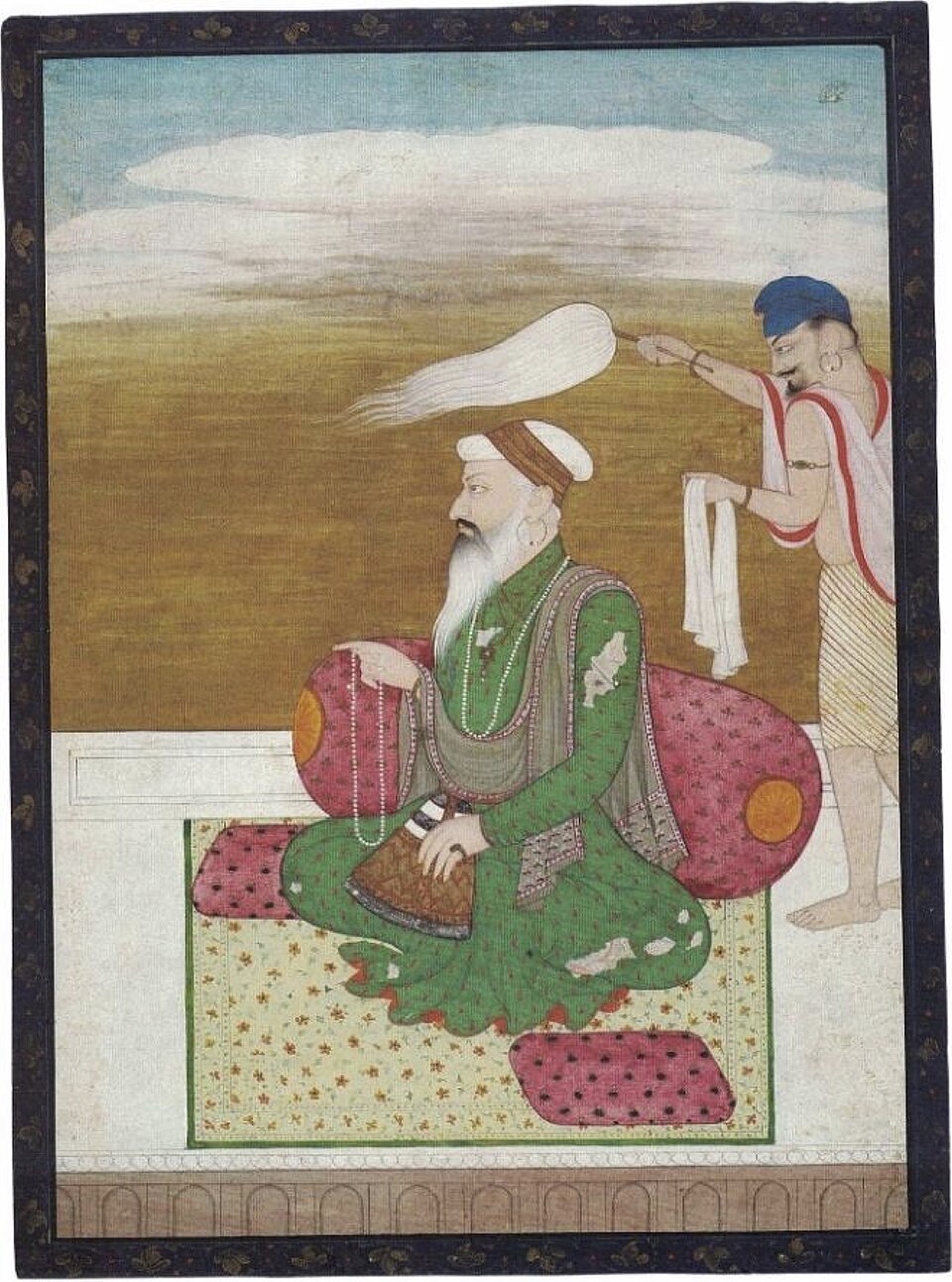
Fourth Guru and founder of Amritsar. Wrote the Lavan, the four marriage hymns of the Anand Karaj.
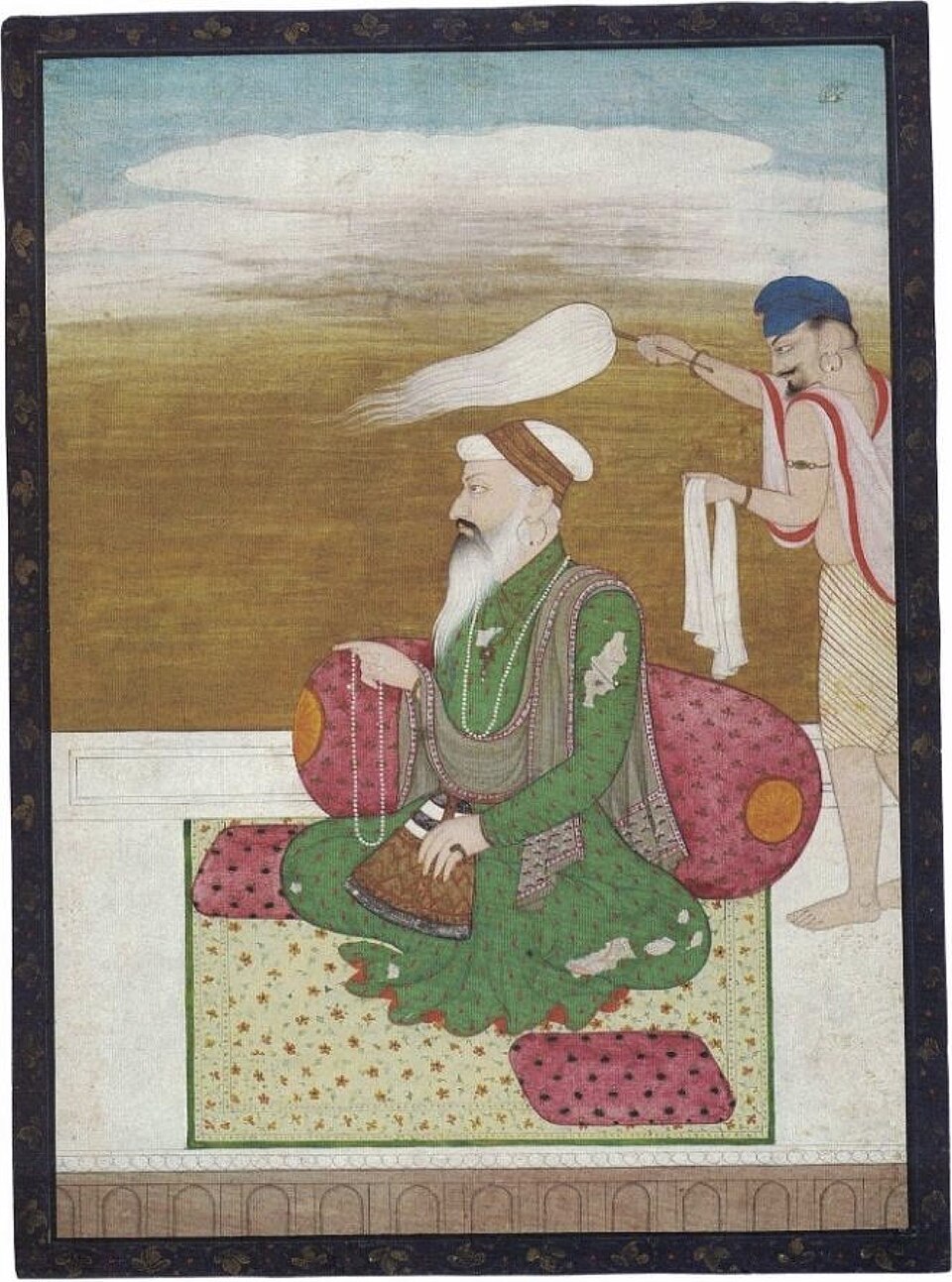
Daughter of Guru Amar Das, wife of Guru Ram Das and mother of Guru Arjan, remembered for her devoted service.
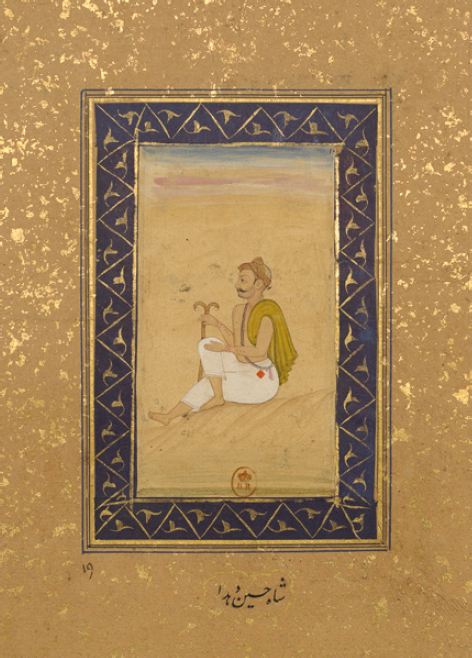
Lahore poet who shaped the Punjabi kafi. His shrine hosts the Mela Chiraghan, the festival of lamps.
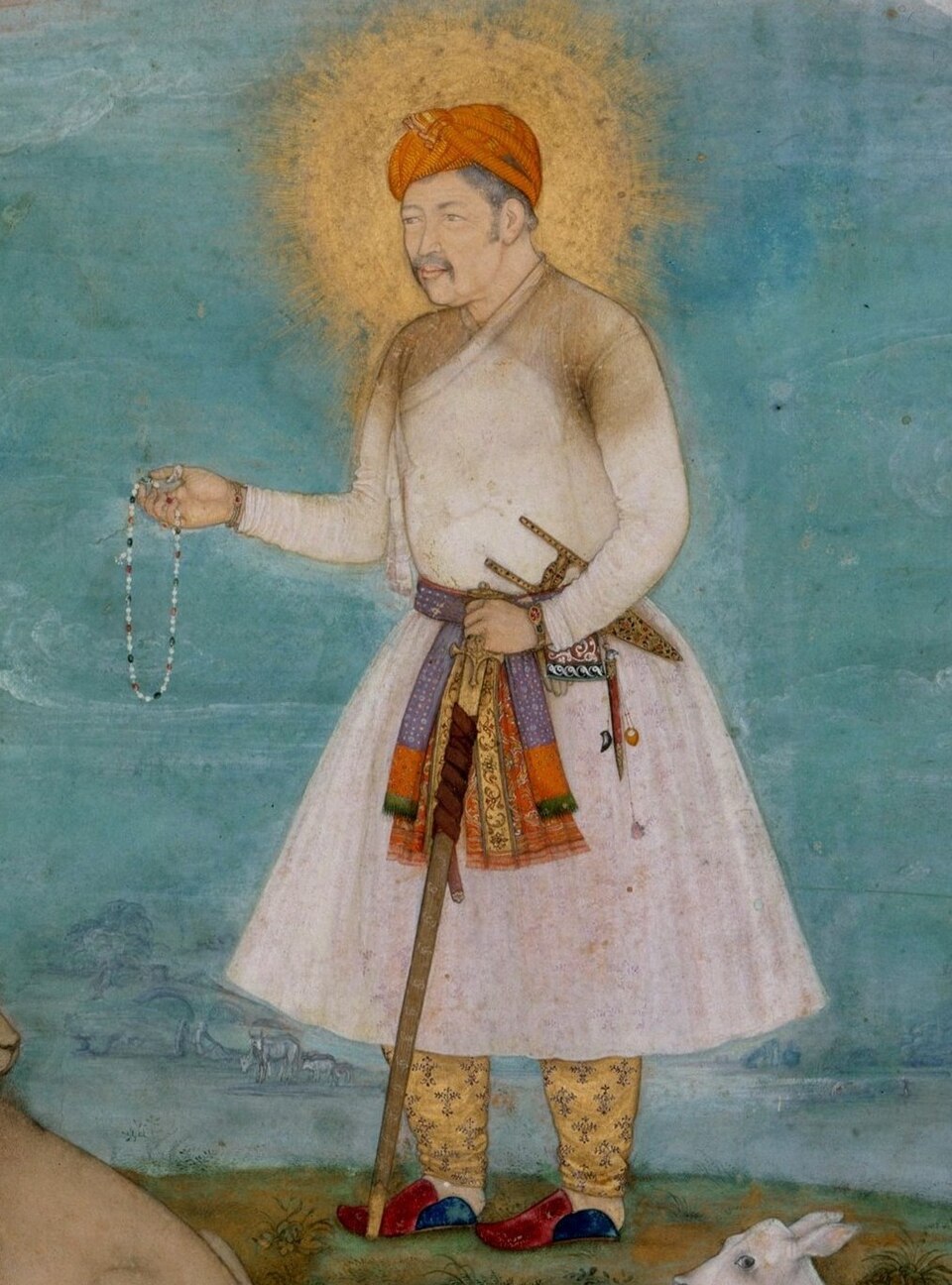
Mughal emperor, crowned at Kalanaur in Punjab, who ate in Guru Amar Das's langar at Goindwal and ruled from Lahore from 1586 to 1598.
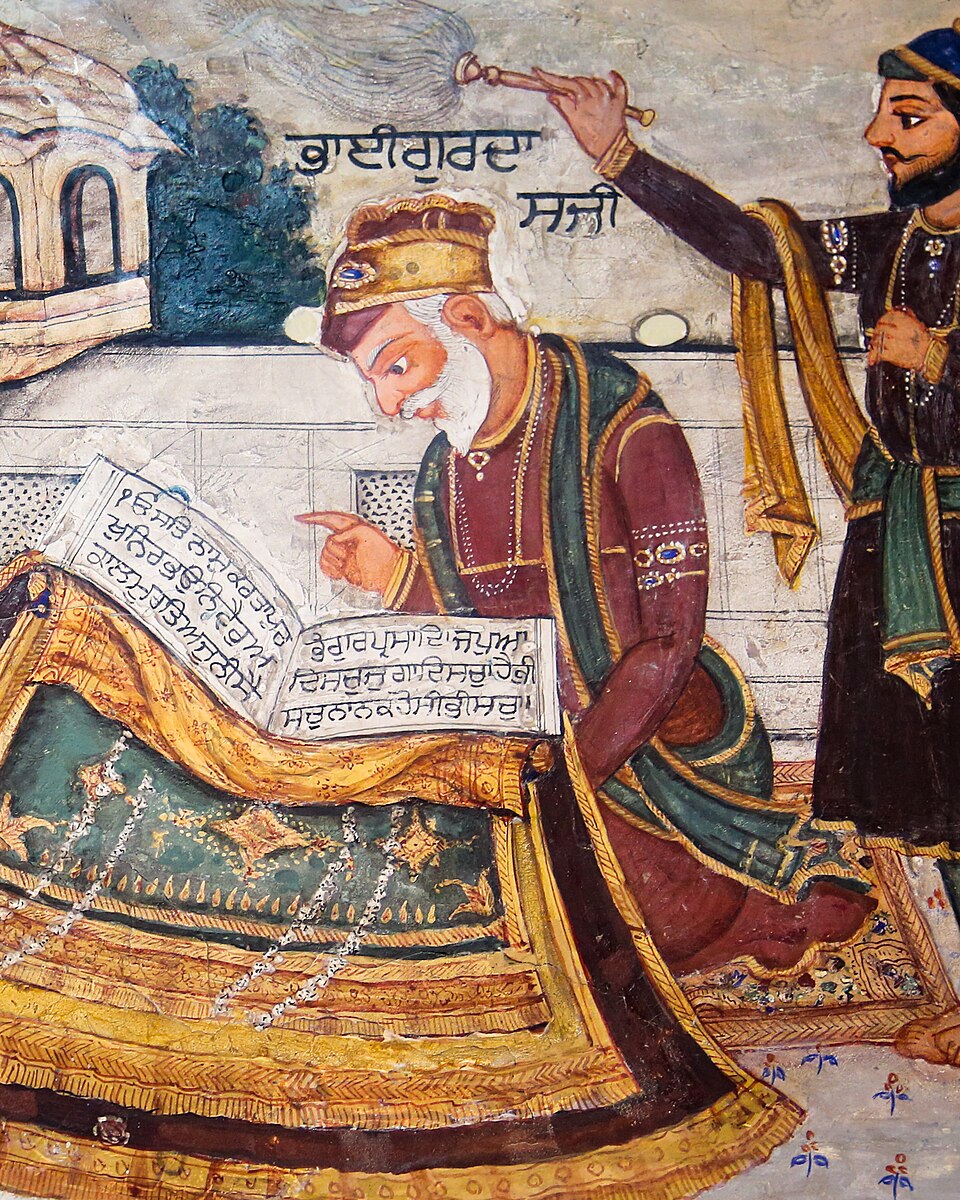
Scribe of the Adi Granth and author of the Vaaran, which Guru Arjan called the key to understanding the Guru Granth Sahib.
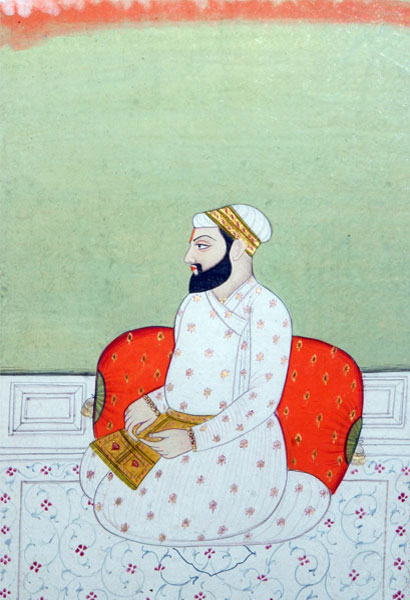
Fifth Guru. Built the Harmandir Sahib, compiled the Adi Granth in 1604 and became the first Sikh martyr, tortured to death in Lahore in 1606.
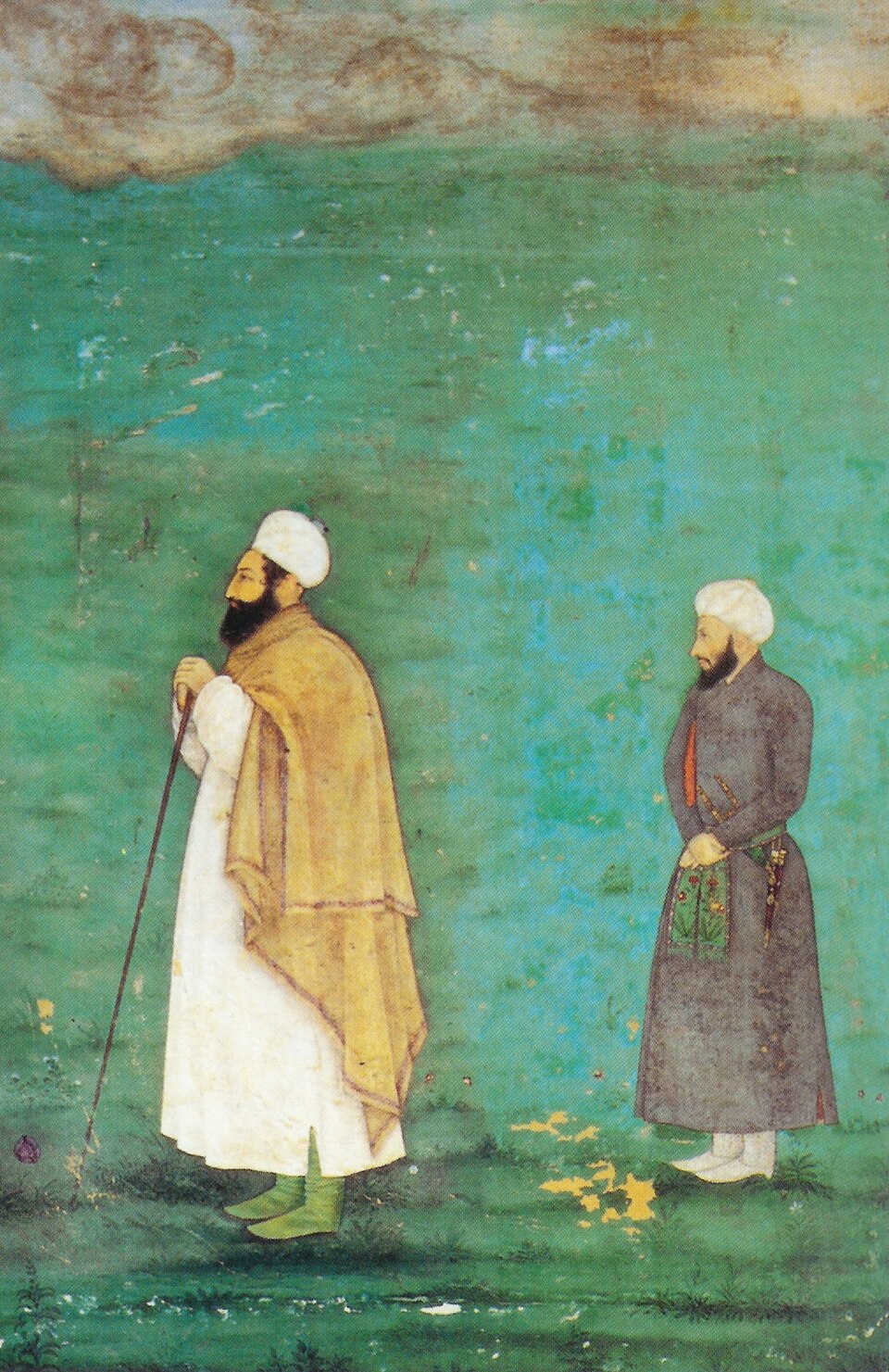
Naqshbandi reformer of Sirhind, called the 'renewer of the second millennium', who opposed Akbar's religious syncretism. Some historians see his circle behind hostility to Guru Arjan; others doubt the link.
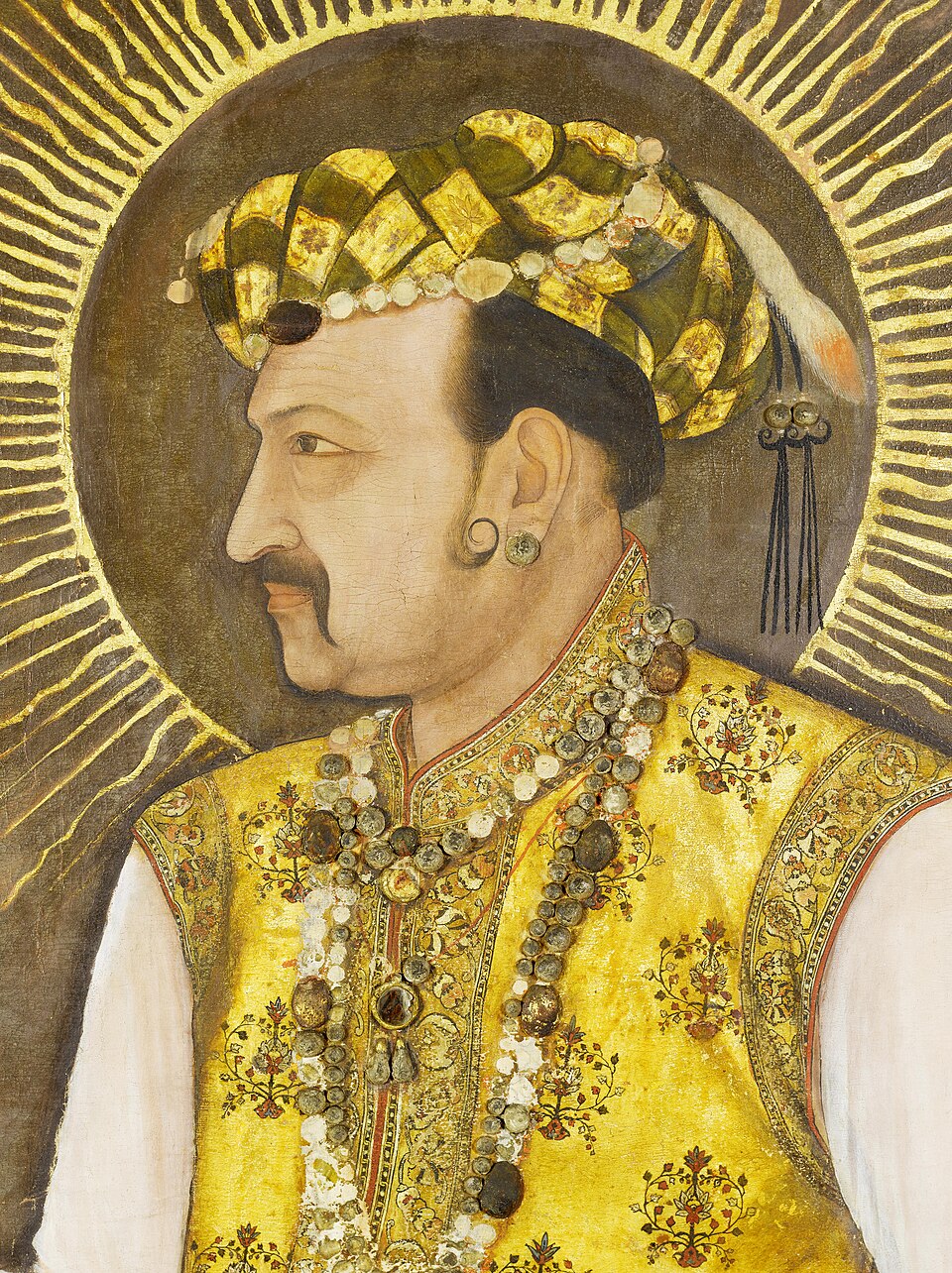
Mughal emperor under whom Guru Arjan was executed in 1606 and Guru Hargobind held in Gwalior fort. He is buried at Shahdara outside Lahore.
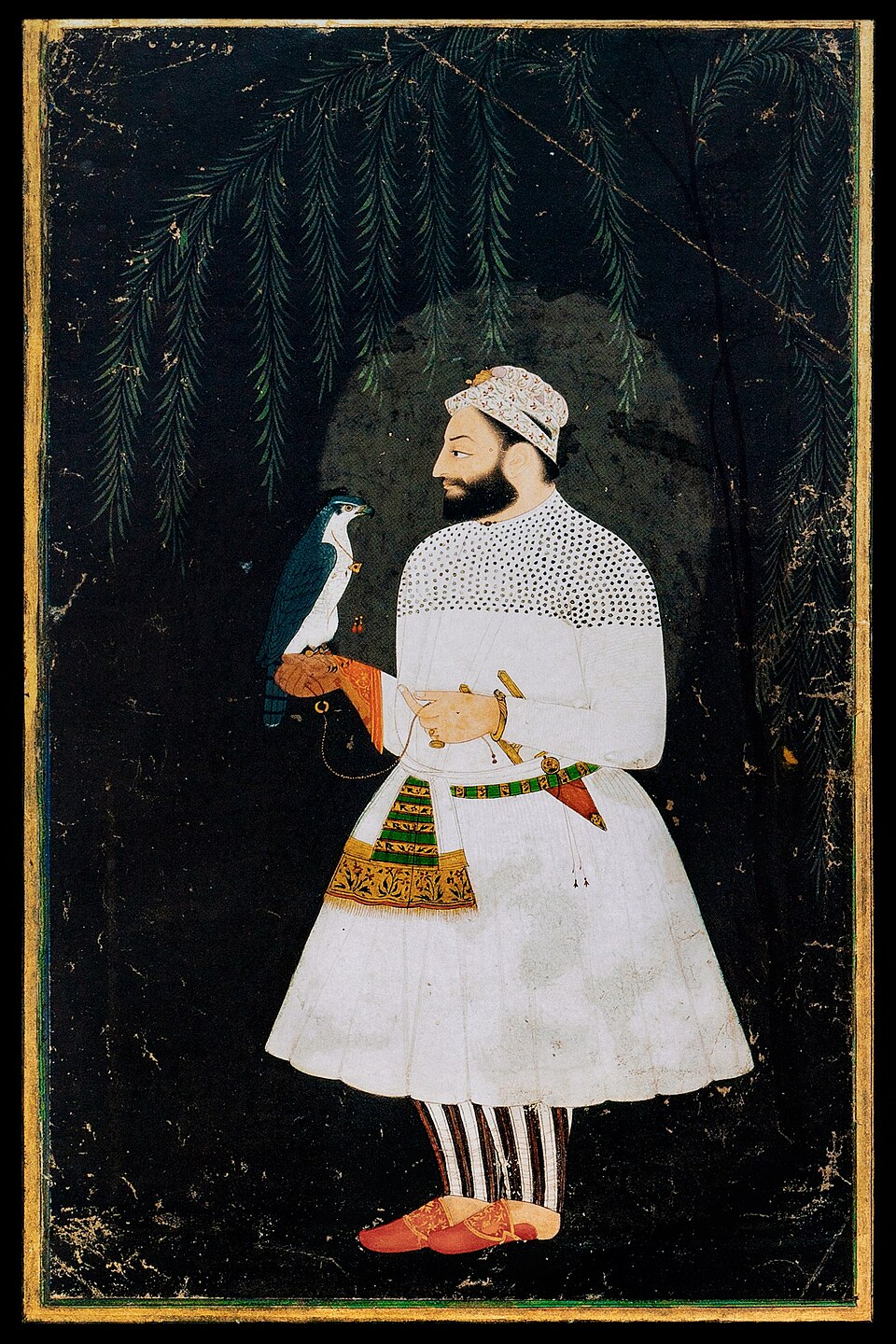
Sixth Guru. Wore two swords, miri and piri, for worldly and spiritual authority, built the Akal Takht and fought the first Sikh battles against Mughal forces.
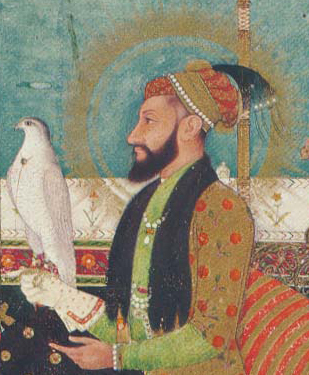
Mughal emperor under whom Guru Tegh Bahadur was executed. Guru Gobind Singh's Persian letter, the Zafarnama, was addressed to him. He built Lahore's Badshahi Mosque.
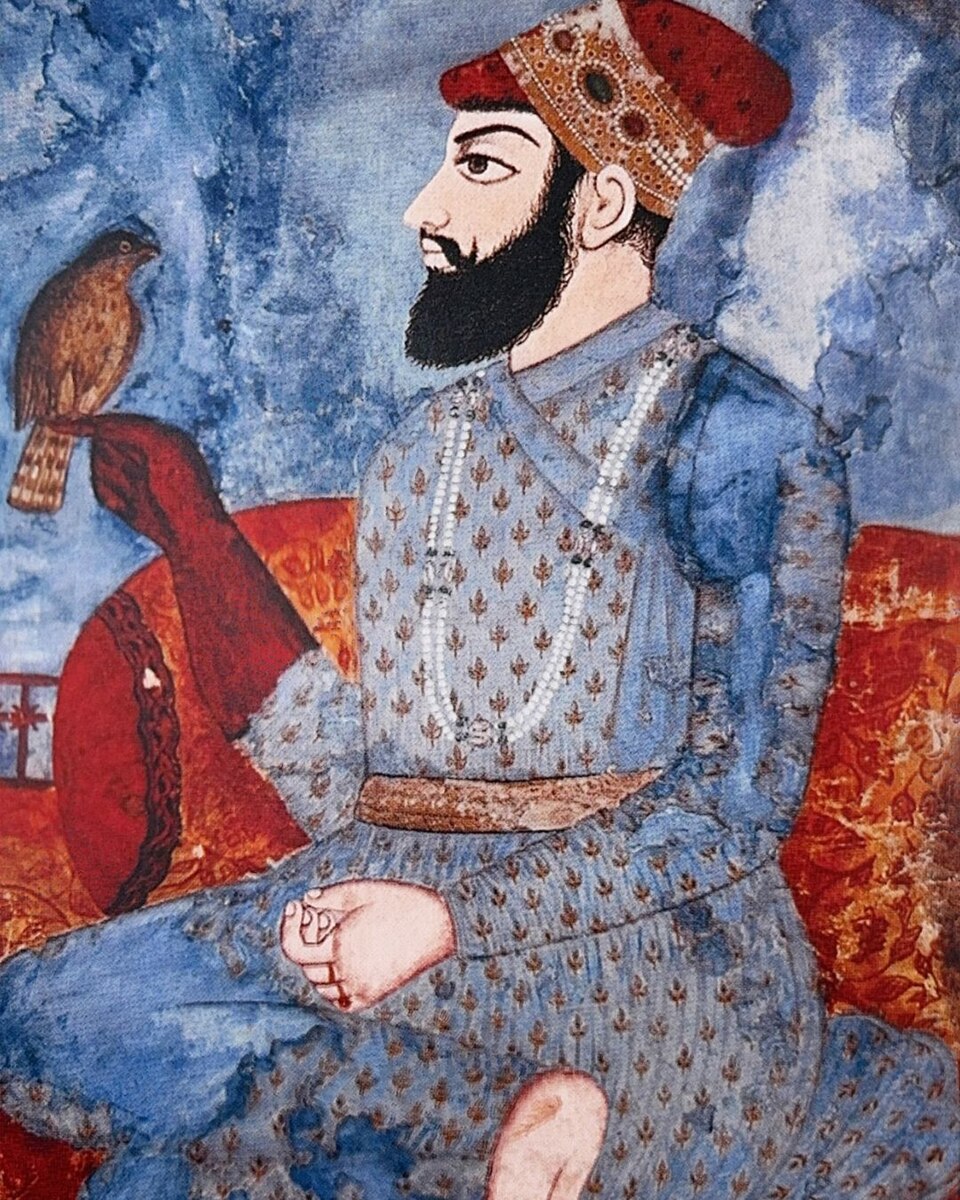
Ninth Guru, 'Hind di Chadar', the shield of India. Founded Anandpur and was beheaded in Delhi in 1675 for defending the right of Kashmiri Pandits to keep their faith.
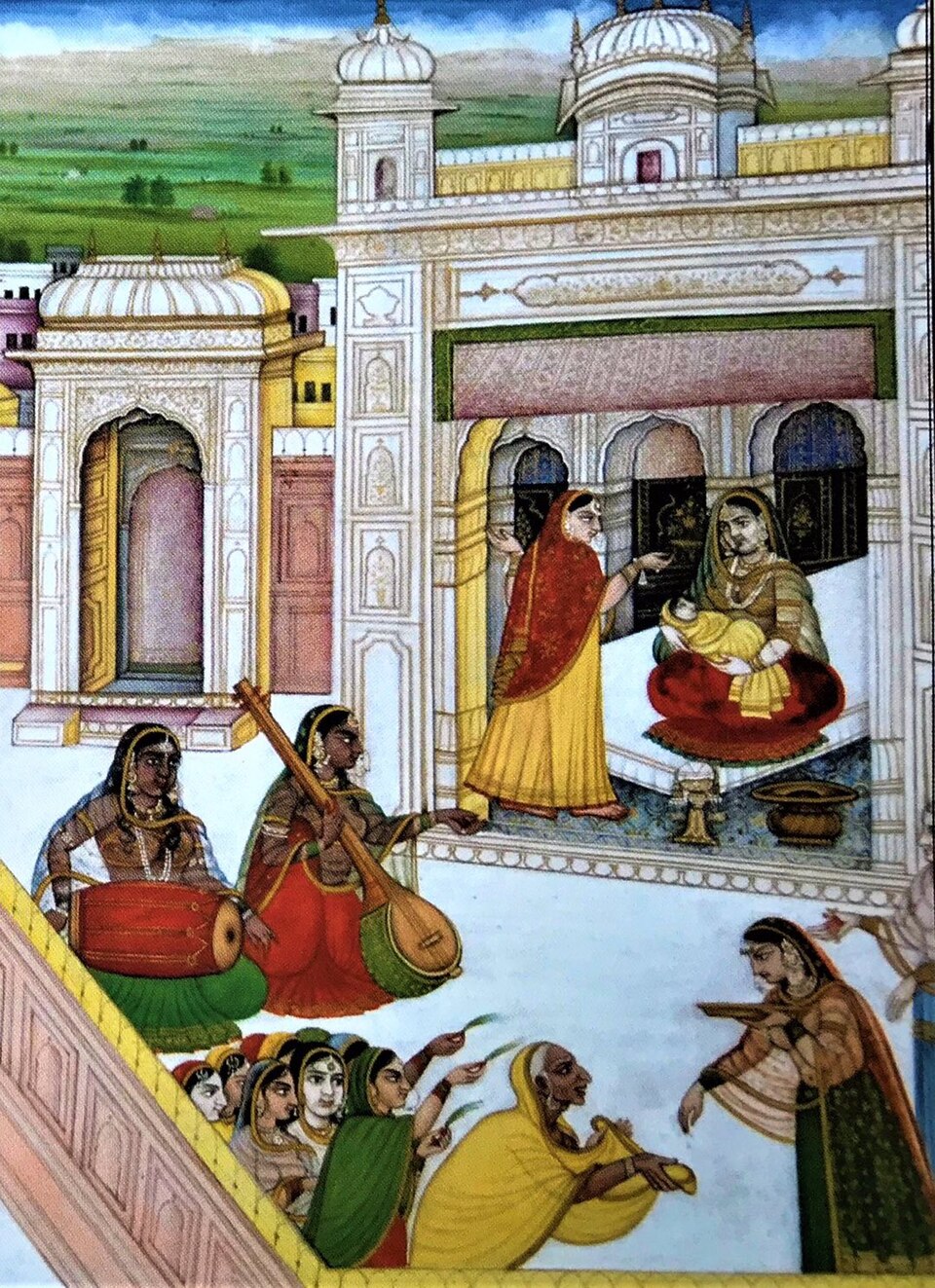
Wife of Guru Tegh Bahadur and mother of Guru Gobind Singh. Held with her younger grandsons in the cold tower of Sirhind, she died there on hearing of their execution.
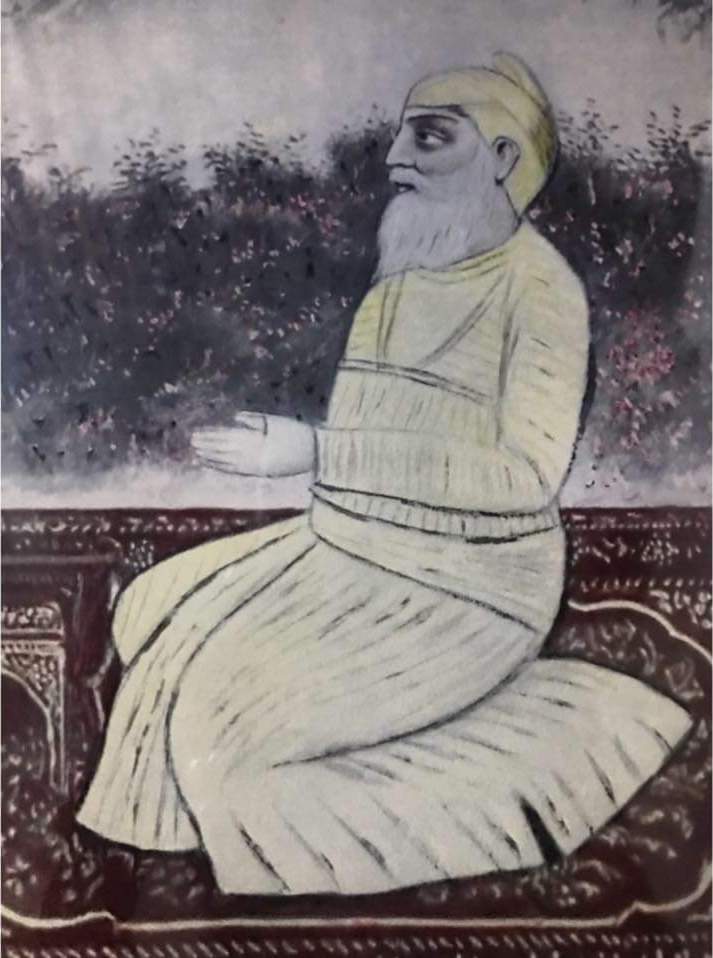
Sidhu-Brar Jat chaudhary of the Malwa, the common ancestor of the rajas of Patiala, Nabha and Jind, the Phulkian states.
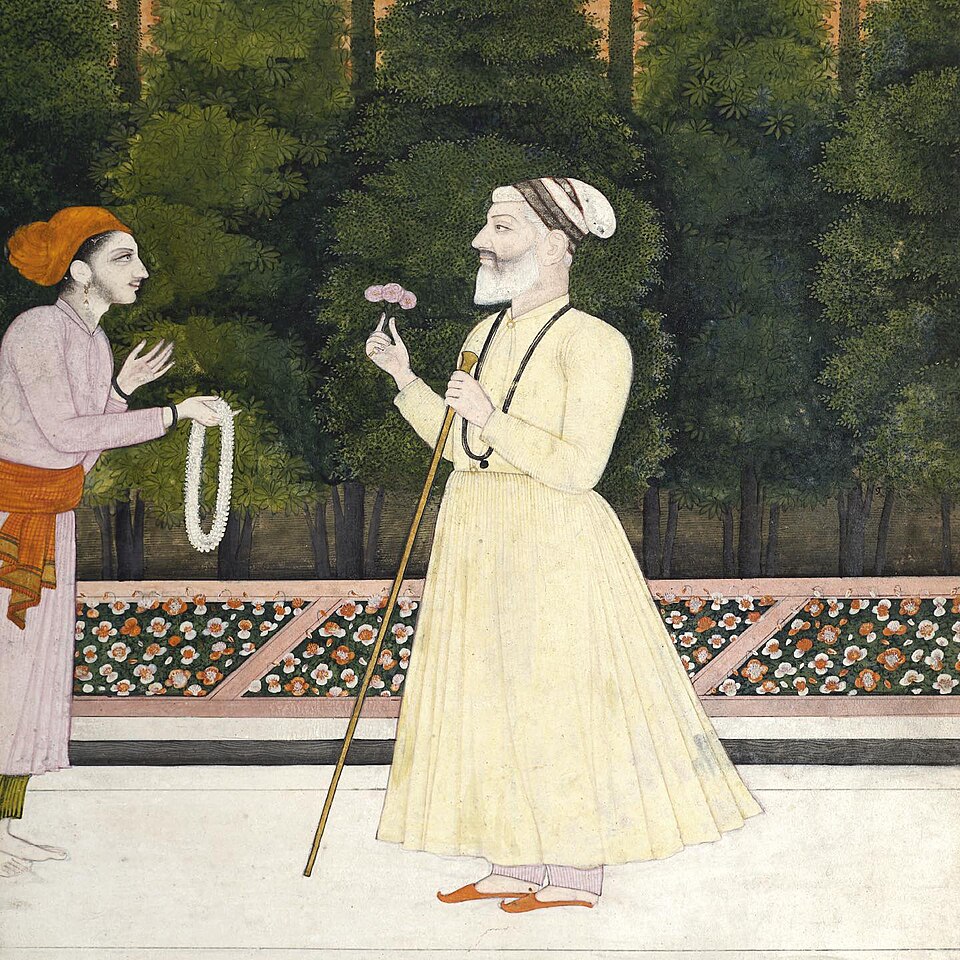
Seventh Guru, known for his gentleness. Kept a herbal dispensary and animal park at Kiratpur and maintained Guru Hargobind's cavalry while avoiding war.
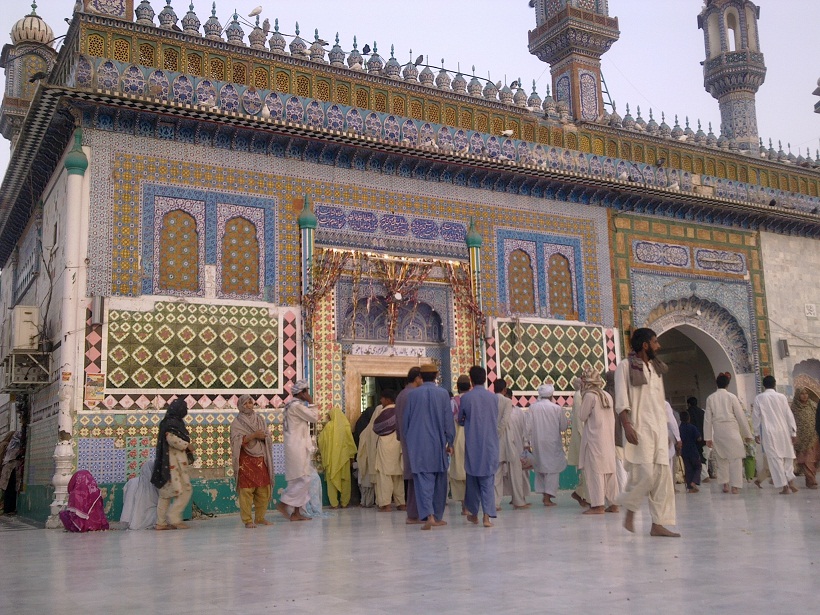
Sufi poet of Jhang whose short verses each end with the refrain 'hu', the breath of God.
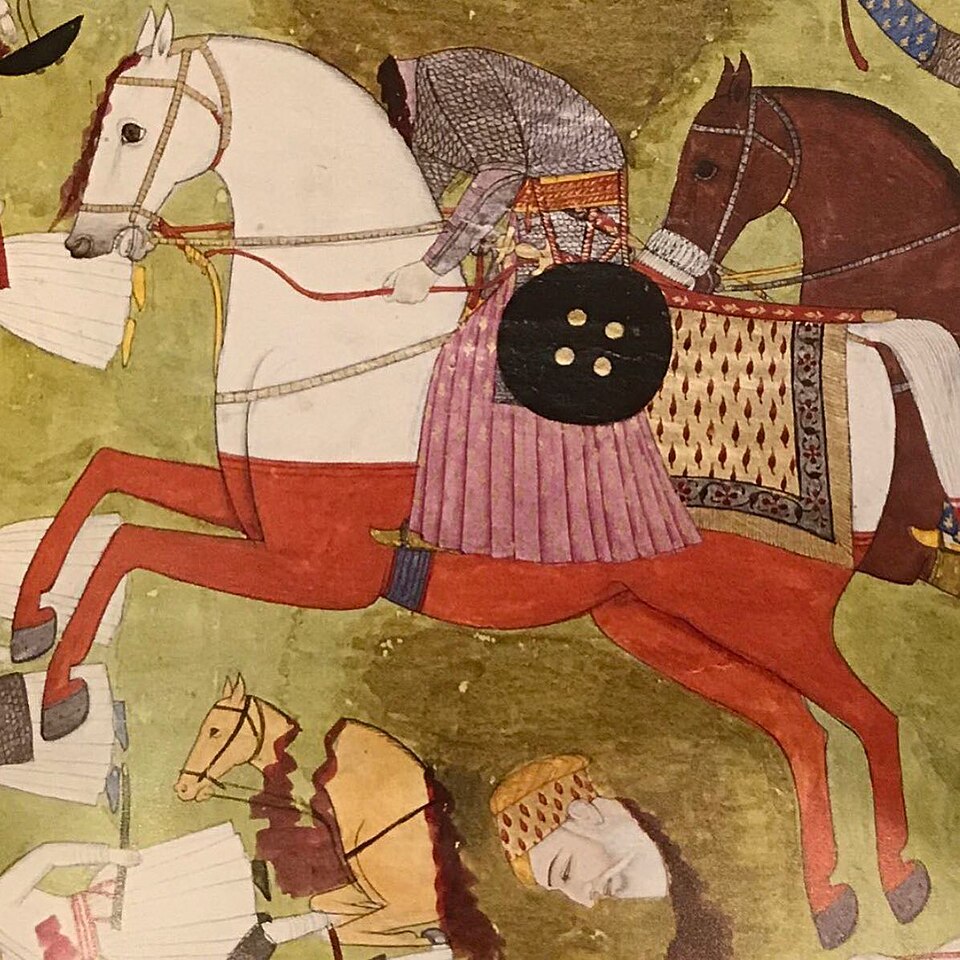
Mughal governor of Sirhind who besieged Anandpur, pursued Guru Gobind Singh and ordered the execution of his younger sons. Killed by Banda Singh's army at Chappar Chiri.
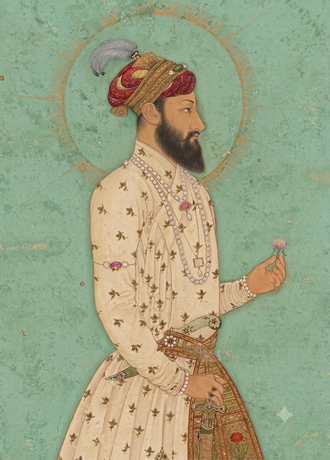
Aurangzeb's son, whom Guru Gobind Singh helped in the succession war of 1707 and travelled with to the Deccan. He later led the campaign against Banda Singh.
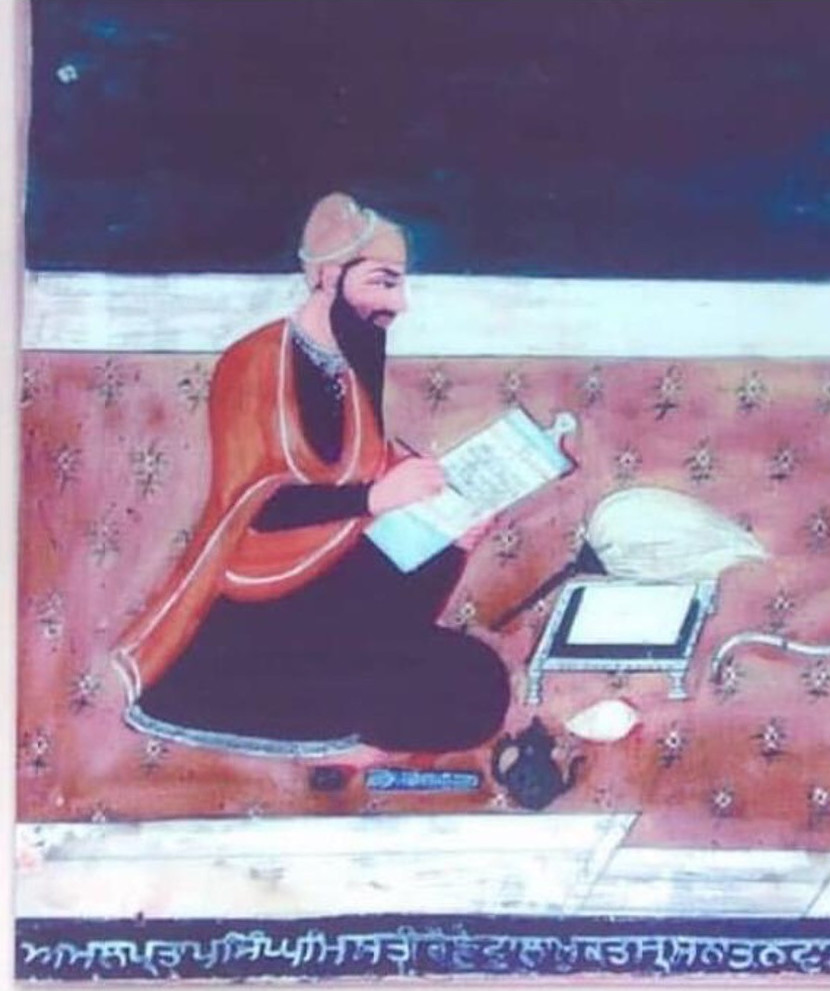
Scribe of the final Guru Granth Sahib at Damdama and later head granthi of the Harmandir Sahib, cut apart joint by joint in Lahore.
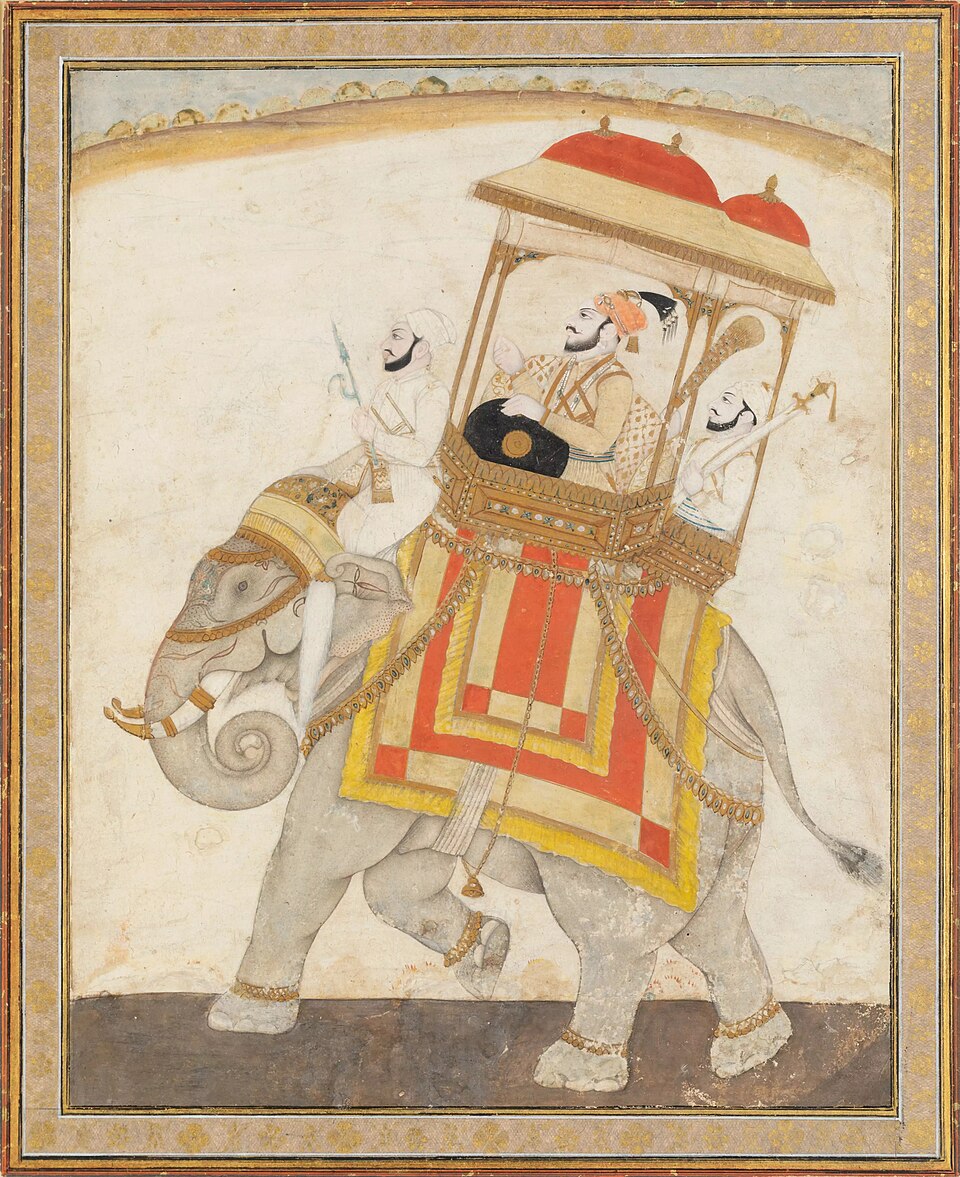
Sufi of Sadhaura who brought his sons and followers to fight for Guru Gobind Singh at Bhangani. Two of his sons died there; he was later killed by the governor of Sadhaura.
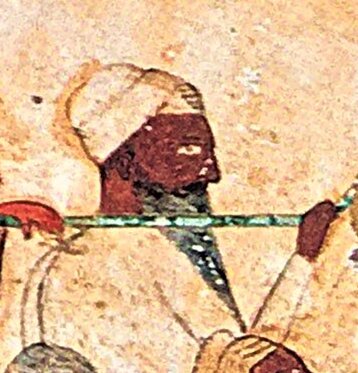
A Ranghreta Sikh who carried Guru Tegh Bahadur's severed head from Delhi to Anandpur. The young Guru Gobind Singh embraced him as 'the Guru's own son'.
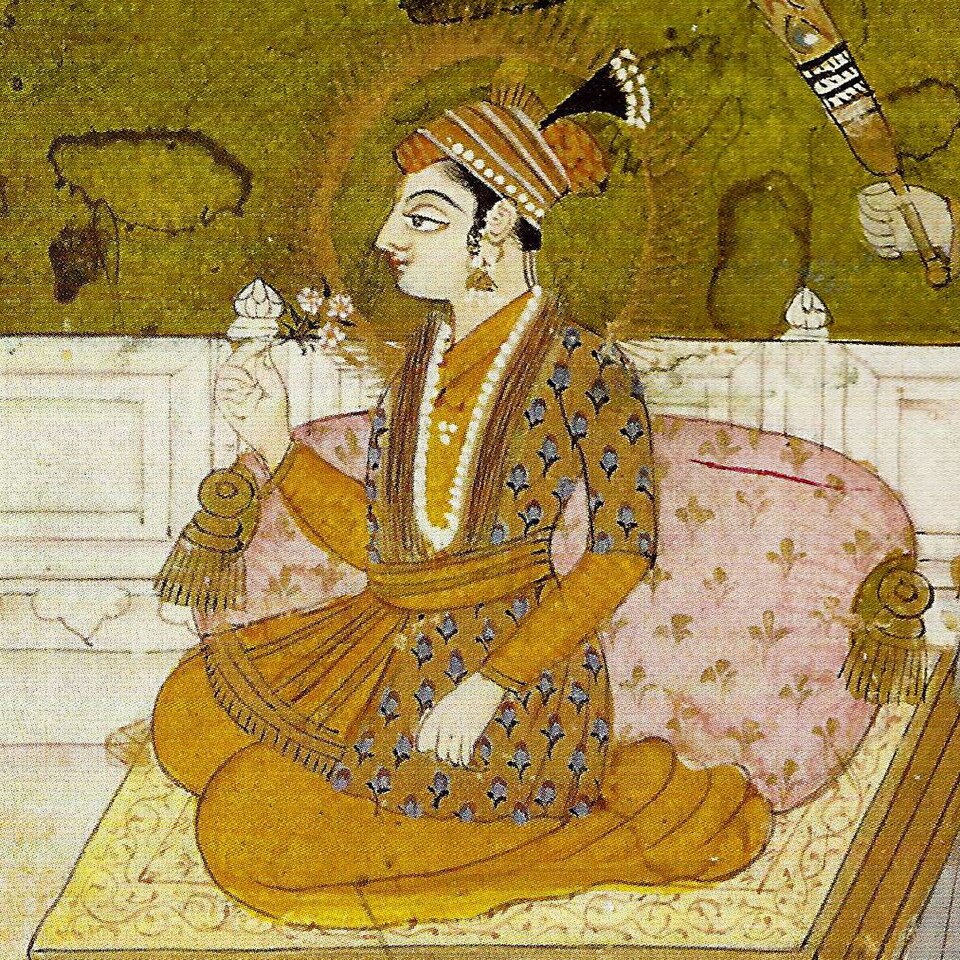
Eighth Guru, Guru at five. Nursed victims of a smallpox and cholera epidemic in Delhi and died of smallpox aged seven.
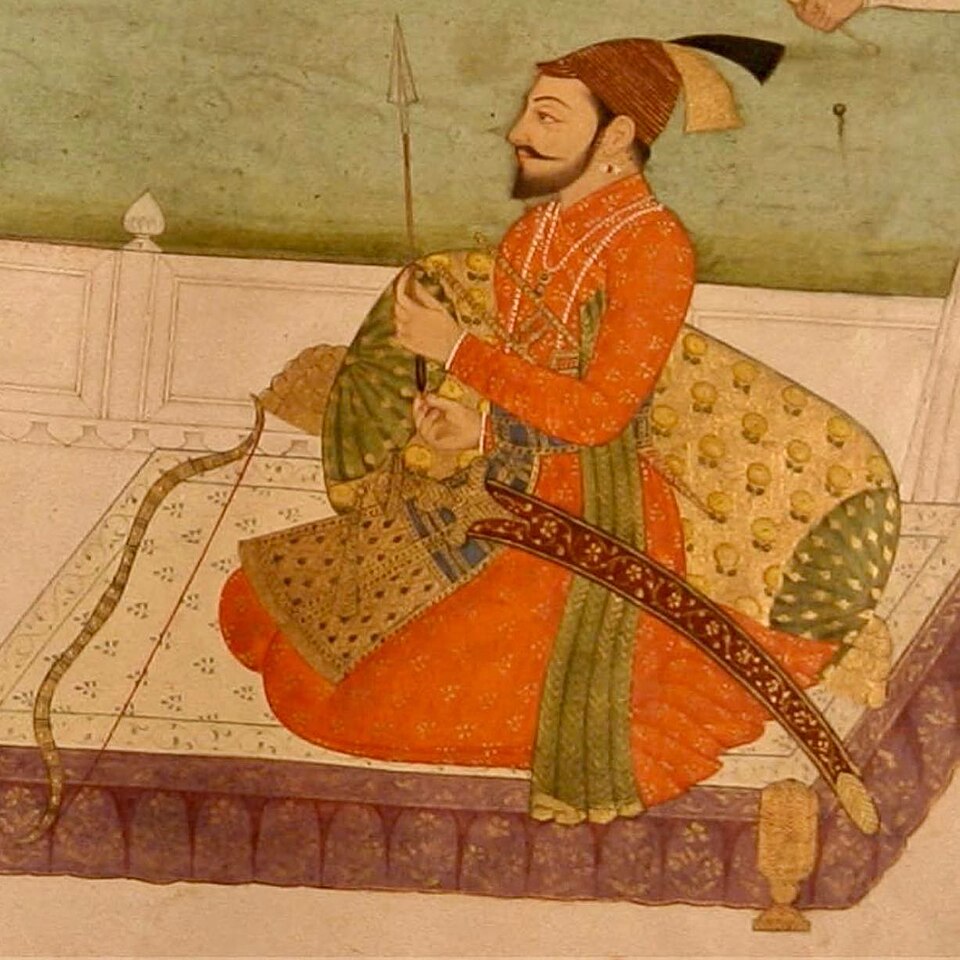
Tenth Guru, warrior and poet. Created the Khalsa in 1699, fought a long war with the Mughals and hill rajas, lost his four sons and mother, and named the Guru Granth Sahib as the final Guru.
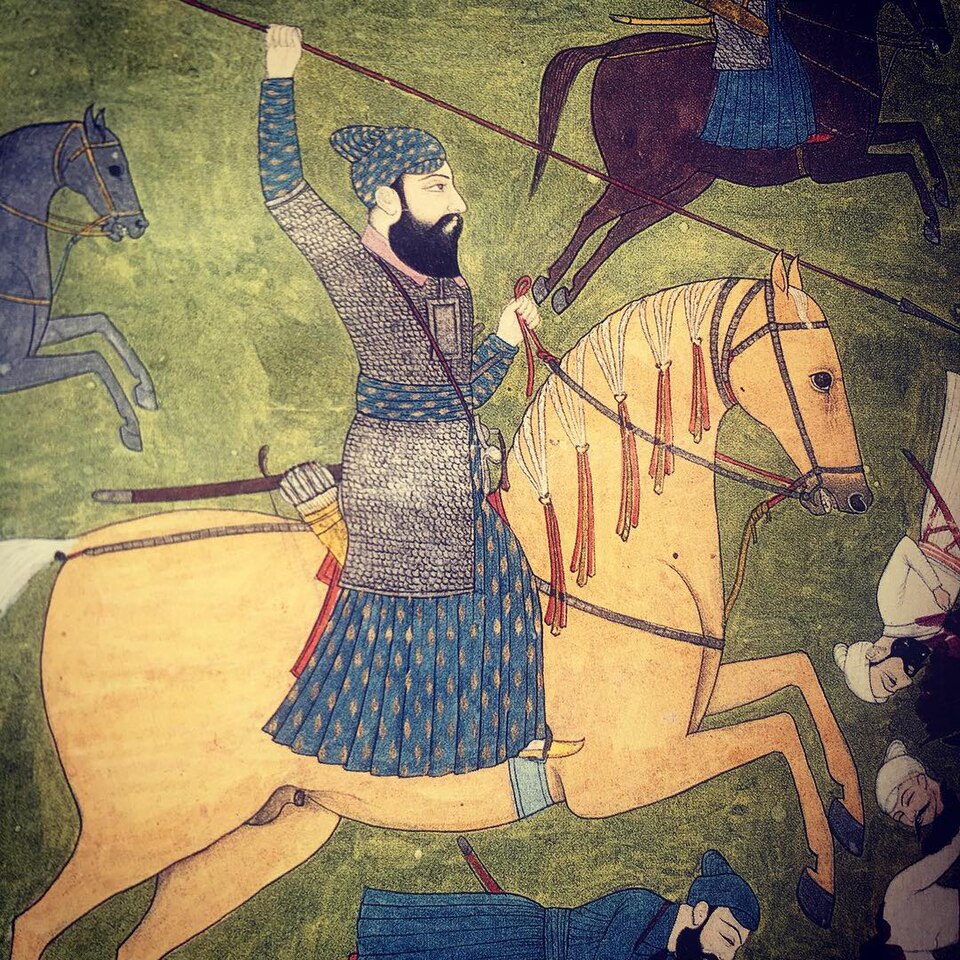
Ascetic turned general. Sent north by Guru Gobind Singh in 1708, he took Sirhind, set up the first Sikh state, gave land to those who tilled it and was executed in Delhi in 1716.
Shamed forty deserters into returning to the Guru, led them into battle at Muktsar and survived to serve as one of his bodyguards.
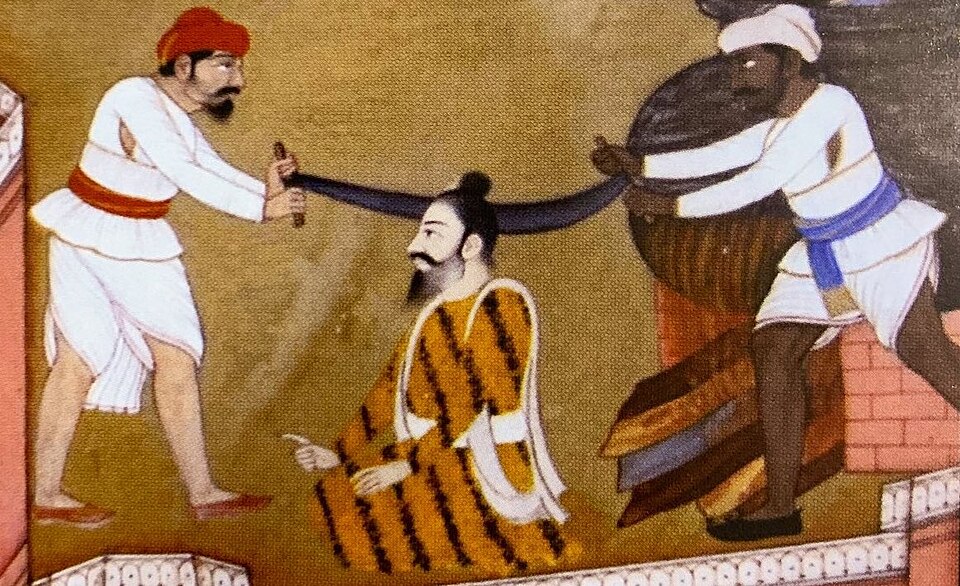
Three companions of Guru Tegh Bahadur executed before him in Delhi: Mati Das sawn in half, Sati Das wrapped in cotton and burned, Dayala boiled alive.
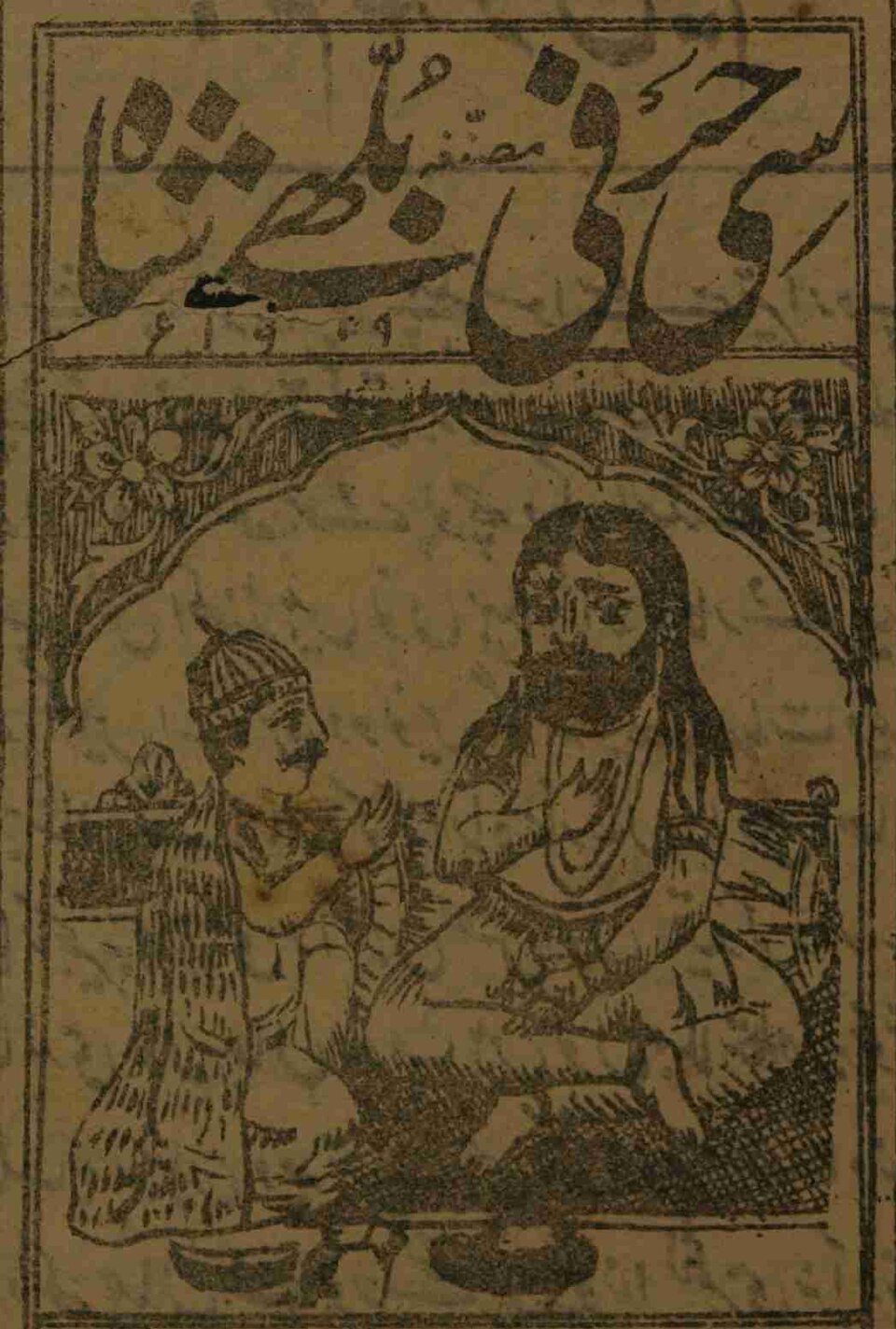
The most loved Sufi poet of Punjab. Mocked clerics of every faith and praised the Sikh Gurus in an age of persecution.
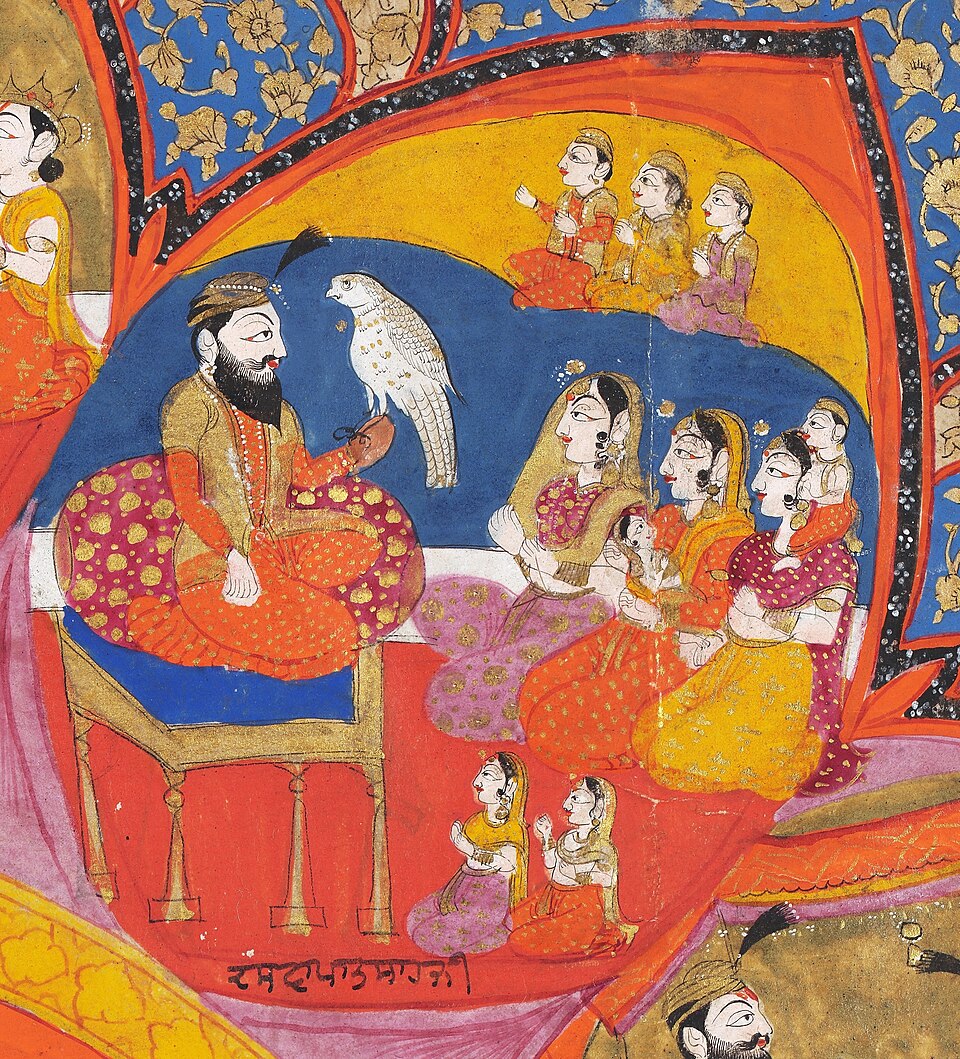
Wife of Guru Gobind Singh, honoured as the Mother of the Khalsa. She added sugar puffs (patase) to the first amrit.
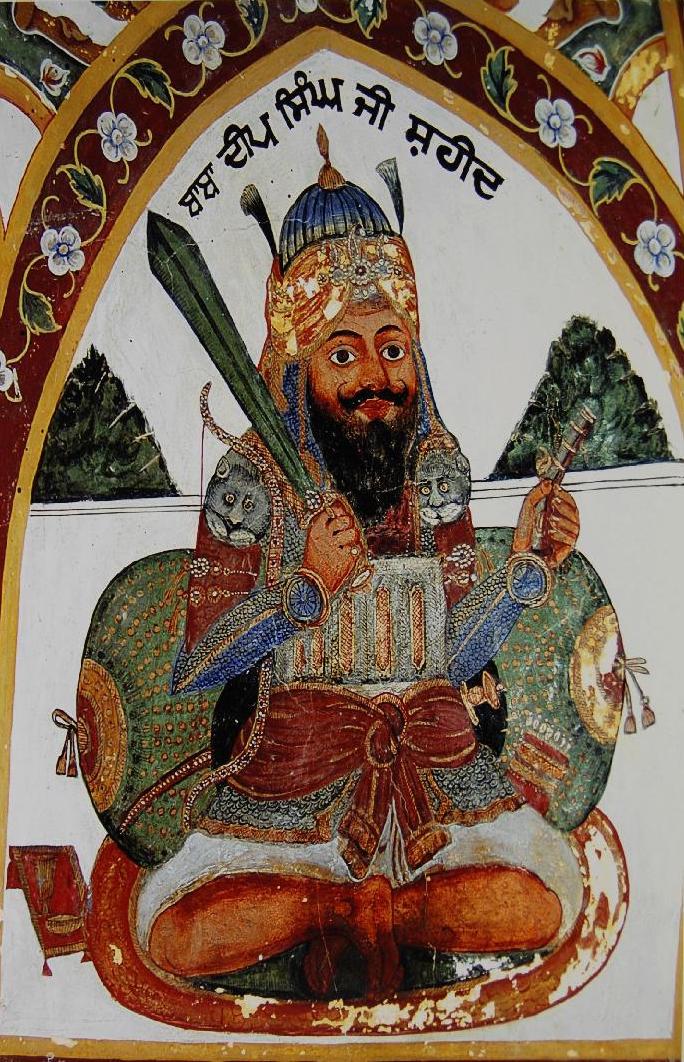
Scholar and warrior who led the Shaheed misl. In his seventies he marched to free the Harmandir Sahib after Afghan desecration and died near its precinct.
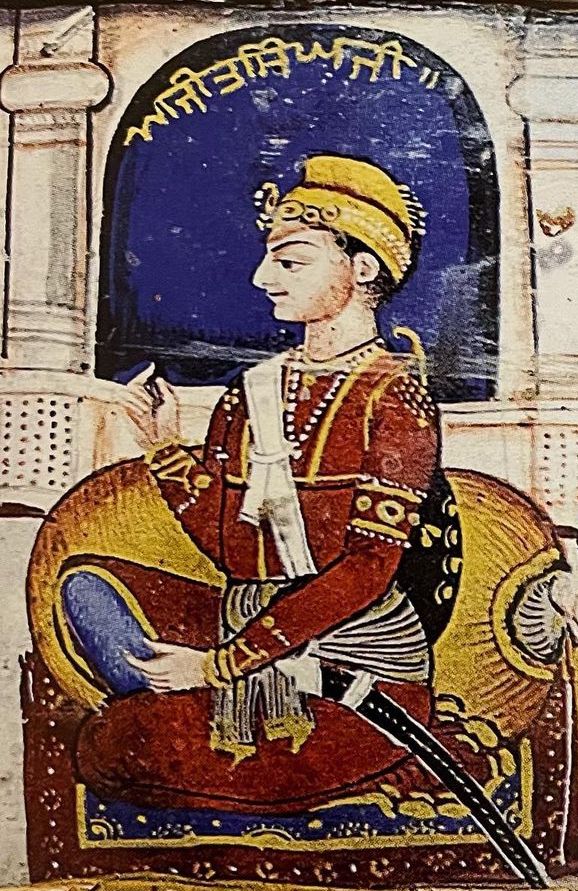
The Guru's elder sons, aged about seventeen and thirteen, who led sorties out of the Chamkaur fort and died fighting.
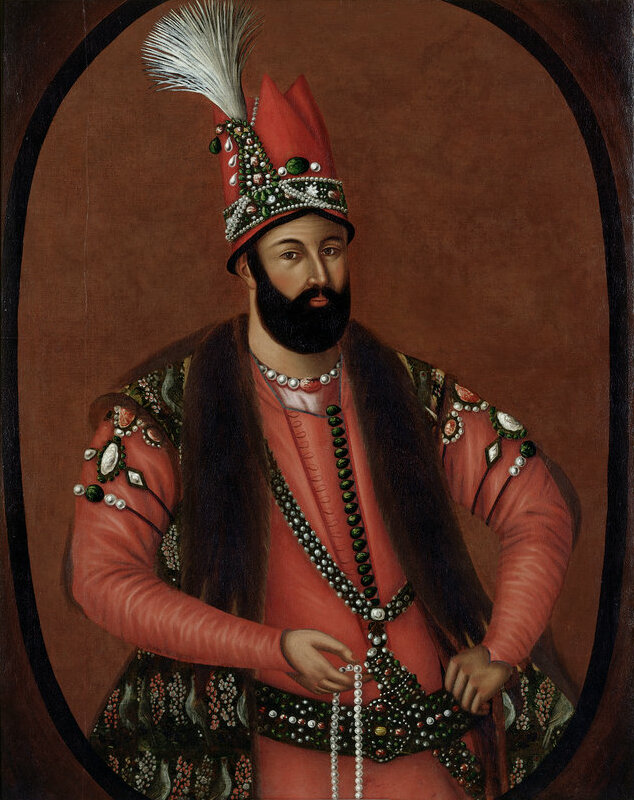
Ruler of Persia who invaded India in 1739, sacked Delhi and carried off the Peacock Throne and the Koh-i-Noor. Sikh bands raided his baggage train on the way home.
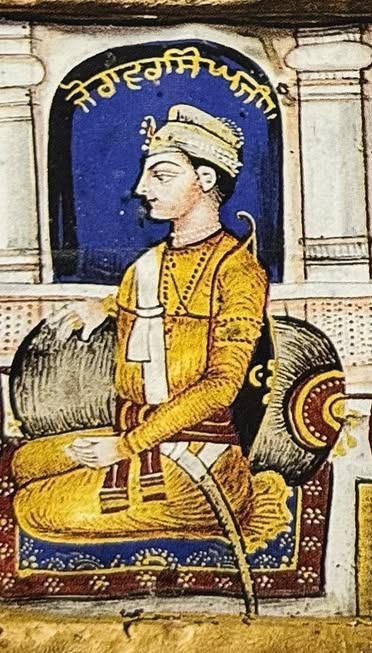
The Guru's younger sons, aged about nine and six, executed at Sirhind for refusing to convert. Their week of martyrdom is the Shaheedi Jor Mela.
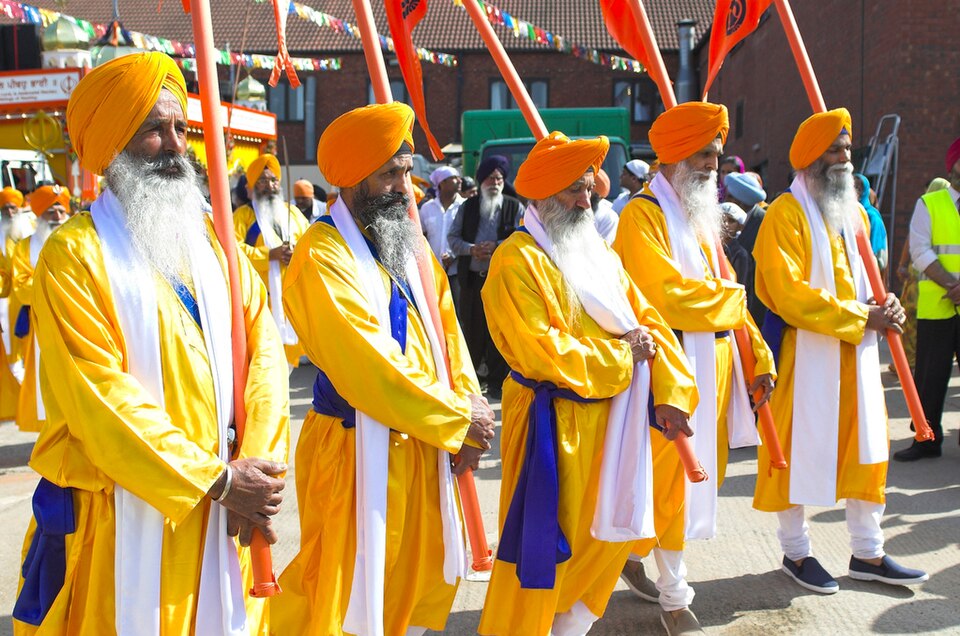
The Five Beloved: Daya Singh, Dharam Singh, Himmat Singh, Mohkam Singh and Sahib Singh, who answered the Guru's call for a head at Vaisakhi 1699.