Misls and Afghans
Banda Singh's rising, Nadir Shah and Abdali, the Ghallugharas, Bulleh Shah and Waris Shah, and the twelve misls.
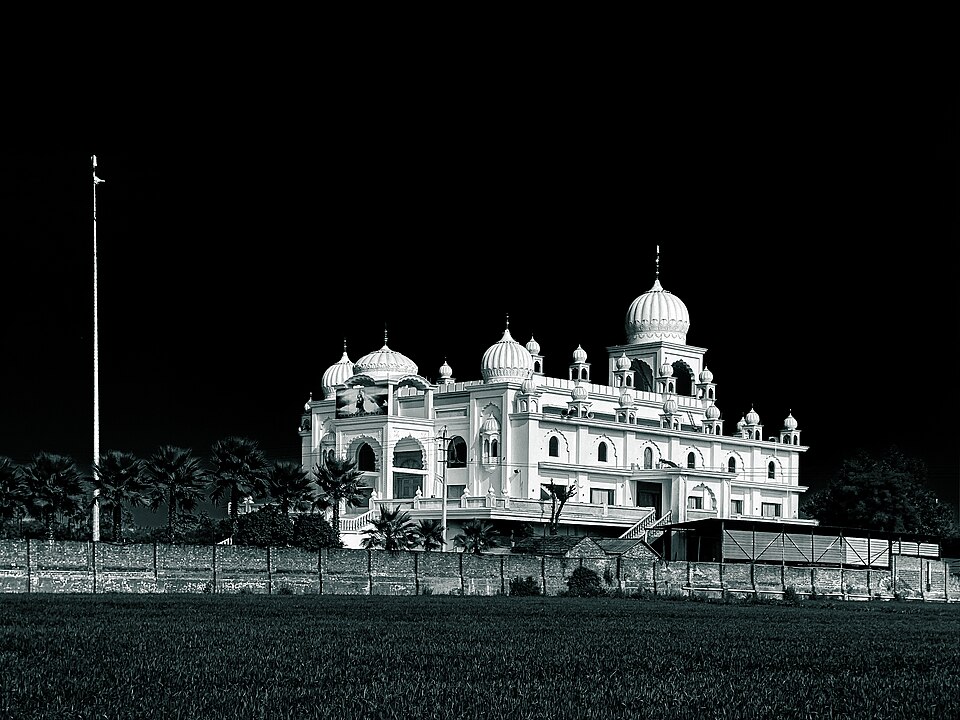 Geet Arts · CC BY-SA 4.0 · Wikimedia
After Guru Gobind Singh, Banda Singh Bahadur rose with the peasants of the Punjab, took Sirhind and gave the land to those who tilled it. The Mughal hold on the Punjab collapsed; Nadir Shah sacked Delhi in 1739, and Ahmad Shah Abdali invaded eight or nine times.
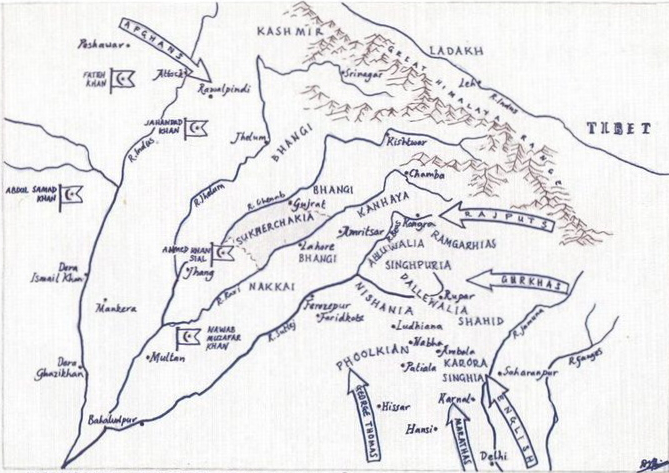
It was a century of terrible suffering, the Lesser and Great Holocausts of 1746 and 1762, and also of extraordinary poetry: Bulleh Shah mocked every cleric in Kasur, and Waris Shah finished Heer in 1766. By its end twelve misls of Sikh chiefs ruled the Punjab from the Indus to the Yamuna.
Where it happened
What happened
35 events- October 1708Guru Granth Sahib named Guru
Guru Gobind Singh dies at Nanded after passing the Guruship to the scripture and the Khalsa.
- September 1708Banda Singh at Nanded
Guru Gobind Singh initiates Madho Das as Banda Singh and sends him to Punjab.
- November 1709Banda Singh strikes Samana
The campaign begins that brings down Sirhind.
- May 1710Sirhind falls
Wazir Khan is killed at Chappar Chiri. Banda Singh rules from Lohgarh and strikes coins.
- December 1710Siege of Lohgarh
- December 1715Gurdas Nangal falls
- June 1716Banda Singh executed
Captured at Gurdas Nangal in 1715, he is tortured to death in Delhi.
- 1733Kapur Singh made Nawab
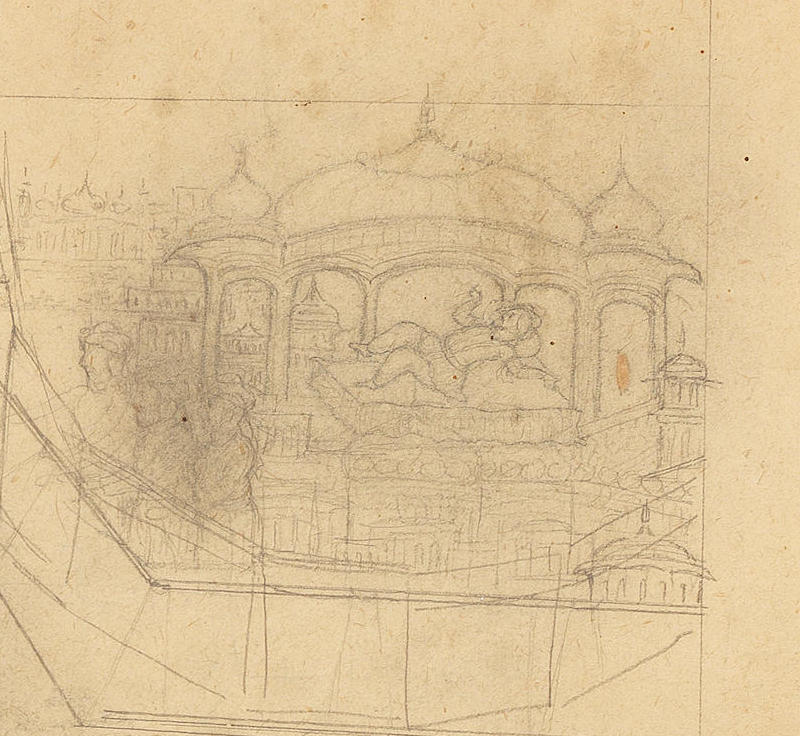
Zakariya Khan offers the Sikhs a jagir and a title. The Khalsa give the robe of honour to Kapur Singh, who is fanning the congregation.
- 1734Budha Dal and Taruna Dal
The Khalsa is organised into an older and a younger army.
- c. 1738Bhai Mani Singh martyred
Cut apart joint by joint in Lahore.
- 1739Nadir Shah's invasion
The Persian ruler sacks Delhi. Sikh bands harry his army on its return through Punjab.
- 1740Massa Ranghar killed
Sukha Singh and Mehtab Singh avenge the desecration of the Harmandir Sahib.
- 1745Bhai Taru Singh
Scalped in Lahore for refusing to cut his hair.
- 1746Chhota Ghallughara
The Lesser Holocaust in the Kahnuwan swamps.
- 1747Durrani empire founded
Ahmad Shah Abdali is chosen king at Kandahar and invades Punjab the next winter.
- Vaisakhi 1748Dal Khalsa formed
The Sarbat Khalsa unites the Sikh bands into the Dal Khalsa under Jassa Singh Ahluwalia.
- March 1748Battle of Manupur
- 1753Persecution under Mir Mannu ends
Mir Mannu dies after a fall from his horse; the Sikhs free their women and children held in Lahore.
- 1757Baba Deep Singh falls
He dies fighting to free the Harmandir Sahib.
- 1757Death of Bulleh Shah
The great Sufi poet of Kasur dies; the clerics refuse him burial in the town graveyard.
- 1758Afghans driven from Lahore
- January 1761Third Battle of Panipat
- 1761Battle of Gujranwala
- February 1762Vadda Ghallughara
The Great Holocaust. Abdali then blows up the Harmandir Sahib.
- 1763Patiala and Nabha founded
Baba Ala Singh builds a fort at Patiala; Phulkian chiefs found Nabha and Jind.
- 1764Sirhind taken; Harmandir rebuilt
The Khalsa takes Sirhind and begins rebuilding the Harmandir Sahib.
- December 1764Last stand at the Akal Takht
- 1764Jind under Gajpat Singh
After Sirhind falls, the Phulkian chief Gajpat Singh takes the country around Jind and founds a state.
- 1765Sikhs hold Lahore
The misls take Lahore and strike coins in the name of the Gurus.
- 1766Waris Shah completes Heer
The great Punjabi epic of love.
- 1772Death of Abdali
His son Timur Shah inherits a weakened empire.
- 13 November 1780Birth of Ranjit Singh
- 1783The Khalsa in the Red Fort
Baghel Singh's forces enter Delhi; gurdwaras are built at the Sikh historic sites.
- 1792Ranjit Singh inherits
At twelve, after his father's death, he becomes head of the Sukerchakia misl.
- 1797Zaman Shah turned back
People of this age
42 people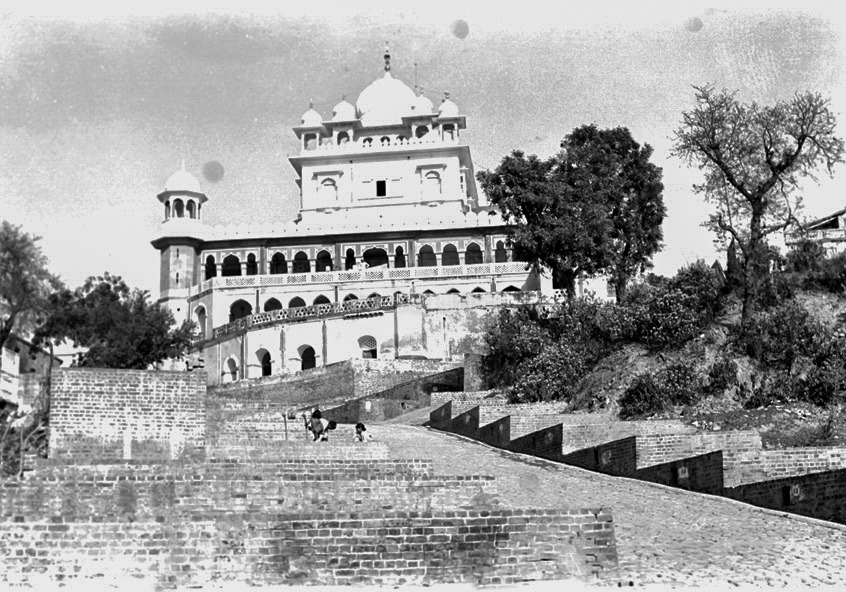
Persian poet at the court of Guru Gobind Singh. His ghazals may be sung in gurdwaras.
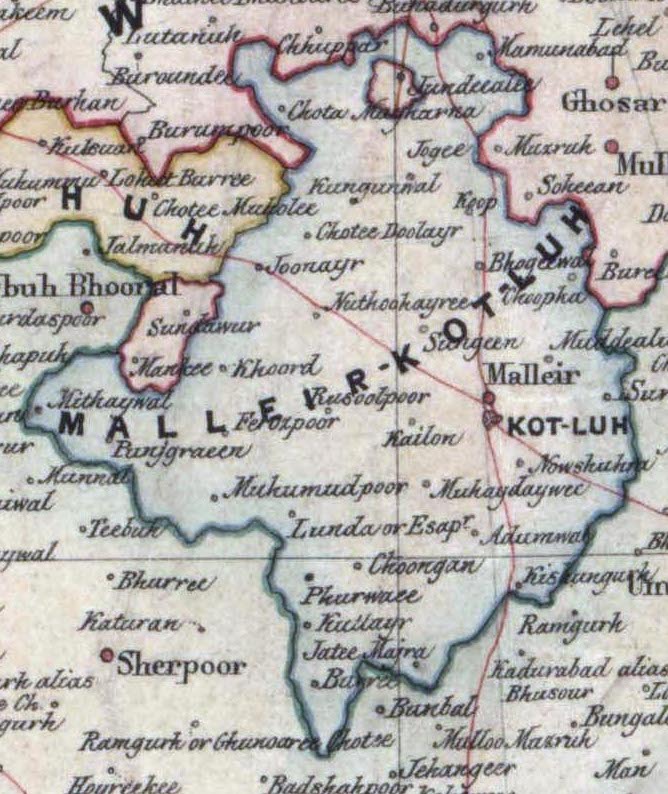
Nawab of Malerkotla who protested in Wazir Khan's court against the execution of the Guru's young sons, though his own brother had died fighting the Guru.
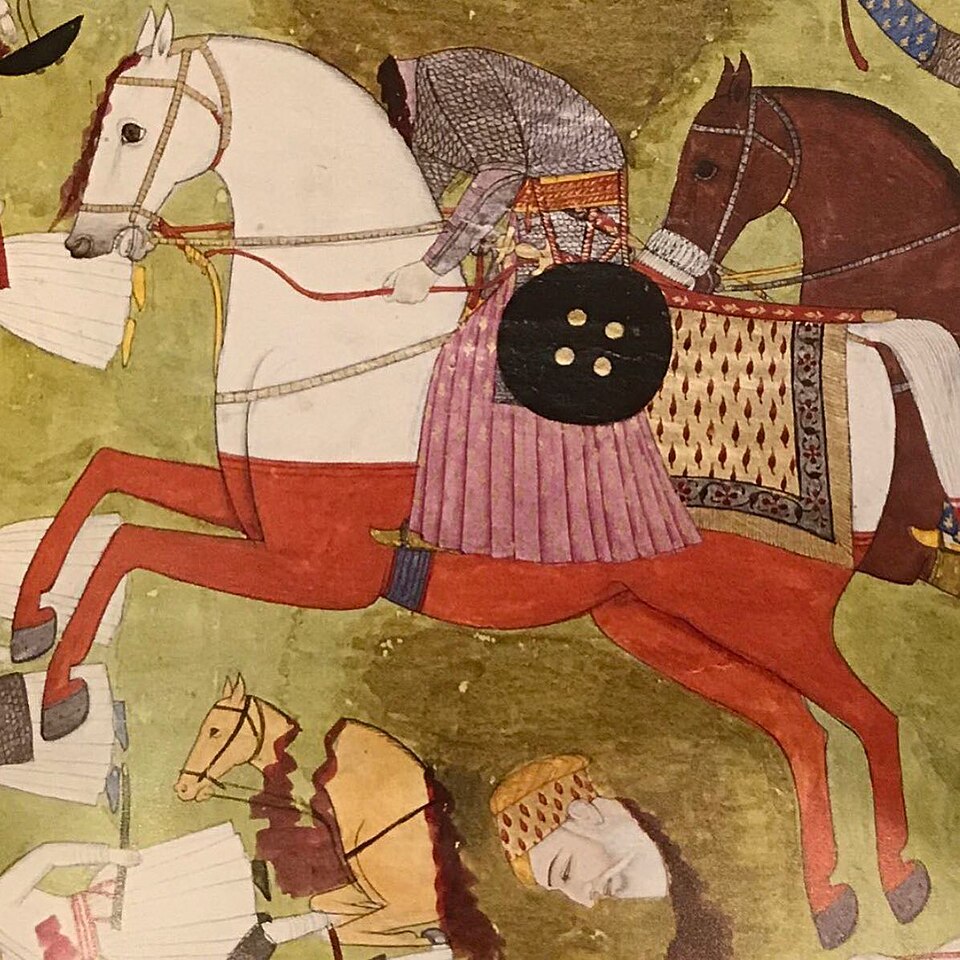
Mughal governor of Sirhind who besieged Anandpur, pursued Guru Gobind Singh and ordered the execution of his younger sons. Killed by Banda Singh's army at Chappar Chiri.
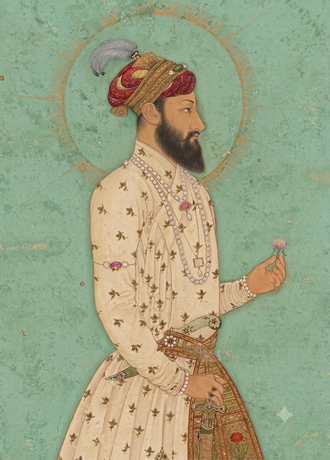
Aurangzeb's son, whom Guru Gobind Singh helped in the succession war of 1707 and travelled with to the Deccan. He later led the campaign against Banda Singh.
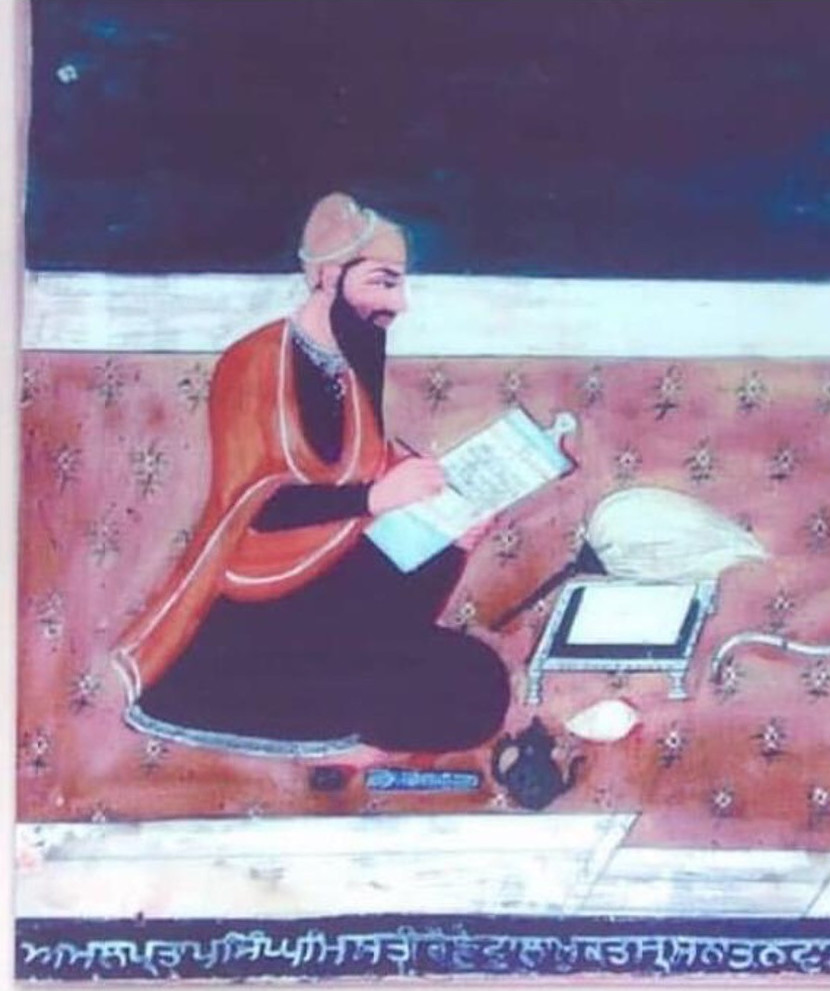
Scribe of the final Guru Granth Sahib at Damdama and later head granthi of the Harmandir Sahib, cut apart joint by joint in Lahore.
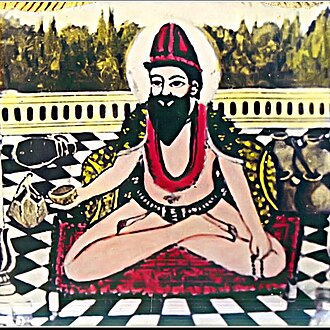
Gave water to wounded soldiers of both sides at Anandpur. The Guru gave him ointment to treat the enemy too. Seen as a forerunner of the Red Cross.
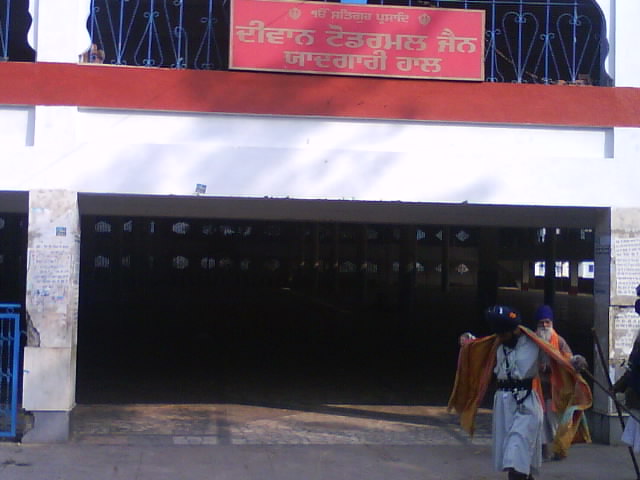
Merchant of Sirhind who bought land to cremate the Guru's younger sons and mother by covering it in gold coins, said to be the most expensive land ever bought.
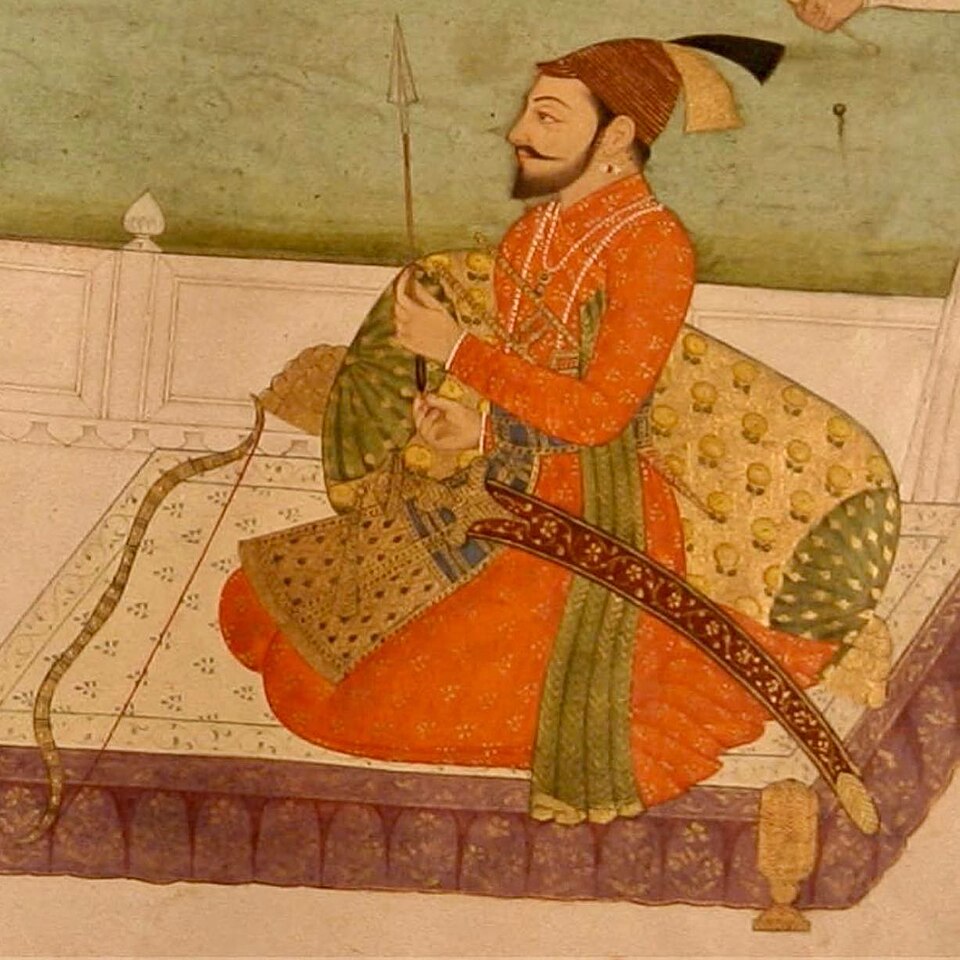
Tenth Guru, warrior and poet. Created the Khalsa in 1699, fought a long war with the Mughals and hill rajas, lost his four sons and mother, and named the Guru Granth Sahib as the final Guru.
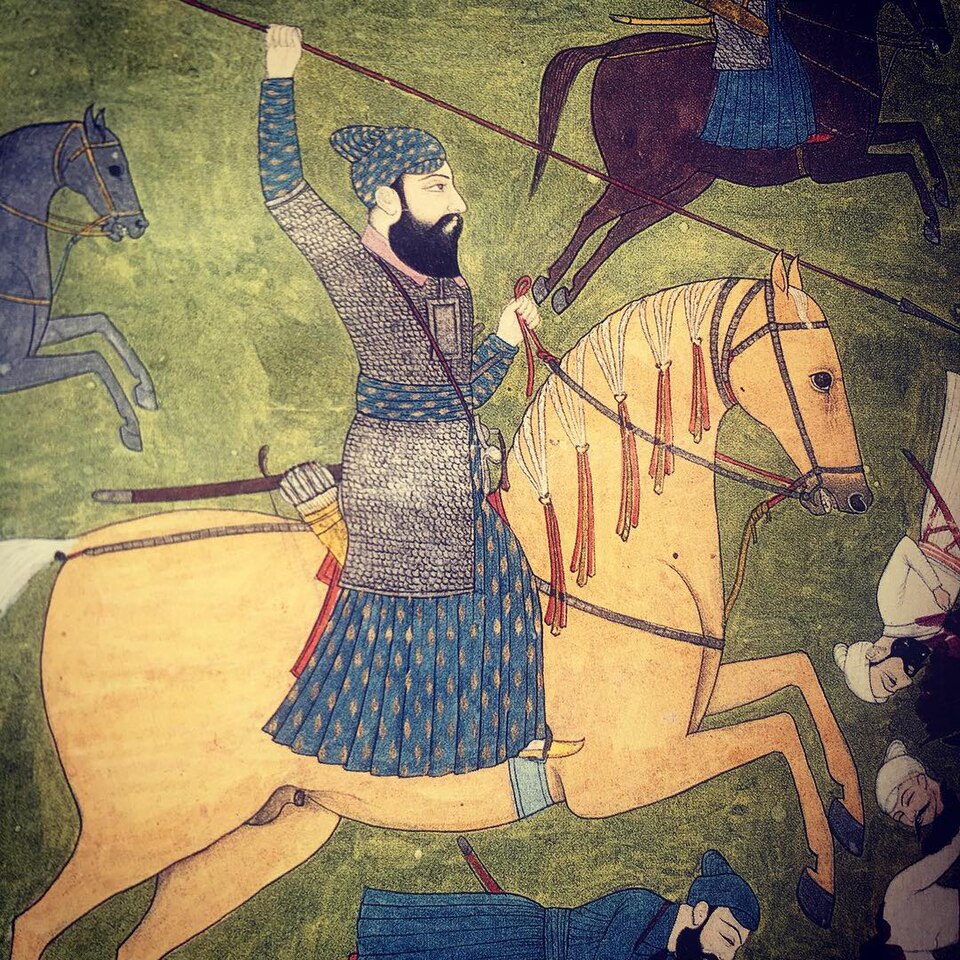
Ascetic turned general. Sent north by Guru Gobind Singh in 1708, he took Sirhind, set up the first Sikh state, gave land to those who tilled it and was executed in Delhi in 1716.
Shamed forty deserters into returning to the Guru, led them into battle at Muktsar and survived to serve as one of his bodyguards.
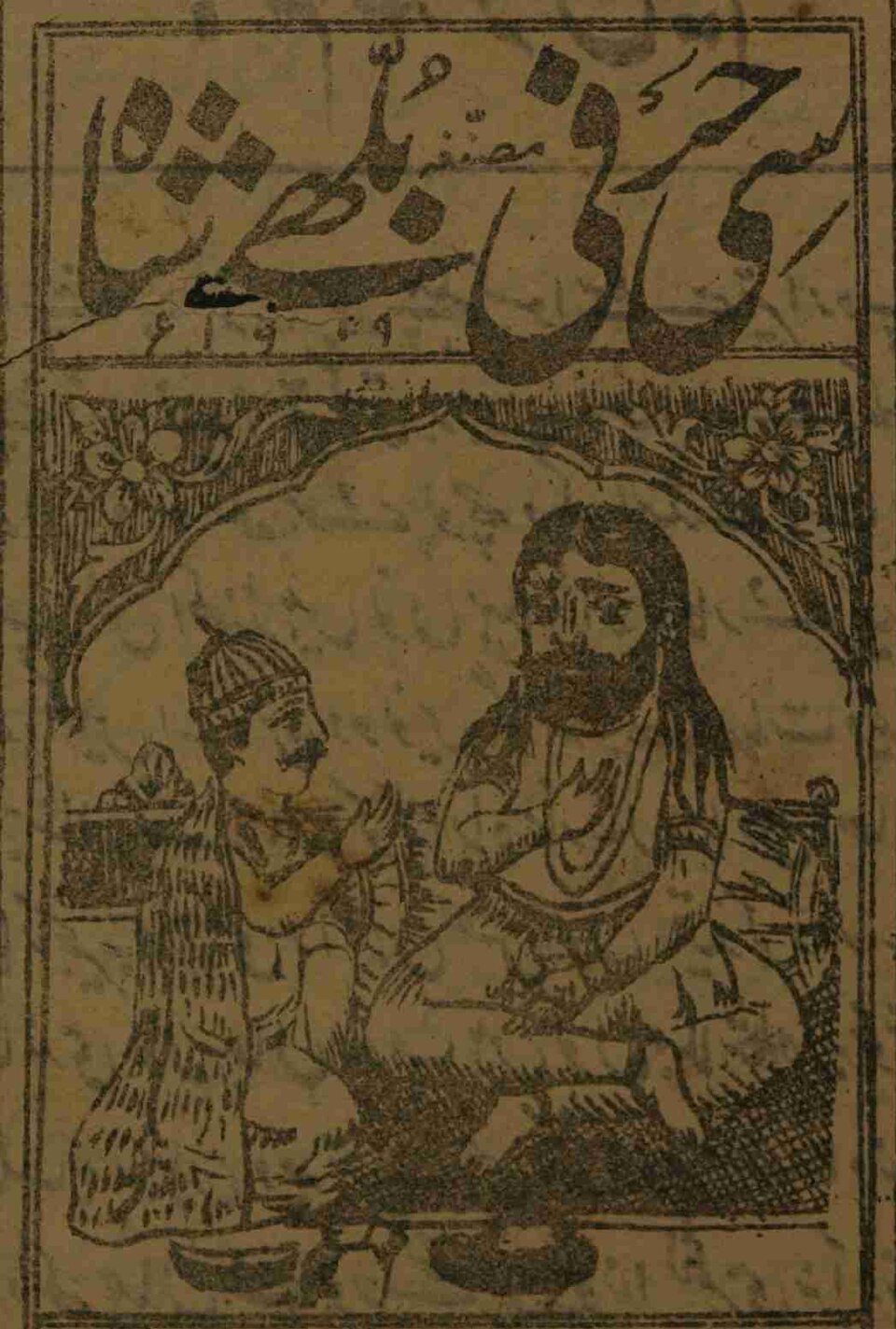
The most loved Sufi poet of Punjab. Mocked clerics of every faith and praised the Sikh Gurus in an age of persecution.
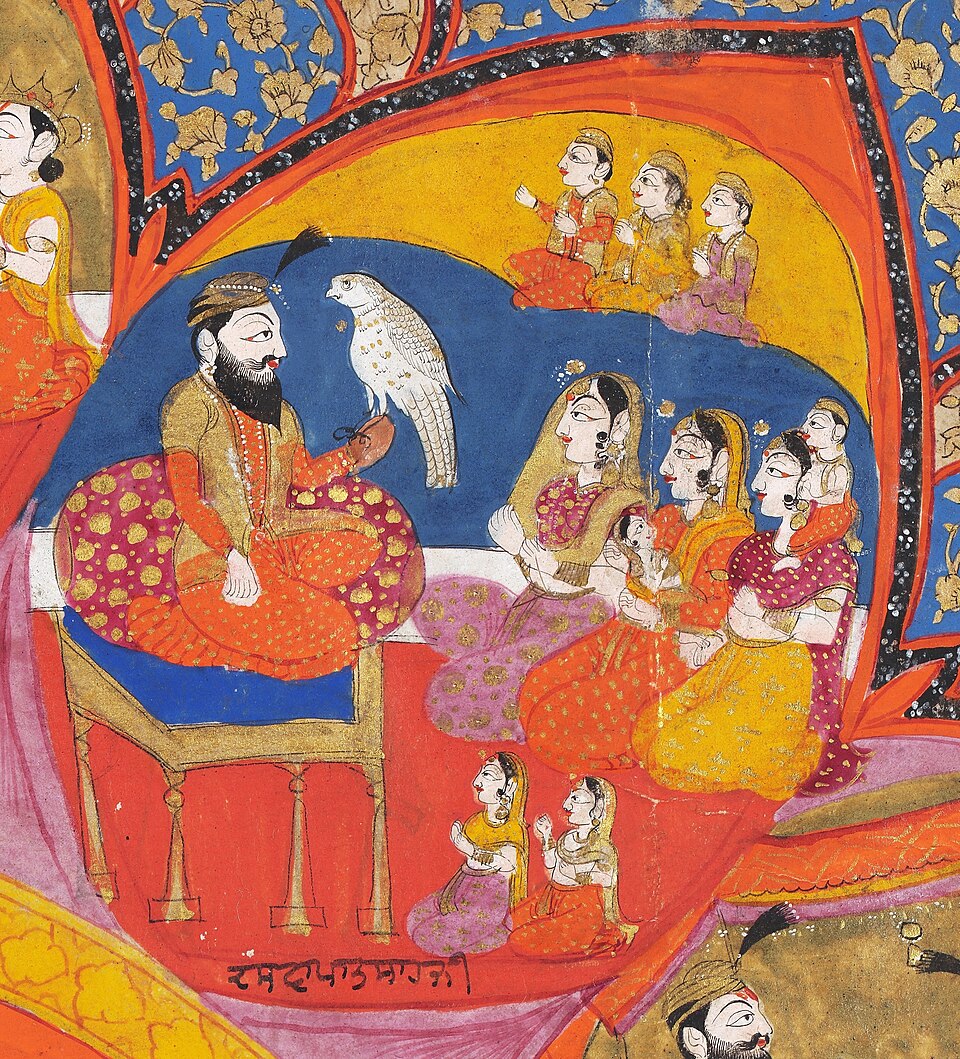
Wife of Guru Gobind Singh, honoured as the Mother of the Khalsa. She added sugar puffs (patase) to the first amrit.
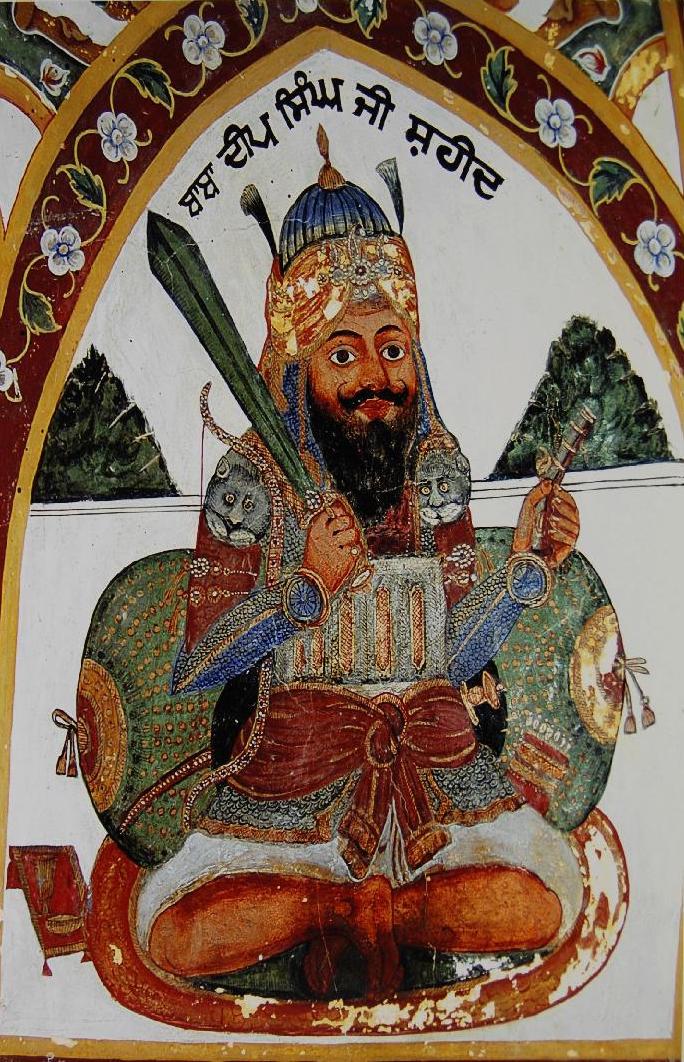
Scholar and warrior who led the Shaheed misl. In his seventies he marched to free the Harmandir Sahib after Afghan desecration and died near its precinct.
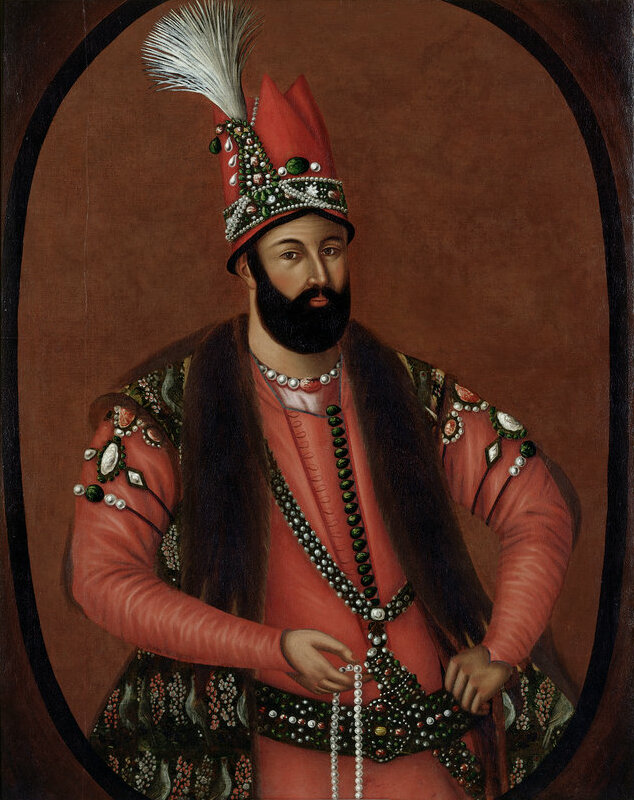
Ruler of Persia who invaded India in 1739, sacked Delhi and carried off the Peacock Throne and the Koh-i-Noor. Sikh bands raided his baggage train on the way home.
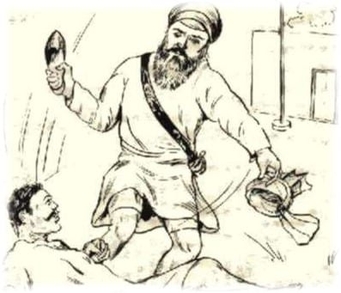
A farmer of the village of Wan who sheltered Sikhs on the run; when Zakariya Khan's troops came for him in 1726 he and some two dozen companions fought them to the death.
Mughal governor of Lahore who put a price on Sikh heads, executed Bhai Mani Singh and Bhai Taru Singh, and in 1733 tried to buy peace by offering the Sikhs a jagir and the title of Nawab.
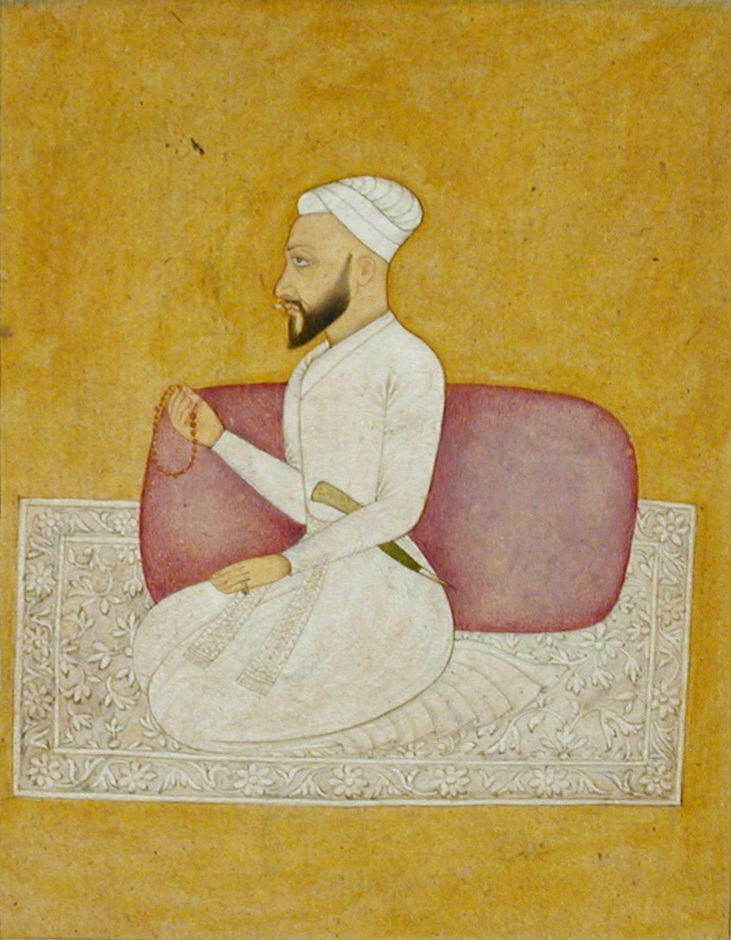
Built the Bhangi misl into the strongest of the confederacy, with lands from Lahore to Multan. The great Zamzama gun was captured by the Bhangis and long known as the Bhangian wali top.
Wily faujdar of the Jalandhar Doab who played Mughals, Afghans, Marathas and Sikhs against one another and in 1758 briefly became governor of all Punjab.
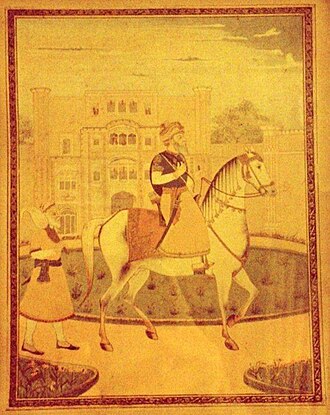
Supreme commander of the Dal Khalsa, wounded many times at the Vadda Ghallughara. Struck coins at Lahore and was called Sultan-ul-Qaum, king of the nation.
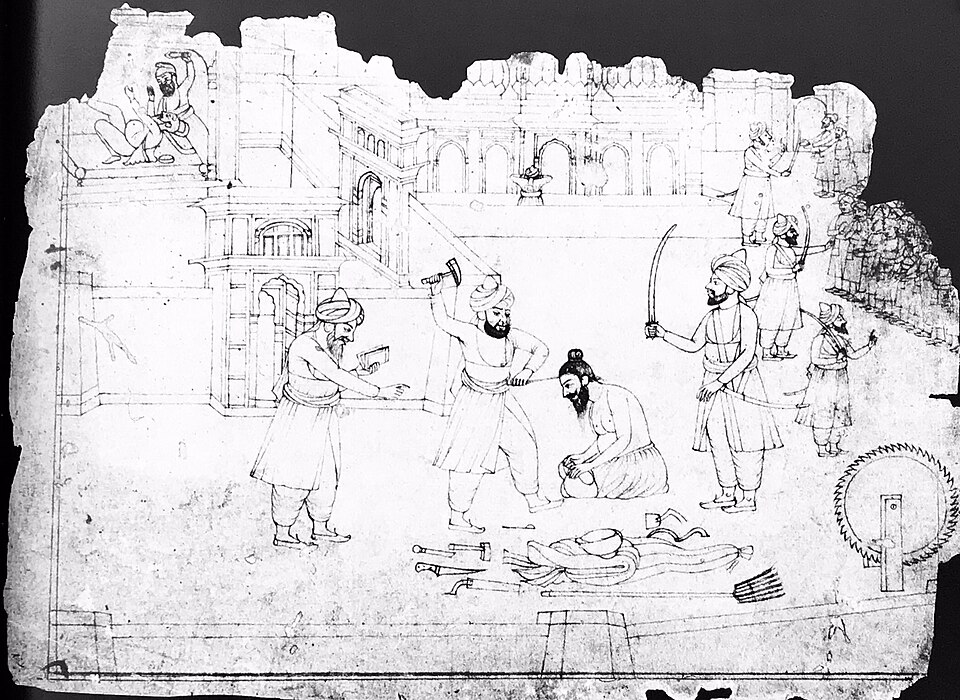
A young farmer who fed Sikhs hiding in the forests. Ordered to cut his hair and convert, he refused and his scalp was removed in Lahore in 1745.
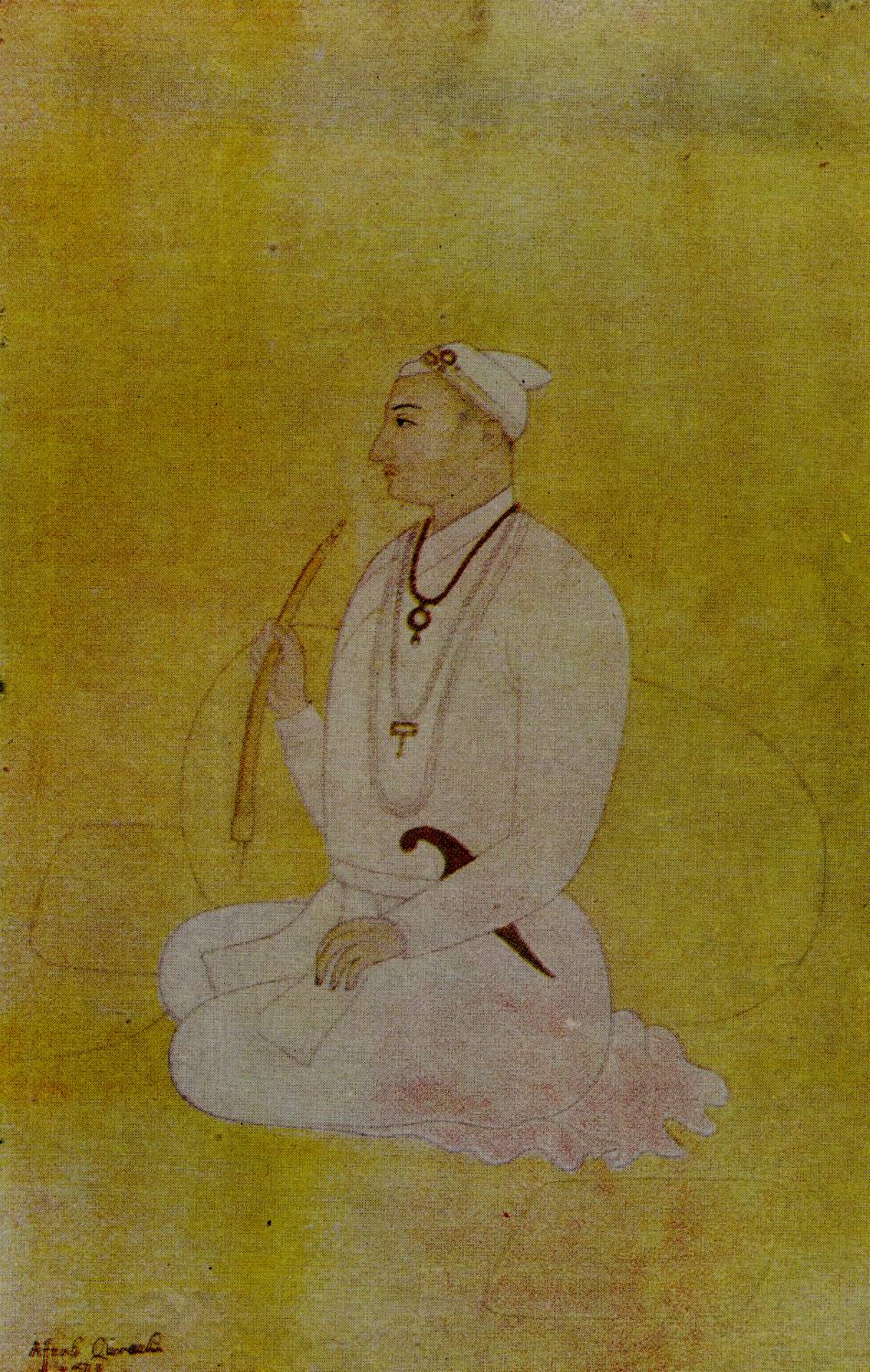
Governor of Lahore after the victory at Manupur, remembered by Sikhs for the harshest persecution of the century, including the imprisonment of Sikh women and children.
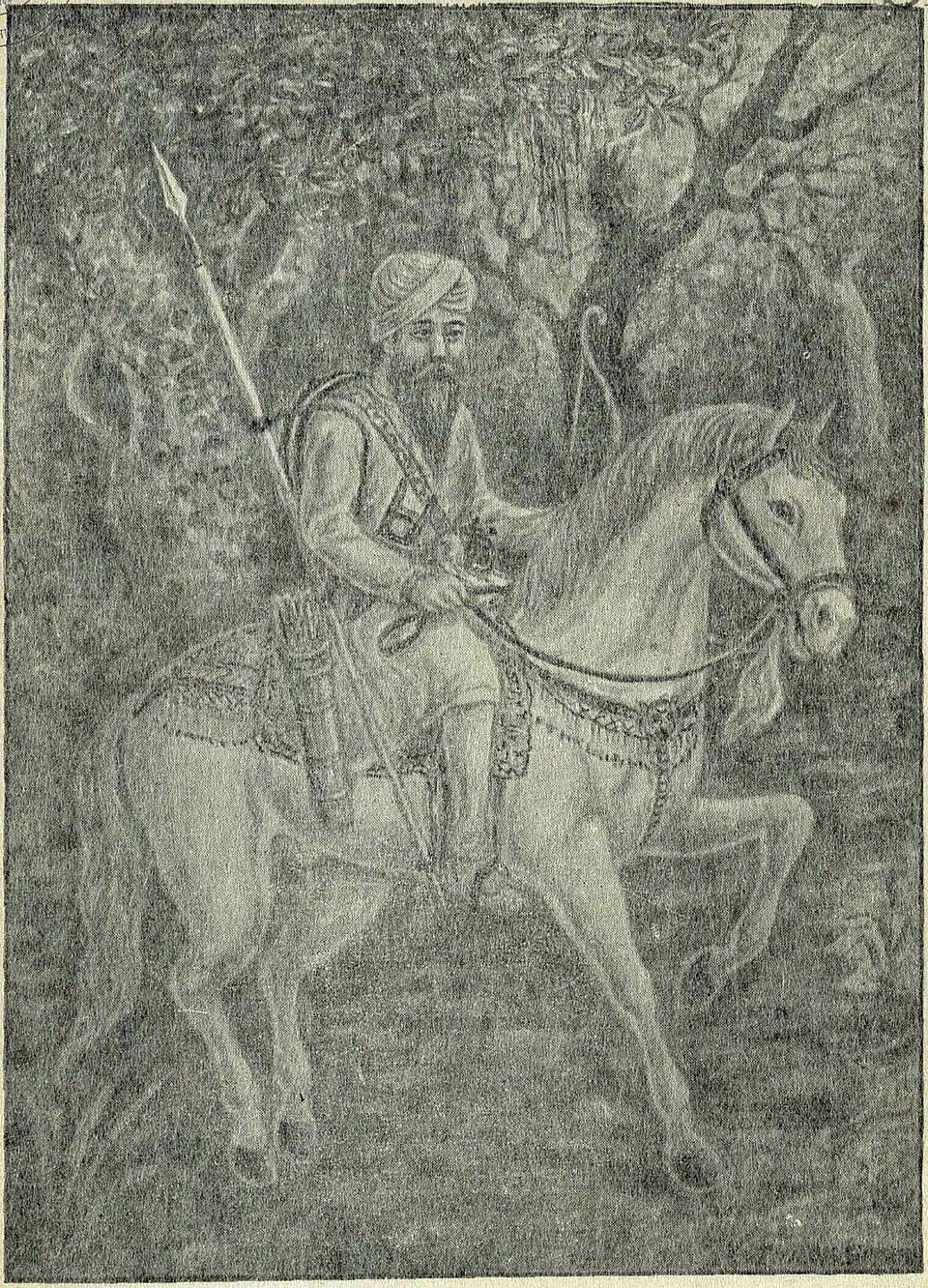
Grandfather of Ranjit Singh and founder of the Sukerchakia misl's power at Gujranwala, where he beat the Afghan governor in 1761.
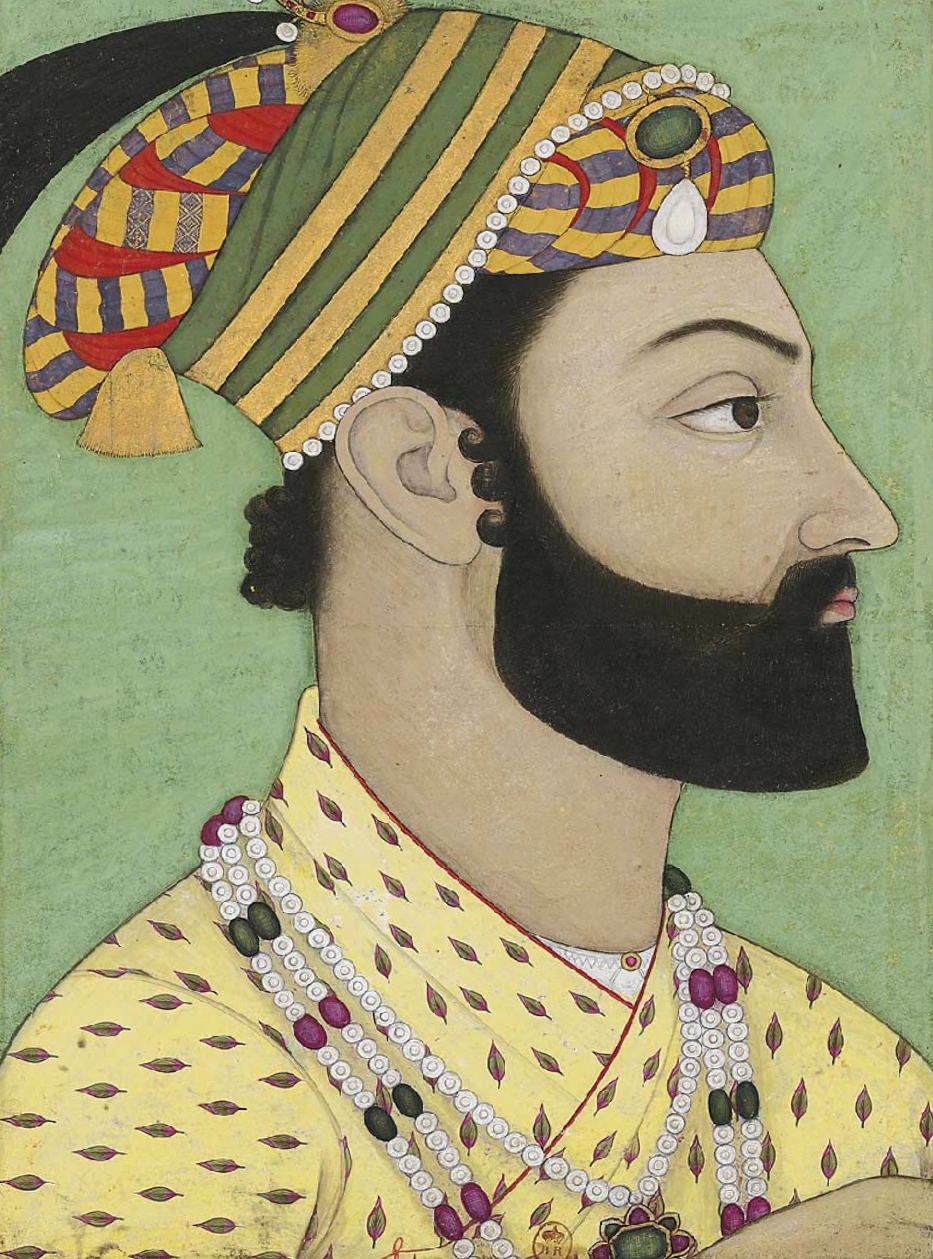
Founder of the Afghan Durrani empire, who invaded Punjab eight or nine times between 1748 and 1767, crushed the Marathas at Panipat and twice destroyed the Harmandir Sahib.
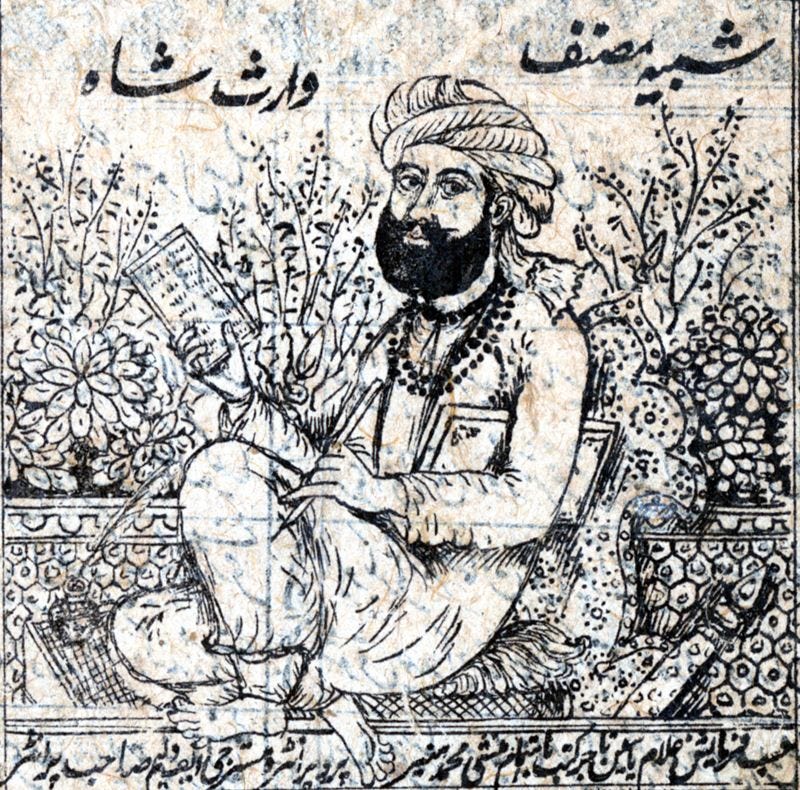
Poet of Heer, the best-known telling of the tragic love of Heer and Ranjha, completed in 1766.
Karorsinghia leader who entered the Red Fort in 1783 and, by agreement with Shah Alam II, built gurdwaras at the Sikh sites of Delhi.
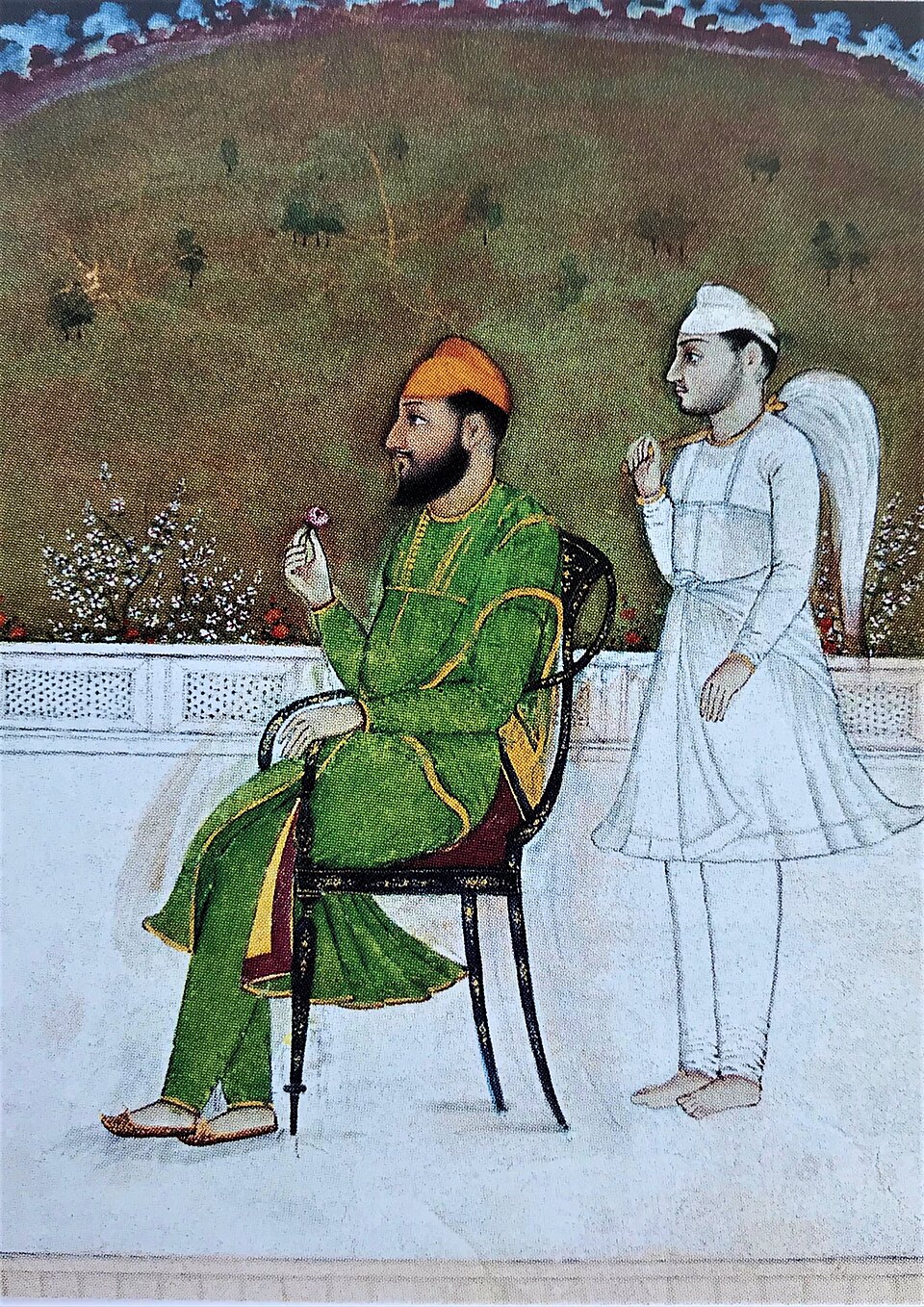
Father of Ranjit Singh. Expanded the Sukerchakia lands from Gujranwala and died during a siege when Ranjit was twelve.
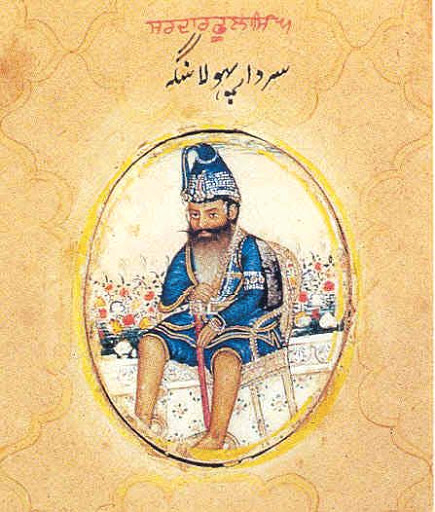
Nihang leader and jathedar of the Akal Takht who once had Ranjit Singh flogged for a moral lapse. Killed leading the charge at Nowshera.
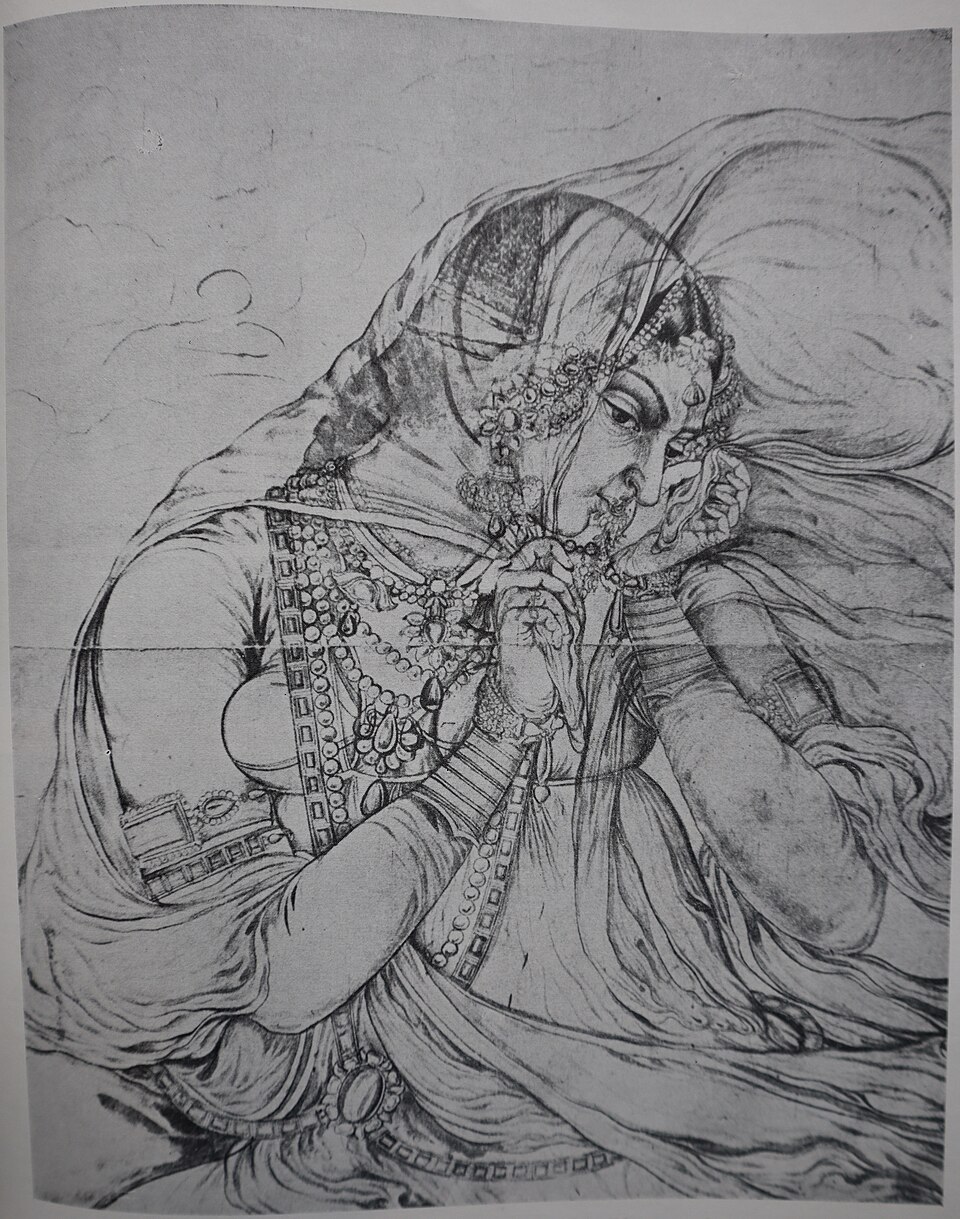
Head of the Kanhaiya misl after her husband's death and the mother-in-law of Ranjit Singh. Her support helped him take Lahore in 1799.
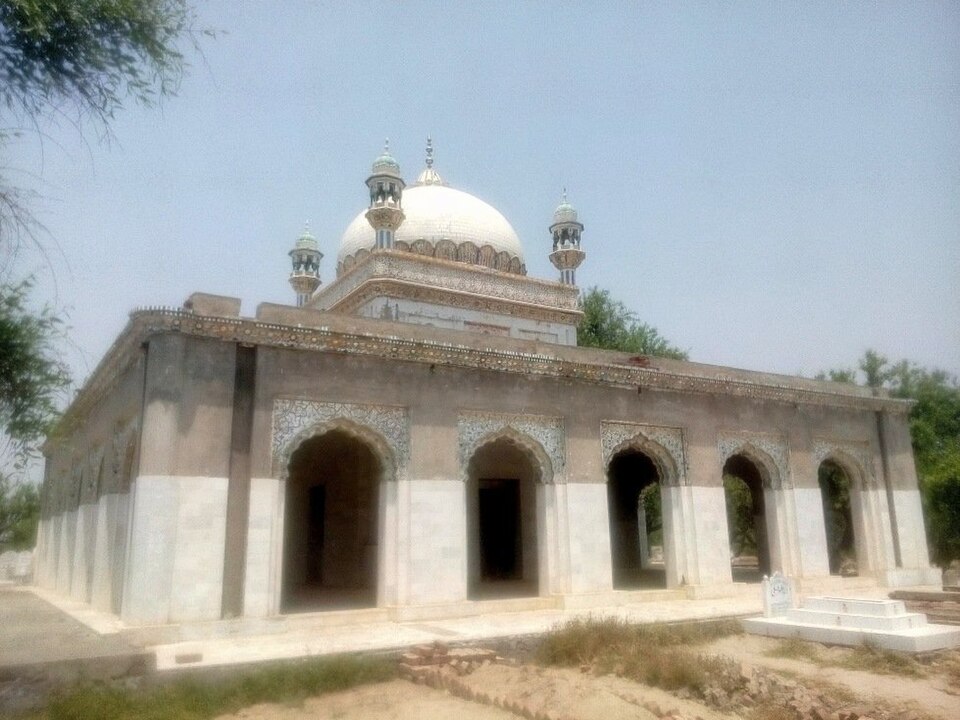
Chief of the Kharals of the Ravi bar who led the tribes of the Gogera country against the East India Company in 1857, and was killed at prayer.
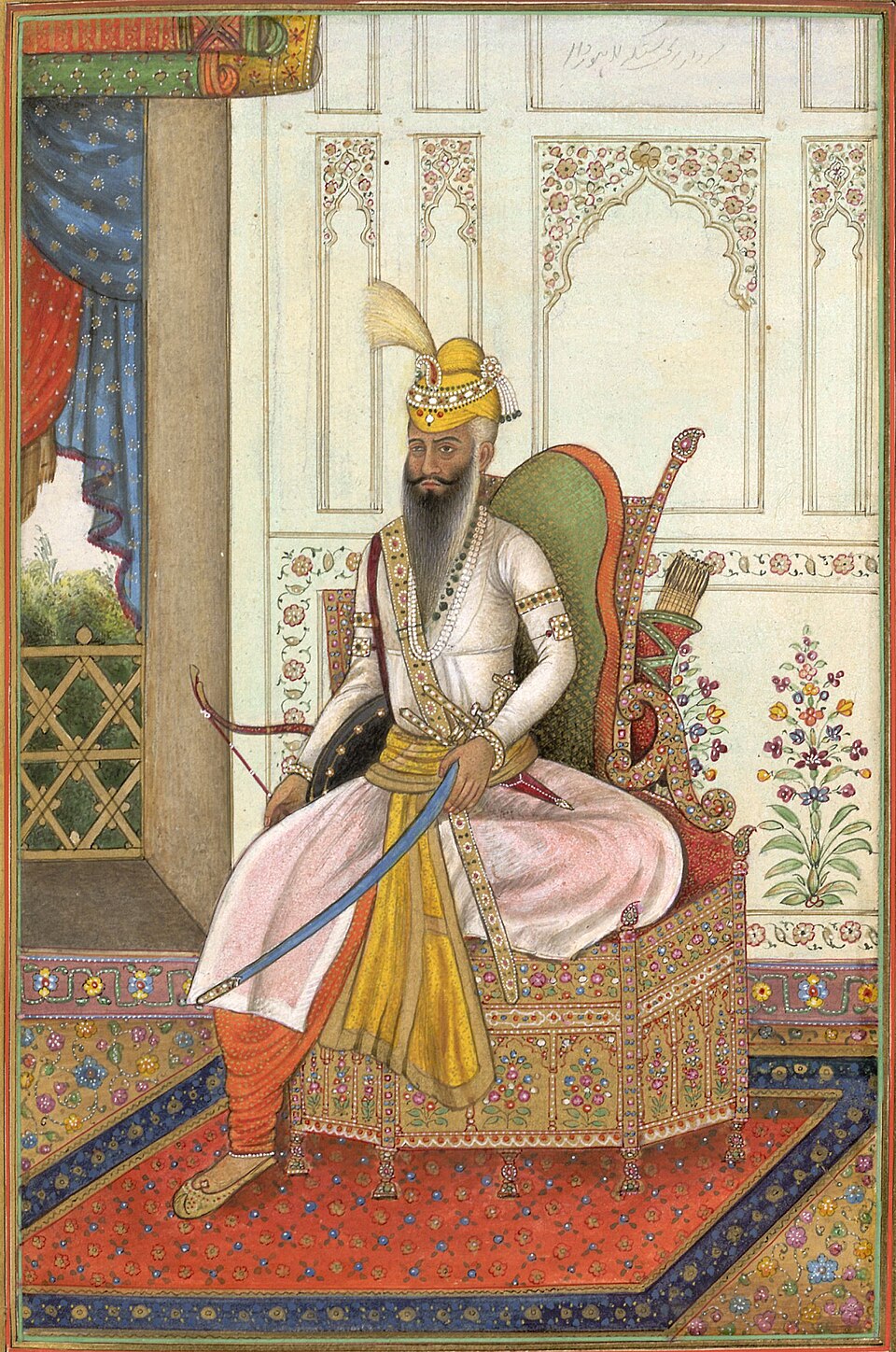
Sher-e-Punjab, the Lion of Punjab. United the misls into the Sikh Empire, ruled from Lahore for forty years and covered the Harmandir Sahib in gold.
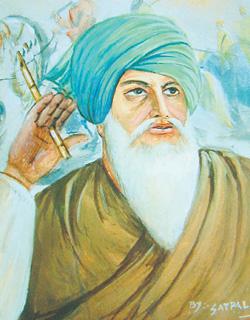
Muslim poet whose Jangnama laments the fall of the Sikh kingdom in the First Anglo-Sikh War as Punjab's own loss.
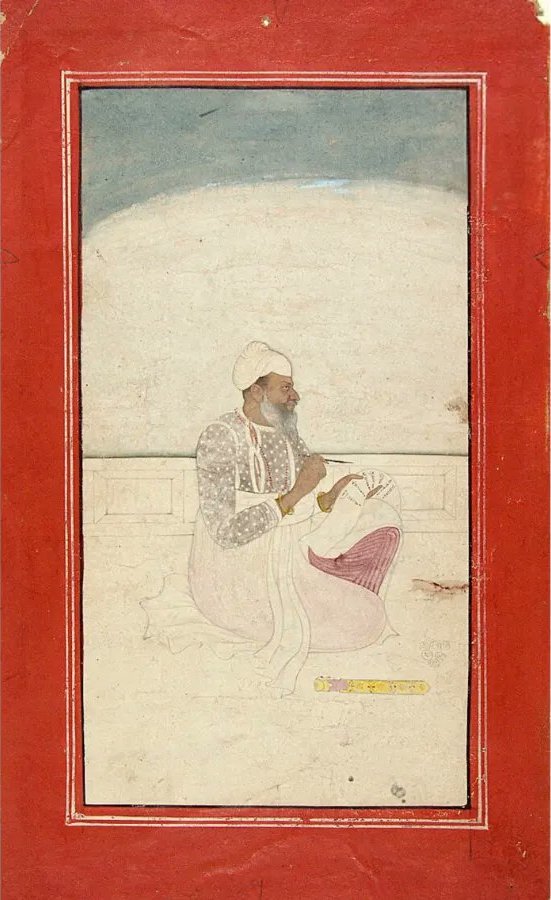
Founder of the Nirankari reform movement at Rawalpindi, which called Sikhs back to worship of the formless God and simple rites.
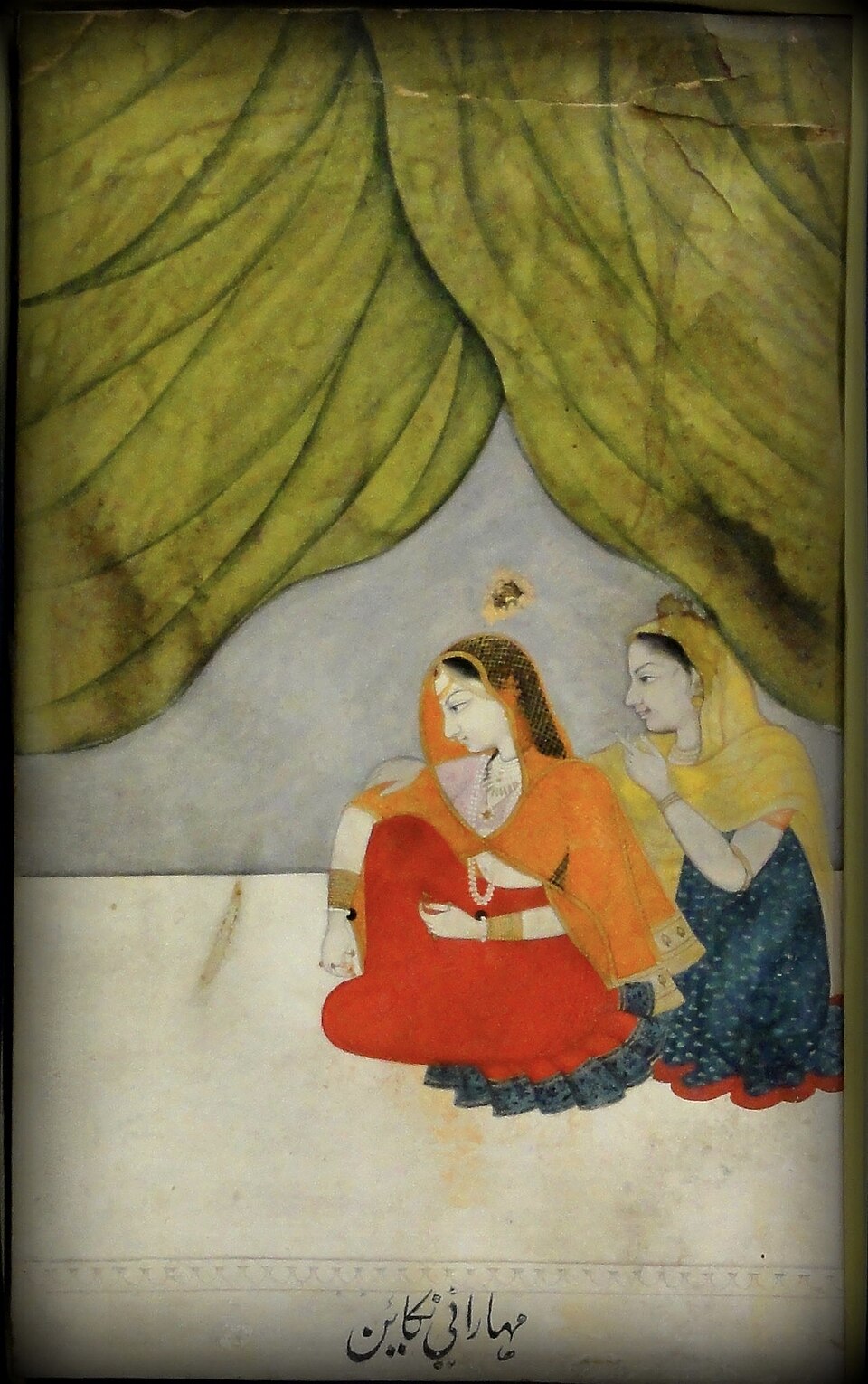
Ranjit Singh's wife from the Nakai misl and mother of Kharak Singh, who accompanied the Multan campaign and handled its supplies.
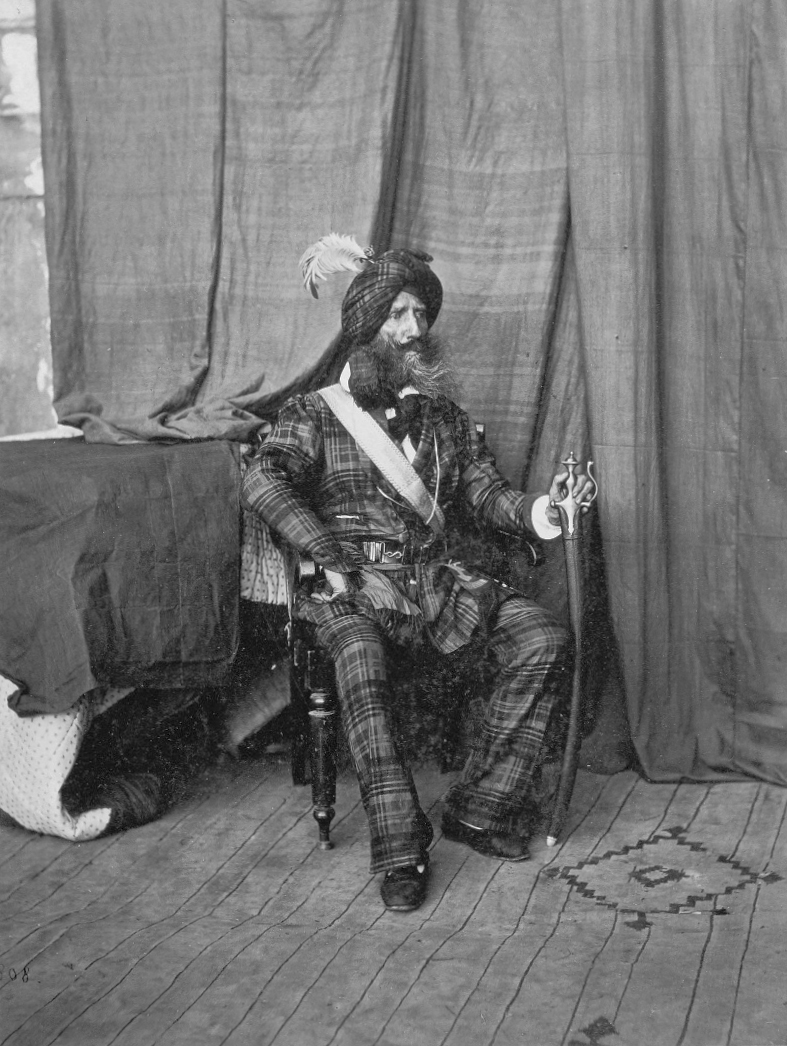
American-Scottish adventurer and colonel of artillery at Lahore, remembered for his tartan turban.
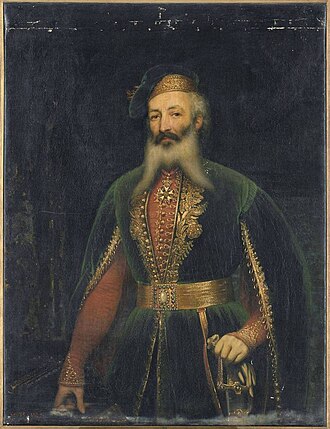
Veteran of Napoleon's cavalry who arrived in Lahore in 1822 and raised the Fauj-i-Khas, the elite French-drilled brigade of the Sikh army.
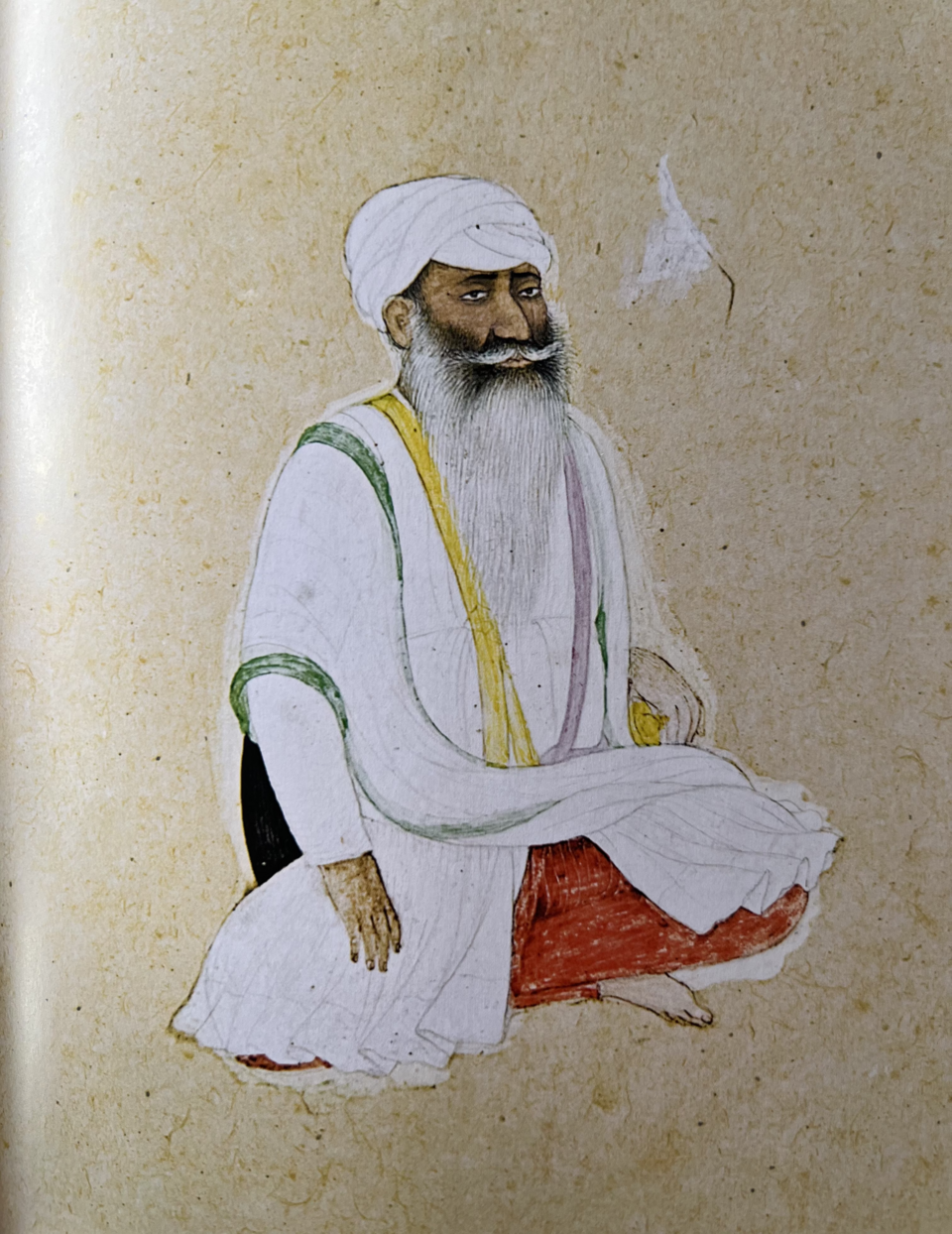
Veteran general who, dressed in white, rode into the British lines at Sobraon and died with his men.
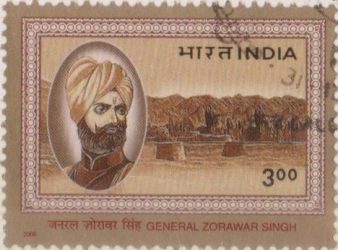
Dogra general who led armies across the high Himalaya: Ladakh from 1834, Baltistan in 1840 and western Tibet in 1841, where he was killed at To-yo in the snows.
Commander of the Jamrud garrison who held the fort after Hari Singh Nalwa fell, keeping his death secret.
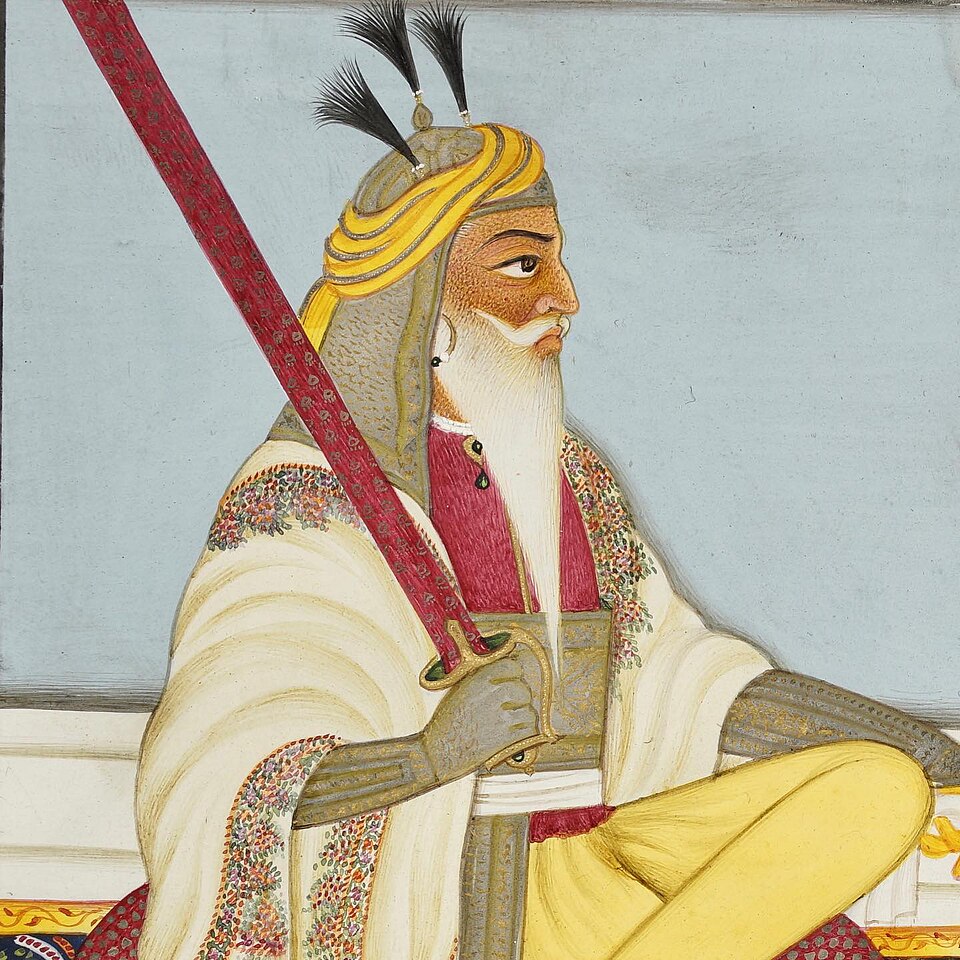
Commander-in-chief of the Sikh army on the north-west frontier. Governed Kashmir and Peshawar and died holding Jamrud against the Afghans.
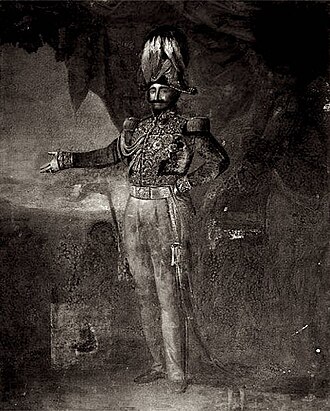
Neapolitan soldier who governed Wazirabad and then Peshawar for the Sikh Empire with notorious severity.
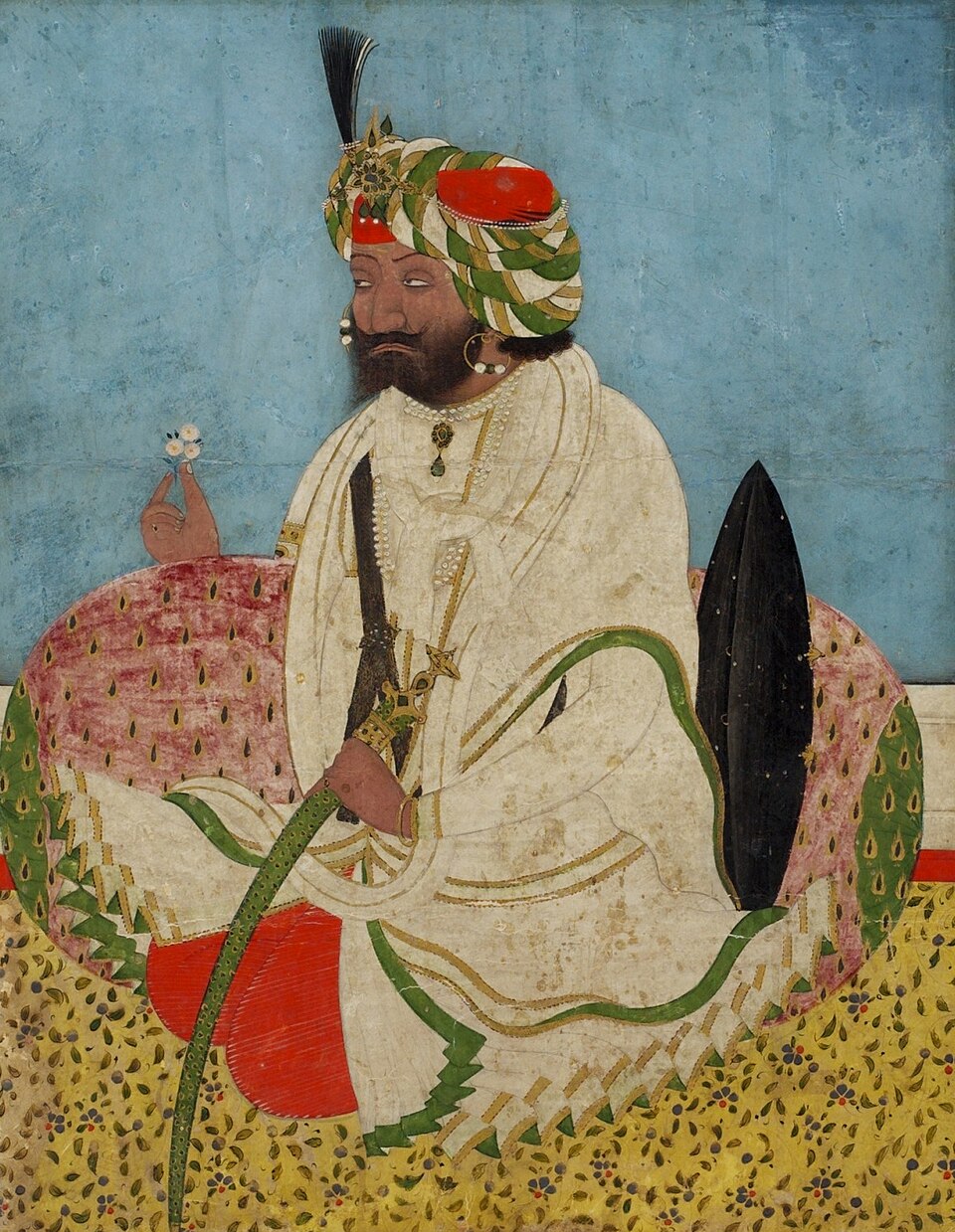
Dogra raja of Jammu under Lahore, whose general Zorawar Singh conquered Ladakh and Baltistan. In 1846 he stayed out of the war and bought Kashmir from the British for 7.5 million rupees.
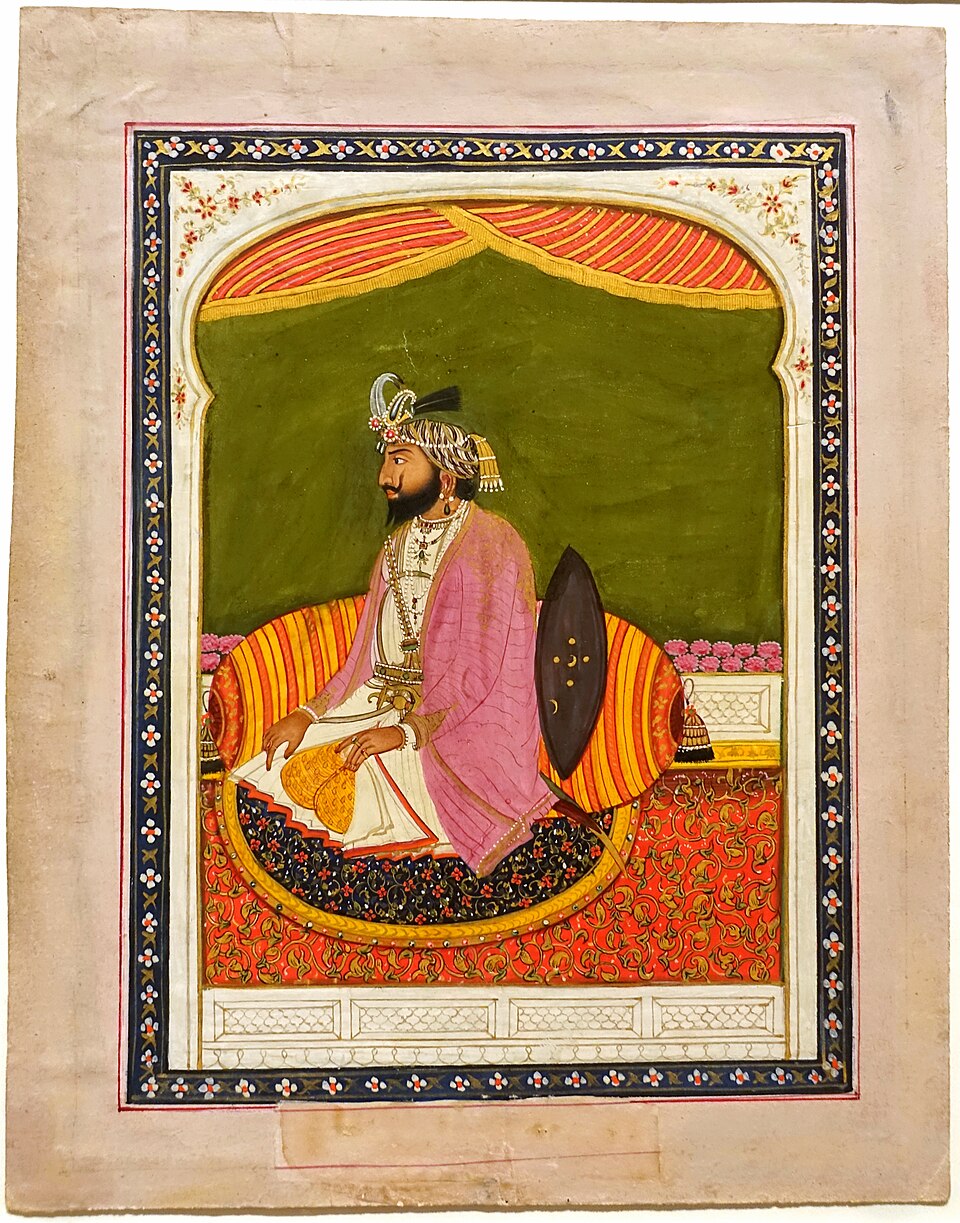
Chief minister of the Sikh Empire for 25 years and the most powerful man at court after Ranjit Singh. Assassinated in 1843.