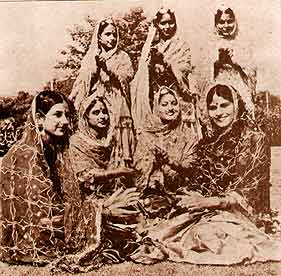
A boli is a short verse, often a single couplet, sung to a fixed tune and finished with a refrain that everyone joins. Boliyan are the material of giddha, the women's dance, and of bhangra: one dancer steps forward and sings a boli, the circle answers, and the dance breaks out again.
They are endlessly various: teasing a mother-in-law, praising a brother, mocking a lazy husband, complaining of a soldier away in the army or a son gone abroad, celebrating the harvest. Many are hundreds of years old; new ones are made up on the spot at every wedding. They are among the richest records of how ordinary Punjabi women saw their own lives.
The best known boliyan, about the long nights, the spinning wheel and the girl's parents' house, are shared across East and West Punjab and across the diaspora, and a good singer of boliyan is still the life of any wedding.
More music forms
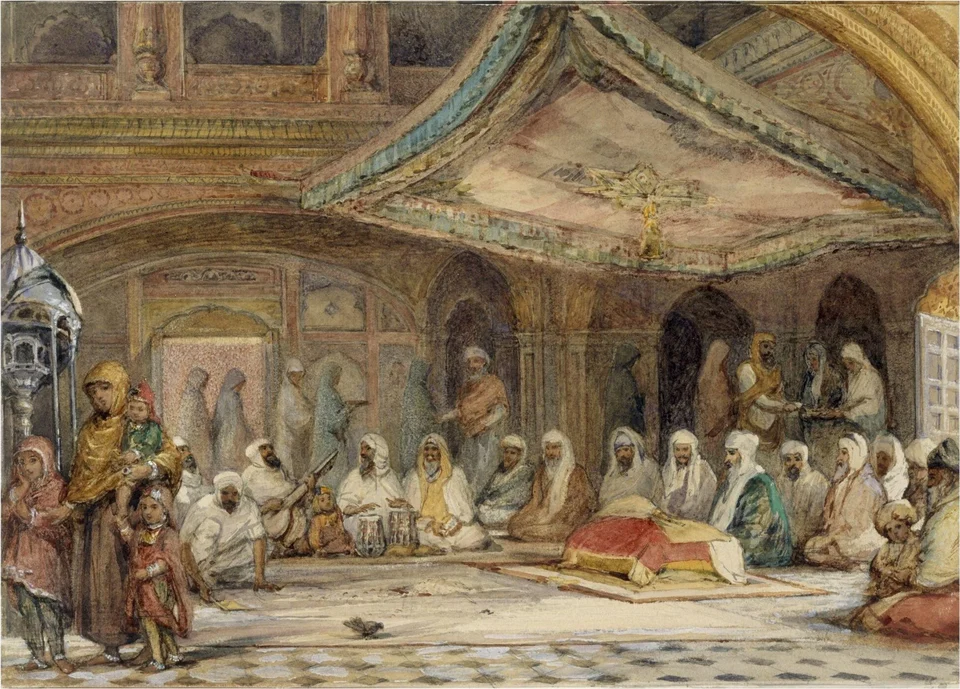
The Guru Granth Sahib is arranged by raga, not by author: the scripture was meant to be sung.
▶ Watch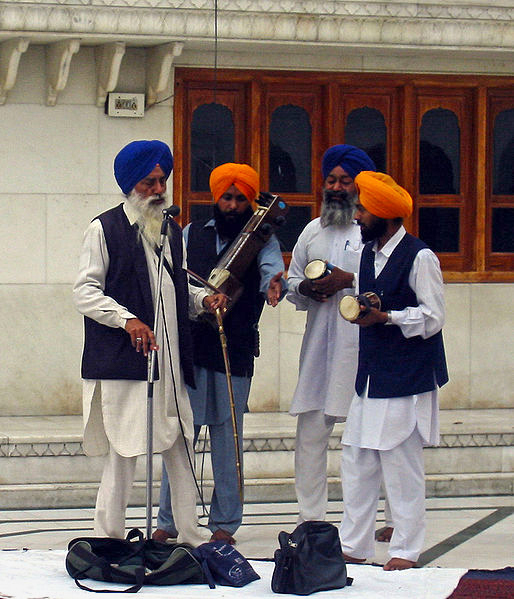
The heroic ballad of the Sikhs, sung to the small dhad drum and sarangi in front of the Akal Takht.
▶ Watch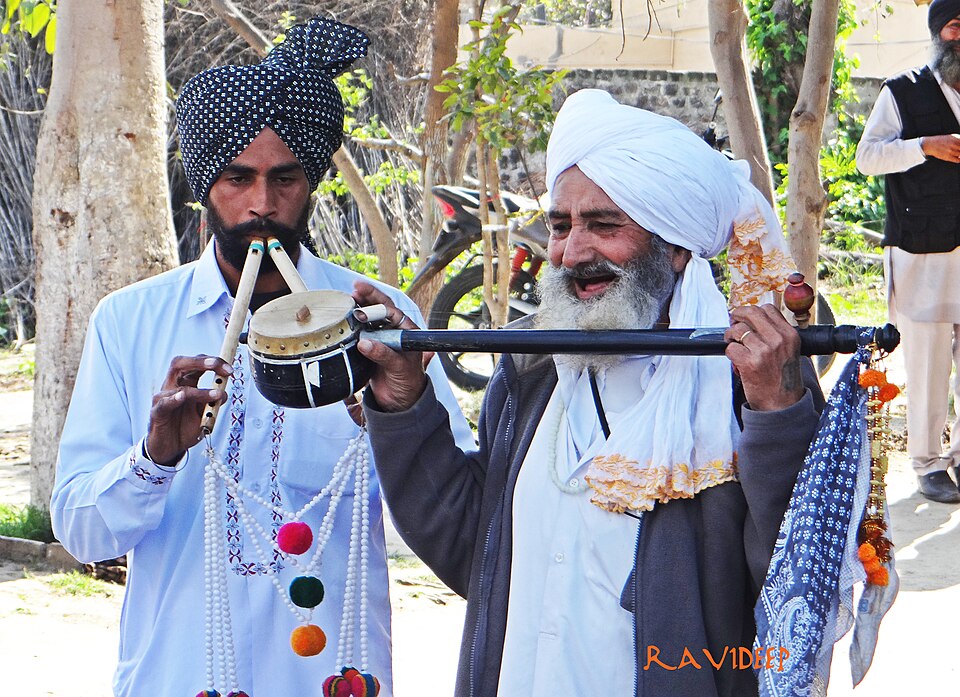
Unaccompanied verse sung at speed by two or three voices, the Malwa cousin of the dhadi ballad.
▶ Watch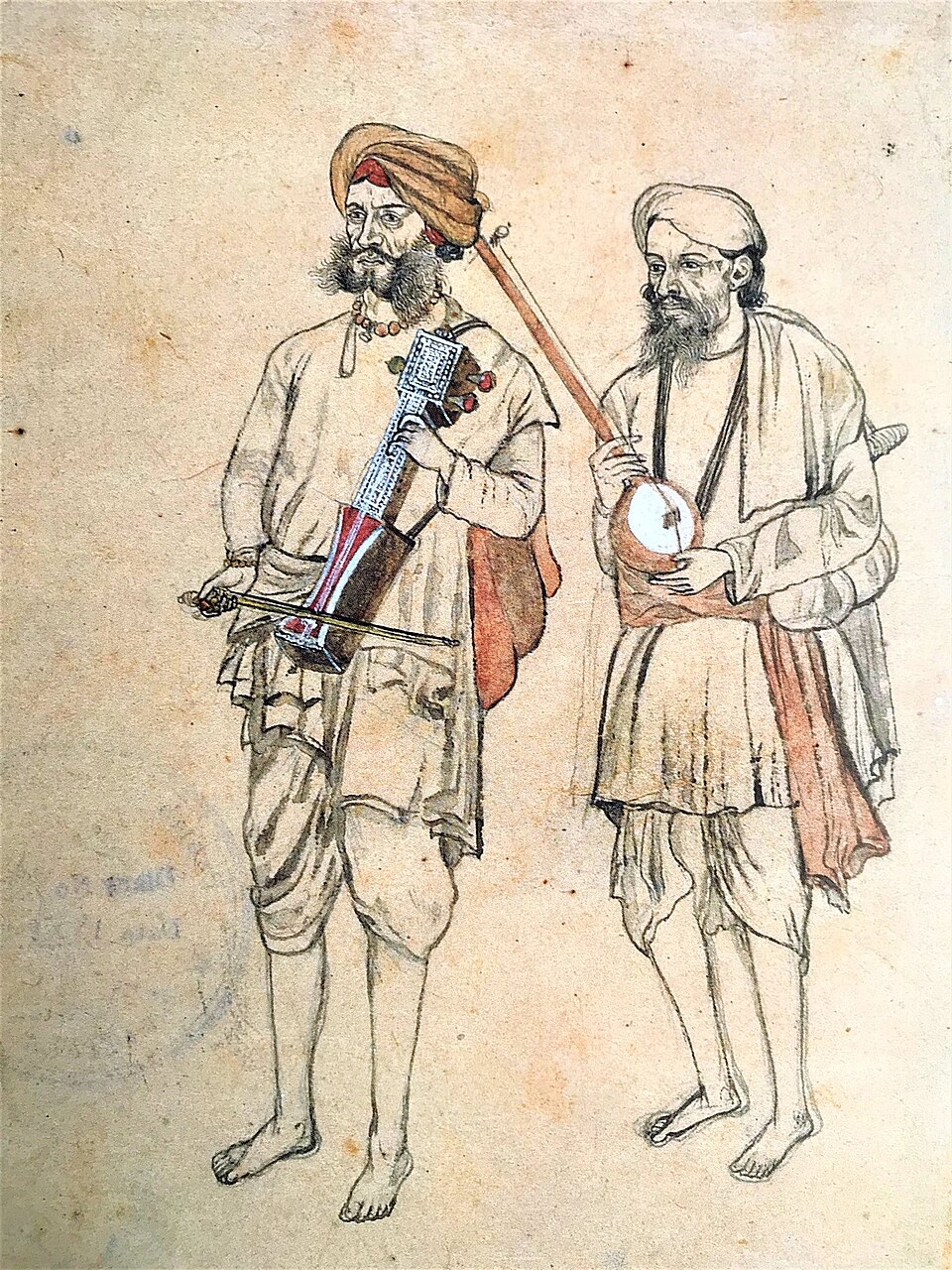
Three-line verses of love and longing, sung in duet between lovers or friends.
▶ Watch
The firefly-spirit who wanders the land in song, reporting what she sees.
▶ Watch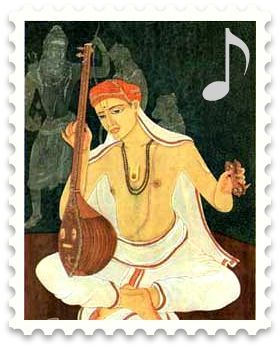
The Sufi song of the Punjab, created by Shah Hussain and perfected by Bulleh Shah.
▶ Watch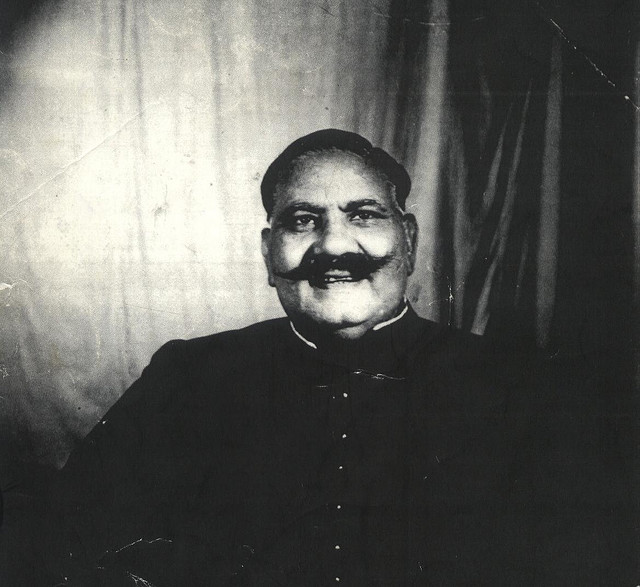
The school of classical singing born at the court of the Maharajas of Patiala, famous for its daring, fast and ornate style.
▶ Watch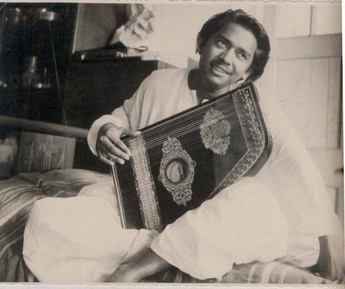
The singing family of Sham Chaurasi near Hoshiarpur, whose greatest masters, Salamat Ali and Nazakat Ali Khan, moved to Pakistan in 1947.
▶ Watch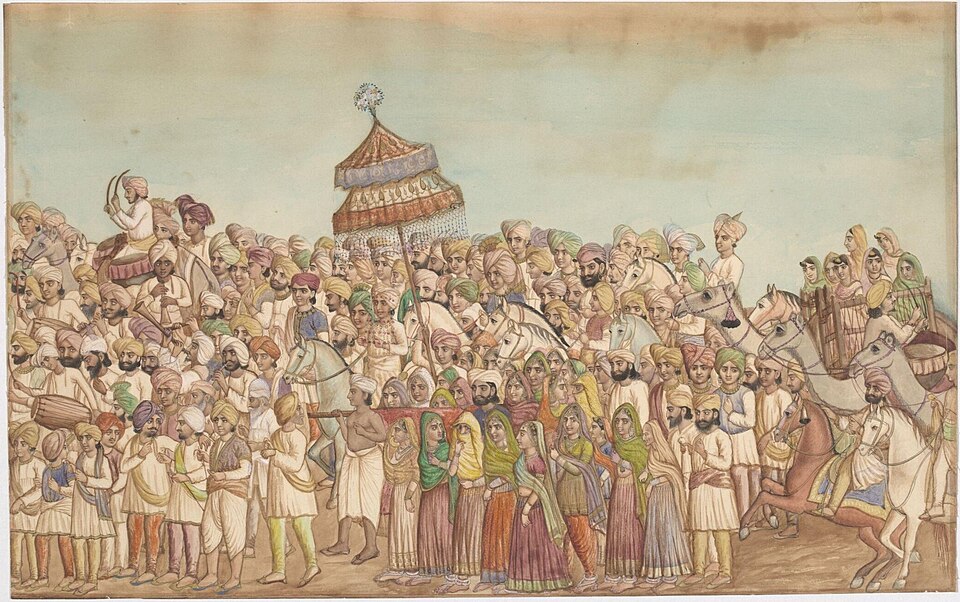
The songs women sing through a Punjabi wedding: ghoriyan for the groom, suhag for the bride leaving home, and sithniyan to tease the other side.
▶ Watch
The loriyan sung to babies and the rhymes of the courtyard, the first poetry every Punjabi child hears.
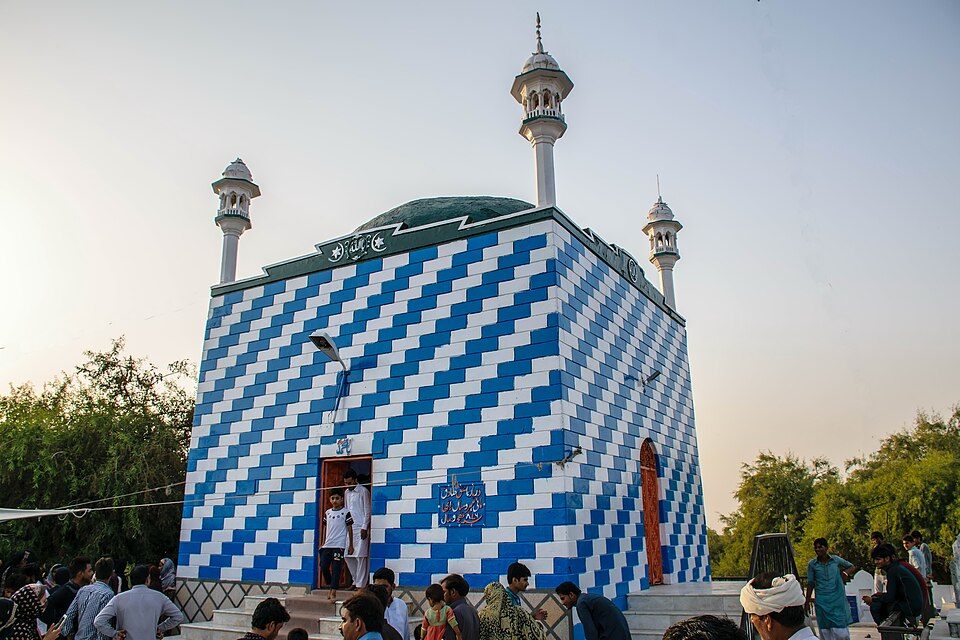
The laments women sing for the dead, and the ritual mourning in which they beat their breasts in a circle.