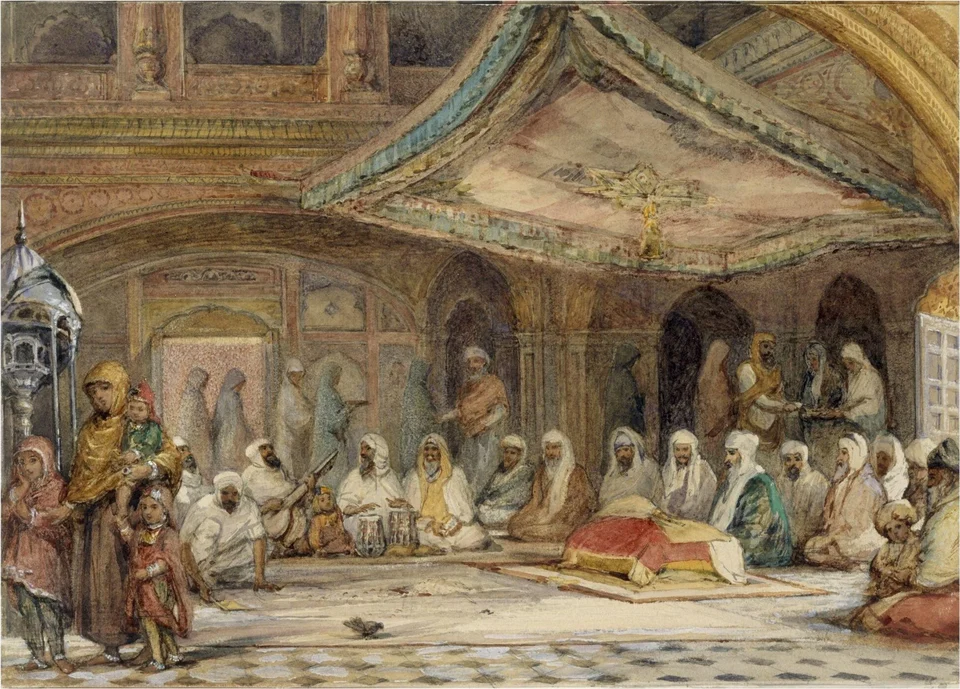
Gurmat Sangeet: kirtan in the ragas
The Guru Granth Sahib is arranged by raga, not by author: the scripture was meant to be sung.
When Guru Nanak travelled, he travelled with a Muslim musician, Bhai Mardana, who played the rabab while the Guru sang. From that beginning the Sikh scripture took its shape: the Guru Granth Sahib is divided not by author or theme but into thirty-one ragas, the melodic modes of Indian music, each with its season, time of day and mood. Siri raga opens the book; the sombre Sorath, the morning Asa, the rain-raga Malhar and the wedding Suhi follow.
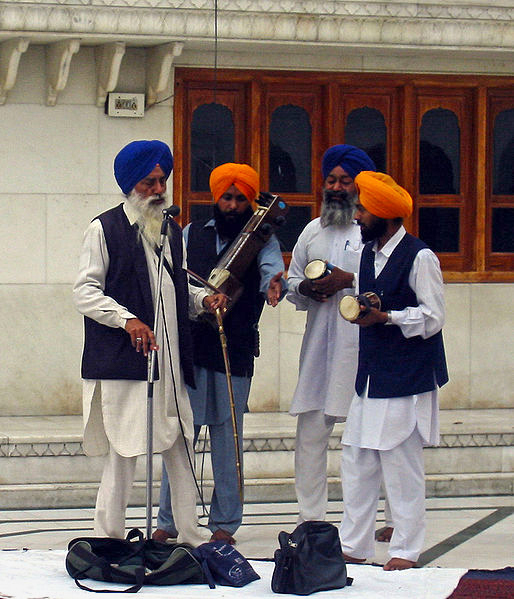
In the Gurus' time the professional rababis, descendants of Mardana, and the singers Satta and Balvand sang in the Gurus' court, and the Gurus themselves trained the sangat to sing. The tradition of kirtan, sung praise, became the centre of Sikh worship: at Harmandir Sahib it has been sung almost without a break, from before dawn to late at night, for four hundred years, accompanied by stringed instruments such as the rabab, saranda, taus and dilruba, and by the jori, a pair of drums.
In the twentieth century the harmonium largely replaced the old strings and the strict ragas gave way to lighter tunes. Since the 1990s a revival led by musicians at Punjabi University, the Anandpur Sahib Raag Darbar and teachers such as Bhai Avtar Singh and Bhai Gurcharan Singh has brought the classical ragas and the tanti saaz, the string instruments, back into the gurdwara.
More music forms
The heroic ballad of the Sikhs, sung to the small dhad drum and sarangi in front of the Akal Takht.
▶ Watch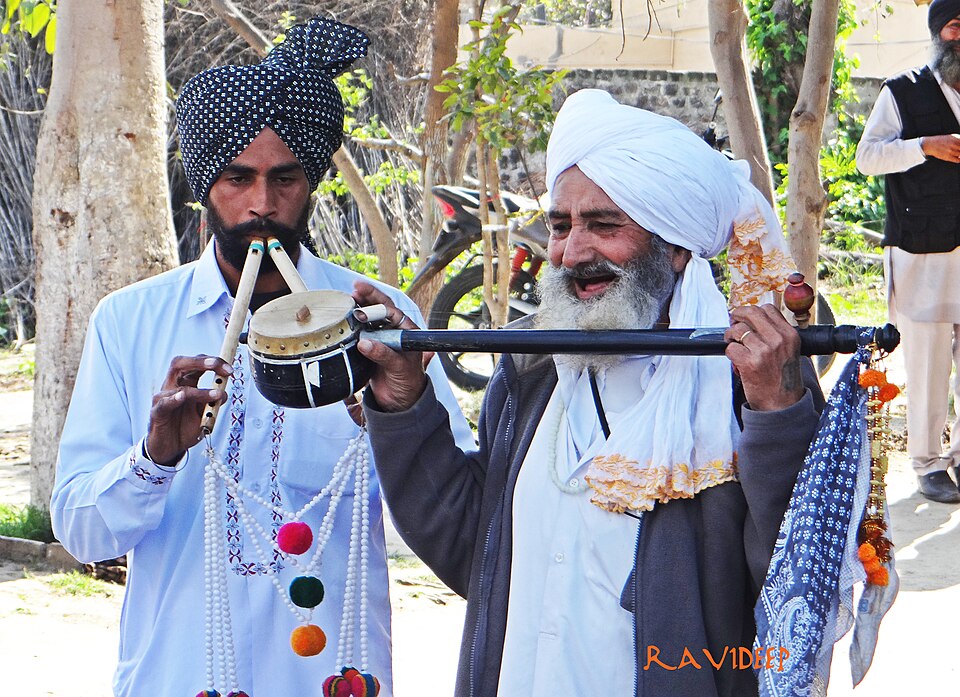
Unaccompanied verse sung at speed by two or three voices, the Malwa cousin of the dhadi ballad.
▶ Watch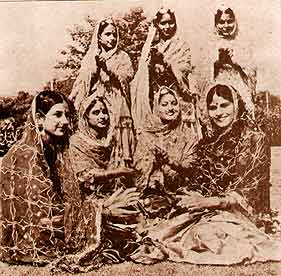
The short, witty couplets that fly back and forth during giddha and bhangra.
▶ Watch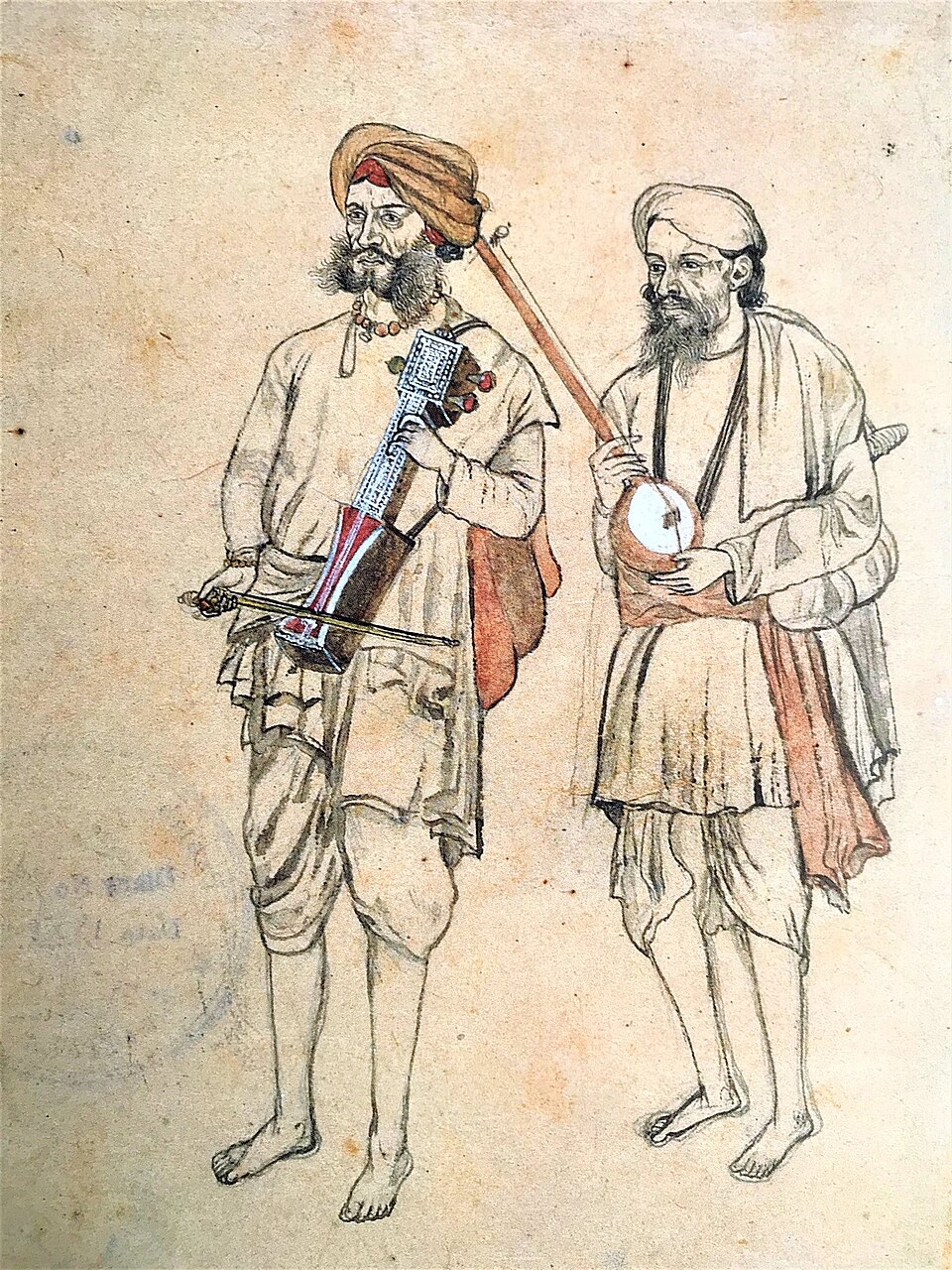
Three-line verses of love and longing, sung in duet between lovers or friends.
▶ Watch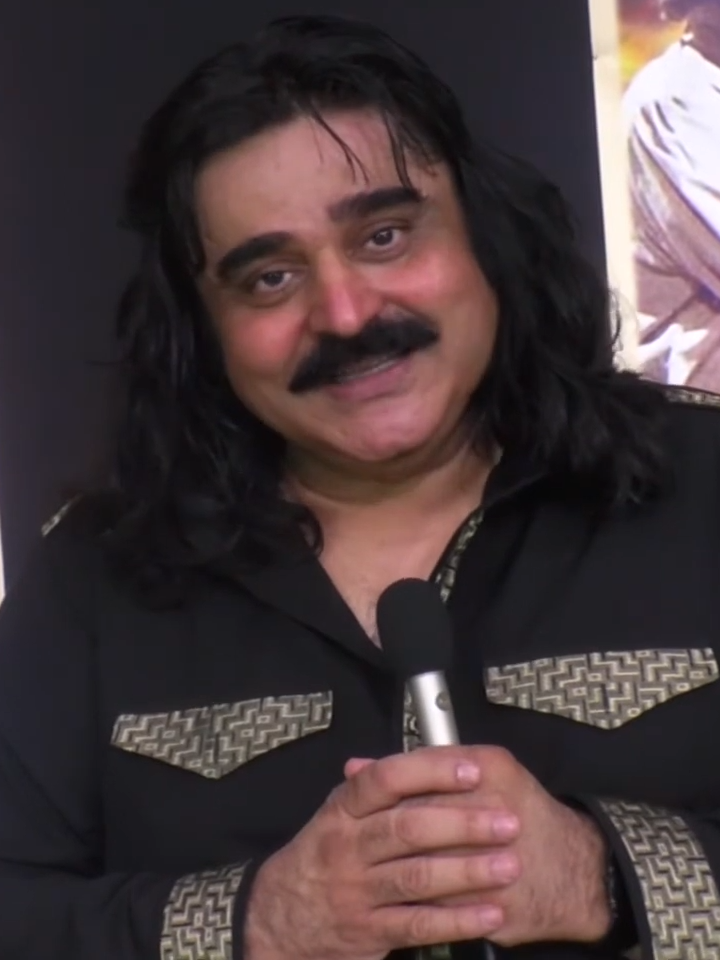
The firefly-spirit who wanders the land in song, reporting what she sees.
▶ Watch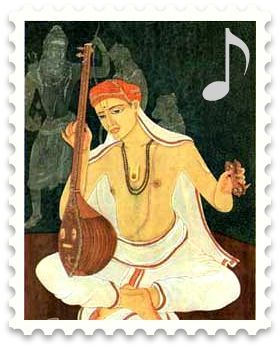
The Sufi song of the Punjab, created by Shah Hussain and perfected by Bulleh Shah.
▶ Watch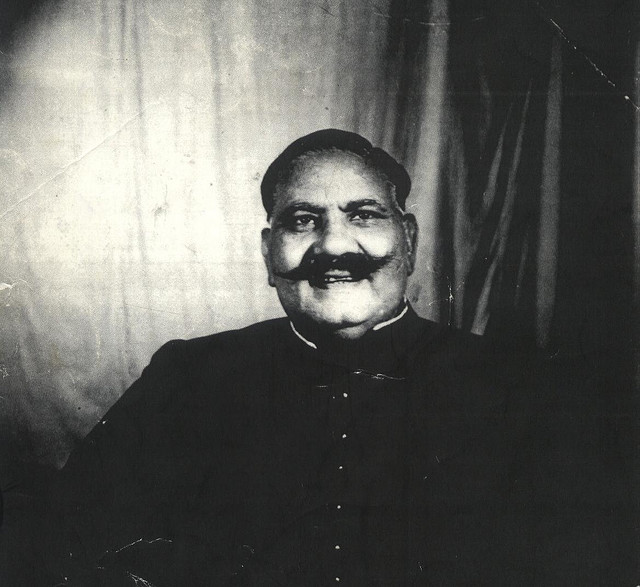
The school of classical singing born at the court of the Maharajas of Patiala, famous for its daring, fast and ornate style.
▶ Watch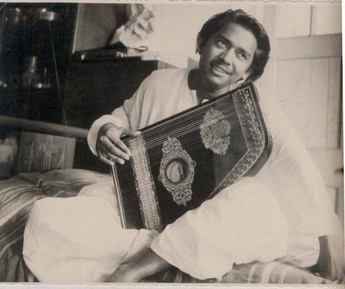
The singing family of Sham Chaurasi near Hoshiarpur, whose greatest masters, Salamat Ali and Nazakat Ali Khan, moved to Pakistan in 1947.
▶ Watch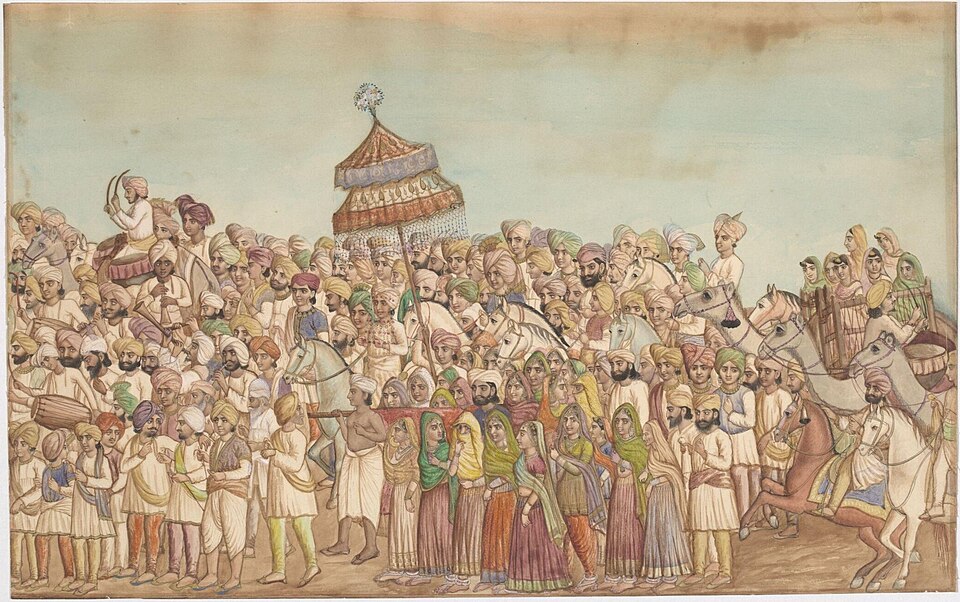
The songs women sing through a Punjabi wedding: ghoriyan for the groom, suhag for the bride leaving home, and sithniyan to tease the other side.
▶ Watch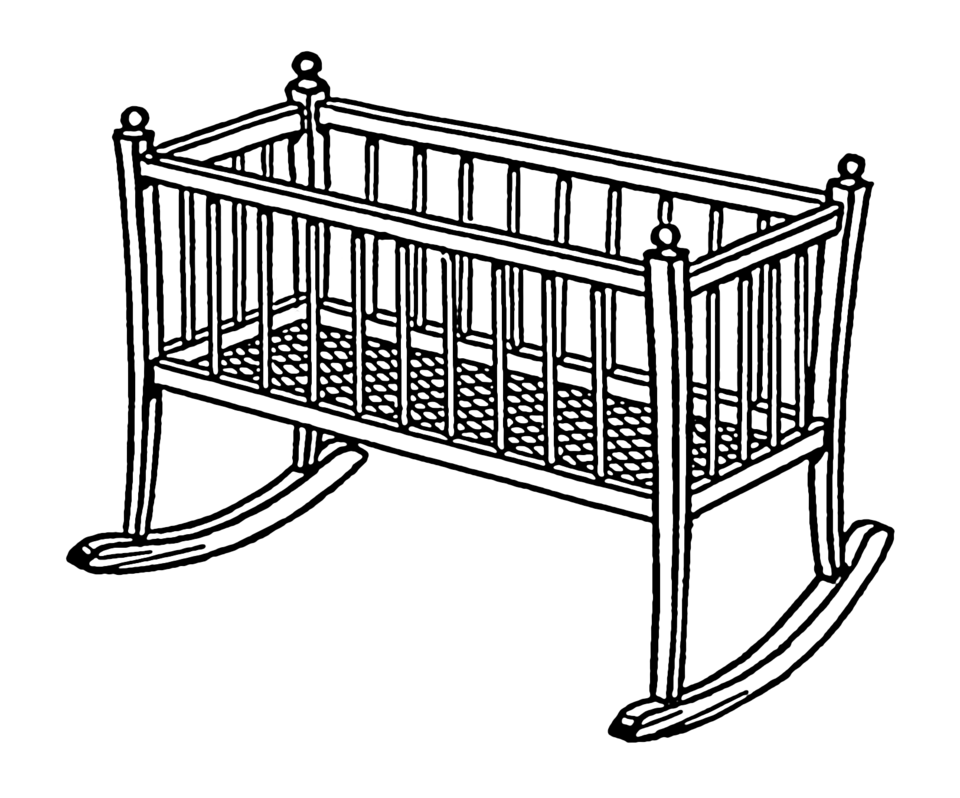
The loriyan sung to babies and the rhymes of the courtyard, the first poetry every Punjabi child hears.
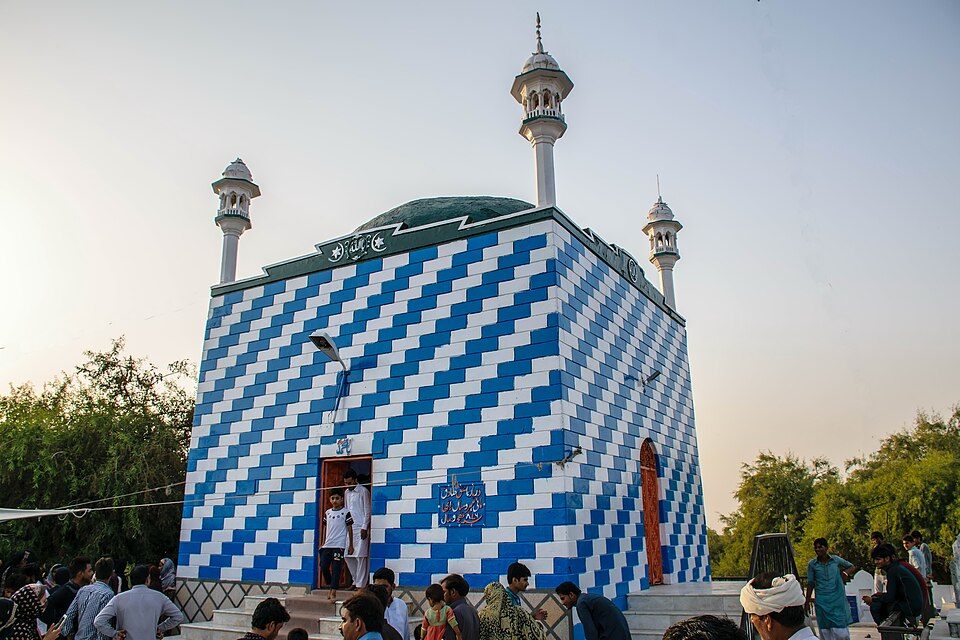
The laments women sing for the dead, and the ritual mourning in which they beat their breasts in a circle.
In the world's museums
39 objects → Raga Hindola,1780 CE, Guler School of Art, Museum of Kangra Art, DharamshalaMuseum of Kangra Art, Dharamshala · photo SpeakingArch (Wikimedia Commons) · CC BY-SA ↗
 Ragini Vasanti of Raga Hindola, circa 1785-90, Kangra School of Art, National MuseumNational Museum, New Delhi · photo SpeakingArch (Wikimedia Commons) · CC BY-SA ↗
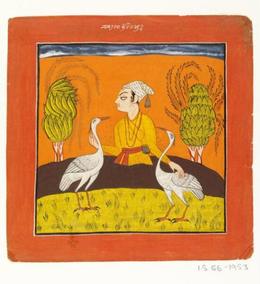 Lalita Ragaca. 1700 - ca. 1710 · Basohli© Victoria and Albert Museum, London ↗
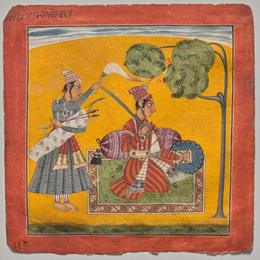 Dipak Raga, One of the Thirty-Six Melodies (Ragamala): Personifying Lovec. 1690 · Northern India, Himachal Pradesh, Pahari kingdom of BasohliCleveland Museum of Art ↗
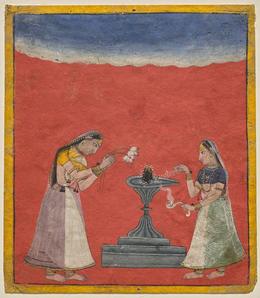 Women worshiping a Shiva linga: Devagandhari Ragini of Hindol Raga, from a Ragamalac. 1700 · Northern India, Pahari kingdomsCleveland Museum of Art ↗
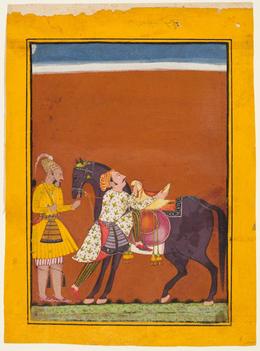 Sindhu (Saindhava) Ragaputra of Shri Raga, from a Ragamalac. 1680–90 · Northern India, Pahari kingdomsCleveland Museum of Art ↗
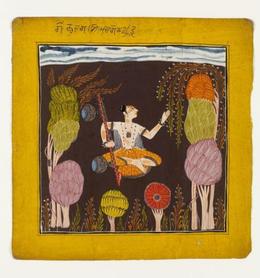 Goda Ragaca. 1700 - ca. 1710 · Kulu© Victoria and Albert Museum, London ↗
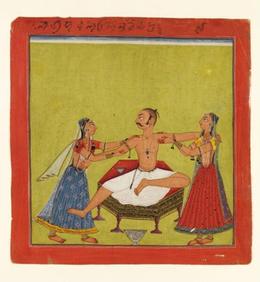 Alhaiya Ragaca. 1710 - ca. 1720 · Mankot© Victoria and Albert Museum, London ↗
 Alhaiya Vilaval, son of Bhairava raga, Ragamala, cV&A, London · photo Wikimedia Commons (Wikimedia Commons) ↗
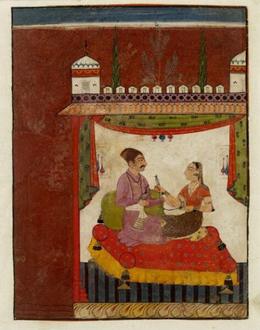 Kasta Ragaca. 1690 - ca. 1700 · Bilaspur© Victoria and Albert Museum, London ↗
 India, Pahari Hills, Bilaspur School, Mughal - Kamod Raga of the "Dipak Raga" FamilyWikimedia Commons ↗
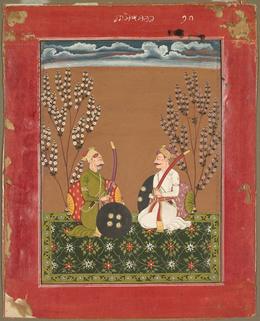 India, Pahari Hills, Bilaspur school, 18th century - Raga SuramanandaWikimedia Commons ↗
 Shri Raga, early 18th century CE, Bilaspur School of Pahari Kalam Himachal State MuseumWikimedia Commons · SpeakingArch · CC BY-SA ↗
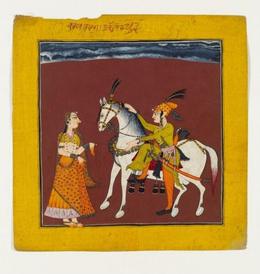 Varadhana Ragaca. 1700 - ca. 1710 · Kulu© Victoria and Albert Museum, London ↗
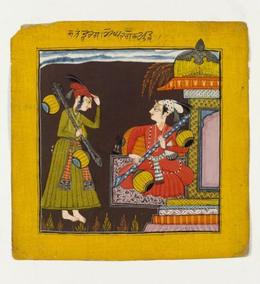 Kanada Ragaca. 1700 - ca. 1710 · Kulu,© Victoria and Albert Museum, London ↗
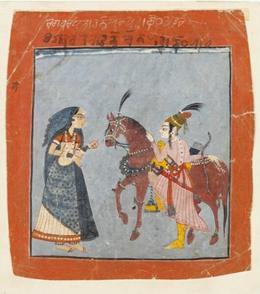 Varadhana Ragaca. 1700 - ca. 1720 · Kulu© Victoria and Albert Museum, London ↗
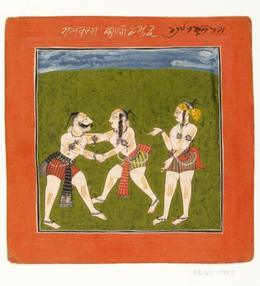 Malava Ragaca. 1700 - ca. 1710 · Kulu© Victoria and Albert Museum, London ↗
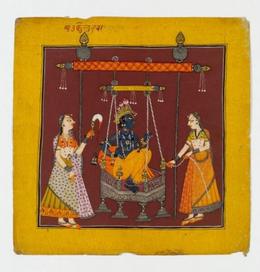 Hindola Ragaca. 1700 - ca. 1710 · Kulu© Victoria and Albert Museum, London ↗