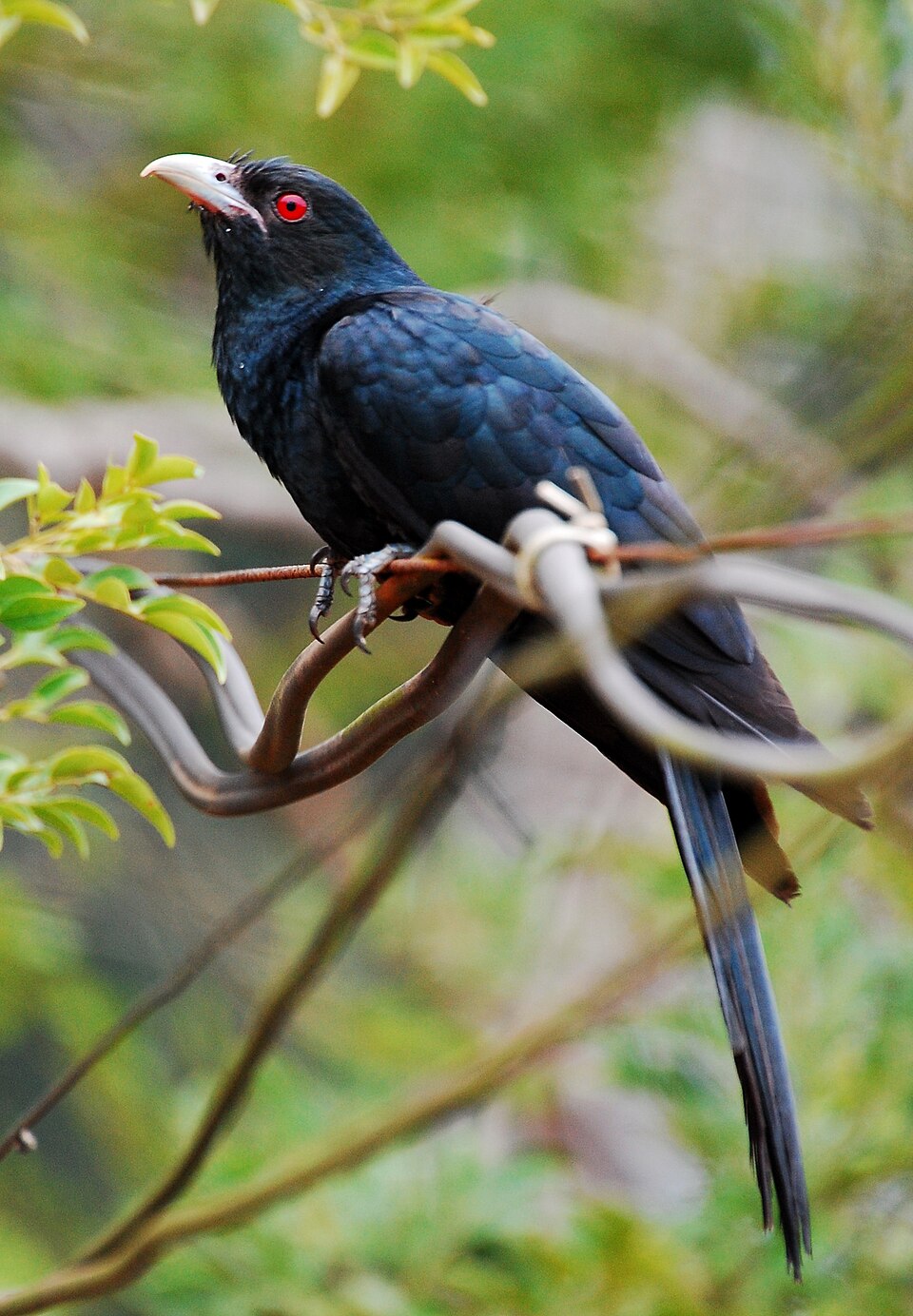
Koel, papiha and peacock: birds of longing
The cuckoo's call, the papiha crying ‘pee kahan’ and the dancing peacock all mean one thing in Punjabi song: the rains have come and the beloved is far away.
In Sawan, the monsoon month of swings and the Teeyan festival, the songs fill with birds. The koel's call is the voice of a heart in love; the papiha, the pied cuckoo, is said to cry ‘pee kahan’, where is my love?, and to drink only raindrops; the peacock dances when the clouds gather.
Each one reminds the singer that someone is missing, a husband in the army, a lover across the river, a brother who has not come to take his married sister home for the season.
More signs, symbols and omens
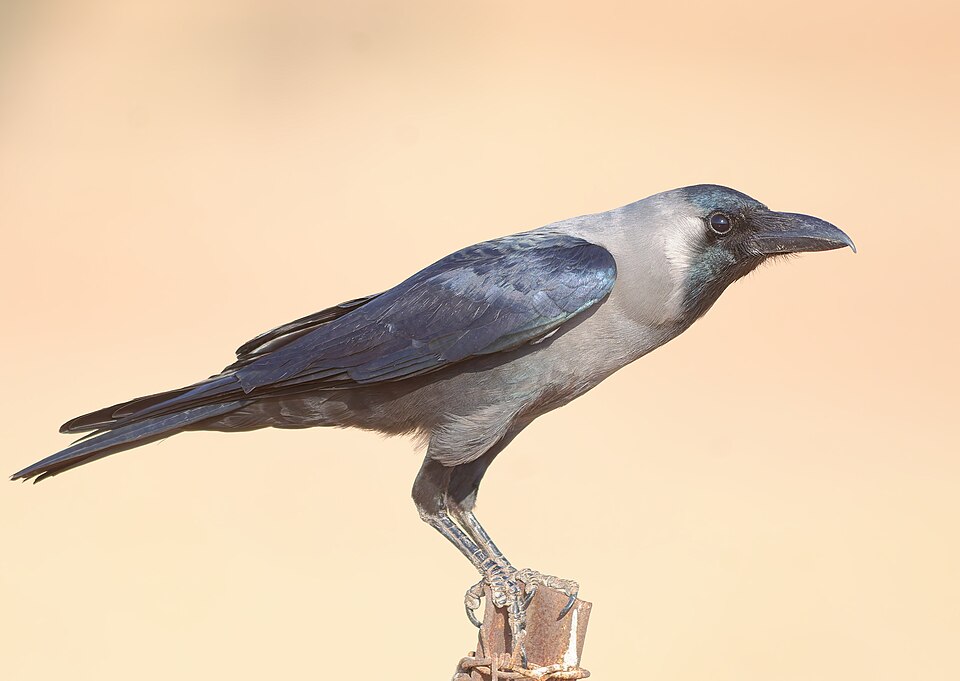
A crow cawing on the banera, the roof's edge, means someone is coming: so women in Punjabi songs ask the crow for news of the one they wait for.
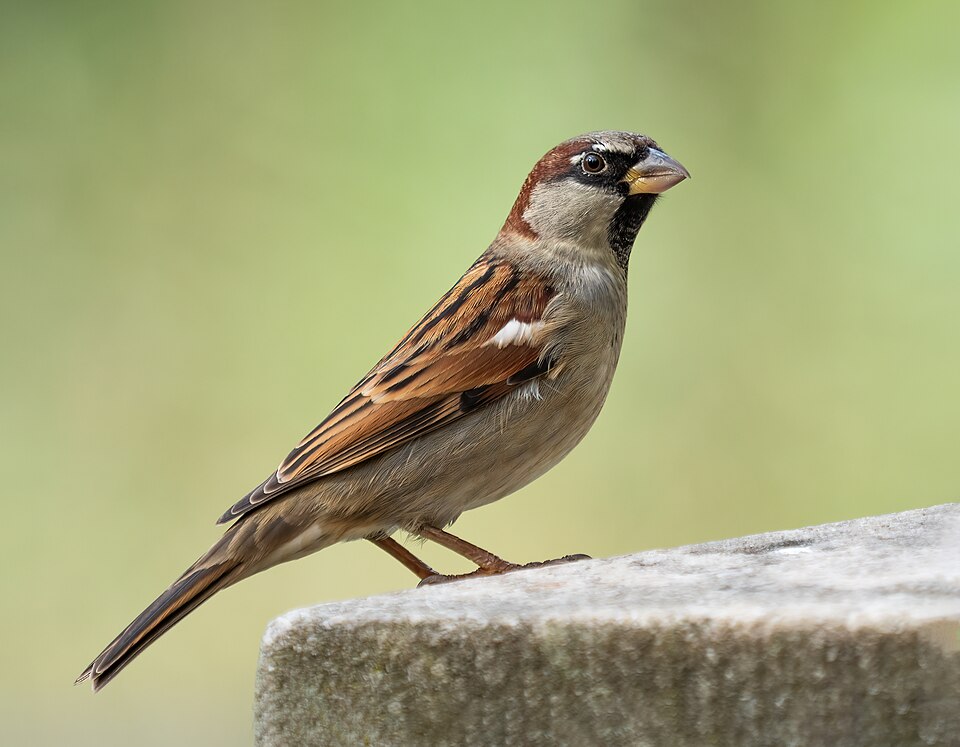
‘Ours is a flock of sparrows, father’: the bride's farewell song pictures daughters as birds who must one day fly from the nest.
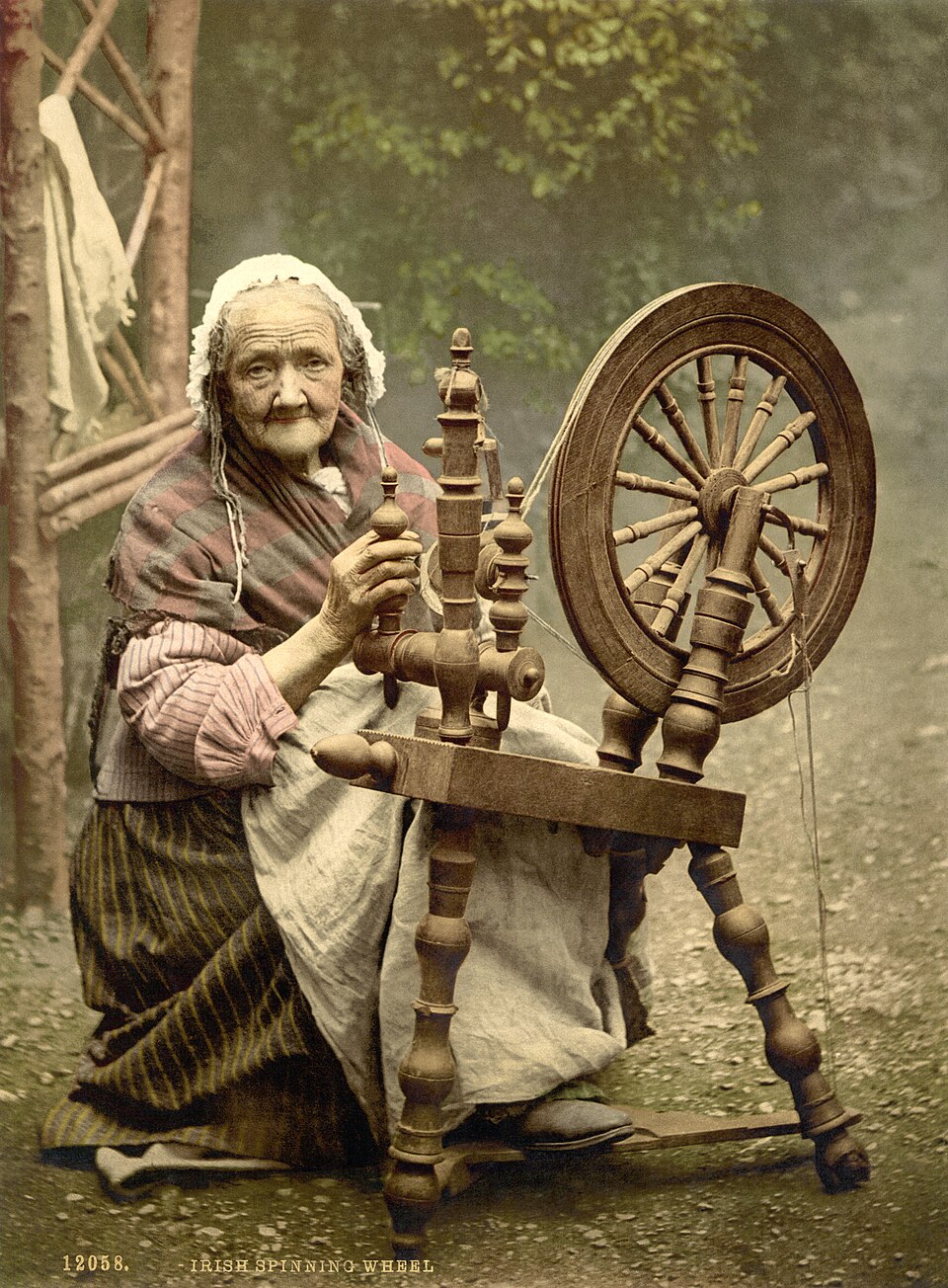
Girls spinning together in the trinjan made the charkha the Punjab's great image of youth, gossip, love and the passing of life.
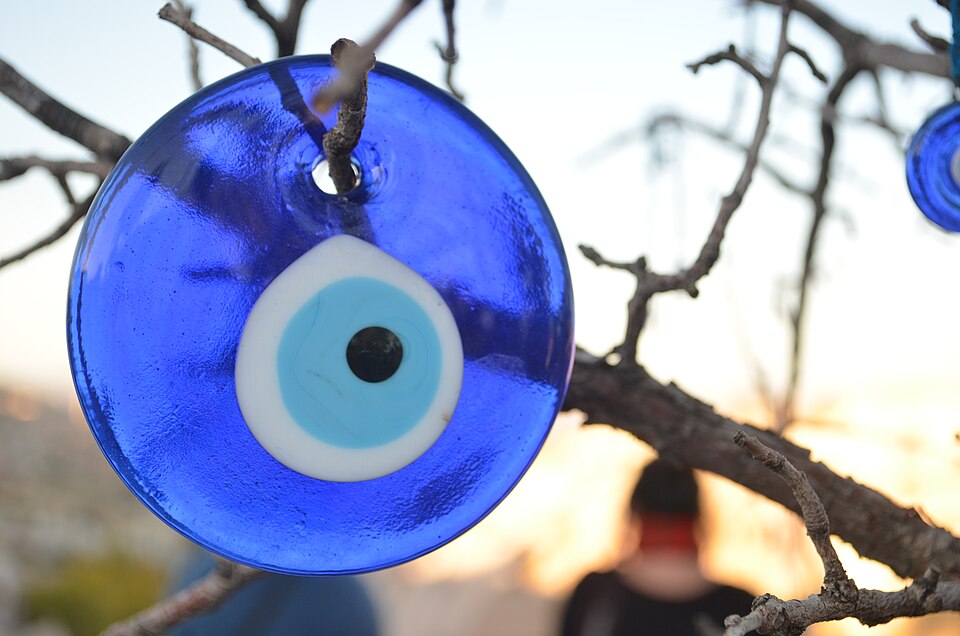
Praise too much and you may cast nazar: hence the black spot on a baby's cheek, the black thread, and lemons and chillies over the shop door.
Sneeze as you leave and you should sit down again; an itchy palm means money; hiccups mean someone is remembering you.