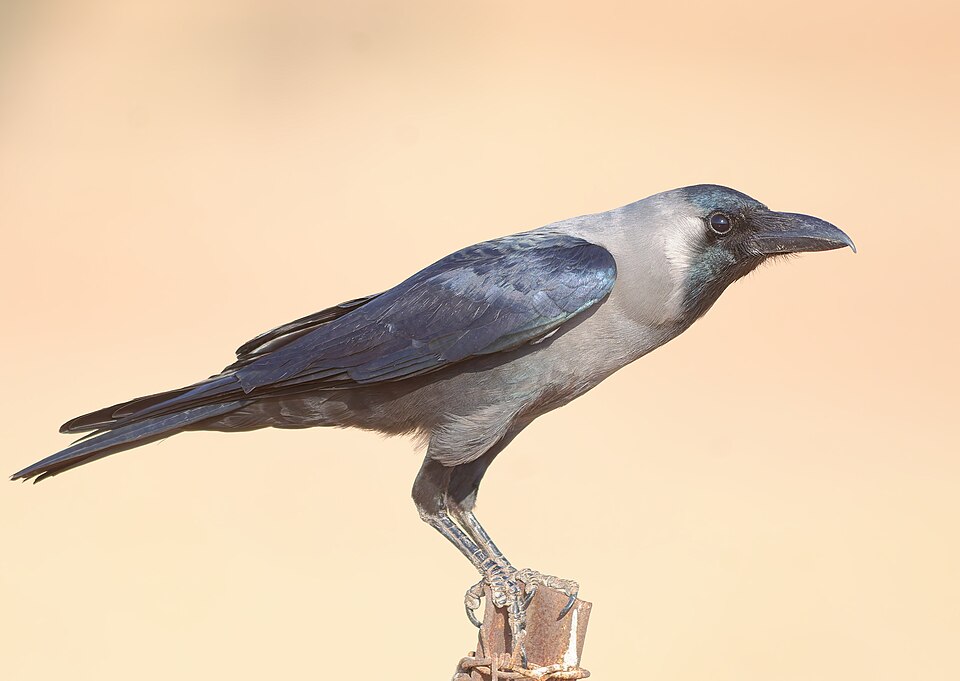
The crow on the roof
A crow cawing on the banera, the roof's edge, means someone is coming: so women in Punjabi songs ask the crow for news of the one they wait for.
Across the Punjab, a crow cawing on the banera, the low wall round a flat roof, is a sign that a guest is on the way. In folk songs the waiting woman turns this into a question: she asks the crow whether her beloved, her husband away in the army or abroad, or her brother coming to fetch her home, is the one on the road, and promises it sweets, or a beak of gold, if the news is true. The crow became the messenger of longing, in Punjabi boliyan and in the thumris and dadras of Hindustani music alike.
The oldest form of the image is a couplet of Baba Farid in the Guru Granth Sahib, sung by qawwals and classical singers ever since: ‘ਕਾਗਾ ਕਰੰਗ ਢੰਢੋਲਿਆ ਸਗਲਾ ਖਾਇਆ ਮਾਸੁ ॥ ਏ ਦੁਇ ਨੈਨਾ ਮਤਿ ਛੁਹਉ ਪਿਰ ਦੇਖਨ ਕੀ ਆਸ ॥’ The crow has picked over my skeleton and eaten all the flesh; but do not touch these two eyes, for they still hope to see the Beloved. Among Hindus, crows are also fed during shraadh, as they are thought to carry food to the ancestors.
More signs, symbols and omens
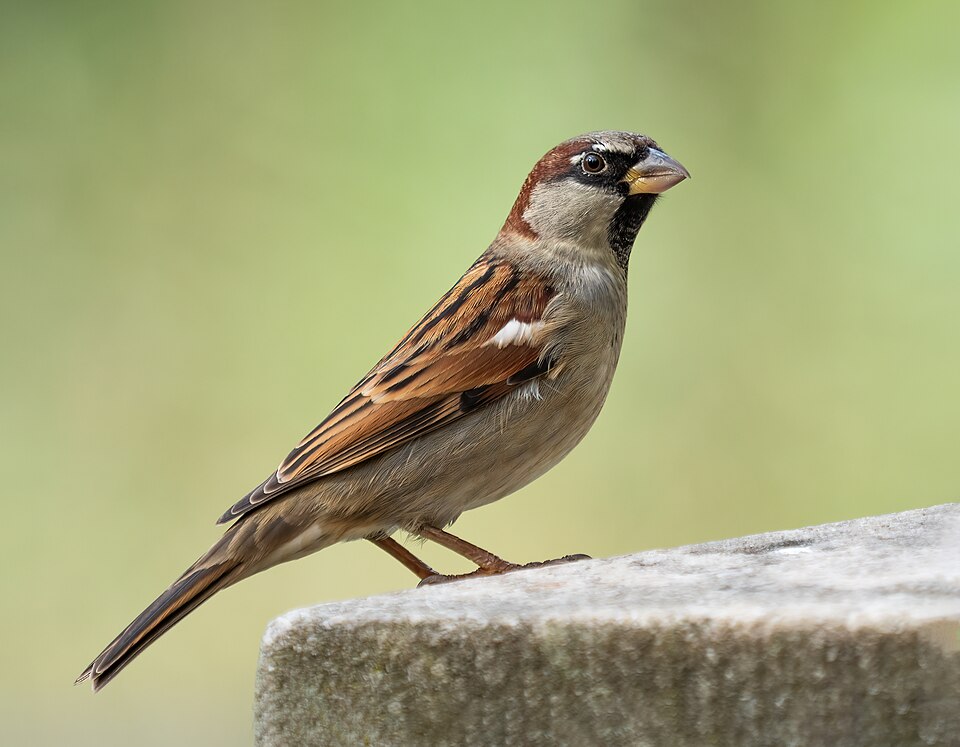
‘Ours is a flock of sparrows, father’: the bride's farewell song pictures daughters as birds who must one day fly from the nest.

Girls spinning together in the trinjan made the charkha the Punjab's great image of youth, gossip, love and the passing of life.
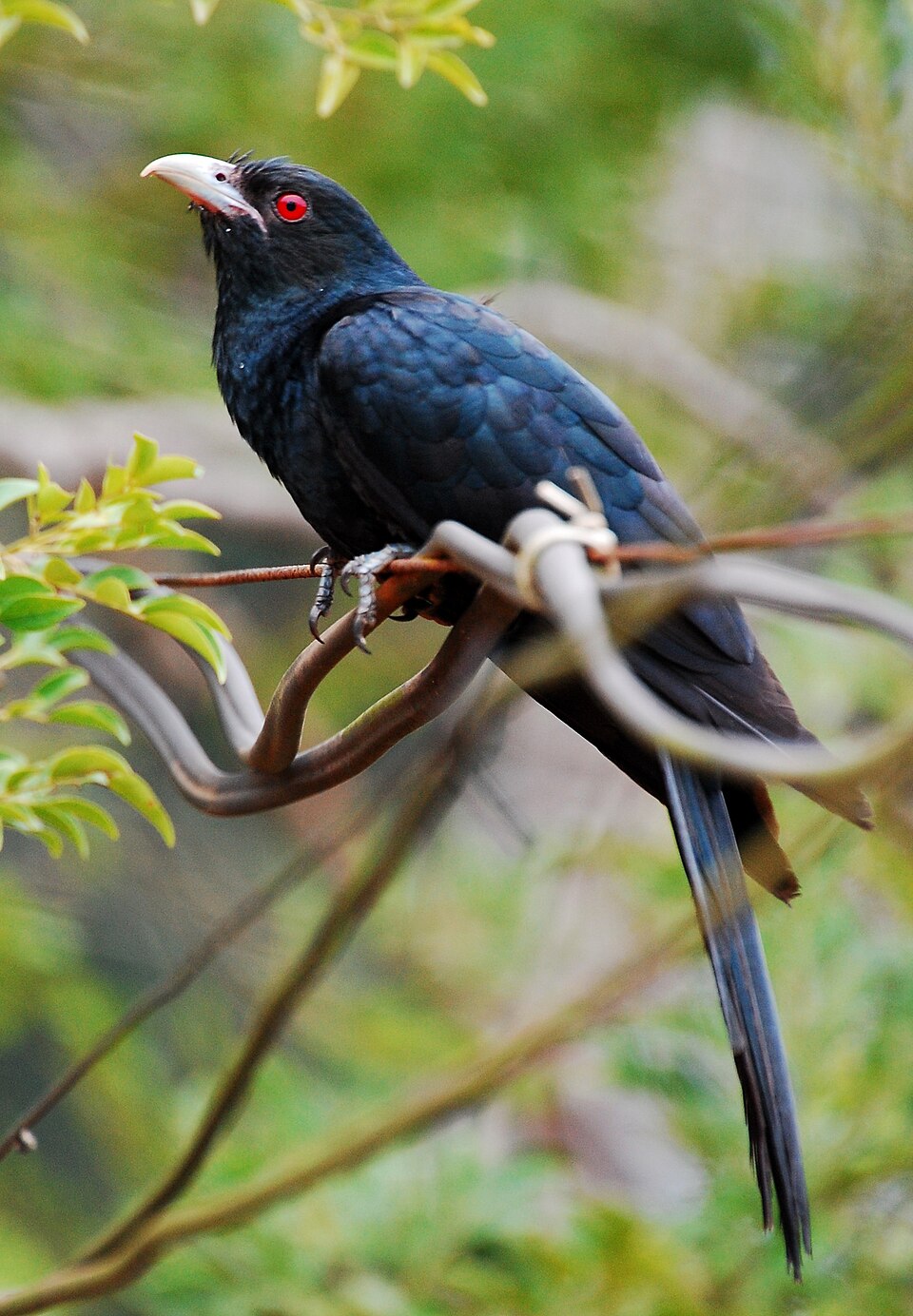
The cuckoo's call, the papiha crying ‘pee kahan’ and the dancing peacock all mean one thing in Punjabi song: the rains have come and the beloved is far away.
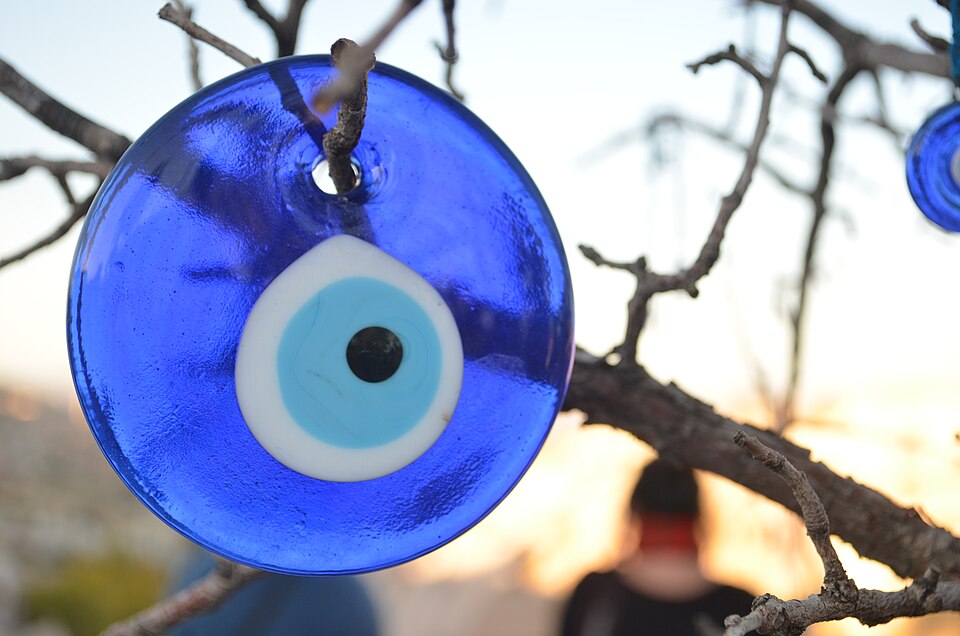
Praise too much and you may cast nazar: hence the black spot on a baby's cheek, the black thread, and lemons and chillies over the shop door.
Sneeze as you leave and you should sit down again; an itchy palm means money; hiccups mean someone is remembering you.