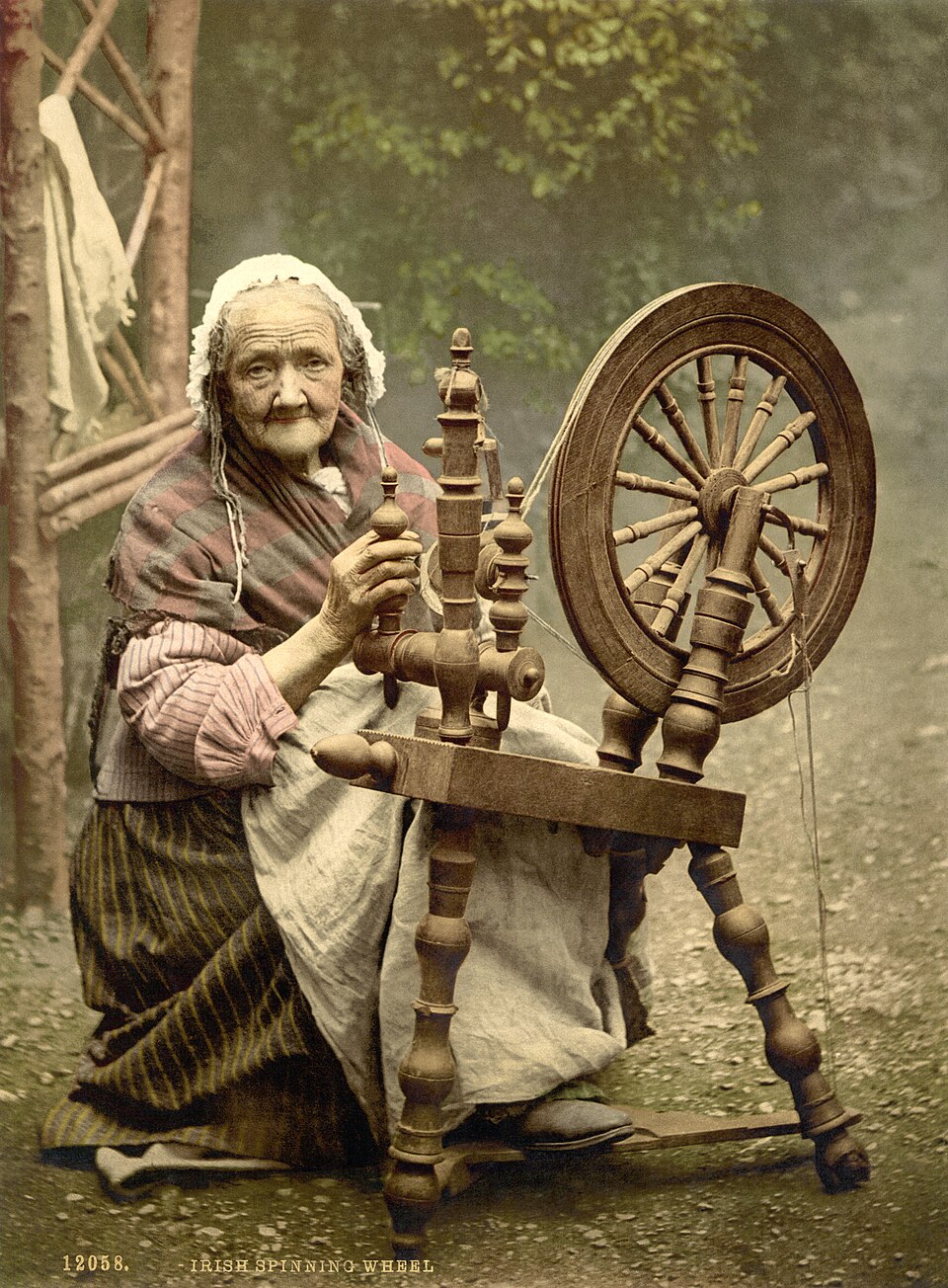
The spinning wheel and the trinjan
Girls spinning together in the trinjan made the charkha the Punjab's great image of youth, gossip, love and the passing of life.
Before mill cloth, the girls of a village gathered through the winter in a trinjan, a spinning circle, to spin cotton for their dowries, singing as they worked. The charkha, the spinning wheel, became the setting of countless folk songs about friends, first love and the marriage that would end the trinjan for each girl in turn.
The Sufi poets took it further. For Shah Hussain and Bulleh Shah, spinning stands for the life the soul must use well before the bride, the soul, is called to her Beloved, and the thread that runs out stands for time.
More signs, symbols and omens
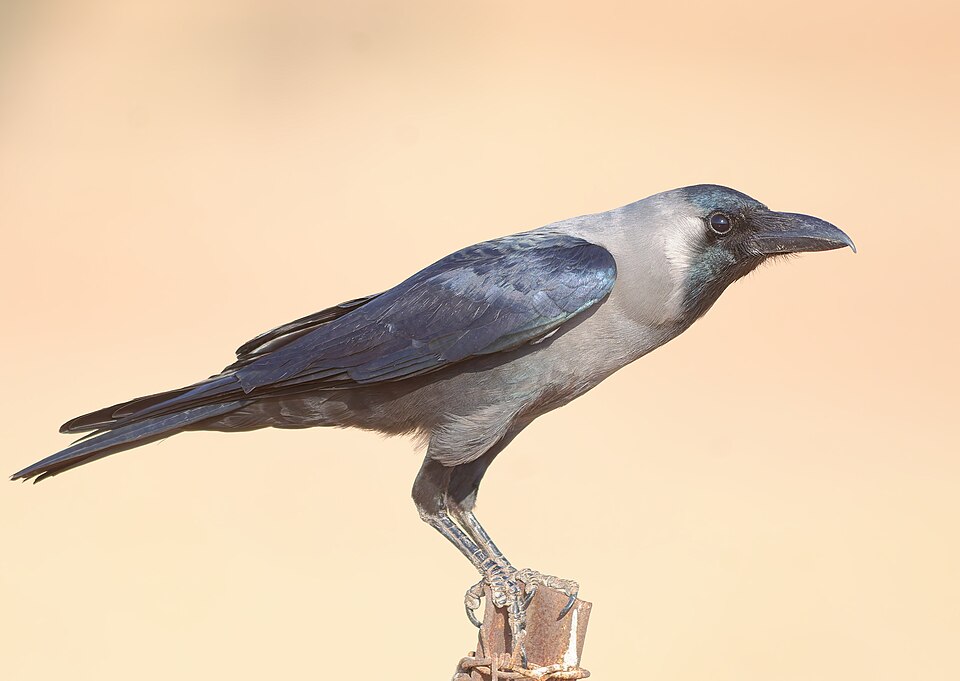
A crow cawing on the banera, the roof's edge, means someone is coming: so women in Punjabi songs ask the crow for news of the one they wait for.
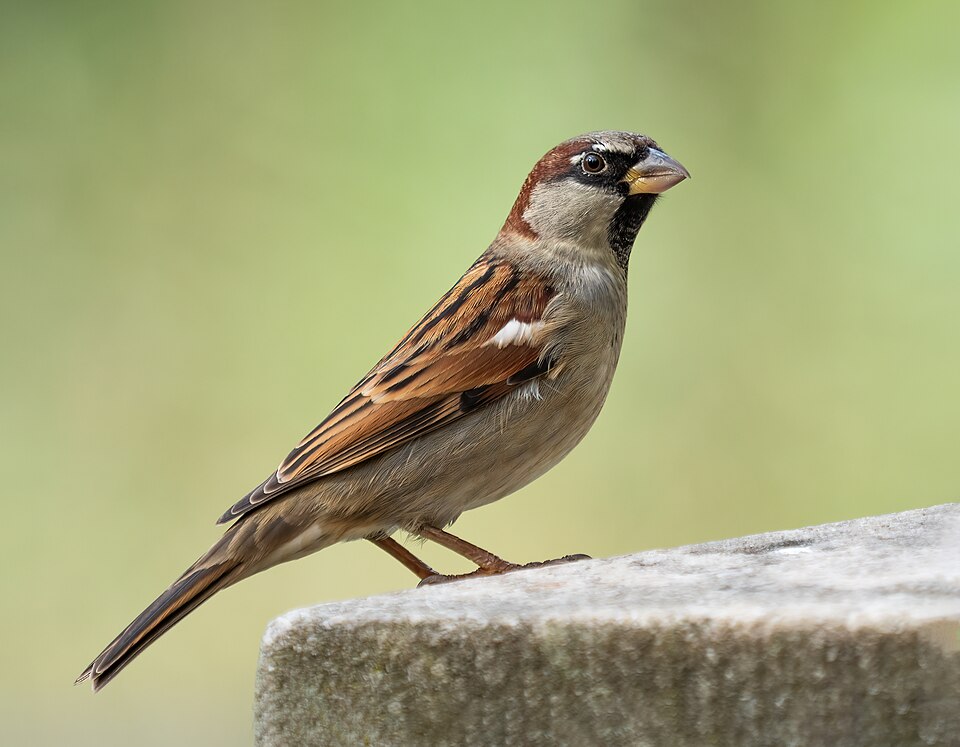
‘Ours is a flock of sparrows, father’: the bride's farewell song pictures daughters as birds who must one day fly from the nest.
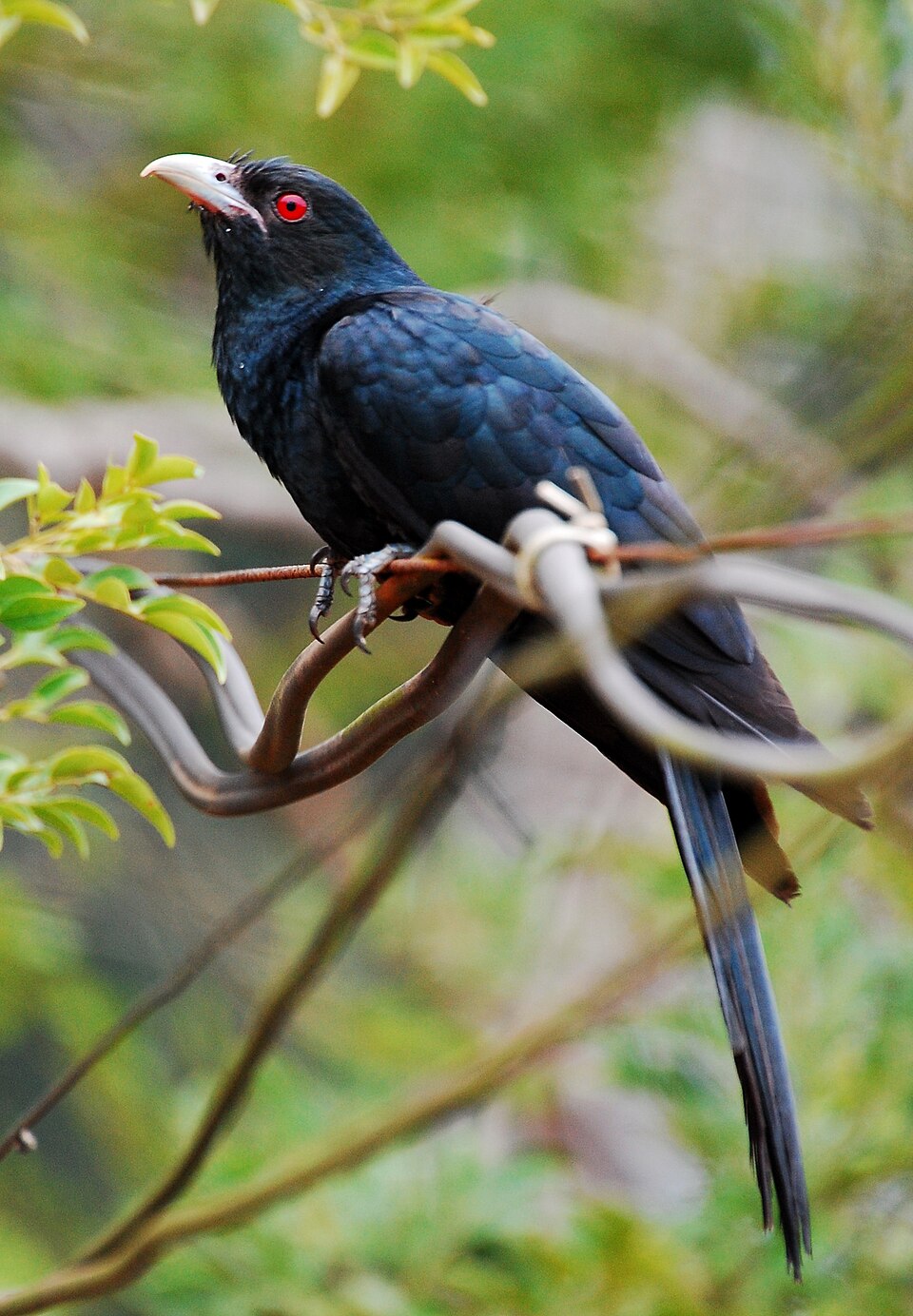
The cuckoo's call, the papiha crying ‘pee kahan’ and the dancing peacock all mean one thing in Punjabi song: the rains have come and the beloved is far away.
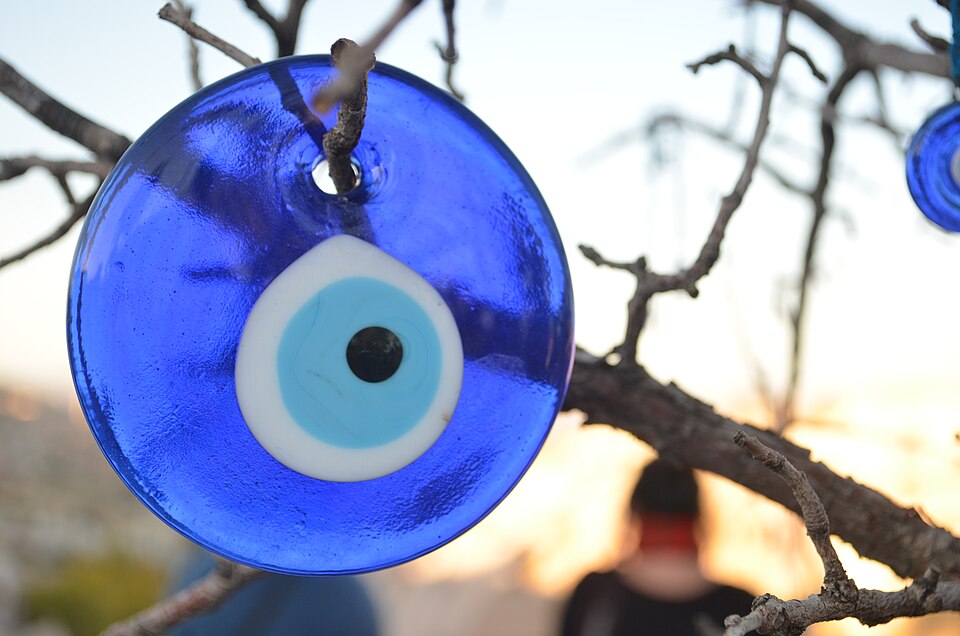
Praise too much and you may cast nazar: hence the black spot on a baby's cheek, the black thread, and lemons and chillies over the shop door.
Sneeze as you leave and you should sit down again; an itchy palm means money; hiccups mean someone is remembering you.