Patiala
Founded by Baba Ala Singh in 1763 and capital of the largest Phulkian princely state until 1948.
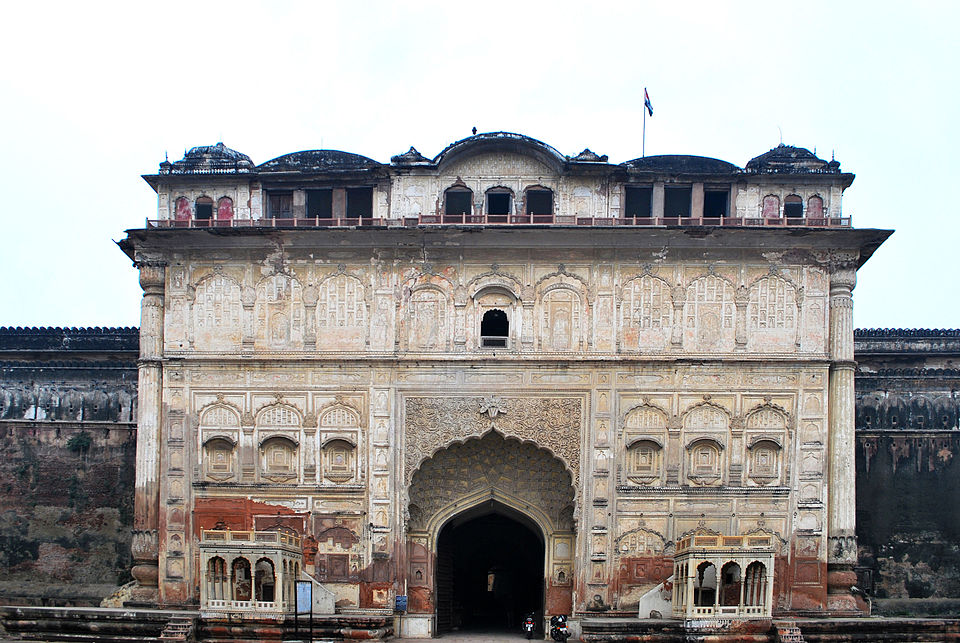
Patiala was founded in 1763 by Baba Ala Singh, who built a mud fort, Qila Mubarak, around which the city grew. It became the capital of the largest of the Phulkian Sikh states.
Under its maharajas, especially Bhupinder Singh, it became famous for extravagance, cricket, polo and music; the Patiala gharana of classical singing, the Patiala salwar, peg and turban are named after it. In 1948 the Phulkian states formed PEPSU with Patiala as capital, until it merged with Punjab in 1956.
The Qila Mubarak complex, the Moti Bagh palace and the Sheesh Mahal survive. Punjabi University is here.
People
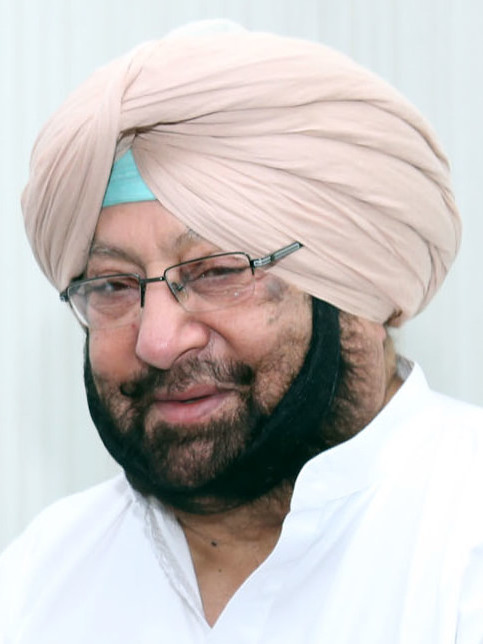
Son of the last Maharaja of Patiala, soldier and twice Chief Minister, who quit Parliament in protest at the army's attack on the Darbar Sahib in 1984.
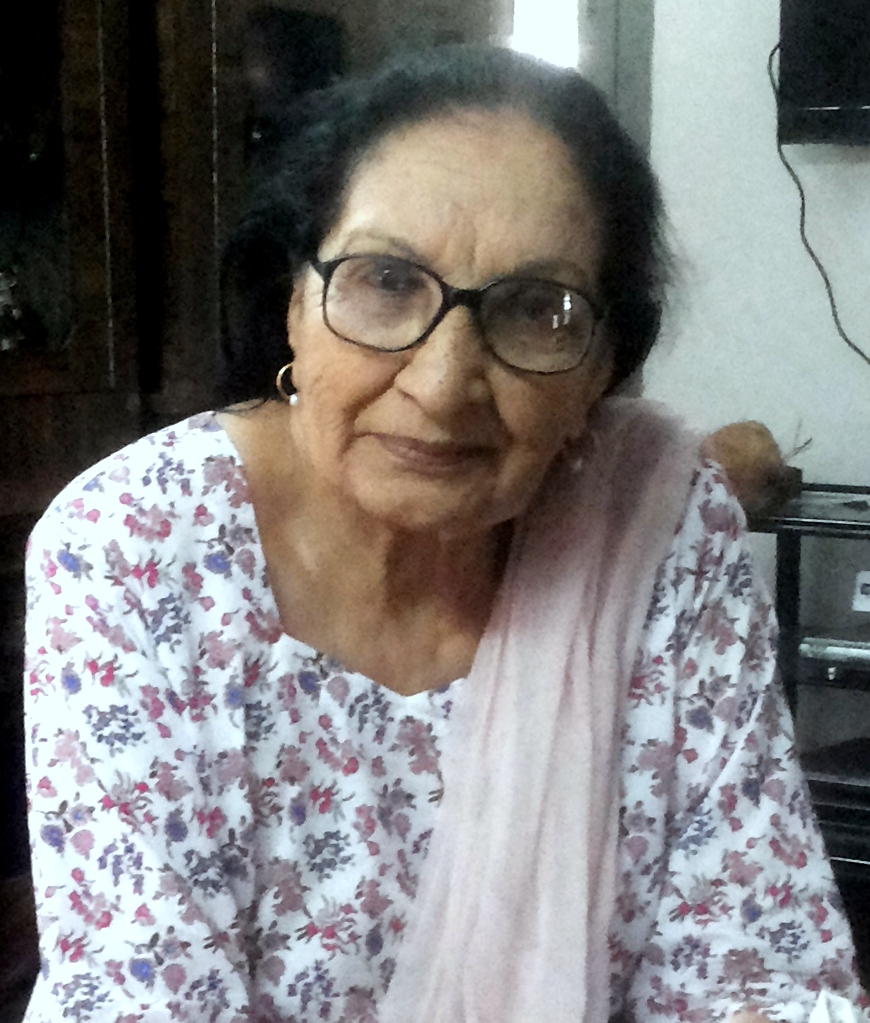
Punjabi novelist whose stories of village women's lives won every major prize, and who returned her Padma Shri in protest in 2015.
Painter from Dhuri whose flat fields of pure colour, flutes, cows and Sufi figures made him one of India's best-loved modern artists.
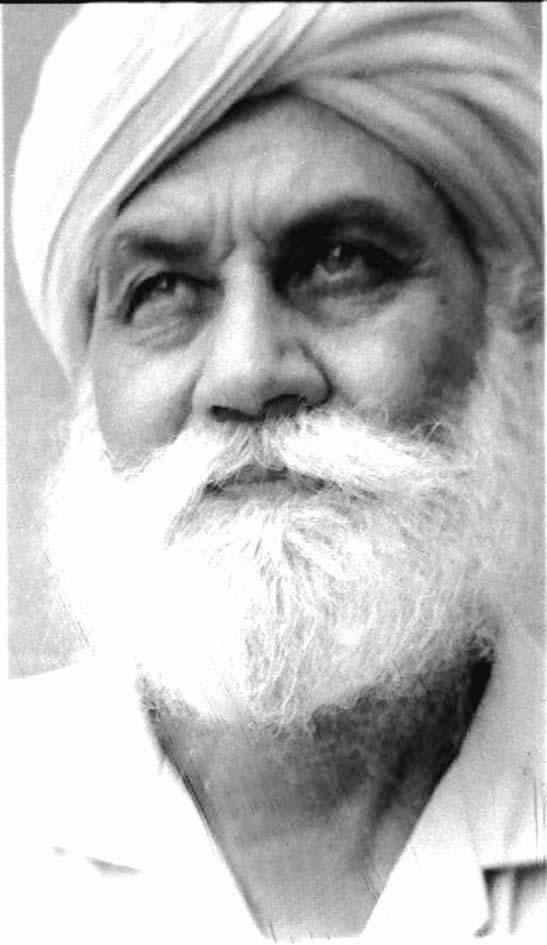
Ghadar and communist leader who led the muzara tenants of PEPSU against their landlords after 1947.
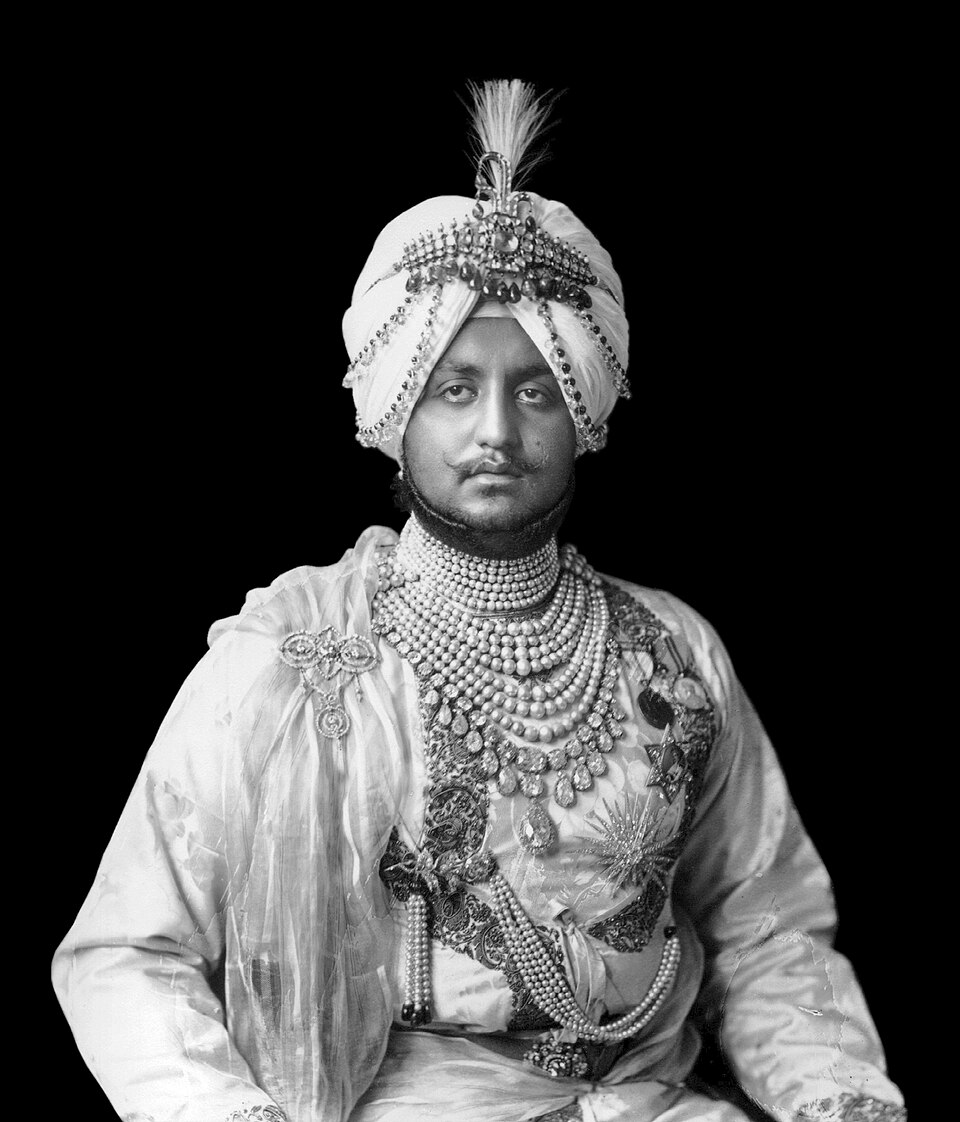
Flamboyant ruler of Patiala, cricketer and Chancellor of the Chamber of Princes, famous for his jewels and cars.
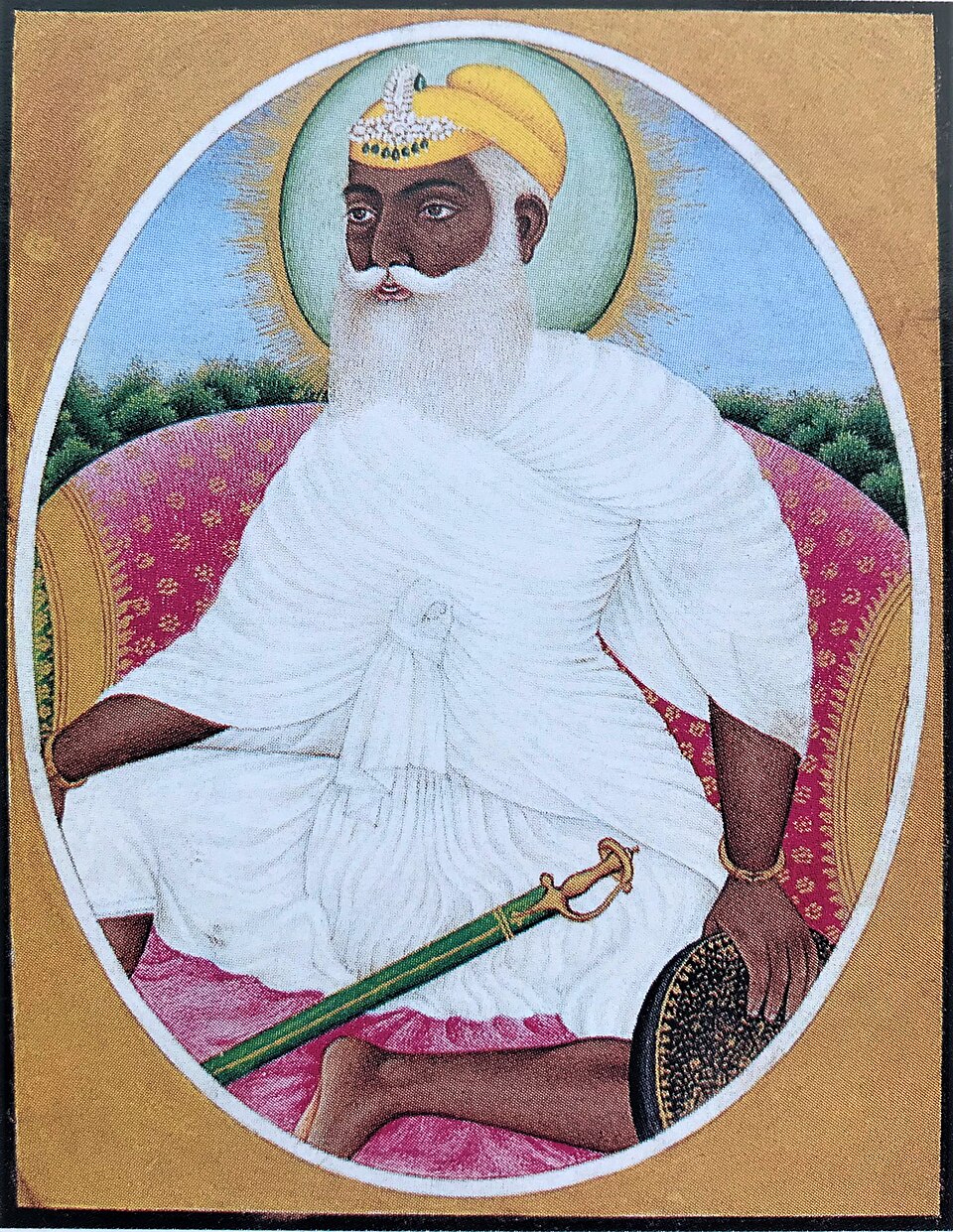
Founder of Patiala and of the Phulkian dynasty that ruled it until 1948.
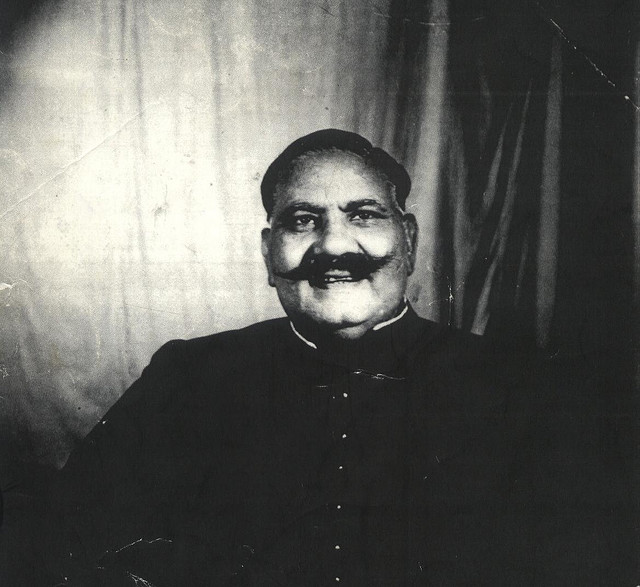
Singer of Kasur and the Patiala gharana, one of the greatest voices of Hindustani classical music.
Leader of the Praja Mandal against the Maharaja of Patiala's rule, who died in Patiala jail after a hunger strike.
Artifacts
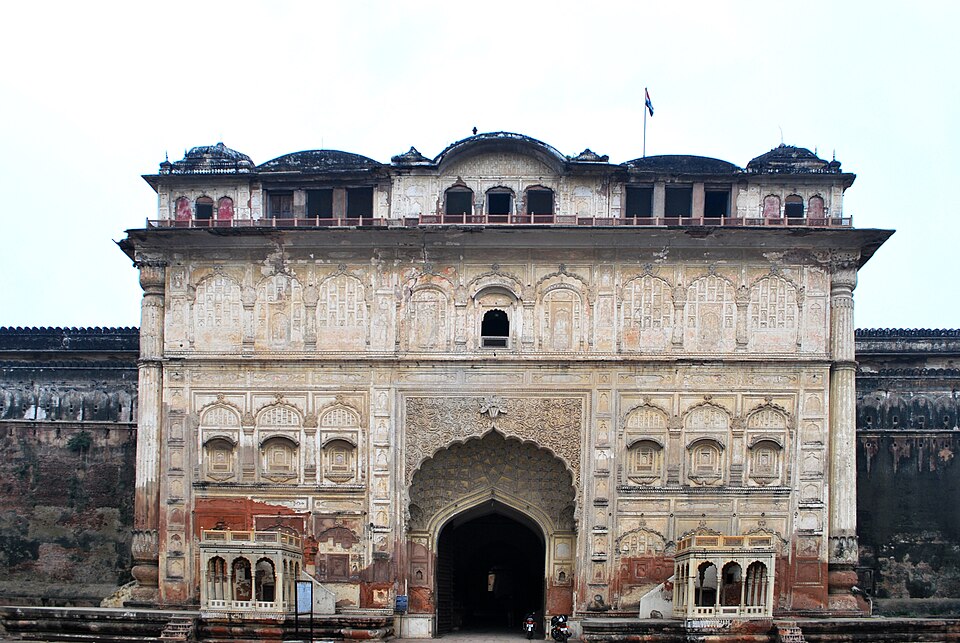
The fortified palace of the Phulkian Maharajas, begun by Baba Ala Singh, with painted halls and a Darbar Hall of chandeliers and arms.
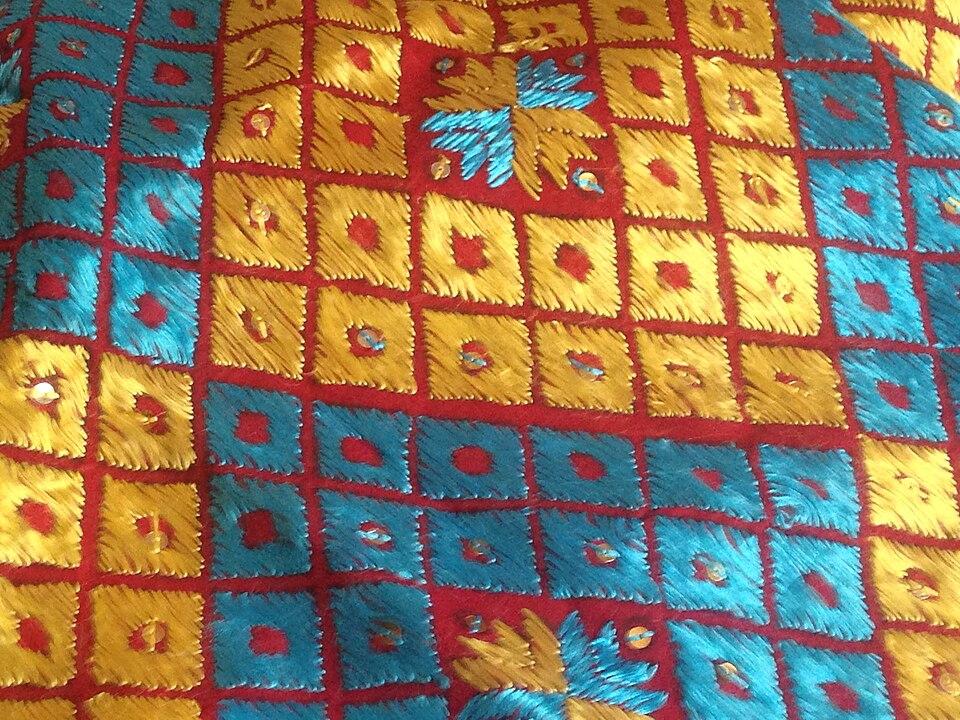
The 'flower work' of Punjabi women: geometric embroidery in golden and crimson silk, worked from the back of the cloth. A bagh, 'garden', covers the whole shawl; brides were given them at their weddings.
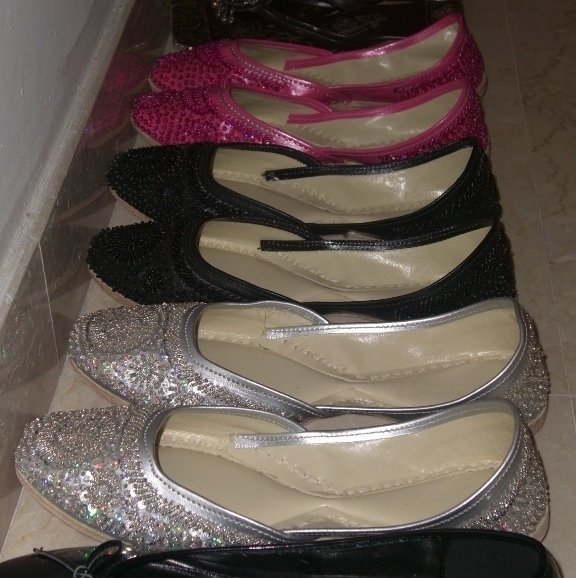
The flat leather slipper of the Punjab, embroidered in gold thread, with a curled toe for men and a closed back for women.
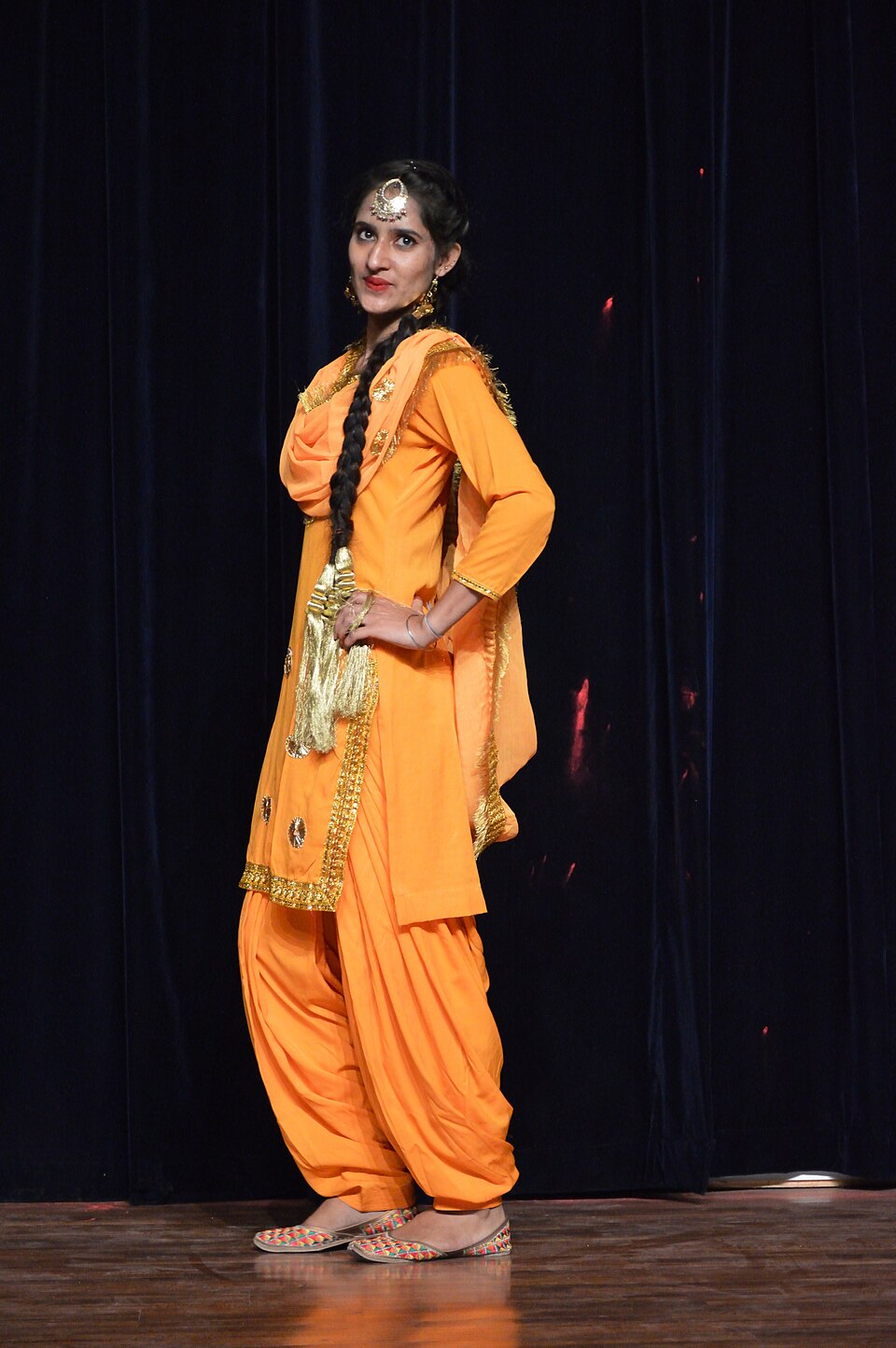
The full, deeply pleated salwar named after the princely state of Patiala, now worn all over South Asia.
On the timeline
In the world's museums
32 objects → Portrait of Maharaja Karam Singh of Patiala (r.1813-1848)British Library, London · photo Wikimedia Commons (Wikimedia Commons) ↗
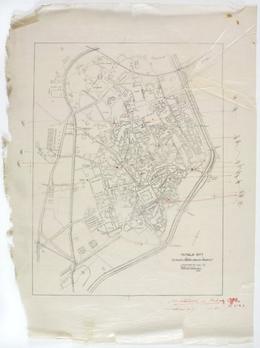 Patiala CityUniversity of Edinburgh (via Europeana) · CC BY ↗
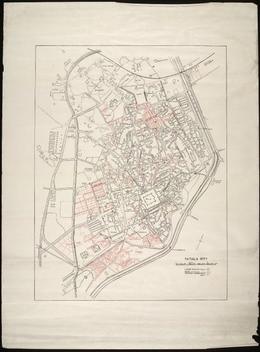 Patiala CityUniversity of Edinburgh (via Europeana) · CC BY ↗
 Patiala CityUniversity of Edinburgh (via Europeana) · CC BY ↗
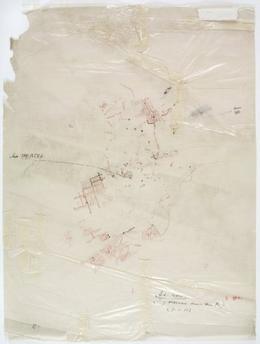 Patiala CityUniversity of Edinburgh (via Europeana) · CC BY ↗
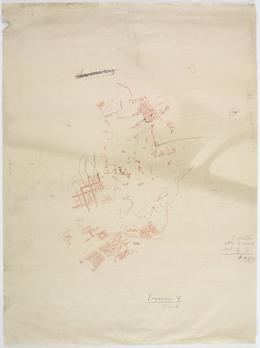 Patiala CityUniversity of Edinburgh (via Europeana) · CC BY ↗
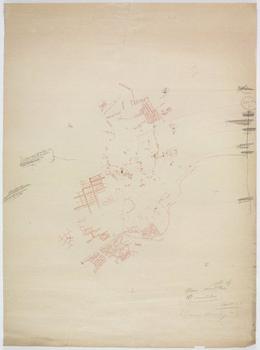 Patiala CityUniversity of Edinburgh (via Europeana) · CC BY ↗
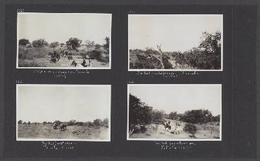 Albumblad met vier foto's met de olifantenjacht in PatialaIndien India Индия Intia Índia Индия Indija Indija Indija Inde India India IndijNational Archives of the Netherlands (via Europeana) ↗
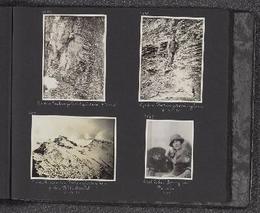 Albumblad met vier foto's. linksboven: Besneeuwd bos in Zweden. rechtsboven: Patiala in…1927 · Zweden Stockholm Zweden Schweden Ruotsi Швеция Suécia Швеция Švedija ŠvedNational Archives of the Netherlands (via Europeana) ↗
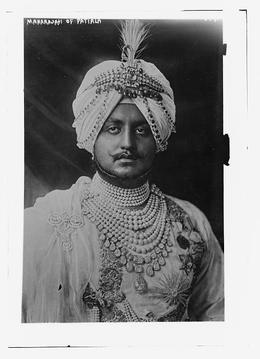 Maharajah of Patiala1915-01-01Library of Congress ↗
 Genealogical table of the Phulkian Dynasty, including the houses of Patiala, Jind, NabhaWikimedia Commons · Attar Singh of Bhadaur ↗
 Portrait of Maharaja Mahinder Singh of Patiala, 1870-1876, Punjab state, IndiaAsian Art Museum, San Francisco · photo Wikimedia Commons (Wikimedia Commons) ↗
 The Maharaja of Patiala, Bhupinder Singh, inspects a BL 12 inch Mk III railway howitzer…Wikimedia Commons · John Warwick Brooke ? ↗
 Painting of Guru Gobind Singh on-horseback, Patiala, Punjab, circa late-18th centuryWikimedia Commons ↗
 Painting of eight Sikh courtiers and servants of the Raja of Patiala [Patiala State]V&A, London · photo Wikimedia Commons (Wikimedia Commons) ↗
 Patiala State Monorail SystemWikimedia Commons · Pravin Jha · CC BY-SA ↗
 This portrait of the ruler Amur Singh of Patiala, an important Sikh kingdomWikimedia Commons ↗
 Portrait painting of Maharaja Narinder Singh of Patiala State, circa late-19th centuryRoyal Ontario Museum, Toronto · photo Wikimedia Commons (Wikimedia Commons) ↗